A timber floor can make a home feel settled from the moment you walk in. It brings warmth, texture and that lived-in quality many renovators want, but the question is no longer just what looks good. More homeowners are asking which sustainable timber flooring options genuinely hold up in family homes and renovation projects without creating problems later.
That is where the detail matters. A floor can be marketed as natural or eco-friendly, yet still involve high resource use, short product life or finishes that are less suitable for indoor air quality. If you are choosing surfaces for a kitchen, living area or full home renovation, it helps to look past the label and understand what sustainability really means in practice.
What makes timber flooring sustainable?
Sustainability in flooring is rarely one single feature. It usually comes down to a combination of responsible sourcing, long service life, low-waste manufacturing and healthy installation materials. A timber floor that lasts for decades and can be refinished may be a better environmental choice than one that needs replacing much sooner, even if both are made from wood.
The source of the timber is the first checkpoint. Responsibly managed forests, reclaimed timber and plantation-grown species generally sit in a stronger position than materials from uncertain origins. The second checkpoint is how the boards are made. Some products use more of the log and create less waste, while others rely on thick cuts of slow-growing hardwood.
The finish also matters more than many people expect. Low-VOC coatings and adhesives can support better indoor air quality, which is especially relevant for young families, closed-plan spaces and renovation projects where several new materials are being installed at once.
Sustainable timber flooring options worth considering
Not every home needs the same flooring solution. The best choice depends on traffic levels, moisture exposure, budget, design goals and whether you are renovating for long-term living or preparing a property for resale.
Recycled hardwood flooring
Recycled hardwood is one of the strongest sustainable timber flooring options if you want authentic character and excellent longevity. These boards are usually salvaged from old homes, warehouses, bridges or industrial buildings, then milled for reuse.
The environmental benefit is straightforward – existing timber is kept in use rather than sent to landfill, and there is no demand for new harvesting. Recycled hardwood also tends to offer visual depth that newly milled boards cannot easily replicate, with natural variation, tight grain and the occasional mark that gives the floor real identity.
The trade-off is consistency. Board lengths, colour tone and grain can vary more than in newly manufactured flooring, and supply is not always predictable. For designers and homeowners who value individuality, that can be part of the appeal. For projects needing a highly uniform architectural finish, it may require more careful selection.
FSC-certified solid timber
Solid timber from responsibly managed forests remains a popular choice for premium homes. When properly certified, it gives buyers more confidence that the timber has come from a forest managed for regeneration, biodiversity and legal harvesting practices.
Solid boards can be sanded and refinished multiple times, which supports a long lifespan. In lower-moisture areas such as bedrooms, living rooms and hallways, they can serve beautifully for decades. Australian species are often chosen for their hardness and familiar appearance, while some imported species are selected for particular grain or colour.
Still, solid timber is not always the most efficient use of raw material. It uses more hardwood per board than engineered products, and it can be more reactive to seasonal expansion and contraction. In Melbourne homes, where indoor conditions can shift across the year, that movement needs to be allowed for during installation.
Engineered timber flooring
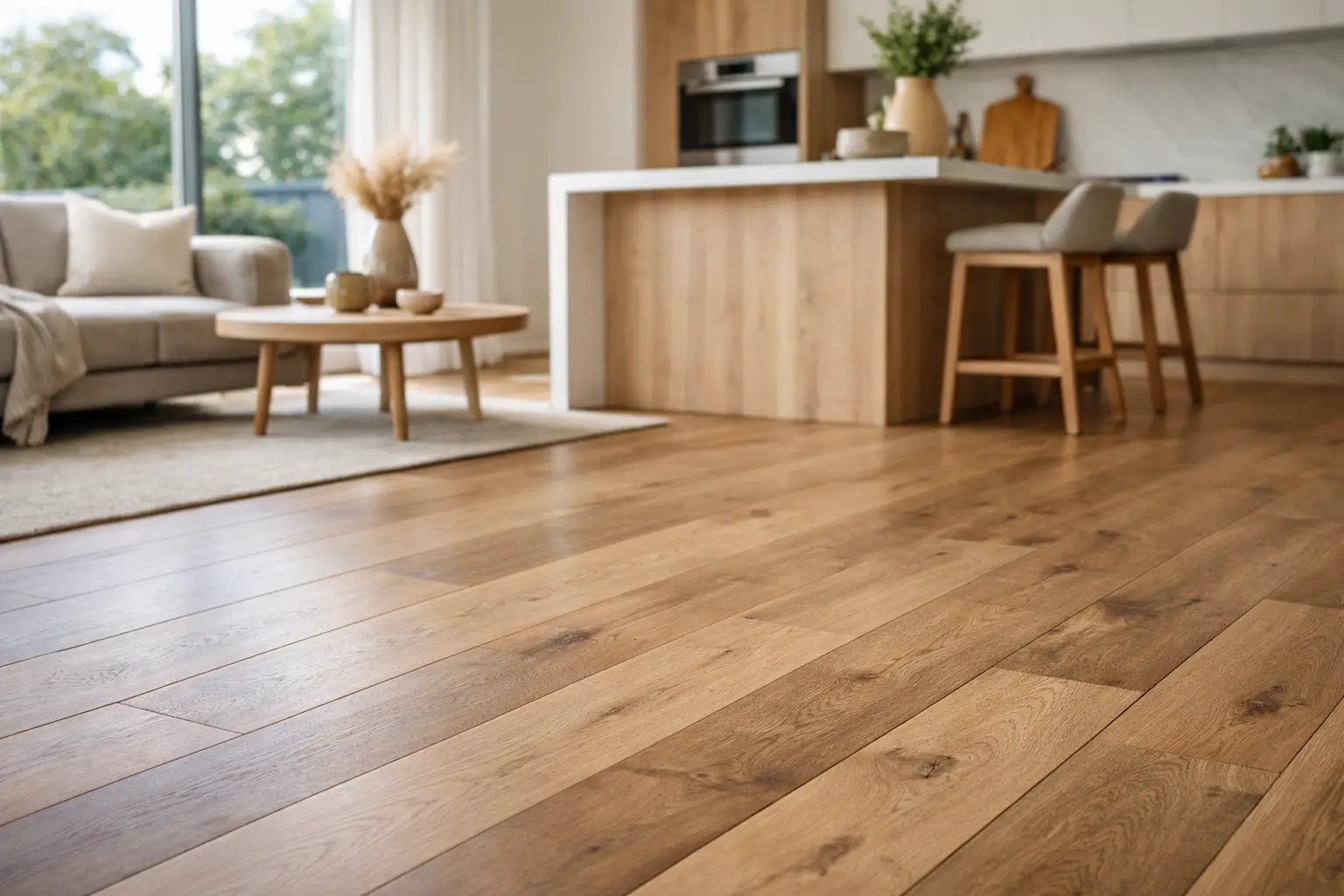
Engineered timber is often the most practical middle ground. It has a real timber wear layer on top, bonded over a stable core made from layered timber or plywood. Because it uses less slow-growing hardwood on the surface, it can be a more resource-efficient option than full solid boards.
This construction also improves dimensional stability. That makes engineered timber well suited to open-plan living zones and modern renovations where consistent performance matters. Many premium ranges can still be refinished, depending on the thickness of the top layer, so they are not simply a short-term decorative product.
Quality varies significantly, so this is one category where specifications matter. A thicker wear layer, stable core, reputable adhesive system and low-emission finish will usually justify the investment. Cheaper engineered boards may look the part initially but offer less durability and limited refinishing potential.
Plantation-grown timber
Plantation timbers such as bamboo-like alternatives are often discussed in the same sustainability conversation, but true plantation-grown hardwood or softwood flooring deserves its own place. These products come from managed growing systems designed for renewal and ongoing supply.
The main advantage is reduced pressure on native forests. Plantation species can also deliver more consistent board size and colour, which suits contemporary interiors. Depending on the species, hardness may vary, so it is worth checking whether the timber is suitable for busy homes with children, pets and frequent foot traffic.
This option works best when paired with solid manufacturing standards and a quality finish. Sustainability is stronger when the product also performs well over time.
How to compare sustainable timber flooring options properly
A beautiful sample board tells only part of the story. The more useful comparison looks at lifespan, maintenance, finish quality and how the floor will behave in the rooms you are renovating.
Start with durability. Harder species and well-made engineered boards tend to perform better in family homes, especially in entry areas and living zones. If you expect chairs to move regularly, toys to be dropped or pets to race through the house, surface resilience matters.
Then consider maintenance. Some oiled finishes have a lovely natural appearance but need more ongoing care. Polyurethane-coated boards can be easier to clean and more resistant to everyday wear, although the finish can affect the final look and feel underfoot.
It is also wise to check moisture suitability. Timber and standing water do not mix well, which is why many homeowners choose timber for living areas and bedrooms, then use porcelain tiles in laundries, bathrooms or busy kitchen zones. That mixed-material approach can be both practical and design-led, especially when you want the warmth of timber without forcing it into every room.
Timber look versus real timber in high-use areas
This is where honest advice matters. Real timber offers natural beauty and long-term appeal, but it is not always the easiest surface for every part of the home. In wet zones or renovation projects where low maintenance is a priority, timber-look porcelain can sometimes be the more sustainable decision over the full life of the project.
Porcelain does not require sanding, sealing or specialist timber care, and quality products are highly resistant to staining, scratching and moisture. For busy family homes, that can reduce replacement cycles and simplify day-to-day cleaning. It also gives designers greater confidence in bathrooms, mudrooms and connected indoor-outdoor areas.
For homeowners balancing warmth, performance and long-term value, a combination of real timber in dry living spaces and premium porcelain in wet or high-wear zones often makes excellent sense. It is not about one material winning over another. It is about using the right surface in the right place.
Questions to ask before you buy
Before selecting from different sustainable timber flooring options, ask where the timber was sourced, what certifications back it up, what finish has been used and whether low-VOC adhesives are part of the installation system. Also ask how thick the wear layer is if you are considering engineered timber, and whether the product can be sanded in future.
Lead time and stock availability are worth checking too. Renovation schedules can shift quickly, and a delay in flooring can hold up cabinetry, painting and final fit-off. For projects running to a tight program, local supply and clear product information can make the process far smoother.
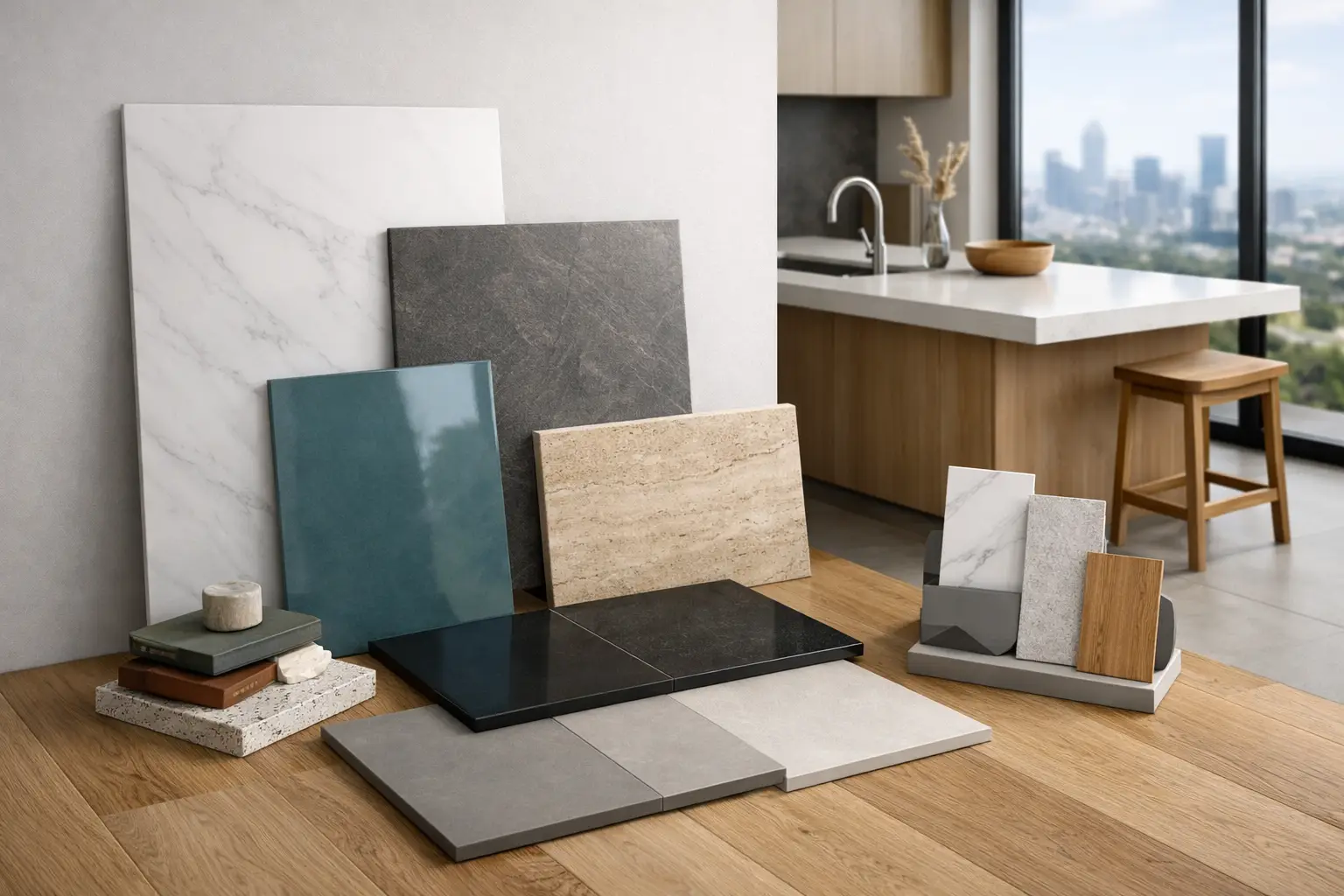
If you are coordinating flooring with wall tiles, kitchen finishes or bathroom surfaces, it helps to view the whole material palette together rather than choosing each item in isolation. That is often where experienced renovation suppliers add real value. In Melbourne, showrooms such as Verona Ceramic help homeowners and trade clients compare finishes side by side so performance and style work together, not against each other.
The right choice depends on how you live
A sustainable floor should not only sound good on paper. It should suit the pace of your household, the design of your home and the amount of maintenance you are realistically willing to do. Recycled hardwood may be perfect for a character renovation. Certified solid timber may suit a long-term premium build. Engineered boards may offer the best balance for many modern family homes.
The smartest choice is usually the one that combines responsible sourcing with genuine durability and a finish you will still be happy to live with years from now. When a floor looks beautiful, wears well and fits the way your home actually functions, that is where sustainability starts to feel practical, not just aspirational.