The tile you choose will shape how your renovation looks, feels and performs long after the paint dries. A good guide to porcelain tiles for renovations should do more than talk about colour and style – it should help you choose a surface that suits your family, your layout and the way you actually live.
Porcelain has become a favourite for kitchens, bathrooms and full-home updates because it balances beauty with hard-wearing practicality. It is dense, durable, easy to clean and available in finishes that suit everything from calm, natural interiors to bold architectural spaces. For homeowners and renovation professionals alike, the real value lies in choosing the right porcelain tile for the right room.
Why porcelain tiles work so well in renovations
Porcelain tiles are made from refined clay fired at very high temperatures, which creates a dense and less porous tile than standard ceramic. In practical terms, that means better resistance to water, stains and day-to-day wear. In busy homes, that matters.
This is one reason porcelain suits renovation projects so well. When you are updating a bathroom, reworking a kitchen or planning a complete interior refresh, you want surfaces that hold their appearance without demanding too much maintenance. Porcelain offers that mix of dependable performance and refined finish.
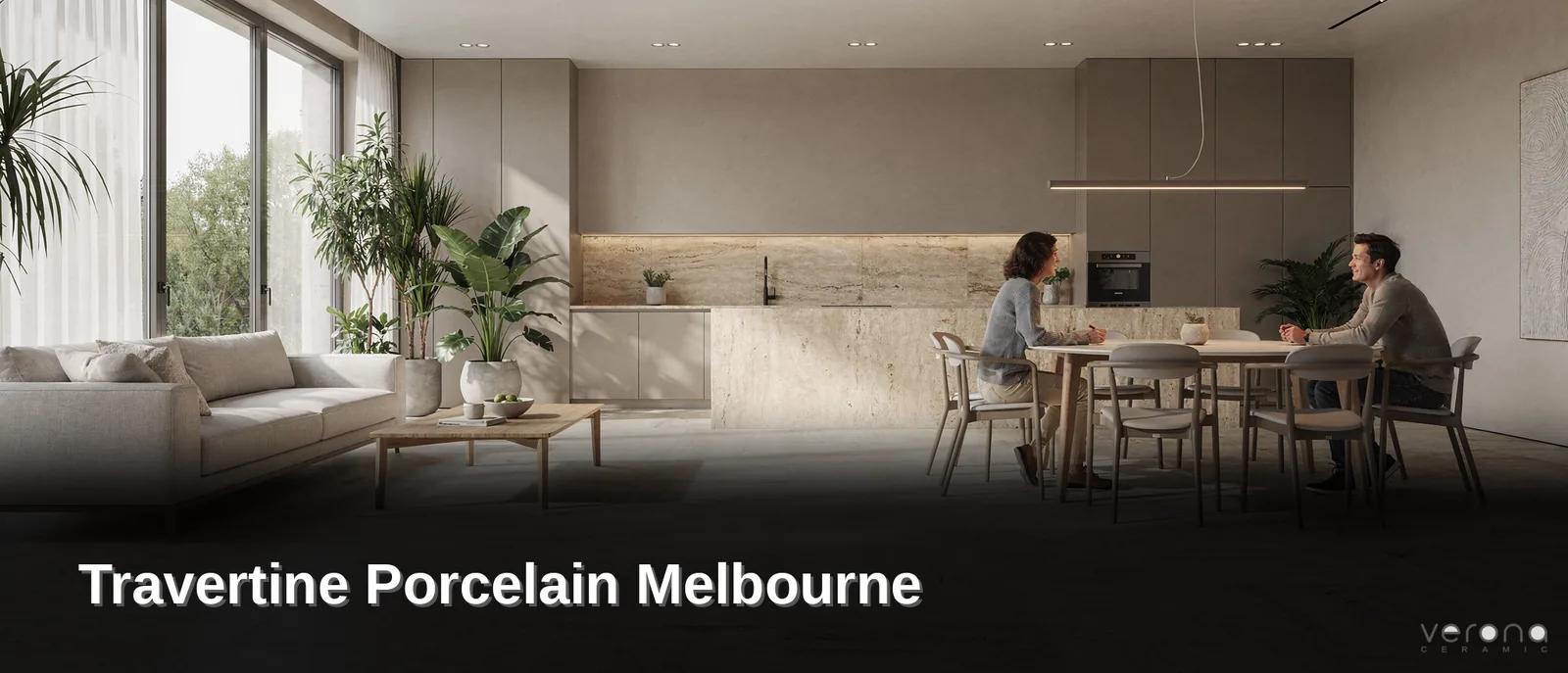
It also gives designers and builders more freedom. You can choose stone-look, concrete-look, terrazzo, marble-look or minimalist plain tiles, often with matching wall and floor options. Large format porcelain can create a more continuous, premium look, while smaller formats can add texture, detail or better grip in wet zones.
A practical guide to porcelain tiles for renovations
The first decision is not colour. It is where the tile is going and what it needs to handle. A kitchen floor has different demands from a shower wall. A family entry needs more durability than a decorative powder room. When the tile choice starts with function, the design decisions become much easier.
For floors, pay attention to wear rating, surface texture and slip resistance. PEI ratings are useful for glazed porcelain because they indicate how well the surface handles foot traffic. Higher ratings generally suit busier residential areas. In a kitchen, hallway or open-plan living area, a tile with solid wear performance makes more sense than choosing purely on appearance.
Slip resistance matters most in bathrooms, laundries, outdoor connections and any area where wet feet are likely. A matte or structured finish often provides better grip than a polished surface. That does not mean you must sacrifice style. Many premium porcelain ranges now offer soft matte finishes that feel contemporary and still perform well in family homes.
For walls, the priorities shift slightly. You may have more flexibility with finish, texture and visual detail because the tile is not taking the same foot traffic. This is where marble-look porcelain, vertical stack layouts or feature surfaces can add character without the upkeep associated with natural stone.
Choosing the right finish
Finish changes both the appearance and the everyday practicality of a tile. This is often where renovation decisions become more nuanced.
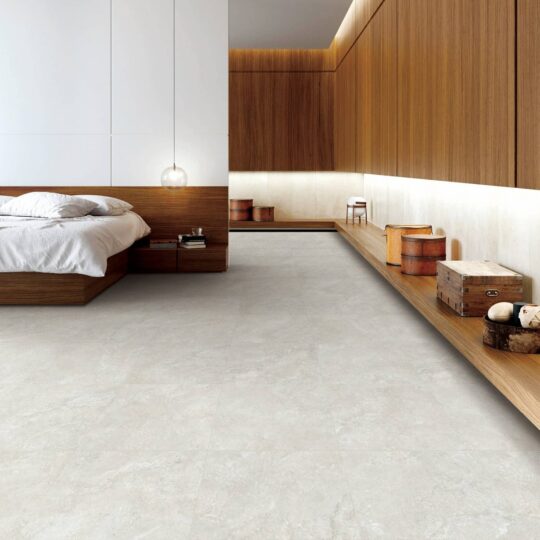
Matte porcelain is one of the most versatile options. It works beautifully in modern kitchens, bathrooms and living spaces, and it tends to hide smudges, water marks and general family life better than highly reflective surfaces. It also offers a softer, more natural feel underfoot and visually suits a wide range of joinery, benchtops and paint colours.
Polished porcelain brings more light and a dressier look, which can work well in formal interiors or smaller rooms where reflection helps the space feel brighter. The trade-off is that polished finishes can show marks more easily and may not be the best choice for wet floors.
Structured or textured finishes are often preferred in wet areas or spaces that open to the outdoors. These can improve grip, though deeper textures may need a little more attention during cleaning. It is always worth balancing safety, comfort and maintenance rather than assuming one finish is best for every room.
Tile size changes the whole feel of a room
Size is not just a style choice. It influences installation, visual scale and how spacious a room feels.
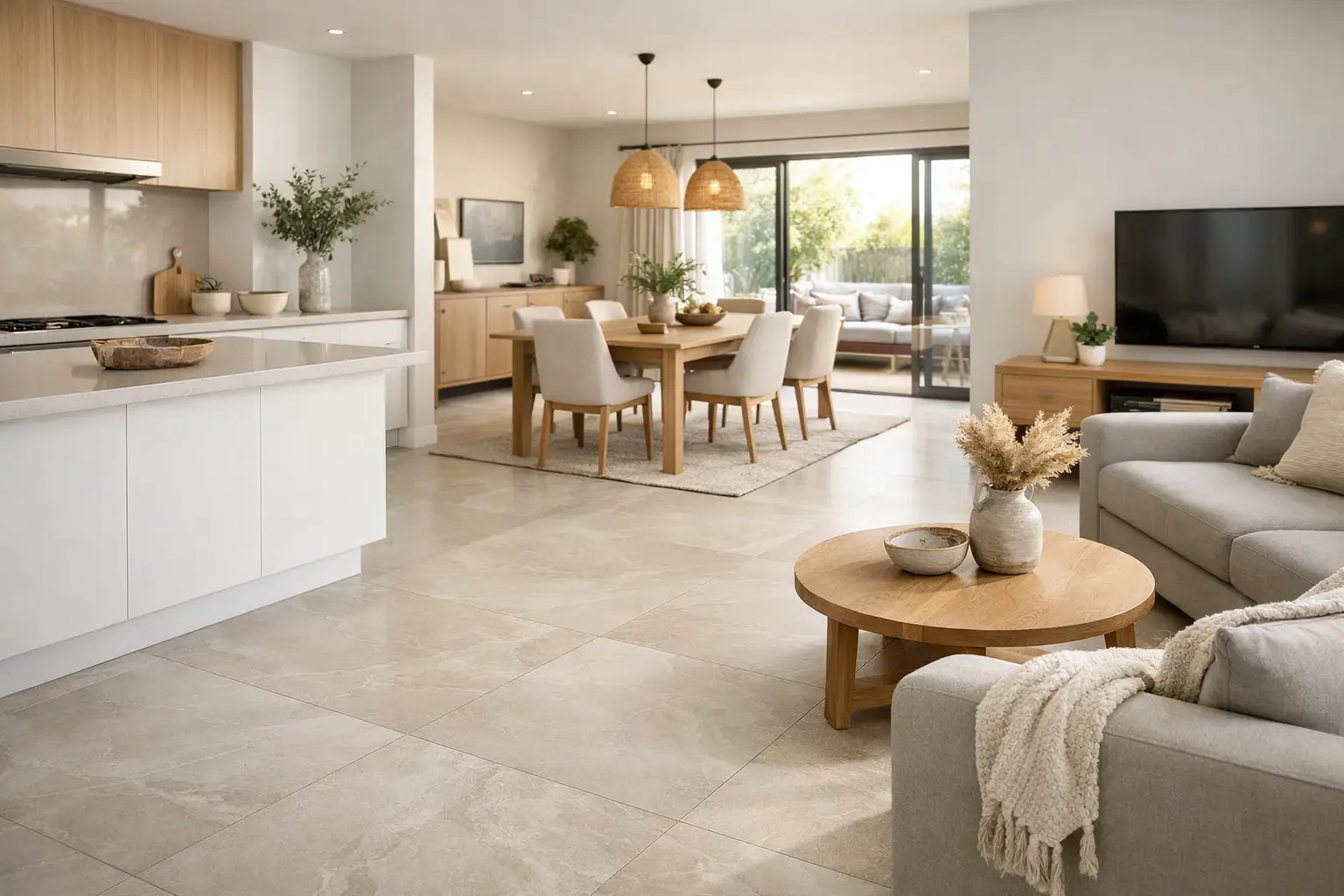
Large format tiles are increasingly popular in renovations because they create fewer grout lines and a cleaner, more expansive appearance. In open-plan living spaces, kitchens and larger bathrooms, they can make the room feel calmer and more refined. They also tend to suit contemporary homes and premium architectural finishes.
That said, larger is not always better. Small bathrooms, older homes with uneven substrates or rooms with multiple angles may be better served by medium-sized tiles that are easier to lay neatly. Smaller tiles also remain a smart option for shower floors, where extra grout lines can improve slip resistance and allow for proper drainage falls.
A well-planned renovation often uses different tile sizes across the home while keeping the palette consistent. That creates visual cohesion without forcing one format into spaces where it does not perform as well.
Matching porcelain tiles to key renovation zones
In kitchens, porcelain flooring needs to cope with dropped utensils, heavy foot traffic and frequent cleaning. Matte finishes in stone-look or concrete-look styles are a reliable choice because they feel current yet timeless. Splashbacks can either blend with the floor for a calm, tonal scheme or provide contrast through shape, finish or pattern.
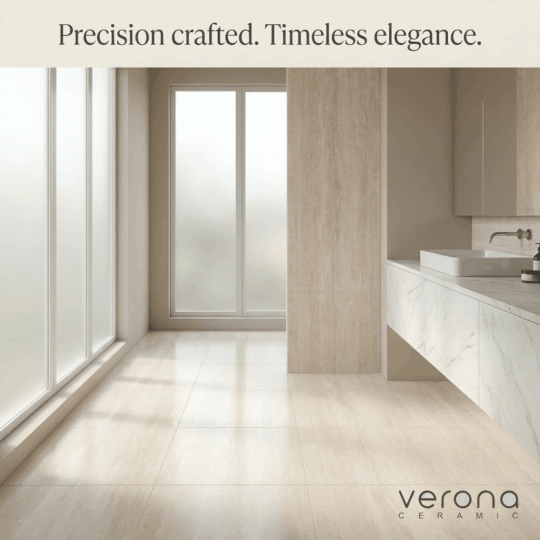
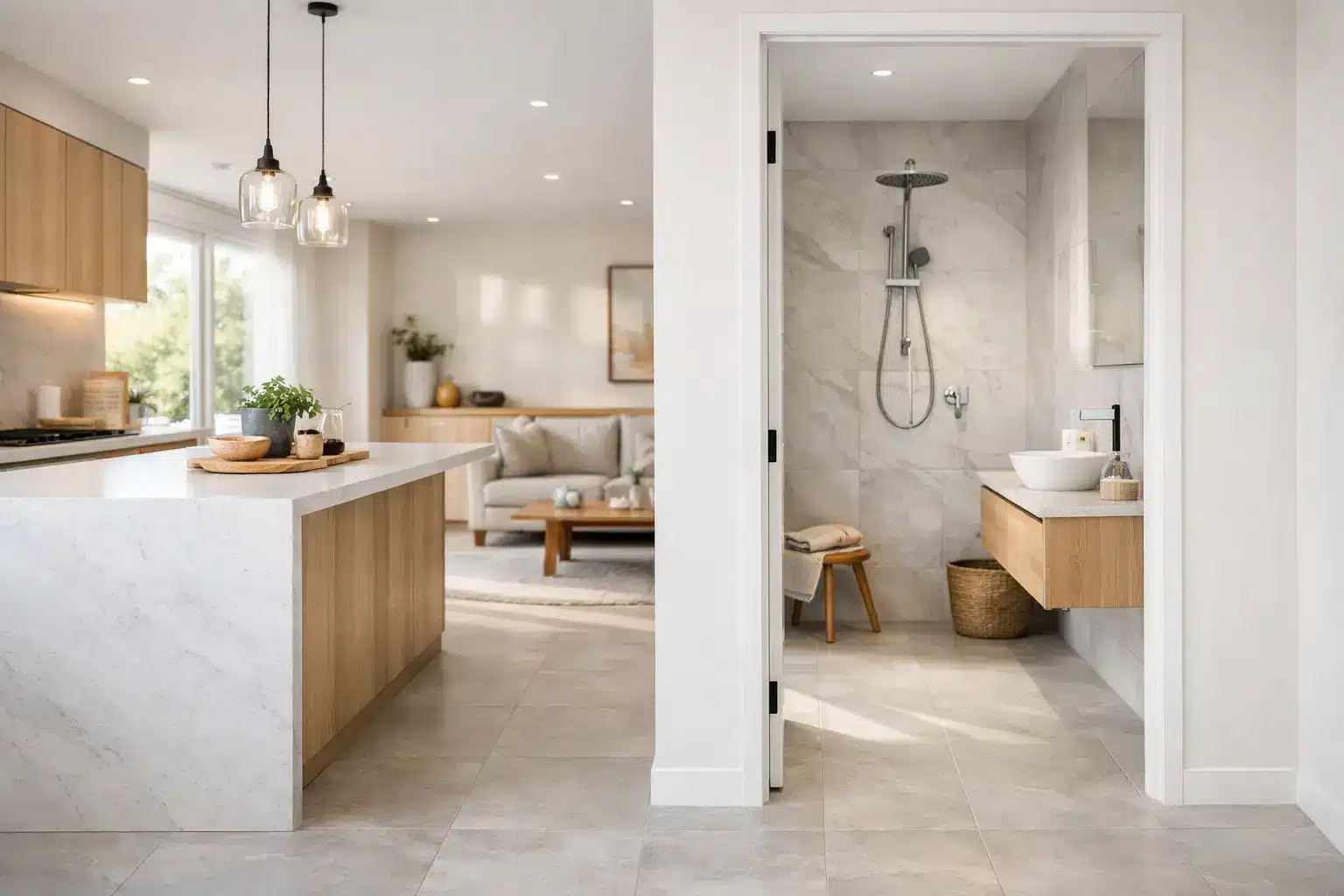
In bathrooms, porcelain is ideal because of its low porosity and broad range of slip-resistant options. Floor tiles should prioritise grip and comfort, while wall tiles can be more decorative. Soft neutral tones remain popular because they create a clean, restful look that ages well.
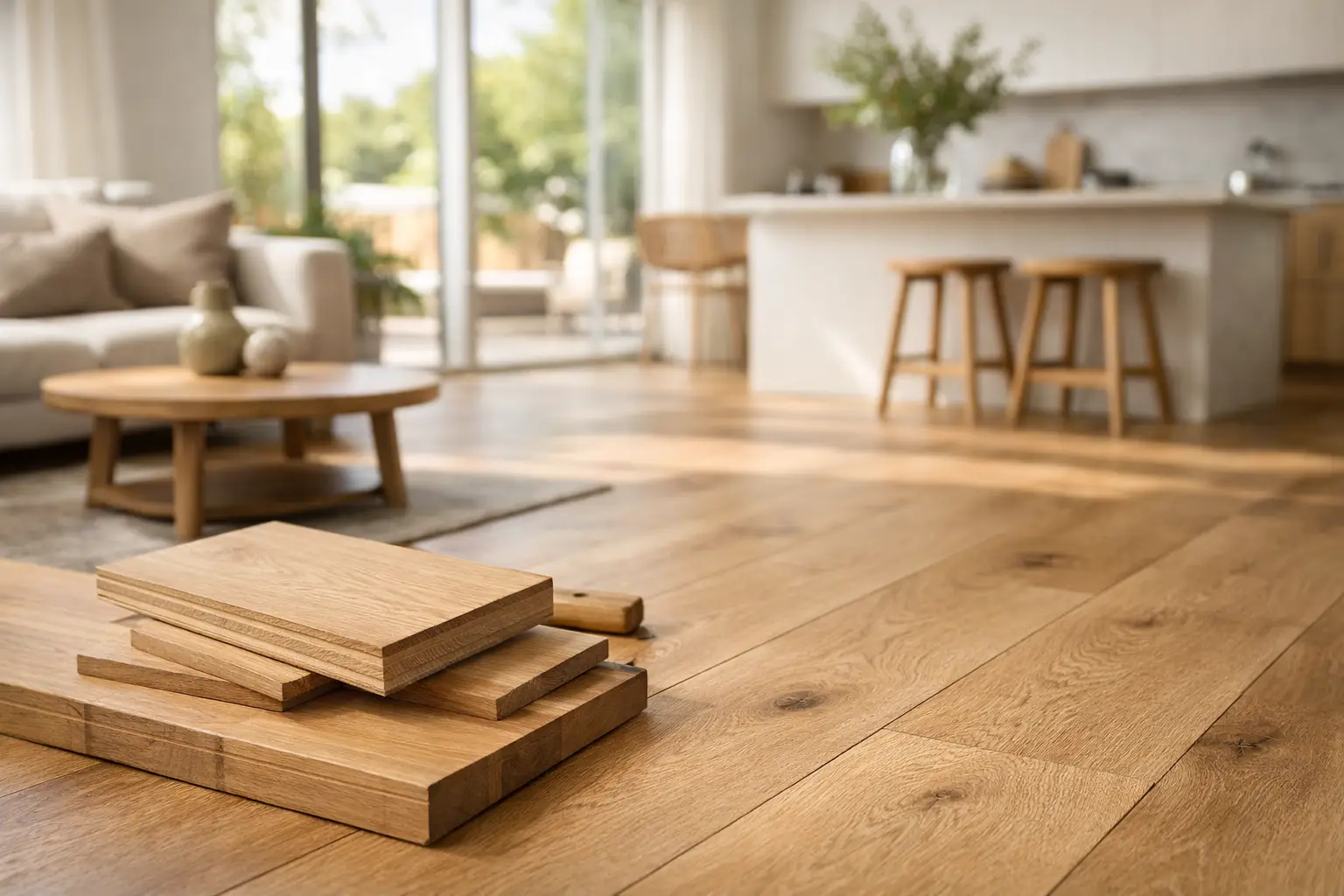
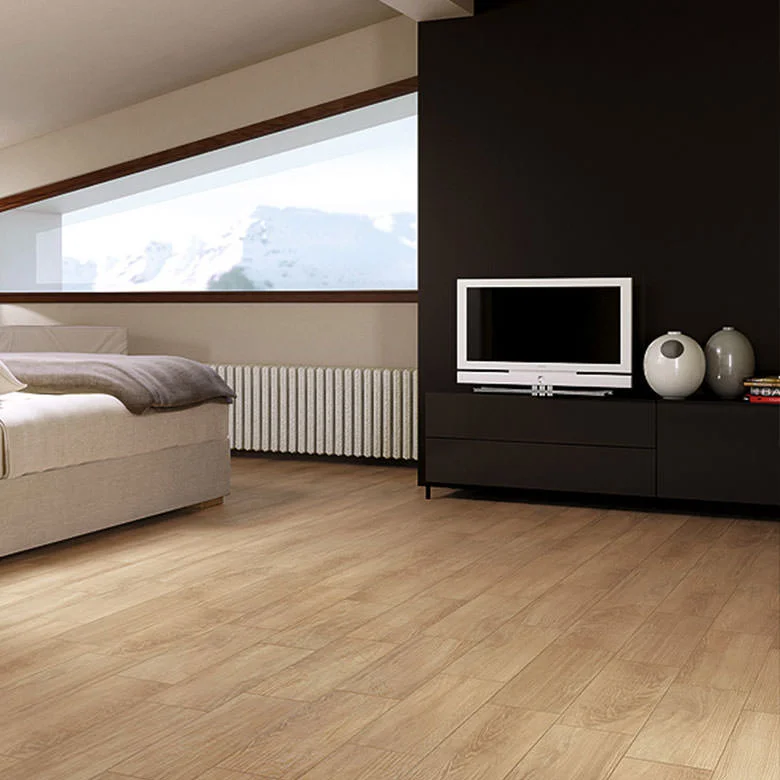
For living areas, many renovators now use porcelain instead of timber in high-traffic zones, especially where durability and easy maintenance matter. Timber-look porcelain offers warmth with less worry about scratching or moisture. It can be particularly practical for families with children or pets.
For laundries and mudroom-style entries, function leads the decision. Choose a tile that handles water, dirt and regular cleaning without fuss. This is where durability and surface grip often matter more than visual drama.
What to check before you buy
A beautiful tile sample is only one part of a sound renovation decision. Stock availability, batch consistency and technical suitability matter just as much, especially when timelines are tight.
Check whether the tile is suitable for the intended application, including floor or wall use, internal or external use, and wet-area performance. Ask about slip rating, PEI rating where relevant, rectified edges and recommended grout joint width. These details affect both the look and the installation outcome.
It is also wise to think about lead times. Ready stock can make a significant difference during renovations, particularly when builders and tilers are scheduled in advance. For Melbourne projects, having access to large local warehouse stock can reduce delays and provide more confidence if extra material is needed later.
If you are coordinating tiles with benchtops, joinery and paint, sample viewing matters. Free measuring and 3D design support can be especially helpful for homeowners who want reassurance before committing to a full-room finish selection.
Installation quality matters as much as tile quality
Even premium porcelain will not look its best if the substrate is uneven, the layout is rushed or the grout colour is poorly chosen. Renovators sometimes underestimate how much the installation details affect the final result.
Rectified porcelain tiles can produce a very clean look with narrower grout joints, but they also demand careful installation. Large format tiles, in particular, need proper substrate preparation to avoid lipping. In wet areas, correct waterproofing and falls are non-negotiable.
This is where experienced tilers and clear product guidance matter. A tile should comply with Australian standards, but the installation also needs to meet those expectations. Good planning upfront usually saves time, cost and frustration later.
Caring for porcelain over the long term
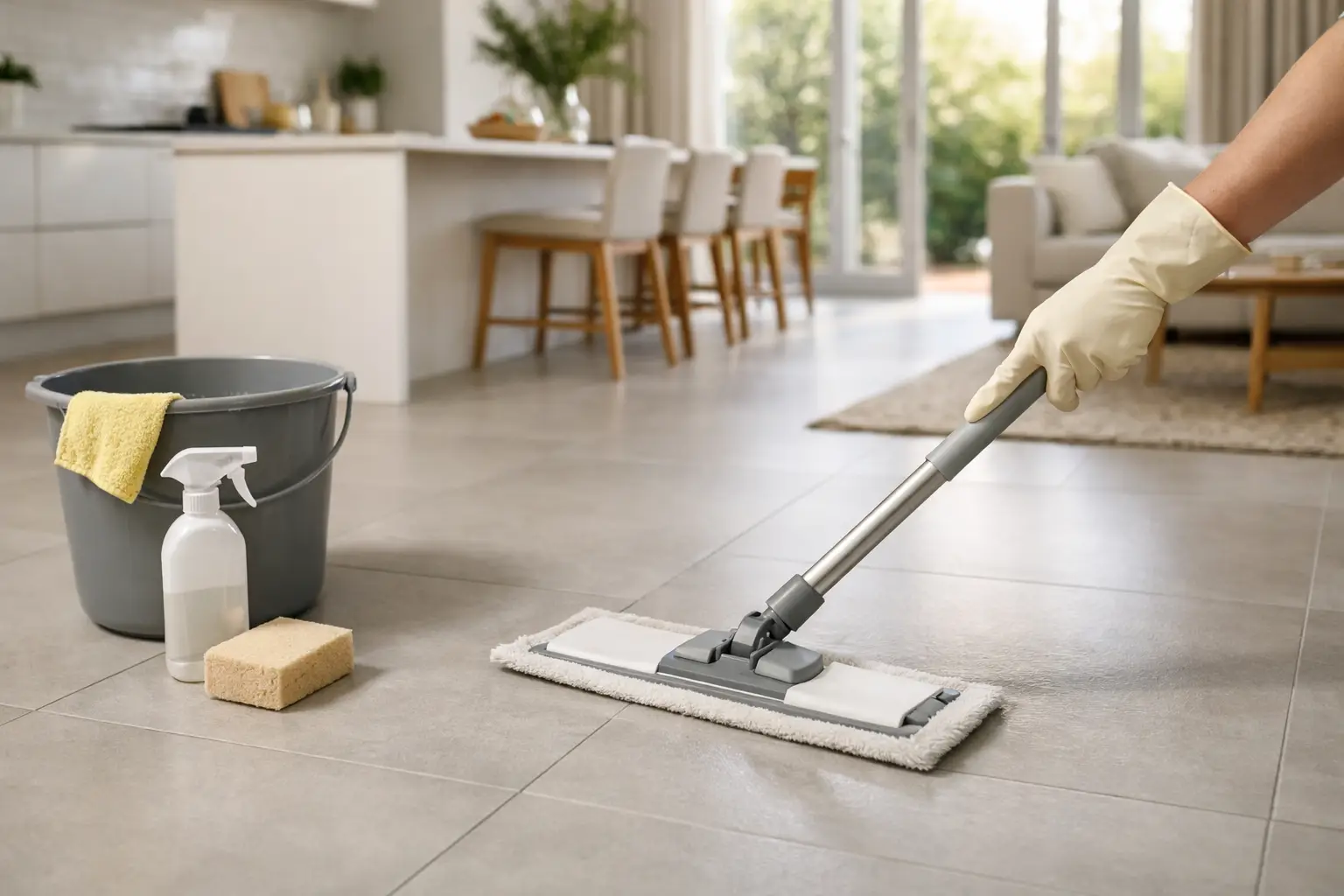
One of porcelain’s strongest advantages is ease of maintenance. For most homes, regular sweeping or vacuuming and cleaning with a pH-neutral solution is enough to keep tiles looking fresh. Because porcelain is dense and low in porosity, it is less likely to absorb spills than many natural materials.
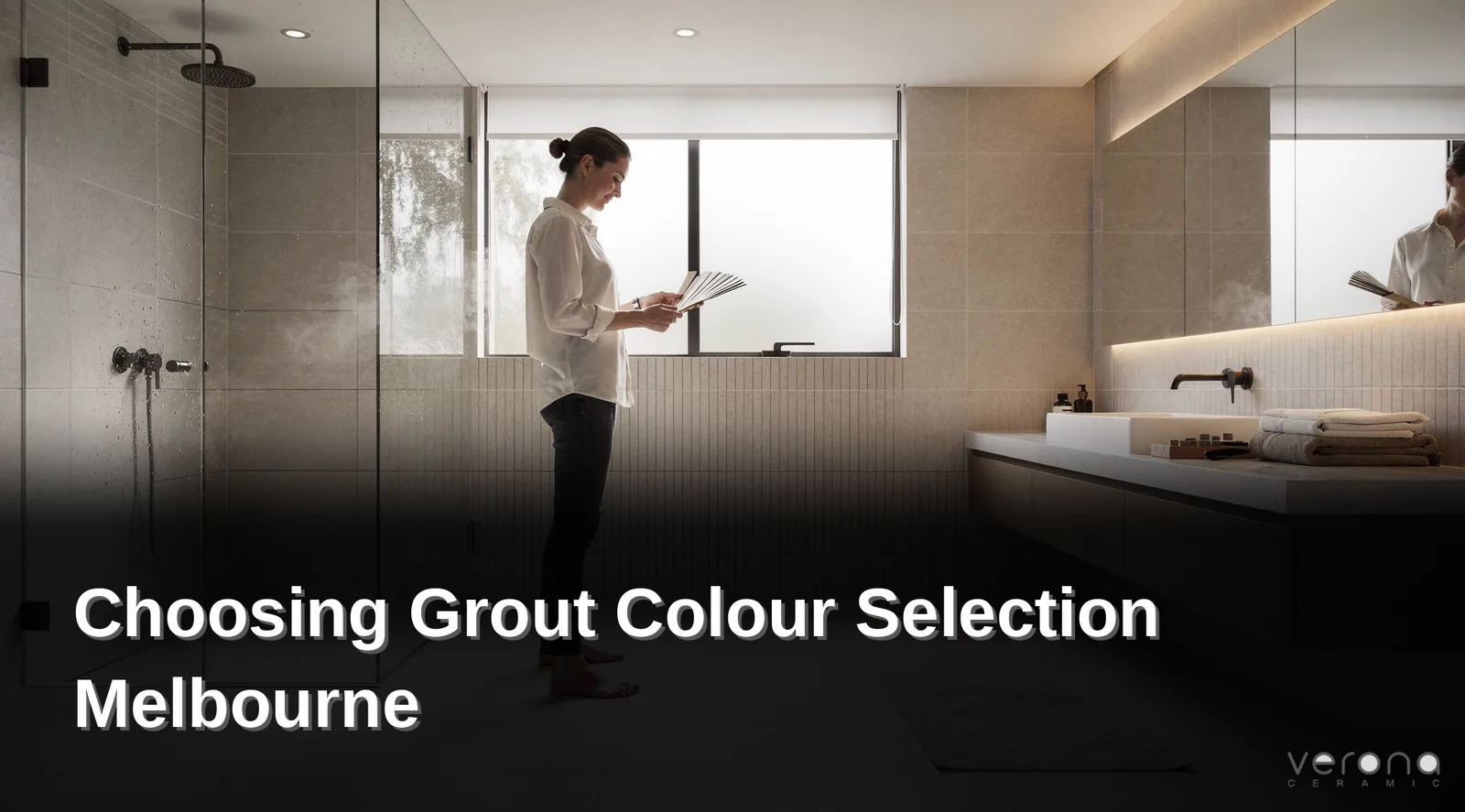
That said, grout still needs attention. Choosing a practical grout colour can make everyday upkeep easier, especially on floors. Lighter grout may look crisp at first, but mid-tones often age more gracefully in busy family areas.
If you are renovating for the long term, this is worth remembering: the best tile is not the one that looks perfect only on handover day. It is the one that still looks good after years of cooking, showers, school mornings and weekend clean-ups.
At Verona Ceramic, that is why the focus stays on enduring quality, family-friendly materials and practical design support rather than passing trends alone. A renovation should feel beautiful in daily living, not just in photos.
The right porcelain tile brings quiet confidence to a home. When you choose with both style and performance in mind, you create spaces that feel settled, durable and easy to enjoy every day.