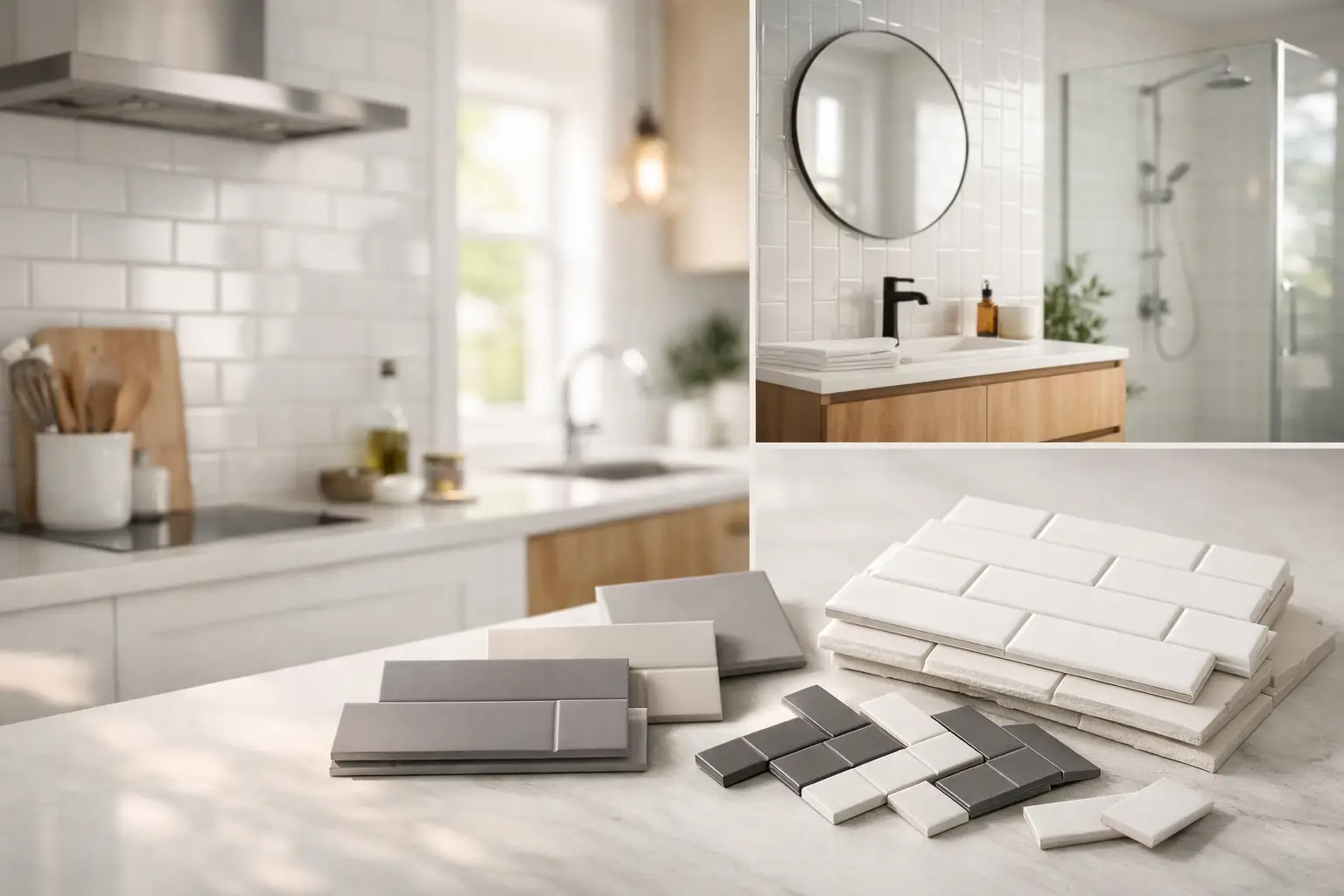
A splashback can make a kitchen feel sharper in a single day, but only if the tile choice still looks right five or ten years from now. That is where subway tiles keep earning their place. They are familiar without feeling dated, practical without looking plain, and versatile enough to suit everything from a compact ensuite to a full family renovation.
For Melbourne homeowners, designers and builders, the appeal is simple. Subway tiles are easy to pair with stone benchtops, timber joinery, brushed tapware and modern appliances. They also work across different budgets and project scales, which makes them one of the safest choices when you want a finish that feels considered rather than risky.
Why subway tiles still work
Some finishes come and go quickly. Subway tiles have lasted because they solve real design problems. Their proportions are tidy, their grout lines add rhythm, and their modular size helps walls feel ordered.
They are also forgiving in day-to-day living. In kitchens, they handle splashes and wipe down easily. In bathrooms and laundries, they suit wet areas and can create a clean, bright look even in rooms with limited natural light. For family homes, that balance of beauty and practicality matters.
The other reason they last is flexibility. A classic white gloss format gives a crisp, timeless result, while matte finishes, handmade-look edges, soft neutrals and darker tones can shift the same basic tile into a more architectural or contemporary direction. You are not locked into one style just because the format is traditional.
Choosing the right subway tiles for each room
The best subway tile is not always the most popular one. It depends on the room, the amount of light, the surrounding finishes and how much maintenance you are comfortable with.
Kitchens
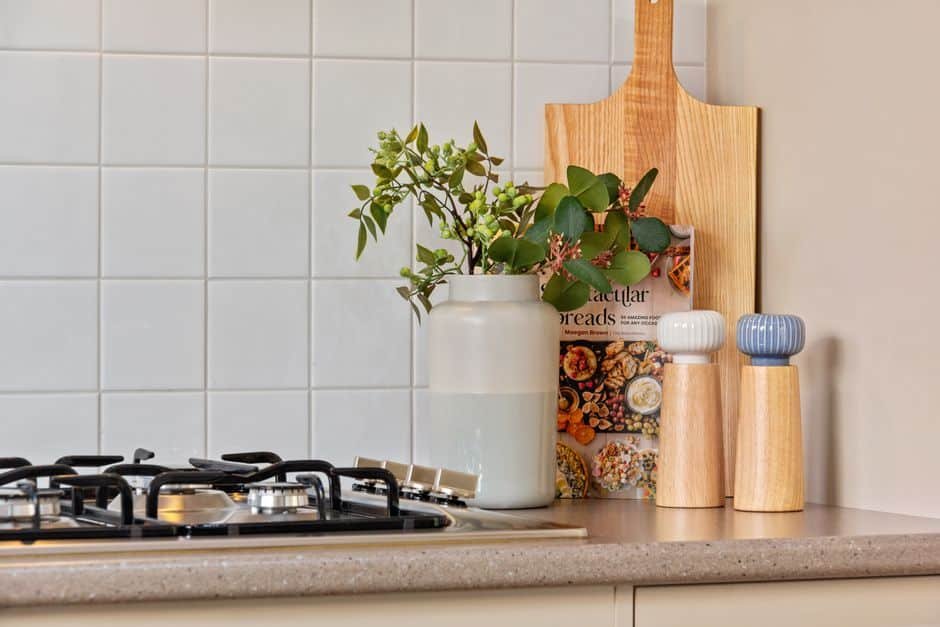
In kitchens, subway tiles are often used for splashbacks because they are practical and visually calm. A gloss finish is especially useful here because it reflects light and is easy to clean. If the kitchen has strong veining in the benchtop or detailed cabinetry, a simpler tile keeps the space balanced.
For a quieter, more premium look, many renovators now choose softer whites, warm greys or greige rather than a bright stark white. These shades sit beautifully with porcelain floor tiles, zero-silica benchtops and timber accents. If the cabinetry is dark, a lighter splashback helps maintain contrast and prevents the room from feeling heavy.
Bathrooms
Bathrooms can handle a bit more texture and variation. Gloss subway tiles remain popular for shower walls and vanity areas, but matte and satin finishes are increasingly used where a softer look is preferred. If the wall tile has a textured or handmade appearance, it can add warmth without overwhelming a smaller room.
In wet areas, the wall tile finish matters less for slip resistance than the floor tile. That said, it is still important to coordinate the overall palette. A bathroom usually works best when subway wall tiles are paired with porcelain floor tiles that meet the slip resistance needed for the space.
Laundries and mudrooms
These rooms benefit from finishes that are hardwearing and straightforward to clean. Subway tiles are well suited here because they brighten utility spaces and provide a neat, durable wall surface behind sinks and benches. A mid-tone grout can be a smart choice in laundries, where the goal is often lower visual maintenance.
Sizes, finishes and edge detail
Not all subway tiles look the same once installed. Small differences in size, finish and edge profile can change the final result more than many people expect.
The classic size is around 75 x 150 mm, but larger formats such as 75 x 300 mm, 100 x 200 mm and 100 x 300 mm create a more contemporary look with fewer grout lines. Smaller tiles often feel more traditional or decorative, while longer formats can make a wall appear more expansive.
Finish is just as important. Gloss reflects light and tends to suit kitchens, smaller bathrooms and spaces where brightness matters. Matte offers a softer, more restrained look that can feel more architectural. Satin sits in between and is often a good compromise.
Edge detail changes the character of the tile. A flat-edged subway tile feels cleaner and more modern. A bevelled edge adds shadow lines and a more classic appearance. Handmade-look edges bring variation and warmth, but they also create a slightly less uniform finish. That can be beautiful, though it is worth knowing up front if you prefer crisp precision.
Layout matters more than most people realise
The same tile can look completely different depending on how it is laid. This is often where a renovation starts to feel either standard or thoughtfully designed.
Brick bond
This is the classic offset pattern most people picture first. It suits traditional, Hamptons-inspired and transitional interiors, and it remains a reliable choice for splashbacks and bathroom walls.
Stacked
A stacked layout feels more modern because the grout lines align vertically and horizontally. It works particularly well with rectified or flat-edged subway tiles and can make a room feel more structured.
Vertical stack
Running subway tiles vertically is a strong option in bathrooms, especially on shower walls or behind a vanity. It draws the eye upward and can help ceilings feel taller.
Herringbone
Herringbone adds movement and detail, which can be ideal for feature areas. It usually involves more cutting and labour, so it may cost more to install. In the right setting, though, it adds a premium finish that still feels timeless rather than trendy.
Grout colour can change the whole look
Homeowners often focus on the tile and leave grout until later, but grout colour has a major impact. White grout with white subway tiles gives a clean, soft look, though it can show staining more readily if not maintained well. A light grey grout is often a practical middle ground because it still feels fresh while being easier to live with.
Dark contrast grout creates definition and brings out the pattern. It can look striking, particularly with stacked or brick layouts, but it also makes every line more visible. That means installation quality becomes even more important. If you want a refined result, the tile spacing, cuts and alignment all need to be consistent.
Practical performance and what to check
Subway tiles are chosen for style, but performance still matters. In most wall applications, porcelain and ceramic subway tiles both perform well. Porcelain is denser and generally more durable, which can be useful in busy family homes or projects where consistency across walls and floors is needed.
If you are selecting accompanying floor tiles, check technical details such as PEI rating for wear resistance in glazed tiles and slip resistance for wet areas. Those ratings are not usually the deciding factor for wall subway tiles themselves, but they matter when the wall finish is part of a broader tile package.
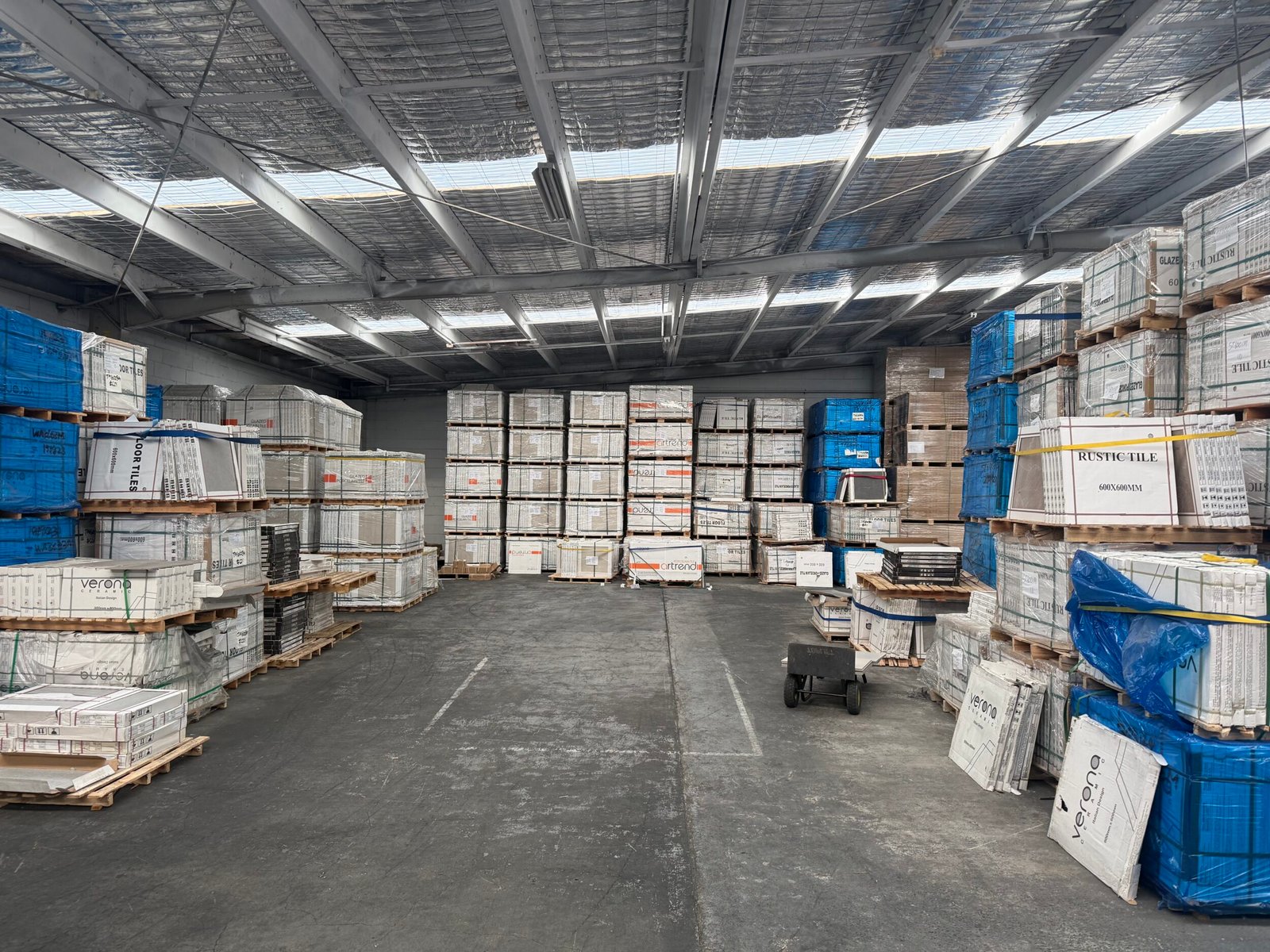
It is also worth checking whether the tiles comply with relevant Australian standards and whether stock is readily available. On renovation timelines, lead times can affect everything from cabinetry installation to final fit-off. For that reason, many builders and homeowners prefer ready stock from a local warehouse rather than waiting on uncertain supply.
When subway tiles are not the best choice
As versatile as they are, subway tiles are not perfect for every application. If you want a very minimal wall with almost no grout lines, a larger format tile may suit better. If the room already has many repeating lines from VJ panelling, fluted cabinetry or strong stone veining, another linear element can sometimes feel too busy.
They also require careful installation around power points, windows and corners. Smaller tiles can make these details easier to manage, but poor planning will still show. That is why design support can make a difference early in the selection stage, especially when coordinating tiles with benchtops, joinery and floor finishes.
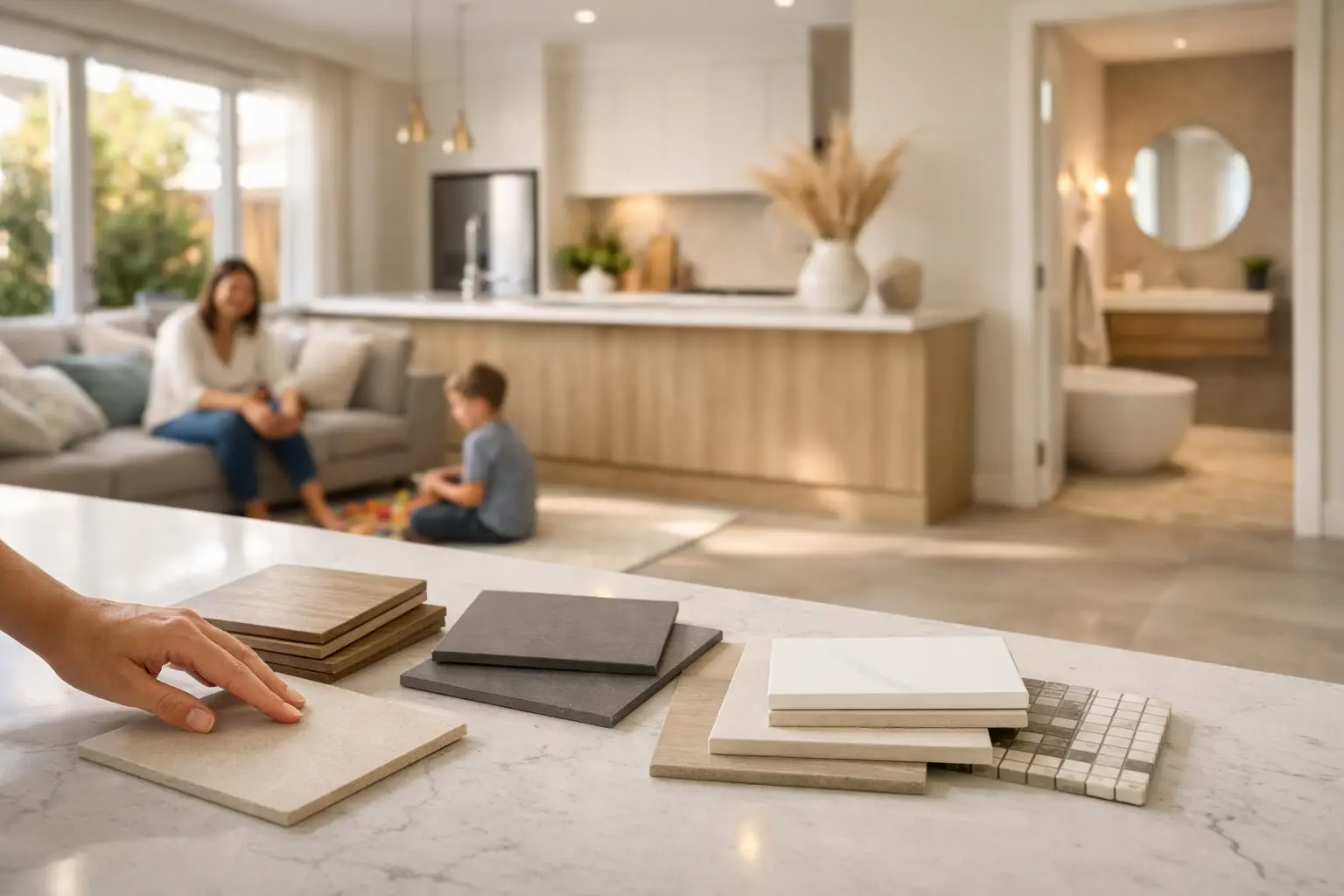
For full-home renovations, seeing samples next to cabinetry colours, flooring and stone is often the best way to decide. A tile that looks flat under showroom lighting may feel perfect once paired with the right textures. Services such as free measuring and 3D design can help remove guesswork before ordering, particularly when timing and consistency matter across several rooms.
Well-chosen subway tiles do not need to shout to add value. They simply keep doing their job, year after year, making kitchens, bathrooms and laundries feel clean, considered and easy to live in.