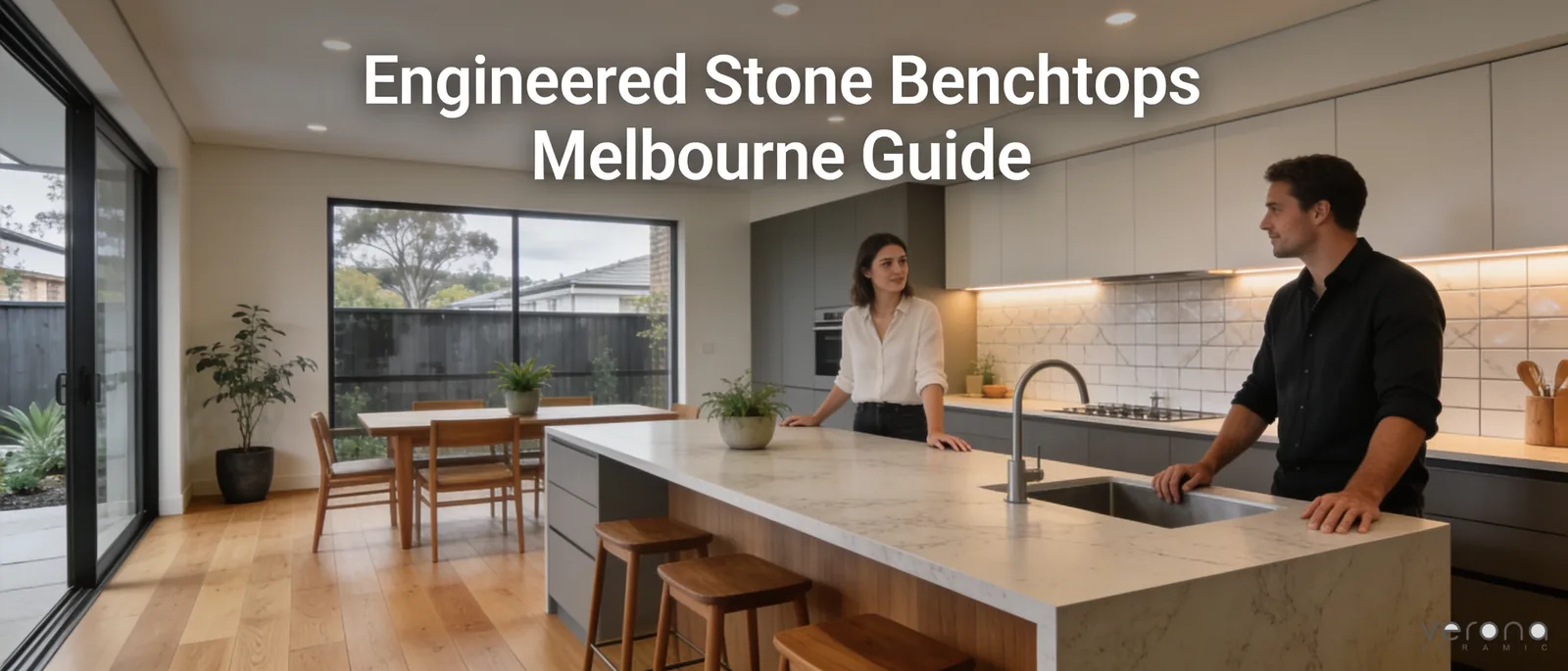
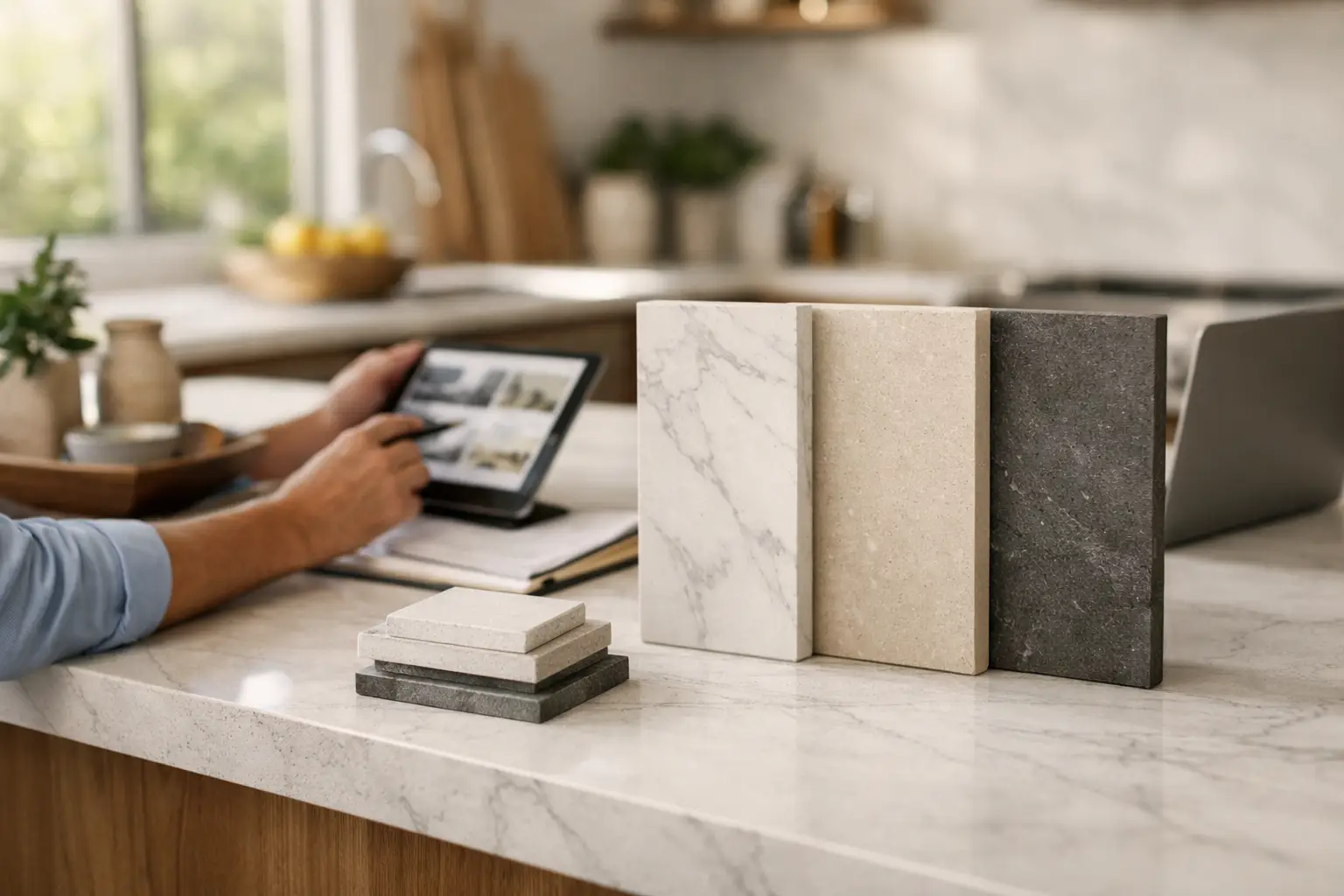
A quick ballpark price can be tempting when you are planning a new kitchen, but a proper quote for engineered stone slabs should do more than give you a number. It should tell you what you are actually getting, where the cost sits, and whether the product suits the way your home is used every day. That matters even more now that many homeowners and trade professionals are choosing zero-silica surfaces for safer, longer-lasting kitchens.
If you are comparing benchtop options, the best quotes are clear, detailed and grounded in real project conditions. Slab size, edge profile, cut-outs, splashbacks and installation access all influence the final figure. A quote that looks lower at first glance can end up costing more once those items are added back in.
What should a quote for engineered stone slabs include?
A useful quote for engineered stone slabs should cover far more than the slab itself. At minimum, it should identify the product range, colour, finish and slab thickness, then separate material supply from fabrication and installation. This gives you a much clearer picture of value and helps avoid confusion later.
For kitchen projects, the quote should also mention cut-outs for sinks and cooktops, edge detailing, joins, waterfall ends if required, and whether splashbacks are included. These details affect labour time, waste and machining, so they should never be treated as small extras.
If the supplier offers measuring and design support, that should be stated as well. A free measure and 3D design service can save time, reduce layout mistakes and give you more confidence before fabrication begins. For homeowners, it makes the selection process less stressful. For builders and cabinet makers, it helps keep the project moving.
Why slab pricing can vary more than people expect
Two kitchens that look similar on paper can produce very different benchtop quotes. One reason is slab yield. Engineered stone slabs come in set sizes, and the way your benchtop layout fits within those slabs changes how much material is needed and how much offcut is created.
A simple L-shaped kitchen with standard depth may use material efficiently. Add a large island, waterfall panels and full-height splashbacks, and the slab requirement can jump quickly. Not because the stone is suddenly more expensive, but because the job needs more surface area and more precise fabrication.
Thickness also changes price. A 20mm slab is common for many kitchen applications, but some projects specify 40mm mitred looks or heavier visual profiles. Those premium details can create a striking finish, though they also increase labour and fabrication complexity.
Finish matters too. Matte surfaces are popular for contemporary homes because they soften light and feel more architectural, while polished finishes can brighten a room and make patterning stand out. Depending on the range, one finish may be more readily available than another, and stock availability can influence lead times.
The value of zero-silica engineered stone
When asking for a quote, it is worth checking exactly what type of engineered surface is being specified. Many homeowners now prefer zero-silica benchtops because they support safer fabrication practices and align with current expectations around healthier building materials.
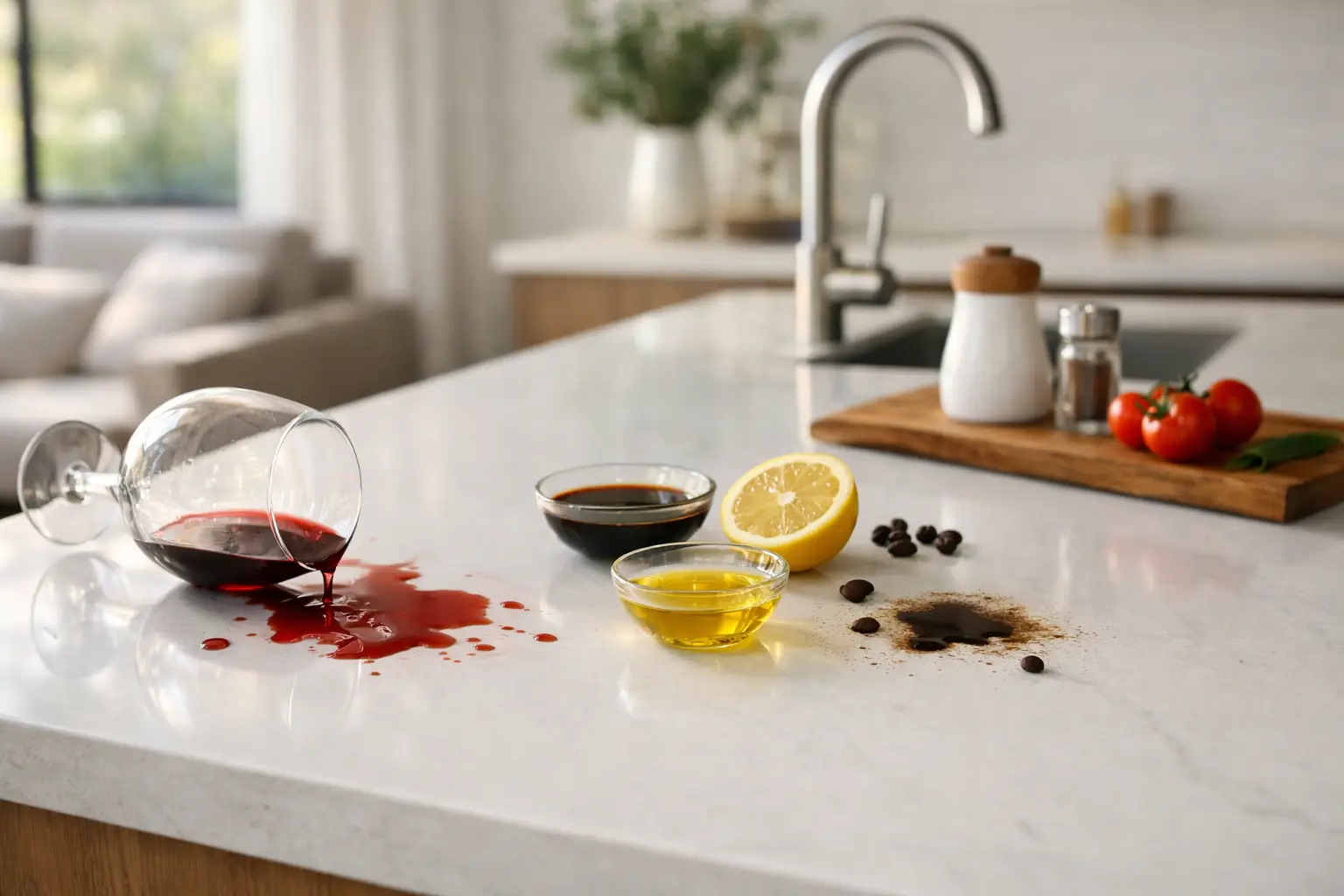
That safety benefit does not mean compromising on appearance. Quality zero-silica engineered stone offers the clean lines, consistency and durability people want in a modern kitchen. It is well suited to busy family homes because it is easy to wipe down, resists everyday staining when cared for properly, and holds its appearance over time.
For designers and builders, specifying compliant, low-maintenance surfaces is not just about looks. It is about reducing risk, supporting responsible material choices and delivering a finished result that clients can live with comfortably for years.
What to prepare before requesting a quote
The fastest way to get an accurate price is to provide clear information from the start. You do not need full construction documentation for every job, but you do need enough detail for the supplier to understand the scope.
A simple floorplan or cabinet layout with approximate dimensions is often enough for an initial estimate. If you already know your preferred colour, thickness or finish, include that too. Mention whether you want a standard benchtop only, or also island panels, splashbacks, laundry tops or vanity surfaces.
It also helps to note practical site details. Is the property single or double storey? Is there good access for carrying large pieces? Are there tight stairwells, lifts or other installation constraints? These factors can influence labour and handling, especially on premium residential projects.
For trade customers, it is useful to confirm whether cabinetry is installed, whether final check measure is required before fabrication, and what lead time the build program allows. Good quotes are built on good information.
How to compare engineered stone slab quotes properly
It is easy to compare totals and assume the lowest figure is the best option. In practice, that can be misleading. A stronger approach is to compare scope, product quality and service support side by side.
Start with the material itself. Are both quotes for the same type of engineered stone, with the same thickness and finish? A similar-looking white benchtop may come from very different product categories, and the difference can show up later in consistency, durability or long-term satisfaction.
Then check what fabrication details are included. One quote may include polished cut-outs, neat edge finishing and detailed joins, while another may list a basic allowance and charge variations later. Installation should also be clear, including whether removal of packaging, final fit-off coordination and aftercare guidance are part of the service.
Turnaround time is another practical consideration. If a supplier has ready stock in a Melbourne warehouse and manages fabrication efficiently, the process can be much smoother than waiting on uncertain supply. For renovation schedules, that reliability is often worth as much as the product itself.
Questions worth asking before you approve the job
A good supplier should be comfortable answering practical questions in plain language. Ask whether the slab is compliant with Australian standards, what warranty applies, and how the final measure and installation process works.
You can also ask how joins will be positioned, whether the selected design suits waterfall ends, and what level of variation to expect across slabs. Some patterns are more uniform, while others are designed to mimic natural movement. Neither is better in every case – it depends on the look you want and how much pattern continuity matters to the project.
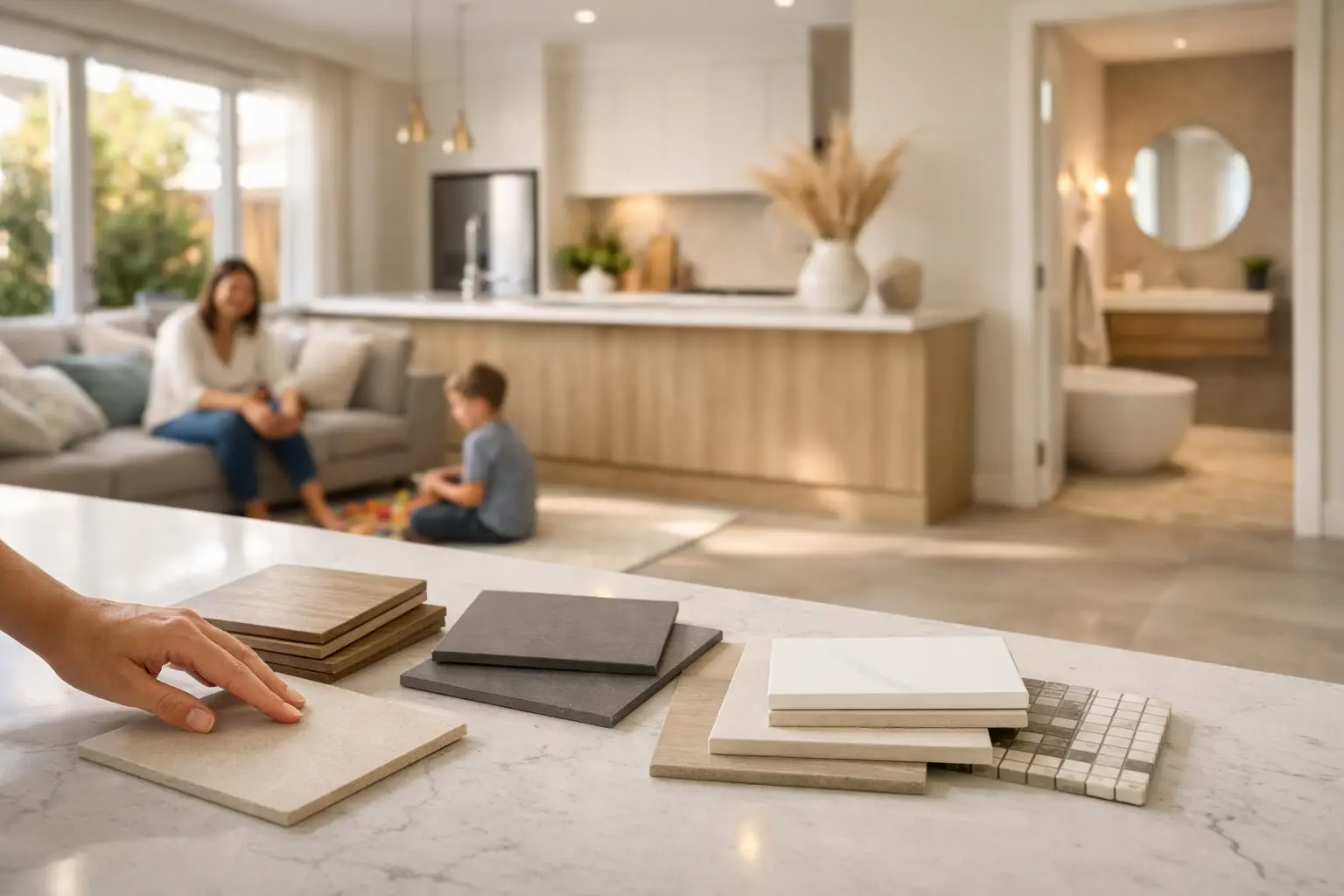
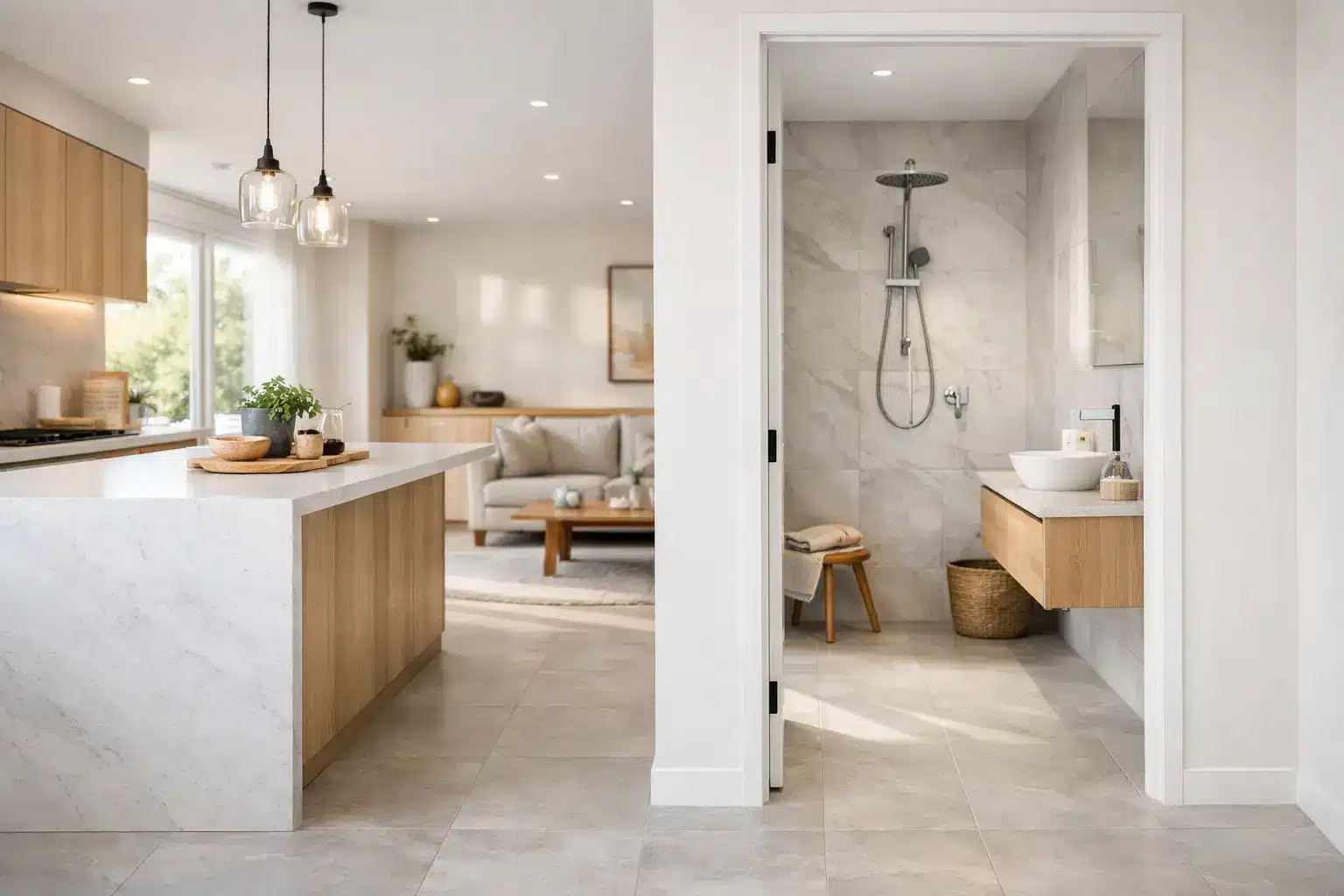
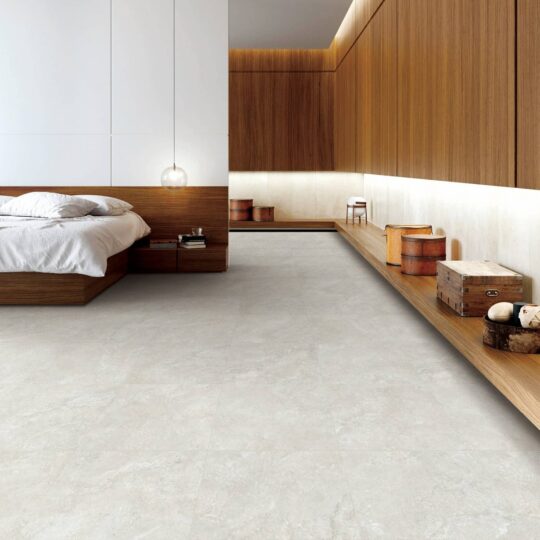
If you are matching the benchtop with porcelain tiles, cabinetry and splashback finishes, ask for guidance on coordinating tones and textures. This is especially helpful in open-plan homes where the kitchen connects directly to living areas. Soft matte tiles, warm timber cabinetry and a gently veined zero-silica surface can work beautifully together, but balance is important.
Why local service can improve the quoting process
For benchtops, local knowledge often makes the process easier. A team that understands Melbourne renovation timelines, access conditions and installation expectations is better placed to give a realistic quote from the outset.
This is where showroom support and local stock can add real value. Seeing slab colours in person helps you judge undertone, finish and scale far more accurately than a screen can. And when the supplier has ready stock, factory-direct pricing and a clear fabrication pathway, there is less guesswork involved.
That combination of product knowledge and operational clarity is what many homeowners and trade clients are looking for. It is not about making the decision feel complicated. It is about making it feel well supported.
A well-priced quote is not just about cost
A thoughtful quote should leave you feeling clearer, not more confused. It should explain the material, outline the scope, and give you confidence that the benchtop will suit your home, your timeline and your standards for everyday durability.
For some projects, the right choice will be the most streamlined option with clean detailing and practical value. For others, it may be a more premium slab layout with waterfall ends and a carefully coordinated finish palette. Both can be the right decision when the quote is transparent and the service behind it is strong.
If you are ready to request pricing, gather your plans, shortlist your preferred colours and ask for a quote that reflects the full job – not just the most attractive starting number. A beautiful kitchen always starts with good decisions made early.
To wrap up, always request a detailed quote for engineered stone slabs from your suppliers.
In summary, don’t overlook the importance of a thorough quote for engineered stone slabs.
The key to success lies in securing a comprehensive quote for engineered stone slabs that covers all bases.
It’s imperative to review your options when seeking a quote for engineered stone slabs.
Ultimately, a quote for engineered stone slabs should translate into a beautiful and functional living space.
It’s beneficial to have multiple quotes for engineered stone slabs before deciding on your final choice.
When you think about a quote for engineered stone slabs, remember to evaluate both aesthetics and functionality.
Finally, a quote for engineered stone slabs should offer an insight into long-term maintenance and durability.
Ensure that your quote for engineered stone slabs outlines all the necessary specifications to prevent confusion.
A detailed quote for engineered stone slabs can help avoid unexpected costs later on.
When you reach out for a quote for engineered stone slabs, be as detailed as possible.
Understanding what is included in any quote for engineered stone slabs allows for better budgeting.
It is essential to compare multiple quotes for engineered stone slabs before making a final choice.
Your final decisions should be based on a thorough quote for engineered stone slabs that meets your specific needs.
Remember to ask for a quote for engineered stone slabs that includes installation and finishing touches.
In addition to the slab, a comprehensive quote for engineered stone slabs should factor in all necessary details.
When obtaining a quote for engineered stone slabs, make sure to review all aspects of the costs involved.