A splashback earns its keep every day. It catches oil near the cooktop, steam behind the kettle, splashes around the sink and all the small mess of family life that ends up on a kitchen wall. That is why kitchen splashback tiles are not just a decorative finish. They are a practical surface that needs to suit the way you cook, clean and live.
The right tile can make a kitchen feel brighter, calmer and more resolved. The wrong one can date quickly, show every mark or fight with the benchtop and joinery. If you are planning a new kitchen or updating an older one, it helps to think beyond colour alone and look at material, finish, size and maintenance as a whole.
What matters most with kitchen splashback tiles
In a kitchen, visual appeal matters, but performance matters just as much. Splashback tiles need to handle heat, moisture and regular wiping without losing their finish. Porcelain is often the strongest all-round option because it is dense, durable and low in porosity, which means it is less likely to absorb stains or moisture over time.
That matters in busy homes, but it also matters for builders, designers and renovators who want a reliable result across different projects. A quality porcelain tile can keep its colour well, resist surface wear and provide a cleaner, more consistent finish than softer materials. It is also a sensible choice when you want a premium look that still feels practical for everyday use.
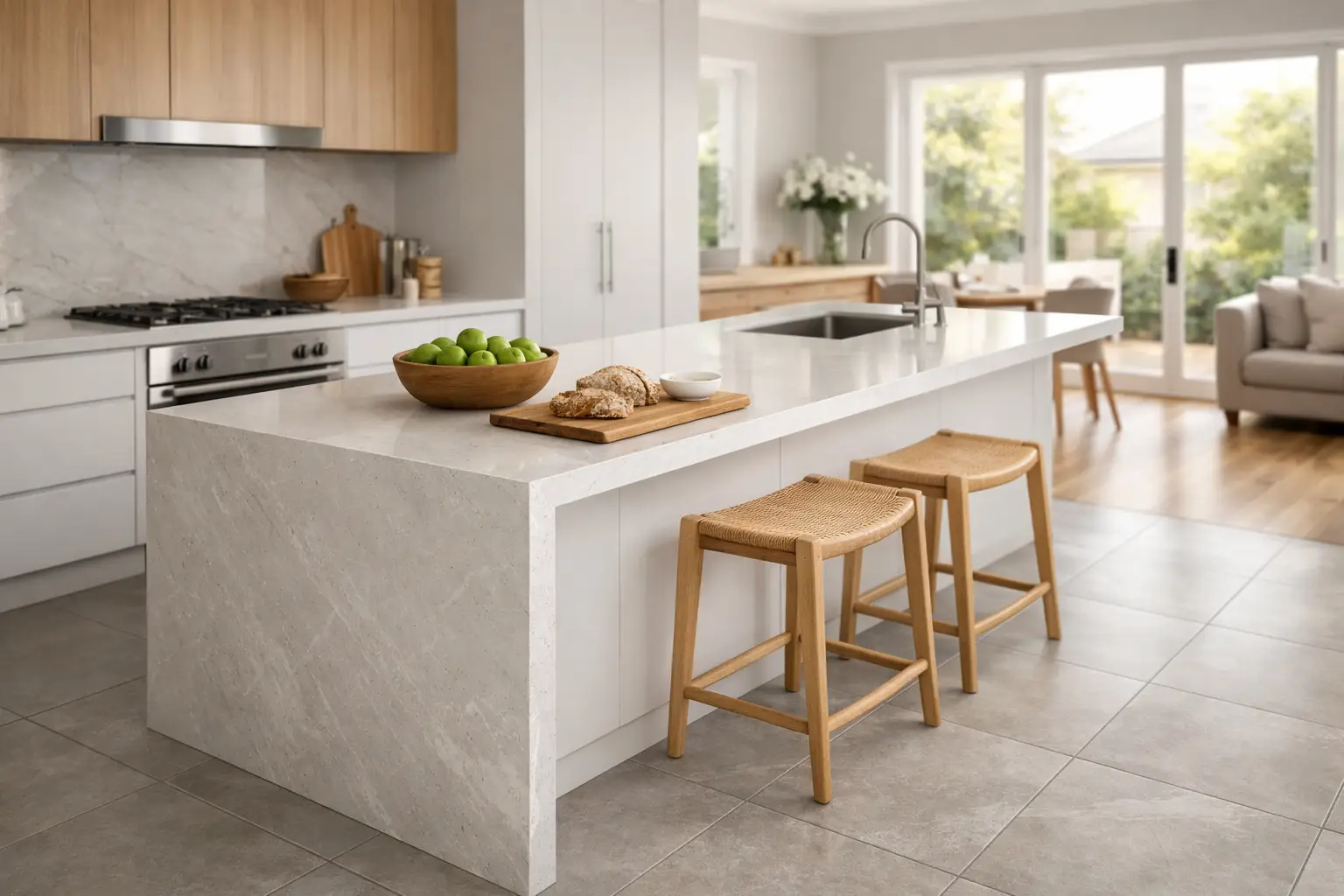
For many homeowners, the biggest decision is whether the splashback should stand out or quietly support the rest of the kitchen. There is no single right answer. If the benchtop has movement or veining, a simpler tile often creates balance. If the cabinetry is understated and the benchtop is plain, the splashback can carry more personality through shape, texture or pattern.
Choosing the right material and finish
Gloss tiles remain popular for splashbacks because they reflect light and are easy to wipe down. In a smaller kitchen or one with less natural light, a gloss finish can help the room feel more open. Fingerprints and water spots may show a little more in some colours, but the surface usually cleans with less effort than heavily textured finishes.
Matte tiles have a softer, more architectural look. They can feel calm and contemporary, especially with neutral cabinetry and large format floors. The trade-off is that very matte or textured surfaces can hold onto cooking residue a bit more, especially behind a cooktop, so the exact finish matters. A smooth matte porcelain tile usually gives a better balance between style and easy cleaning than a rough, handmade-style surface.
Textured tiles can look beautiful in the right kitchen, but they need care in placement. Gentle fluting or subtle relief can add depth on a feature wall or away from heavy cooking zones. Right behind the stove, many families prefer a flatter face for simpler maintenance.
Natural stone can be striking, but it typically requires more sealing and more care than porcelain. For households that want longevity with less ongoing maintenance, porcelain often offers better value over time. It delivers the refined look people want in premium architectural surfaces while being easier to live with.
Tile size changes the whole look
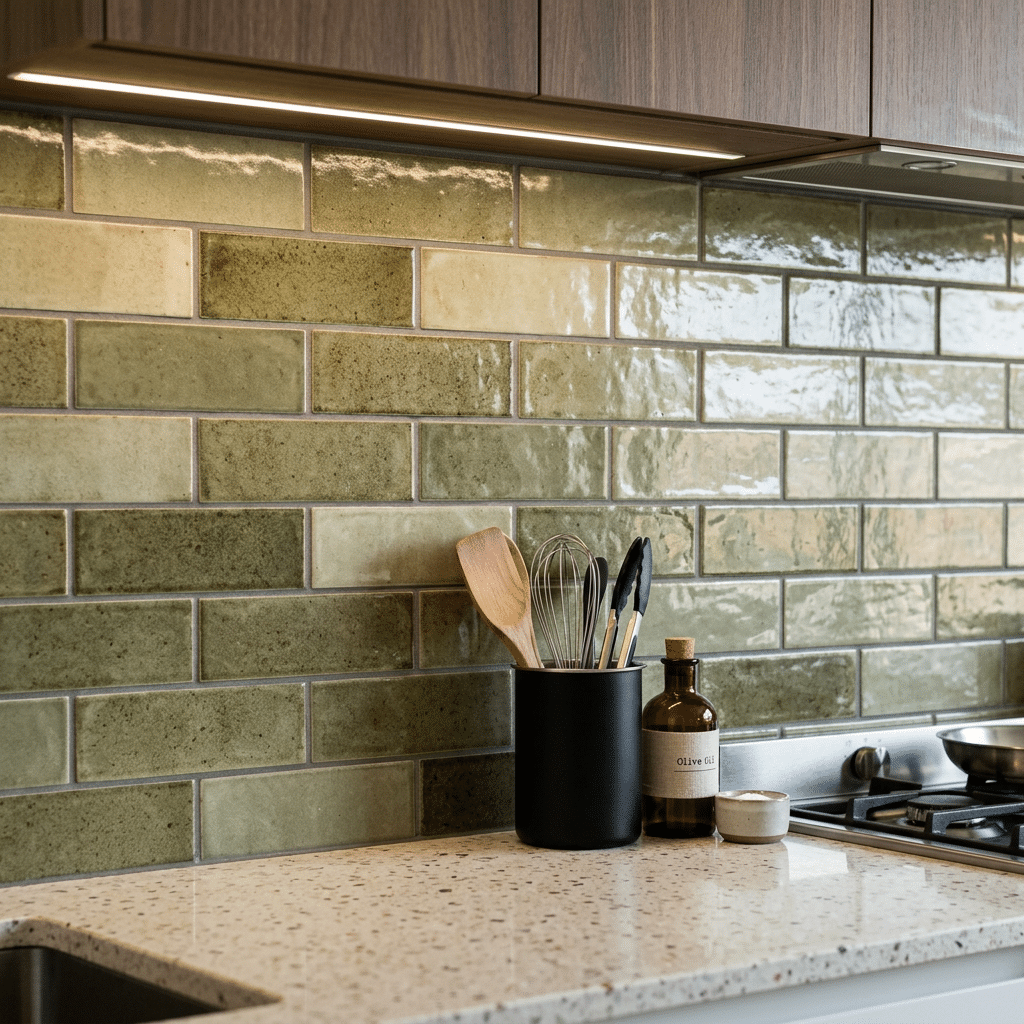
Size has a bigger effect than many people expect. Small-format splashback tiles, such as subway or kitkat styles, introduce rhythm and detail. They suit classic kitchens, heritage updates and spaces where you want texture without a strong pattern. They also create more grout lines, which can be either a feature or a drawback depending on your priorities.
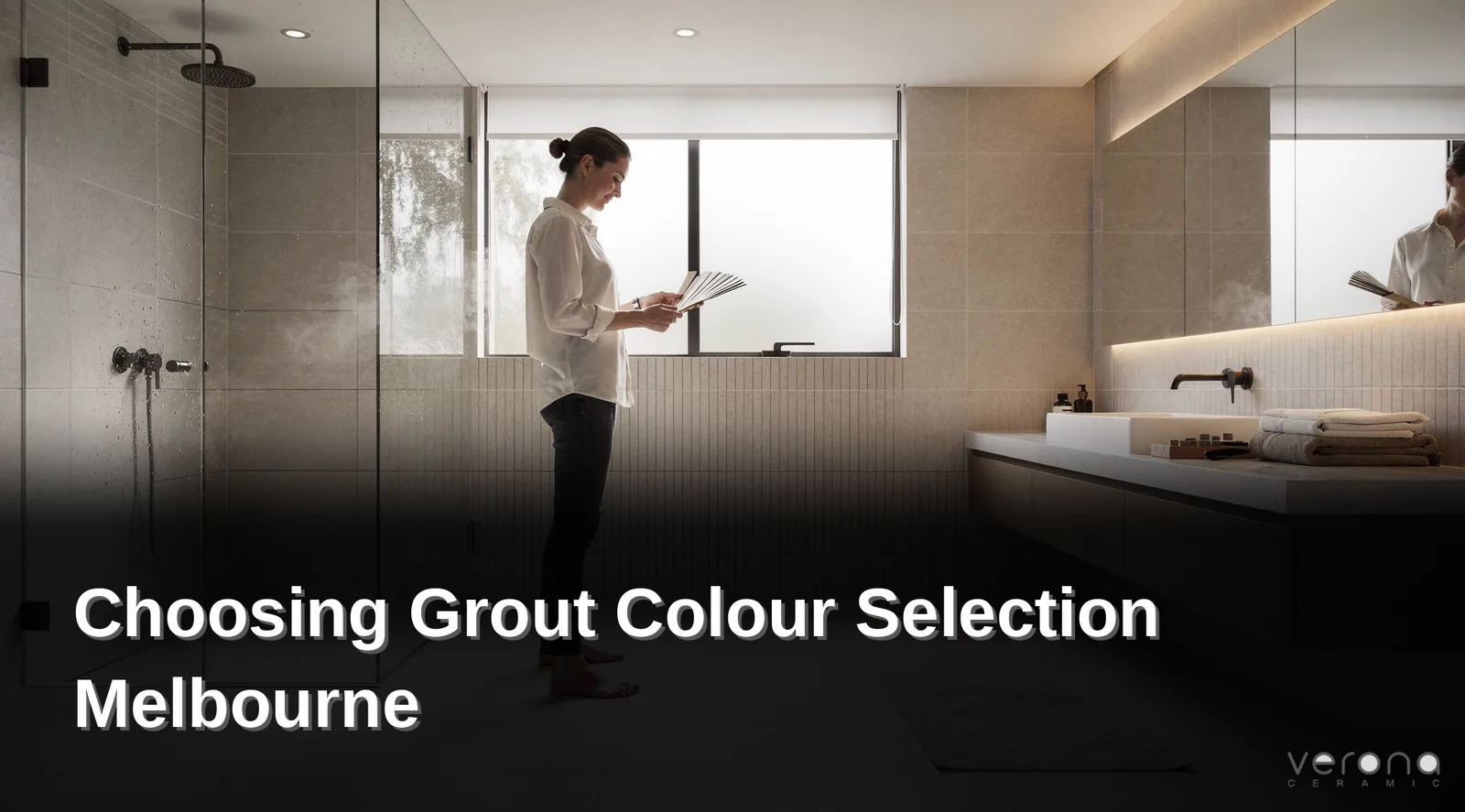
More grout lines mean more visual detail, but they also mean a little more cleaning. Choosing a good-quality grout colour is important here. Mid-tone grout can be forgiving in family kitchens, while bright white grout often looks crisp at first but may require more attention over time.
Large format tiles create a cleaner, more expansive look. They reduce grout joints and can make a kitchen feel more premium and calm. This is especially useful in contemporary homes where the cabinetry, benchtop and splashback are meant to read as one composed scheme. Larger pieces can also be practical in food preparation zones because there are fewer joints to maintain.
The best size depends on the scale of the kitchen and the style of the joinery. In compact kitchens, oversized tiles can feel neat and uncluttered. In larger kitchens, they can reinforce that tailored, high-end finish many renovators are after.
Colour, light and the surrounding finishes
A splashback should not be chosen in isolation. It sits between the benchtop and overheads, often next to appliances, tapware and feature lighting. That means its colour will shift depending on what surrounds it and how the kitchen is lit during the day.
Warm whites, soft greiges and stone-inspired neutrals remain dependable because they work across changing trends and pair well with timber, white, charcoal and earthy cabinetry. These shades also support resale appeal without feeling bland. If you want a bolder finish, deep green, blue-grey or even a dramatic charcoal can look exceptional, but they need enough light and enough contrast in the rest of the palette to feel deliberate rather than heavy.
It is also worth considering sheen. A glossy white tile under warm lighting will look very different from a matte off-white tile in cooler light. Samples should always be viewed with your benchtop and cabinetry selections where possible. This is one reason a measured, design-led selection process is so valuable. Even a beautiful tile can look wrong if the undertones clash.
Practical details renovators often miss
The best splashback decision usually comes down to a few practical details. One is grout choice. Another is edge finishing. Exposed tile edges should look intentional, whether that means a matching trim, a mitred detail or finishing neatly into cabinetry or a window reveal.
The height of the splashback also changes the result. A standard band between benchtop and overhead cupboards is common, but full-height tiling has become increasingly popular because it looks cleaner and gives the wall more presence. It can also be easier to maintain because there are fewer painted sections near cooking and washing zones.
If your kitchen has open shelving instead of overhead cupboards, tile layout becomes even more important because more of the splashback is visible. In that case, set-out should be considered early so cut lines, feature joints and power point locations all feel balanced.
For trade professionals, stock consistency and lead times can matter just as much as appearance. Ready stock gives greater confidence when schedules are tight, especially during staged renovations where cabinetry, benchtops and tiling all need to align. A supplier with local warehouse stock and clear product specifications can make that process much smoother.
How to match kitchen splashback tiles to your kitchen style
If your kitchen leans classic, a subway tile in a soft gloss finish remains a strong choice. The key is proportion and restraint. A slightly longer subway, a handmade-look edge or a warmer neutral tone can keep the result feeling current rather than overly traditional.
If your kitchen is contemporary, large format porcelain tiles in matte or satin finishes often sit beautifully with streamlined joinery and zero silica benchtops. They feel refined, durable and easy to maintain, especially when paired with minimal grout lines and simple profiles.
If your style is more textured or coastal, look for natural stone looks, gentle relief patterns or soft handmade-inspired porcelain. These can bring warmth and character without the maintenance concerns of more delicate materials. It is usually wise to keep either the tile shape or the colour restrained so the kitchen still feels calm.
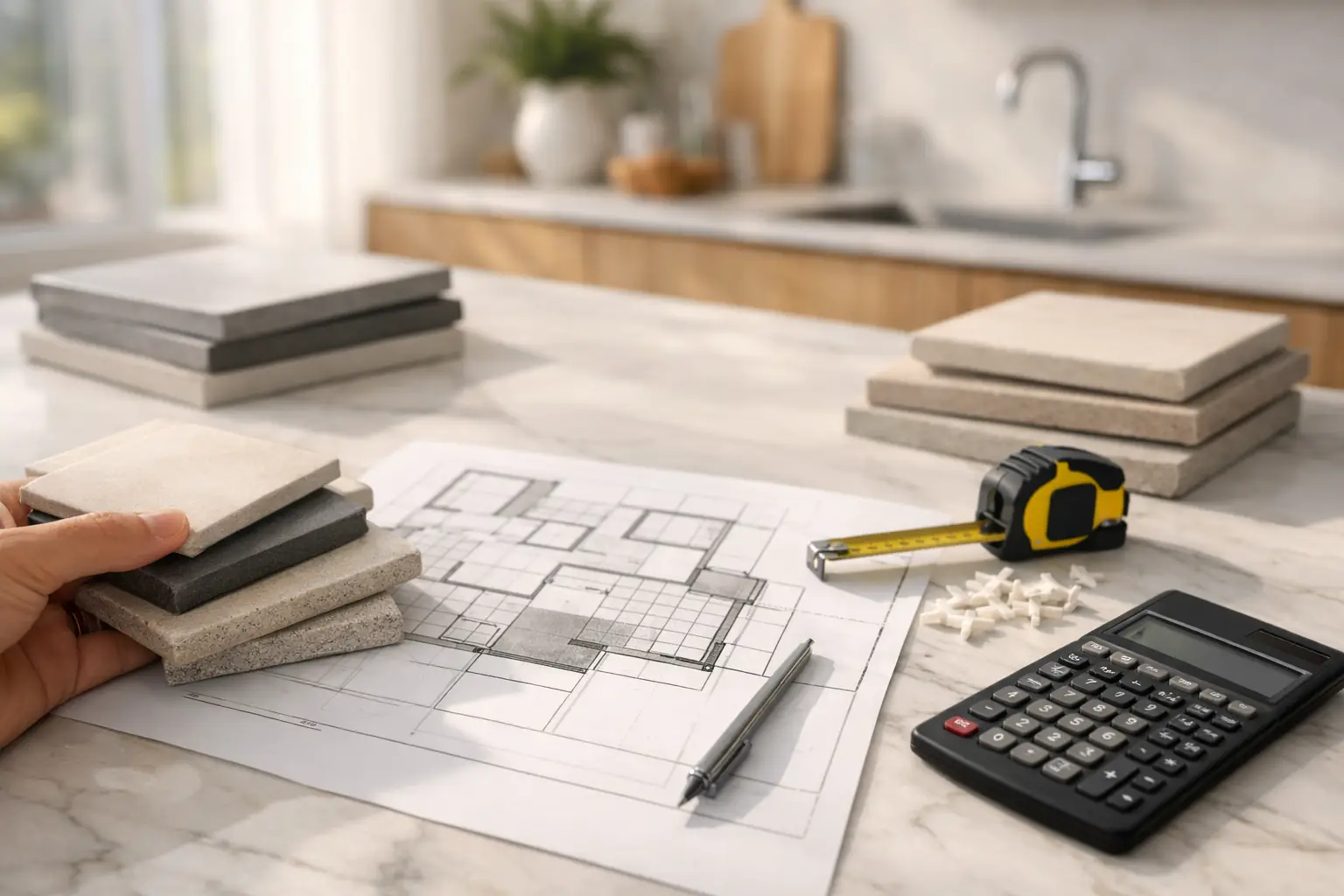
At Verona Ceramic, this is where practical guidance makes the difference. Free measuring and 3D design support can help homeowners and trade clients see how tile size, finish and layout will actually read in the space before installation begins.
A smart choice should still feel personal
The best kitchen splashback tiles do not just photograph well on installation day. They continue to work after years of cooking, cleaning and daily use. They should suit the home, support the other finishes and make the kitchen easier to live with, not harder.
If you are weighing up options, start with honest questions. Do you want the splashback to be quiet or expressive? Do you prefer fewer grout lines? Will the wall sit behind a heavy cooking zone? Are you choosing for your forever home, a family renovation or a build with broader resale appeal?
Those answers usually point you in the right direction. A well-chosen splashback has a way of making the whole kitchen feel settled – practical where it needs to be, beautiful where it counts, and ready for daily life.