
Top Bathroom Tile Choices for Melbourne Homes
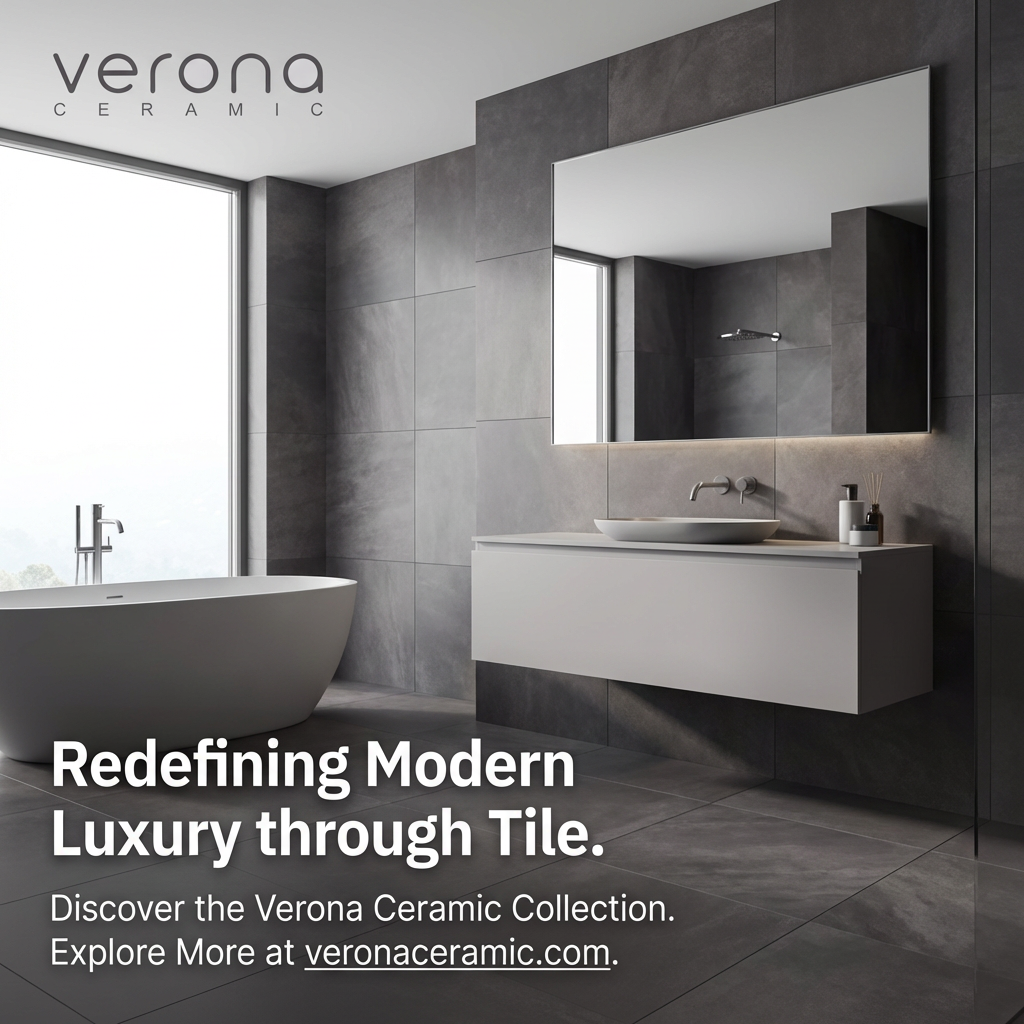
Choosing the right bathroom tiles transforms your space into a practical and stylish retreat. In Melbourne, homeowners and renovators have access to a wide variety of materials, finishes, and formats to suit any design brief. Whether you are updating a small ensuite or tiling a family bathroom, the selection of tiles for both floors and walls is extensive. Porcelain, ceramic, mosaic, concrete, and stone-look tiles each bring different strengths to a wet area, and understanding these options helps you make a confident decision.
Why Porcelain Tiles Are a Top Choice for Bathrooms
Porcelain tiles are the most popular option for Melbourne bathrooms because of their exceptional water resistance and durability. Made from dense clay fired at high temperatures, porcelain absorbs very little moisture, making it ideal for wet zones such as showers and around baths. Floor and wall tiles in porcelain also resist staining, scratching, and fading, which is important in a room that sees daily use. Many porcelain tiles replicate natural materials like marble, travertine, stone, and timber, giving you the look you want without the high maintenance of the real thing.
Types of Bathroom Tiles Available in Melbourne
Porcelain Tiles
A vast collection of porcelain tiles is available for both floors and walls. They come in rectified edges for tight grout lines, large formats for a seamless appearance, and textured surfaces for slip resistance. Popular finishes include matte, satin, and polished, allowing you to control the level of shine and grip. Porcelain is especially suited to floor tiles in bathrooms because of its low porosity and high compressive strength.
Ceramic Tiles
Ceramic tiles are a lighter and often more affordable option. They are made from less dense clay and have a glazed surface that provides a protective layer. While ceramic is less durable than porcelain, it still works well on bathroom walls where foot traffic is not a concern. Modern ceramic tiles include many decorative patterns, handmade looks, and white gloss finishes that brighten small spaces. Many tile collections combine ceramic for walls with porcelain for floors to balance cost and performance.
Mosaic Tiles
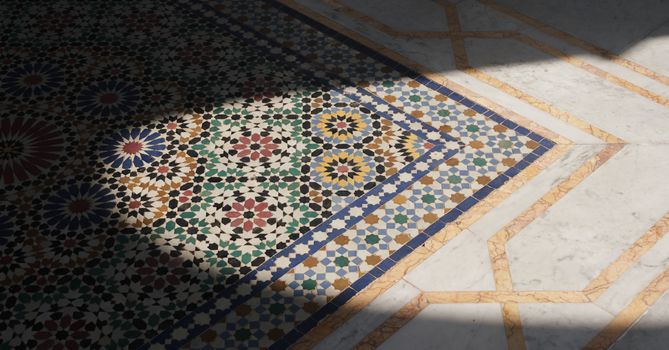
Mosaic tiles add detail and texture to bathroom walls, shower niches, and feature strips. Materials used in mosaics include glass, ceramic, porcelain, natural stone, and terrazzo. They are often mounted on sheets for easier installation and can create intricate patterns such as fishscale, chevron, and brickwork. Mosaics also work well on shower floors where small format tiles improve water drainage and provide slip resistance.
Concrete and Stone Look Tiles
For a modern or industrial aesthetic, concrete-look tiles are very popular. They offer the appearance of poured concrete without the cracking or staining risks. Stone-look tiles in travertine or marble finishes give a timeless feel, with options in neutral greys, warm beiges, and crisp whites. These tiles are typically available in large-format slabs that reduce grout lines and create a sleek finish.
Floor Tiles vs Wall Tiles: Key Differences
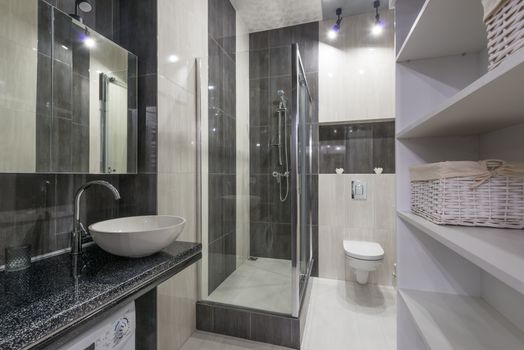
Not all bathroom tiles are suitable for every surface. Floor tiles need to be slip resistant and handle weight, so they are usually made of porcelain or ceramic with a textured finish. Wall tiles can be lighter and more decorative because they do not bear weight or high traffic. In Melbourne bathrooms, it is common to use larger floor tiles such as 600x600mm or 600x900mm to make the room appear bigger, and complement them with smaller wall tiles or mosaics for visual interest. Always check the slip rating of floor tiles, especially for wet areas inside and outside the shower.
Things to Consider When Choosing Bathroom Tiles
Tile Size and Layout
Large tiles create fewer grout lines and simplify cleaning, but they require a well-prepared substrate. Small tiles and mosaics are more forgiving on uneven surfaces and allow for curves and smaller spaces. Mixing sizes on different walls can add depth, but keep the overall palette consistent for a cohesive look.
Colour and Finish
Light colours reflect natural and artificial light, making a bathroom feel larger. Dark tiles add drama but can show water spots and soap residue more quickly. Matte finishes are generally preferred for bathroom floors because they provide better grip and hide water marks, while polished or glazed finishes work well on walls for easy wiping.
Maintenance and Cleaning
Porcelain and ceramic tiles require minimal maintenance. Sealing is not needed on quality glazed porcelain or ceramic, but natural stone and unglazed tiles need a sealant to prevent staining. Grout colour should be chosen carefully; darker grout hides dirt along floor joints but may not suit light tiles. For easy upkeep, use a neutral ph cleaner and avoid abrasive scrubbing.
Why Choose Verona Ceramic for Bathroom Tiles in Melbourne
Verona Ceramic is a premium supplier based in Springvale, Melbourne, offering a factory-outlet showroom with ready stock and fast delivery. Their collection includes a huge range of bathroom tiles for both floors and walls, covering porcelain, ceramic, mosaic, and concrete tiles in timeless travertine and marble look styles. Because they operate a warehouse and showroom model, you can view samples in person and take advantage of direct pricing. Whether you are a homeowner planning a renovation or a trade professional, Verona Ceramic provides expert specification support to help you select the right tile for your project.
Frequently Asked Questions
Can I use the same tiles on floors and walls in a bathroom?
Yes, many porcelain and ceramic tiles are designed for both wall and floor use. However, always confirm the slip rating for floor applications, especially in wet areas. Floor tiles need a coefficient of friction (COF) suitable for water, while wall tiles can be any finish. Using the same tile throughout creates a seamless look.
What is the most durable tile for a bathroom floor?
Porcelain tile is the most durable option for bathroom floors. Its low water absorption makes it impervious to moisture, and its fired construction resists chipping, scratching, and staining. Glazed porcelain tiles are also easy to clean and do not require sealing, which keeps maintenance low.
How do I choose between large format and mosaic tiles?
Large format tiles (600x600mm or larger) make a small bathroom feel more spacious and require fewer grout lines. Mosaic tiles are ideal for curved walls, shower niches, and wet floor areas where drainage is a priority. Consider the size of your room and your aesthetic preference when deciding.
Do I need to seal bathroom tiles after installation?
Quality glazed porcelain and ceramic tiles do not require sealing because the glaze provides the protective layer. Unglazed tiles, natural stone, and some concrete-look tiles may need a penetrating sealer to prevent staining. Always check the manufacturer’s recommendation, and seal grout lines for extra protection against mould and moisture.
Verona Ceramic stocks a comprehensive selection of bathroom tiles suitable for Melbourne homes. Visit their Springvale showroom to view the full range and get expert advice for your next renovation.
Add a review
Your email address will not be published. Required fields are marked *