Comprehensive Guide to Zero-Silica Engineered Stone & Benchtops: Benefits, Installation, and Durability
By Verona Ceramic, Verona Ceramic
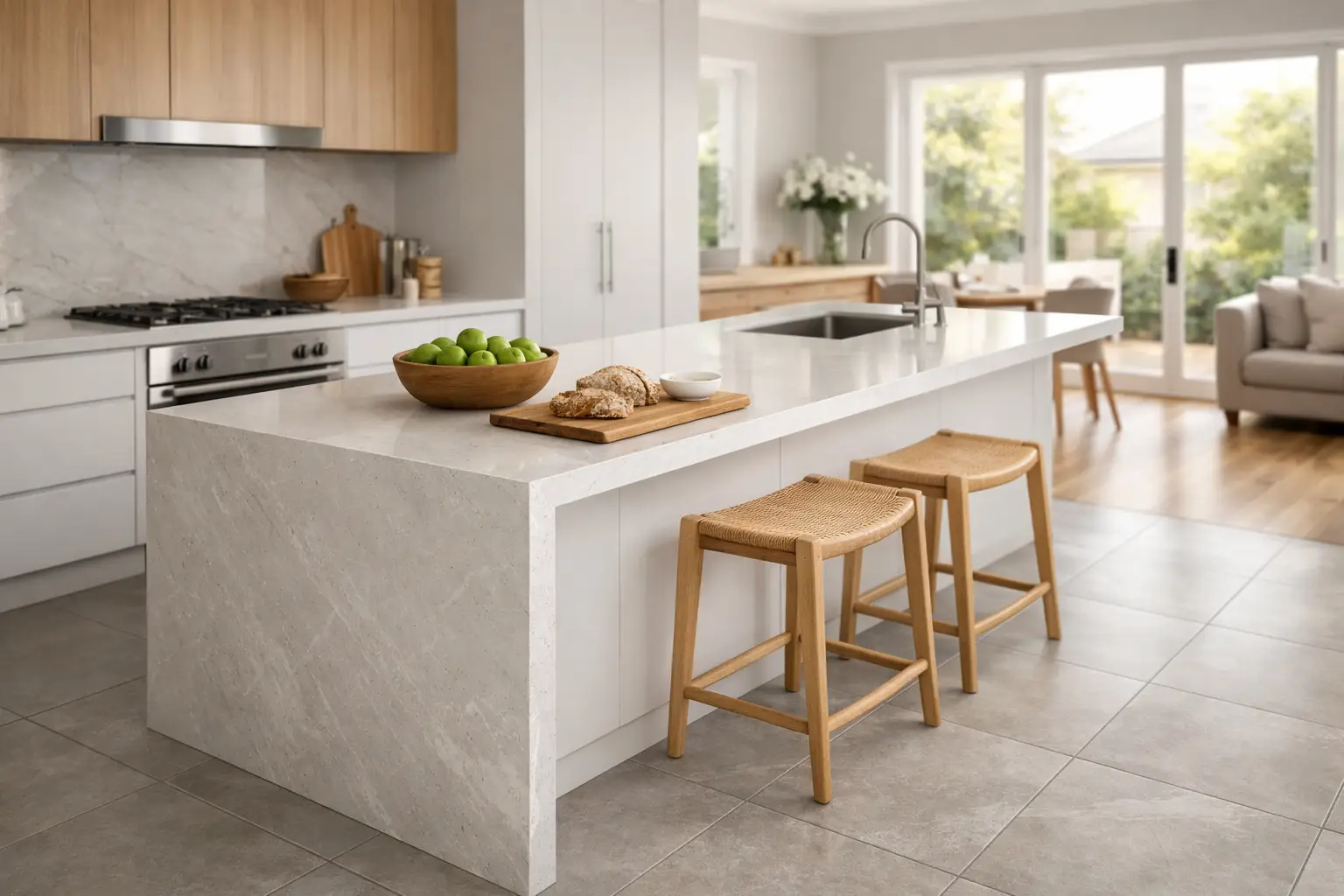
Zero-silica engineered stone has emerged as an innovative solution in the market of surfacing materials. This type of stone not only provides aesthetic appeal but also emphasises health safety, making it an ideal choice for modern Australian homeowners and renovators. In this comprehensive guide, we will explore the essential aspects of zero-silica engineered stone and benchtops, including their benefits, installation processes, durability characteristics, and considerations for selecting the right product. Understanding these elements is crucial as the health implications of silica dust exposure can be significant during installation and everyday use.
This article will cover the following main sections: first, we will define what zero-silica engineered stone is and its composition. Then, we will delve into the benefits of using this material, followed by an outline of the installation process and the durability characteristics it offers. Lastly, we will discuss important considerations to keep in mind when choosing zero-silica options.
What is Zero-Silica Engineered Stone?
Zero-silica engineered stone is a composite material designed to eliminate the hazards associated with traditional silica-based surfaces. Its composition typically includes alternative minerals, recycled glass, and resins that bind these materials together, resulting in a stone-like appearance without the harmful silica dust that can arise from natural stone processing. The primary advantage of choosing zero-silica engineered stone lies in its ability to maintain aesthetic quality while enhancing health safety for both fabricators and end users.
This innovative material aligns perfectly with modern construction practices that emphasise sustainability and safety. Consequently, as the demand for low-silica alternatives grows, understanding the composition and benefits of zero-silica products becomes essential in making an informed choice about your surfacing needs.
Benefits of Zero-Silica Engineered Stone
Zero-silica engineered stone offers several benefits that make it an attractive option for kitchens, bathrooms, and other surfaces. The critical advantages include:
- Health and Safety Advantages: The primary benefit is the significant reduction in health risks associated with silica dust for fabricators and users. This is especially important in settings where frequent cutting or polishing is required.
- Durability Features: These surfaces are designed to be non-porous or exhibit very low porosity, making them resistant to stains and moisture, unlike traditional stone materials. This property ensures longevity and ease of maintenance.
- Aesthetic Benefits: With a wide range of colours and finishes available, zero-silica engineered stone combines visual appeal with functional performance, allowing for versatile designs in both residential and commercial settings.
Verona Ceramic operates as a premium supplier of engineered stone and ceramic surface materials, focusing on innovative flooring and benchtops. Their product offerings align with zero-silica engineered stone benchtops, specifically targeting modern Australian homeowners and renovators in Melbourne. Learn more about Verona Ceramic’s solutions.
This table highlights the core benefits of zero-silica engineered stone, ensuring that when you choose this material, you are making a choice that supports both health and functionality.
Installation Process
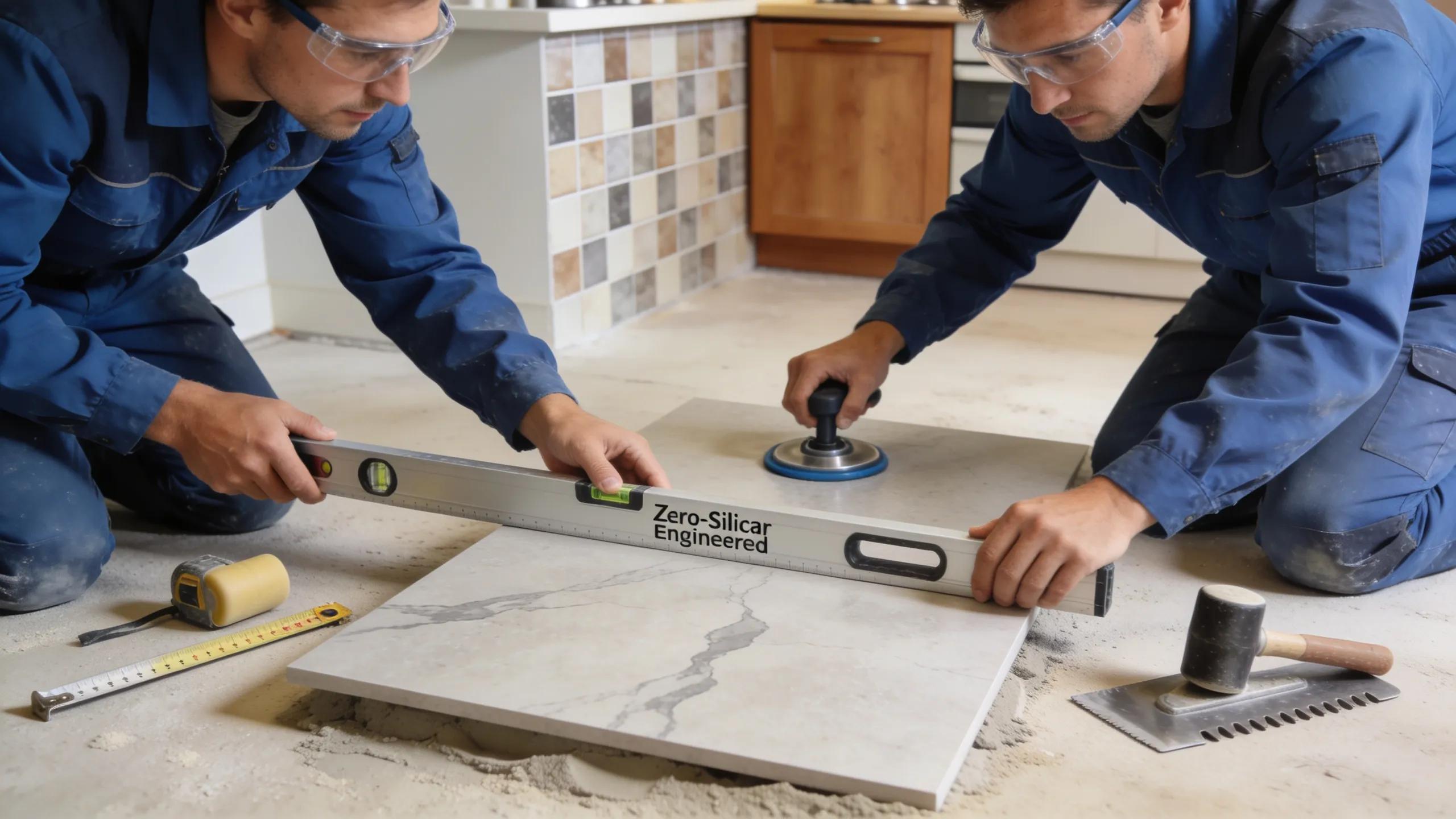
The installation of zero-silica engineered stone is a professional endeavor that requires careful planning and execution. The following steps outline the installation process:
- Selection of Product: First, choose your desired style and colour of zero-silica engineered stone. Consider how it will fit into the overall design of your space.
- Professional Fabrication: It’s essential to have the material cut and shaped by professionals who are experienced with zero-silica products. This guarantees precise cutting and prevents unnecessary waste.
- Site Preparation and Installation: Proper site preparation is crucial for achieving a flawless installation. This includes ensuring that the base is level and clean, followed by the careful placement of the slabs.
Following these steps will help ensure that your zero-silica engineered stone surfaces are installed correctly, enhancing both their appearance and performance.
Durability Characteristics
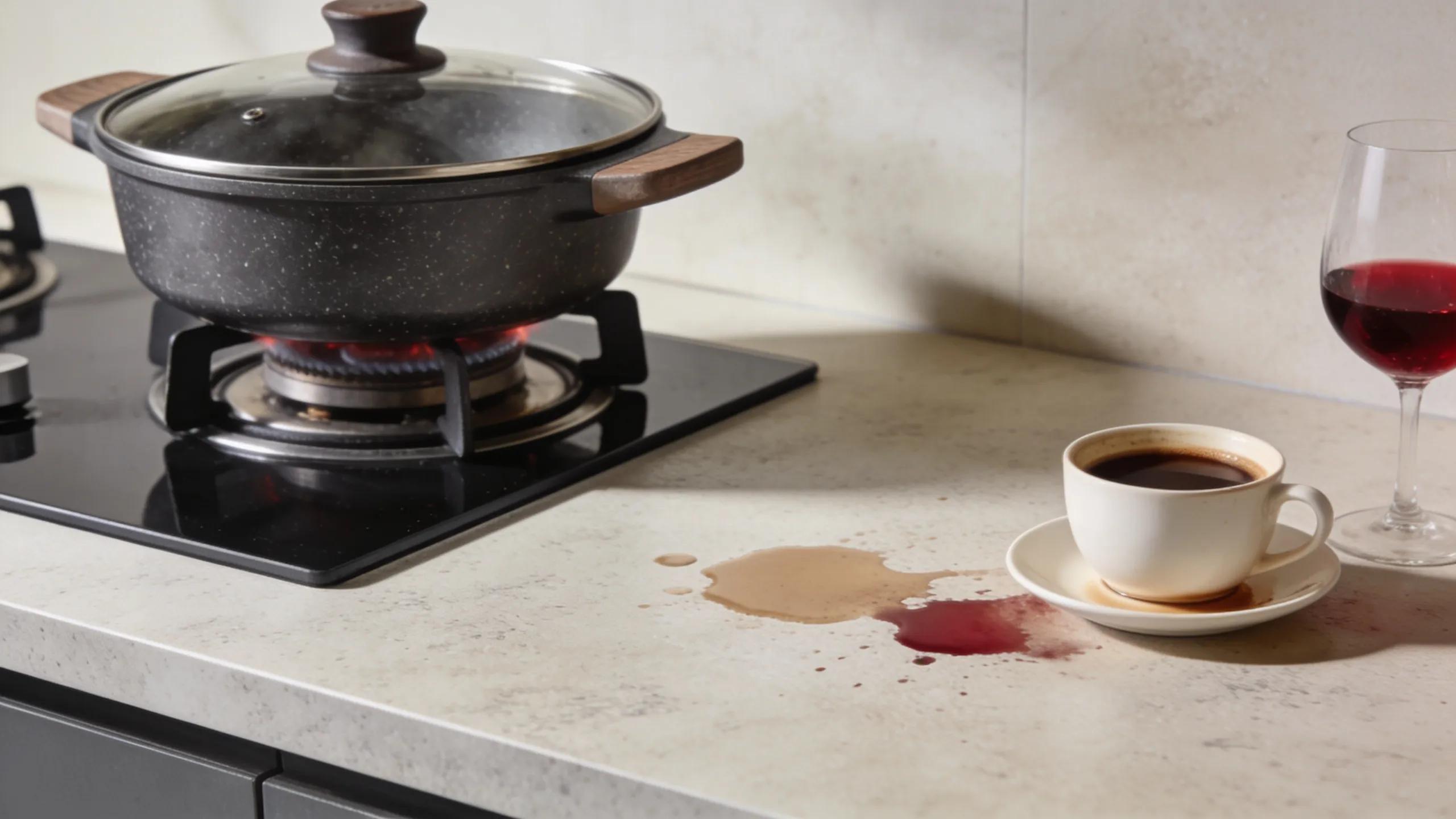
Durability is a key feature that distinguishes zero-silica engineered stone from traditional stone surfaces. Some notable durability characteristics include:
- Stain Resistance: Thanks to its non-porous makeup, zero-silica stone does not absorb liquids, making spills easy to clean without leaving stains.
- Heat Resistance: Engineered stone can withstand higher temperatures compared to natural stone, making it suitable for kitchen environments where hot pots and pans may come in contact with the surface.
- Scratch Resistance: The hardness of the materials used in producing zero-silica engineered stone grants it resistance to scratches, preserving its aesthetic quality over time.
These durability attributes make zero-silica engineered stone a practical option for busy households or commercial settings where surfaces must endure significant wear and tear.
Considerations Before Choosing Zero-Silica Engineered Stone
Before making a selection regarding zero-silica engineered stone, it’s important to consider several factors:
- Product Variability: Different products may have varying levels of quality and performance, so it’s essential to review manufacturer specifications and ratings.
- Supplier Documentation Requirements: Ensure that the supplier provides sufficient documentation regarding the product’s safety, performance, and installation guidelines.
- Finish Selection Considerations: Choose finishes that best meet your aesthetic desires while ensuring they offer the necessary durability required for your intended use.
Being informed about these considerations will aid you in selecting the most suitable zero-silica engineered stone products for your needs.
Health Implications of Low-to-No Crystalline Silica Engineered Stone Dust
The re-emergence of silicosis among engineered stone (ES) workers has prompted the development of low- to no-crystalline silica (SiO2) ES products, marketed as safer alternatives to traditional high-SiO2ES. However, the composition of these new materials—often incorporating recycled minerals, binders, and pigments—remains complex and poorly characterized in terms of potential health risks. This study assessed the physico-chemical properties and membranolytic activity of dusts generated by mechanical processing of five ES samples (ranging from 90 to 0 wt% SiO2) and a natural stone as comparison. Dusts were analysed for particle size distribution, mineralogy, morphology and zeta potential. A standard membranolysis assay was used to assess relative cytotoxicity. Dusts from new ES slabs contained lower quartz and cristobalite levels (23 to 0 wt%) than traditional ES, with crystalline silica replaced predominantly by silicates, aluminosilicates, amorphous phases, or gibbsite. Untreated ES dusts showed little membranolytic activity. However, after heating to remove organic binding resins, a high membranolytic activity was observed for traditional ES, and to a lesser degree for low-SiO2ES. No activity was observed in no-SiO2ES, composed primarily of gibbsite. Our findings suggest that reducing crystalline silica content may mitigate certain toxicological risks. However, the diverse and evolving composition of alternative ES products warrants ongoing toxicological evaluation.
Physico-chemical features and membranolytic activity of dust from low or no crystalline silica engineered stone with implications for toxicological assessment, C Ramkissoon, 2025