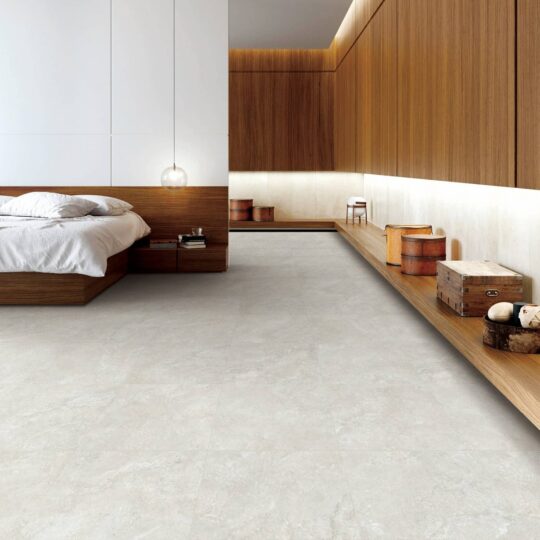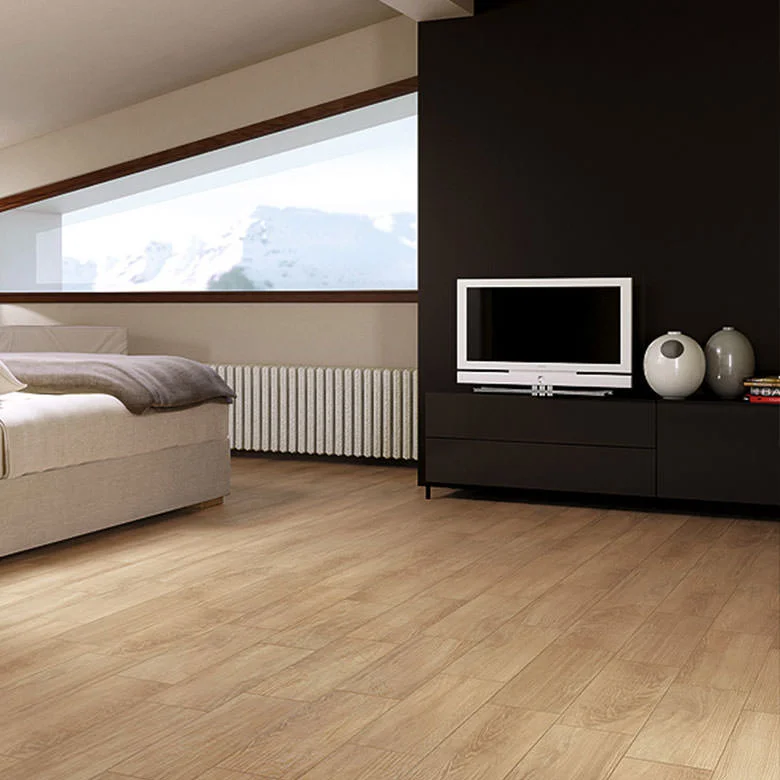
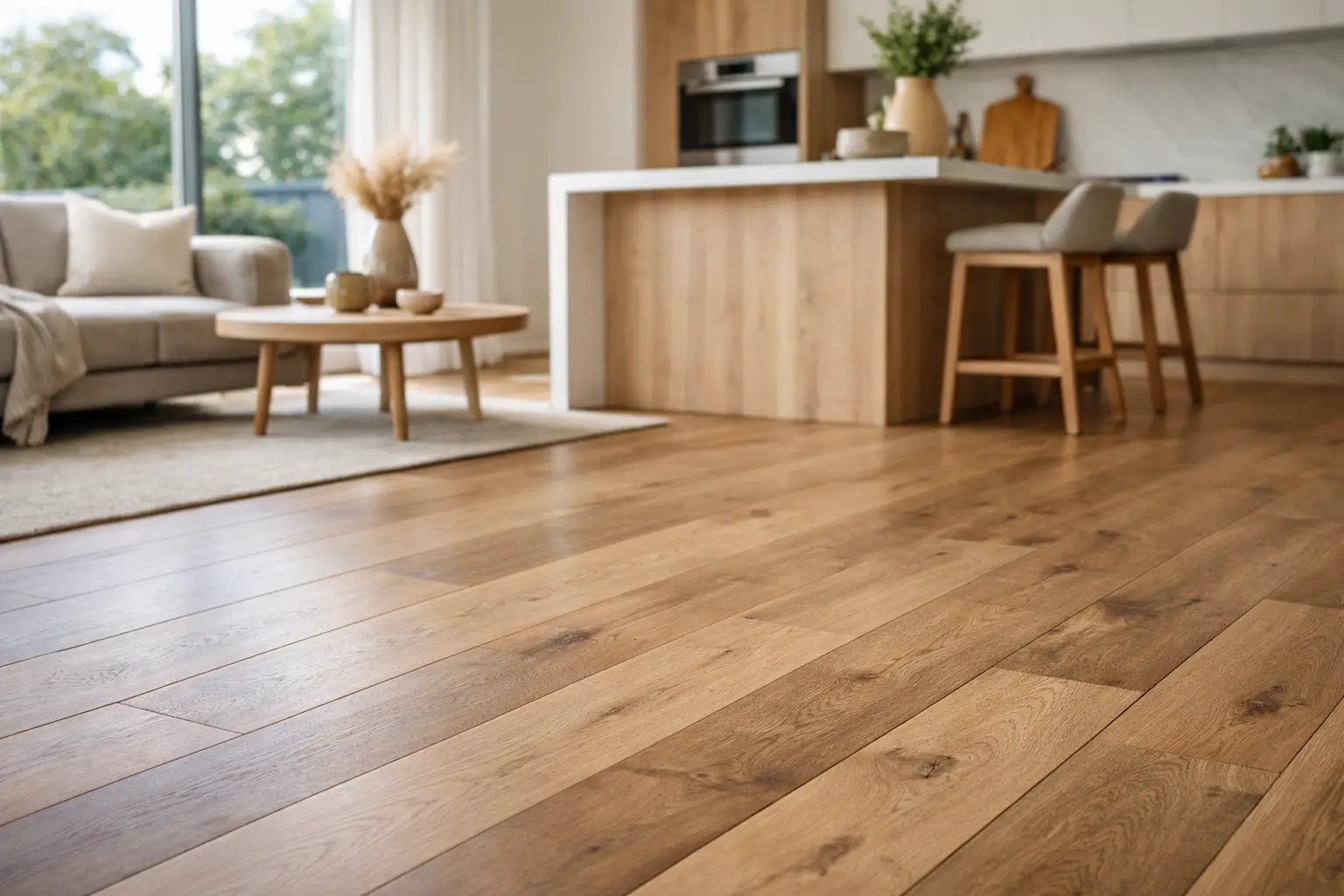
A wide oak board changes the feel of a room before furniture, artwork or window coverings ever enter the picture. It brings warmth, grain and a sense of permanence to open-plan living areas, bedrooms and carefully considered renovations. Engineered European oak timber flooring is a popular choice for this look because it pairs genuine timber character with a more stable construction suited to modern Australian homes.
For families, designers and builders, the decision is not simply whether oak looks beautiful. It is about selecting a floor that suits the room, the subfloor, the expected foot traffic and the maintenance routine the household can genuinely keep up with. A well-specified floor should look just as at home after years of daily living as it does on installation day.
What engineered European oak timber flooring is
Engineered oak flooring has a real European oak wear layer on top of a layered timber or plywood core. The upper oak layer provides the natural colour variation, knots, grain and texture people value in timber. Beneath it, the cross-layered core helps reduce the movement that can occur when temperature and humidity change.
This differs from solid timber, which is one piece of wood all the way through. Solid boards can be an excellent choice in the right project, but engineered boards generally offer greater dimensional stability and can be more practical over concrete slabs, provided the flooring system and moisture preparation are suitable.
The thickness of the oak wear layer matters. A thicker veneer can allow for future sanding and refinishing, while a thinner veneer may be better suited to projects where cost, floor height or a particular board profile is the priority. There is no single best specification – the right option depends on how long you expect to keep the floor and how heavily the area will be used.
Why European oak remains a design favourite
European oak has a balanced, recognisable grain that works across many interior styles. In a light natural finish, it can soften contemporary architecture and complement pale stone, white cabinetry and matte tiles. Smoked, walnut-toned or darker oak finishes create a more tailored look, particularly alongside warm metals, textured porcelain and deeper wall colours.
Wide boards are especially effective in larger living spaces because they show more of the timber’s natural pattern with fewer joins. Longer boards can make a room feel calmer and more generous, although mixed board lengths are common and can create a natural, less repetitive layout.
Oak grades also affect the final appearance. Prime or select grades have fewer knots and a more consistent grain. Rustic grades include more knots, colour variation and natural markings. Neither is inherently better. A refined apartment may suit a cleaner grade, while a family home or character renovation may benefit from the relaxed variation of a rustic board.
Finish is equally important. Matte and brushed finishes are popular because they reduce glare and can be more forgiving of everyday marks than a high-gloss surface. A wire-brushed texture adds tactile character and can help disguise minor scratches, though the texture may hold more dust than a very smooth finish. Viewing a full board sample in your own light is worthwhile, as oak can read quite differently in a sunlit Melbourne room than it does in a showroom.
Match the floor to the way the home is used
Engineered timber is well suited to dry internal spaces including living rooms, hallways, dining areas and bedrooms. It can also be considered for kitchens, where its warmth is often appreciated, but it needs sensible care. Wipe spills promptly, use mats near sinks and external doors, and avoid allowing water to sit along board edges.
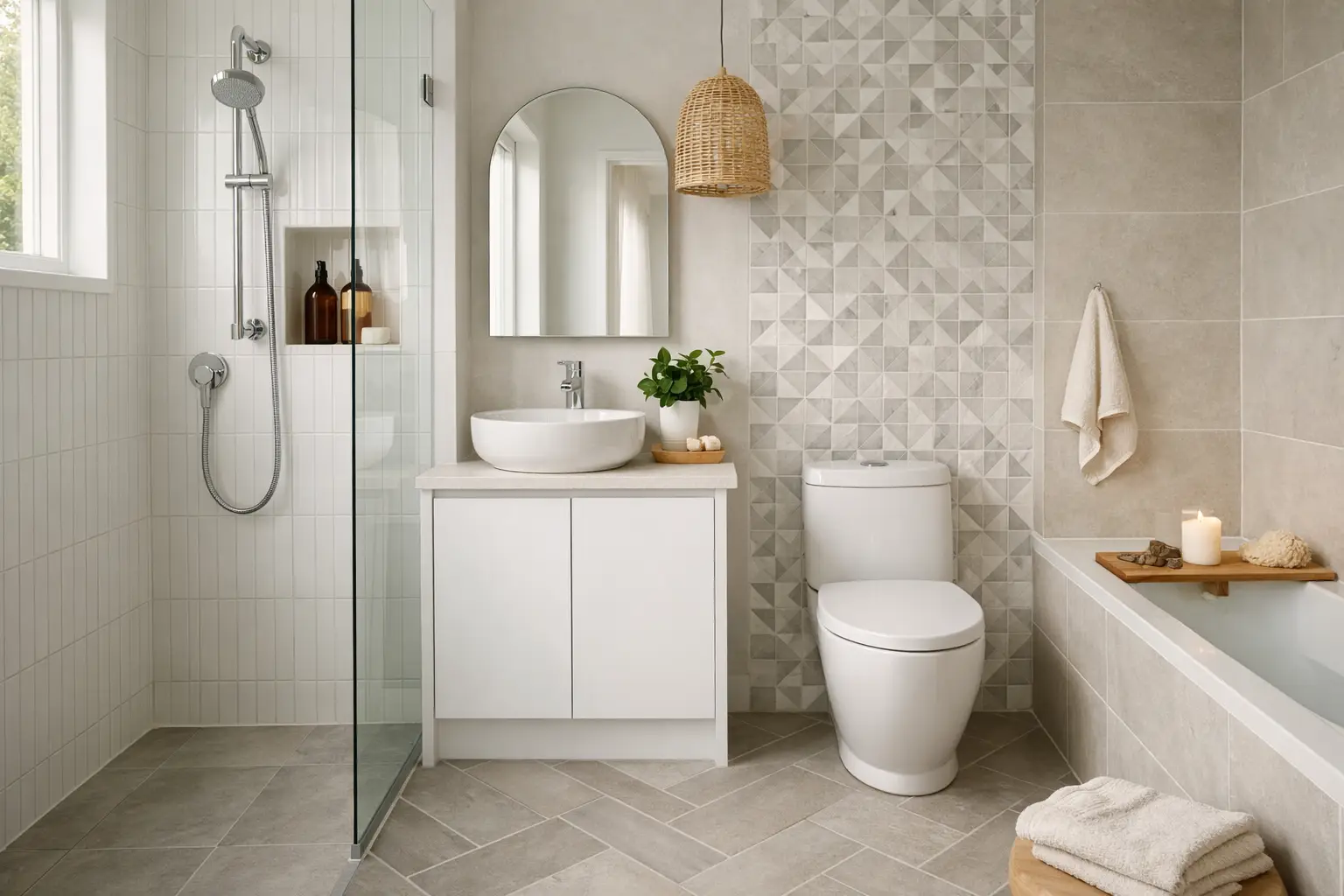
Bathrooms, laundries and other persistently wet areas are usually better served by quality porcelain tiles. Timber-look porcelain can continue the warm oak appearance through these spaces while offering straightforward cleaning and stronger resistance to water. This combination is often a practical way to create visual continuity across a full-home renovation without asking one material to do every job.
Homes with children, pets or busy entertaining zones do not need to avoid timber flooring. They do, however, benefit from realistic expectations. Oak is a natural material, and small dents or surface marks can become part of its lived-in character. If a flawless appearance is essential, a hard-wearing matte porcelain tile may be the better choice for the busiest zones, with timber reserved for spaces where comfort and natural texture matter most.
Installation details that should be decided early
A beautiful board cannot compensate for poor subfloor preparation. Before installation, the installer should assess moisture levels, flatness and the condition of the slab or existing floor. Concrete moisture must be managed with the correct moisture barrier or adhesive system where required. Skipping this stage can lead to movement, gaps or adhesive failure later.
Engineered oak may be floated, glued down or installed over an approved acoustic underlay, depending on the product and site conditions. Glue-down installation often gives a firmer, quieter feel underfoot, while a floating floor can be efficient in suitable applications. Apartment projects may also have acoustic requirements, so confirm body corporate rules and underlay performance before ordering materials.
Allow for expansion gaps around walls, cabinetry and fixed elements. Timber changes slightly with seasonal conditions, and those discreet perimeter allowances give the floor room to respond naturally. Boards should also be acclimatised according to the manufacturer’s instructions before installation.
Underfloor heating can work with selected engineered timber products, but it is never a detail to assume. The product must be approved for the heating system, and the temperature limits, commissioning process and installation method must all be followed. Gradual temperature changes are kinder to the floor than sudden heat increases.
Choosing colour alongside tiles and benchtops
The best oak floor choices are usually made with the whole finishes schedule in view. Bring tile, benchtop and cabinet samples together rather than selecting each material in isolation. A cool grey oak can make warm beige porcelain look noticeably yellower, while a honey-toned oak may sit beautifully with creamy travertine-look tiles and soft white cabinetry.
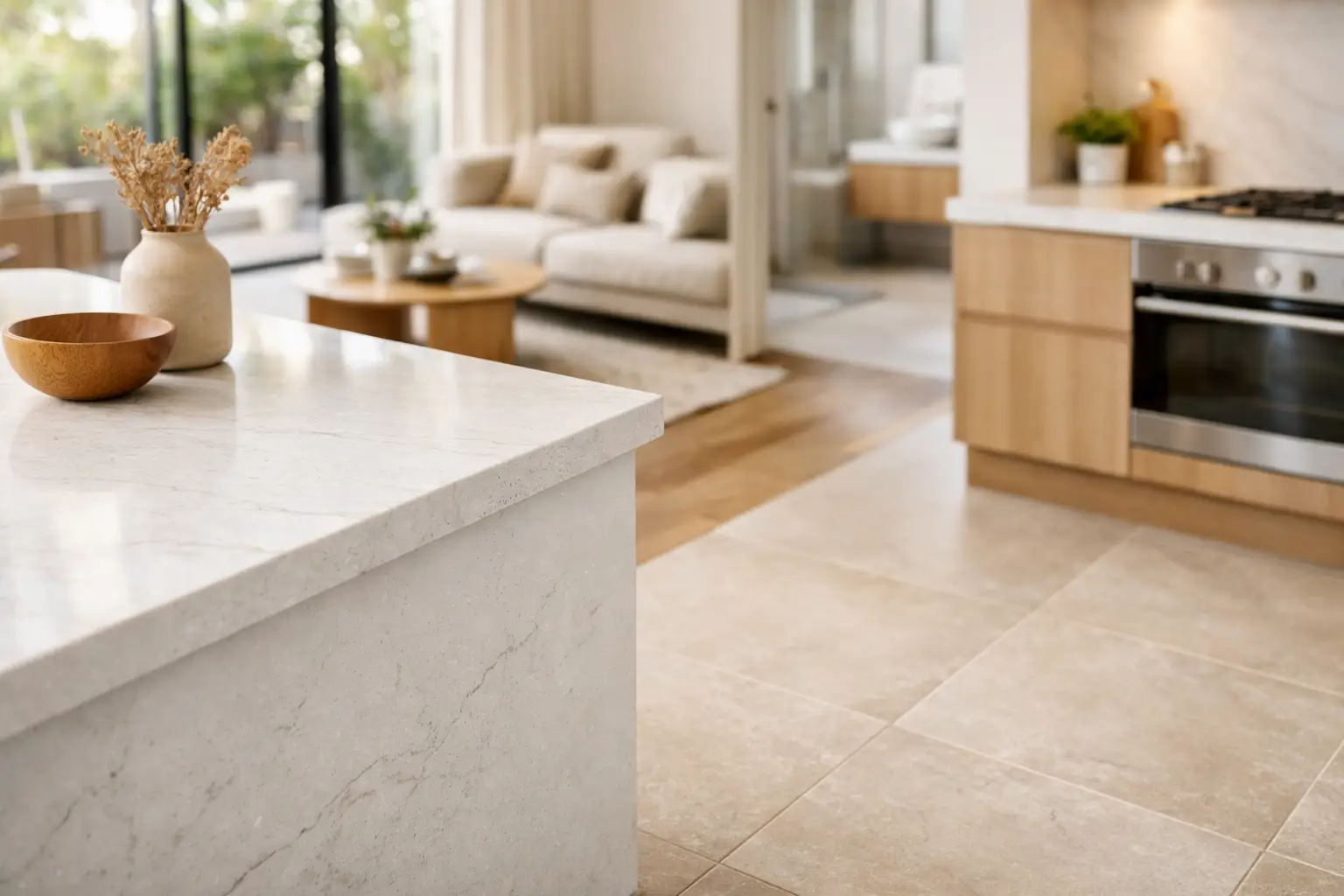
For contemporary kitchens, a natural oak floor with matte kitchen tiles and a low-sheen zero-silica benchtop can create a calm, layered palette. The aim is not to make every finish identical. A little variation in texture and tone helps the space feel considered rather than flat.
Pay attention to undertones. If the oak has a pink, golden, grey or olive cast, choose surrounding surfaces that support it. Large samples placed together near a window will reveal far more than small chips viewed separately under showroom lighting.
Care that protects the finish
Routine care is simple but should be consistent. Sweep or vacuum with a hard-floor setting to remove grit, then use a well-wrung microfibre mop and a cleaner approved for the floor finish. Excess water is the main thing to avoid. Steam mops, harsh detergents and abrasive pads can damage the protective coating or push moisture into joints.
Felt pads beneath chairs and furniture legs make a meaningful difference, especially under dining settings. Entry mats help reduce sand and fine grit brought in on shoes. In rooms with strong afternoon sun, curtains, blinds or UV-filtering window treatments can reduce uneven colour change over time.
A professional installer and supplier should provide clear care guidance for the specific product you select. Warranty terms, wear-layer thickness, finish type and installation requirements are all worth confirming before purchase, not after the boards arrive on site.
A considered finish for everyday living
Engineered European oak timber flooring is at its best when it is treated as part of a complete material plan, not an isolated decorating choice. It can bring enduring quality and genuine warmth to the dry living spaces where a family spends most of its time, while porcelain handles wet zones and high-maintenance areas with confidence.
For renovation projects, taking samples, plans and room measurements to a local finishes consultation can prevent costly mismatches. Verona Ceramic can help Melbourne homeowners and trade professionals coordinate timber-look and porcelain surfaces with kitchen and bathroom selections, so every room feels connected, practical and ready for daily life.