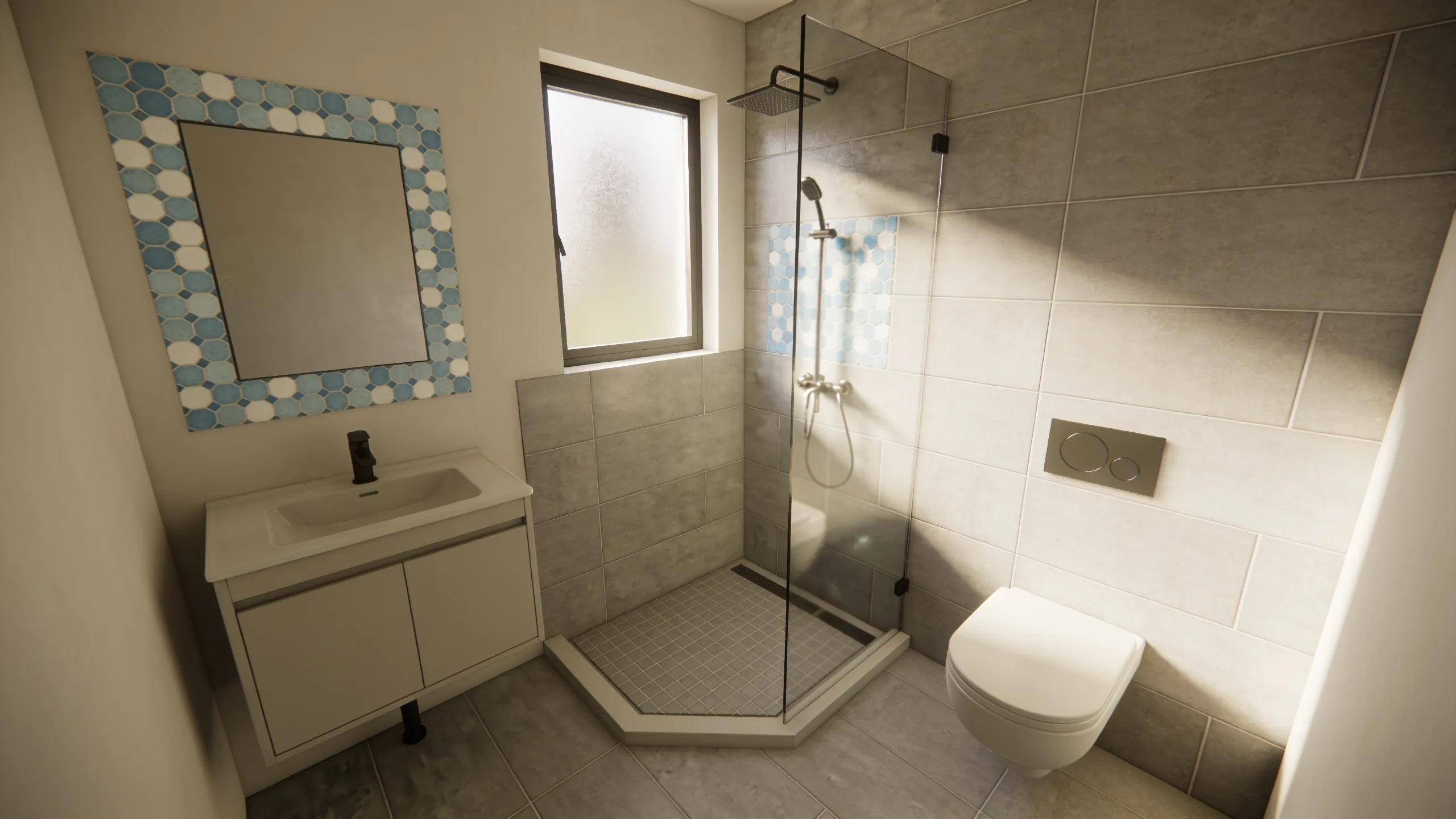
Best Tile Sizes for Small Bathrooms: Space-Saving Layouts & Visual Guide
By Verona Ceramic, Verona Ceramic
When it comes to designing small bathrooms, choosing the right tile size can profoundly influence both the aesthetic and practical aspects of the space. The best tile sizes for small bathrooms not only optimise the visual flow but also enhance the feeling of spaciousness and functionality. This article aims to educate readers on optimal tile sizes, space-saving layouts, grout colour selection, and the effects of texture and finish. With an understanding of how these elements interconnect, homeowners can implement designs that maximise space utility while maintaining an elegant aesthetic.
The challenges of maximising a small bathroom’s functionality often arise from limited square footage, necessitating clever design strategies. By focusing on optimal tile sizes and layouts, homeowners can create environments that feel larger and more open. Throughout this article, we will elaborate on tile size considerations, layout adaptations, grout colour selections, and practical installation tips to ensure longevity and ease of maintenance for small bathroom tiles.
Tile Sizes
Tile size is a pivotal factor in bathroom design, especially in smaller spaces. Not only does the size impact the visual perception of the room, but it also plays a significant role in functionality. Larger tiles tend to minimise grout lines, creating a more seamless look that can enhance the perception of space. Conversely, smaller tiles are ideal for intricate areas like shower floors, where design flexibility is beneficial. Moreover, mosaic tiles offer distinctive aesthetic appeal and functional advantages, allowing for unique patterns that can break up monotony and add visual interest.
Choosing the right tile size is crucial to achieving the best results in small bathrooms. Larger formats, such as 12×24 inch tiles or 300×600 mm tiles, can make a small bathroom feel more expansive and less cluttered due to fewer visible seams. On the other hand, 4×4 inch tiles and mosaics can be beneficial for areas that require a more consolidated application of tiles, such as around fixtures or in shower niches. Verona Ceramic specializes in high-quality ceramic, porcelain, and natural stone tiles that cater to a variety of design preferences.
What Are the Standard Tile Size Options Available at Verona Ceramic?
Customers can choose from a range of standard sizes such as 12×24 inch tiles, 300×600 mm tiles, and smaller mosaics suitable for tight spaces. Each option serves different design intentions while ensuring both functionality and elegance in small bathroom settings.
Layouts
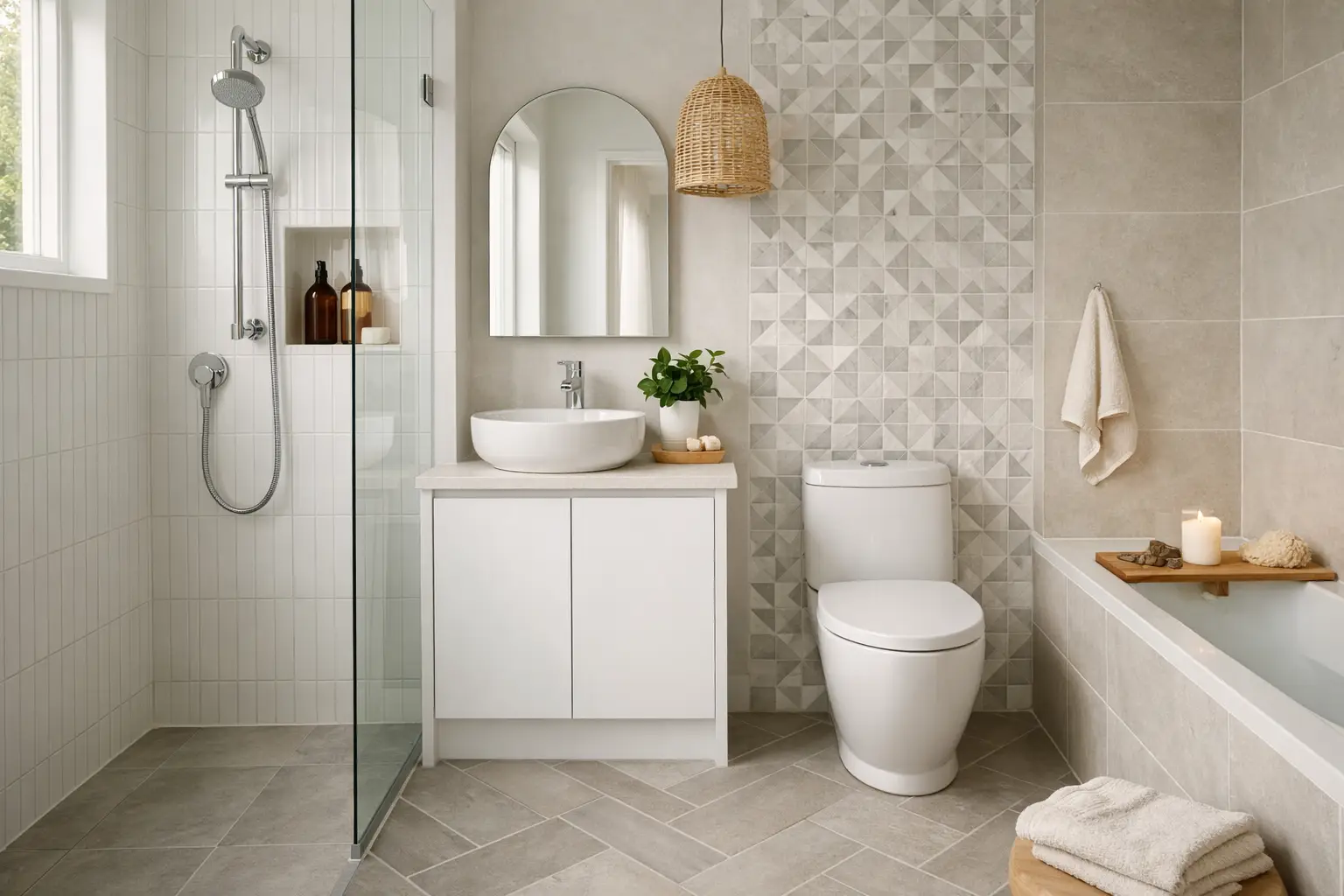
Different layouts can significantly affect how the space is perceived in small bathrooms. Implementing unique tile patterns enhances visual dimensions and can create an illusion of increased space. Diagonal installations, for example, can make narrow bathrooms appear wider, while lengthwise layouts can elongate the look of compact areas.
A balanced grid layout works effectively in square bathrooms, providing symmetry and order. The choice of layout greatly influences the room’s overall aesthetic and can make or break the bathroom’s visual flow. By selecting the right layout and tile size, homeowners can effectively enhance both the beauty and functionality of their small bathrooms.
What Space-Saving Tile Layout Patterns Enhance Small Bathroom Visuals?
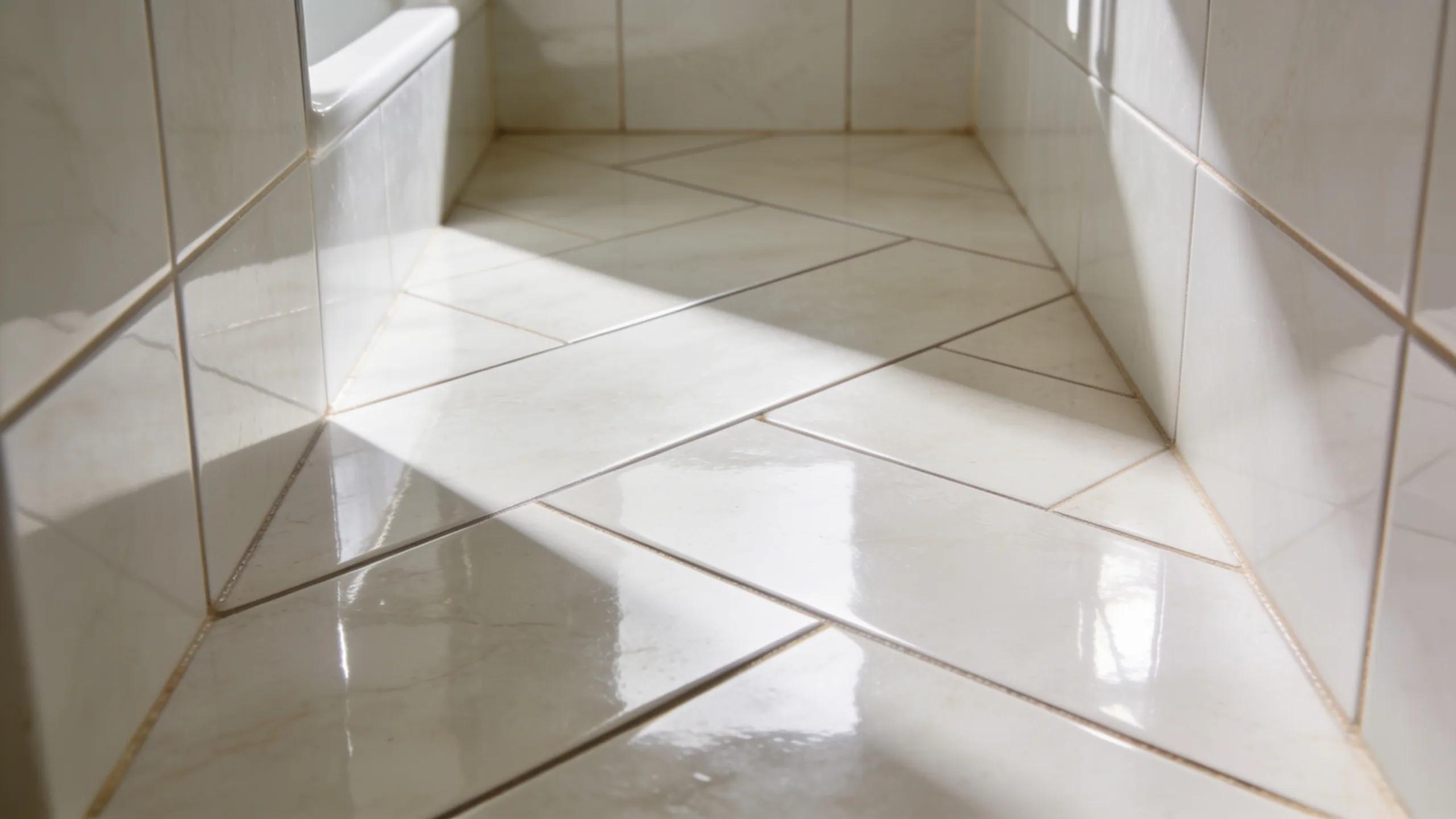
Designers often recommend diagonal tile layouts and offset or staggered patterns for their ability to create a visual flow that redirects the eye and minimises any sense of confinement. These patterns utilize tiles creatively, helping to depict a larger area while adding depth through varied angles and dimensions. Using space-saving layouts offers an innovative approach to turning small bathrooms into aesthetically pleasing sanctuaries.
Grout Colour
Grout colour can also influence the overall appearance of tiled surfaces. Choosing a grout colour that complements the tiles can enhance the seamlessness of the design, yielding a cohesive look. Light-coloured grouts can soften the appearance, while darker hues can create striking contrasts that emphasise tile shapes and designs.
When selecting grouts, it’s essential to consider how the colour will interact with both the tile colours and the overall design scheme of the bathroom. Proper grout colour choice can dramatically alter the finished look, making it an important factor in the tiling decision-making process for small bathrooms.
Texture and Finish
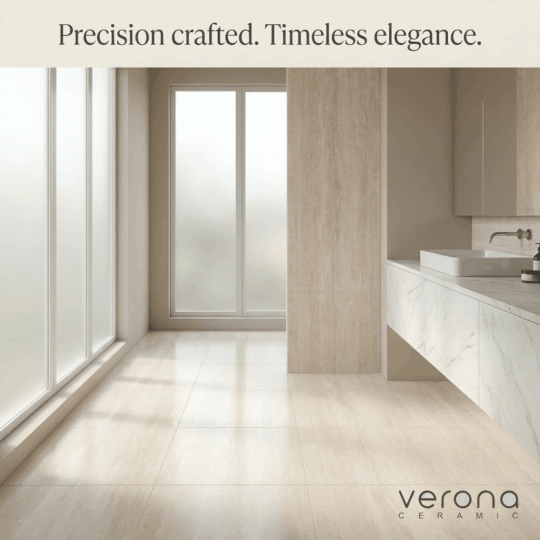
The texture and finish of tiles are critical in determining the overall feel of a bathroom. Glossy tiles, for instance, can reflect light and make a bathroom appear larger and brighter. On the other hand, matte finishes add warmth and character, often providing slip resistance, which is vital for safety in wet areas.
Matte or textured finishes can effectively enhance safety, particularly in small bathrooms where space constraints necessitate closer proximity to fixtures. Understanding how finish types influence both aesthetic appeal and functionality is essential for homeowners during their renovation process.
How Does Tile Material and Surface Finish Influence Small Bathroom Design and Durability?
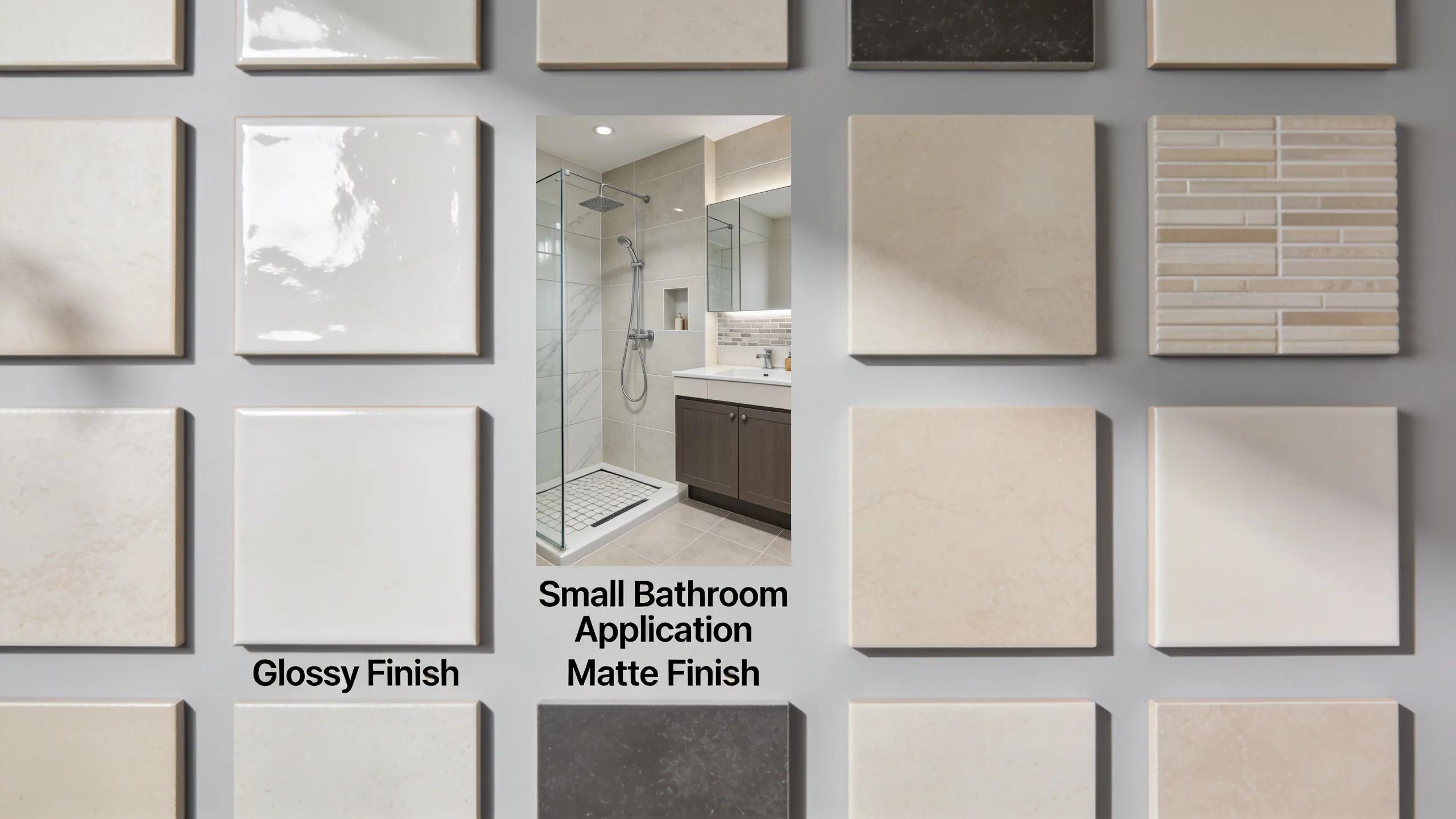
Different tile materials such as porcelain, ceramic, and natural stone each bring their own strengths to bathroom design. Porcelain tiles, known for their durability and low water absorption rates, are well-suited for small, high-moisture areas. In contrast, ceramic tiles offer a wide variety of colours and patterns, which can be manipulated to suit personal aesthetics. Natural stone, while more expensive, provides an organic feel and can also be highly durable when properly sealed, making it a valuable option as well. Explore the diverse range of tile materials and finishes at Verona Ceramic to find the perfect fit for your design needs.
To maintain the longevity of tiles in small bathrooms, it’s recommended to apply high-quality sealants to grout and tile surfaces to minimise moisture penetration. Regularly cleaning surfaces with appropriate, non-abrasive solutions helps preserve the finish and prevents staining. Moreover, proper installation techniques are vital; ensuring that tiles are laid evenly will reduce the risk of cracking or damaging over time.
Visual Flow
Creating a sense of harmony and continuous visual flow is essential in small bathroom design. Consistency in tile sizes and finishes can foster a serene atmosphere, preventing overwhelming contrasts that might detract from the overall space. This involves carefully selecting tiles that align with the intended aesthetic direction of the bathroom.
Maintaining visual uniformity is not only about colour but also the efficient arrangement of tiles to create connectivity across different elements in the bathroom. By focusing on a cohesive aesthetic, small bathrooms can transform into comfortable, inviting spaces that feel larger than their actual size.
How Should Homeowners Maintain Tile Surfaces to Prolong Quality and Appearance?
Homeowners can prolong the original appearance of their tile surfaces by instituting regular cleaning routines and promptly addressing any spills or stains. Utilizing mats or rugs at entry points can greatly reduce wear on tile surfaces by minimising dirt exposure. Additionally, opting for slip-resistant finishes can ensure not only aesthetics but also functional safety, vital in often-used spaces such as bathrooms.
This comparison demonstrates that tile size choices play a crucial role in balancing space and design functionality in small bathrooms.
In conclusion, understanding the interplay of tile sizes, layouts, grout colours, texture, and finish provides homeowners with a toolkit to design their small bathrooms effectively. By leveraging these insights, individuals can create welcoming, functional spaces that reflect their personal style while enhancing usability.