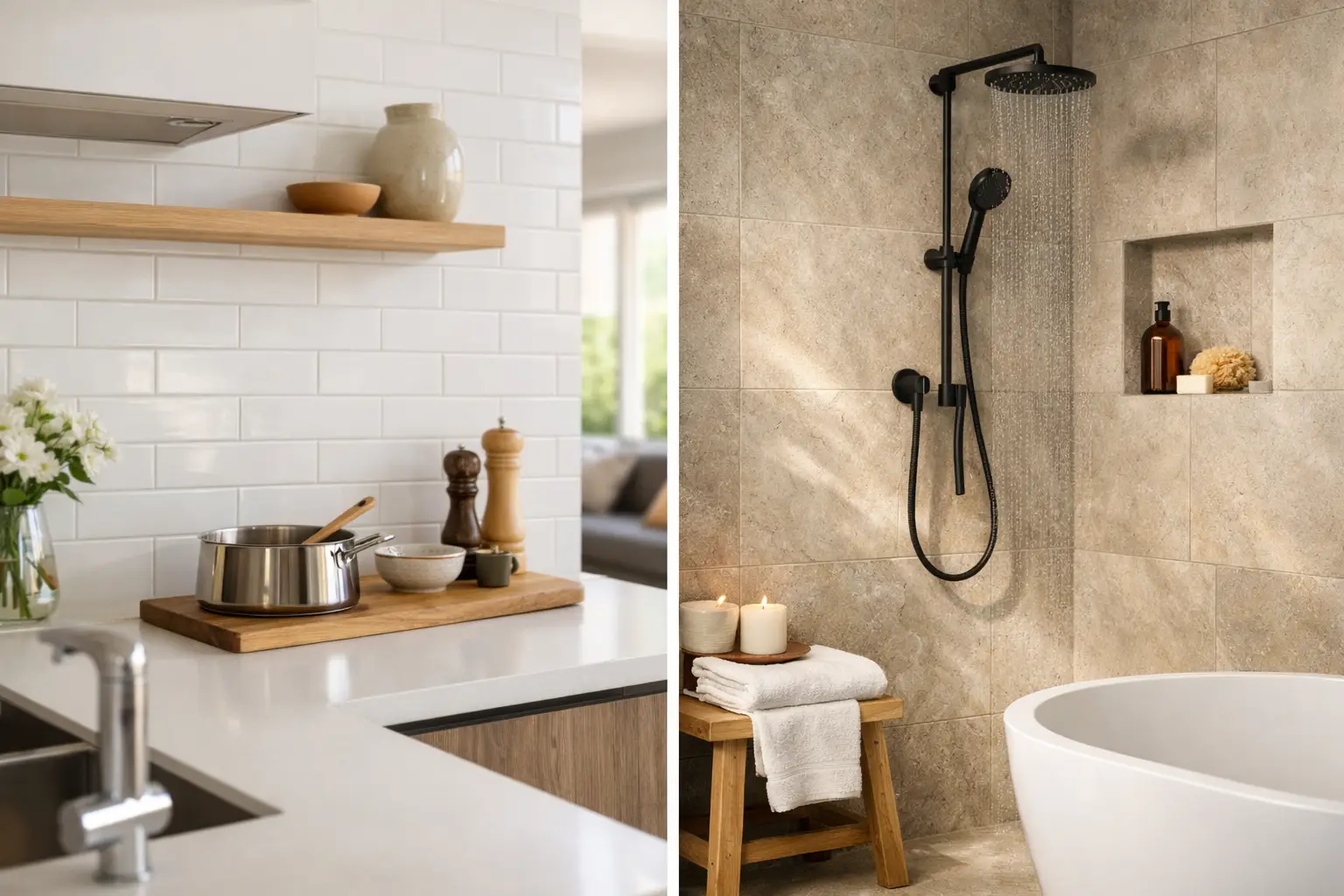
A wall finish is one of the few renovation decisions you will see and touch every day. The right wall tiles can make a compact bathroom feel calmer, give a kitchen a clean architectural edge, and protect busy family areas from splashes, marks and daily wear. The best choice is not simply about colour. It is about selecting a surface that suits the room, the light, the cleaning routine and the life your home needs to support.
How to Choose Wall Tiles for Each Room
Porcelain wall tiles are a practical favourite for Melbourne homes because they combine low water absorption, dependable durability and a broad choice of colours, textures and formats. They are especially well suited to bathrooms, laundries, kitchens and living spaces where easy cleaning matters. Ceramic wall tiles can also be an excellent choice in lower-impact applications, particularly when a decorative glaze, handmade look or smaller format is part of the design brief.
Before settling on a style, consider how the room is used. A splashback behind the cooktop needs to handle cooking residue and regular wiping. Shower walls need a finish that works with a properly waterproofed installation system. An entry or open-plan living area may benefit from a tile collection that can continue from floor to wall for a more cohesive result.
Kitchens Need Beauty That Cleans Easily
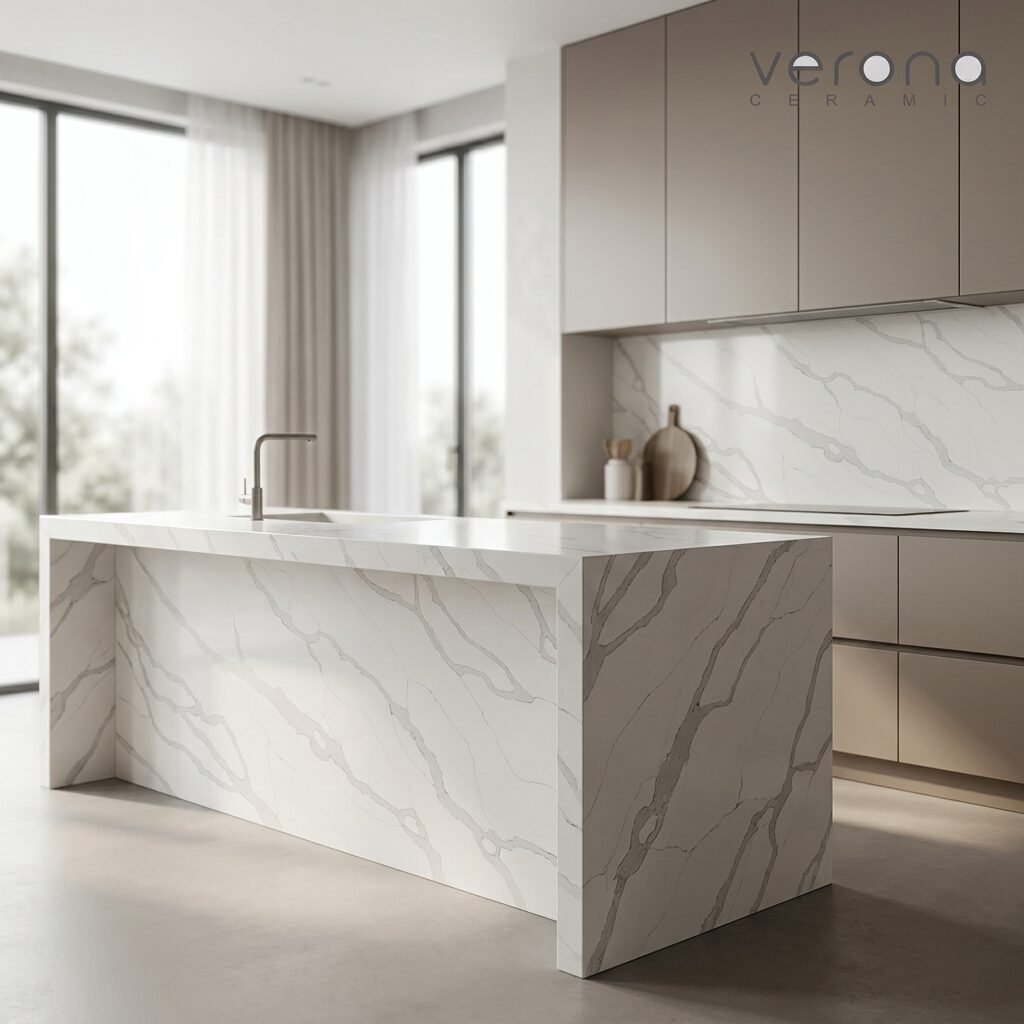
Kitchen tiles should earn their place through both appearance and performance. Smooth glazed porcelain is easy to wipe down and suits contemporary splashbacks, while matte tiles can introduce a softer, more relaxed finish. If you are pairing tiles with a zero-silica engineered stone benchtop, look at samples together under your kitchen lighting. Undertones that appear warm in a showroom can look cooler beside white cabinetry or a stone surface at home.
For a practical splashback, a moderate-sized tile often keeps the number of grout joints manageable without losing visual interest. Large format tiles create a quieter, more continuous look with fewer joints, while smaller tiles bring texture and character. Neither is automatically better. It depends on the proportions of the wall, the number of power points and the overall level of detail in the cabinetry.
Bathrooms Call for Careful Surface Selection
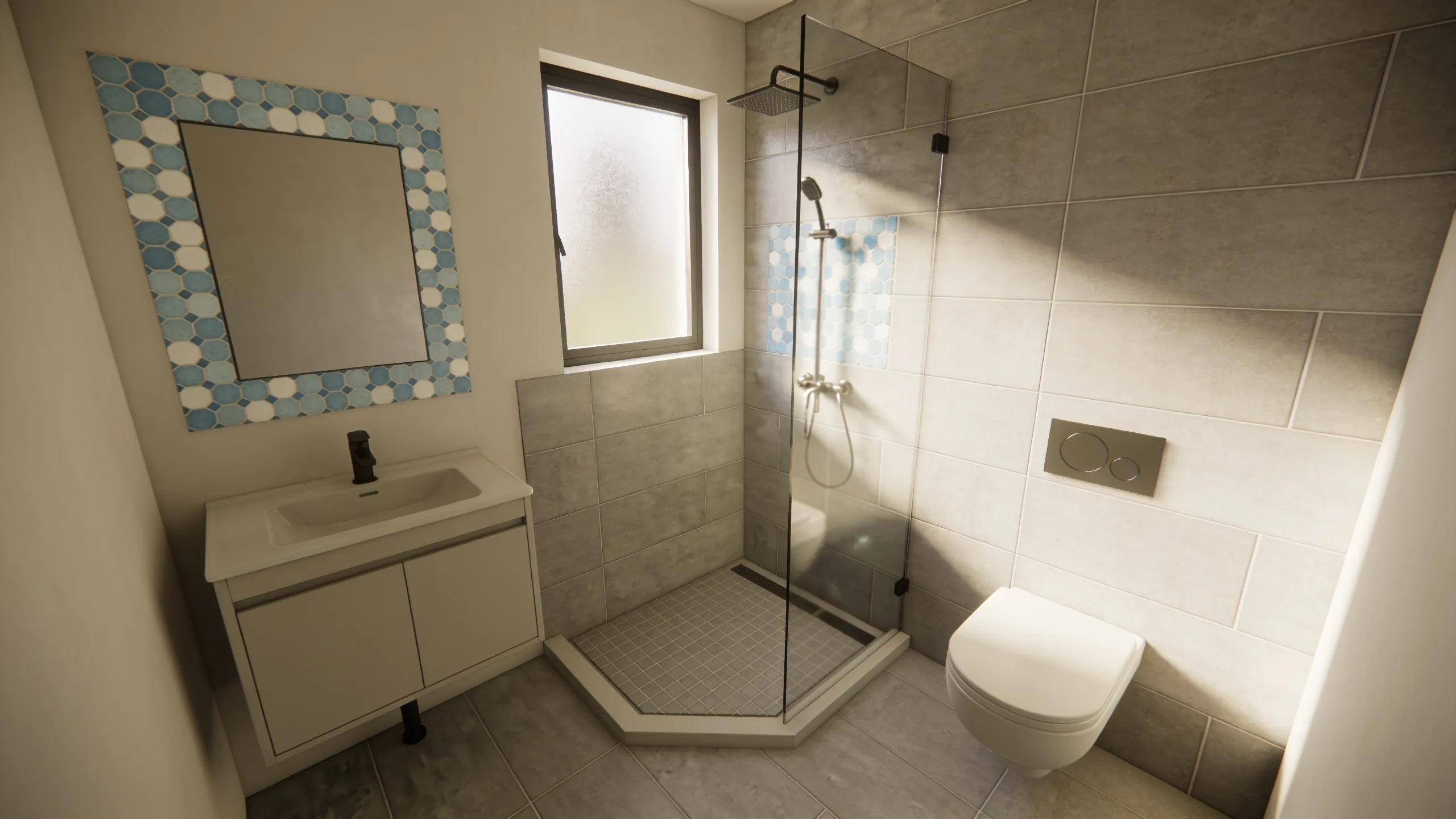
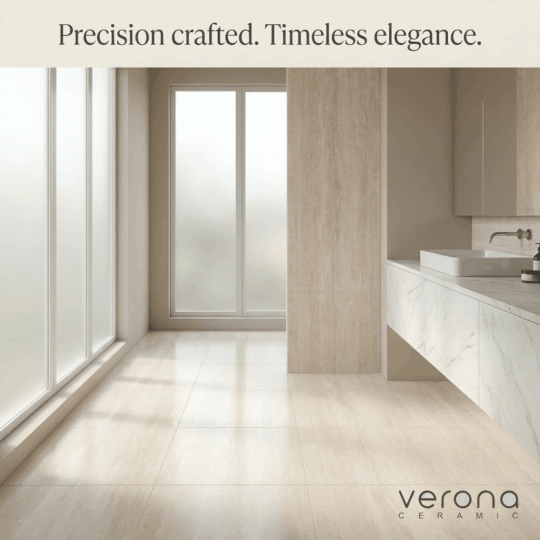
Bathrooms benefit from wall surfaces that make the room feel clean, light and settled. Pale tiles can help a smaller bathroom feel more open, but deeper tones, natural stone looks and soft textured finishes can create warmth when balanced with good lighting. A feature wall behind a vanity or in a shower niche is often enough to add personality without making the room feel busy.
Remember that wall tiles are water-resistant, but tiles and grout alone do not make a shower waterproof. The substrate, waterproofing membrane, adhesive and movement joints must be specified and installed correctly in line with applicable Australian standards. This is where an experienced tiler and a clear installation plan matter as much as the tile selection itself.
Living Areas Can Carry a Consistent Look
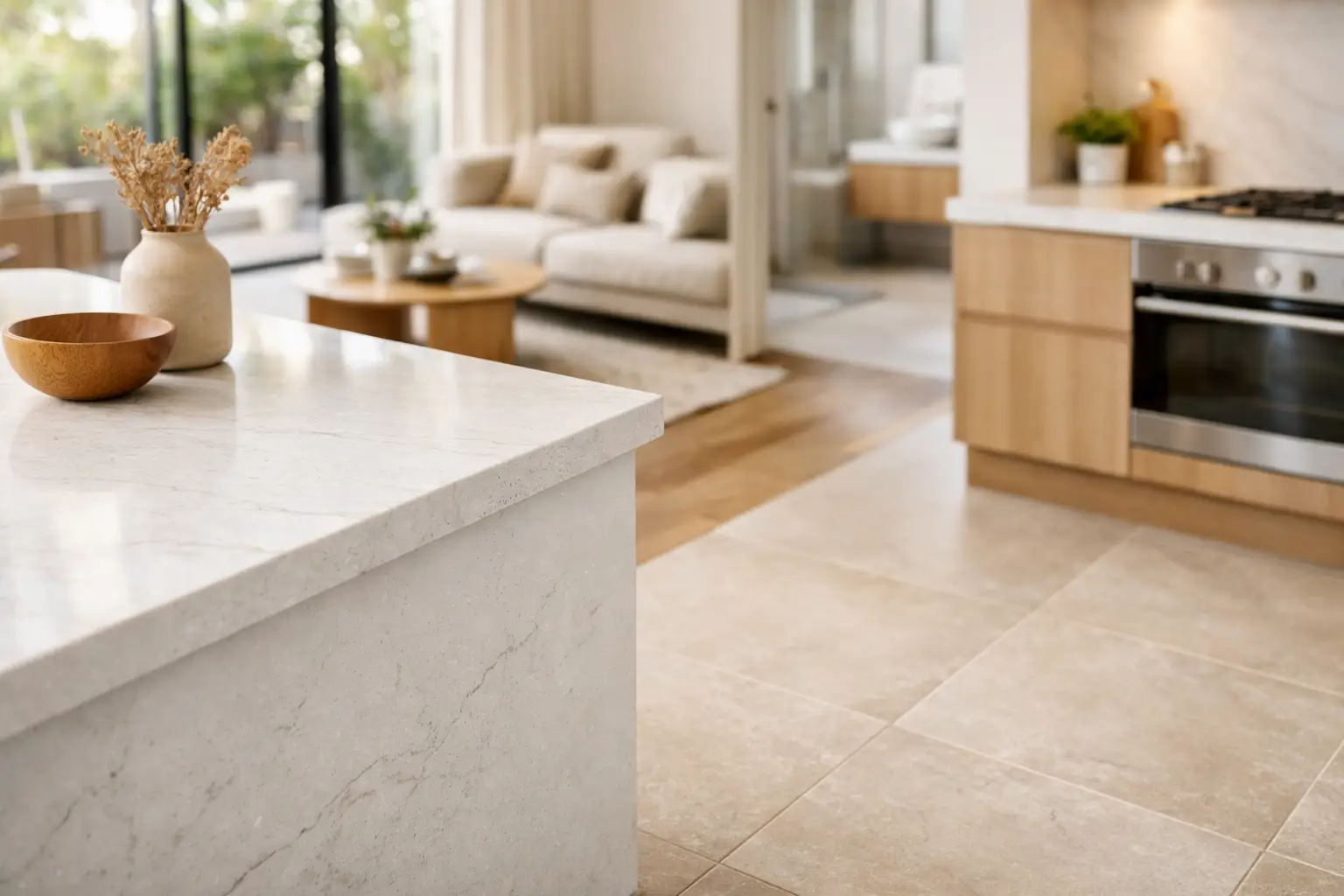
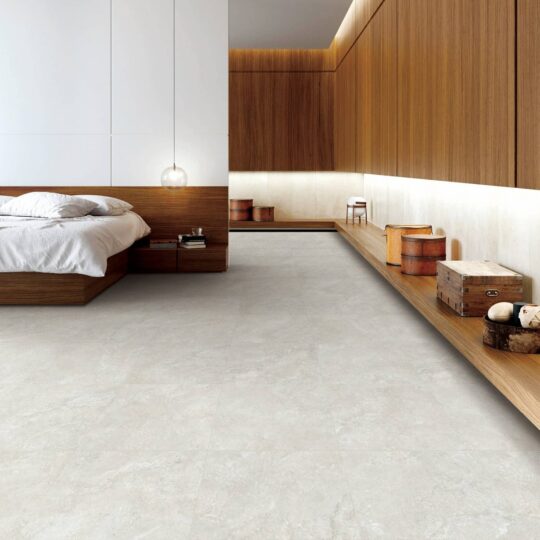
In open-plan homes, continuing the same porcelain collection from floor to wall can make spaces feel larger and more considered. This approach works particularly well with concrete-look, travertine-look and subtle stone-look porcelain tiles. It also keeps maintenance simple, which is valuable in homes with children, pets and busy routines.
When selecting a wall tile for a living area, think about scale from a distance. A strong vein pattern that looks striking on a single sample may become dominant across a full fireplace wall. Larger samples, elevations or a 3D design can help show whether the pattern will feel balanced once installed.
Finish, Size and Grout Make the Difference
A tile’s finish changes the way colour and texture are perceived. Gloss wall tiles reflect light and can brighten darker rooms, making them a popular option for splashbacks and compact bathrooms. They may show water spots or fingerprints more readily, especially in high-touch areas. Matte tiles have a more understated, architectural appearance and tend to disguise minor marks well, though textured matte finishes may need a little more attention when cleaning.
Large format tiles are popular for their clean lines and reduced grout joints. A 600 x 1200 mm porcelain tile can make a shower wall or feature wall feel expansive, but it needs a suitably flat substrate and skilled handling during installation. Smaller tiles are often more adaptable around curves, niches and detailed areas. They can also offer better visual rhythm in heritage-inspired or layered interior schemes.
Grout is not an afterthought. A closely matched grout creates a calmer, more continuous surface, while contrast grout highlights the tile pattern and layout. In wet areas, choose a quality grout suitable for the application and keep grout lines consistent. Rectified porcelain tiles have precisely finished edges that allow narrower joints, but they still require joints and appropriate movement allowances. Very tight joints can look refined, yet they leave less room for variation in wall preparation and installation.
Know Which Ratings Matter
Technical ratings can feel confusing, but a few straightforward checks will help you compare products with confidence. For wall-only applications, PEI rating is usually less critical because PEI measures resistance to surface abrasion from foot traffic. It becomes relevant when you want the same glazed tile to continue onto a floor.
Slip resistance is also primarily a floor consideration. A shower wall does not need the same slip rating as a shower floor, although a coordinated collection can make it easier to choose safe, compatible surfaces throughout the bathroom. For wet floors, ask about the tile’s tested slip resistance and whether its texture suits the cleaning requirements of the household.
Water absorption matters in bathrooms, laundries and outdoor-adjacent spaces. Porcelain is generally valued for its very low water absorption and strength, making it a reliable choice for demanding renovation projects. Always confirm that a particular tile is rated for its intended application, particularly if you are considering use around a pool, on an external wall or in an area exposed to changing weather.
Plan the Installation Before Ordering
The most beautiful tile can disappoint if the layout has not been considered early. Ask your tiler where cuts will fall, how the tile will finish at external corners, and whether trims, mitred edges or tile returns will suit the design. These small decisions have a major effect on the finished result.
Wall condition is equally important. Large format tiles need a level, stable surface, while heavily textured tiles may require specific adhesives and installation methods. In wet areas, arrange waterproofing before tiling and confirm the sequence with your builder or bathroom renovator. Allowing for extra tiles is sensible for cuts, breakages and future repairs, especially when the layout includes a directional pattern or a natural variation across faces.
For renovation professionals, stock availability should be part of the specification discussion from the beginning. A project can lose momentum when a selected tile has an extended lead time or an incomplete batch. Ready stock tiles held locally offer more certainty when construction schedules are tight, while factory-direct tiles can provide strong value without compromising the finish expected in a premium home.
See Samples in Your Own Light
Showroom lighting is helpful, but your home gives the truest reading of a tile’s colour and finish. Take samples into the room and view them in morning light, afternoon light and with the lights switched on. Place them next to cabinetry, paint, flooring and benchtop samples rather than judging each finish in isolation.
At Verona Ceramic, homeowners and trade clients can use free measuring and 3D design support to make decisions with more clarity before installation begins. This is particularly useful when combining large format tiles, a statement splashback and zero-silica benchtops in one renovation. A clear plan supports accurate quantities, more confident colour selections and a finish that feels intentional from every angle.
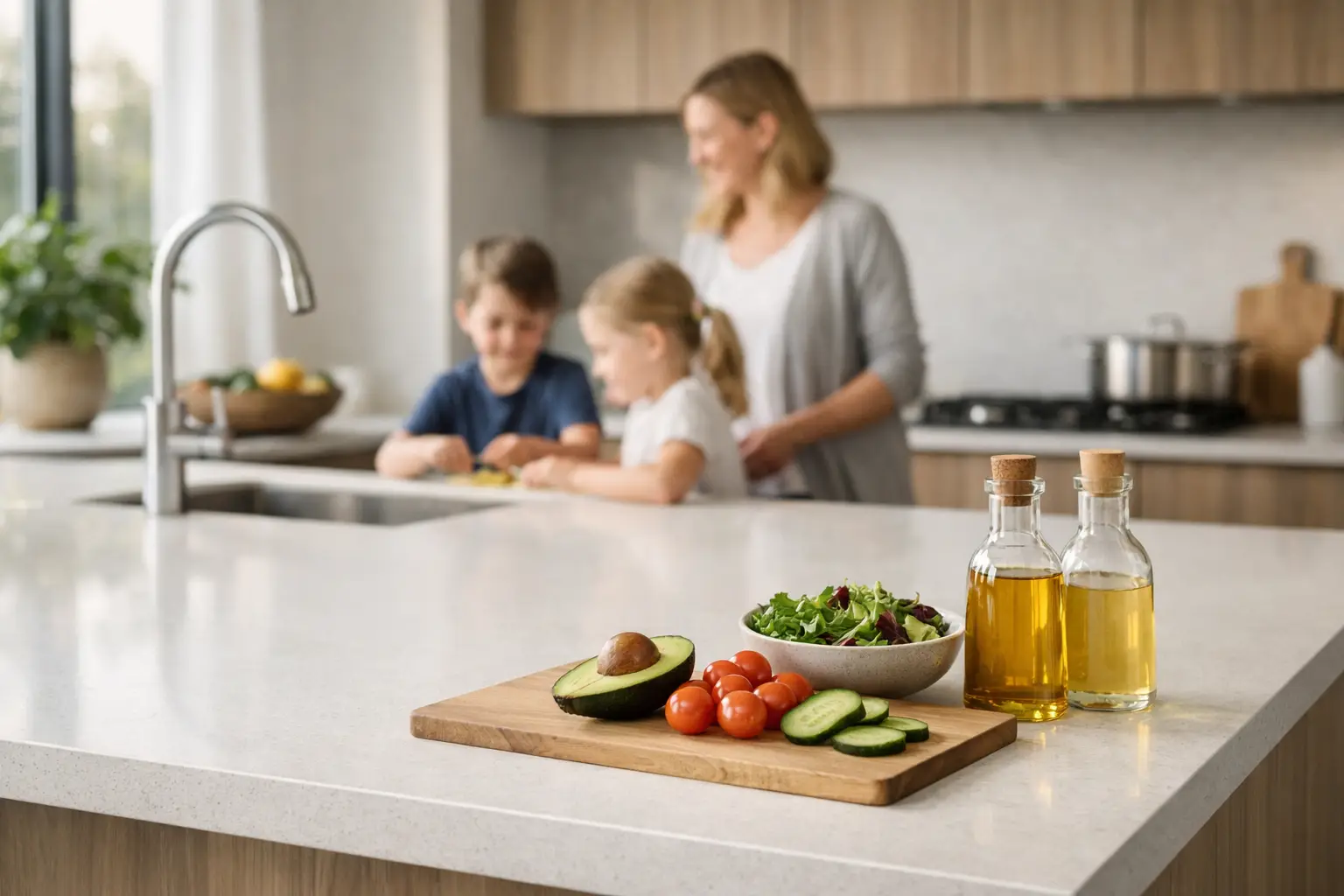
Choose wall tiles that suit the way your household actually lives, not just the image that first caught your eye. When the scale, finish, layout and installation details are considered together, the result is a surface that stays beautiful through everyday meals, school mornings, guests and years of family life.