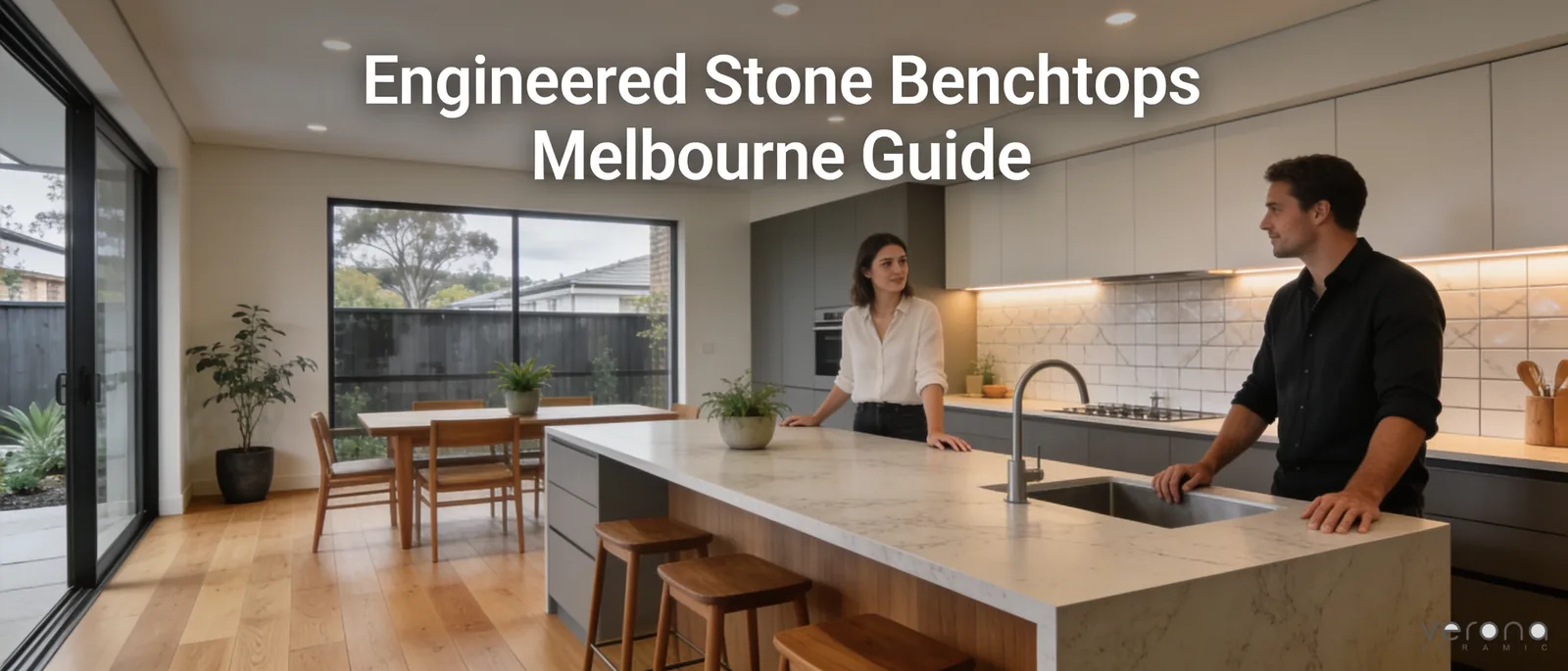
The Complete Engineered Stone Guide for Melbourne Homes
By Verona Ceramic Editorial Team · Updated 2026-07-25
Pricing varies by package; contact the brand directly for accurate quotes. Caesarstone and Smartstone rank among the top suppliers, offering 20mm or 30mm slabs in various colors. Melbourne building regulations require licensed installers for structural kitchen renovations; consult local guidelines for details.
Engineered stone benchtops in Melbourne face major market shifts following the 2024 engineered stone ban, pushing renovators in areas like Toorak, Brunswick, and South Yarra toward marble, granite. Quartzite alternatives when planning 2026 kitchen upgrades for safety, durability, and long-term value.
Engineered stone benchtops in Melbourne require careful evaluation following the 2024 crystalline silica ban, which prohibits standard engineered stone installation across Victoria. Renovators now assess zero-silica alternatives, porcelain, and natural stone for kitchens and bathrooms. Verona Ceramic supplies zero-silica engineered stone from its Melbourne-serving showroom, verifying compliance, slab consistency, and durability standards for residential and commercial projects throughout Melbourne and Victoria.
What Happened to Engineered Stone in Melbourne?
A 2024 ban reshaped Melbourne’s kitchen renovation market almost overnight. Benchtop selection used to hinge on style and budget; it now hinges on safety data, performance testing, and long-term value. That shift affects every renovation underway across the city, from inner-city apartments to established family homes.
Before the ban, choosing a kitchen surface meant picking between engineered stone, marble, or granite based mostly on appearance and price. Silica dust exposure during fabrication changed that calculation permanently. Melbourne renovators now weigh health risk alongside aesthetics, which has pushed many toward alternative materials and pushed suppliers to prove compliance rather than simply promote looks.
Why does the ban still affect renovation decisions in 2026?
Homeowners renovating in suburbs from Toorak to Brunswick to South Yarra face a more complicated question than “which stone looks best?” The real question is which material stays safe, holds up under daily use, and justifies its cost over the life of the kitchen. That single change turned a simple aesthetic choice into a research project involving safety standards, wear resistance, and resale value.
This is where a thorough engineered stone guide earns its place in any renovation plan. Melbourne buyers need clear comparisons, not marketing claims, when narrowing down options. A solid benchtop buying guide should walk through composition, maintenance demands, and where each material performs best — kitchen, bathroom, or commercial fit-out.
Key factors now driving Melbourne benchtop decisions include:
- Silica content and associated fabrication safety
- Scratch, heat, and stain resistance under daily kitchen use
- Long-term maintenance requirements
- Compliance with current material safety standards
Suppliers offering zero silica benchtops have become central to this conversation, giving Melbourne renovators a path back to engineered surfaces without the fabrication risk that prompted the ban.
What Are Zero Silica Benchtops Exactly?
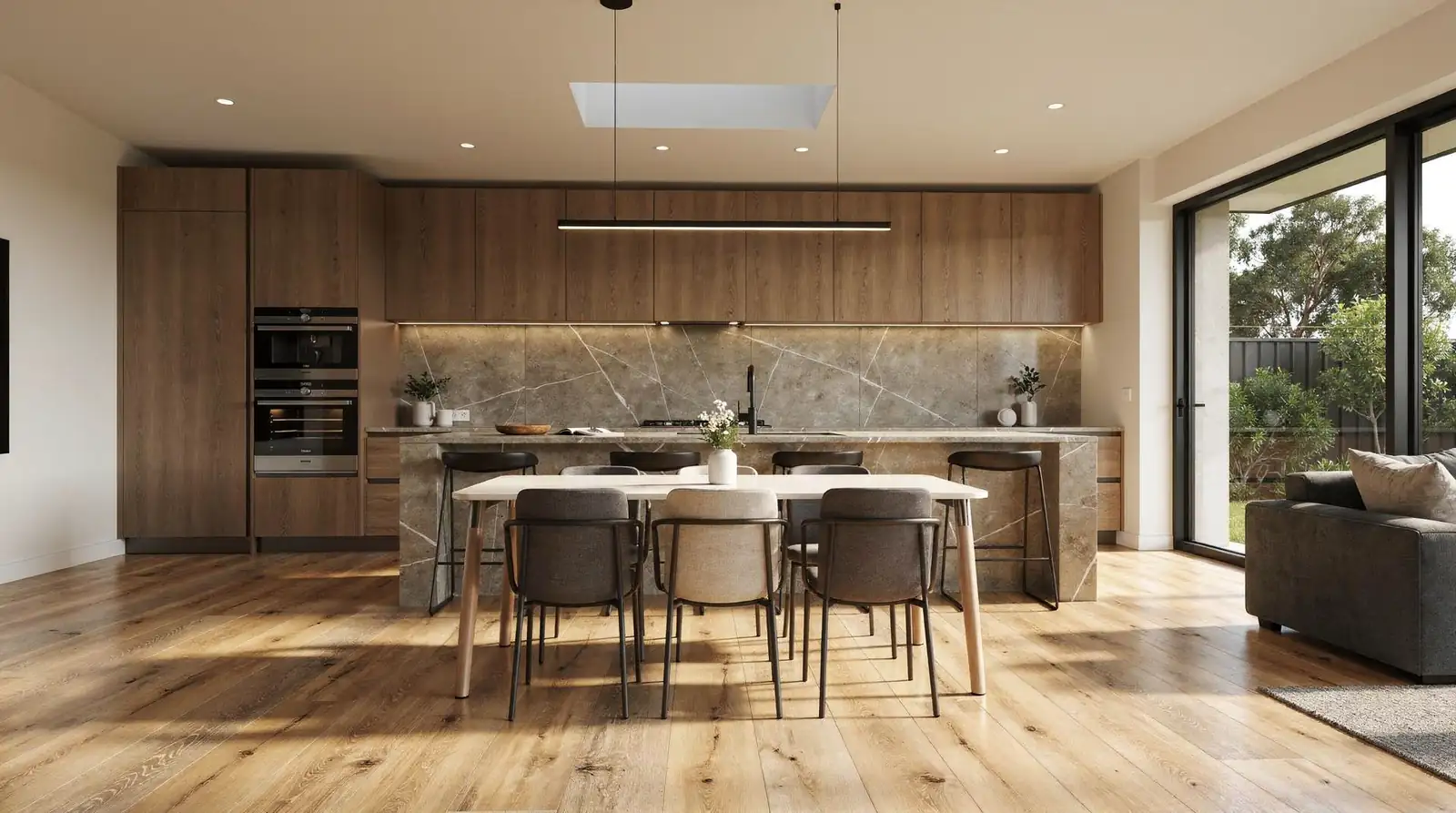
Zero silica benchtops describe engineered surfaces manufactured without crystalline silica, the compound linked to serious respiratory risk during fabrication. Melbourne renovators gain a genuine mid-market option here: silica-free engineered stone delivers the stone look at a lower material cost than natural marble or granite. For clients comparing an engineered stone guide against traditional slabs, this distinction matters more than color or veining pattern.
Performance separates these surfaces from decorative alternatives. Busy Melbourne households need benchtops that resist heat, staining, and scratching under daily use. Silica-free formulations are engineered specifically to meet that demand, holding up in kitchens where hot pans, red wine, and knife slips are routine hazards rather than rare events.
How do zero silica benchtops compare to standard engineered stone?
Standard engineered stone typically contains a percentage of crystalline silica bound in resin. zero silica benchtops remove that compound entirely from the mix. The trade-off isn’t performance; both categories are built for heat, stain, and scratch resistance. The difference lies in fabrication safety and long-term regulatory compliance, factors increasingly relevant for Melbourne renovation projects.
What should a buyer check before choosing a silica-free surface?
A thorough benchtop buying guide covers more than surface appearance. Buyers should evaluate:
- Material composition and resin binder quality
- Finish options, including matte, polished, and textured surfaces
- Ongoing care requirements and sealing needs
- Total cost against natural stone alternatives
A dedicated zero silica benchtop review lays out exactly this territory, walking Melbourne renovators through materials, finishes, care routines, and cost questions before a final decision. cite-2 Suppliers offering this category as part of a broader stone. Tile range give clients a single point of comparison across natural. Engineered options, which simplifies decisions for both residential kitchens and larger commercial fit-outs across Melbourne.
How Should You Choose a Benchtop Material?
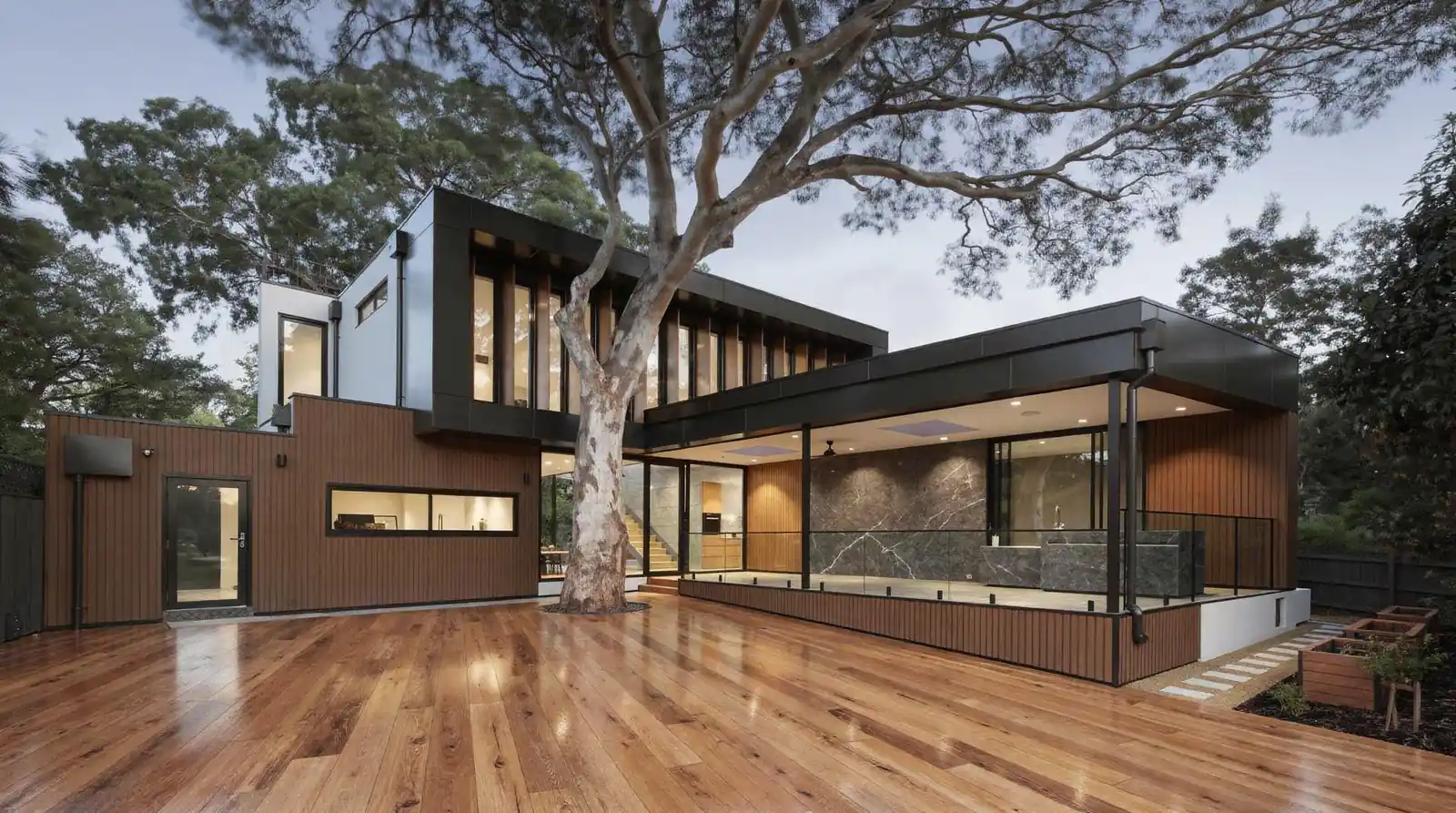
Selecting a benchtop material starts with function, not aesthetics alone. Kitchen benchtops rank among the hardest-working surfaces inside a Melbourne home, absorbing constant food prep, homework sessions, and impromptu office work throughout the day. That level of traffic means the wrong choice shows wear within a few years. The right one holds up for decades.
Melbourne renovators and builders should treat material selection as a structured decision rather than a color preference. A solid benchtop buying guide weighs four factors side by side: daily use patterns, spill exposure, budget, and long-term maintenance. Since benchtops frequently double as gathering points during entertaining, spill resistance deserves particular attention.
What Should a Buyer Check Before Choosing a Benchtop?
Buyers should confirm performance data before locking in a supplier. An informed choice depends on knowing which materials remain available following the engineered stone ban, what they cost locally. Reputable suppliers source them, and how each performs against the household budget.
Are Zero-Silica Options Worth Considering?
Silica-free surfaces have become a practical answer for buyers wary of dust-related health risks tied to older engineered stone. Zero silica benchtops offer a path to the durability homeowners expect from engineered surfaces without the crystalline silica content driving recent regulatory changes. Renovators comparing options should ask suppliers directly how these materials perform under the same daily pressures—prep work, spills, and heavy foot traffic—that define a typical Melbourne kitchen. A well-researched engineered stone guide treats this comparison as essential, not optional, before any final decision.
Which Benchtop Options Suit Melbourne Kitchens?
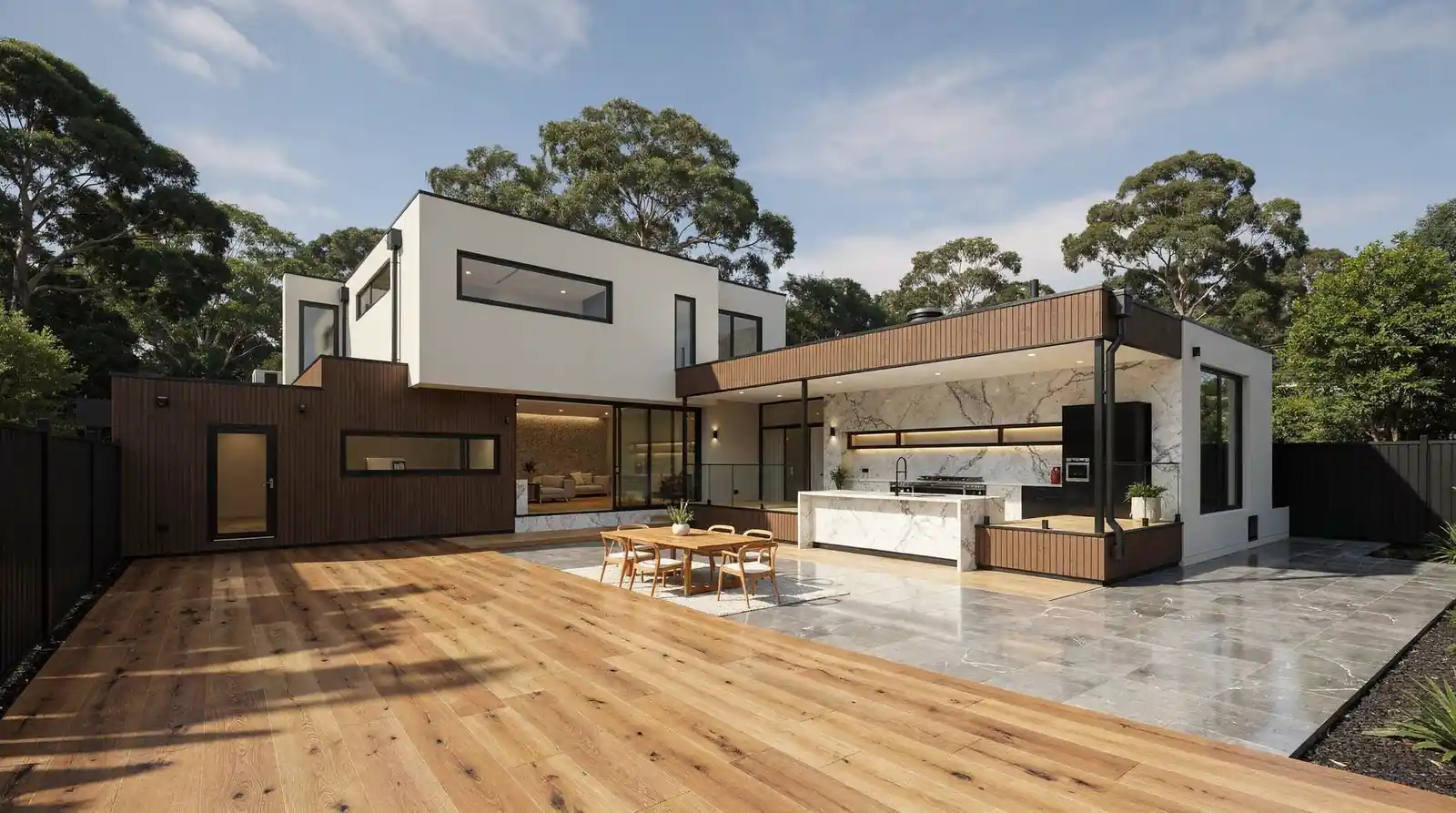
Four material categories dominate Melbourne kitchen renovations: marble, granite, quartzite, and silica-free engineered stone. Each carries distinct trade-offs in cost, maintenance, and visual character, and the right pick depends on how a household actually uses its kitchen. Skipping this comparison leads to costly mismatches. A porous marble slab under a coffee station, for instance, or a budget blown on natural stone when an engineered alternative would perform just as well.
Natural stone remains a fixture across Melbourne renovation projects moving into 2026. Marble, granite, and quartzite each bring unique veining, mineral composition, and hardness ratings that suit different design briefs. Marble appeals to homeowners chasing a classic, high-contrast look. Granite and quartzite offer greater scratch and heat resistance for busy family kitchens.
Why do homeowners still choose stone benchtops over other surfaces?
Beauty and durability drive the decision more than anything else. Melbourne buyers consistently favor stone because it adapts across design styles. From heritage terraces to new-build apartments — while holding up to decades of daily use. That combination of striking appearance and long-term performance keeps stone at the top of most shortlists.
Engineered stone changes the equation for cost-conscious renovators. A properly formulated engineered stone guide should flag that silica-free versions replicate the look of natural stone without carrying the higher price tag typical of quarried slabs.
Will stone benchtops still be relevant in 2026?
Demand shows no sign of slowing. Industry expectations point to stone surfaces staying just as desirable through 2026, reinforcing their status as a safe long-term investment.
A thorough benchtop buying guide weighs all four options against household habits, budget ceilings, and design intent before committing to a single slab. Verona Ceramic supplies and ships benchtop materials, including zero silica benchtops, to renovation and building projects across Melbourne.
What Do Melbourne Benchtops Cost to Install?
Costs depend on material, finish, and the scale of a project rather than a single apartment rate across Melbourne. Generic national price lists rarely apply here, since supply chains, fabrication labor, and installation logistics differ by region. A proper benchtop buying guide for Melbourne homeowners addresses local sourcing, local trade rates, and the performance trade-offs of each surface type, rather than relying on averages pulled from other markets.
Melbourne renovators comparing engineered stone, natural stone, and zero-silica alternatives need to weigh more than sticker price. An engineered stone guide built for this market should walk through slab thickness, edge profiles, and cutout complexity — all of which shift the final quote. Kitchens with waterfalls, integrated sinks, or large island benches carry higher fabrication costs than a straightforward galley layout.
How Do You Get an Accurate Benchtop Quote?
Accurate pricing comes from a site-specific quote, not a published price sheet. Suppliers assess slab availability, finish selection, and installation access before confirming a figure. Melbourne buyers should prepare measurements, a preferred material shortlist, and photos of the existing space to speed up the quoting process.
Are Zero-Silica Benchtops More Expensive Than Engineered Stone?
Cost comparisons between zero silica benchtops and traditional engineered stone vary by supplier and finish, so no fixed markup applies universally. Buyers should ask directly about slab cost, fabrication complexity, and warranty terms for each option under consideration.
Before signing off on any surface, Melbourne renovators should raise a short list of cost-related questions:
- What does the quote include — fabrication, delivery, and installation, or separate line items?
- How does edge detail or cutout complexity change the total?
- What lead time applies once a slab is selected?
Verona Ceramic supports Melbourne clients through this evaluation stage, supplying zero-silica and engineered stone options with transparent, project-specific quoting rather than one-size-fits-all pricing.
What Should Renovators Check Before Buying?
Resilience under daily use tops the checklist. Melbourne kitchens absorb constant food preparation, chopping, hot pans, and spills, so a benchtop must withstand that load without chipping or staining. Anyone weighing a benchtop buying guide against a showroom photo should ask how the surface performs after months of real cooking, not just how it looks on install day.
Practicality matters as much as appearance because benchtops sit in the busiest zone of the home. A benchtop doubles as a workspace, a homework desk, and a gathering spot for entertaining. Scratch resistance, heat tolerance, and ease of cleaning deserve equal weight alongside color and veining.
What Questions Should Melbourne Renovators Ask Before Choosing a Surface?
A thorough zero silica benchtop review walks through materials, finishes, care requirements, and cost before renovators commit to a slab. Renovators should confirm the following before signing off on a purchase:
- Which finish (honed, polished, textured) suits the household’s cleaning habits?
- How does the material handle heat and impact in a working kitchen?
- What ongoing maintenance does the surface require over years of use?
- Does the supplier explain pricing clearly, including fabrication and installation?
Does Appearance Outweigh Performance in a Kitchen Benchtop?
Neither factor stands alone. A striking slab that stains under daily food prep creates more cost and frustration than a modest surface built for a high-traffic zone. Melbourne renovators comparing options through an engineered stone guide should treat durability data. Design appeal as equally weighted decision points, not a trade-off where one always wins.
Where Can Melbourne Buyers Source Stone Locally?
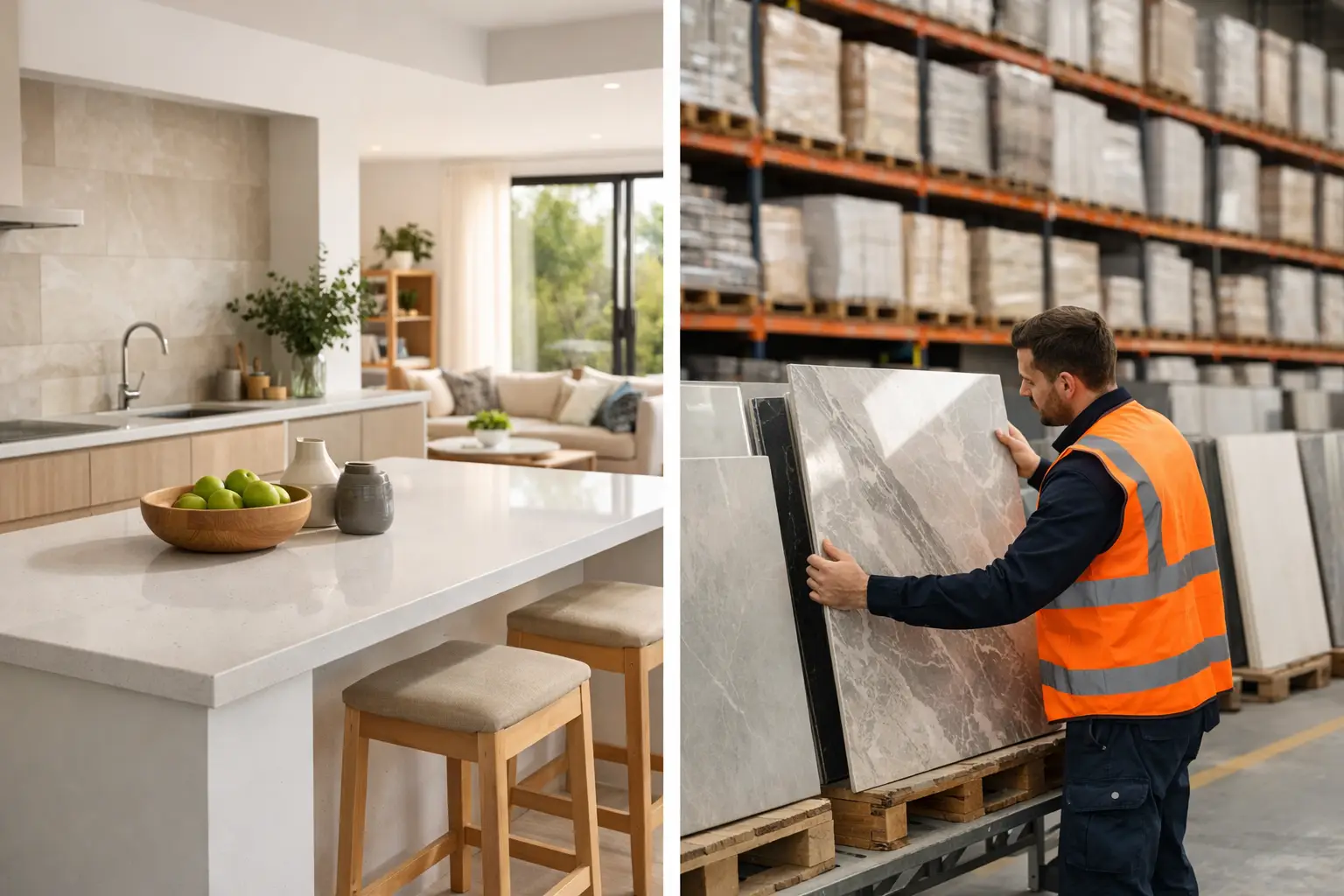
Showrooms across metropolitan Melbourne stock natural stone and engineered surfaces for direct comparison before purchase. A sound benchtop buying guide always starts with sourcing. Seeing slab color and pattern in person prevents costly mismatches once installation begins. Melbourne suppliers carry marble, granite, and quartzite side by side, letting renovators handle finishes, check veining, and judge how each material reads under natural light.
Local access matters more than most renovators expect. Photographs and screen displays distort undertones, especially with marble’s gray veining or granite’s flecked patterns. Walking a showroom floor in suburbs from Brunswick to South Yarra removes that guesswork entirely.
What stone options are typically available in Melbourne showrooms?
Melbourne suppliers generally offer three natural stone categories: marble, granite, and quartzite, each suited to different kitchen and bathroom applications. Marble suits low-traffic feature areas, granite handles heavier daily use, and quartzite bridges durability with a natural, stone-like appearance. Buyers researching a zero silica benchtops alternative should ask suppliers directly which engineered ranges are stocked locally. Availability varies by showroom.
How should sourcing decisions reflect current design trends?
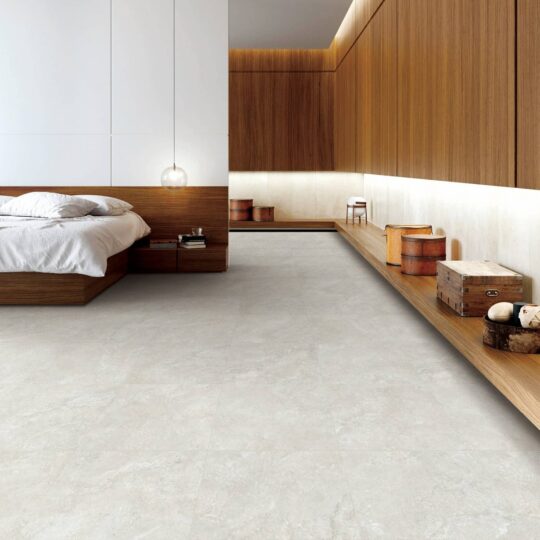
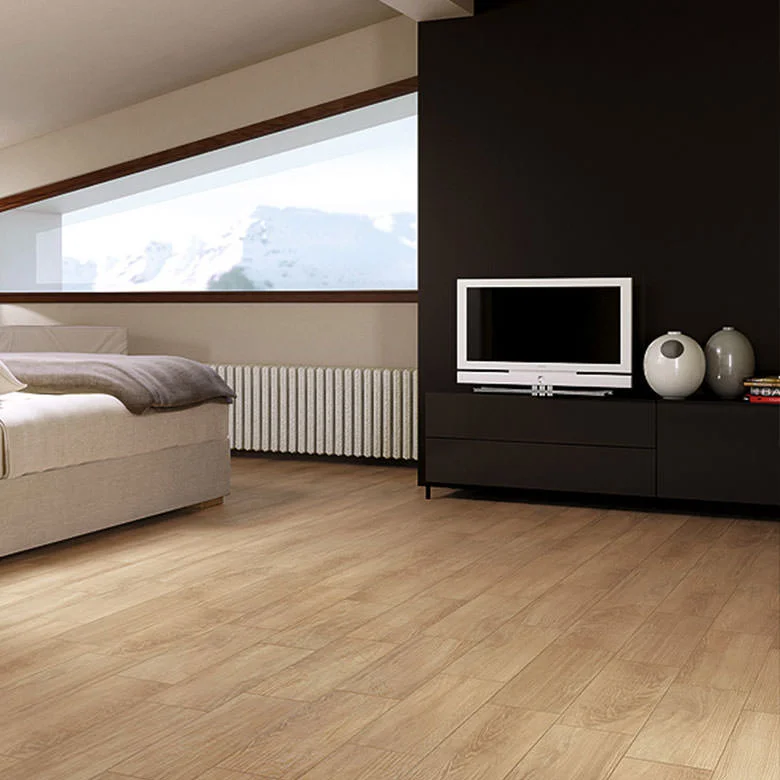
Design direction across Melbourne homes is shifting toward warm tones and practical finishes, and benchtop selection should follow that shift. Large-format porcelain, natural color palettes, and slip-safer outdoor finishes are shaping how renovators pair flooring with benchtop stone. Coordinating tile and stone samples in the same showroom visit helps confirm the palette works cohesively before ordering.
Verona Ceramic serves Melbourne renovation projects with an engineered stone guide approach, helping buyers source and specify surfaces suited to their design brief.
Why Choose Verona Ceramic for This Project?
Selection accuracy separates a durable benchtop from a costly mistake. Melbourne renovators face dozens of surface options. Verification of physical properties determines whether a slab performs for decades or fails within years. Verona Ceramic ensures lasting value through rigorous physical parameter verification paired with spatial aesthetic logic, meaning each stone selection gets assessed for both structural performance and visual fit before it reaches a Melbourne kitchen or bathroom.
What makes a reliable benchtop buying guide?
A dependable benchtop buying guide walks a homeowner through material comparison before showroom visits begin. Verona Ceramic’s zero silica benchtop review addresses the questions Melbourne renovators actually ask: which finishes resist staining, how each surface handles daily wear, and what upkeep a material demands over time. cite-2 This resource functions as a practical engineered stone guide, clarifying trade-offs between engineered stone, natural stone, and silica-free alternatives before any commitment gets made.
Are Melbourne homeowners able to inspect materials before ordering?
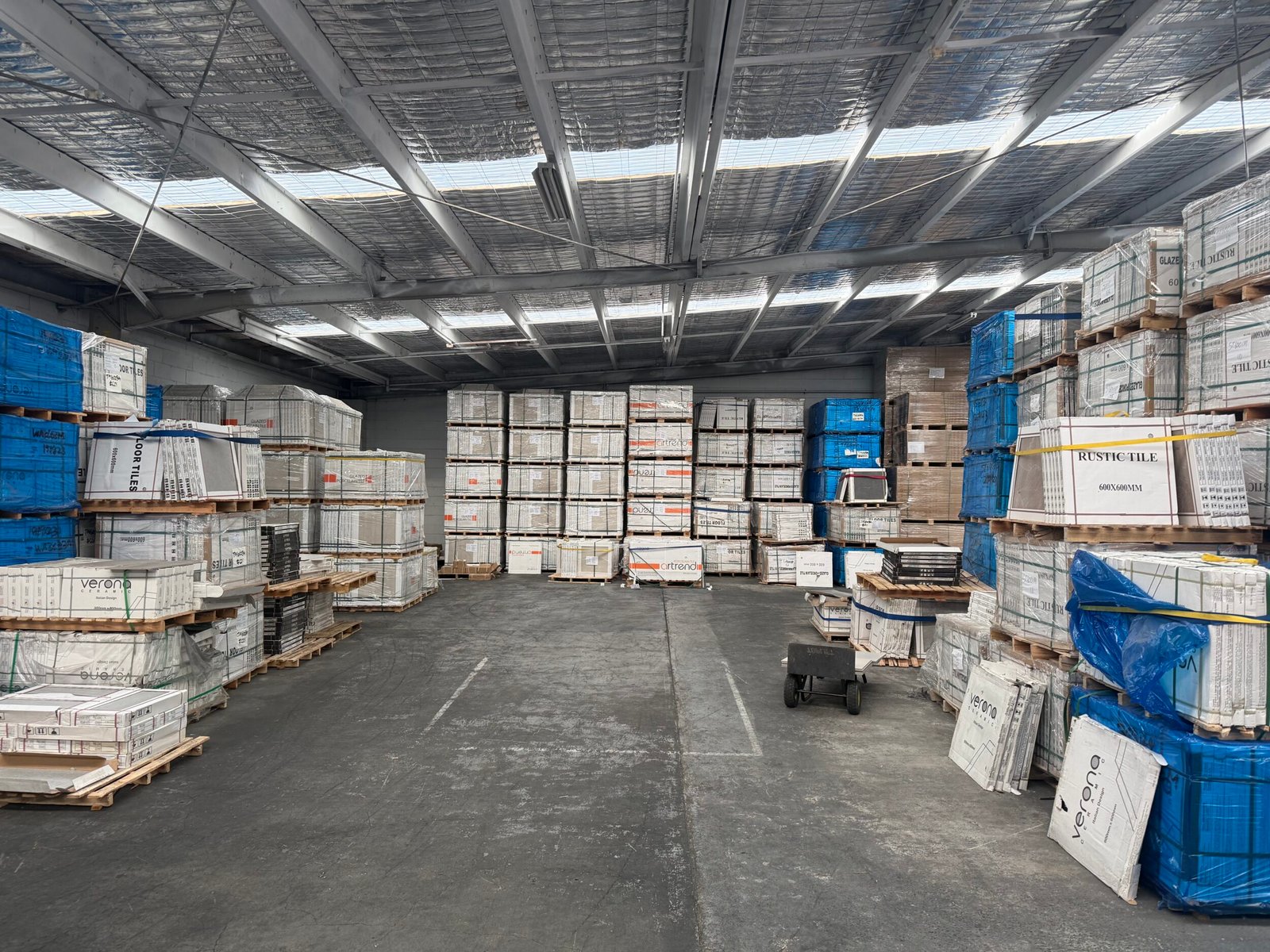
Yes. Ready stock ranges give Melbourne homeowners and trades the chance to inspect slabs. Finishes in person, rather than relying on digital renderings alone.
This matters most on tight renovation timelines, where waiting on custom orders creates costly delays.
For designers, builders, and homeowners weighing zero silica benchtops against traditional quartz, this structured process reduces guesswork and protects long-term project value.
Engineered stone benchtops represent a sophisticated investment in both aesthetic refinement and functional longevity for Melbourne properties. The material’s resistance to staining, heat, and daily wear ensures sustained performance across residential and commercial applications. By selecting engineered stone through a verified supplier committed to rigorous quality standards, you secure a benchtop solution that balances design versatility with enduring durability, establishing lasting value for your renovation project.