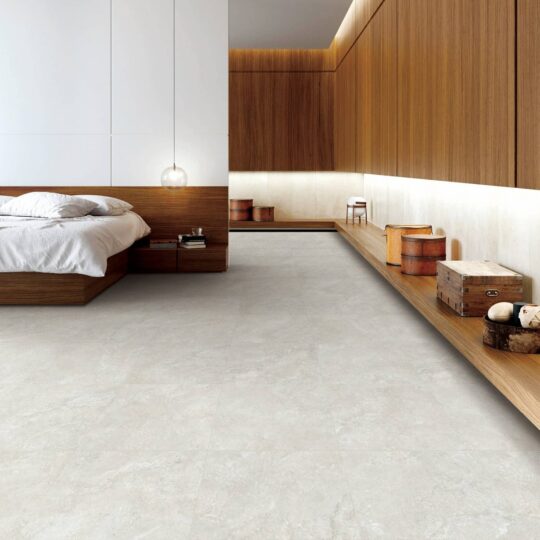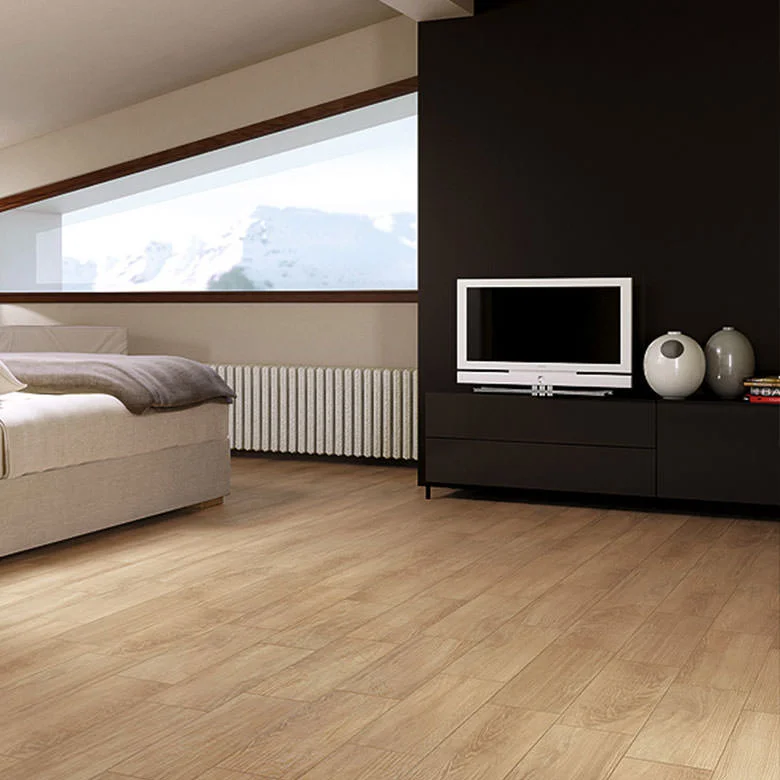

Tiles Buying Guide for Melbourne Home Renovations
By Verona Ceramic Editorial Team · Updated 2026-07-25
Melbourne homeowners choose tiles by matching porcelain or ceramic options to the city’s temperate climate, ensuring slip-resistant surfaces suited to bathrooms. Outdoor areas, and coordinating colors with existing Victorian or federation-style architecture common throughout suburbs like Fitzroy and Brunswick.
Room function first: match tile type to purpose, prioritizing moisture resistance and slip-safety underfoot for bathrooms in areas like Bayside, Mornington. Moorabbin, then coordinate with cabinetry and Melbourne’s varied architecture—from inner-city apartments to weatherboard homes—before finalising. Floor tiles are hard to change later.
Melbourne home renovations demand tiles matched to room function, climate, and traffic levels: porcelain and ceramic for durability, slip-resistant finishes for bathrooms, stone-look formats for living areas. Verona Ceramic, serving Melbourne and Victoria wide from its Springvale, VIC base, supplies verified floor, wall, and outdoor tiles suited to Melbourne’s architectural diversity and daily wear demands.
What Do You Need Before Choosing Tiles?
A clear room-by-room plan and an honest read of the home’s character come before any tile order gets placed. Melbourne’s climate, lifestyle demands, and architectural variety mean every selection must balance looks against everyday performance. Skipping this groundwork costs homeowners far more than a returned sample box. Floor tiles rank among the hardest surfaces to replace once installed, so the wrong choice locks in years of regret.
A proper tiles buying guide starts with information gathering, not showroom browsing. Before comparing finishes or colors, renovators need to answer four questions:
- Identify the room’s function — a laundry, kitchen splashback, and outdoor patio each demand different water and slip resistance.
- Measure the space and note existing fixtures, doorways, and cabinetry that will sit against the tiled surface.
- Assess the home’s architectural style, since Melbourne’s housing stock ranges from Edwardian and Californian bungalow character through to contemporary new builds.
- Set a realistic budget range that accounts for both material and installation costs.
How does a home’s architecture affect tile selection?
Period features change what reads as “in keeping” versus jarring. A Californian bungalow with deep skirting and timber trim generally calls for warmer, textured tiles. A newer build tolerates sleeker, large-format porcelain without clashing.
Why can’t one tile work for the whole house?
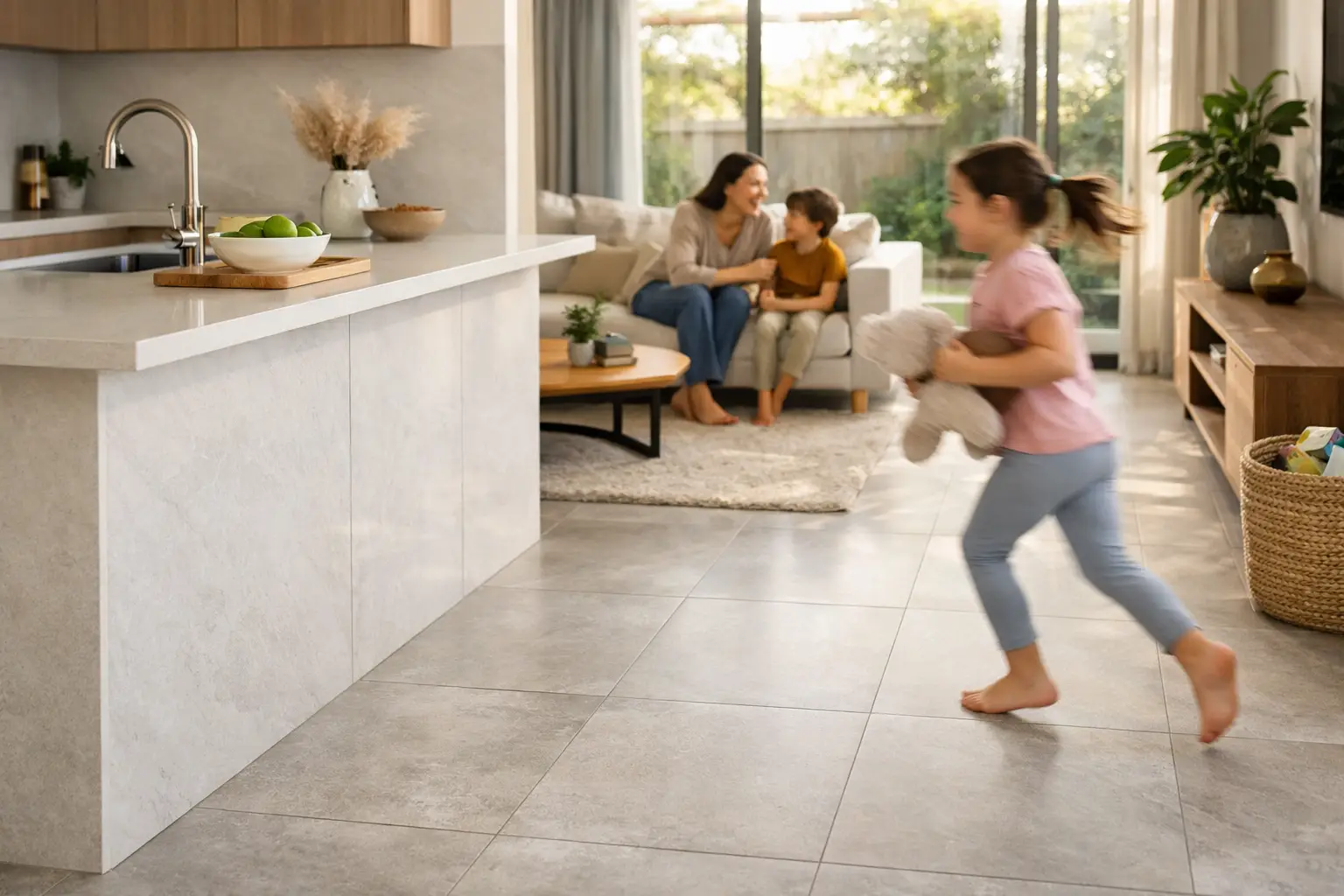
Rooms carry different physical demands, so a single product rarely satisfies all of them. Bathroom floors need slip resistance underfoot; living areas prioritize durability and visual flow. Kitchens need stain and heat tolerance near cooking zones.
Once these prerequisites are settled, homeowners are better equipped to know how to choose tiles that suit both the room and the house, and to bring that brief to a tiles supplier serving Melbourne projects with confidence.
How Do You Match Tiles to Each Room?
Room function determines tile selection, not the other way around. Melbourne bathrooms demand moisture resistance and slip resistance first, while living areas and kitchens weigh durability against style. A sound tiles buying guide treats each space as a separate brief rather than applying one product across the whole house.
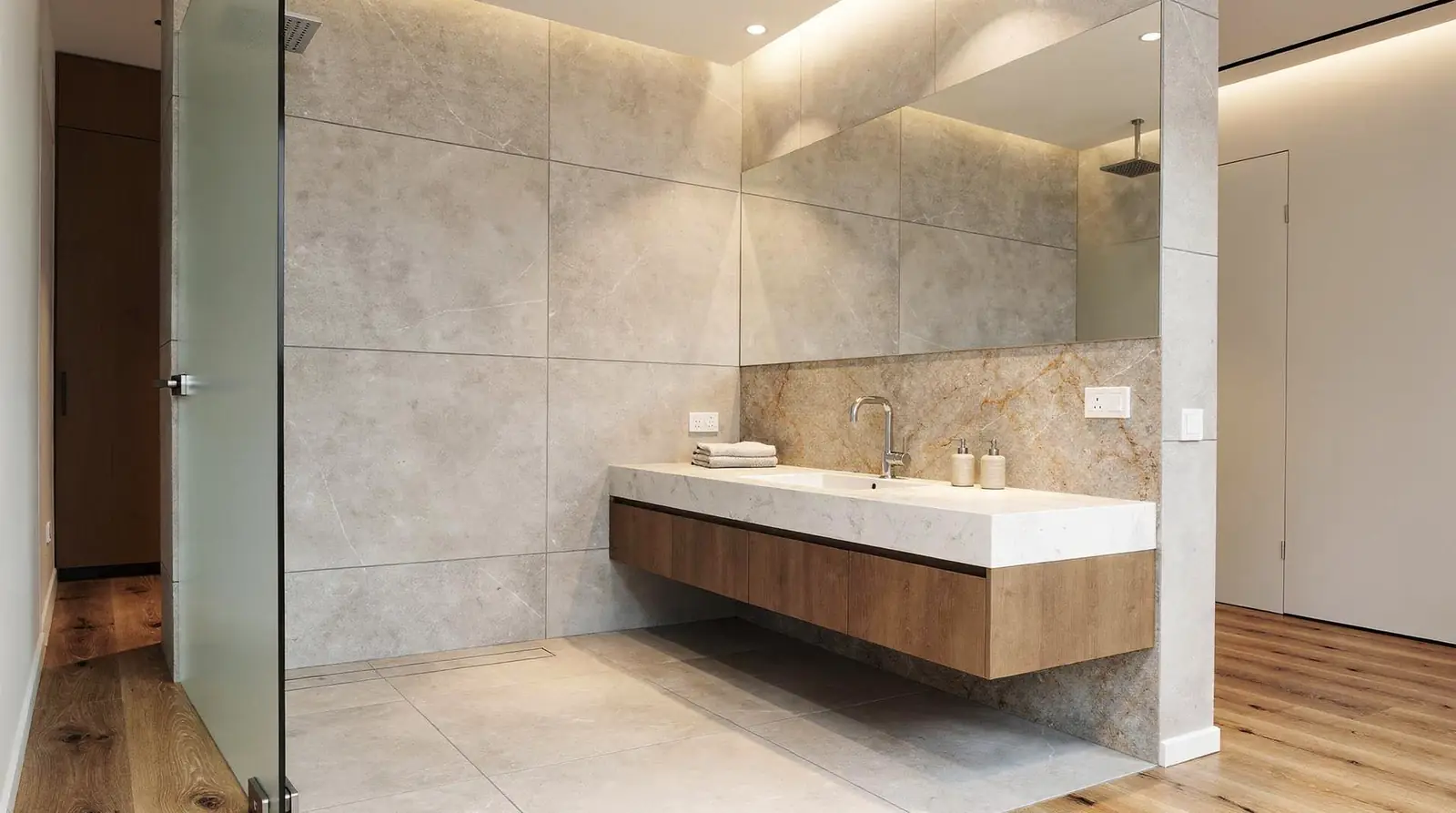
Bathrooms carry the strictest requirements. Porcelain and ceramic remain the standard picks for wet zones across Melbourne homes, since both resist water penetration and clean easily after daily use. Slip rating matters just as much as water resistance, particularly on shower floors and around baths.
Walls and floors within the same bathroom are not interchangeable, either. Bathroom walls face splashback and light foot traffic, while bathroom floors take constant moisture, weight, and grip demands. Selecting one tile for both surfaces without checking each rating risks a slippery floor or a wall product that fails underfoot.
Follow this sequence when briefing a project:
- Identify the room’s exposure to moisture, foot traffic, and temperature swings.
- Match slip rating and water absorption to that exposure level, especially for bathrooms and outdoor entertaining areas.
- Check how the finish reads under the home’s actual lighting, not showroom lighting alone.
- Confirm the same product performs on both wall and floor if one look is desired throughout.
Does the Same Tile Work in Every Home?
No single tile suits every Melbourne property. A glossy tile that flatters a bright inner-city apartment can look cold. Out of place inside a weatherboard renovation with warmer, natural finishes. Architectural style, natural light, and existing materials all shift what “works” from one home to the next.
Why Do Showroom Favorites Sometimes Disappoint?
Polished tiles often look striking under showroom spotlights but underperform once wet weather and daily wear set in. Bathrooms, laundries, and outdoor entertaining zones punish slick, high-gloss surfaces. Working with a tiles supplier that tests finishes against real-world conditions, not just display lighting, protects against this mismatch and supports informed decisions on how to choose tiles for each room.
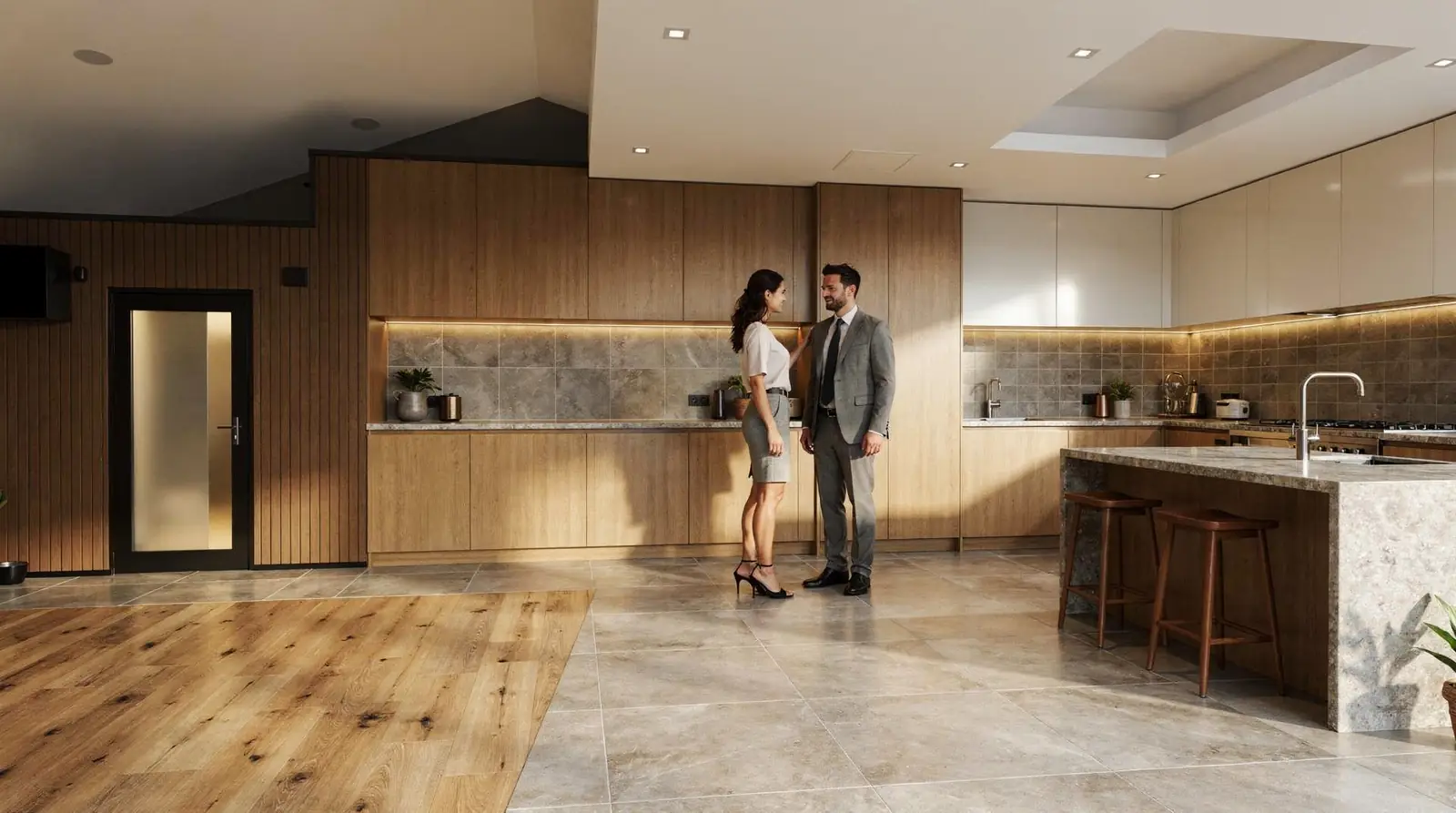
How Do You Choose Safe Bathroom Tiles?
Safe bathroom tile selection rests on three factors: slip resistance, water absorption, and durability under constant moisture. A tile that photographs beautifully but skates underfoot creates a genuine hazard, not just a design flaw. Melbourne homeowners in areas like Bayside, Mornington, and Moorabbin lose more than money when this call goes wrong. They lose safety and years of tile life.
Material choice drives most of the outcome. Porcelain tiles are recognized for durability and water resistance, making them a strong choice for busy Melbourne households handling daily showers, steam, and bare feet. cite-1 Ceramic tiles run slightly less durable. Open up a far wider range of colors and designs, letting homeowners express personal style without sacrificing too much performance. cite-1 Neither material is automatically “safe” — finish and texture matter as much as composition.
Which tile finish is safest for a wet bathroom floor?
Textured and matte finishes outperform high-gloss surfaces once water hits the floor. Polished tiles look elegant in a showroom but turn hazardous in a shower recess or around a bathtub. Rated slip-resistant finishes belong on every wet-area floor, full stop.
Follow this sequence when assessing a tile for bathroom safety:
- Check the slip-resistance rating before checking the color.
- Confirm the water absorption rate suits wet, high-traffic zones.
- Match finish (matte or textured) to floor use, and gloss to walls only.
- Verify durability specs against household size and foot traffic.
The strongest result balances appearance with slip resistance, durability, and practical maintenance — not color alone. A tile that scores well on all four points holds up through years of Melbourne humidity swings and daily use. Consulting an established tiles supplier before finalizing a bathroom plan prevents costly re-tiling down the line.
How Do You Pick Floor Tiles for Your Home?
Floor selection sharpens once a sample leaves the display wall and enters an actual Melbourne living room, hallway, or laundry. A tile that reads as neutral under showroom lighting can shift tone entirely against Bayside sandstone rendering or a Moorabbin weatherboard’s timber trim. Melbourne homeowners planning a renovation should treat this transition as the real test, not the first impression.
A proper tiles buying guide starts with material density rather than color or pattern. Porcelain, monocottura, and ceramic bodies each carry different strength and water-absorption profiles, and that difference determines how a floor performs over years of foot traffic, spills, and cleaning cycles.
What specs actually matter when choosing floor tiles?
How to choose tiles for a specific room comes down to four physical performance measures: body material, wear resistance, slip rating, and porosity. These figures, not aesthetics, separate a floor that lasts decades from one that chips or stains within a few seasons.
Should bathroom and outdoor floors use a different finish?
Wet-prone zones demand a different finish than a living room floor. Matte surfaces add a genuine safety margin in bathrooms, laundries, and alfresco areas, reducing slip risk far more than a polished or high-gloss face.
Homeowners briefing a builder should request these four figures directly from any tiles supplier before ordering samples. Verona Ceramic supplies verified performance data alongside every batch shipped to Melbourne projects. The decision rests on measurable fact rather than showroom guesswork.
Which Tile Material Suits Your Project?
Porcelain, ceramic, mosaic, concrete, and stone-look surfaces each bring distinct strengths to wet areas and living spaces. Melbourne renovators face a genuine tiles buying guide decision here, since no single material performs best everywhere. Understanding how each option handles moisture, foot traffic, and design intent supports a confident, informed selection.
A practical starting point for how to choose tiles involves matching material properties to room function before considering color or pattern. Bathrooms, kitchens, and outdoor entertaining areas each place different demands on a surface.
Which tile type works best for a Melbourne bathroom renovation?
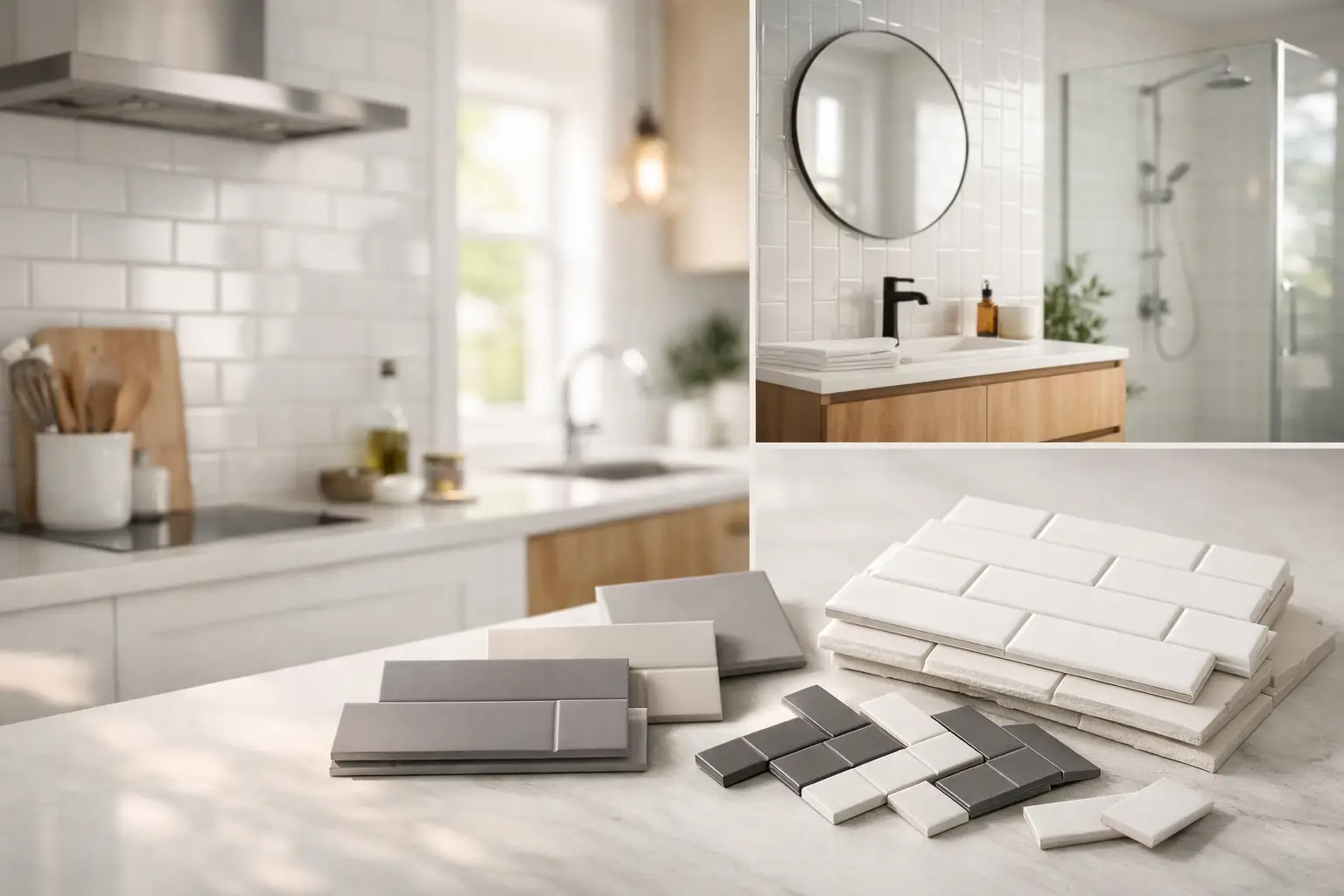
Porcelain generally performs best in Melbourne bathrooms because of its low water absorption and durability under daily use. Mosaic tiles suit accent walls or shower niches, adding intricate detail without overwhelming the space. Concrete-look tiles work well in drier zones but need proper sealing near showers.
Does material choice affect renovation scheduling?
Yes. In Melbourne renovation projects, waterproofing, cabinetry, and fit-off trades follow a strict sequence, so material selection must align with that schedule. cite-2 Ordering the wrong format late in a project delays waterproofing sign-off and pushes back cabinetry installation. A reliable tiles supplier confirms lead times early so trade bookings stay on track.
Selecting material first, then format and finish, keeps a renovation timeline intact and avoids costly resequencing across trades.
How Do You Evaluate a Tiles Supplier?
Genuine supplier value rests on three pillars: direct supply chains, transparent technical specifications, and efficient delivery. cite-2 Price alone tells Melbourne renovators very little about long-term project outcomes. A supplier deserves scrutiny before it earns a builder’s or homeowner’s trust.
Melbourne renovation timelines depend heavily on stock availability. A supplier holding warehouse stock locally prevents costly downtime caused by international shipping delays or long ordering cycles. cite-2 That matters most on tight bathroom or kitchen renovation schedules across Melbourne. A delayed pallet can stall trades for weeks. Verona Ceramic maintains this approach, serving Melbourne and Victoria-wide projects from stock rather than relying on drawn-out overseas freight.
What questions should Melbourne buyers ask before purchasing?
Buyers should request batch numbers, slip-rating certificates, and water absorption data before confirming an order. Ask whether the quoted price includes delivery to the Melbourne site or pickup only. These questions separate suppliers built on transparent technical specifications from those selling on price alone.
Verification is not optional; it’s the difference between a durable floor and a costly reinstall. If a supplier cannot confirm batch consistency and technical specifications, the advertised price becomes irrelevant to the finished result. cite-2 A tiles buying guide worth following always puts documentation ahead of discount.
Renovators applying how to choose tiles principles should treat supplier evaluation as a checklist:
- Confirm locally held stock levels for the required tile line.
- Request written technical specifications, including slip rating and porosity.
- Verify batch consistency across the full quantity needed.
- Clarify delivery timeframes and coverage across Melbourne suburbs.
- Compare documentation quality, not just unit pricing.
A reliable tiles supplier treats these steps as standard practice, not extra paperwork, protecting Melbourne renovation budgets and timelines alike.
How Do You Plan Layout and Color?
Layout and color planning starts with mapping how tile size, hue, grout lines, and pattern will interact within a specific room, since each element shapes the finished result. A tiles buying guide built around this interaction prevents costly mismatches once installation begins. Melbourne renovators evaluating a Fitzroy terrace bathroom or a Brighton family ensuite face the same core question: how will these elements read together once fixed in place?
Shower walls, feature walls, and full floor layouts each represent a separate decision point, not one combined choice. Treating them as distinct stages brings more clarity to the design process.
- Confirm which surface comes first — shower walls typically anchor the palette.
- Decide whether a feature wall will introduce contrast or pattern against the primary tile.
- Extend the chosen tone and grout width across the floor layout for visual continuity.
- Review all three surfaces together before finalizing an order with a tiles supplier.
Why does a tile look different at home than in the showroom?
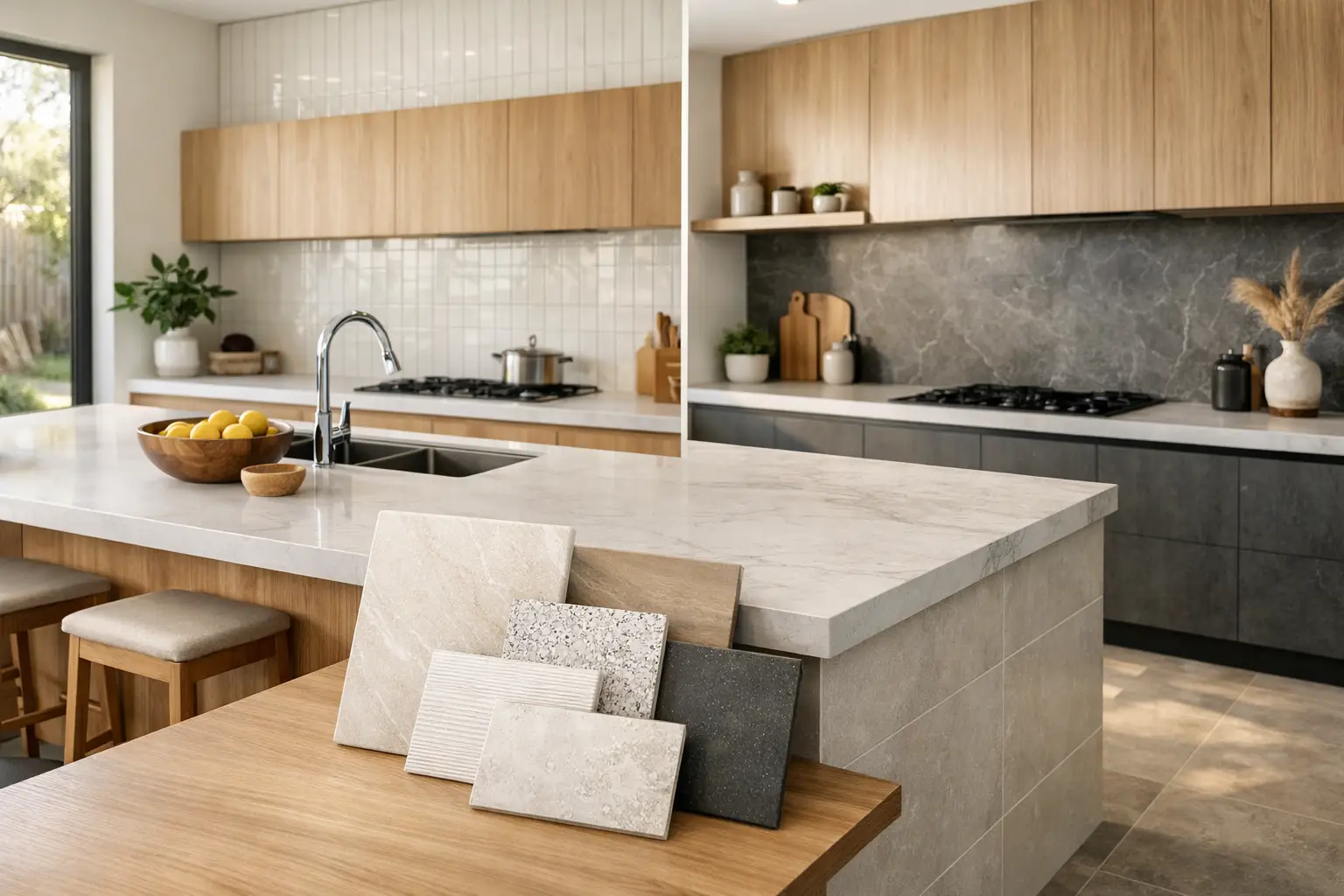
Showroom lighting and large-format displays flatter almost any tile, which is exactly why sample checks at home matter. A tile that appeared flawless under gallery lights can shift tone entirely once placed beside existing cabinetry or joinery. This gap between showroom impression and real-room result explains why physical samples belong in the actual space before ordering.
What is the right approach to how to choose tiles for color coordination?
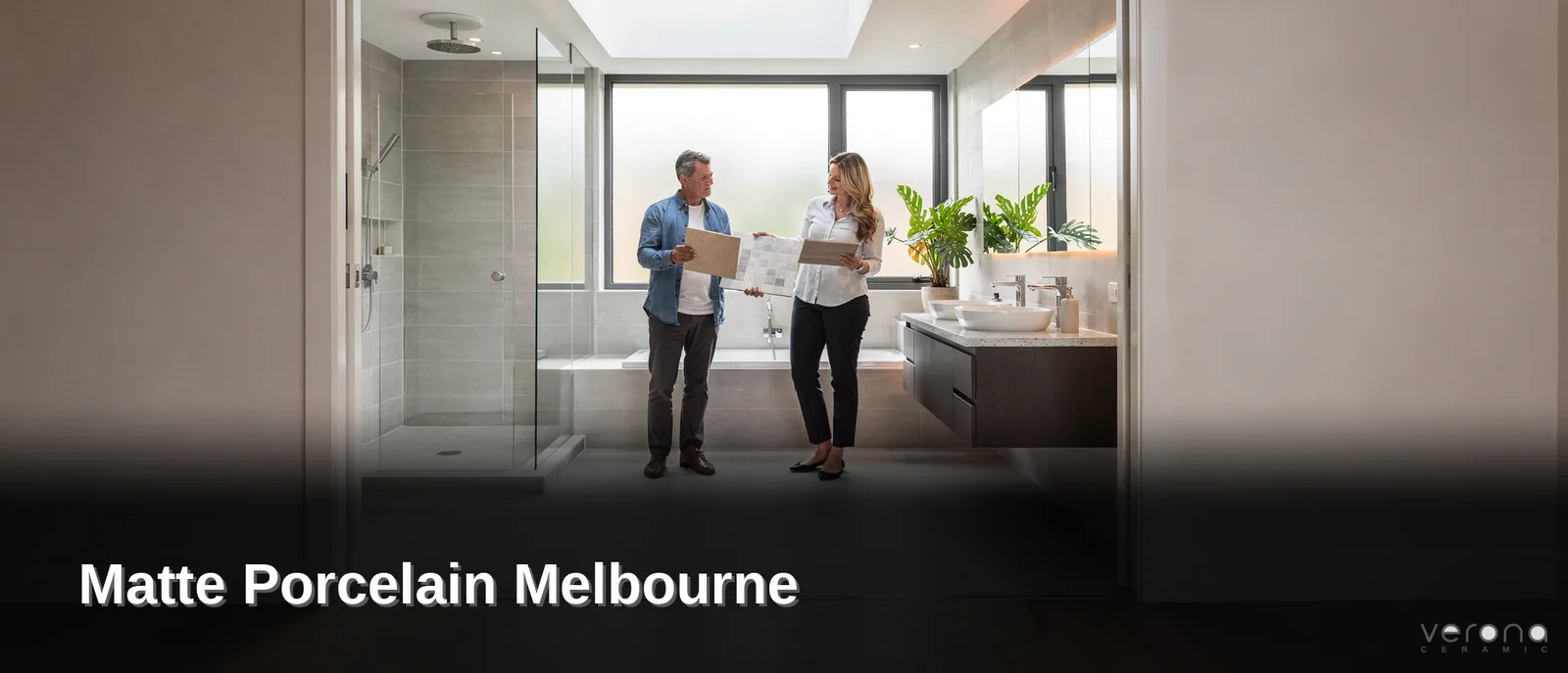
Coordination depends on comparing the sample against cabinetry, benchtops, and existing fixtures under natural daylight. Melbourne’s variable light, from gray winter mornings to bright coastal glare near Port Phillip Bay, can alter how a tone reads throughout the day. Viewing samples at multiple times avoids surprises after installation. Verona Ceramic supports Melbourne renovators with sample access and layout guidance suited to this exact stage of planning.
What Mistakes Should You Avoid With Tiles?
Three recurring errors undermine tile selection for Melbourne renovations: mismatching tile performance to room use, ignoring color consistency across a project, and overlooking current design direction. Each mistake costs homeowners time, money, and a finish that fails to hold up under daily use.
The most common misstep involves assuming one tile suits every space. A finish that performs beautifully in a powder room may struggle in a busy family bathroom handling constant moisture and foot traffic. Showroom lighting flatters almost any surface, but that same tile must perform once installed under real conditions. Steam, spills, bare feet, and years of cleaning. Any thorough tiles buying guide treats room function as a starting filter, not an afterthought.
Why does mixing tiles across a project go wrong?
Combining multiple tile types without a color plan creates visual chaos rather than intentional contrast. Renovators who understand how to choose tiles for connected spaces keep a consistent palette running through floors, walls, and transitions. A kitchen tile, a hallway tile, and a bathroom tile should read as part of one coherent scheme, not three unrelated decisions made in isolation.
Does ignoring design trends actually hurt resale or livability?
Yes — a bathroom finished with dated patterns or superseded formats feels tired next to contemporary Melbourne renovations almost immediately. Staying aware of current tile trends protects the long-term visual value of the investment.
Avoiding these three mistakes comes down to sequence and discipline:
- Confirm the room’s function and traffic level before shortlisting tiles.
- Lock in a color palette before ordering samples for multiple rooms.
- Check current design direction against the chosen tile format and finish.
A qualified tiles supplier serving Melbourne projects helps homeowners cross-check these decisions before ordering, reducing costly reselection after installation.
Selecting tiles for your Melbourne home renovation demands thoughtful consideration of climate resilience, aesthetic coherence, and long-term performance. By evaluating durability specifications, assessing spatial requirements, and prioritizing quality materials aligned with your project’s functional demands, you establish a foundation for enduring design success. The right tile selection transforms your renovation from a temporary improvement into a lasting investment that withstands Melbourne’s variable conditions while maintaining visual integrity for years to come.