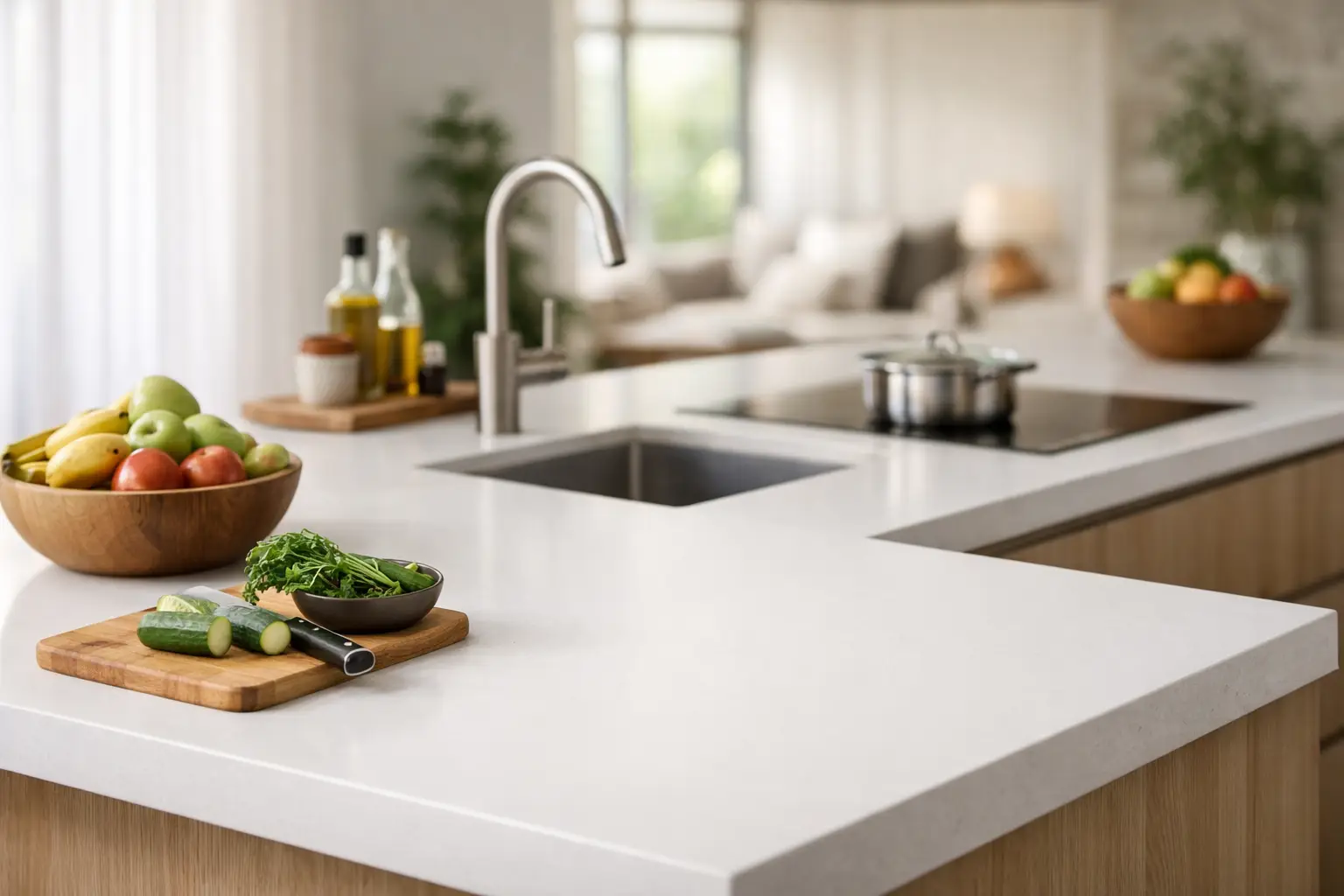
A kitchen benchtop is where school lunches are packed, family meals are prepared and guests naturally gather. That is why more Melbourne renovators are asking about zero silica stone benchtops: they want the refined look of engineered stone while making a considered choice about the materials brought into their home and used on site.
A well-chosen surface should do more than photograph beautifully on installation day. It needs to suit the way your household cooks, cleans and lives, complement the cabinetry and floor finishes, and offer dependable value for years to come. Zero-silica surfaces are an increasingly practical option for homeowners, builders and designers seeking premium architectural surfaces with a safety-focused material profile.
What are zero silica stone benchtops?
Zero silica stone benchtops are engineered surface products made without crystalline silica. Instead of using silica-rich materials as a primary component, manufacturers use alternative mineral blends, resins and pigments to create a dense, decorative slab suitable for kitchen and other interior applications.
The distinction matters chiefly during fabrication. Cutting, grinding and polishing traditional silica-containing engineered stone can create respirable crystalline silica dust if it is not managed correctly. Selecting a zero-silica product reduces that particular material risk, while professional fabricators must still follow the relevant Australian standards, manufacturer directions and safe work procedures for every benchtop material.
For a homeowner, the result is straightforward: you can specify a beautiful, hard-wearing surface that supports a more considered approach to material selection. Product composition is not identical across all ranges, so always ask for the technical information for the exact slab you are considering rather than assuming all engineered surfaces perform the same way.
Why zero silica benchtops suit family homes
The appeal is not only in what the material does not contain. Quality zero silica benchtops are designed for everyday durability, offering a non-porous or very low-porosity surface that is easy to wipe down after normal kitchen use. This makes them particularly suitable for busy households that want a polished look without high-maintenance sealing routines.
Their visual range is another advantage. Soft marble-inspired veining, quiet concrete looks, crisp whites, warm neutrals and deeper contemporary tones allow the benchtop to become either a subtle backdrop or a defining feature. A matte finish can bring a calm, architectural character to a kitchen, while a polished finish reflects light and gives pale schemes more brightness.
Unlike natural stone, an engineered slab generally has more controlled patterning and colour consistency. That can be helpful when coordinating waterfall ends, splashbacks or a large island. It can also make selection easier when you are matching kitchen tiles, bathroom tiles or large format porcelain tiles across a full-home renovation.
Choose the finish before choosing the colour
A sample can show colour, but it cannot fully show how a finish will behave in a working kitchen. Before settling on a slab, consider light direction, cabinetry sheen, the size of the room and who will be using the space every day.
Matte and honed-look finishes
Matte finishes have a softer, less reflective appearance that works particularly well with timber-look joinery, brushed metal tapware and contemporary porcelain tiles. They can be forgiving under strong downlights because they do not create as much glare. On some darker colours, however, fingerprints, splash marks or oily residue may show more readily until wiped clean. Ask to see a larger sample and view it in both daylight and artificial light.
Polished finishes
A polished benchtop offers a more reflective, formal finish and can make compact kitchens feel brighter. It is a natural fit for classic marble-look designs and cabinetry with a more refined profile. While cleaning remains simple, strong reflections can make crumbs or water spots more noticeable between cleans.
Pattern and slab layout
Veining should be assessed across the whole slab, not from a small swatch alone. A dramatic pattern may be ideal for a statement island but feel busy in a small galley kitchen. Discuss where joins, cut-outs and waterfall panels will sit before fabrication begins. This planning helps ensure the movement in the surface looks intentional rather than interrupted.
Plan the benchtop with the whole room in mind
A successful kitchen does not treat the benchtop as an isolated purchase. Cabinet colour, splashback, flooring, wall paint and appliance finishes all influence the final result. For example, warm white zero silica stone can soften charcoal cabinetry, while a cooler grey surface may pair neatly with pale oak joinery and matte tiles.
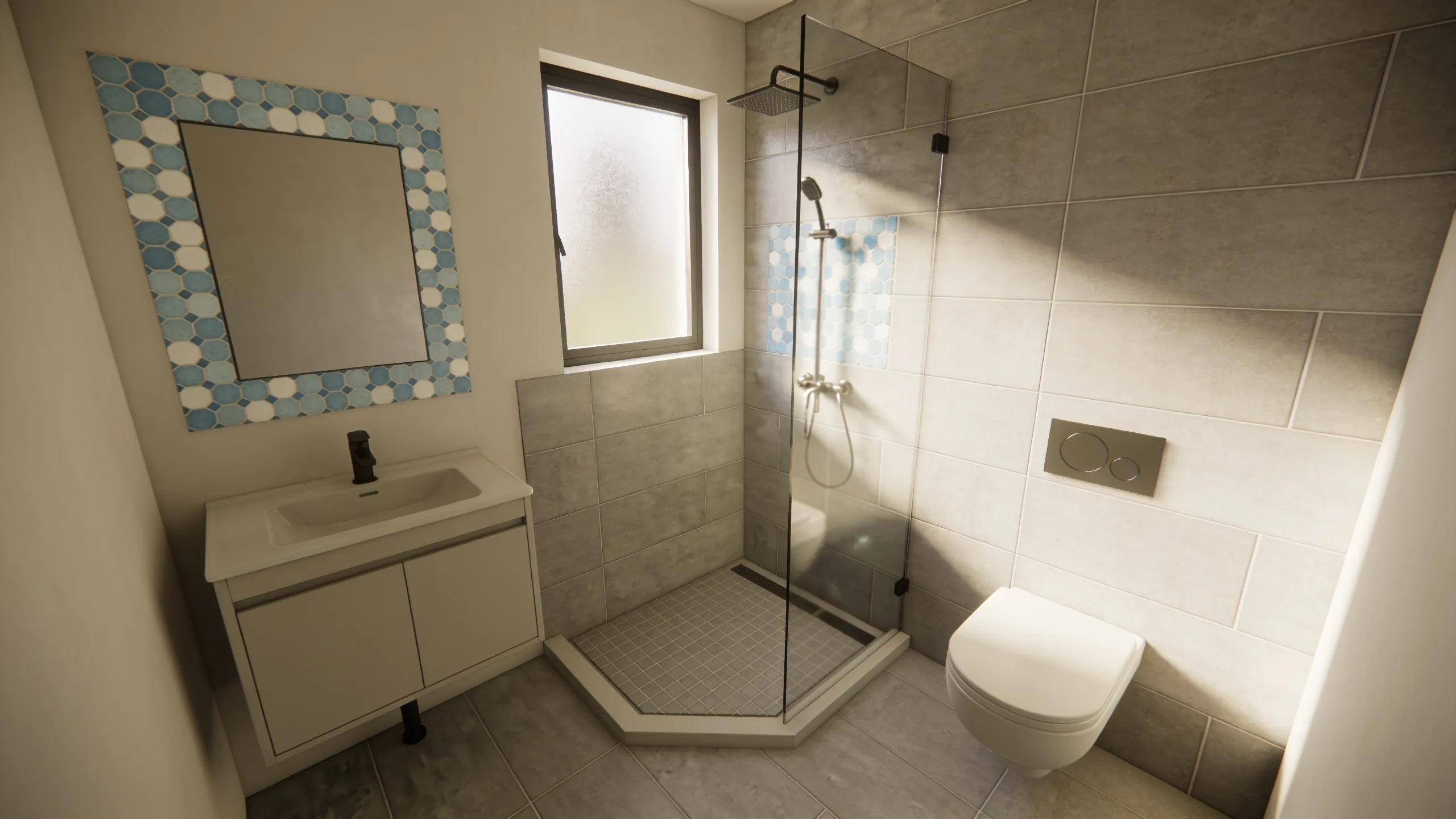
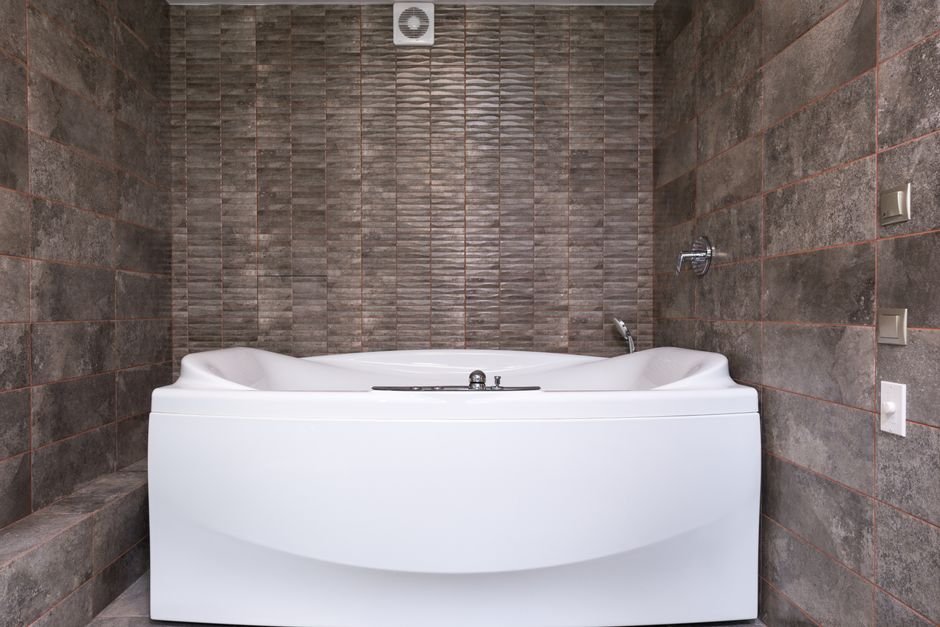
Tile selection deserves the same practical attention. Large format tiles can create a clean, spacious floor plane with fewer grout lines, while a textured porcelain option may better suit areas where slip resistance is a priority. PEI ratings are useful when selecting glazed porcelain floor tiles because they indicate resistance to surface wear. For wet areas, choose tiles according to the appropriate slip-resistance requirement and intended location, rather than choosing solely by colour or size.
Bringing cabinetry samples, tile samples and paint swatches together at the start saves costly second-guessing later. It also gives your designer, cabinet maker or builder a clear direction for edge details, splashback heights and lighting placement.
Installation details that protect the finished result
Even an exceptional slab depends on accurate measuring, fabrication and installation. Benchtops should be templated only once cabinetry is installed, level and fixed in its final position. Walls are not always perfectly straight, particularly in renovations, so a final site measure is essential for a close, professional fit.
Cut-outs for sinks, cooktops and tapware need appropriate support and clearance. The fabricator will advise on minimum distances from edges and joins, as these can vary by product and design. Large overhangs, breakfast bars and waterfall ends may need additional support from cabinetry or concealed brackets. These details are worth resolving before the slab is ordered, not when installers arrive.
Heat management also matters. Zero silica stone benchtops are durable, but they are not a substitute for a trivet. Avoid placing very hot cookware directly on the surface, and follow the manufacturer’s guidance around cooktop cut-outs and heat-producing appliances. Like any premium finish, the surface will look its best when it is treated with sensible everyday care.
Everyday care is refreshingly simple
For routine cleaning, use a soft cloth or sponge with warm water and a pH-neutral cleaner, then dry the surface to minimise streaks. Wipe spills promptly, especially strongly coloured foods, oils or acidic liquids. Avoid abrasive scouring pads, harsh oven cleaners and aggressive chemical products unless the manufacturer specifically approves them.
Use a chopping board rather than cutting directly on the benchtop. This protects both your knives and the finish. Although engineered surfaces are made for daily use, striking a vulnerable edge with a heavy pot or dropping a hard object near a cut-out can cause damage. Careful installation and ordinary household habits are the best protection.
Questions to ask before you order
A benchtop is a made-to-measure element, so clear information before approval is more valuable than a rushed decision. Ask whether the selected product is verified as zero silica, what its warranty covers, and whether the quoted finish includes measuring, fabrication, delivery and installation. Confirm lead times, slab availability and how any variations in veining or tone will be managed.
For Melbourne projects, ready warehouse stock can make a genuine difference to programme certainty, particularly when cabinets are already scheduled. At Verona Ceramic, homeowners and trade professionals can also use free measuring and 3D design support to make more confident decisions about slab layout, edge profiles and the relationship between benchtops and surrounding tiles.
A surface choice that feels good long after renovation day
Zero silica stone benchtops give renovators a considered way to combine everyday practicality with a premium finish. The best choice will depend on your kitchen layout, preferred colour palette, finish expectations and installation requirements. Take the time to see the full slab, check the product details and plan the joinery around it. A benchtop chosen with that care becomes part of a beautiful, durable home that works comfortably for family life every day.