By Verona Ceramic Editorial Team · Updated 2026-08-10
When it comes to porcelain tiles melbourne, porcelain tile suits high-traffic floors, wet areas, and outdoor spaces due to low porosity below 0.5% water absorption. Verona Ceramic in Springvale, VIC supplies glazed, polished, and matte finishes for kitchens, bathrooms, and commercial projects, offering durability, stain resistance, and frost-proof performance for long-term installations.
Porcelain tile selection depends on matching one of 7 popular porcelain tile types to your space’s durability, moisture, and traffic needs, then verifying grade and porosity ratings before installation.
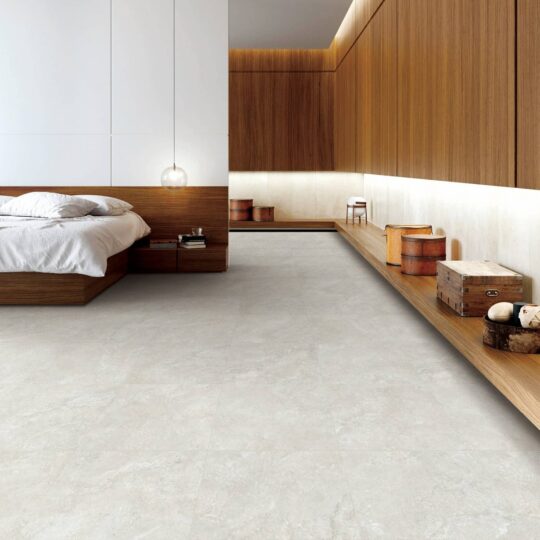
Beyond grade and porosity, the finish and body type determine how a tile performs day to day. Porcelain resists moisture, staining, and heavy foot traffic better than standard ceramic. Glazed porcelain suits bathroom floors and walls, full-body porcelain handles high-traffic commercial areas, and stone-look finishes deliver marble aesthetics for kitchens, living rooms, and outdoor patios alike.
What Sets Porcelain Tiles Apart From Ceramic?
Firing temperature separates porcelain from ceramic and determines almost everything else about performance. Manufacturers fire porcelain tiles across Melbourne projects at a high temperature, producing a dense body that resists moisture far better than standard clay tile. This density translates directly into durability, giving porcelain the strength to handle busy kitchens, entryways, and bathrooms without cracking or staining.
Ceramic tile follows a different production path. Manufacturers mix natural clay, sand, and water, then shape, glaze, and fire the material at lower temperatures than porcelain requires. The result is a softer, more porous tile that still performs well in lighter-traffic zones but demands more caution around moisture.
Is ceramic tile a poor choice for Melbourne homes?
Not at all. Ceramic remains a strong option where design flexibility matters most. It offers a broader range of colors and patterns than porcelain, letting homeowners and designers express a distinct look throughout a space.
Clients working through a full porcelain tile guide before renovating should weigh traffic levels and moisture exposure first, then select the material that matches long-term performance needs.
Which Porcelain Style And Format Fit Your Project?
Room function determines the right porcelain format long before color or pattern enter the decision. Selection of porcelain tiles Melbourne showrooms display spans dramatically in size, shade, texture, and finish, and each variation suits a different setting. A large-format matte tile might anchor an open living area. A smaller textured option often works better underfoot in a wet zone.
Does A Larger Format Tile Suit Every Room?
Not automatically. Format decisions depend on traffic patterns, moisture exposure, and how a space gets used day to day. A tile chosen purely for showroom appeal can look striking on display. Behave very differently once installed, particularly regarding slip resistance and long-term wear.
How Can Buyers Avoid A Tile That Looks Good But Performs Poorly?
Two tiles with near-identical color and style can perform in completely different ways once laid. A thorough porcelain tile guide weighs finish, density, and intended location together, not color alone. Renovation contractors and designers preparing to buy porcelain tiles Melbourne projects require should assess:
- Foot traffic volume and daily wear expected in the space
- Moisture exposure, from splashbacks to full wet-area flooring
- Cleaning frequency and resistance to staining over years of use
- Whether the finish stays refined once installed, not just in the showroom
A tile suited to a quiet powder room rarely holds up in a busy family bathroom. Matching format to function first prevents costly mismatches later.
Where Should You Buy Porcelain Tiles In Melbourne?
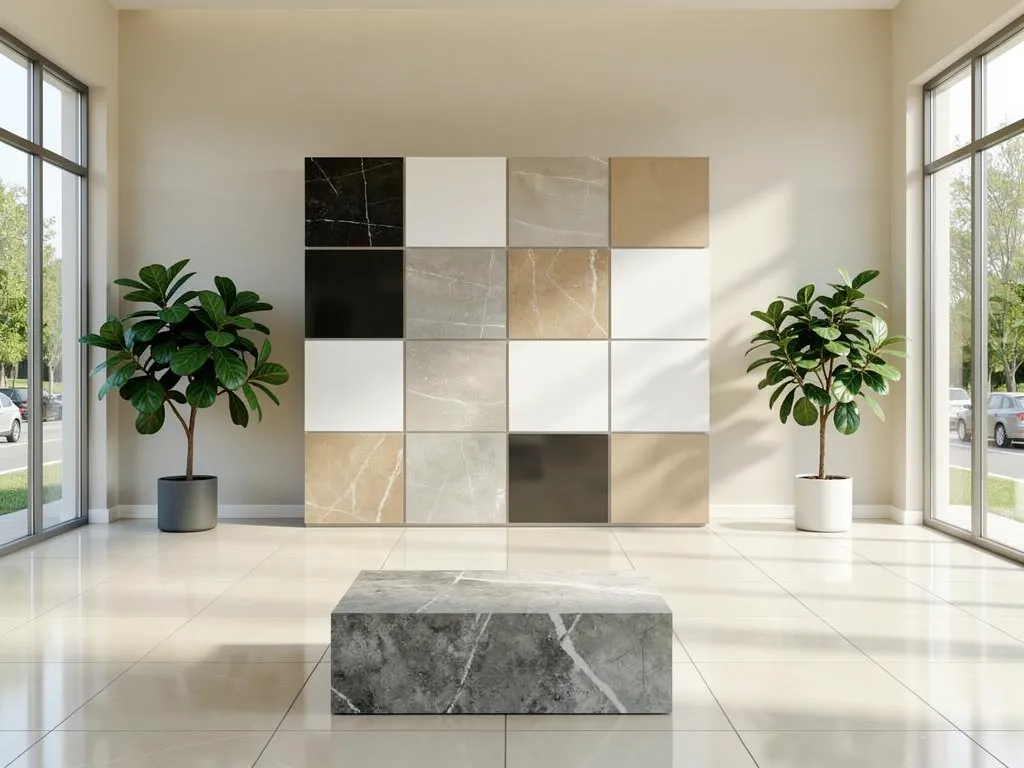
Springvale, VIC hosts Verona Ceramic’s showroom, giving buyers direct, hands-on access to a curated range of porcelain tiles melbourne projects depend on. Selecting a supplier with a physical showroom matters more than browsing product photos online. Homeowners, designers and contractors who buy porcelain tiles melbourne-wide benefit from touching finishes, comparing slab sizes and checking color consistency before committing to an order.
A dependable porcelain tile guide starts with one question, and it isn’t color or pattern. The real starting point is where the tile gets installed and what conditions it must withstand daily. A finish suited to a low-traffic powder room rarely holds up in a busy family bathroom or a high-traffic living area.
Buyers evaluating showrooms should confirm three things before purchasing:
- Whether samples can be viewed in natural and artificial light
- Whether staff can advise on wear ratings for specific rooms
- Whether the range covers both wall-rated and floor-rated porcelain
What should shoppers ask before buying porcelain tile?
Shoppers should ask where each tile is intended for use — wall, floor, wet area, or high-traffic zone — before checking finish or color. A tile that looks refined in a showroom display needs to perform just as well once installed underfoot. Confirming this upfront avoids costly mismatches between design intent and daily durability.
FAQ
What sets porcelain tiles apart from ceramic tiles?
Porcelain fires at a higher temperature than ceramic, producing a denser body that resists moisture and handles busy kitchens, entryways, and bathrooms without cracking or staining. Ceramic fires cooler and stays more porous but offers broader design variety.
Is ceramic tile a poor choice for Melbourne homes?
No, ceramic remains strong where design flexibility matters most, offering a broader range of colors and patterns than porcelain. It performs well in lower-traffic, decorative zones throughout a home.
Does a larger format tile suit every room?
Not automatically, since format decisions depend on traffic patterns, moisture exposure, and daily use of the space. A tile that looks striking in a showroom behaves differently once installed, particularly regarding slip resistance and wear.
What are PEI-style wear ratings and why do they matter when choosing porcelain tile?
Wear ratings gauge how well a tile’s surface withstands foot traffic, scratching, and daily use, which is why the porcelain tile guide recommends assessing foot traffic volume and daily wear expected in a space before finish or color enters the decision. A rating suited to a quiet powder room will not hold up in a busy family bathroom or a high-traffic living area. Verona Ceramic’s Springvale showroom staff can advise on wear ratings for specific rooms, helping buyers match a tile’s durability class to how the space actually gets used.
What types of porcelain tile does Verona Ceramic offer?
Verona Ceramic supplies glazed, polished, and matte porcelain finishes, along with full-body and stone-look options, from its Springvale showroom. Glazed porcelain suits bathroom floors and walls, full-body porcelain withstands high-traffic commercial areas without showing wear, and stone-look finishes deliver marble aesthetics for kitchens, living rooms, and outdoor patios. Matching one of these porcelain tile types to a space’s durability, moisture, and traffic needs, then verifying grade and porosity ratings, is the starting point for any porcelain tile selection guide before installation begins.
Can porcelain tile be used for both indoor and outdoor applications?
Yes. Porcelain’s low porosity, with water absorption below 0.5%, gives it frost-proof performance that holds up in outdoor settings as well as indoor kitchens, bathrooms, and living areas. This density protects indoor-outdoor porcelain tile from cracking during freeze-thaw cycles and resists staining and moisture whether it lines an entryway, a patio, or a wet-area floor. Homeowners and designers extending a stone-look finish from an indoor living room onto an outdoor patio get a consistent aesthetic without sacrificing the durability that high-traffic, weather-exposed surfaces demand.
Where can porcelain tile be installed throughout a home or commercial project?
Porcelain tile applications span high-traffic floors, wet areas, and outdoor spaces because of its stain resistance and frost-proof performance. Glazed porcelain works well on bathroom floors and walls, full-body porcelain handles busy commercial areas and entryways without cracking, and stone-look finishes bring marble aesthetics to kitchens, living rooms, and patios. Because format and finish decisions should follow foot traffic and moisture exposure rather than style alone, the same porcelain range can move confidently from a quiet powder room to a high-traffic family bathroom when matched correctly.
How does water absorption affect porcelain tile’s durability?
Porcelain’s low porosity, below 0.5% water absorption, is what separates its performance from standard ceramic tile. That density comes from firing porcelain at a higher temperature, producing a body that resists moisture, staining, and heavy foot traffic far better than more porous clay tile. Lower water absorption also underpins porcelain’s frost-proof performance, since a tile that resists moisture is less prone to cracking through freeze-thaw cycles. This is why the porcelain tile guide treats porosity, alongside grade, as a factor to verify before installation.
What should renovation contractors evaluate before specifying porcelain tile for a project?
Contractors preparing to buy porcelain tile for a Melbourne project should assess foot traffic volume and daily wear expected in the space, moisture exposure from splashbacks to full wet-area flooring, cleaning frequency and stain resistance over years of use, and whether the finish stays refined once installed rather than only in the showroom. A tile suited to a quiet powder room rarely holds up in a busy family bathroom, so matching format and finish to function first, before color or pattern, prevents costly mismatches later in the project.
Is stone-look porcelain a good alternative to natural stone?
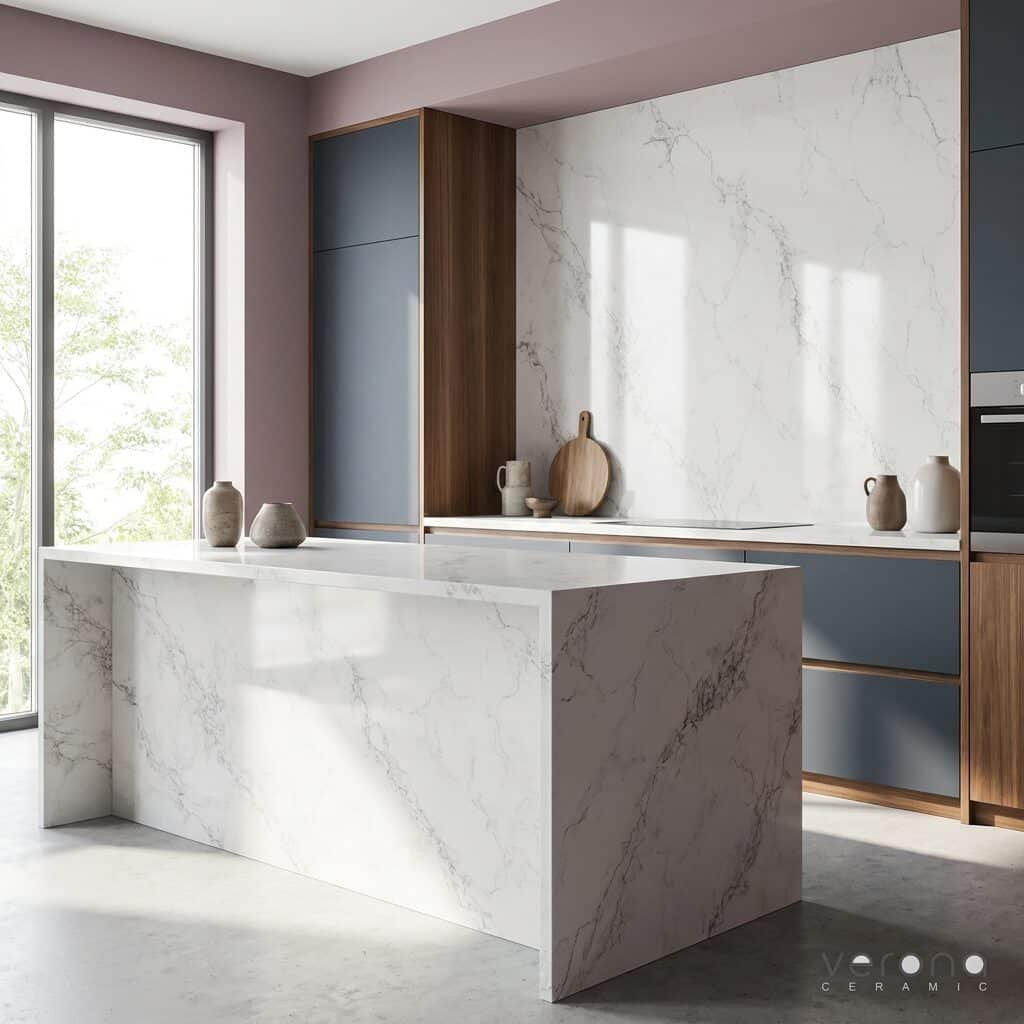
Stone-look porcelain delivers marble aesthetics for kitchens, living rooms, and outdoor patios while carrying porcelain’s inherent durability, low porosity, and stain resistance. Where natural stone can be more porous and demands ongoing sealing, porcelain’s dense, high-fired body resists moisture and heavy foot traffic without that upkeep. For homeowners and designers who want a refined, marble-like look across indoor and outdoor spaces without compromising on frost-proof, high-traffic performance, stone-look porcelain offers the aesthetic benefit of stone with the practical resilience porcelain is known for.
Facts
- Verona Ceramic is located in Springvale, VIC, AU.
Conclusion
Selecting between porcelain tiles Melbourne buyers consider and ceramic options ultimately comes down to matching each material’s core attributes — water absorption, firing density, and finish — to a room’s traffic and moisture demands. Porcelain tile’s defining attributes, low porosity below 0.5%, frost-proof durability, and stain resistance, make it the reliable choice for high-traffic floors, wet areas, and outdoor spaces, while ceramic tile’s broader color and pattern range better serves lower-traffic, decorative zones. Format and finish, whether full-body porcelain for commercial durability or stone-look porcelain for a marble aesthetic, should follow this same traffic-and-moisture logic before style enters the decision. For anyone ready to put a porcelain tile guide into practice, Verona Ceramic’s Springvale showroom offers a firsthand look at finishes and slab sizes to help confirm the right match.