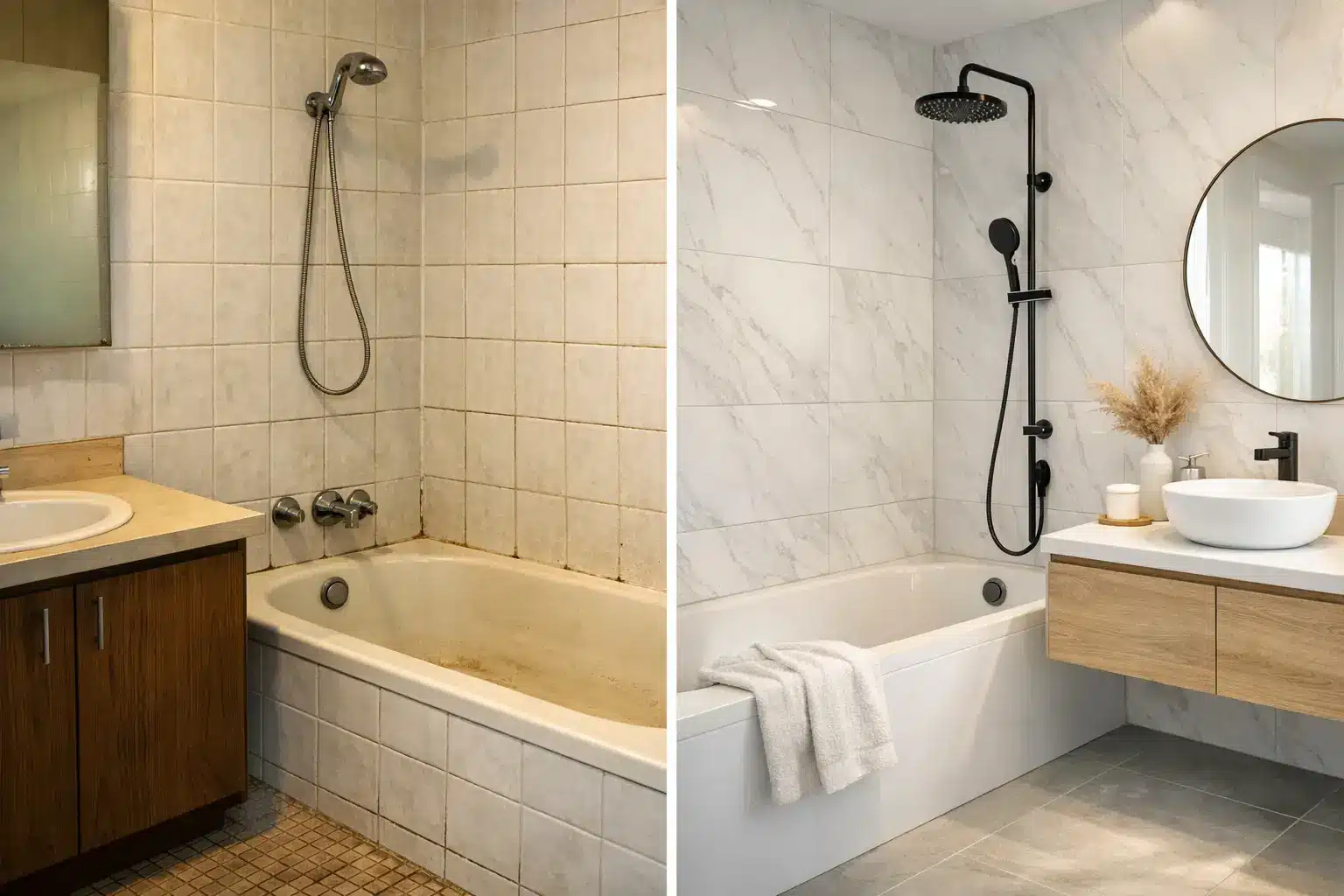
A great bathroom tile makeover before after is rarely about chasing trends. The biggest transformations usually come from a few smart decisions – choosing the right tile size, getting the finish right, and creating a layout that makes the room feel calmer, cleaner and more spacious from the moment you walk in.
That matters because bathrooms work hard. They deal with water, steam, cleaning products, muddy feet, wet towels and daily family traffic. So when you look at before and after bathroom tile updates, the most successful ones do more than look fresh in photos. They improve how the space feels to use every day, and they hold up well over time.
What really changes in a bathroom tile makeover before after
In many older bathrooms, the “before” has a familiar pattern. There might be small-format wall tiles with busy grout lines, a darker floor that absorbs light, or a colour mix that makes the room feel visually crowded. Even if the bathroom is structurally sound, the tile selection can date it quickly.
The “after” often feels bigger, even when the footprint is exactly the same. That effect usually comes from visual simplification. Larger porcelain tiles reduce grout lines, lighter tones reflect more light, and a consistent finish across walls or floors helps the eye move through the room without interruption.
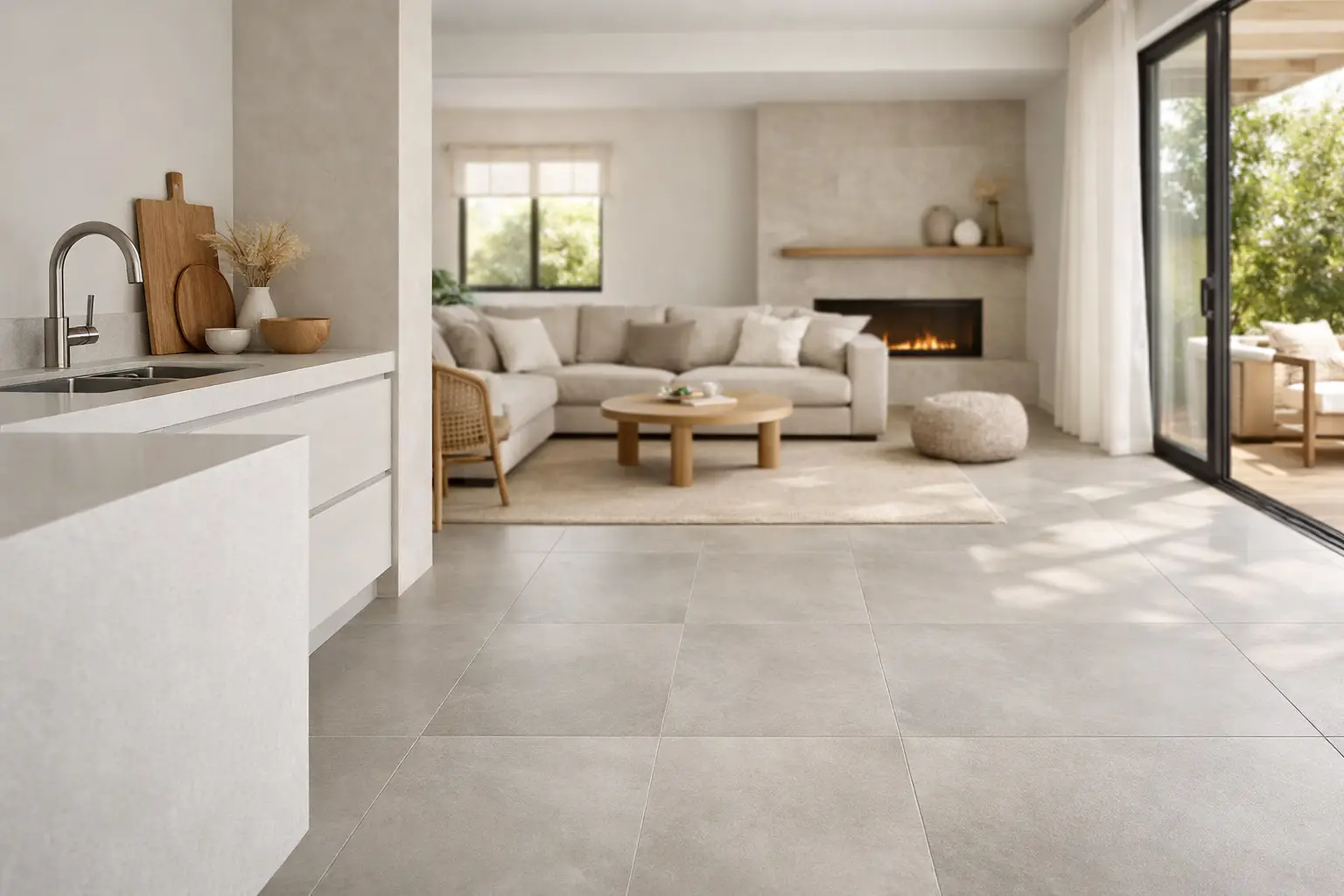
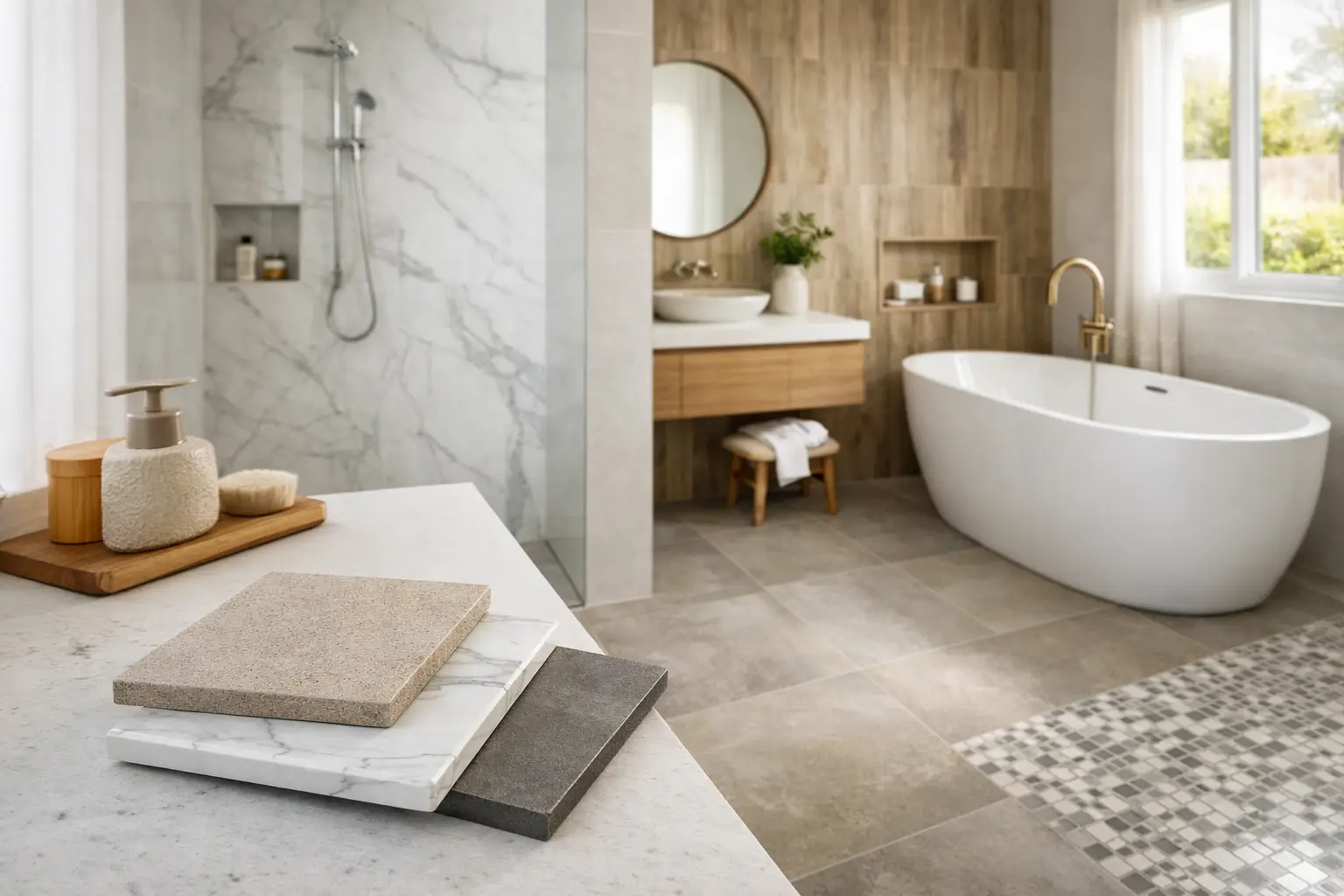
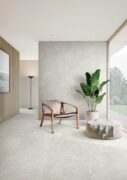
This is where good product selection matters. Porcelain is especially popular in bathroom renovations because it is dense, durable and easy to maintain. It performs well in wet areas, resists wear, and gives homeowners a wide choice of finishes – from soft matte surfaces to stone-look and concrete-look styles that suit both contemporary and classic homes.
Why tile choice has such a strong before-and-after effect
Tiles cover a large percentage of the bathroom, so they have more visual influence than many people expect. Swap outdated tiles for premium architectural surfaces with a cleaner palette and the whole room changes – even before the vanity, tapware or mirror go in.
Colour is the first lever. Warm whites, soft beige, pale grey and natural stone-look tones tend to create a more open, timeless finish than harsh contrasts or glossy colours that fight for attention. If the goal is a bathroom that still looks current years from now, restrained colours usually do the heavy lifting.
Size is the second lever. Large format tiles can make a compact ensuite feel more generous, while medium-format tiles often suit family bathrooms where cuts, falls and layout flexibility matter. There is no single right answer. A small bathroom can absolutely use large format tiles, but success depends on the room shape, drainage requirements and the installer’s skill.
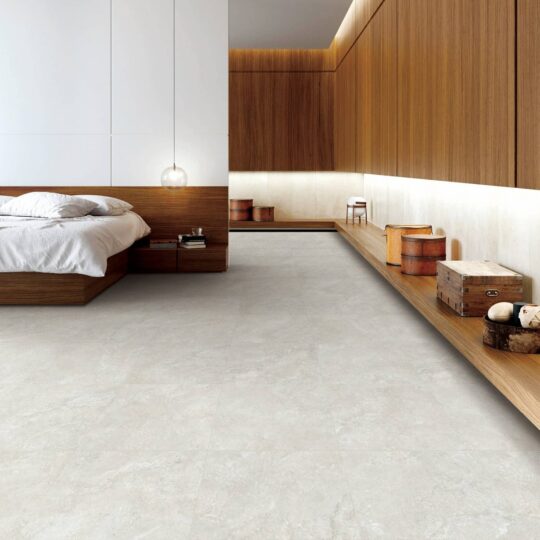
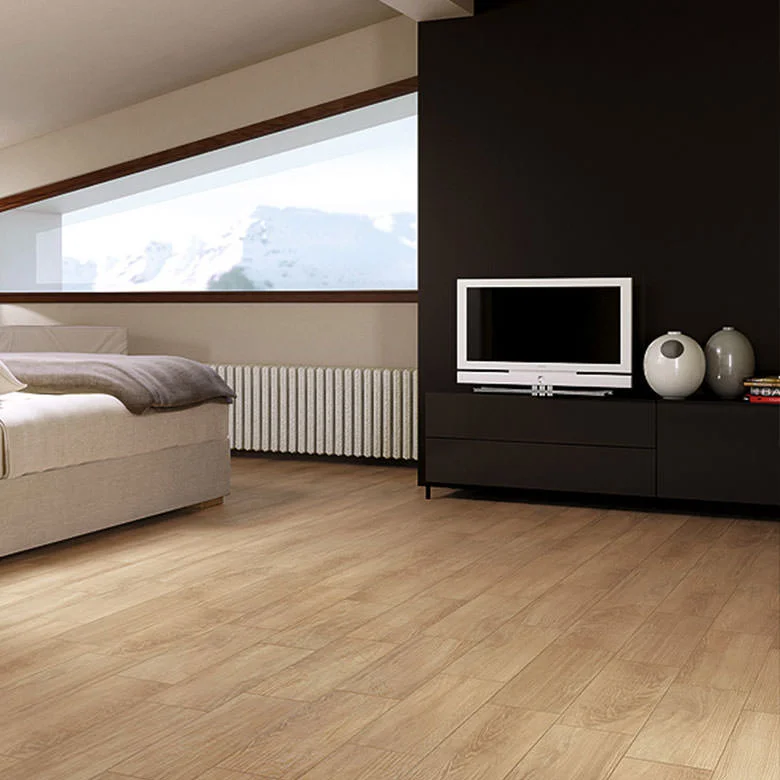
Finish is the third. Matte tiles are a favourite for many bathroom floors because they provide a refined look and practical slip resistance. On walls, matte and satin finishes both work beautifully, depending on how much light reflection you want. Gloss can brighten a darker room, but it also highlights water marks more readily.
The best before-and-after results start with the floor
If you compare bathroom renovations side by side, the floor often makes the biggest difference first. A dated patterned floor or a darker, uneven-looking tile can visually shrink the room. Replacing it with a porcelain tile that offers slip resistance and a cleaner tone instantly changes the bathroom’s base.
For family homes, this is not just a style decision. Floor tiles need to balance appearance with safety. In wet zones, it is worth checking slip resistance and choosing a surface suited to bathroom use. That way, the makeover is not only attractive but better aligned with daily life – especially for children, older family members and busy households.
PEI rating can also matter, particularly in bathrooms connected to high-traffic areas or in homes where durability is a top priority. A tile with suitable wear resistance helps preserve that freshly renovated look for longer. It is one of those details people do not always notice in the showroom, but they appreciate it years later.
Wall tiles can make a bathroom feel taller, brighter or calmer
Wall tiles shape the mood of the room. In a “before” bathroom, there is often too much chopping and changing – one tile in the shower, another on the feature wall, a border tile, and a different floor altogether. Sometimes the renovation that feels most dramatic is actually the simplest one.
Running one tile style across the main wall areas can create a quieter, more premium finish. Vertical layouts can draw the eye upward and make ceilings appear taller. Horizontal layouts can widen the look of a narrow bathroom. If you want a feature, texture usually ages better than loud colour contrast.
Stone-look porcelain is especially effective here because it gives the softness of natural materials with easier maintenance. That is appealing for homeowners who want beauty in daily living, not a surface that demands constant attention. High-quality porcelain also offers consistency in tone and sizing, which helps the finished installation feel polished.
The most common bathroom tile makeover mistakes
A strong before-and-after result is not about choosing the most expensive tile in the room. It is about matching the tile to the space, the household and the installation conditions.
One common mistake is picking a tile purely from a display board without seeing how it works with the room’s lighting. Bathrooms can shift dramatically between morning light, evening light and artificial lighting, so a tile that looks cool and crisp in one setting may feel flat or overly grey in another.
Another is ignoring grout. Grout colour can sharpen a pattern or soften it. In many successful bathroom tile makeover before after projects, grout is chosen to support the tile rather than compete with it. A close tonal match often gives a cleaner, more contemporary look.
The third is overcomplicating the design. Multiple feature tiles, mosaics in several areas, and too many finishes can make the room feel busy. There are exceptions, of course. Some heritage homes or highly detailed designer bathrooms suit layered tile schemes. But for most homeowners, fewer materials create a stronger and more enduring result.
How to plan a bathroom tile makeover that lasts
Start with the feeling you want from the finished room. Do you want it to feel light and airy, grounded and natural, or crisp and architectural? That answer should guide the tile palette before you think about decorative extras.
Then consider the practical side. Bathrooms need surfaces that are easy to clean, stable in wet conditions and suitable for long-term use. Porcelain remains one of the most dependable options because it combines low maintenance with enduring quality. If the renovation timeline matters, ready stock can also make a real difference by reducing delays and keeping trades moving.
It also helps to think in whole-room terms. Tiles do not sit in isolation. They need to work with vanity finishes, benchtop selections, tapware colour, mirror shape and lighting temperature. This is where a measuring and 3D design service can save time and reduce guesswork, especially for families and renovators trying to picture the final result before ordering materials.
For Melbourne homeowners, access to local warehouse stock can be particularly useful when schedules are tight or matching quantities are needed quickly. A reliable supplier with factory direct tiles and clear product information gives both homeowners and trade professionals more confidence during selection.
Choosing tiles for different bathroom styles
Not every makeover aims for the same outcome. A compact apartment bathroom might need large format tiles in a soft matte finish to create a more open feel. A family bathroom may benefit from durable bathroom tiles with a gentle stone look that hides everyday marks and stays easy to maintain. A luxury ensuite could lean into larger porcelain slabs or rectified large format tiles for a more streamlined, premium finish.
What matters most is consistency between style and use. A beautiful tile that is wrong for the floor, difficult to keep looking clean, or too visually busy for the room will not deliver the after result people hope for. The best transformations look effortless because the choices have been carefully edited.
This is also why many renovators now favour timeless finishes over statement tiles that can date quickly. Matte tiles, natural-look porcelain, and well-balanced neutral palettes offer flexibility if fittings or paint colours change later. They are easier to live with and easier to build around.
Before and after is really about confidence
When people talk about a bathroom transformation, they often focus on appearance. But the real difference in a good renovation is confidence. Confidence that the tiles will wear well, clean easily, meet Australian standards, and continue to look right in the home long after the renovation dust has settled.
That is why the smartest makeovers are equal parts design and practicality. The room should look beautiful, yes, but it should also feel safe, comfortable and durable enough for everyday life. That balance is where the strongest results come from, whether you are renovating one ensuite or specifying finishes across a full home project.
If you are planning your own update, the most useful question is not “What tile is trendy right now?” It is “What tile will still feel right here in five or ten years?” Start there, and the before-and-after change tends to be more than visual – it becomes a better bathroom to live with every single day.
Transform your bathroom into a sanctuary that combines elegance and functionality. Choosing the right tiles not only enhances the aesthetic appeal but also ensures long-lasting durability and ease of maintenance. Prioritize materials that will stand the test of time, both in style and performance, so your space remains inviting and practical for years to come. Invest in a transformation that elevates your everyday experience, creating a bathroom that is as enjoyable as it is beautiful.