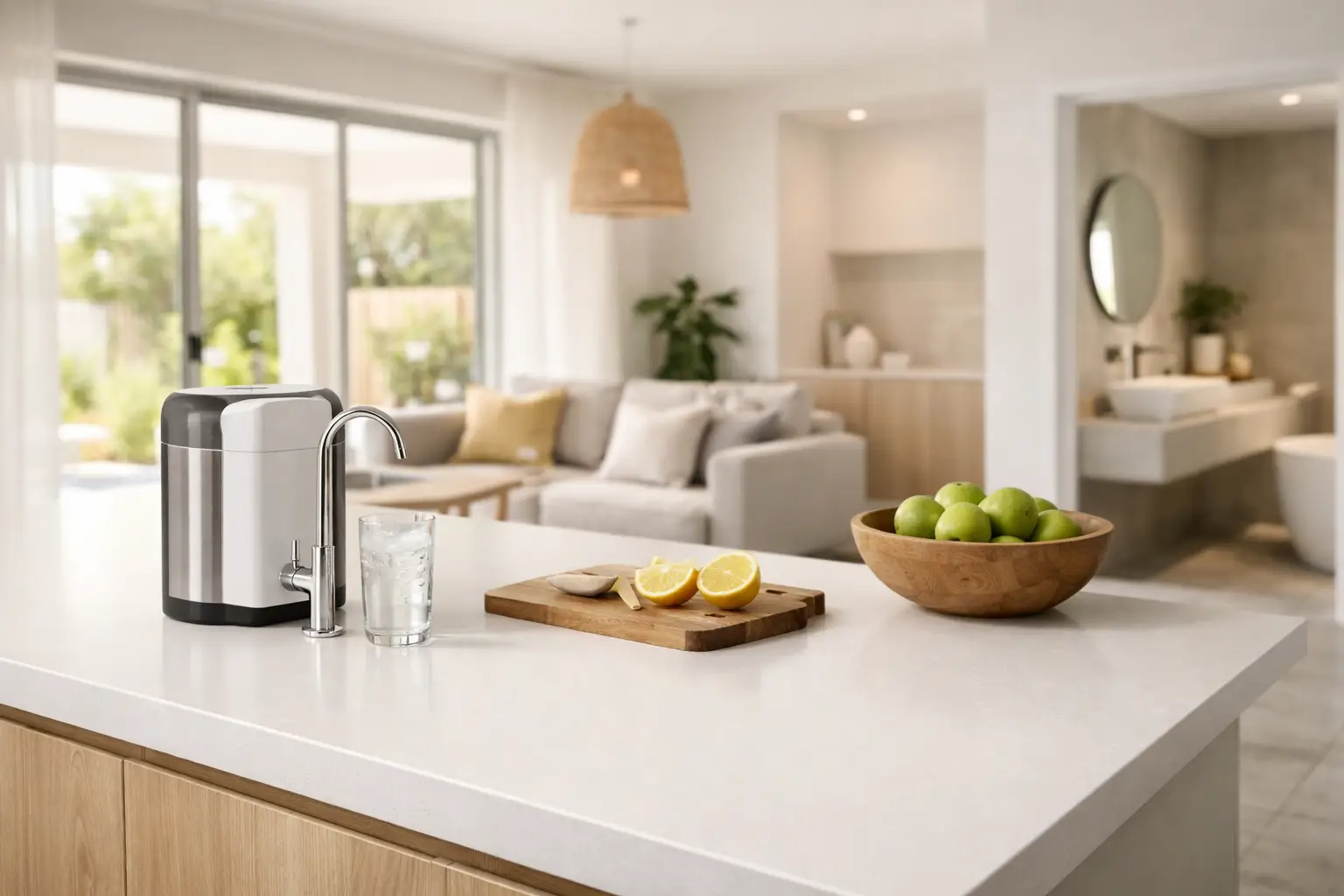
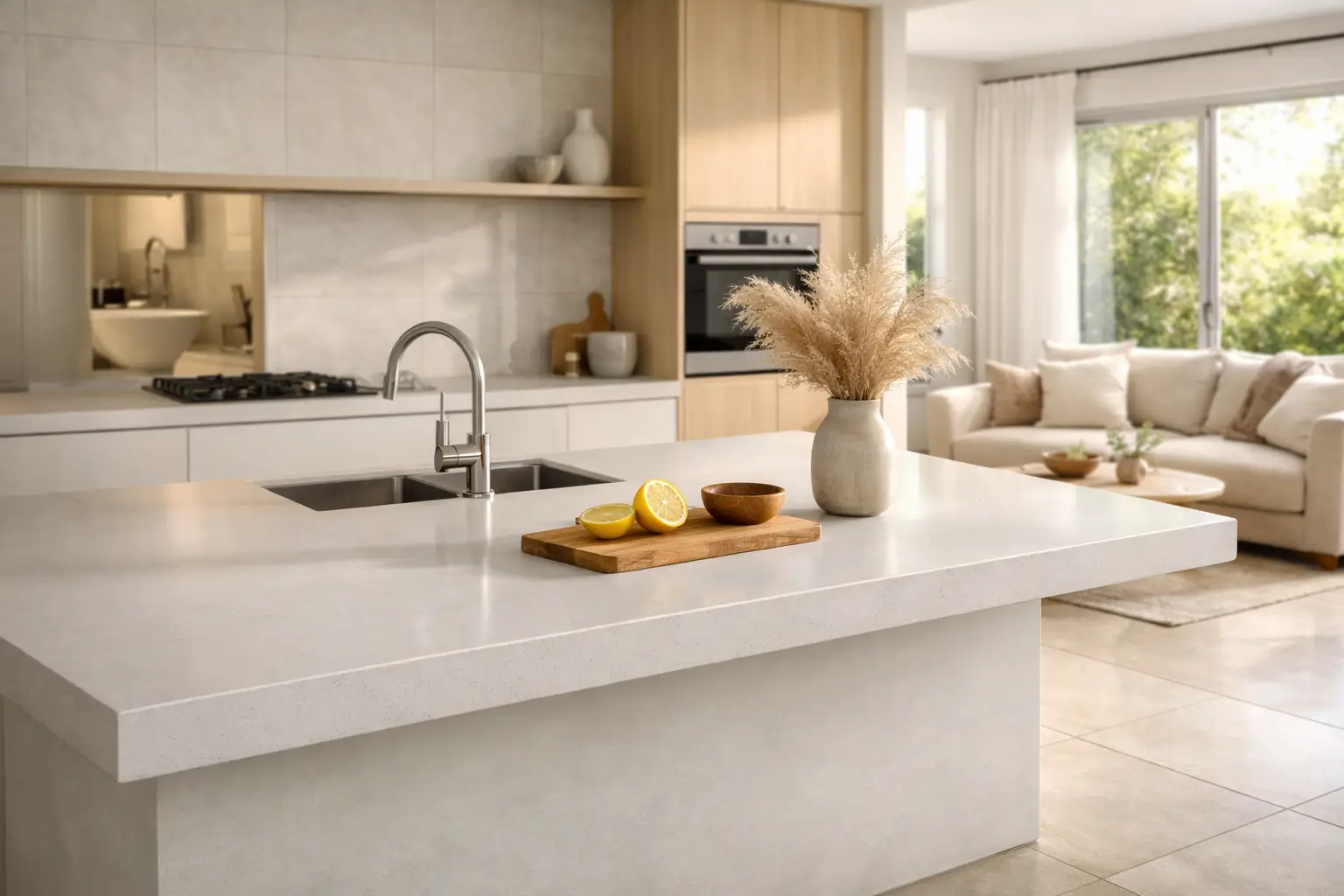
A kitchen benchtop has a demanding job. It needs to look considered beside your cabinetry and tiles, stand up to daily meals and homework, and remain practical long after the renovation dust has settled. That is why choose zero silica surfaces is a question more Melbourne homeowners, designers and builders are asking at the start of a project, rather than as a late material substitution.
Zero-silica engineered surfaces offer a contemporary answer to the look and performance people expect from a premium benchtop, without crystalline silica in the finished material. For families and renovation professionals, the appeal is not only visual. It is about making a more considered material choice that supports safer fabrication practices, dependable performance and a beautiful home that works every day.
Why choose zero silica surfaces for a renovation?
The strongest reason is straightforward: material selection affects everyone involved in bringing a kitchen to life. Crystalline silica is a naturally occurring mineral found in many building materials. When silica-containing products are cut, drilled or ground, the dust created can present a serious health risk if it is not properly controlled.
Zero-silica surfaces are designed without crystalline silica, helping to reduce this particular hazard during fabrication. This matters to stone fabricators, cabinet makers, installers and builders, as well as to homeowners who want confidence in the materials specified for their home. It is a practical response to the changing expectations around engineered stone and workplace safety in Australia.
That does not mean a zero-silica benchtop can be handled without care. Any benchtop material requires professional measuring, cutting, transport and installation. Fabricators should always follow the manufacturer’s instructions, use suitable equipment and observe applicable Victorian workplace requirements. The difference is that zero-silica surfaces allow the project team to avoid crystalline silica as part of the material itself.
For a family home, this choice also reflects a wider view of quality. A benchtop is not simply a decorative slab. It is a surface used for school lunches, entertaining, baking, groceries and the everyday rhythm of family life. Choosing a surface with safety and longevity in mind is a sensible foundation for the whole renovation.
Premium style without a high-maintenance routine
Many homeowners are drawn to engineered surfaces because they can achieve the refined appearance of natural stone with a consistent colour, pattern and finish. Zero-silica alternatives are available in a broad range of designs, from soft marble-inspired veining and pale neutral tones to concrete-look greys and deeper, more dramatic colours.
This consistency is particularly helpful when coordinating a large kitchen island, splashback, butler’s pantry or bathroom vanity. Designers can work with a predictable pattern direction and colour palette, while homeowners can select a finish that suits their cabinetry, flooring and natural light.
A matte finish can bring a calm, architectural quality to timber cabinetry and large format porcelain tiles. A polished finish offers more light reflection and works beautifully in kitchens with darker joinery or compact layouts. The best choice depends on how the room is used, how much natural light it receives and the overall look you want to create.
Unlike some natural stones, engineered surfaces are generally non-porous. That means they do not usually require sealing, and everyday spills are less likely to soak into the surface when cleaned promptly. For busy households, warm water, a soft cloth and a mild, non-abrasive cleaner are usually enough for routine care. Avoid harsh chemicals, abrasive pads and strong solvents, as these may affect the finish over time.
Durability that suits real family kitchens
A quality zero-silica benchtop is made for everyday use. Its dense, engineered composition gives it good resistance to staining and normal kitchen wear, while its non-porous surface supports easy cleaning. That makes it well suited to kitchen benchtops, island benches, vanities, laundry counters and selected wall applications.
However, durable does not mean indestructible. Hot pots and oven trays should be placed on trivets, rather than directly on the benchtop. While the surface is hardwearing, cutting directly on it can dull knives and may mark the finish, so a chopping board remains the better option. Heavy impacts near edges, sink cut-outs and corners should also be avoided.
These are small habits, but they help preserve a premium surface for years. They are also worth discussing early with clients and family members, particularly where the kitchen will be used heavily or rented out. A well-designed benchtop performs best when the material, layout and household routine are considered together.
A more confident choice for builders and designers
For builders, cabinet makers and interior designers, zero-silica surfaces can simplify conversations around specification. Clients increasingly want to know what is in the materials they are choosing and how those products will be managed on site. Being able to offer a premium architectural surface with no crystalline silica is a clear, relevant point of difference.
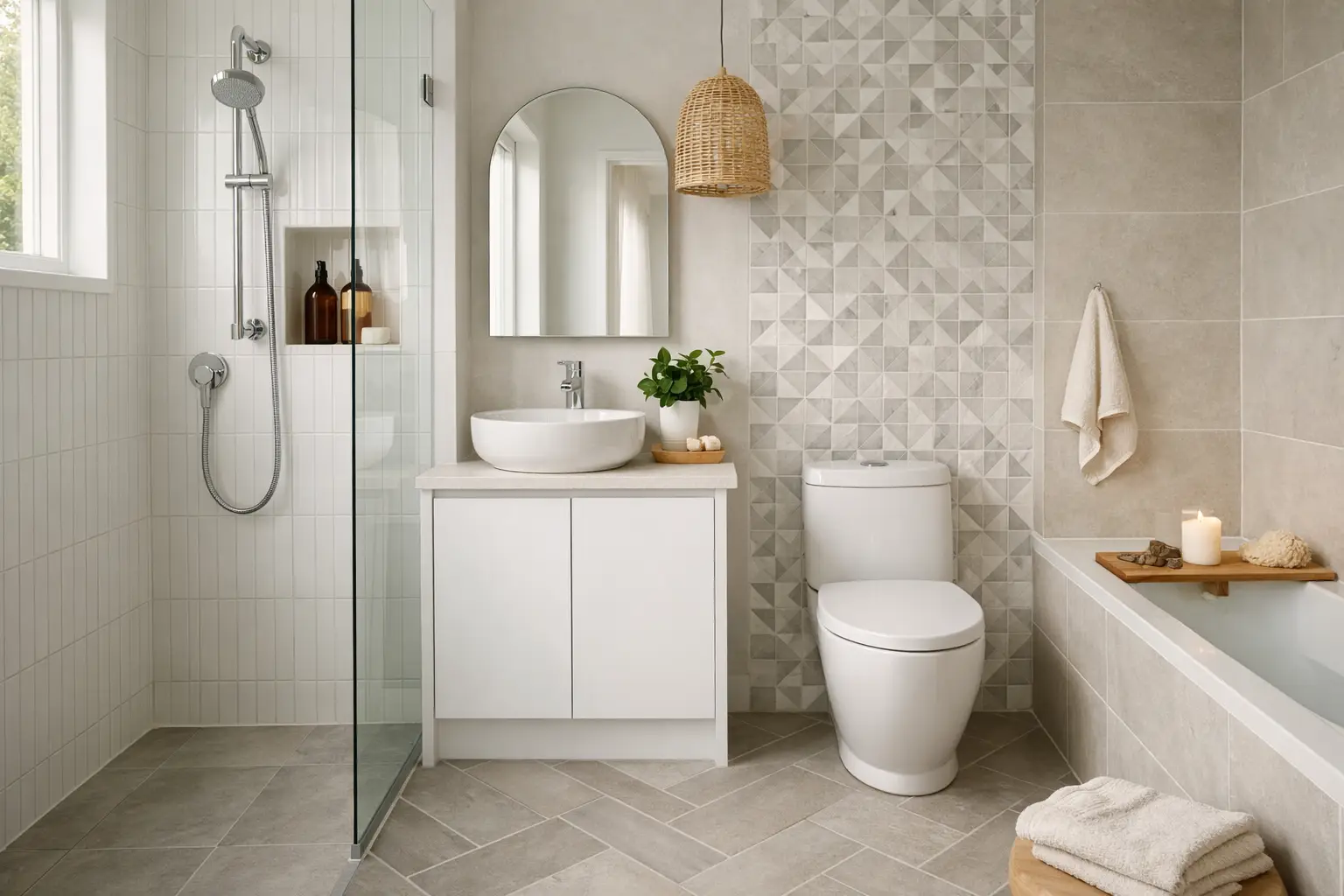
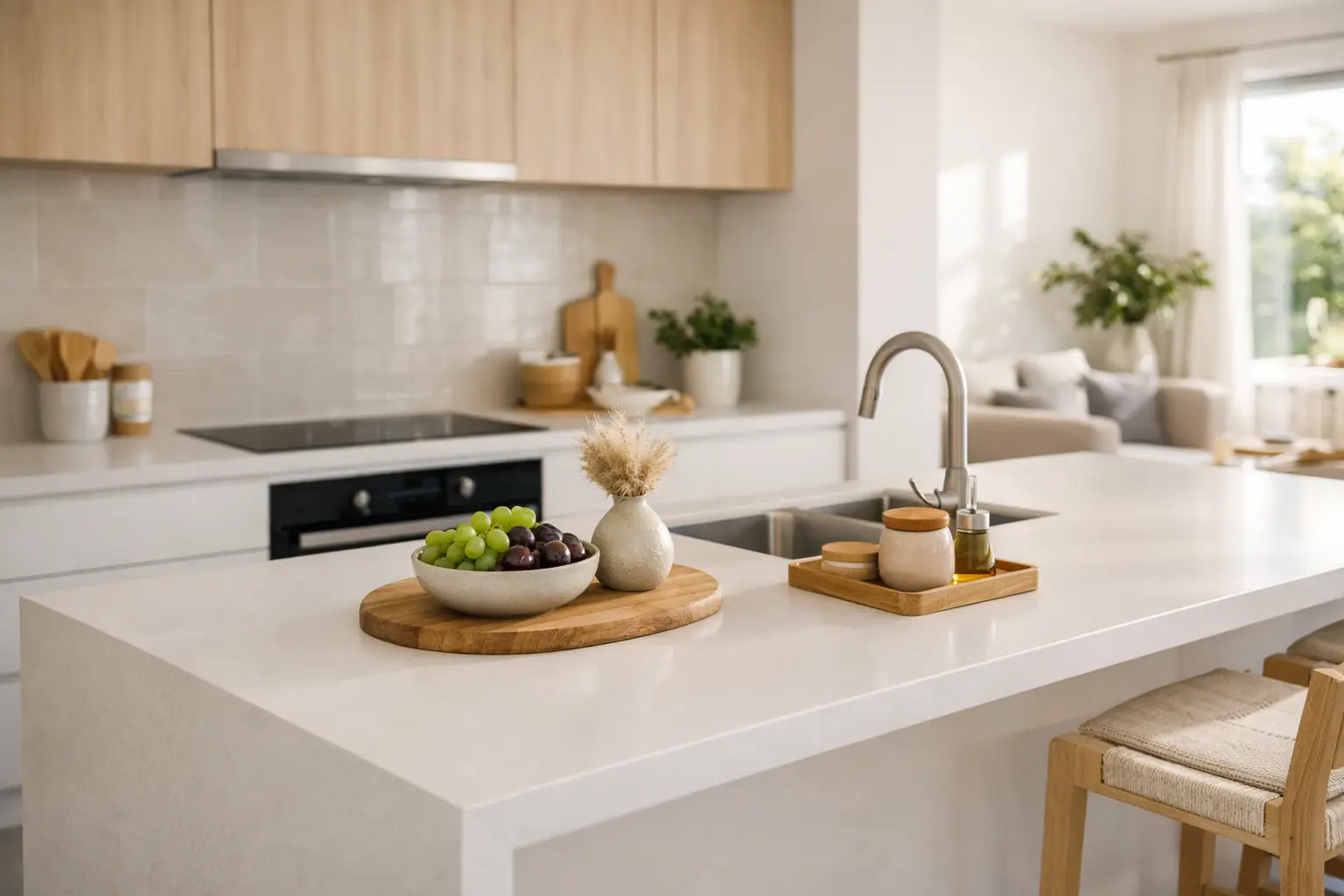
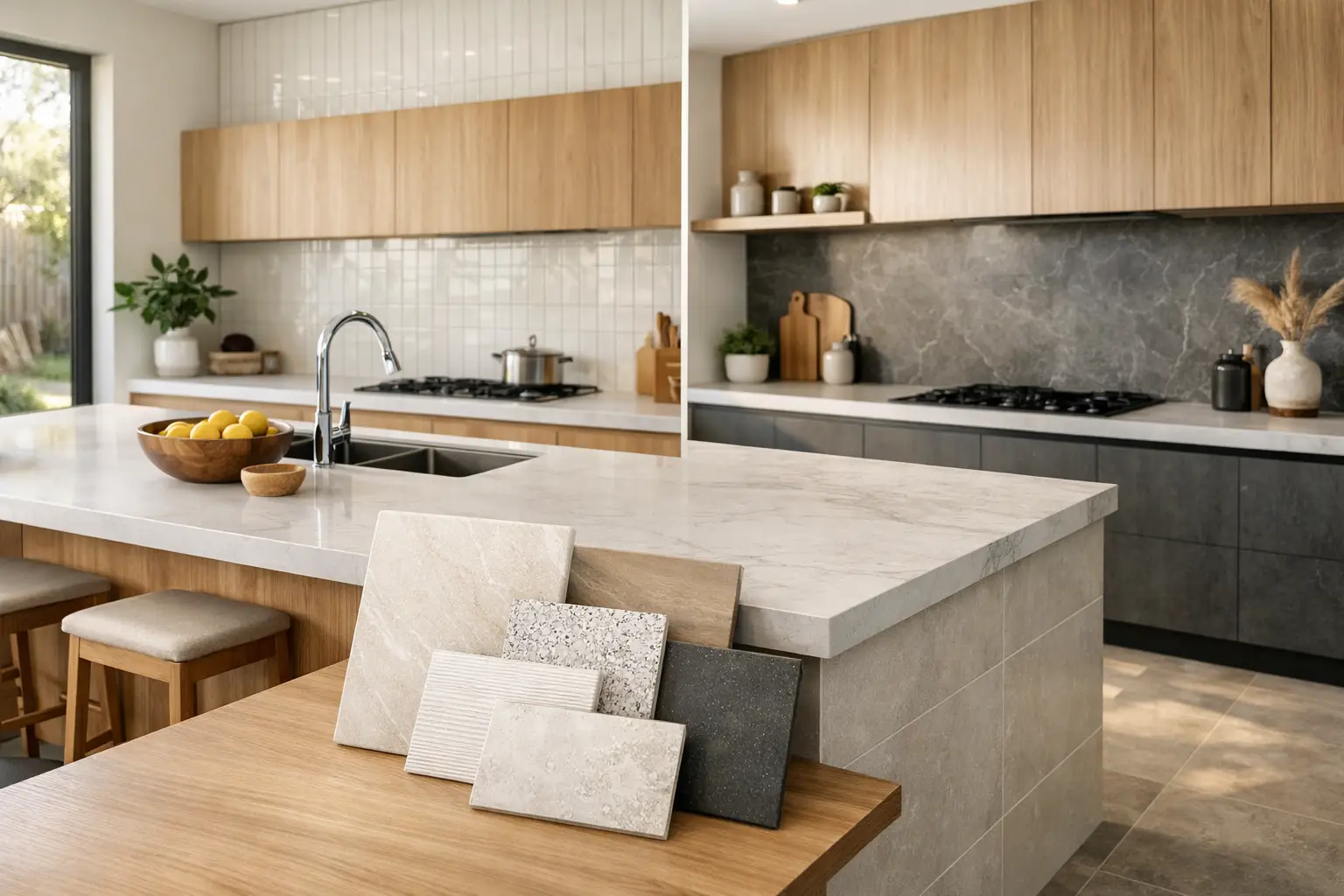
It also creates an opportunity to specify the benchtop as part of a complete material scheme. A soft white surface may sit neatly with warm oak cabinetry, brushed nickel tapware and creamy porcelain kitchen tiles. A charcoal or concrete-look benchtop can provide contrast against pale joinery and large format matte tiles. In bathrooms, a coordinated vanity top and wall tile selection can make compact rooms feel more resolved without becoming overly busy.
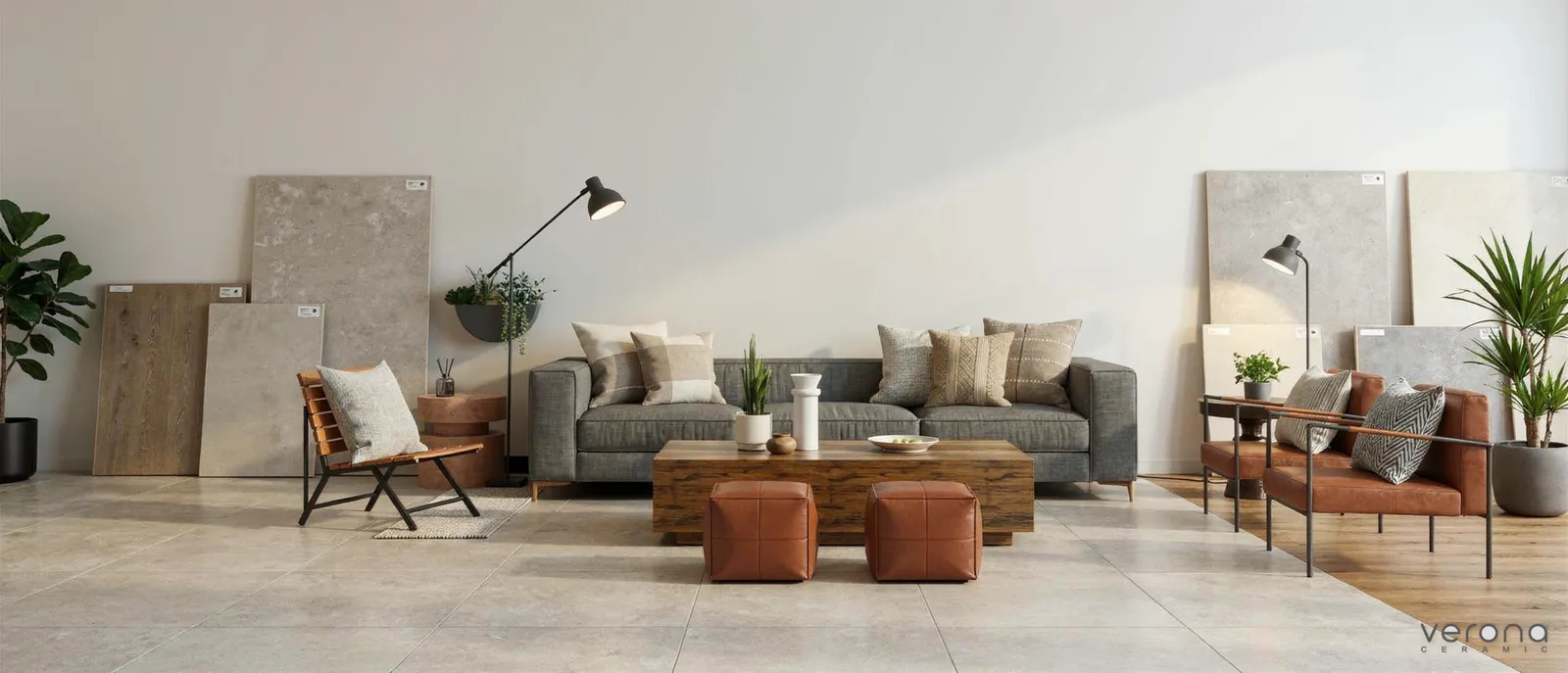
The key is to inspect full samples in the intended lighting. A surface can appear warmer, cooler or more patterned under showroom lighting than it does beside a north-facing window or under LED downlights. For larger runs, reviewing slab images and planning the placement of joins, cut-outs and veining helps achieve a more intentional result.
Value is about the whole project, not just the slab
The right benchtop should offer value through performance, appearance and a reliable project process. Material cost is only one part of the decision. Measuring accuracy, fabrication quality, lead times, installation coordination and aftercare all affect the finished result.
This is where local stock availability can make a meaningful difference. Choosing from ready stock allows homeowners and trade clients to confirm the actual colour and finish before committing, rather than relying only on a small sample or extended supply estimates. It can also help keep cabinetry, tiling and appliance schedules moving when a renovation has tight timing.
At Verona Ceramic, zero-silica benchtops are supported by a Melbourne warehouse, factory-direct value and practical design assistance, including free measuring and 3D design services. For homeowners, this helps turn an idea into dimensions, selections and a clearer installation plan. For trade professionals, it provides a more reliable starting point for coordinating cabinetry and site access.
When comparing options, ask what is included in the quoted scope. Confirm the thickness, edge profile, number of cut-outs, splashback requirements, access conditions and whether removal of an existing benchtop is needed. A clear quote avoids surprises and makes it easier to compare like with like.
Choosing the right zero-silica surface
There is no single best colour or finish for every home. A young family may prioritise a forgiving mid-tone with a subtle pattern that is less likely to show fingerprints and everyday crumbs. A minimalist apartment kitchen may suit a fine-veined white surface that brightens the room. For a custom home, a bold island slab can become the centrepiece, balanced by quieter finishes elsewhere.
Consider the cabinetry first, then the floor and wall finishes. Benchtops cover a large visual area, but they should not compete with every other surface in the room. If you have selected expressive porcelain tiles for a splashback or bathroom wall, a calmer benchtop often creates better balance. If the tiles are understated, the benchtop can take on more visual character.
Thickness also changes the look. Standard profiles suit many contemporary kitchens, while a thicker edge detail can give an island a more substantial, furniture-like presence. Your fabricator can advise on available thicknesses and edge options for the chosen product.
Questions to ask before you proceed
Before placing an order, it helps to confirm a few essentials with your supplier and installer. Is the product genuinely zero crystalline silica? Is the selected slab or surface available within your required timeframe? How will joins, sink cut-outs and tap holes be positioned? What care guidance applies to the finish? And does the installation plan allow adequate access for delivery and safe handling?
For projects involving induction cooktops, undermount sinks or large waterfall ends, early coordination is especially valuable. These details affect fabrication drawings, support requirements and the sequence of cabinetry installation. Taking the time to finalise them before fabrication helps protect both the finish and the schedule.
A well-chosen zero-silica surface gives a kitchen more than a polished final layer. It gives the people who use, build and care for the home a practical material choice that feels considered from the first sample through to daily life.