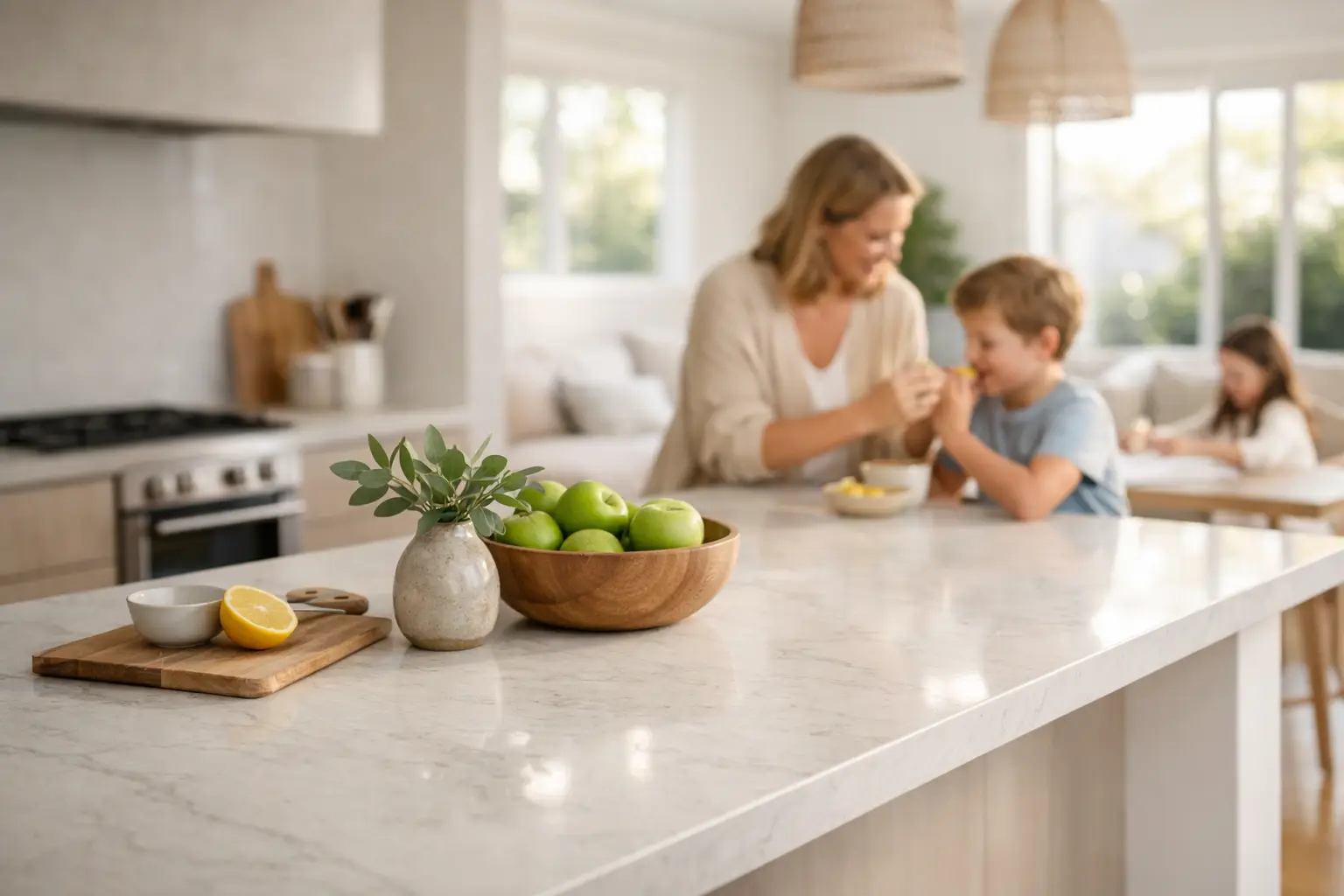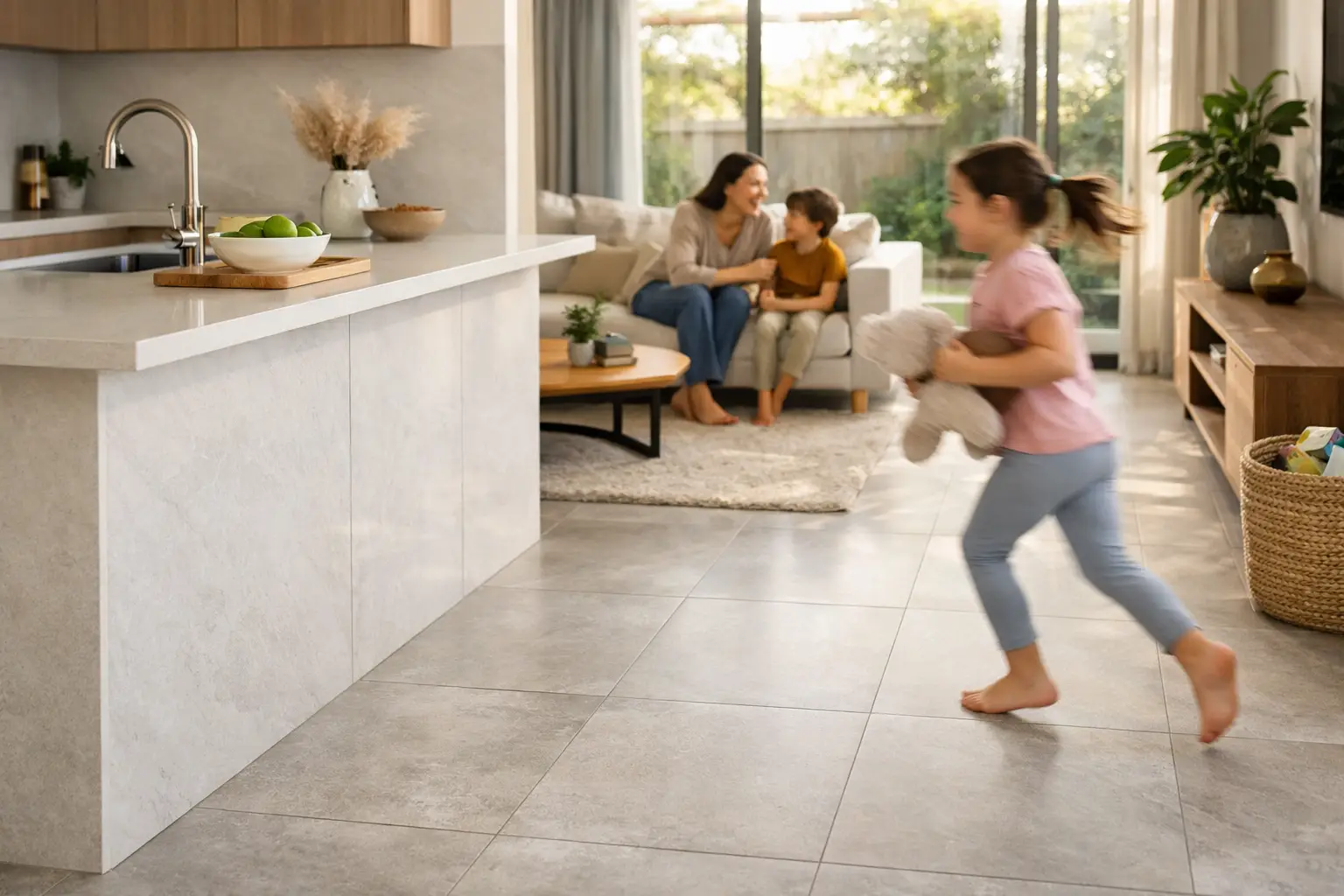
A kitchen benchtop has to handle far more than a good first impression. It needs to stand up to school lunches, hot pans placed down in a hurry, everyday cleaning and years of family life. This zero silica benchtop review Australia looks at what makes these newer premium architectural surfaces worth considering, where they suit best, and what to check before you commit.
For Melbourne homeowners, designers and builders, the appeal is clear: a beautiful, hard-wearing surface made without crystalline silica. But a confident choice still comes down to the specific product, finish, fabrication quality and how well it suits the way the household uses its kitchen.
What is a zero-silica benchtop?
A zero-silica benchtop is an engineered surface formulated without crystalline silica. Traditional engineered stone products have historically used silica-bearing minerals, whereas zero-silica alternatives use other mineral blends, resins and pigments to create a dense, decorative slab.
The most meaningful benefit is safety across the supply chain. Crystalline silica dust can be hazardous when stone is cut, drilled or polished without appropriate controls. Choosing a zero-silica engineered stone supports a safer material direction for fabricators and installers, while giving homeowners a refined, practical kitchen surface.
It is worth being precise here. “Zero silica” describes the material composition, not a universal promise that every product performs identically. Brands and slab ranges can differ in their binder systems, heat resistance, scratch resistance, colour consistency, slab sizes and recommended fabrication methods. Ask for product documentation confirming the material is zero silica and compliant with relevant Australian requirements.
Zero silica benchtop review Australia: performance at home
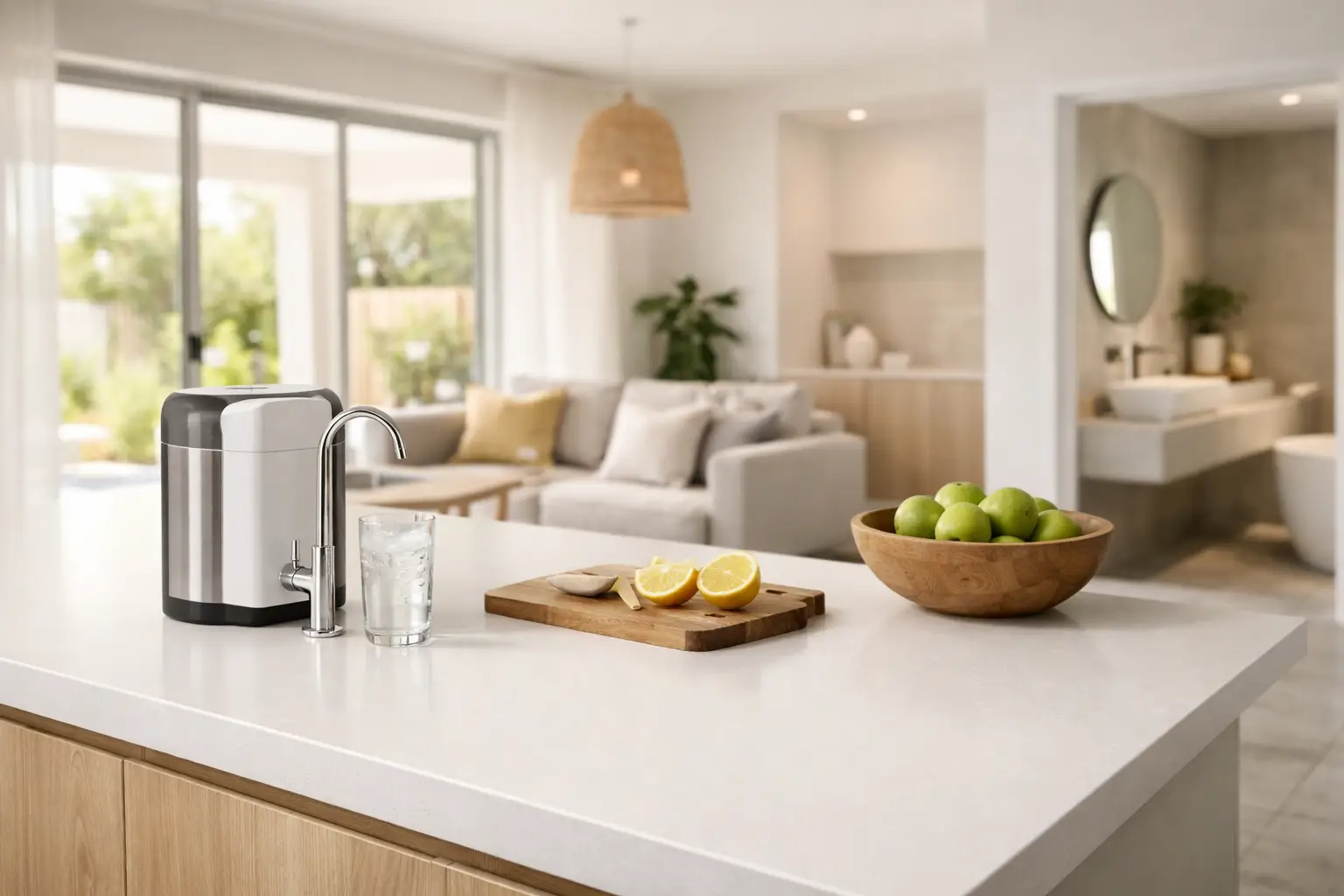
For most kitchens, a well-made zero-silica engineered stone benchtop performs very well in the areas that matter day to day. Its non-porous or very low-porosity surface helps resist common household stains, while its smooth finish makes crumbs and spills easy to wipe away. This is especially useful in busy family kitchens where maintaining a polished look should not require specialised cleaning products.
Appearance and design flexibility
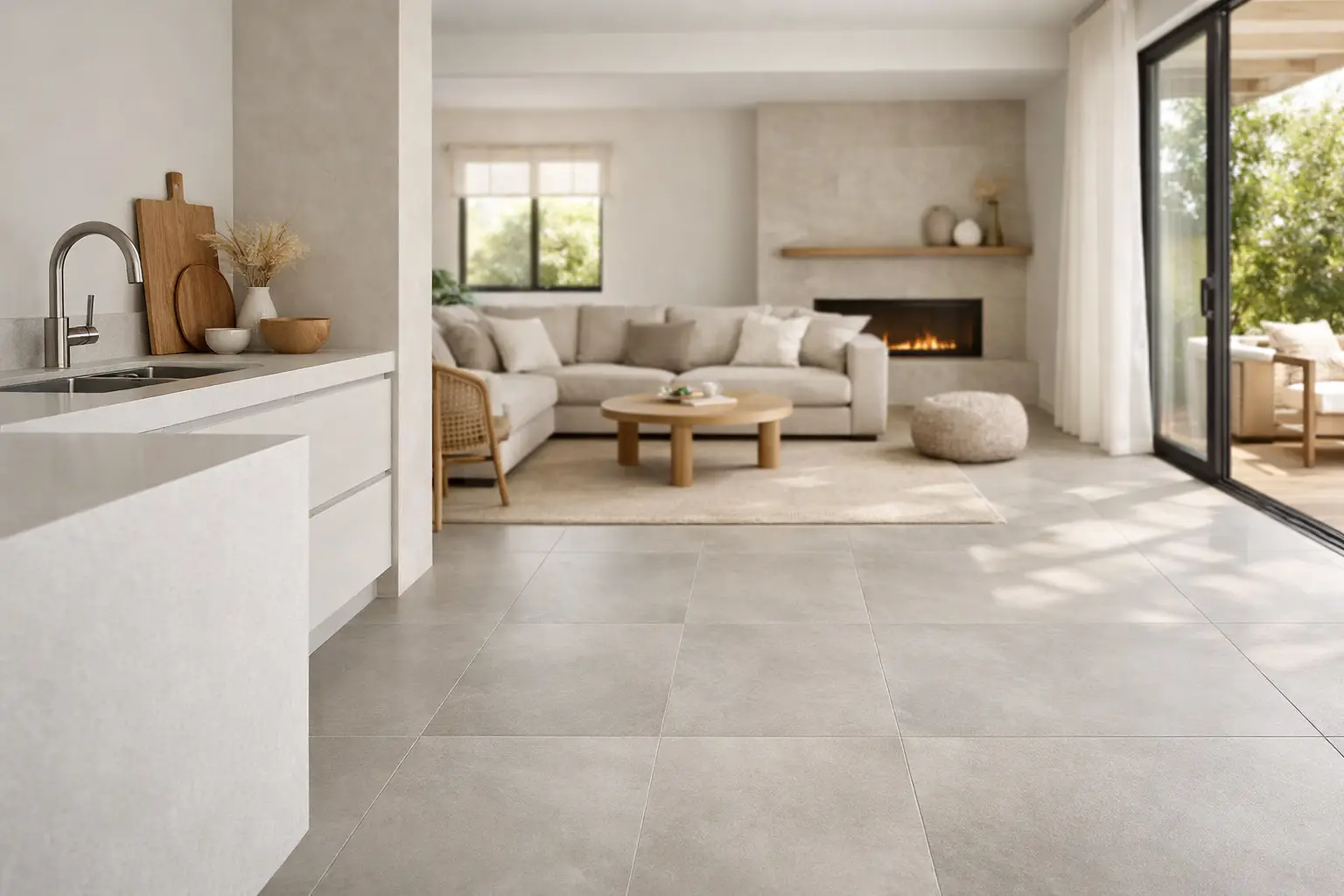
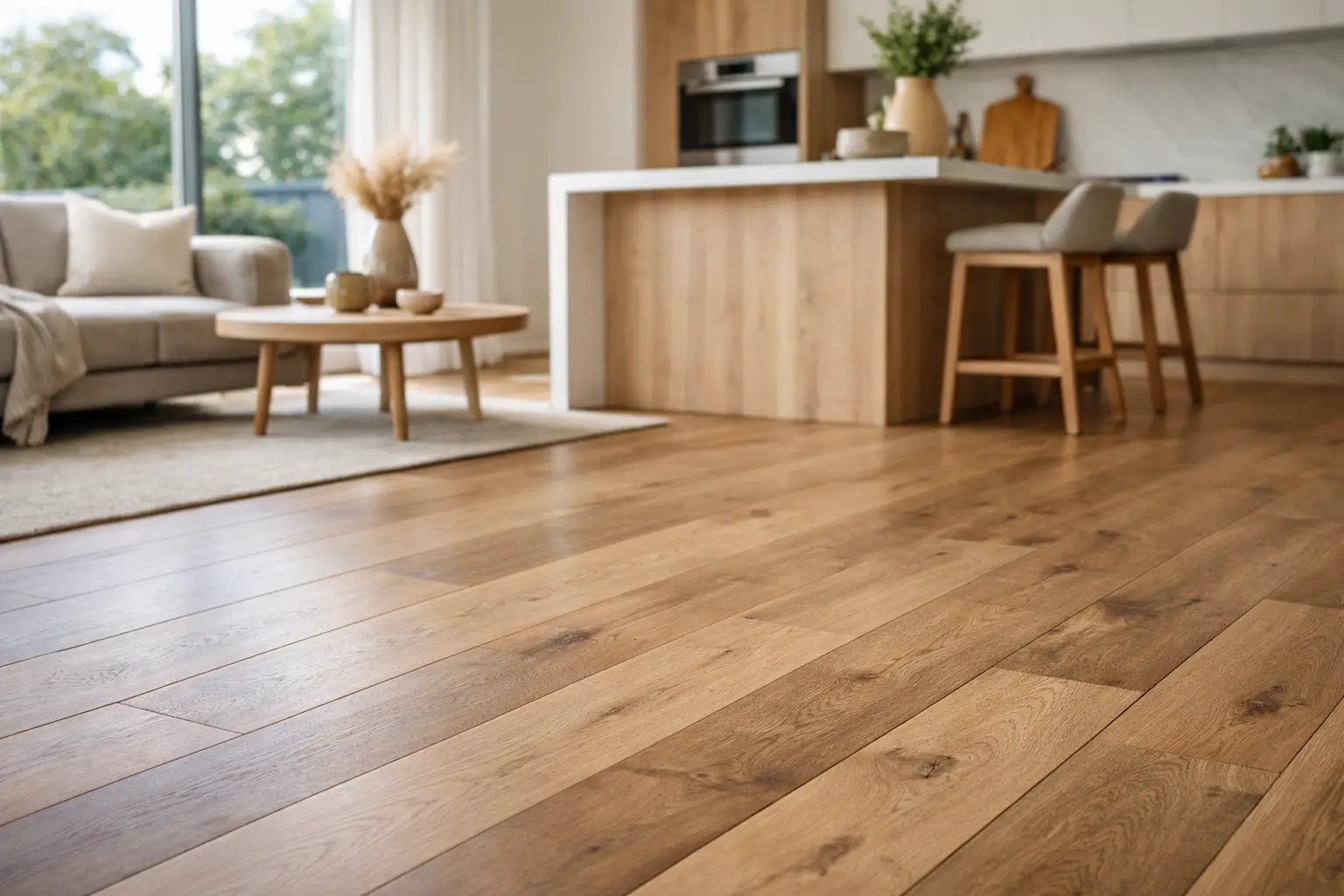
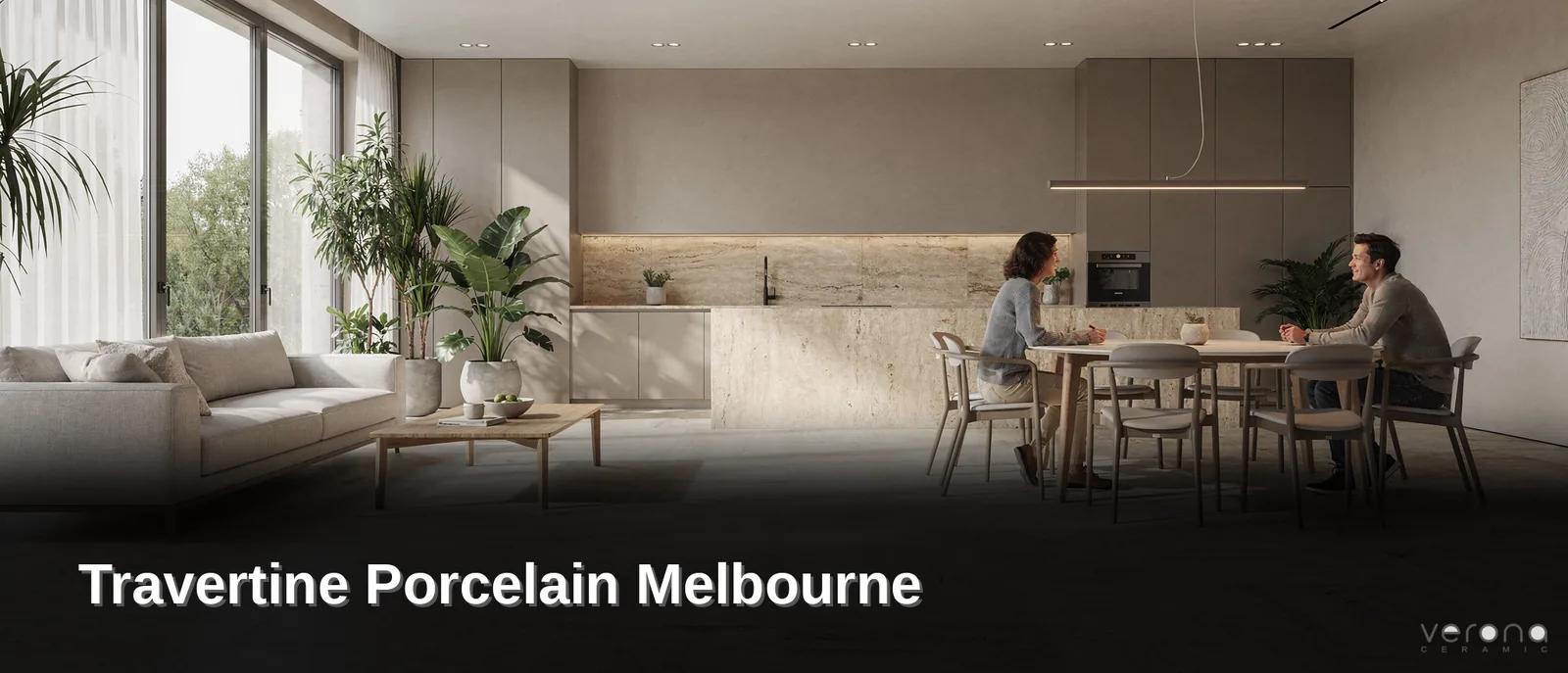
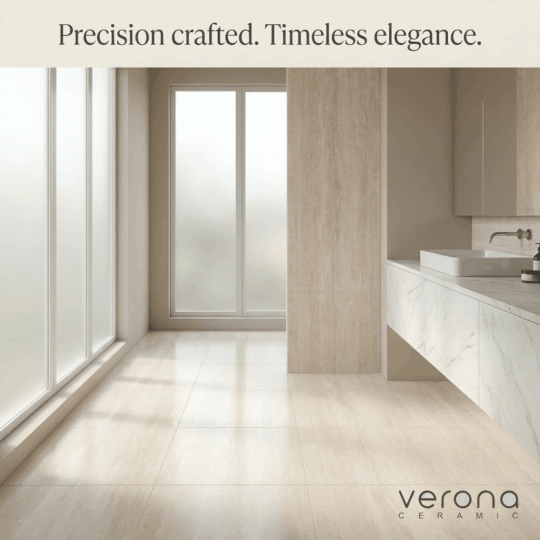
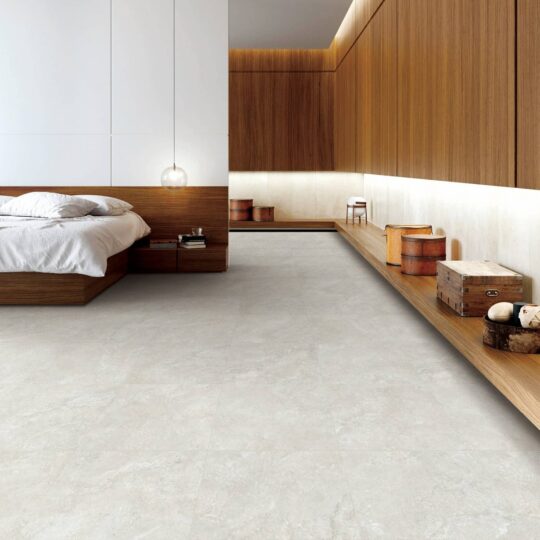
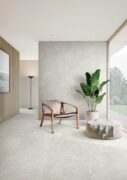
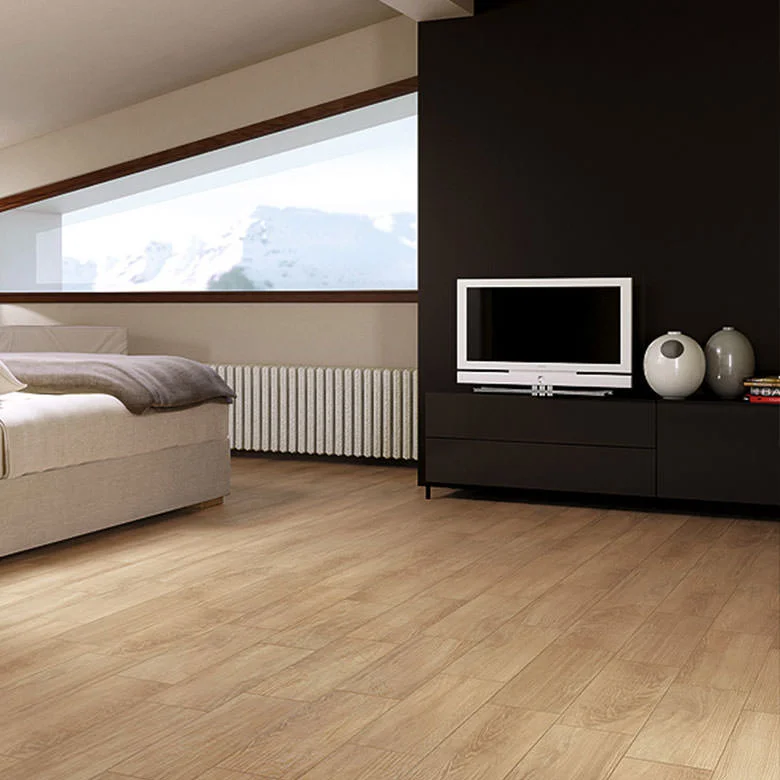
Zero-silica surfaces are available in looks that range from soft concrete and fine terrazzo through to clean whites, warm neutrals and dramatic marble-inspired patterns. This makes them an easy partner for matte kitchen tiles, timber-look cabinetry and large format porcelain tiles used through open-plan living spaces.
A consistent engineered finish can be particularly helpful on substantial islands and waterfall ends, where a balanced pattern is often preferred. If you love strong natural variation, inspect the full slab before finalising your selection. A small sample is helpful for colour direction, but it cannot show the complete movement, veining or scale of the finished benchtop.
The finish matters too. Polished surfaces reflect light and can make a compact kitchen feel brighter. Honed, leathered or matte-style finishes offer a quieter, more contemporary look and can be more forgiving of fingerprints in darker colours. The right choice depends on lighting, cabinetry colour and how much daily handling the surface will receive.
Stain and scratch resistance
The low-maintenance appeal is genuine, but it should not be mistaken for indestructibility. Everyday spills from coffee, oil, wine, tomato sauce and children’s craft projects should be wiped up promptly. A soft cloth, warm water and a pH-neutral cleaner are usually enough for routine care.
Like any premium benchtop, it is best to use a chopping board. Knives can mark a surface over time and, more importantly, benchtops can blunt knife edges. Avoid aggressive scourers, harsh oven cleaners and strong chemicals unless the product’s care guide specifically permits them.
Heat and impact: the practical trade-off
This is where buyers should be most realistic. Zero-silica engineered stone is designed for normal kitchen use, but heat resistance varies between products. Do not assume a hot saucepan or baking tray can be placed directly on every surface. A trivet is a simple habit that protects the finish and reduces the chance of thermal shock.
Edges, cut-outs and unsupported overhangs also need thoughtful design. The area around an undermount sink, cooktop or dishwasher is more vulnerable than the centre of a benchtop. An experienced fabricator will recommend suitable edge profiles, support requirements and minimum clearances. This detail work has a direct effect on long-term durability.
How does it compare with other benchtop materials?
There is no single best benchtop for every renovation. Zero-silica engineered stone is often chosen for its balance of polished appearance, easy care and safety-focused composition. It is a strong all-round option, particularly for households wanting an elegant surface without the sealing routine associated with some natural stones.
Natural stone brings unique veining and character, but some varieties require more careful sealing and stain management. Porcelain slabs can offer excellent heat and UV performance, making them attractive for indoor-outdoor continuity, though their fabrication and edge detailing require specialist capability. Laminate is practical and budget-conscious, but it does not offer the same depth, edge options or premium feel as a slab surface.
The right comparison is not simply material versus material. Consider the whole project: cabinetry quality, splashback tiles, lighting, sink configuration, cooking habits and the experience of the team measuring and installing the benchtop.
Questions to ask before ordering
A benchtop quote should give more than a square-metre price. It should make clear what is included, what is optional and what needs to happen before fabrication begins. For a smooth renovation, ask about the slab’s confirmed composition, finish and available dimensions; the lead time once cabinets are installed; and whether site measuring is completed before cutting.
You should also clarify the number of joins, the edge profile, sink and cooktop cut-outs, drainer grooves, waterfall panels and any additional support required for breakfast bars. These details can materially change both the finished appearance and the project cost.
For larger renovations, viewing benchtop samples alongside kitchen tiles and bathroom tiles is worthwhile. Daylight, warm downlights and cabinetry shadows can all alter how a white, grey or beige surface reads. A warm off-white benchtop may sit beautifully with timber joinery but look noticeably cream beside a cool white splashback.
Why local stock and service matter
A beautiful slab only becomes a reliable benchtop when the process around it is organised. Ready stock provides greater confidence that a chosen colour can move through measuring, fabrication and installation without unnecessary delays. It also gives designers and homeowners the chance to inspect finish and pattern before making a final selection.
At Verona Ceramic, Melbourne customers can pair zero silica benchtops with porcelain tiles from warehouse stock, making it easier to coordinate the kitchen from floor to splashback. Factory-direct supply, free measuring and 3D design support can also help clarify proportions before fabrication starts, particularly where an island, waterfall end or large-format tiled floor is part of the plan.
Before installation day, ensure cabinets are level, fixed in place and ready for the final measure. Keep the pathway to the kitchen clear and confirm who is responsible for disconnecting or reconnecting appliances. Benchtops are heavy, precision-made elements, and good site preparation protects both the product and the installation schedule.
Is a zero-silica benchtop right for your renovation?
For many Australian households, the answer is yes. A zero-silica engineered stone benchtop offers an appealing mix of enduring colour, simple maintenance and a safer material choice for modern kitchen projects. It works particularly well when the goal is a calm, cohesive finish that feels premium but remains practical on a Tuesday night.
Still, choose with your real routine in mind. Frequent high-heat cooking may point you towards a porcelain option, while a client seeking one-of-a-kind natural movement may prefer carefully selected natural stone. For everyone else, a quality zero-silica surface, professionally measured and installed, is a reassuring foundation for a kitchen built around beauty in daily living.