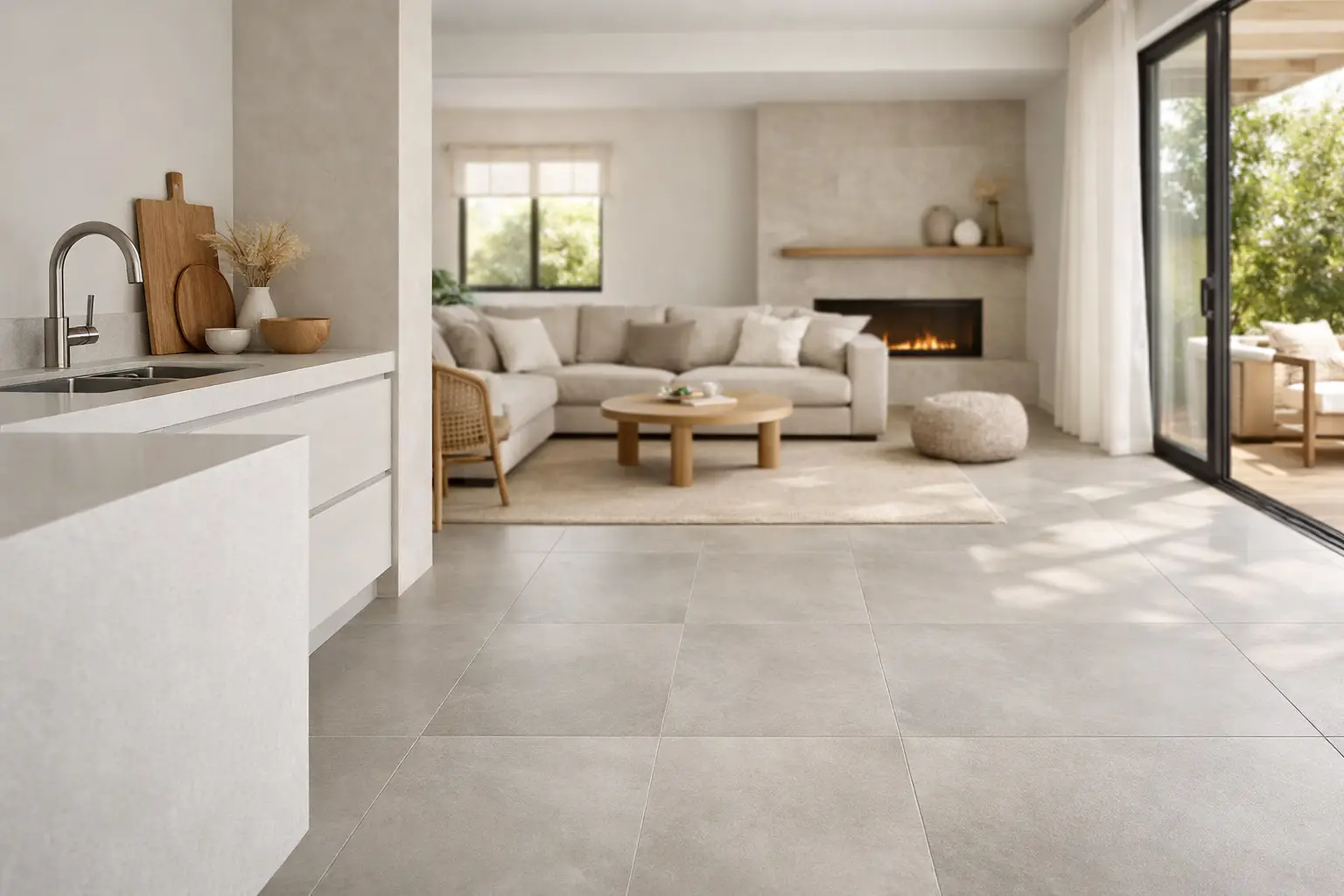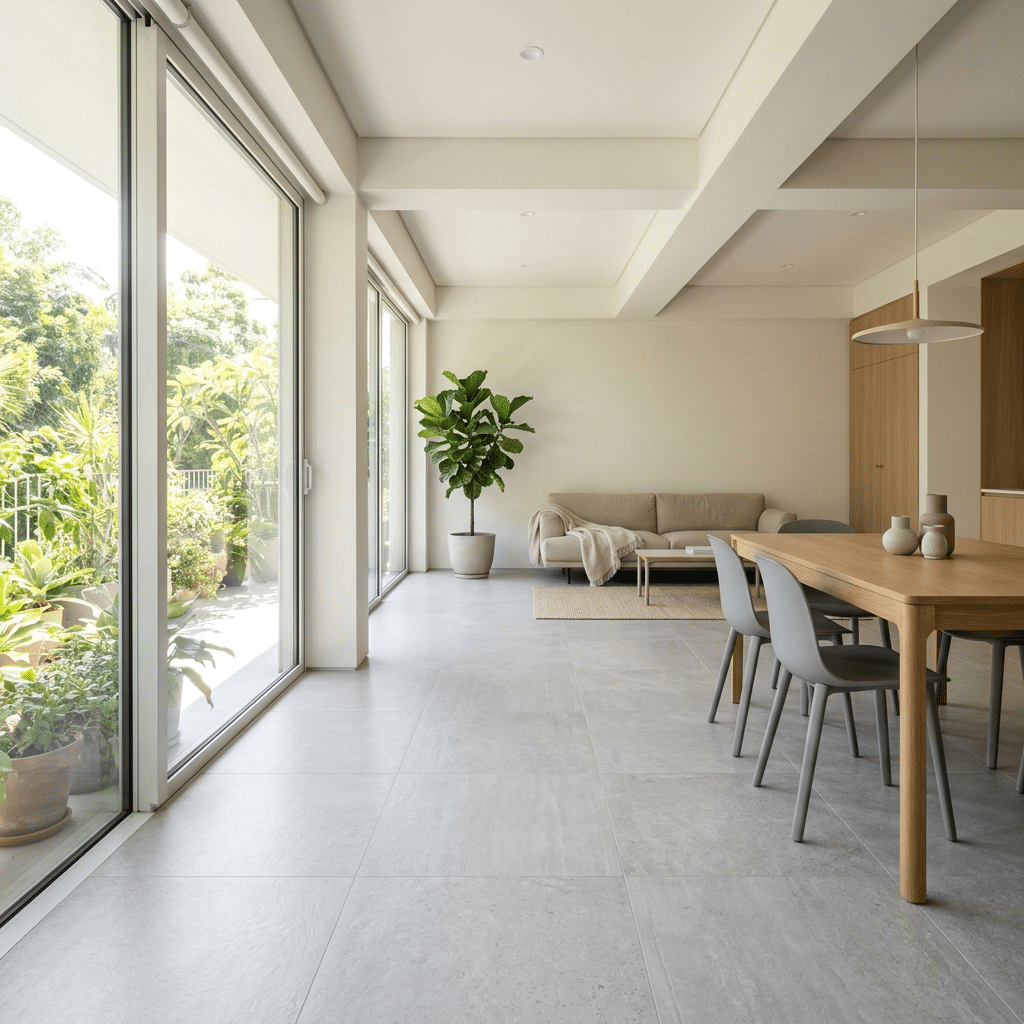
The best benchtops for busy families are not simply the ones that look impressive in a showroom. They are the surfaces that still look good after rushed breakfast prep, school projects, hot pans placed down in a hurry and the regular cleaning that comes with a well-used kitchen. For Melbourne households renovating for everyday life, the right benchtop balances durability, low maintenance, safety and a style that will feel at home for years to come.
A beautiful kitchen does not need to be precious. The most successful family kitchens are designed around real routines, with materials that cope calmly with spills, knocks and constant use.
How to choose the best benchtops for busy families
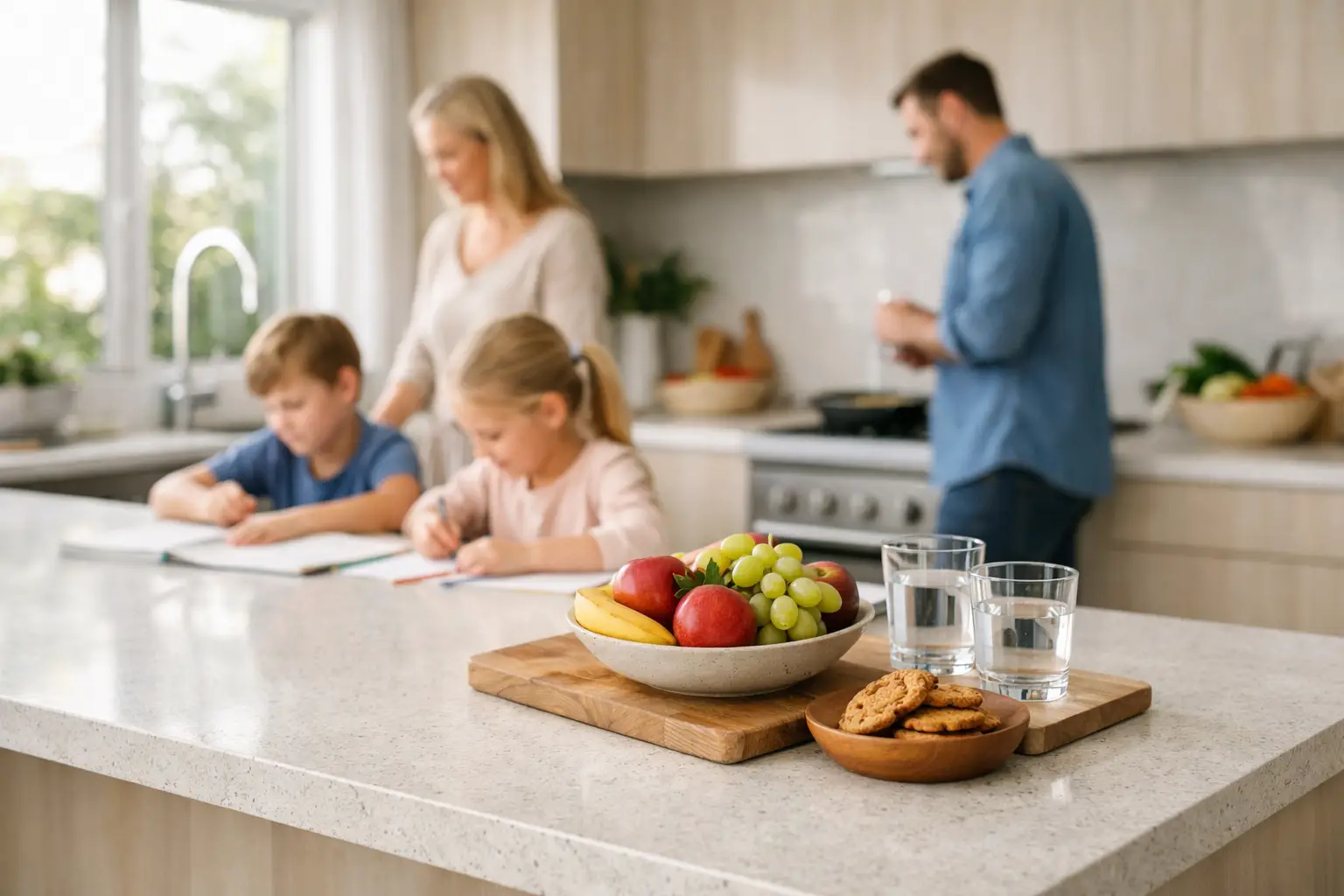
Start by thinking about how your kitchen is actually used. A family that cooks most nights needs different performance from a benchtop than a household where the kitchen is mainly used for quick meals and entertaining. Children who use the island for homework or craft projects may make stain resistance and easy cleaning a higher priority. Keen home cooks may place more value on heat resistance and a surface that handles heavy cookware with confidence.
There is no single perfect material for every home. The best choice depends on the balance between your budget, the kitchen layout, the level of care you are comfortable with and the finish you want to achieve. However, a few practical qualities matter for almost every busy family:
- a non-porous or low-porosity surface that resists everyday stains
- good scratch and impact resistance for regular food preparation
- a finish that is simple to wipe down without specialised products
- reliable heat performance, used with sensible care and trivets
- a colour and pattern that does not make every fingerprint or crumb obvious
For many renovators, zero-silica engineered stone and porcelain are two of the strongest options because they combine premium architectural appeal with practical daily performance.
Zero-silica engineered stone for family kitchens
Zero-silica engineered stone gives families the refined appearance of stone with a practical, low-maintenance surface. Made without crystalline silica, it is designed as a safer material choice for fabricators and installers while delivering the consistency, strength and visual versatility homeowners expect from a modern engineered surface.
Its non-porous nature is a major advantage in active kitchens. Common messes such as cooking oil, juice, sauces and food colouring are easier to manage when wiped away promptly. Unlike some natural stone surfaces, zero-silica engineered stone generally does not require regular sealing, which reduces one more maintenance task in a busy home.
It is also a strong choice for creating a considered, cohesive kitchen. Soft white marble looks, warm concrete tones, clean neutrals and bolder veining can be selected to suit cabinetry, splashbacks and floor tiles. This makes it easier to create a timeless scheme rather than choosing a surface that may feel dated after a few years.
That said, engineered stone should still be treated with reasonable care. Use a chopping board rather than cutting directly on the surface, and place hot cookware on a trivet rather than relying on the benchtop to absorb sudden high heat. These small habits protect the finish and help preserve its enduring quality.
Why finish matters in a family home
A polished benchtop can bring a crisp, light-reflecting look to a kitchen, especially where natural light is limited. It can also show smudges and water marks more readily than a softer matte or honed-style finish. For households with young children or a kitchen used throughout the day, a low-sheen finish is often more forgiving.
Pattern also plays a practical role. A completely plain, dark surface may highlight crumbs, fingerprints and dust, while a subtle veined or lightly textured design can make day-to-day marks less noticeable. This is not about hiding dirt. It is about choosing a surface that still looks composed between cleans.
Porcelain benchtops: excellent resistance and modern style
Porcelain benchtops are increasingly specified for kitchens that need high performance with a refined, contemporary look. Large-format porcelain slabs can recreate the appearance of natural stone, concrete, terrazzo or fine-grain finishes while offering impressive resistance to staining, scratching and heat.
Because porcelain is fired at very high temperatures, it is a hard, dense material that suits demanding kitchen use. It is particularly appealing for families who want a surface that can handle heat well, although trivets remain good practice for protecting cabinetry, joins and the overall installation. Its low water absorption also supports straightforward cleaning after daily meal preparation.
Porcelain can be an excellent option for a kitchen island where the benchtop is a central work zone, breakfast bar and gathering point. It can also create visual continuity when paired with matching porcelain splashbacks or floor tiles. Large-format designs reduce the number of visible grout lines in surrounding tiled areas, helping the room feel calmer and easier to maintain.
The trade-off is that porcelain fabrication and installation require experienced handling. The material is strong once installed but needs careful cutting, transport and edge detailing. Selecting a supplier that understands slab quality, lead times and installation requirements helps prevent avoidable surprises during a renovation.
What about natural stone and laminate?
Natural stone remains a beautiful choice for homeowners who appreciate variation, movement and character that cannot be fully replicated. Marble, limestone and some granites can create a distinctive high-end finish, but they may require more attentive care. Depending on the stone, sealing may be needed, and acidic foods or strongly coloured spills can mark the surface if left sitting.
For a family happy to maintain it, natural stone can be a rewarding material. It is usually better suited to homeowners who see patina as part of the surface’s charm rather than expecting a uniform appearance forever.
Laminate benchtops offer broad colour choice and can suit value-focused updates, particularly in lower-use spaces. Modern laminates have improved significantly, but they are generally less resistant to deep scratches, heavy impact and heat than premium porcelain or zero-silica engineered stone. A laminate top can work well in the right project, but for a long-term family kitchen, it is worth weighing the initial saving against expected wear.
Design details that make the kitchen easier to live with
Material selection is only part of the decision. The details around the benchtop can make a meaningful difference to how easily the kitchen functions each day.
A generous island overhang can provide a practical spot for breakfast, homework and casual conversation, provided the cabinetry and support are designed correctly. An undermount sink creates a clean line and allows crumbs to be wiped directly into the sink, reducing the build-up that can occur around a top-mounted rim. A drainer groove may be useful for some households, although a simple uninterrupted surface is often easier to clean.
Consider the edge profile too. A square, lightly eased edge suits many contemporary kitchens and is straightforward to maintain. More ornate profiles may suit traditional joinery, but can create additional corners where dust and spills collect. For family living, simple detailing usually delivers the best balance of beauty and practicality.
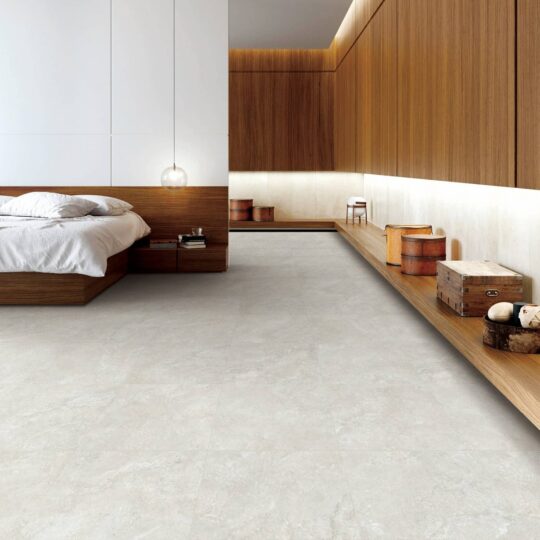
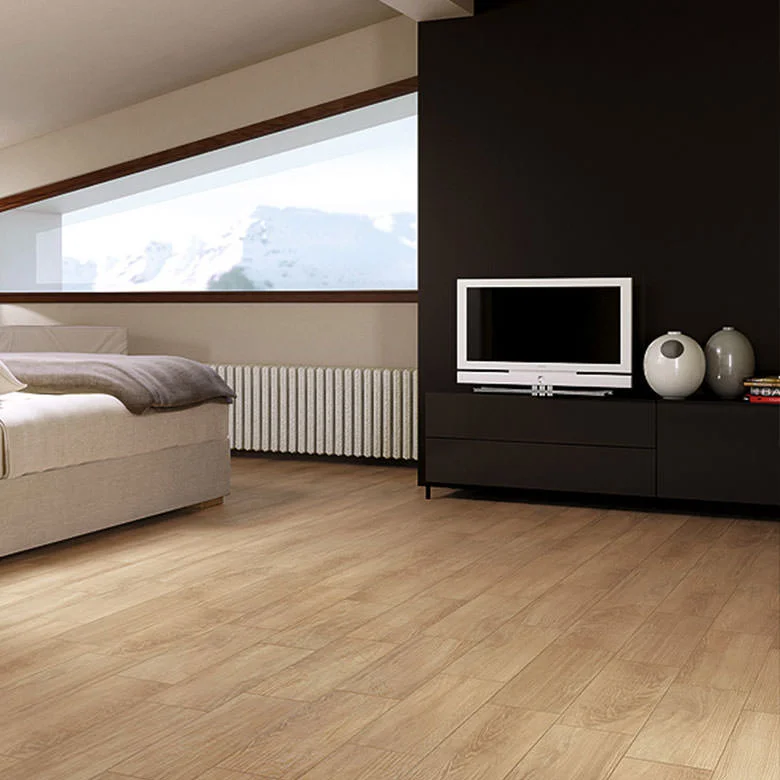
The colour of the benchtop should also relate to the floor. Pale timber-look or stone-look porcelain floor tiles can soften darker cabinetry, while a warm neutral benchtop can stop an all-white kitchen from feeling clinical. In areas that may become wet, choose floor tiles with an appropriate slip resistance and finish for the room’s intended use. Benchtops and tiles should work together as part of a complete, safe home finish.
Cleaning routines that protect your investment
The most effective cleaning routine is usually the simplest one. Wipe the benchtop with a soft cloth, warm water and a pH-neutral cleaner suited to the material. Drying the surface after cleaning can reduce streaks, particularly on darker or polished finishes.
Avoid harsh scourers, highly abrasive powders and strong chemical cleaners unless the benchtop manufacturer specifically approves them. Even durable materials benefit from the right products and gentle daily care. Always clean spills promptly, especially oils, wine, curry, citrus and strongly pigmented foods.
Before ordering, ask to see full-size samples rather than relying only on a small colour chip. Look at them in your home’s natural and artificial light, place them beside cabinet finishes, and consider how the texture feels under hand. A benchtop is one of the most touched surfaces in the home, so the decision should feel practical as well as visually right.
For families planning a kitchen renovation, choosing ready stock can also help keep the project moving. A local Melbourne warehouse supplier with clear stock availability, accurate measuring and 3D design support can make it easier to coordinate cabinetry, tiling and benchtop installation without unnecessary delays. Verona Ceramic offers zero-silica engineered stone and premium surface options selected for beautiful, safe and lasting homes.
The right benchtop should support the way your family lives now, while giving the kitchen enough durability and quiet confidence to grow with you.