By Verona Ceramic Editorial Team · Updated 2026-09-03
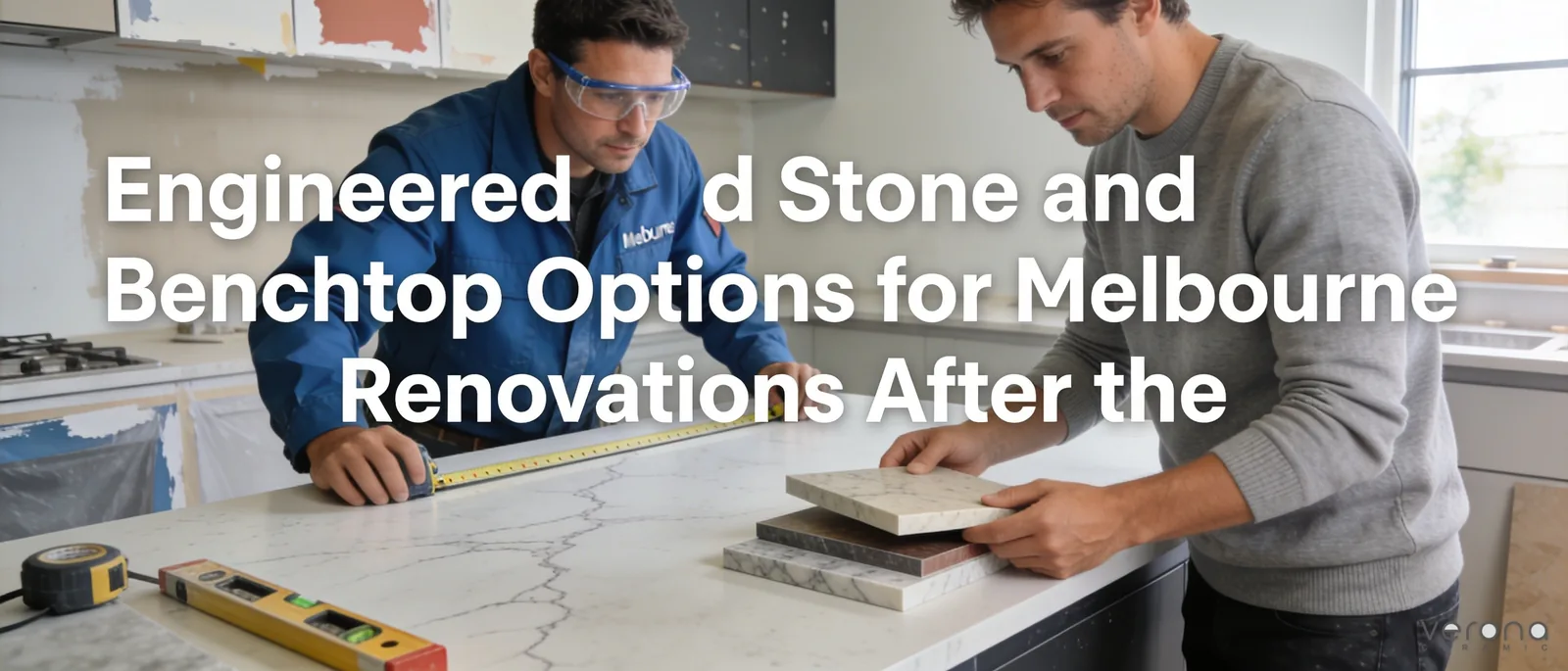
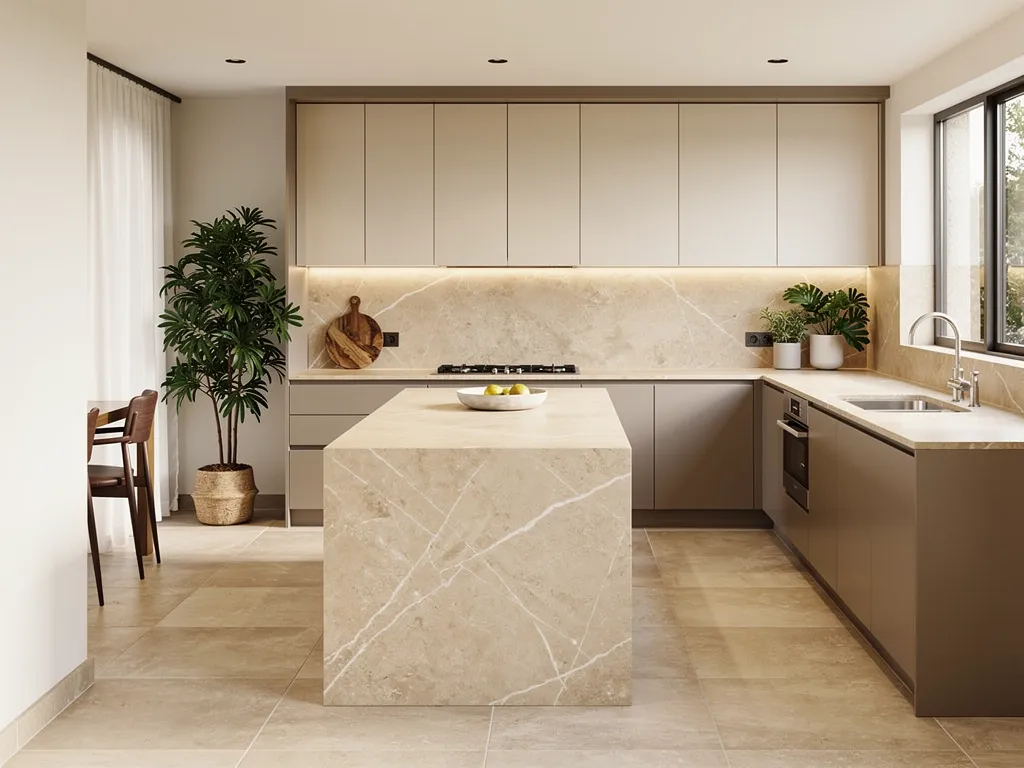
When it comes to verona25-post-ban-benchtops, zero-silica engineered stone alternatives fulfill Australia’s national ban on crystalline silica products exceeding 1 percent content, effective since July 1, 2024. Verona Ceramic supplies compliant surfaces, including Sahara Sand zero-silica engineered stone, giving Melbourne and nationwide homeowners, renovators, and builders durable, elegant, marble-look benchtop options that meet current work health and safety standards.
Key Takeaways
- Australia banned the manufacture, supply, and installation of engineered stone benchtops, slabs, and panels nationwide from 1 July 2024, with a full import ban following from 1 January 2025.
- The ban targets crystalline silica dust exposure linked to elevated silicosis rates among tradespeople, not the appearance or performance of engineered stone.
- Benchtops already installed do not need to be removed and remain safe as long as they stay undisturbed, uncut, or unaltered.
- Porcelain, timber, natural stone, and zero-silica engineered stone — such as Verona Ceramic’s Sahara Sand range — now lead the field of compliant benchtop alternatives.
- Zero-silica engineered stone delivers the same marble-look finish and durability homeowners expect, without the crystalline silica content that triggered the ban.
- Verona Ceramic, based in Springvale, VIC, supplies verified, compliant benchtop surfaces to renovation and building projects across Australia.
Why Did Australia Ban Engineered Stone Benchtops?
Silica dust exposure during fabrication drove the nationwide prohibition. Every state and territory outlawed the manufacture, supply, and installation of engineered stone benchtops, slabs, and panels from 1 July 2024. Homeowners and renovators now navigate a market defined by [post-ban benchtop options](https://veronaceramic.com.au/engineered-stone-guide-melbourne-benchtop-options-post-ban/) rather than the quartz-composite surfaces sold for decades.
Evidence from the Department of Employment and Workplace Relations linked cutting and grinding engineered stone to elevated silicosis rates among tradespeople. Doctors, trade unions, and affected workers campaigned for years before regulators acted. The health risk, not aesthetics or performance, triggered the change.
Is the Ban Just About Manufacturing, or Does It Cover Imports Too?
The restriction goes beyond domestic production. The Australian Government extended it to a complete import ban on engineered stone benchtops, slabs, and panels starting 1 January 2025, closing the loophole of sourcing pre-made stone overseas.
Do Existing Engineered Stone Benchtops Need to Be Removed?
No removal is required for benchtops already installed. Engineered stone remains safe in place as long as it stays undisturbed, uncut, or unaltered. Risk arises during fabrication and modification, not from everyday household use.
For anyone planning new ban alternatives to engineered stone, understanding these dates clarifies why compliant, safe benchtop options now dominate kitchen and bathroom projects across the country. Verona Ceramic ships compliant surfaces to renovation and building projects Australia-wide.
What Are the Best Post-Ban Benchtop Alternatives?
Porcelain, timber, and natural stone lead the field of post-ban benchtop options available to Australian homeowners today. Fabrication studios across the country now stock a wide range of surfaces suited to kitchens, bathrooms, and laundries. Selecting a material has become less about scarcity. More about matching the right finish to a project’s design and budget.
Three categories dominate the current market for ban-compliant benchtop alternatives:
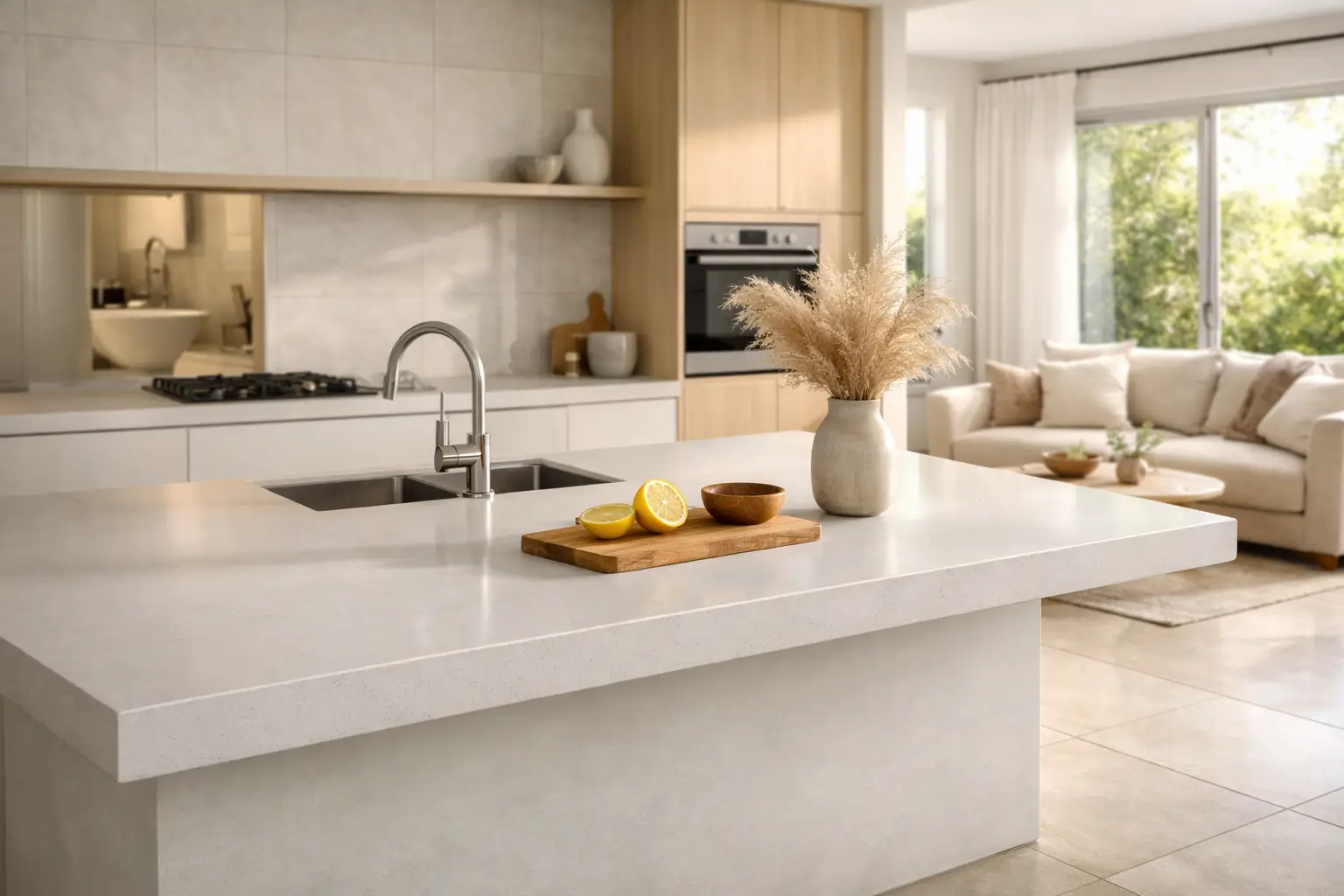
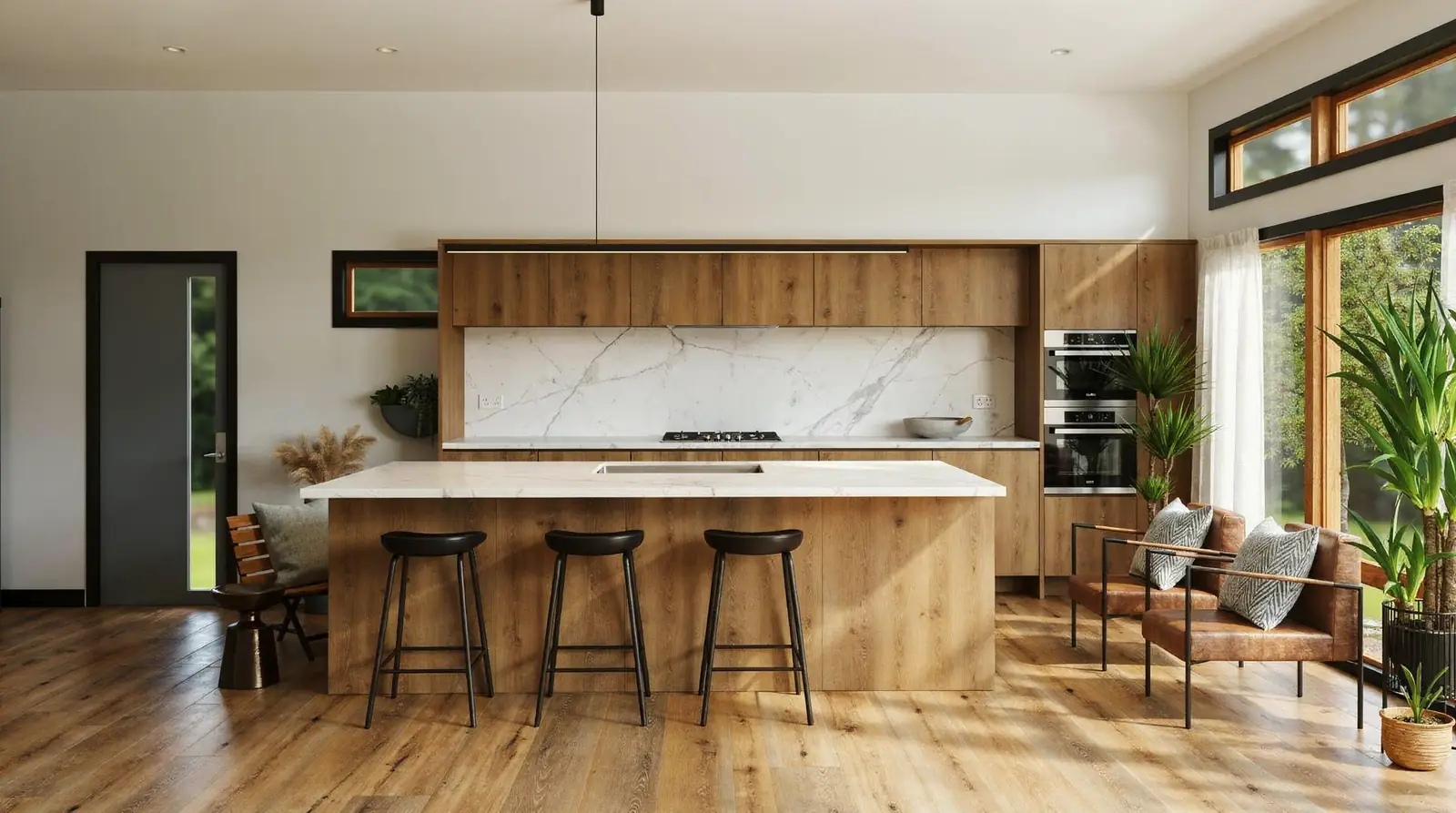
Verona Ceramic supplies zero-silica engineered stone, including the Sahara Sand range, to renovators throughout Australia. The grounding states that Sahara Sand is manufactured in a jumbo scale. Does not specify the exact 1600mm x 3200mm dimensions. That scale suits open-plan kitchens where a seamless island top matters.
What Timber Options Work as Engineered Stone Substitutes?
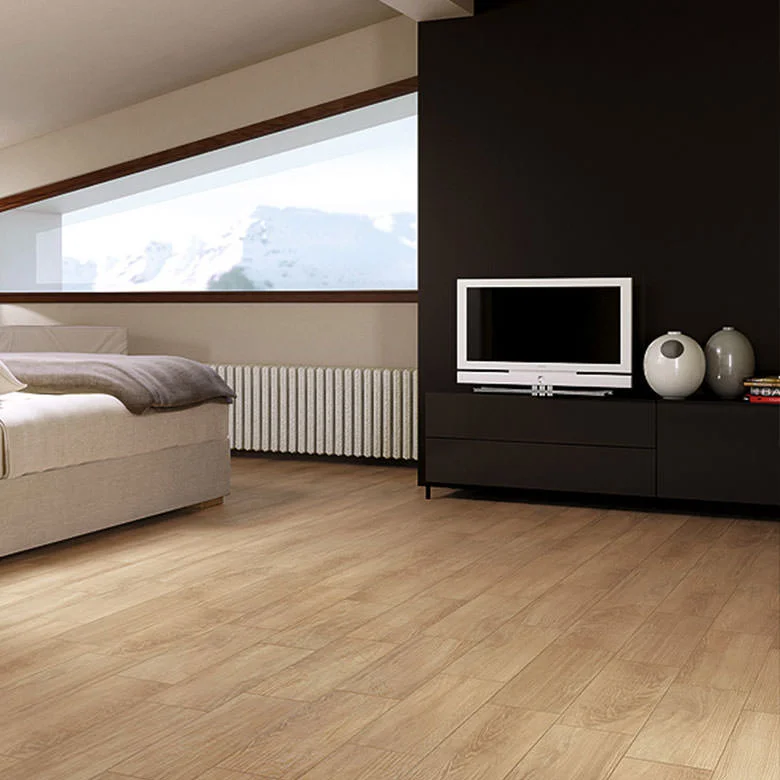
Engineered European oak flooring offers builders and designers a timber-based alternative worth considering alongside stone and porcelain. A genuine European oak wear layer sits atop a layered timber or plywood core, delivering real timber character with added structural stability. This construction suits benchtop transitions and flooring in modern Australian homes.
Which Surface Delivers the Safest Long-Term Choice?
Zero-silica engineered stone ranks among the safe benchtop materials now favored for kitchen and bathroom projects nationwide. Porcelain and timber round out the shortlist, giving homeowners several dependable, compliant paths forward without sacrificing style.
How Do You Choose Safe, Compliant Benchtop Options?
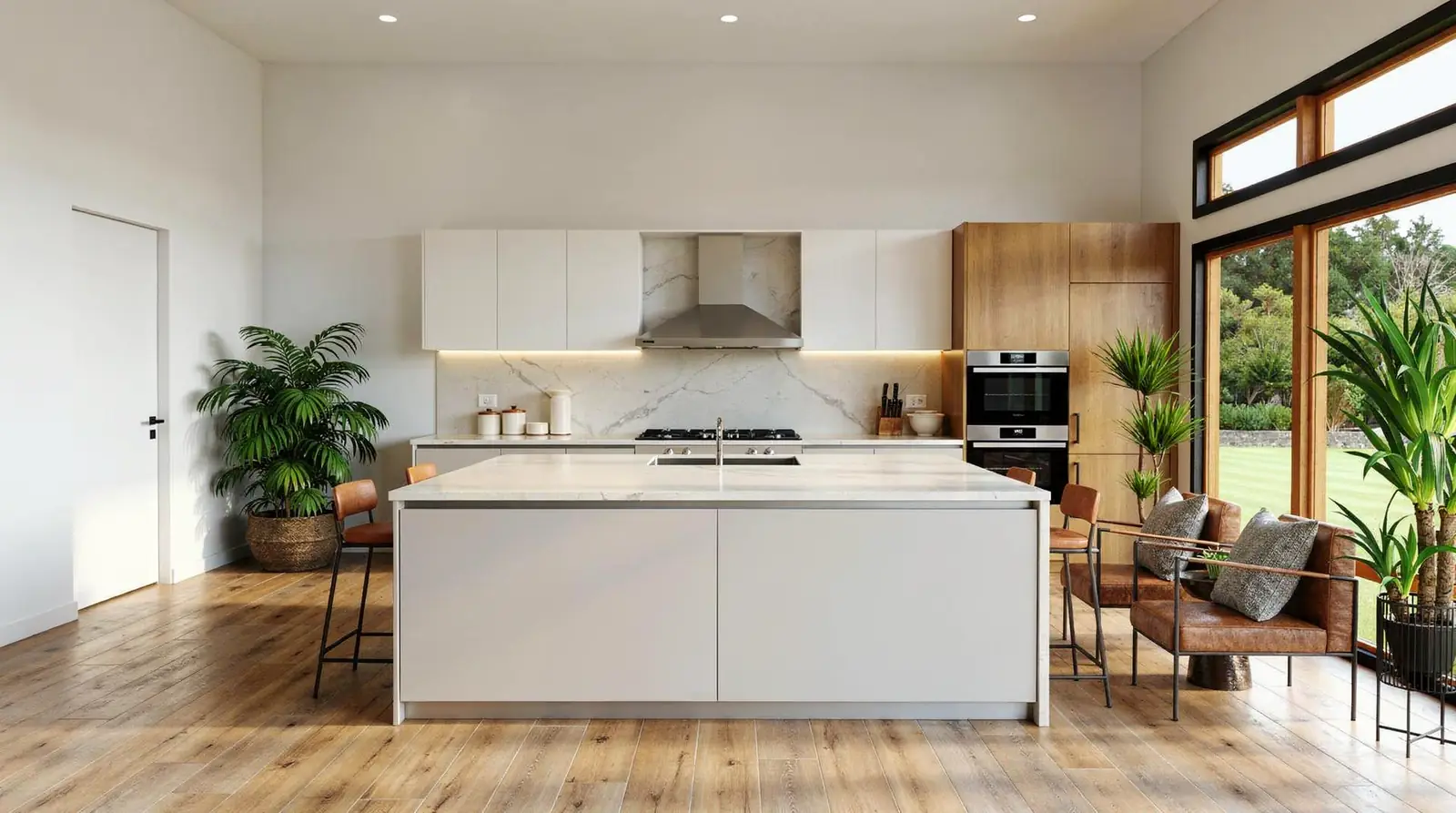
Compliance starts with matching a benchtop to Australia’s current work health and safety framework, not to outdated product catalogs. Anyone specifying a benchtop today selects from a range of verona25-safe-benchtop-options that meet the The Complete Engineered Stone Guide for Melbourne Homes, rather than reaching for traditional engineered stone. Projects planned going forward cannot list traditional engineered stone at all under existing regulation. Every state and territory has amended its own work health and safety laws to enforce this shift, so requirements apply uniformly from Perth to Hobart.
What Makes a Benchtop Material “Compliant” in Australia?
Compliant materials fall outside the restricted crystalline silica category and satisfy the safety framework each jurisdiction has legislated. Homeowners and builders evaluating verona25-post-ban-benchtops should confirm that suppliers can demonstrate this compliance directly, rather than assuming legacy stock remains permitted.
Where Can Renovators Source Verified Alternatives?
Renovators need suppliers with national reach and documented product credentials. Verona Ceramic supplies verona25-ban-alternatives, based in Springvale, VIC, with delivery across Australia, giving builders and designers a single, verified source for benchtop projects nationwide.
FAQ
Why did Australia ban engineered stone benchtops?
Every state and territory outlawed manufacture, supply, and installation of engineered stone benchtops, slabs, and panels from 1 July 2024 due to elevated silicosis rates among tradespeople.
Does the ban cover imported engineered stone too?
Yes, the restriction extends beyond domestic production. The Australian Government imposed a complete import ban on engineered stone benchtops, slabs, and panels starting 1 January 2025, closing the overseas sourcing loophole.
What are the best post-ban benchtop alternatives?
Porcelain, timber, and natural stone lead the field, including zero-silica engineered stone like Verona Ceramic’s Sahara Sand range. These options give homeowners compliant, durable, marble-look surfaces without crystalline silica risk.
Conclusion
Australia’s 1 July 2024 ban on engineered stone benchtops, extended to a full import ban from 1 January 2025, has made post-ban benchtop alternatives — porcelain slabs, engineered timber, natural stone, and zero-silica engineered stone — the standard choice for compliant kitchen and bathroom renovations. Zero-silica engineered stone, such as Verona Ceramic’s Sahara Sand range, delivers the marble-look finish and durability homeowners expect without the crystalline silica content that drove the ban, while existing installations can remain safely in place as long as they stay undisturbed. Renovators and builders across Melbourne and nationwide now rely on verified, compliant suppliers to source these safe benchtop materials for current projects. For a compliant surface backed by documented credentials, Verona Ceramic’s Springvale, VIC-based team supplies zero-silica engineered stone and related materials Australia-wide.
FAQ
What exactly is zero-silica engineered stone, and how does it compare to traditional engineered stone?
Zero-silica engineered stone is a manufactured surface material, such as Verona Ceramic’s Sahara Sand range, produced without the crystalline silica content that triggered Australia’s nationwide ban. Traditional engineered stone benchtops typically contained high concentrations of crystalline silica, and cutting or grinding that material released dust linked to elevated silicosis rates among tradespeople. Zero-silica alternatives deliver the same marble-look finish, colour depth, and durability homeowners expect from engineered stone, but without the health risk during fabrication. This makes zero-silica engineered stone a direct, compliant replacement rather than a compromise on style or performance for kitchen and bathroom benchtops.
Are porcelain slabs a suitable alternative for Australian kitchen benchtops?
Porcelain slabs rank among the leading post-ban benchtop alternatives available to Australian homeowners and renovators. The material forms a dense, low-porosity surface that resists staining, scratching, and heat, making it especially well suited to high-traffic kitchen islands and busy household kitchens. Because porcelain contains no restricted crystalline silica content, it falls outside the scope of the national ban and can be fabricated, supplied, and installed without the health risks that ended traditional engineered stone production. Alongside timber and natural stone, porcelain gives renovators a durable, compliant option for benchtops, splashbacks, and other surface applications.
Is natural stone still a legal, compliant option for benchtops in Melbourne and across Australia?
Yes, natural stone remains a legal, compliant benchtop material under Australia’s current work health and safety framework, since the national ban targets manufactured engineered stone products containing crystalline silica above 1 percent, not quarried natural stone. Alongside porcelain and timber, natural stone leads the field of post-ban benchtop options now available to homeowners, renovators, and builders in Melbourne and nationwide. Selecting natural stone has become less about scarcity and more about matching its finish, veining, and character to a project’s design and budget, giving renovation projects across Australia another dependable, ban-compliant surface choice.
How does switching to silica-free benchtops improve safety for tradespeople during fabrication and installation?
Silica-free benchtops remove the specific hazard that drove Australia’s ban: dust generated when cutting, grinding, or polishing engineered stone containing crystalline silica. Evidence from the Department of Employment and Workplace Relations linked that dust exposure to elevated silicosis rates among tradespeople, prompting doctors, trade unions, and affected workers to campaign for regulatory change. Because materials like zero-silica engineered stone, porcelain, and timber do not carry the same crystalline silica content, fabricators can cut, shape, and install them without the airborne health risk that made traditional engineered stone fabrication dangerous, protecting workers across every state and territory.
What size slabs are available for zero-silica engineered stone benchtops like Sahara Sand?
Verona Ceramic’s Sahara Sand zero-silica engineered stone is manufactured at a jumbo scale, giving renovators and builders large-format slabs suited to bigger installations. This scale benefits open-plan kitchens in particular, where a seamless island benchtop without visible joins matters for both appearance and function. Jumbo-format slabs also reduce the number of cuts and joins needed across a benchtop run, supporting a cleaner, more continuous marble-look finish. For homeowners and designers planning kitchen or bathroom projects, this large-scale format is one of the practical advantages zero-silica engineered stone offers alongside its compliance with current safety regulations.
Why should renovators avoid specifying traditional engineered stone during a kitchen renovation now?
Traditional engineered stone benchtops, slabs, and panels cannot legally be manufactured, supplied, or installed anywhere in Australia as of 1 July 2024, and importing them has been banned nationally since 1 January 2025. Every state and territory has amended its own work health and safety laws to enforce this shift, so the restriction applies uniformly from Perth to Hobart. Specifying traditional engineered stone in a current kitchen renovation would mean sourcing a product that no supplier can legally provide or fabricate, leaving renovators exposed to compliance failures. Compliant alternatives like porcelain, timber, and zero-silica engineered stone avoid that risk entirely.
Does choosing a silica-free benchtop mean sacrificing the marble-look aesthetic homeowners want?
No, homeowners do not need to sacrifice a marble-look aesthetic when choosing a compliant, silica-free benchtop. Zero-silica engineered stone, including Verona Ceramic’s Sahara Sand range, is specifically designed to deliver the elegant, marble-look finish traditional engineered stone once provided, without the crystalline silica content that triggered the national ban. Combined with porcelain and timber options, today’s post-ban market gives renovators and designers several durable, compliant paths that preserve style and visual warmth. Matching the right finish to a project’s design and budget, rather than settling for reduced choice, defines the current benchtop landscape in Australia.