A kitchen benchtop gets tested every day. Hot pans are set down in a rush, school bags get dropped on corners, spills sit longer than planned, and cleaning needs to be quick. That is why an engineered stone benchtop is rarely just a design choice. For most homeowners and renovators, it is a decision about durability, maintenance, safety and how the kitchen will perform over years of real family use.
Why the engineered stone benchtop still matters
The appeal of engineered stone has always been clear. It offers a refined, consistent surface with a broad range of colours and patterns, and it suits everything from compact apartment kitchens to large custom builds. Designers appreciate the clean finish and reliable slab appearance, while families tend to value the easy-care surface and resistance to everyday wear.
But the conversation has changed. Buyers are no longer looking only at colour and price. They are asking better questions about what the material is made from, whether it complies with Australian standards, how it will be fabricated, and whether there is a safer option for installers and households alike. That is a good shift. A benchtop should look beautiful, but it should also support a healthy, long-lasting home.
Engineered stone benchtop options have evolved
Traditionally, engineered stone was made with crushed stone and resin binders to create a dense, non-porous slab. That basic formula delivered good stain resistance and a polished finish, which is why it became so popular in Australian kitchens and bathrooms.
Today, many buyers are specifically seeking zero-silica surfaces. This is one of the biggest developments in the category and one of the most meaningful. A zero-silica engineered surface is designed to deliver the same clean, premium look while reducing the health risks associated with respirable crystalline silica dust during cutting and fabrication.
For homeowners, this matters even if you are not doing the installation yourself. Choosing a safer material supports better outcomes across the whole renovation process, from manufacturing and fabrication to final installation. It also gives builders, cabinet makers and stonemasons greater confidence when specifying products for residential projects.
What makes a good engineered stone benchtop?
A quality benchtop should feel dependable before it even feels impressive. Surface consistency, colour depth, edge finish and slab stability all matter. If the product is well made, the finish looks even across the slab, joins are planned carefully, and the final installation feels solid and precise.
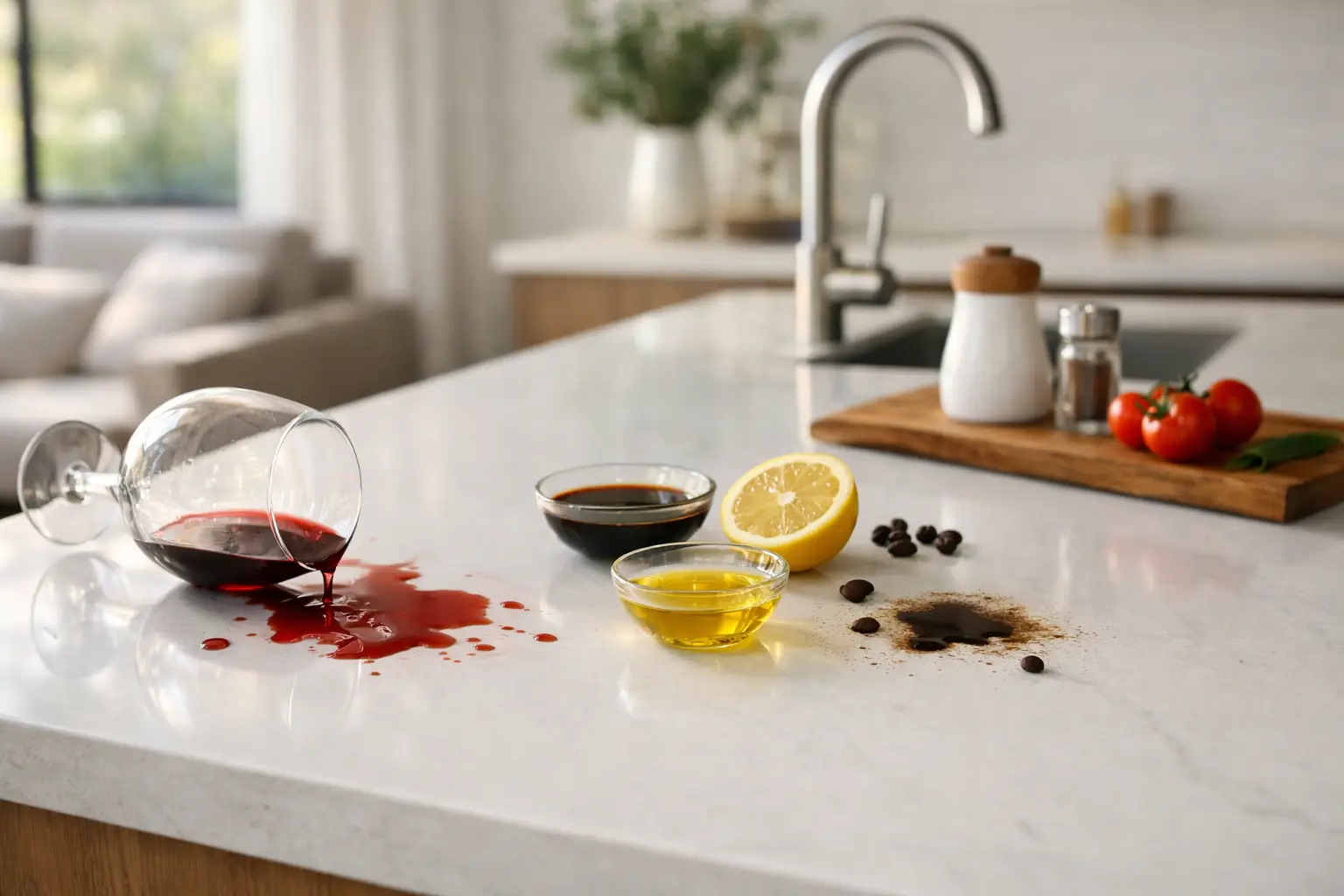
Durability is another key part of the decision. A good engineered stone benchtop should resist everyday staining from coffee, oil and sauces when cleaned appropriately. It should also handle regular use without demanding constant maintenance. That low-fuss performance is a major reason families continue to choose engineered surfaces for busy kitchens.
That said, durability is not the same as being indestructible. Like most premium architectural surfaces, engineered stone performs best when treated with sensible care. Trivets are still wise for very hot cookware, and chopping boards still matter. Small habits protect the finish and help the benchtop look its best for longer.
Choosing the right finish for your home
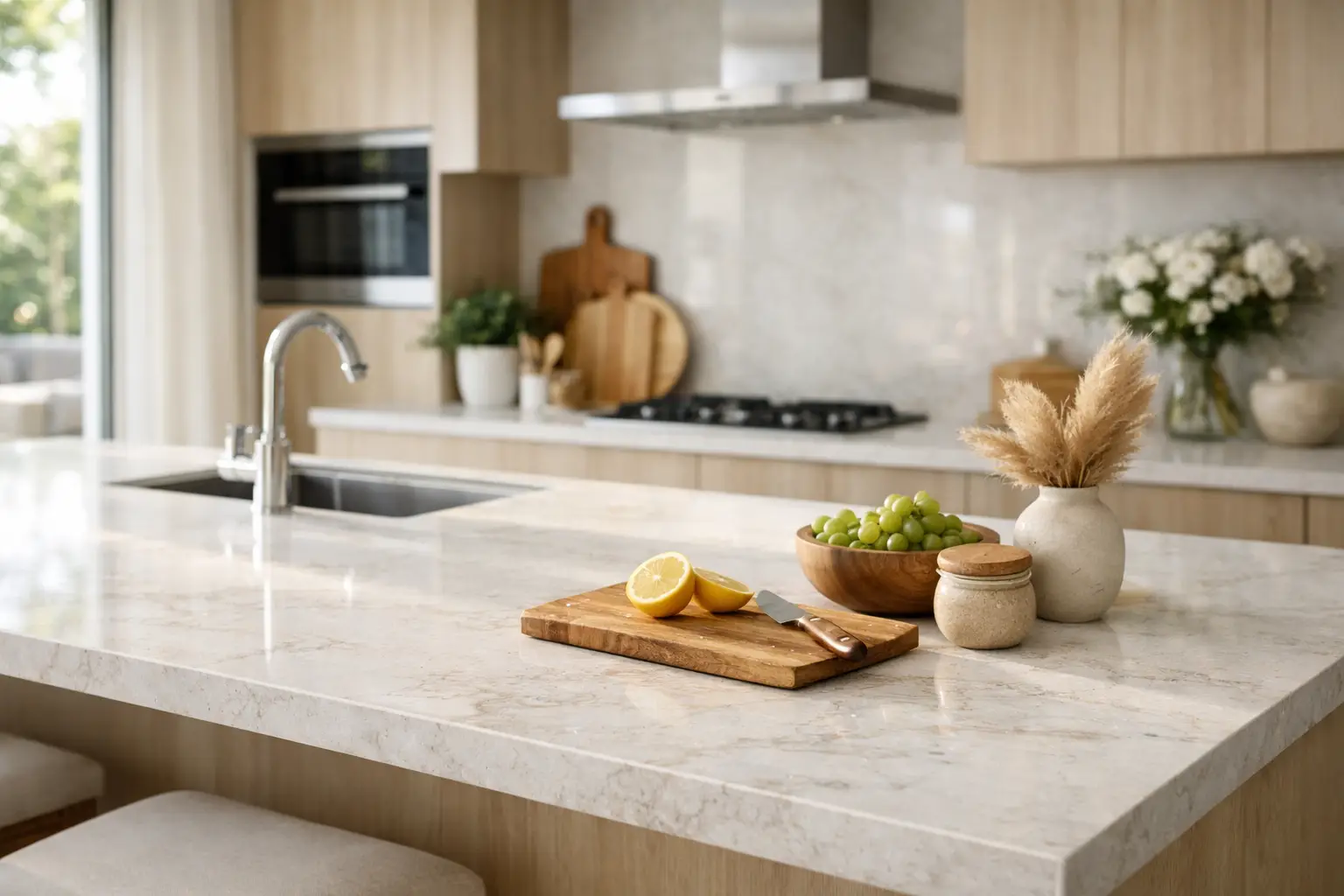
Finish has a bigger impact than many people expect. A polished engineered stone benchtop tends to reflect more light, which can make a kitchen feel brighter and slightly more formal. It often suits classic joinery, lighter colour schemes and spaces where you want a crisp, clean look.
A matte or honed finish creates a softer, more contemporary feel. It pairs beautifully with timber cabinetry, large format tiles and muted palettes. In many Melbourne renovation projects, matte finishes are especially popular because they sit comfortably within modern, lived-in interiors rather than feeling overly glossy.
The right choice depends on the room, the cabinetry and how the household uses the space. Families with young children sometimes prefer finishes that visually soften fingerprints and smudges. Designers may prioritise how the slab interacts with splashbacks, flooring and natural light. Neither approach is wrong. The best result comes from looking at the whole room rather than the benchtop in isolation.
Colour, pattern and scale
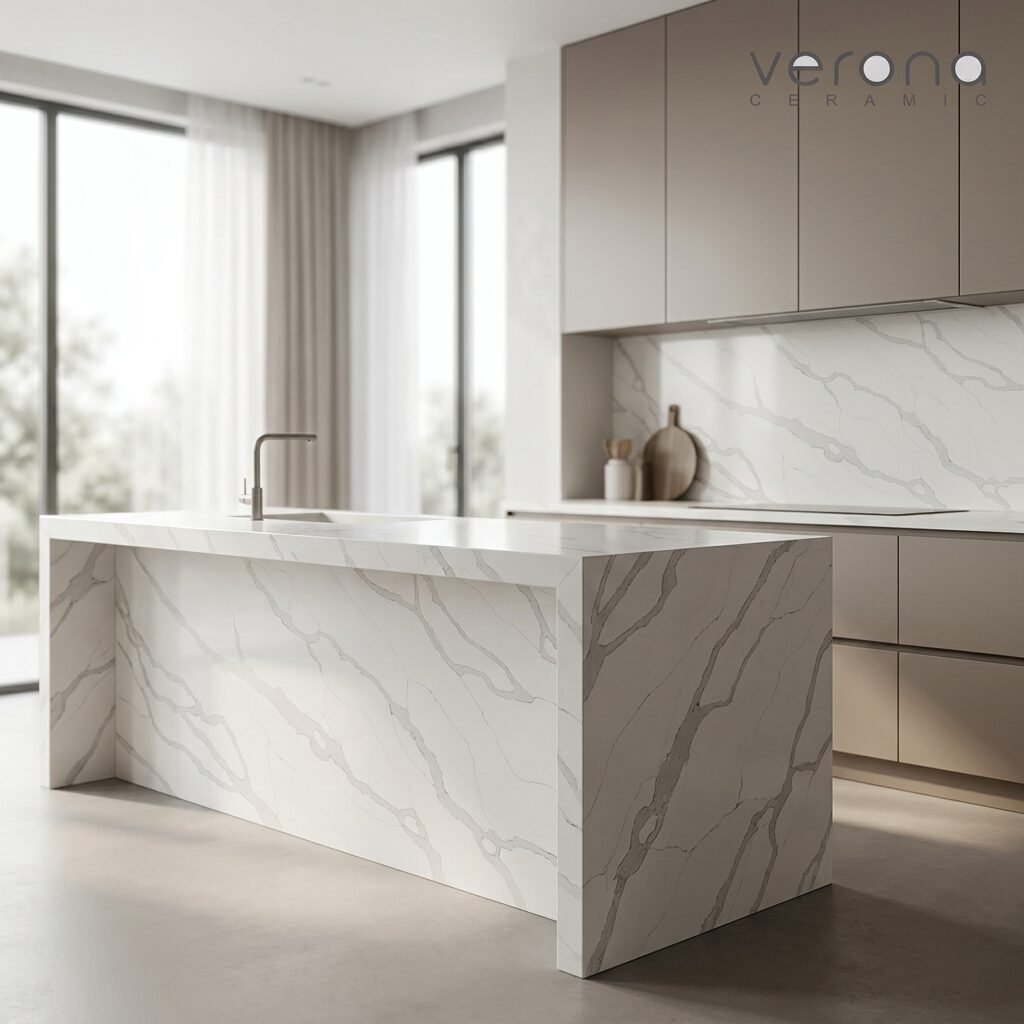
One of the practical strengths of engineered stone is design consistency. If you want a calm, minimal kitchen, subtle veining and soft neutrals can create a timeless result. If you prefer more contrast, deeper tones or stronger marble-look movement can give the space extra character.
Scale matters here. A dramatic pattern that looks stunning on a sample can feel overwhelming in a smaller kitchen, while a very plain slab may seem flat in a large open-plan area. This is where careful planning helps. Seeing the full slab, reviewing cabinetry colours and considering the overall renovation palette all lead to better decisions.
For trade professionals, this is also where good supplier support makes a real difference. Free measuring and 3D design services can help clients visualise edge profiles, slab layout and the relationship between the benchtop, splashback and surrounding finishes before fabrication begins. That reduces surprises and improves confidence at approval stage.
Safety, compliance and peace of mind
When comparing products, compliance should never be treated as an afterthought. A benchtop is a major fitted surface, and buyers should expect clear product information, responsible fabrication practices and alignment with current Australian requirements.
For that reason, zero-silica options are gaining strong attention from informed homeowners, builders and specifiers. They support a safer approach without asking clients to compromise on style. In practical terms, that means you can still achieve a premium kitchen finish while making a more considered material choice.
Eco-conscious buyers also tend to appreciate surfaces that are designed with safety and longevity in mind. A benchtop that lasts well, cleans easily and does not need frequent replacement is already a more responsible choice than a finish that quickly dates or wears poorly.
Supply matters more than most people realise
A beautiful slab means very little if lead times derail the renovation. Delays can affect cabinetry installation, appliance fitting, splashbacks and final handover. That is why ready stock is not just an operational detail. It is a practical advantage.
For both homeowners and trade customers, local warehouse stock can mean faster turnaround, more reliable planning and fewer headaches across the build schedule. Factory-direct supply also tends to make pricing clearer and more consistent, which helps serious buyers assess value properly.
In Melbourne, where renovation timelines often depend on multiple trades lining up at the right time, dependable stock availability can be just as important as the surface itself. It keeps momentum in the project and helps everyone work to a realistic program.
When an engineered stone benchtop is the right fit
This material suits households that want a refined, low-maintenance benchtop with strong day-to-day practicality. It works particularly well in family kitchens, investment properties with a premium finish, and custom homes where the brief calls for a clean, architectural look.
It is also a smart option for clients who want visual consistency. Natural stone has its own beauty, but it also comes with variation that not every buyer wants. Engineered surfaces provide more predictability, which can be a real benefit when matching a design concept or approving slab selections across a larger project.
The main trade-off is that material choice now needs more scrutiny than it once did. Buyers should not assume all engineered surfaces are equal. Composition, safety credentials, fabrication support and supplier reliability all deserve proper attention.
Making a confident decision
The best benchtop decisions are rarely rushed. It helps to compare finishes in person, talk through how the kitchen will actually be used, and ask direct questions about material composition, stock availability and installation process. If the supplier can also support measuring, layout planning and clear lead times, the entire experience becomes easier.
For homeowners, that means less guesswork and a smoother renovation. For builders, designers and cabinet makers, it means fewer delays and stronger outcomes for clients. Suppliers such as Verona Ceramic, with ready stock, factory-direct access and zero-silica benchtop options, can simplify that process by combining design support with practical delivery confidence.
A well-chosen engineered stone benchtop should do more than finish a kitchen neatly. It should make daily life easier, look right in the space for years to come, and give you confidence that the material behind the finish was chosen with care.