By Verona Ceramic Editorial Team · Updated 2026-09-03
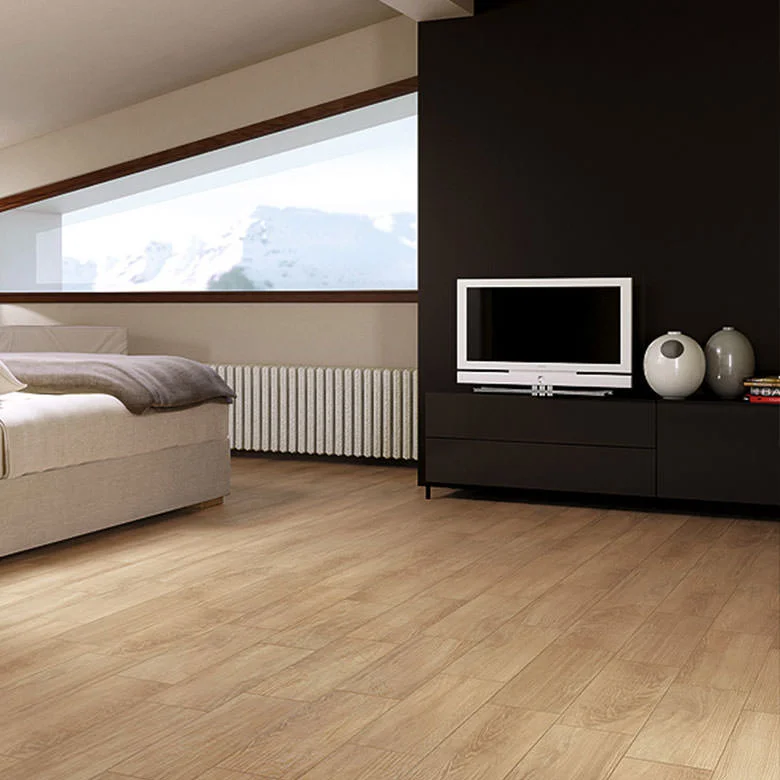
When it comes to verona10-sustainable-timber, sustainable timber flooring in Australia relies on engineered European oak, which pairs genuine timber character with stable construction for modern homes. This approach reduces hardwood consumption while locking away carbon and cutting production energy. Verona Ceramic is located in Springvale, VIC, AU, combining durability with responsible sourcing for lasting, low-impact flooring performance.
Key Takeaways
- Engineered European oak reduces hardwood consumption while locking away carbon and requiring less production energy than many conventional flooring materials.
- Engineered construction layers thin hardwood sheets into a stable board, cutting material waste per square meter compared to solid-cut timber.
- FSC and PEFC certification verifies chain-of-custody from forest to finished board, confirming forests are replanted and ecosystems protected.
- Engineered timber flooring resists warping across Australia’s varied humidity zones, extending usable life and reducing long-term material waste.
- Fast-growing plantation species offer a lower-impact alternative to slower-growing European oak without sacrificing durability.
- Verona Ceramic’s Springvale, VIC showroom offers certified, traceable engineered oak options for renovators seeking accountable sustainability credentials.
What Makes Timber Flooring Truly Sustainable?
Carbon storage separates genuinely sustainable timber from ordinary flooring materials. Sustainable timber locks carbon away rather than releasing it, and production consumes far less energy than many conventional alternatives. That distinction matters for Australian homeowners weighing environmental impact against long-term durability.
Floor coverage amplifies this impact. Flooring spans more surface area in a typical home than almost any other material category. The choice made underfoot carries outsized environmental weight across a renovation or new build. Selecting eco-conscious timber turns one decision into a meaningful step toward a healthier household footprint.
Does sustainable timber actually reduce environmental harm?
Genuinely sustainable wood, by definition, gets used and reused without damaging the environment. Reclaimed boards, replanted plantation stock, and responsibly managed forestry all fit this standard, giving renovators and designers eco-timber alternatives worth specifying instead of defaulting to virgin-cut hardwood.
Why does engineered construction matter for waste reduction?
Traditional solid flooring wastes wood because it uses only small sections of each log. Engineered timber flooring avoids that waste by layering multiple thin hardwood sheets into a stable, efficient board. For Australian projects, this construction method offers:
- Lower material waste per square meter installed
- Consistent dimensional stability across humid and dry climates
- A structurally sound base suited to underfloor heating and concrete slabs
Choosing engineered construction over solid-cut boards stretches every harvested log further, directly cutting the resource demand behind each finished floor.
Why Does FSC Certification Matter for Oak Floors?
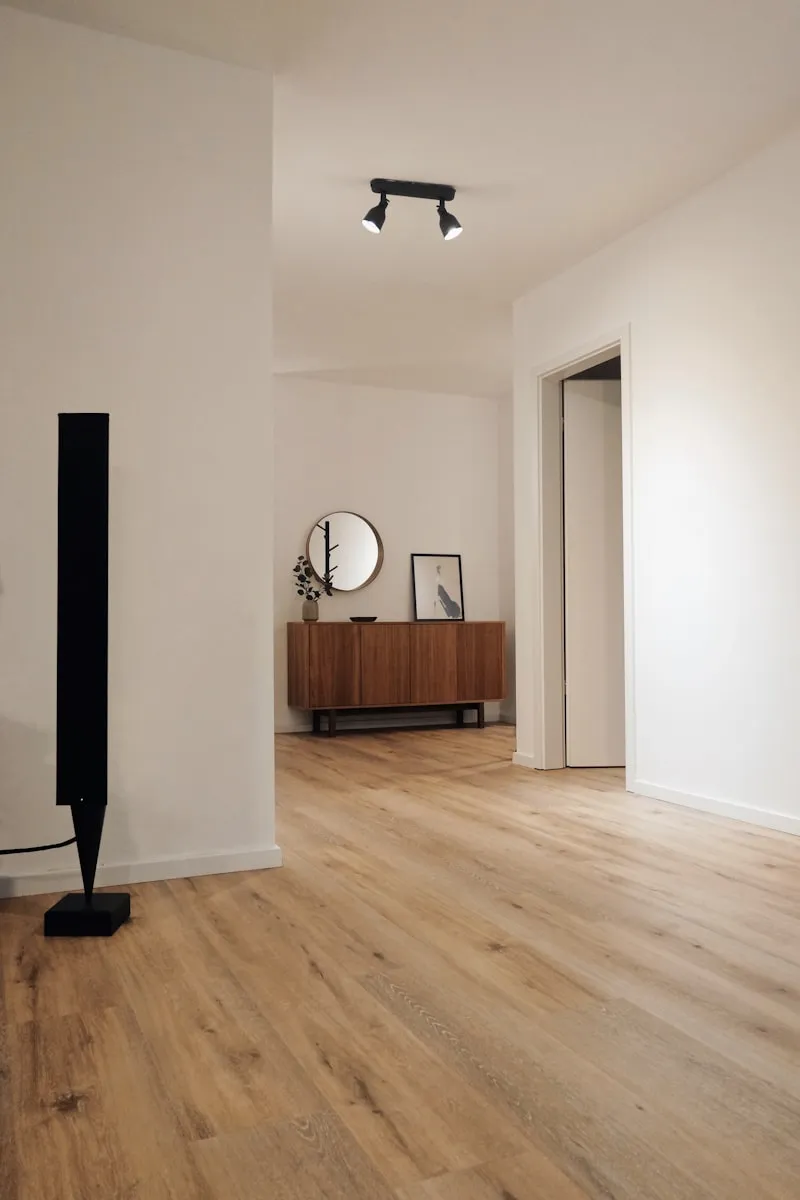
Certification separates genuine environmental stewardship from marketing language on Australian oak flooring. Without independent verification, claims of sustainable timber sourcing carry no accountability. Programs like FSC® and PEFC™ address the bigger picture: forests get replanted, and ecosystems stay protected rather than depleted for a single harvest.
A logo alone does not guarantee compliance. Products may originate from an FSC or PEFC-managed forest. The logo only appears once the chain of custody has been approved by the relevant certifying body at every stage, from forest to finished board reaching Australian homes.
What Should Buyers Look for When Choosing Oak Flooring?
Homeowners and designers evaluating FSC-certified oak should confirm the supplier sources European oak from organizations established specifically to promote sound forest management practices. This traceability matters more than surface-level eco-claims printed on packaging.
- Verified chain-of-custody documentation, not just a logo
- Oak sourced through organizations dedicated to responsible forest management
- Transparent sourcing available on request for renovation and building projects across Australia
Are There Alternatives Worth Considering?
Exploring eco-friendly timber alternatives makes sense for renovators weighing long-term environmental impact. Responsibly sourced wood remains the only renewable building material available. It grows naturally and actively removes CO2 from the atmosphere, giving certified oak floors an advantage that synthetic or non-renewable surfaces cannot match.
Which Eco-Friendly Timber Options Suit Your Home?
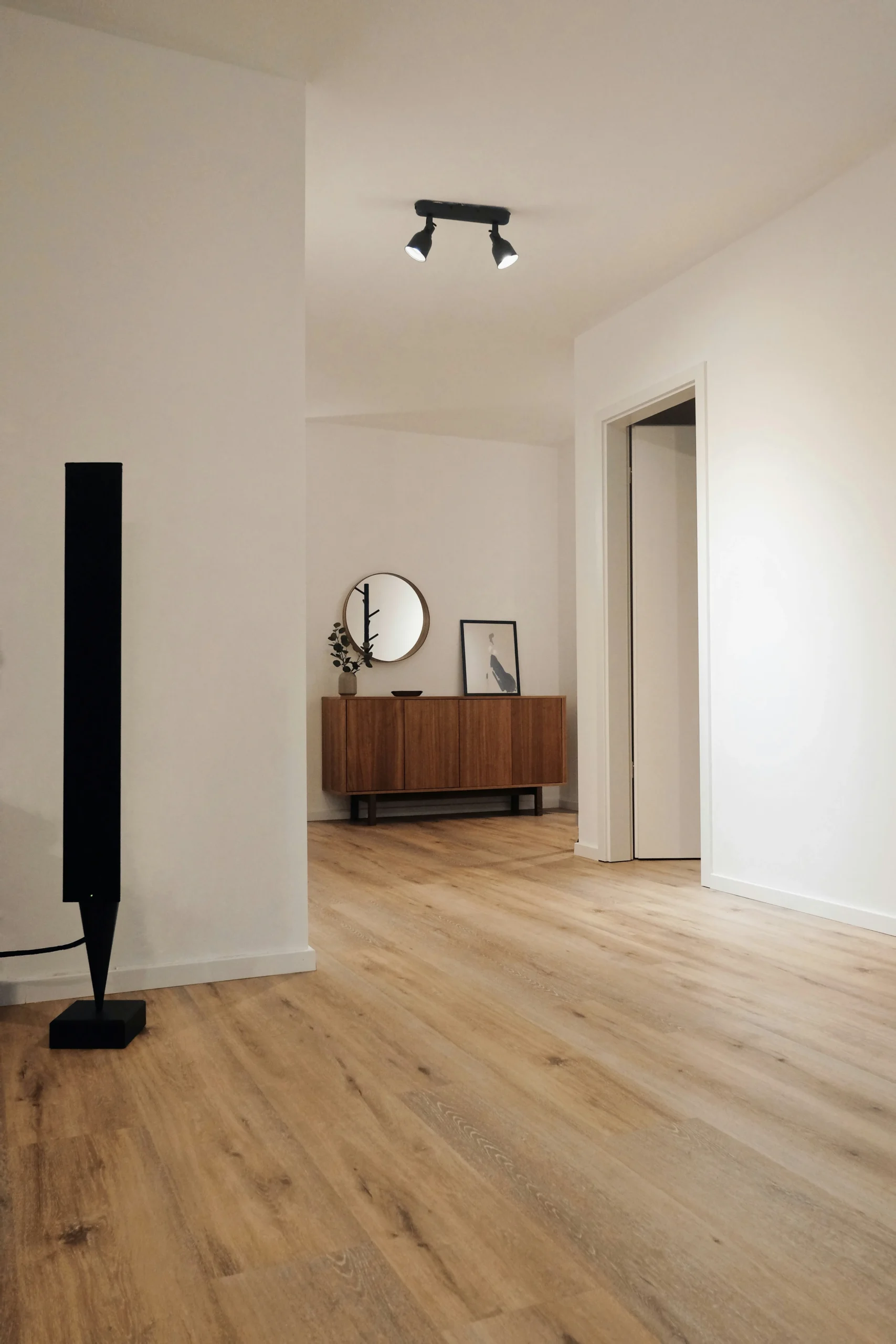
Australian homeowners weighing timber flooring have several genuinely eco-conscious paths, each suited to different renovation goals. Engineered boards built from fast-growing plantation species stand out as one of the most practical verona10-eco-timber-alternatives, offering a greener path than harvesting slower-growing European oak. That distinction matters for renovators who want authentic timber character without depleting old-growth forest stock.
Is engineered timber flooring actually sustainable?
Engineered timber flooring ranks among the most stable and eco-friendly flooring products on the Australian market today. Its layered construction resists the warping. Movement that solid boards can suffer across Australia’s varied humidity zones, from coastal Queensland to drier inland regions. This stability extends the floor’s usable life, which itself reduces long-term material waste.
What makes timber a smarter long-term choice than other floor coverings?
Well-specified timber flooring can last a lifetime, unlike carpet or vinyl, which typically need replacement every decade or so. It also contributes to a healthier indoor environment, since it doesn’t trap allergens the way soft coverings do.
Renovators sourcing verona10-sustainable-timber should compare options carefully:
- Fast-growing plantation species — lower environmental impact, comparable durability
- Verona10-fsc-certified-oak boards — verified responsible forestry chain of custody
- Engineered constructions — greater stability across Australian climate zones
Verona Ceramic is located in Springvale, VIC, AU.
FAQ
What makes engineered European oak sustainable?
Engineered European oak layers multiple thin hardwood sheets into a stable board, reducing hardwood consumption while locking away carbon and cutting production energy compared to solid-cut alternatives.
How does engineered construction reduce waste?
Traditional solid flooring uses only small sections of each log, while engineered timber layers thin hardwood sheets into a stable board, lowering material waste per square meter installed.
Why does FSC certification matter when choosing oak flooring?
FSC and PEFC certification verifies chain-of-custody from forest to finished board, ensuring forests get replanted and ecosystems stay protected rather than relying on unverified sustainability claims.
Conclusion
In closing, sustainable timber flooring represents a commitment to environmental stewardship without compromising on the aesthetic and performance standards that discerning Australian homeowners demand. By selecting responsibly sourced engineered timber solutions, you invest in flooring that delivers lasting durability while honoring ecological principles. Verona Ceramic’s curated selection ensures that your choice reflects both design excellence and genuine sustainability, establishing interiors that endure for generations.
Conclusion
Sustainable timber flooring in Australia comes down to a few defining attributes: engineered European oak construction that reduces hardwood consumption, carbon-storing timber that cuts production energy, and FSC/PEFC certification that verifies responsible forestry from forest to finished board. Engineered timber flooring pairs this lower environmental impact with dimensional stability across Australia’s varied humidity zones, while certified oak sourcing gives renovators and designers a traceable, accountable alternative to virgin-cut hardwood. Together, these attributes make sustainable timber flooring a durable, low-impact choice for homeowners renovating with environmental responsibility in mind. For those ready to compare engineered oak options with verified sustainability credentials, Verona Ceramic’s Springvale showroom is a practical next step.