Matte porcelain has a beautifully understated finish, but it can make soap residue, renovation dust and mop streaks more noticeable than glossy tile. Knowing how to clean matte porcelain tiles properly keeps the surface looking crisp and natural without adding shine, leaving a film, or making a slip-resistant floor harder to maintain.
The good news is that quality porcelain is exceptionally low-maintenance. It is dense, durable and non-porous, so everyday cleaning is usually simple. The key is less about using stronger products and more about removing loose grit first, using the right cleaner at the right dilution, and rinsing away any residue.
Why Matte Porcelain Tiles Need a Different Approach
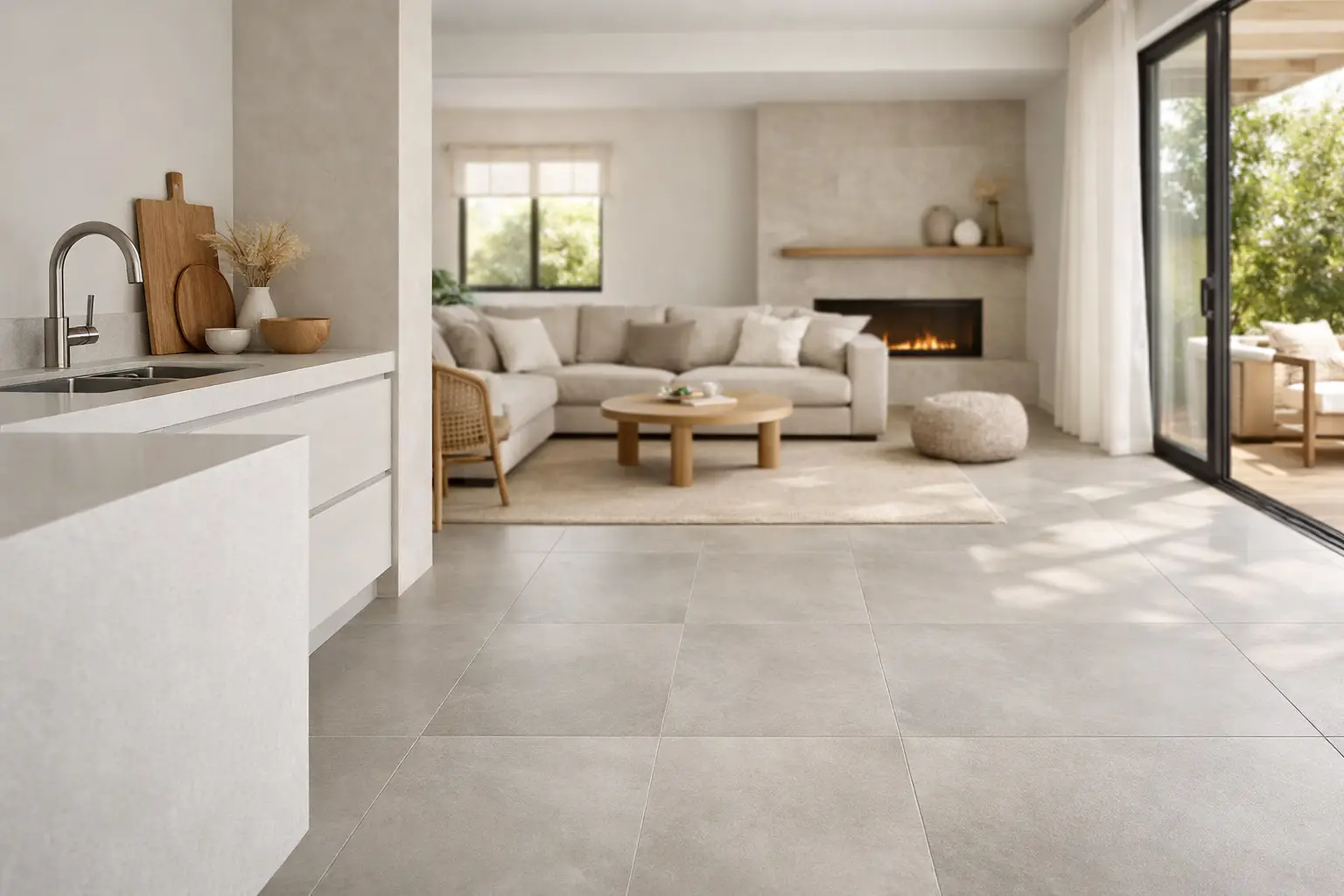
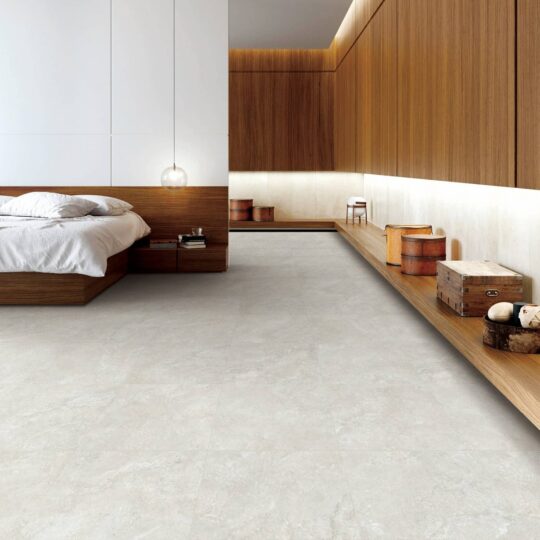
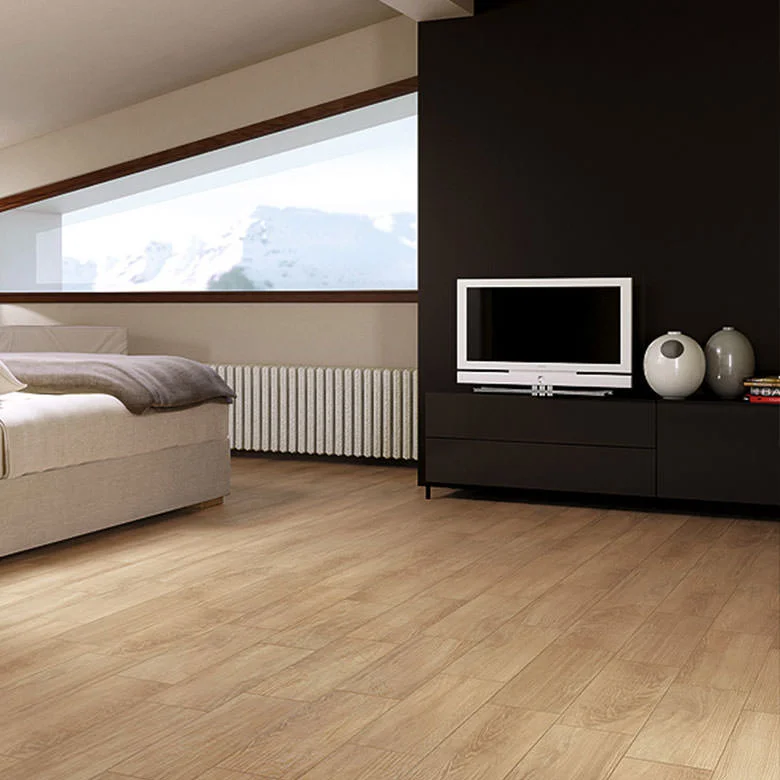
A matte finish has a gently textured surface that diffuses light rather than reflecting it. This gives kitchen tiles, bathroom tiles and living-area floors a calm, premium look, while many matte ranges also offer useful slip resistance for wet areas and busy family homes.
That fine texture can hold onto dirt, cleaning-product residue and minerals from hard water more readily than a polished surface. It does not mean the tile is difficult to clean. It simply means a quick mop with too much detergent may leave a dull haze, especially on darker colours or large format tiles.
Porcelain itself generally does not need sealing. Unlike some natural stone products, a properly manufactured porcelain tile has very low water absorption. Grout, however, may benefit from an appropriate sealer once fully cured, particularly in showers, splashbacks and high-use kitchen areas. Always follow the tile, grout and adhesive manufacturers’ care instructions where they differ.
How to Clean Matte Porcelain Tiles: The Everyday Method
For regular cleaning, start by dry-cleaning the floor. Use a soft broom, vacuum with a hard-floor setting, or a microfibre dust mop to lift sand, crumbs and fine grit. This small step matters because grit can be dragged across any floor finish and may make the surface look prematurely worn over time.
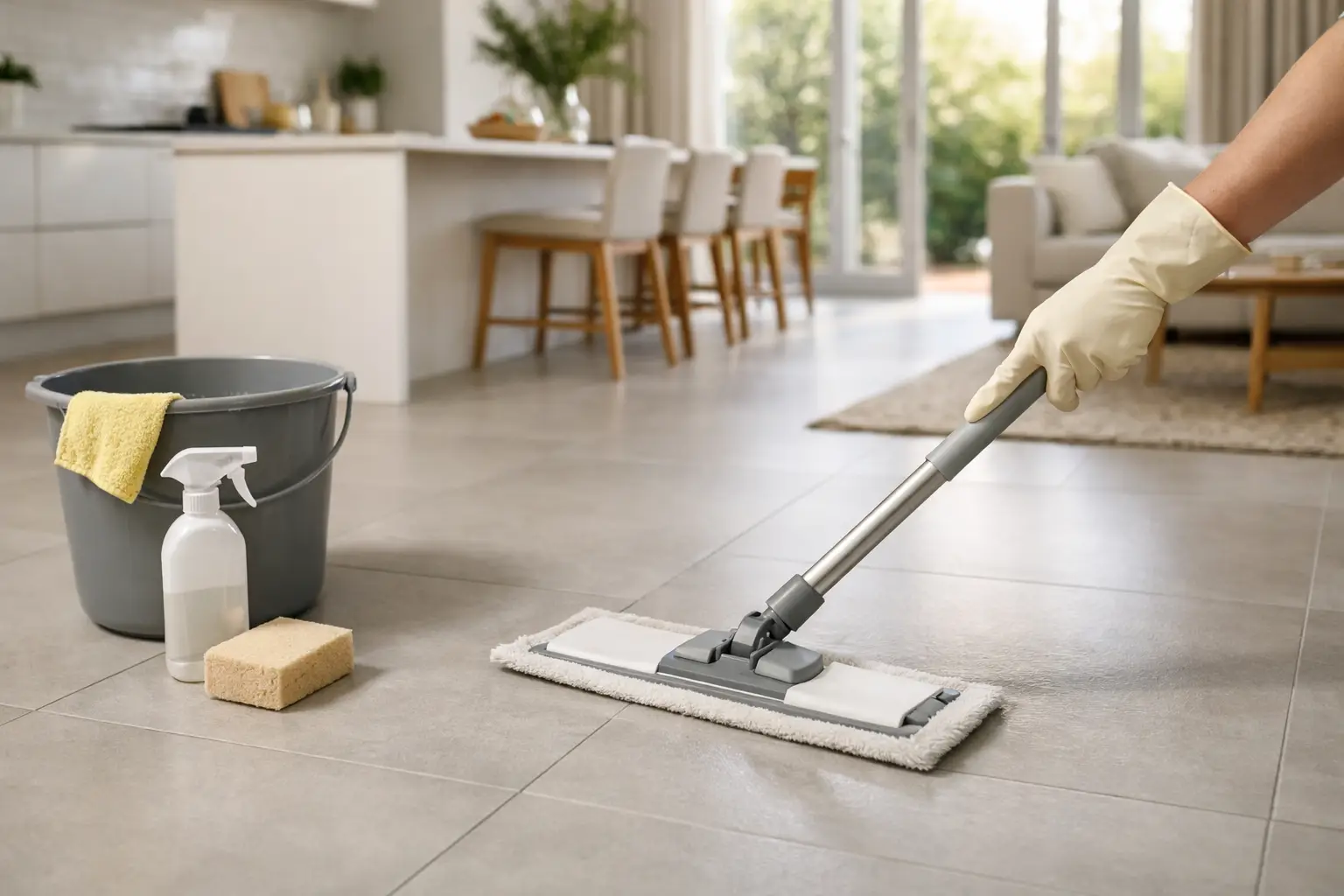
Next, fill a bucket with warm water and add a pH-neutral tile cleaner at the dilution stated on the label. A pH-neutral product is designed to lift everyday soil without leaving damaging residues or being unnecessarily harsh on grout. Use a clean microfibre mop, wring it out well, and work in manageable sections rather than flooding the floor.
On a larger open-plan area, change the water when it turns grey. Reusing dirty water is one of the most common reasons matte tiles appear streaky after cleaning. Follow with a second pass using clean water if your selected cleaner requires rinsing, then allow the floor to air dry or buff it lightly with a dry microfibre cloth where water spotting is a concern.
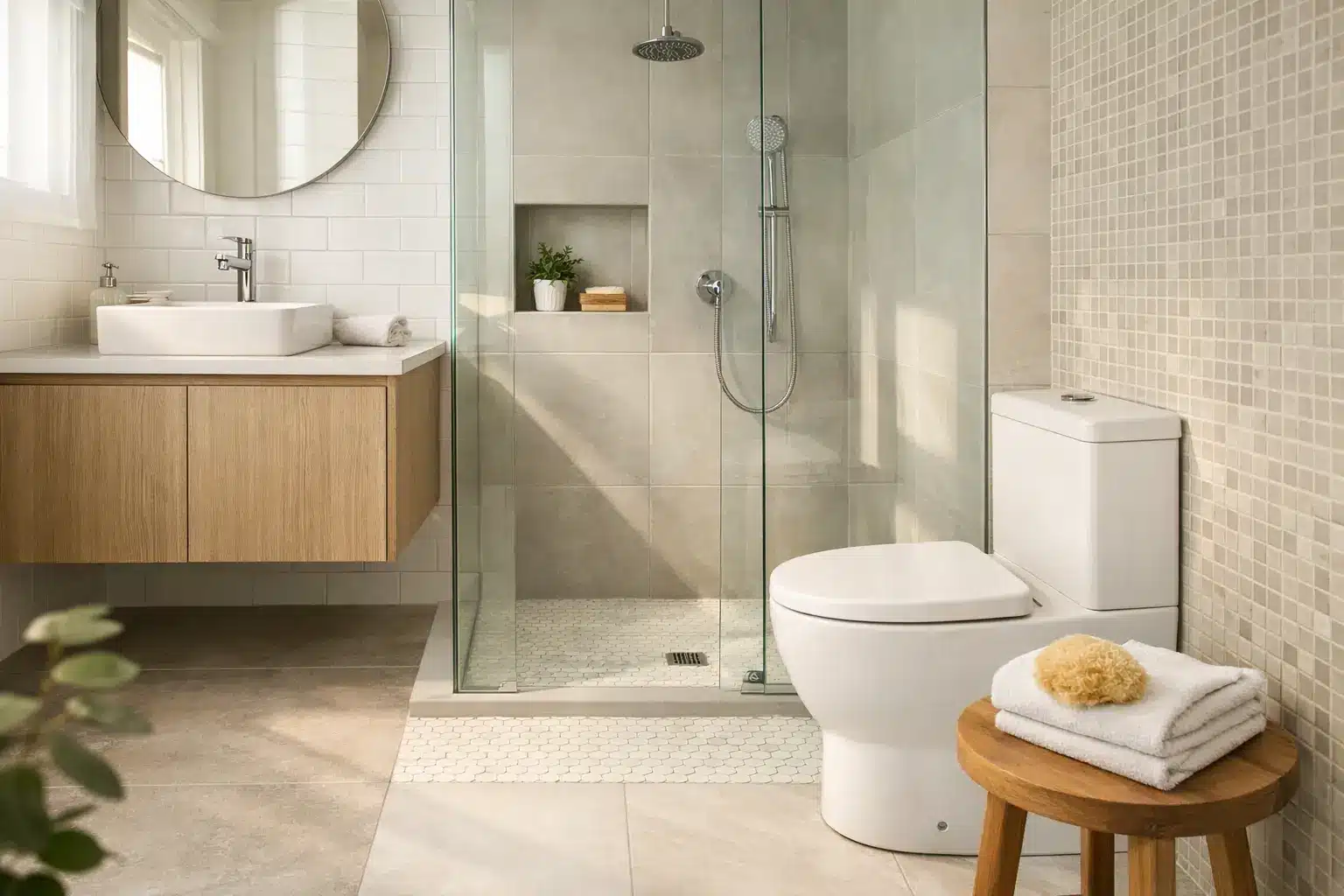
For wall tiles, wipe with a soft microfibre cloth rather than a saturated mop. This gives better control around grout lines and fittings, particularly in bathrooms where water can sit in corners.
A simple routine that prevents build-up
Most homes only need a dry sweep or vacuum several times a week and a damp mop weekly. Kitchen floors near the cooktop, entryways exposed to outdoor dirt, and bathrooms used by a large family may need more frequent attention. The right routine depends on foot traffic, the tile’s texture and whether the space is exposed to grease, soap or hard-water deposits.
A doormat at external doors and a quick wipe of spills will reduce cleaning time considerably. For homes with pets, regular dry cleaning is especially helpful, as fine dust and hair can settle into the texture of matte surfaces.
Removing Common Marks Without Damaging the Finish
Treat spills promptly with warm water and a clean cloth. For food, drink or muddy footprints, a pH-neutral cleaner is normally enough. Avoid scrubbing aggressively at first – let the cleaner sit briefly, then agitate gently with a soft nylon brush or non-abrasive pad if needed.
Kitchen grease needs a little more care. Use a tile-safe alkaline degreaser that is suitable for porcelain, following the product instructions closely. Apply it only where needed, allow the recommended dwell time, lightly scrub, then rinse thoroughly with clean water. Leaving a degreaser on the floor can create the very residue you are trying to remove.
Soap scum in a bathroom is best managed before it becomes heavy. Wipe shower walls and floors regularly, and use a porcelain-safe bathroom cleaner for more persistent build-up. If mineral deposits from hard water are present, choose a product specifically approved for porcelain and grout, test it in an inconspicuous spot, and rinse well. Be cautious with acidic cleaners if there is natural stone, metal trim, coloured grout or a sealed surface nearby.
For stubborn marks in textured tiles, a soft nylon grout brush can be useful. Work across small areas with a suitable cleaner rather than applying force to the whole room. A stiff wire brush, steel wool or highly abrasive scourer can scratch fittings, damage grout and leave a surface looking patchy.
What causes haze and streaks?
Most haze on matte porcelain is not damage to the tile. It is usually a layer of leftover detergent, soap, dirty mop water or renovation residue. If the surface feels tacky or looks cloudy once dry, clean it again using fresh water and a pH-neutral residue-removing tile cleaner where appropriate. Rinse and dry with a clean microfibre cloth.
Newly installed tiles can also show grout haze or construction dust. This needs a proper post-installation clean, not repeated household mopping. Speak with your tiler before using any haze remover, particularly if the grout is newly applied. The wrong product, or using it too early, can affect grout joints and surrounding finishes.
Products and Habits to Avoid
Matte porcelain is tough, but harsh cleaning habits can create unnecessary problems. Skip oil-based polishes, waxes and shine-enhancing products. They do not improve porcelain and can leave a slippery film that changes the tile’s intended appearance and slip resistance.
Also avoid undiluted bleach, harsh acids, highly abrasive powders and ammonia-heavy products unless the tile and grout manufacturers specifically approve them for the task. They are rarely necessary for normal household cleaning. Never mix cleaning chemicals, even if both products are marketed for bathrooms or floors.
A very wet mop is another poor choice. Excess water can push dirty solution into grout lines and take longer to dry, particularly on larger tiles with narrow joints. A well-wrung microfibre mop cleans effectively while using less water.
Steam mops can be suitable for some porcelain installations, but this depends on the grout, sealers, movement joints and any underfloor heating system. Check the installation and product guidance first. If in doubt, conventional damp mopping is the more conservative option.
Caring for Matte Tiles in Kitchens, Bathrooms and Living Areas
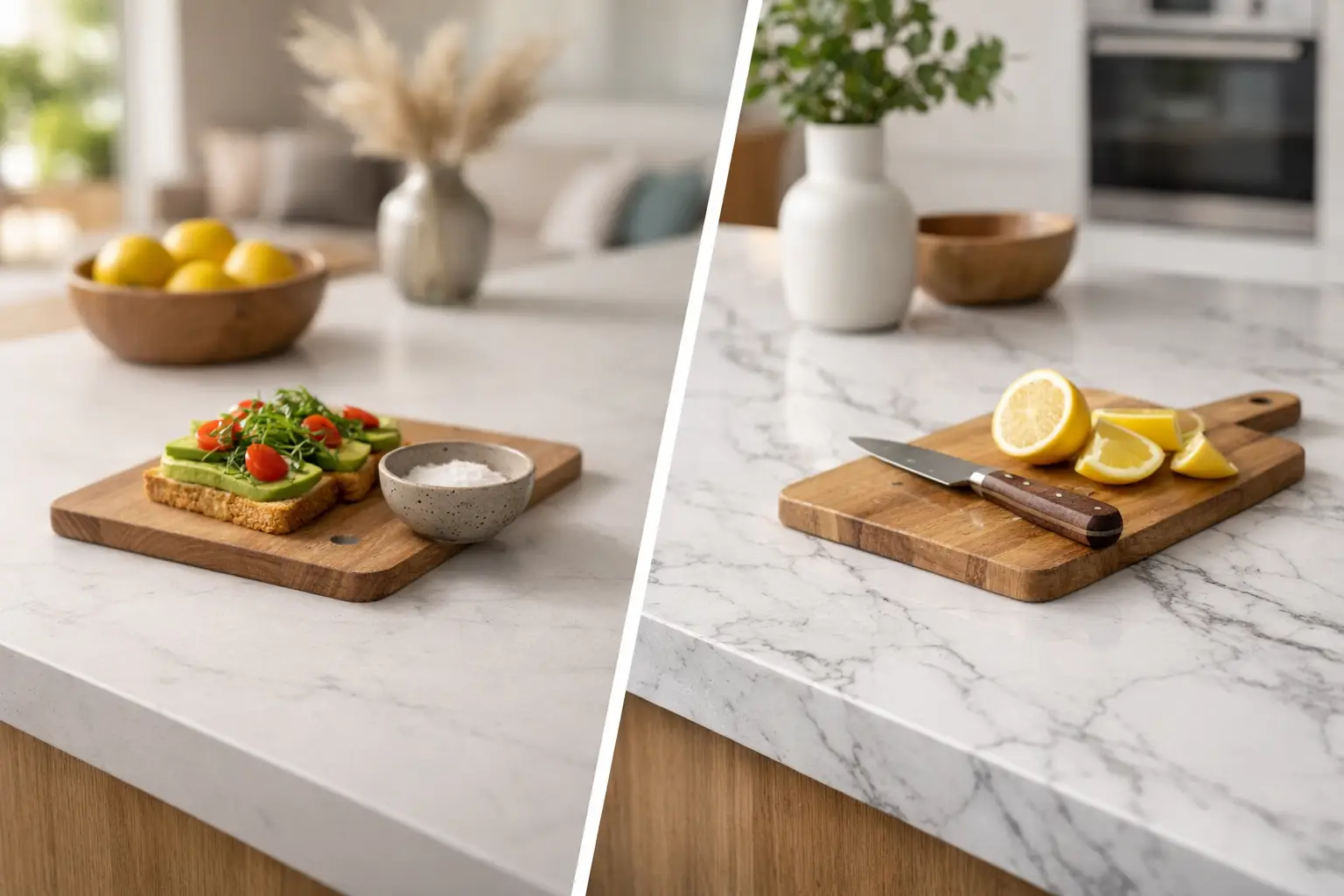
In kitchens, focus on grease around cooking zones and wipe up acidic food spills, such as tomato sauce or citrus juice, before they dry on the grout. Porcelain is highly resistant, but prompt cleaning protects the whole tiled assembly and keeps joints looking fresh.
In bathrooms, ventilation matters as much as cleaning. Run the exhaust fan, open a window where practical, and use a squeegee on shower glass and wall tiles after use. Less lingering moisture means less soap scum and fewer mineral marks to tackle later.
For living areas, choose felt protectors under furniture and lift rather than drag heavy items across the floor. Matte porcelain is an enduring architectural surface well suited to family life, but protecting it from concentrated grit and sharp furniture edges is simply good long-term care.
When selecting new matte tiles, consider where they will be used. A floor tile’s PEI wear rating helps indicate suitability for foot traffic, while its slip-resistance rating is particularly relevant in bathrooms, laundries, alfresco areas and entrances. A tile chosen for the right setting will be easier to live with and easier to maintain.
For Melbourne renovators choosing between finishes, viewing a full tile sample in natural light is worthwhile. At Verona Ceramic, ready-stock matte porcelain options can be assessed for texture, colour variation and practical suitability before installation, helping families create beautiful surfaces that stand up to daily living.
A clean matte porcelain floor should look natural, not glossy, coated or overly wet. Keep the routine gentle, rinse when required and deal with spills early, and the finish will continue to bring quiet, durable beauty to your home for years to come.