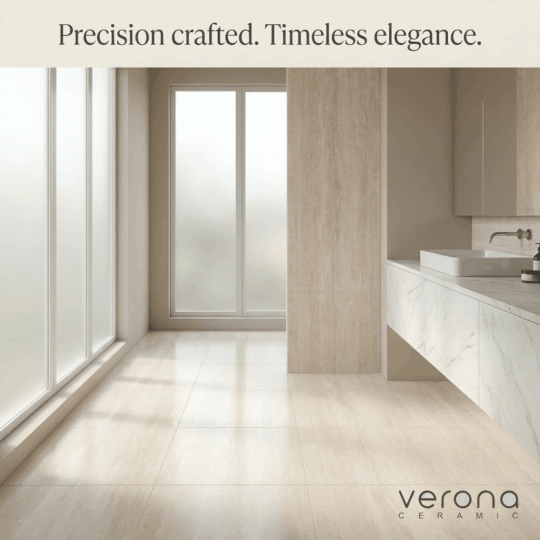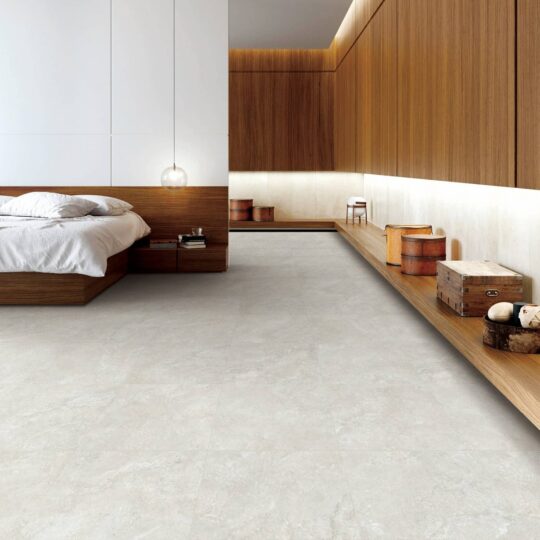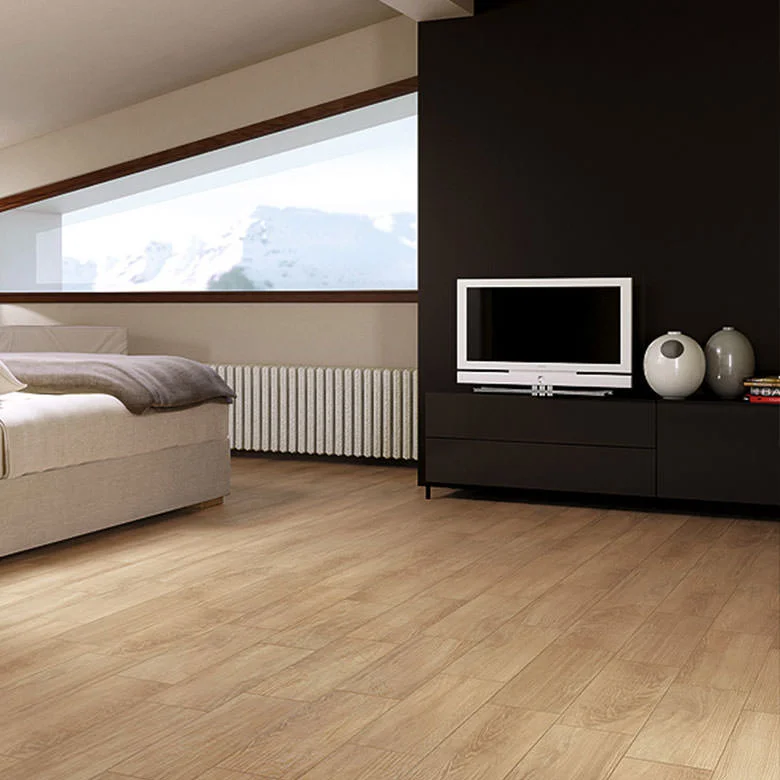
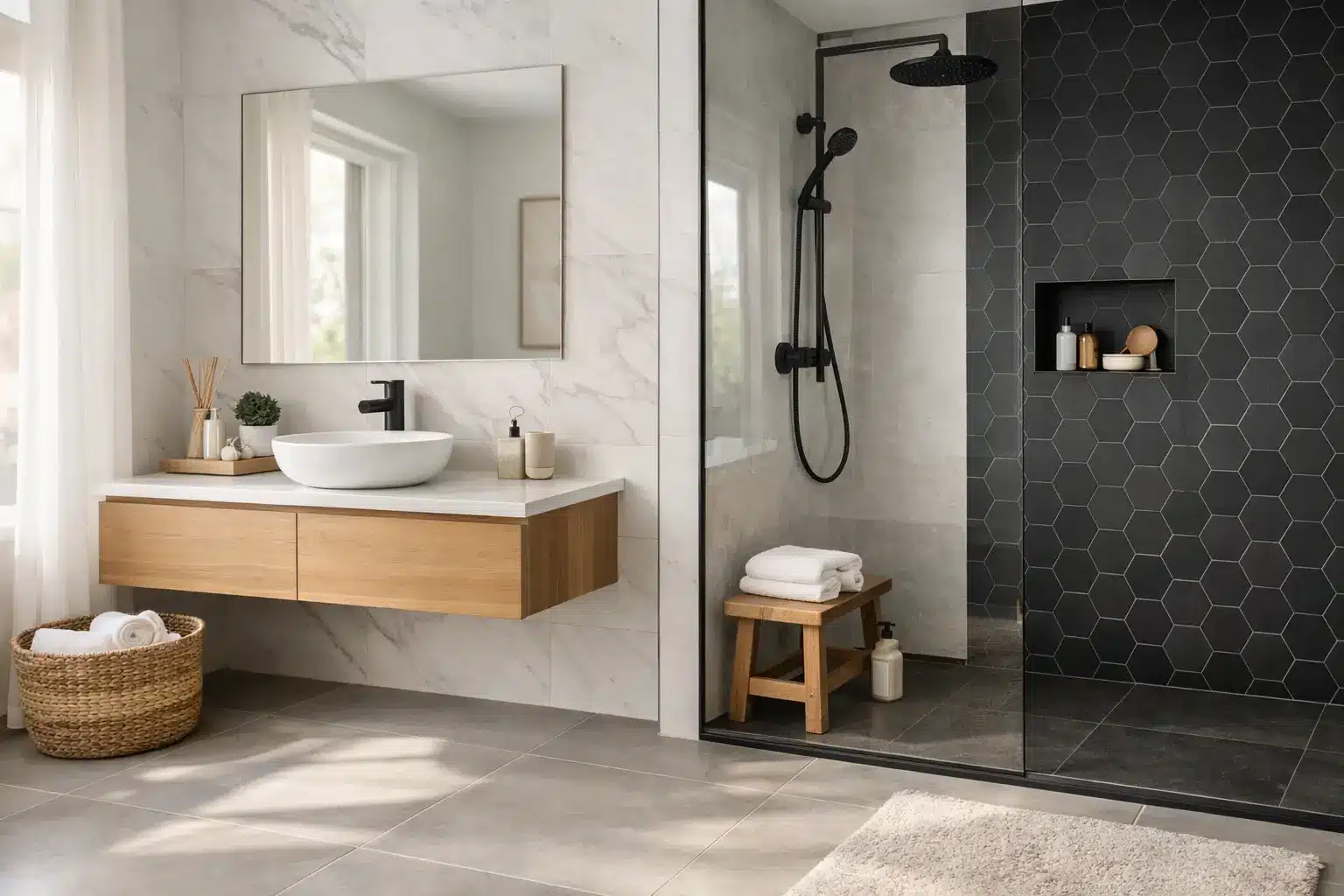
A bathroom can look impressive on day one and still become frustrating to live with if the wrong surfaces go in. Bathroom tiles need to do more than suit the colour palette – they have to handle moisture, daily cleaning, bare feet, steam, and years of wear without losing their appeal. For homeowners, designers and builders, the best result comes from balancing appearance with slip resistance, durability and practical maintenance.
The good news is that tile selection does not need to feel overwhelming. Once you understand how wall and floor tiles behave in a wet area, the choices become much clearer. What works beautifully in a powder room may not be the right fit for a busy family bathroom, and a tile that looks refined in a showroom needs to perform just as well once installed.
What matters most when choosing bathroom tiles
The first question is not colour or pattern. It is where the tile will be used and what it needs to withstand. Bathroom walls and bathroom floors ask different things of a tile, so the same product is not always ideal across every surface.
On walls, visual finish usually leads the decision. You may want a soft stone-look porcelain, a crisp matt white, or a feature tile that adds depth without overwhelming the room. Because wall tiles are not exposed to foot traffic, you have greater flexibility with texture, format and decorative detail.
On floors, performance matters just as much as style. Bathrooms are wet environments, and a floor tile should feel secure underfoot while remaining easy to clean. This is where surface finish becomes especially important. A highly polished surface can look elegant, but it may not offer the same everyday practicality as a matt or textured finish in a main bathroom.
Porcelain is often the strongest all-round choice because it is dense, hard-wearing and low in water absorption. For family homes and high-use projects, that combination makes a real difference over time. It is one reason porcelain remains a preferred material for premium architectural surfaces that need to look good and last.
Bathroom floor tiles versus wall tiles
It is common to hear these terms used interchangeably, but they are not always the same. Floor tiles are generally made to be stronger and more slip-conscious. Wall tiles may be lighter, more decorative, or produced with finishes that are better suited to vertical surfaces.
If you want one tile range across floor and wall, check that it is rated appropriately for both uses. Many porcelain collections are designed exactly for this, which creates a cohesive look and simplifies the selection process. In smaller bathrooms, using the same tile on multiple surfaces can make the room feel calmer and more spacious.
That said, contrast can be just as effective when done with purpose. A textured floor tile paired with smoother wall tiles often gives a bathroom both visual interest and practical balance. The floor grounds the space, while the walls reflect light and keep the room feeling open.
Finish, texture and safety
A tile’s finish affects more than appearance. It influences grip, maintenance and how natural or formal the room feels. This is one of the most important trade-offs to get right.
Matt bathroom tiles are popular because they are understated, contemporary and forgiving of water marks and fingerprints. They tend to feel softer visually and often suit Australian homes where the design brief leans relaxed rather than glossy. On floors, matt finishes can also provide better day-to-day confidence underfoot.
Gloss tiles reflect more light and can brighten a compact bathroom, especially on walls. They are often easier to wipe clean in splash zones, but on floors they are usually less practical unless the room is very low traffic and carefully specified.
Textured finishes sit somewhere in between appearance and performance. A lightly structured porcelain tile can deliver a natural stone effect while improving grip. Too much texture, however, may make cleaning more demanding, particularly in family bathrooms where soap residue builds up quickly. The best option is often a refined, slip-conscious surface that does not trap grime.
For builders and renovators, this is where product specifications matter. A tile should not be chosen on looks alone. Slip resistance, suitability for wet areas and cleaning requirements all deserve attention before installation begins.
Tile size changes the feel of the room
Tile format has a major impact on how a bathroom reads. Large-format bathroom tiles create fewer grout lines, which can make the room feel cleaner and more expansive. They are especially effective in contemporary bathrooms where the goal is a calm, architectural finish.
In a compact ensuite, larger wall tiles can visually simplify the space. On the floor, though, the room layout and falls to the waste need consideration. Very large tiles can be more complex to install in shower areas if multiple cuts are needed to achieve proper drainage. In those cases, a smaller format may give the tiler more flexibility and produce a better result.
Small-format tiles and mosaics still have a place, especially on shower floors where extra grout joints can help with slip and drainage. They also work well as feature details, niches or vertical highlights. The key is restraint. Too many competing tile sizes in one bathroom can make the design feel busy.
Colour and style without chasing trends
Bathrooms should feel current, but they also need to age well. Renovations are significant investments, and tile is not something most households want to replace in a few years simply because a trend moved on.
Stone-look porcelain continues to be a strong choice because it offers timeless character with the practical benefits of porcelain. Soft greys, warm whites, greige tones and natural beige palettes tend to work well across a wide range of cabinetry, tapware and benchtop selections. These colours also support the idea of beauty in daily living – spaces that feel calm, welcoming and easy to enjoy every day.
Patterned or bold feature tiles can still be effective, particularly in powder rooms or as accents, but they are best used with discipline. A full bathroom wrapped in a strong pattern may date faster than a more balanced design. If long-term value matters, let the feature sit in one zone and keep the main surfaces more grounded.
Grout is part of the finish
Grout rarely gets the attention it deserves during selection, yet it changes the final look considerably. Matching grout creates a quieter, more continuous appearance. Contrasting grout highlights each tile and can make layouts feel more graphic.
There is also a maintenance angle. Very light grout on bathroom floors can show discolouration sooner in high-use areas, while very dark grout may reveal soap residue and mineral deposits. Mid-tone grout often provides a practical middle ground, especially in family homes.
Professional installation is just as important as the tile itself. Even premium products can disappoint if layout, levelling, falls or joint finishing are handled poorly. For trade professionals, reliable stock availability also matters because delays in matching additional material can affect timelines and consistency across the project.
A practical way to narrow the selection
Most people make better tile decisions when they reduce the field early. Start with the floor tile because it carries the bigger performance load. Once that is resolved, wall tiles become easier to coordinate.
A sensible selection path looks like this:
- Choose the floor tile based on slip resistance, durability and overall style direction.
- Decide whether the wall tile should match, tone with it, or provide gentle contrast.
- Confirm the finish works for cleaning and day-to-day use.
- Check tile size against the room layout, especially in shower areas and niches.
- Review the grout colour before finalising the palette.
This process keeps the decision grounded in performance first, then appearance. It also reduces the risk of choosing a beautiful tile that is simply not suited to the way the bathroom will be used.
Why stock availability matters more than many buyers expect
Tile selection often happens late in the renovation process, when trades are booked and timelines are already under pressure. That is why ready warehouse stock can be more valuable than people realise. If a chosen tile is available when needed, it helps keep the project moving and lowers the chance of last-minute substitutions.
For Melbourne homeowners and renovation professionals, working with a local supplier that carries stock and offers factory direct value can make planning more straightforward. It means samples, quantities and replacement needs are easier to manage, especially on detailed bathroom projects where consistency matters.
At the same time, value should never come at the expense of material quality. A bathroom is a hardworking space, and surfaces need enduring quality to justify the investment. The best suppliers understand that buyers are not simply choosing a look. They are choosing reliability, safety and a finish they will live with every day.
Bathroom tiles should support the whole room
Tiles do not exist in isolation. They need to sit comfortably with joinery, tapware, mirrors, lighting and, in many homes, adjoining surfaces such as vanity tops or benchtops. A well-designed bathroom feels resolved because these materials work together rather than compete.
That is where a considered, product-led approach helps. Instead of chasing the newest look, focus on materials that deliver durability, safe performance and visual calm. Whether the brief is a family bathroom, a premium ensuite or a builder’s multi-unit specification, the right bathroom tiles are the ones that continue to feel right long after installation day.