A floor in a busy café, retail space or display suite has a hard job. It needs to look polished at 9 am, still look polished at 5 pm, and keep doing that year after year with heavy foot traffic, moving furniture and constant cleaning. That is why commercial porcelain floor tiles are such a practical choice for fit-outs where appearance matters just as much as performance.
For architects, designers, builders and renovation clients, porcelain offers a rare balance. It gives you the refined look expected in premium spaces while standing up to the daily wear that quickly shows on lower-grade materials. When the brief calls for enduring quality, easy care and design flexibility, porcelain usually deserves a close look.
Why commercial porcelain floor tiles suit high-traffic spaces
Porcelain is fired at high temperatures and made to be dense, hardwearing and low in porosity. In plain terms, that means it resists moisture, staining and surface wear better than many other flooring options. In commercial settings, that matters because the floor is not just part of the design scheme. It is part of the day-to-day operation of the space.
A good commercial floor should be able to handle people tracking in grit from outside, chairs being moved across the surface, regular mopping and the occasional spill. Porcelain manages these conditions without asking for specialised upkeep. For business owners and facility managers, that can translate into less maintenance disruption. For designers and specifiers, it means the finished project holds its visual standard for longer.
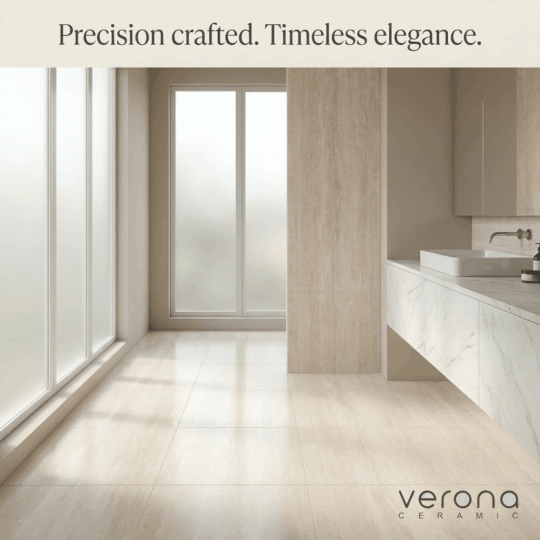
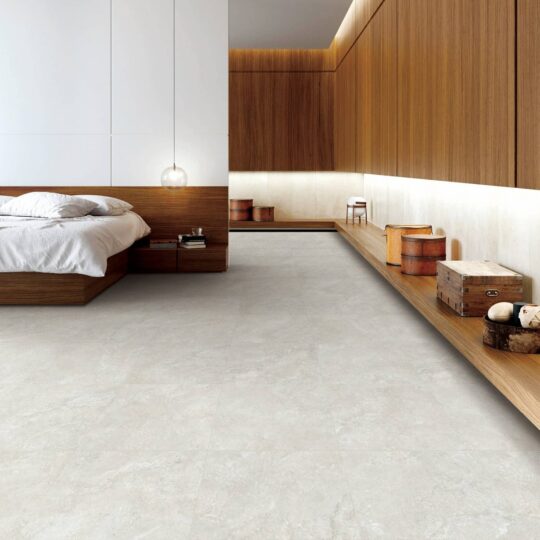
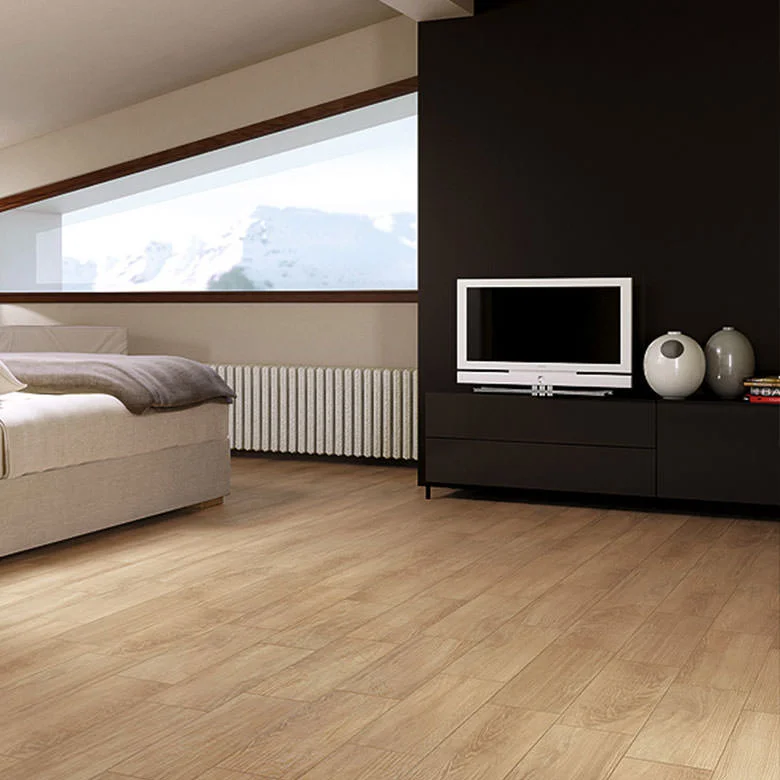
There is also a strong aesthetic advantage. Commercial porcelain floor tiles are available in stone looks, concrete looks, terrazzo styles and refined neutral tones that suit everything from hospitality venues to professional offices and luxury residential developments. You are not locked into a purely utilitarian appearance. You can create a floor that feels inviting, architectural and durable all at once – 家该有的温柔与艺术, even in a commercial setting.
What to look for when specifying commercial porcelain floor tiles
Not all porcelain tiles are equal, and commercial use places higher demands on the product. The first thing to assess is the actual traffic level of the site. A quiet office meeting room needs something different from a restaurant entry, a shopping strip tenancy or a shared apartment lobby.
Slip resistance is one of the most important considerations. A tile may look perfect under showroom lighting, but if it is going into an area exposed to water, spills or regular public use, the surface finish needs to suit the environment. This is where it pays to think beyond appearance. A polished finish can feel premium in the right location, but in many commercial spaces a matte or structured surface is the safer and more practical choice.
Tile size also changes the final result more than many people expect. Large-format porcelain creates a clean, expansive look with fewer grout lines, which many designers prefer for contemporary projects. At the same time, smaller formats or modular layouts may work better where drainage, detailed transitions or heritage character are part of the brief. There is no single correct answer. It depends on the scale of the room, the subfloor preparation, the installation budget and the intended visual effect.
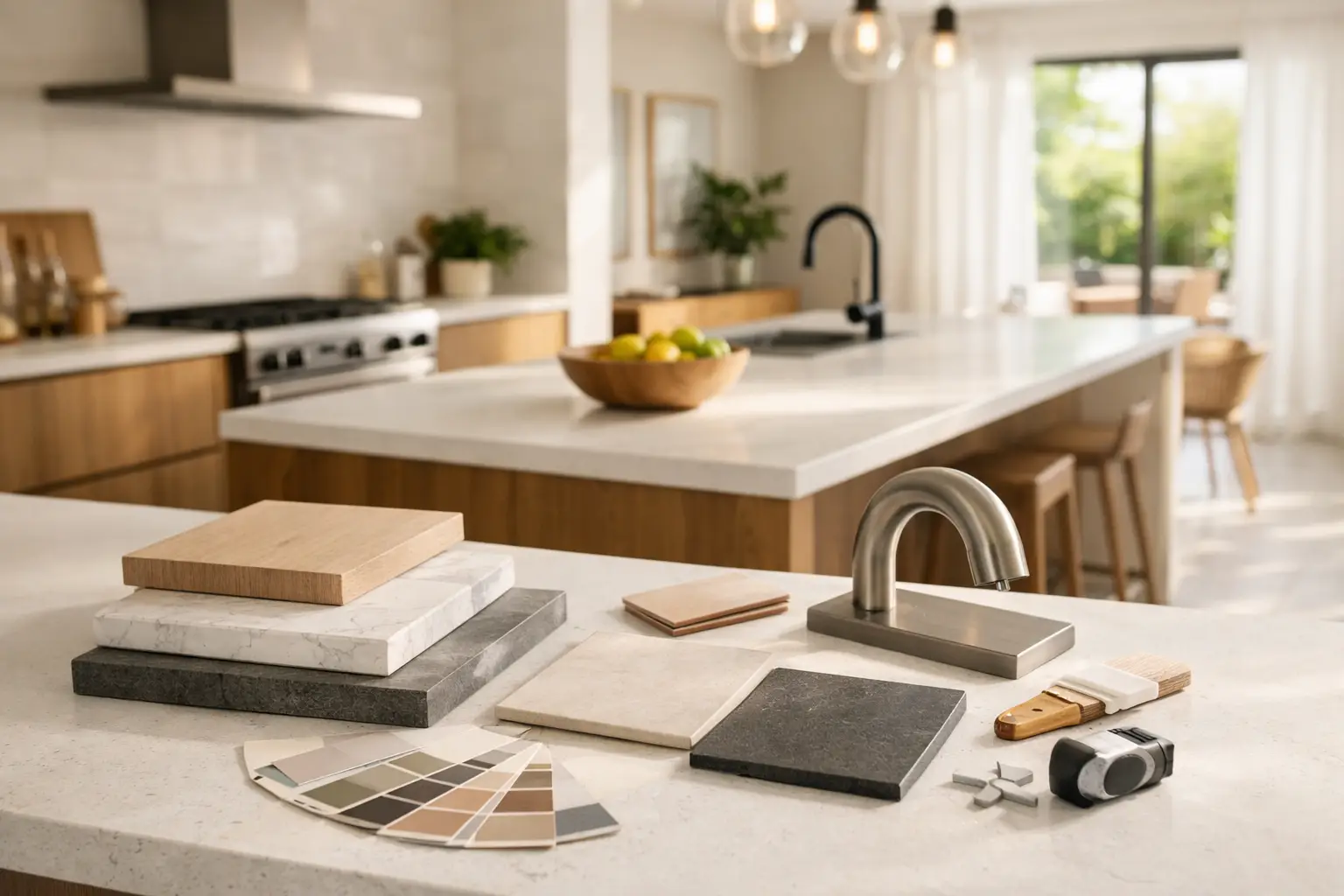
Colour should be chosen with maintenance in mind, not only style boards. Very dark tiles can show dust and light residue more clearly. Very light tiles may reveal heavy soiling in entry zones. Mid-tones, soft stone looks and balanced natural finishes often give the best long-term appearance in active commercial areas.
Design performance matters as much as technical performance
A commercial floor is one of the largest visual surfaces in the project, so its design impact is immediate. It sets the mood before a customer reaches the counter, before a client sits down in a waiting area, before a resident steps into a lobby. The right tile can make a space feel calm, premium and well resolved.
That said, the best commercial flooring choices do not chase trends too hard. In fast-moving retail or hospitality projects, there can be pressure to create something striking. That can work beautifully, but it is worth asking whether the floor will still feel relevant in five or ten years. Porcelain is a long-term surface, so timelessness often delivers better value than novelty.
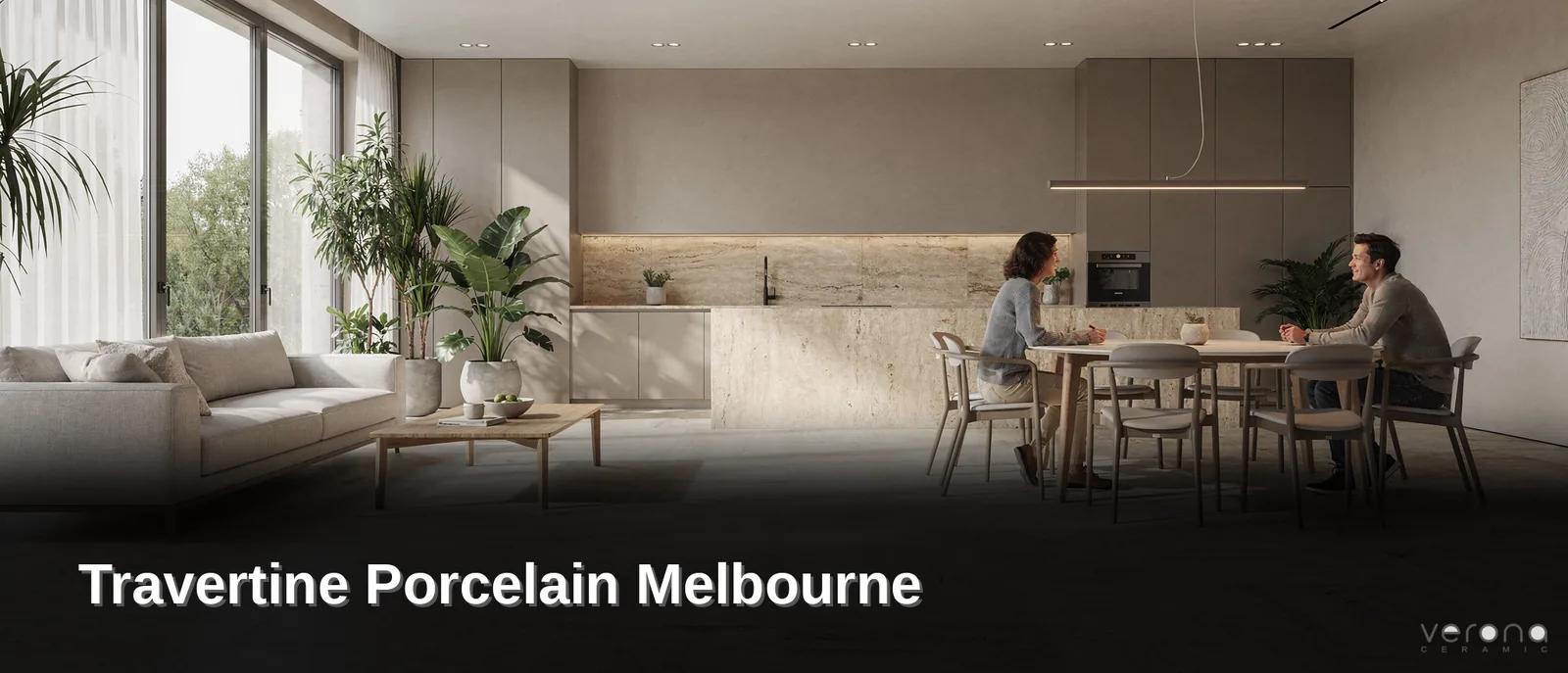
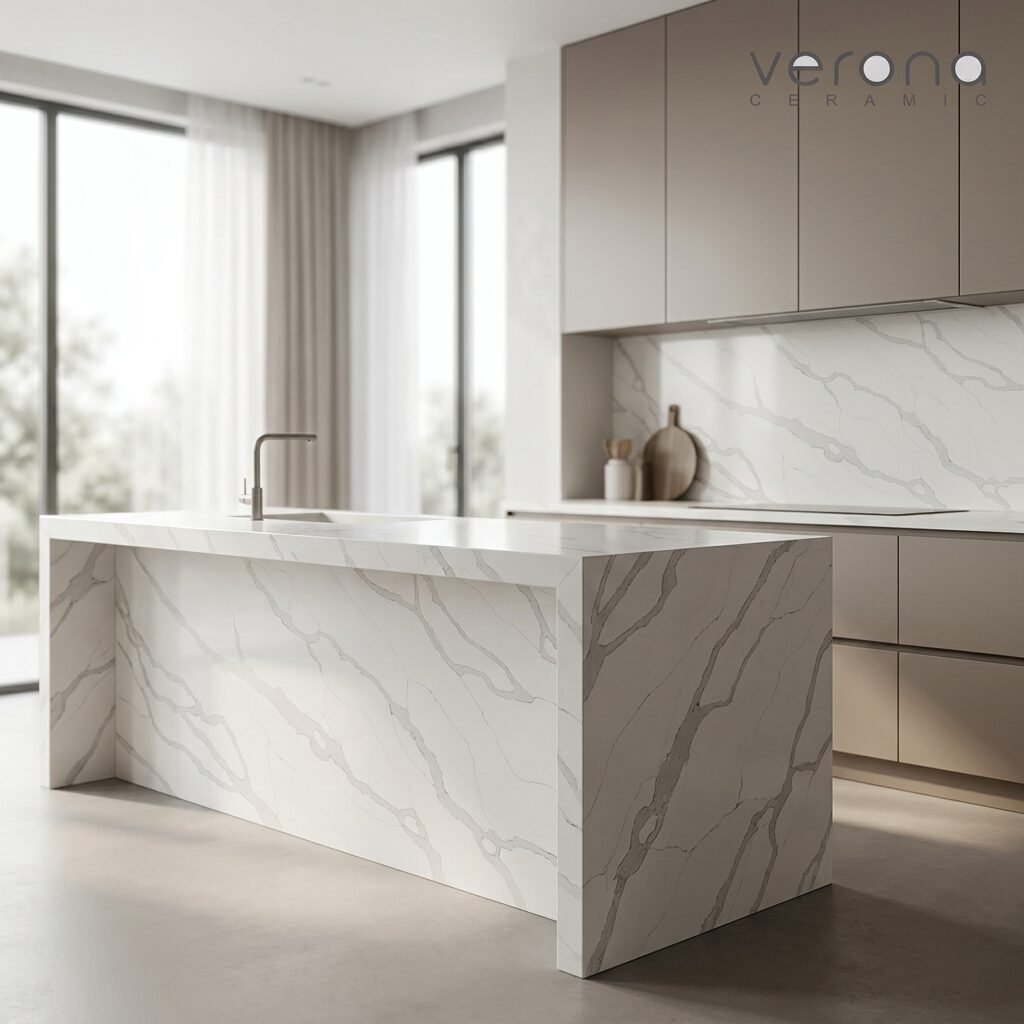
Stone-look porcelain remains a strong option because it gives the visual depth of natural material with simpler maintenance and more consistent supply. Concrete-look porcelain works well for minimalist interiors, especially where designers want a restrained architectural base. Terrazzo-inspired styles bring movement and character without overwhelming the space. The strongest selections usually support the broader palette rather than compete with it.
Installation can make or break the result
Even the best tile will disappoint if it is installed poorly. Commercial projects demand careful substrate preparation, proper adhesives, expansion considerations and experienced laying. This is especially true with large-format porcelain, where any unevenness in the subfloor becomes more noticeable.
Planning is equally important. Tile layout should be resolved early so you avoid awkward cuts in key sightlines or doorways. Grout colour should be selected as part of the design, not left as an afterthought. A well-chosen grout can either sharpen the pattern of the floor or allow the tile field to read as a continuous surface.
Lead times matter too, particularly for trade and project schedules. Ready warehouse stock can make a real difference when a program is tight or staged installation is required. For builders and renovators, access to factory direct supply and consistent stock availability helps reduce delays and keeps specification decisions practical, not just aspirational.
Maintenance and lifecycle value
One reason commercial porcelain floor tiles are so widely specified is that they continue to perform without complex care routines. Regular sweeping and mopping are usually enough to maintain the finish. Because porcelain is dense and resistant to moisture, it is less likely to absorb spills or develop the worn appearance that some softer materials show over time.
This does not mean every porcelain floor is maintenance-free. Lighter grout can still need attention in high-use settings, and textured surfaces may require more thorough cleaning than a smooth matte tile. But compared with many flooring materials, porcelain offers a dependable balance of appearance and practicality.
Lifecycle value is where porcelain often proves its worth. A lower upfront price on another surface can be tempting, yet replacement, refinishing or higher maintenance costs may quickly narrow that gap. In premium commercial and residential projects, clients usually benefit more from selecting a floor that keeps its quality and appearance over the long term.
Where commercial porcelain floor tiles work best
These tiles suit a broad range of environments. Retail stores benefit from a floor that presents well under constant traffic. Cafés and restaurants need surfaces that cope with spills and regular cleaning. Office spaces often require a professional, understated finish that supports a polished brand image.
They are equally effective in mixed-use and high-end residential projects. Apartment lobbies, lift areas, shared corridors and indoor-outdoor entertaining zones all benefit from porcelain’s durability and design versatility. For Melbourne builders and renovators, this is especially useful when a project needs one cohesive material language across multiple areas with different functional demands.
The key is matching the tile to the space rather than relying on a one-size-fits-all selection. An entry, a bathroom, a dining area and a showroom floor may all use porcelain, but the finish, format and slip performance should be tailored to each setting.
Making a confident selection
The smartest tile decisions come from balancing three things – performance, appearance and supply confidence. If a tile looks exceptional but is not right for the traffic level, it is the wrong product. If it is technically suitable but visually flat, it may weaken the whole project. And if it cannot be supplied reliably, it creates pressure on timelines that no one wants.
This is where working with a knowledgeable supplier matters. A good supplier will help you compare finishes honestly, explain where a tile is best used, and support your decision with practical information about stock, lead times and installation expectations. At Verona Ceramic, that approach is simple: premium architectural surfaces, ready stock where possible, and advice that helps clients choose well the first time.
When you are selecting commercial porcelain floor tiles, the goal is not just to finish a floor. It is to create a surface that keeps serving the space beautifully, quietly and reliably long after handover.