Step onto a bathroom floor on a cold Melbourne morning and you notice the tile choice straight away. Some bathroom floor tiles feel secure underfoot, hide daily splashes well and age gracefully. Others look beautiful in a showroom, then prove harder to live with once steam, soap residue and family traffic become part of the picture.
That is why choosing floor tiles for a bathroom is less about following trends and more about getting the balance right between safety, durability, maintenance and design. For homeowners, builders and designers alike, the best result is usually the one that still looks good and performs well years after installation.
What bathroom floor tiles need to do
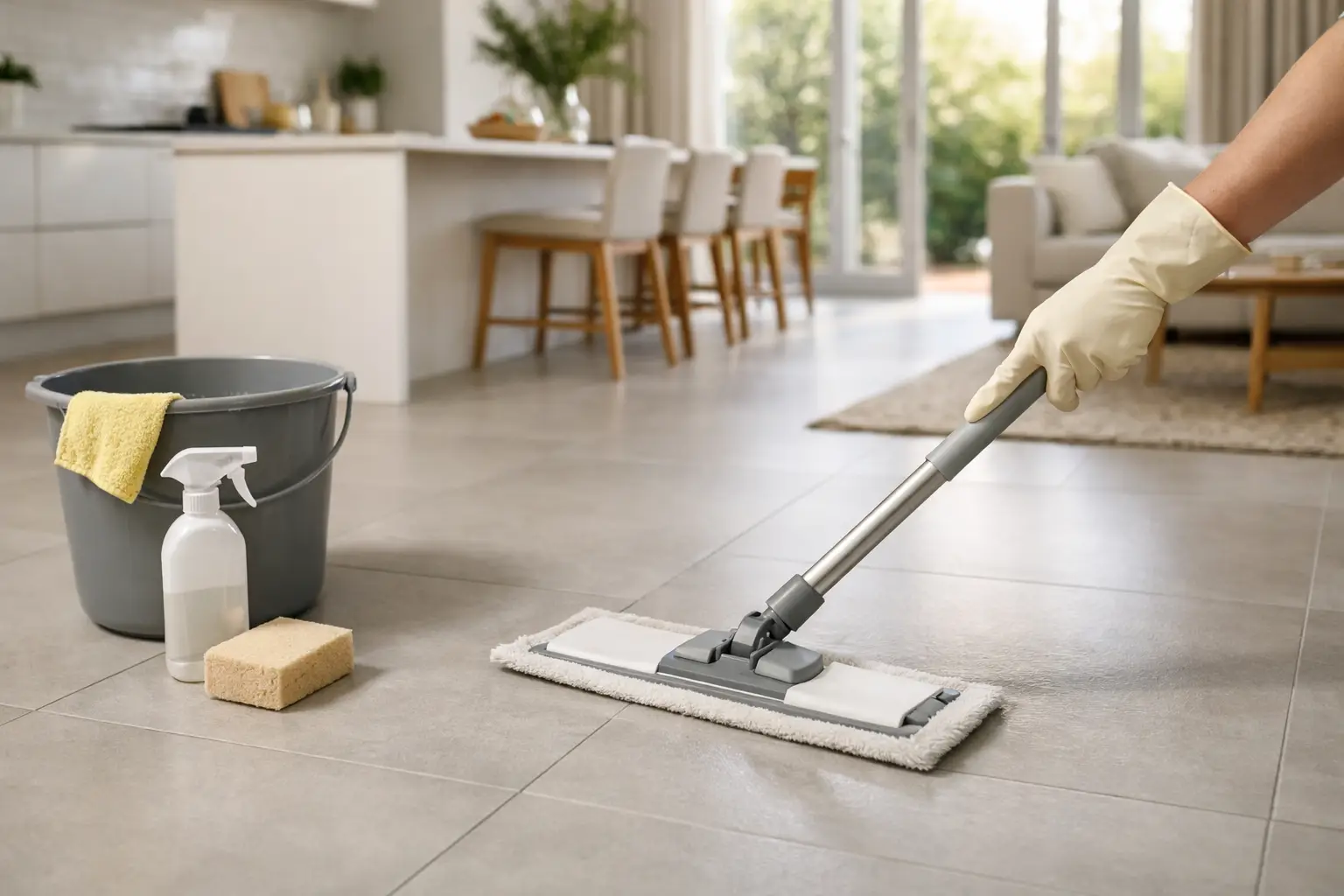
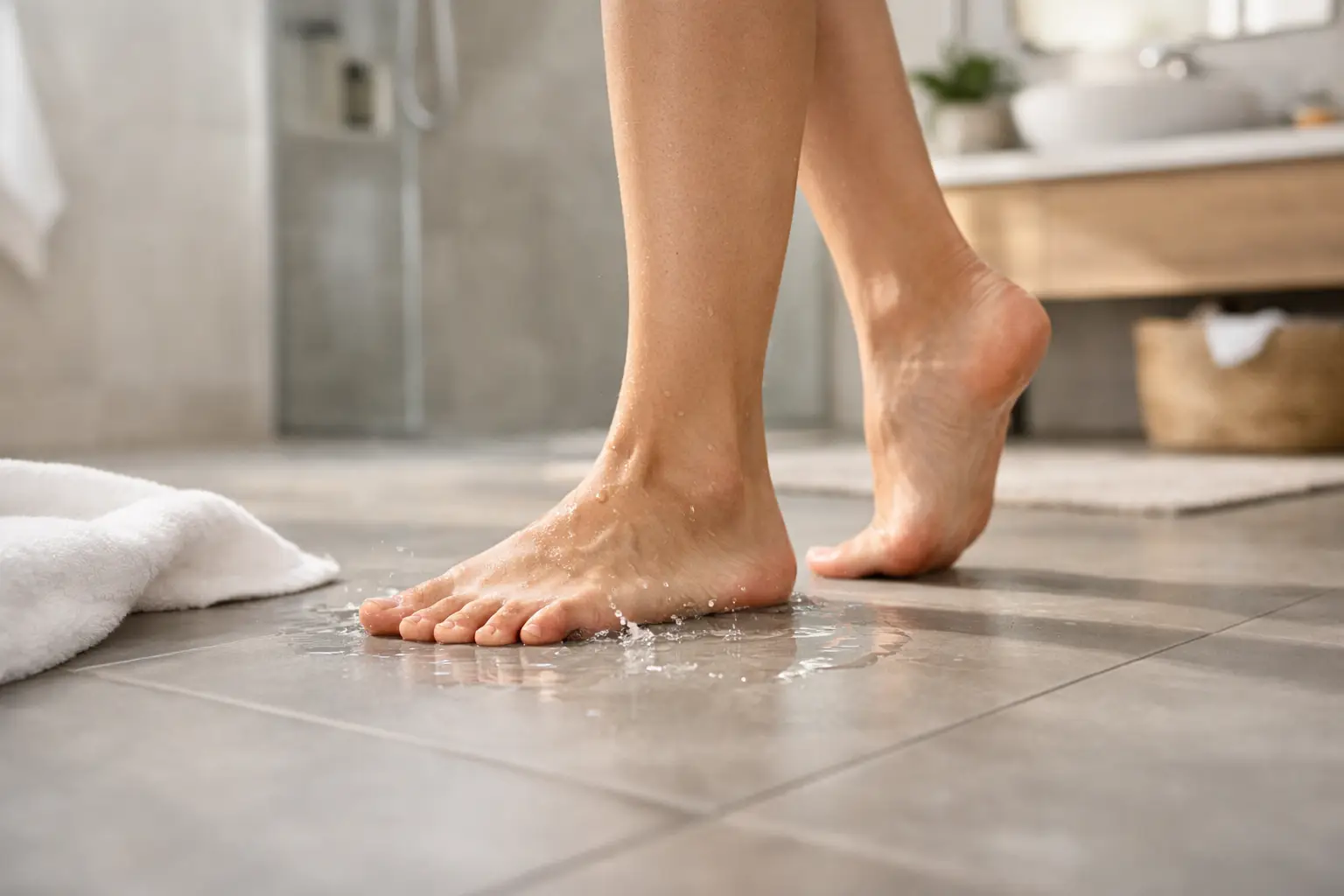
Bathroom flooring works harder than many people expect. It deals with water, humidity, cleaning products, foot traffic and changing temperatures every day. In family homes, it may also need to handle wet feet racing in from the shower, dropped toiletries and frequent cleaning.
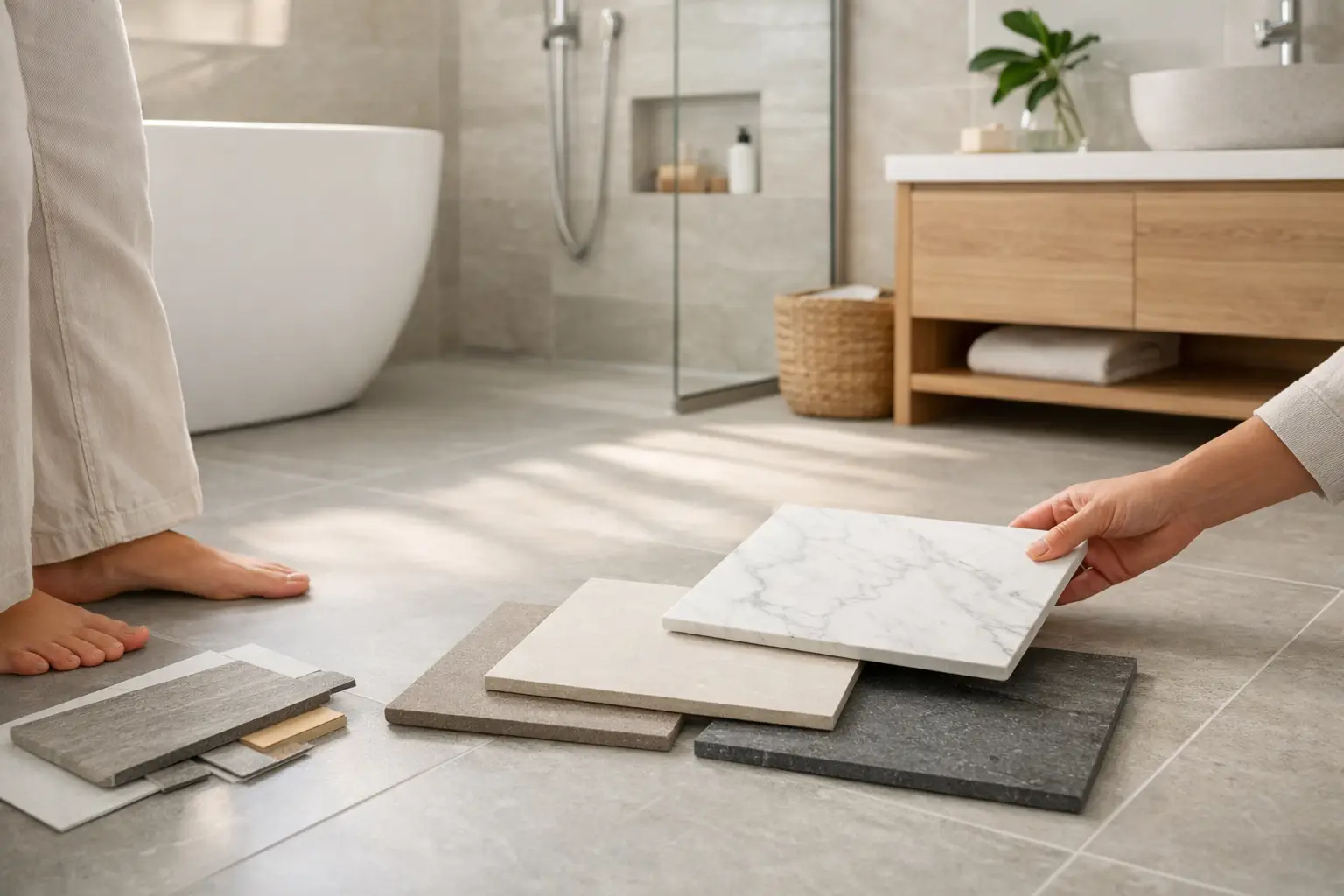
Good bathroom floor tiles should be moisture-resistant, stable over time and easy to maintain. They also need the right surface feel. A floor tile that is too smooth can become slippery when wet, while one that is too textured may hold dirt more easily and take more effort to clean. The right choice is usually somewhere in the middle – practical enough for everyday use, but still refined enough to suit the rest of the home.
Porcelain remains one of the strongest options because it is dense, hard-wearing and well suited to wet areas. It offers dependable performance without asking for high maintenance, which is why it is a preferred material across residential renovations and premium building projects.
How to choose bathroom floor tiles
The smartest starting point is not colour. It is function. Think about who uses the bathroom, how often it is cleaned and what kind of look you want to achieve over the long term.
In an ensuite, you may have more freedom to choose a lighter texture or a more design-led format, because usage is often lower and the space is more controlled. In a main family bathroom, practical performance usually needs to lead the decision. That may mean a matt or structured porcelain tile in a tone that helps disguise water spotting and everyday marks.
Tile size matters too. Large-format tiles can make a bathroom feel more open and reduce grout lines, which many people like for a cleaner visual finish. But very large tiles can be less forgiving in smaller bathrooms where falls and drainage need careful planning. Smaller tiles or mosaic-style formats can improve slip resistance because there are more grout joints underfoot, though they also create more cleaning lines. It depends on the room, the layout and the level of maintenance your household is happy to manage.
Surface finish matters more than many people realise
When people compare samples, they often focus on the colour or pattern first. In practice, the finish has a major effect on safety and liveability.
A polished tile is generally better kept for walls or low-risk areas, because it can be too slippery for bathroom floors. A matt finish is usually a safer and more versatile option. It gives a softer, more natural appearance and tends to cope better with water marks, dust and everyday use. Structured or grip finishes can be ideal where extra slip resistance is needed, but they should still be comfortable to walk on barefoot.
For many Australian homes, a quality porcelain tile with a matt or lightly textured surface strikes the right balance. It looks architectural without feeling clinical, and it supports that sense of beauty in daily living that good material choices bring to a home.
Colour and style for a bathroom floor
A bathroom floor needs to sit comfortably with cabinetry, wall tiles, tapware and lighting. That does not always mean matching everything perfectly. Often, the best interiors use contrast with restraint.
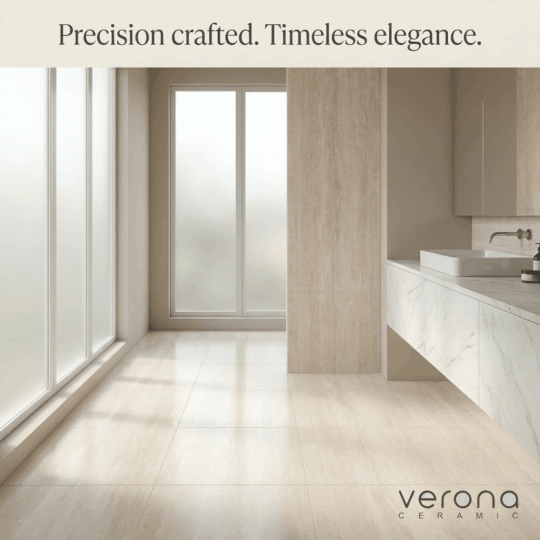
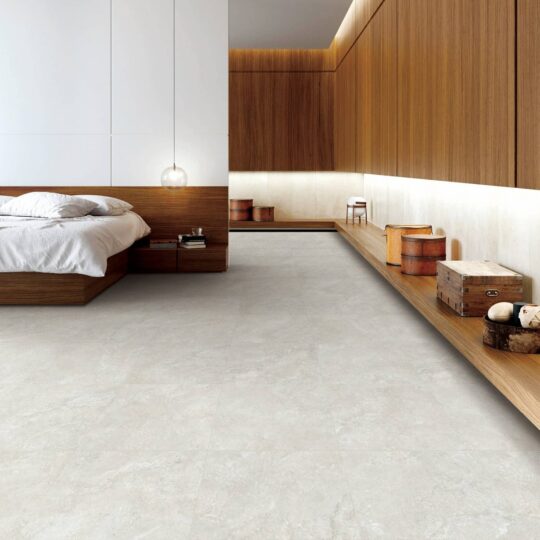
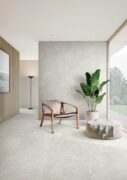
Soft stone-look porcelain tiles remain popular because they bring a calm, grounded feel and work across modern, coastal and classic schemes. Warm greys, mineral beiges and off-white tones are especially useful when you want a bathroom to feel bright without looking stark. Charcoal and deeper grey tiles can create a refined, dramatic base, but they may show soap residue or dust more readily depending on the finish.
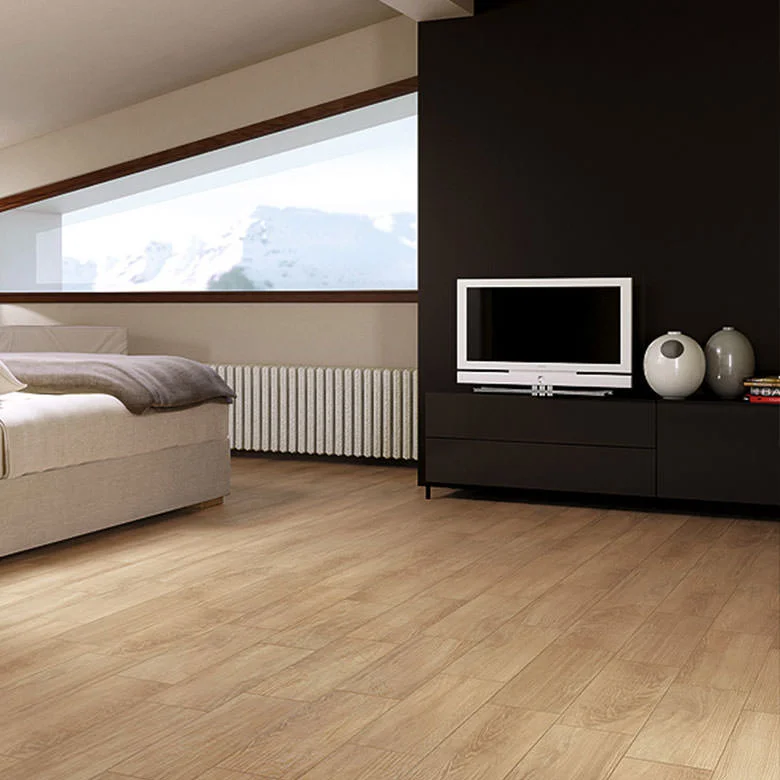
Timber-look porcelain is another strong option if warmth is the priority. It offers the visual softness of timber with the moisture resistance and durability of porcelain, which makes it well suited to bathrooms where natural character matters but practical performance cannot be compromised.
If you are selecting tiles for resale value as well as personal taste, it is wise to keep the floor relatively timeless and bring personality through wall features, mirrors or fittings. Floor tiles are one of the more permanent elements in a renovation, so versatility has real value.
Grout, falls and installation quality
Even the best tile can disappoint if the installation is not handled properly. Bathroom floors rely on accurate falls to drains, clean cuts around fixtures and careful grout selection. These details affect both performance and appearance.
Grout colour deserves more attention than it often gets. A very light grout can look fresh at first, but it may show staining faster in high-use bathrooms. A mid-tone grout often provides a more forgiving finish while still keeping the overall look clean. The joint width should also suit the tile size and edge type, rather than being chosen only for appearance.
This is where experienced installers make a real difference. A skilled tiler will consider substrate preparation, waterproofing, tile layout and movement joints before the first tile is laid. That practical discipline protects the investment and helps the bathroom perform as intended over time.
Bathroom floor tiles for families, builders and designers
Different buyers look at flooring through different lenses. A family renovating their home may prioritise easy cleaning, slip resistance and a finish that feels warm and welcoming. A custom builder may need dependable warehouse stock and consistent product quality to keep the project moving. A designer may focus on scale, tone and how the floor anchors the whole room.
The best tile ranges can satisfy all three. They combine technical reliability with strong visual appeal, which is exactly what serious purchasers are looking for. Ready stock also matters more than many people expect. Delays on core finishes can affect installation schedules, cabinetry timing and final handover. For renovation professionals and homeowners alike, choosing from well-supported stock lines can reduce stress and help maintain momentum on site.
That is one reason many Melbourne renovators and trade clients value suppliers that carry quality porcelain surfaces locally at factory direct prices. It is not simply about purchase cost. It is about confidence in supply, consistency between batches and being able to make decisions with clear, practical information.
Questions worth asking before you buy
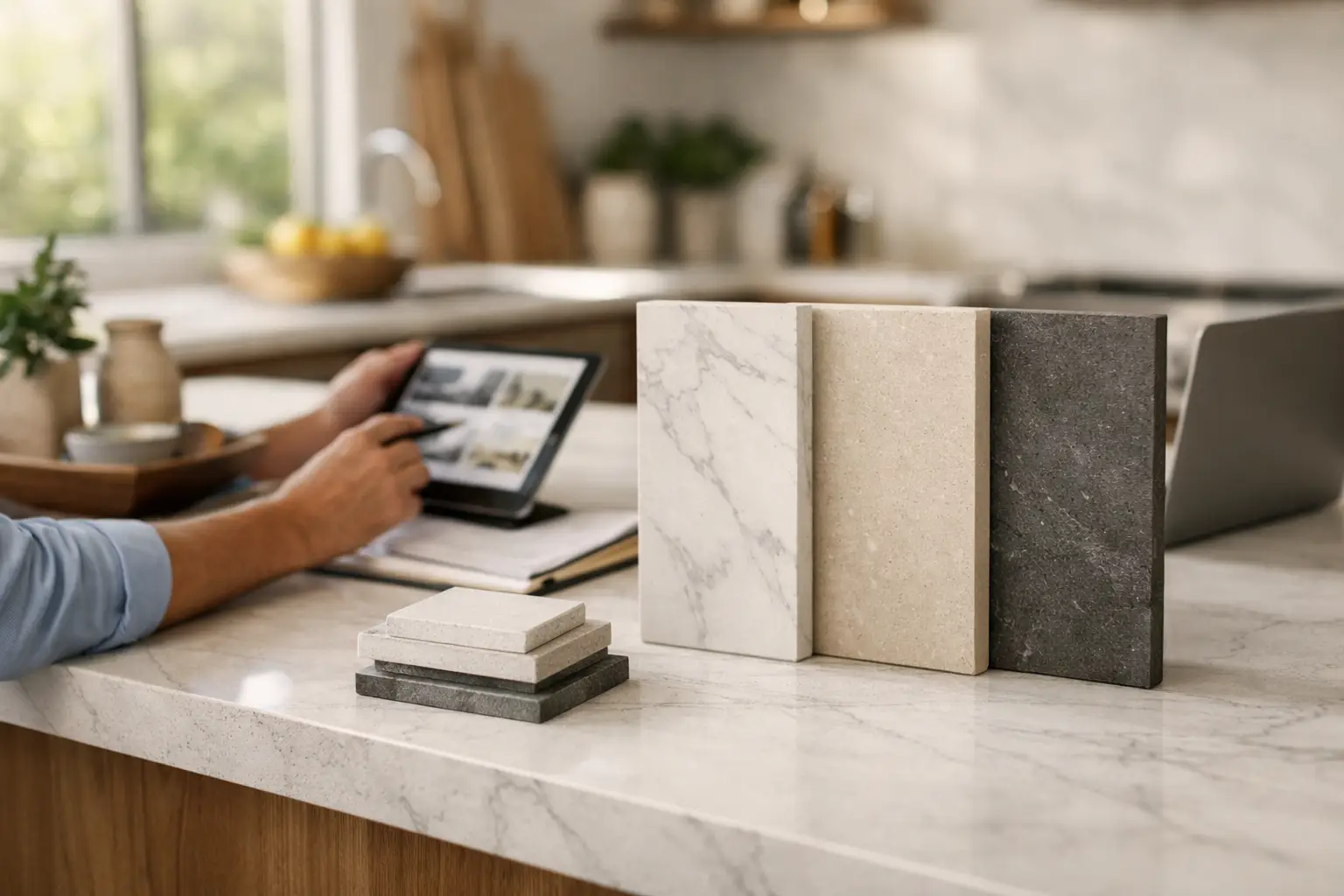
Before locking in a bathroom floor tile, it helps to ask a few grounded questions. Is the tile suitable for wet-area floors? What finish does it have underfoot? Will its size work with the bathroom layout and drainage? How will it look once grout is added and the room is lit naturally rather than by showroom lighting?
It is also worth asking how the tile will feel after six months of use, not just on day one. Some surfaces are stunning but demanding. Others offer a quieter kind of quality – the sort that continues to work well without constant attention. In many homes, that second category is the better investment.
If your bathroom project sits within a wider renovation, think about continuity too. The floor tile should not only suit the bathroom in isolation, but also feel connected to adjacent finishes. A home feels more resolved when material transitions are deliberate and proportioned well.
A practical approach leads to better results
The most successful bathroom floors are rarely chosen in a rush. They come from weighing appearance against daily use, and style against technical suitability. That does not make the process less creative. If anything, it leads to more confident design decisions because the beauty is backed by performance.
At Verona Ceramic, this is how we approach premium architectural surfaces – with enthusiasm for design, but also with respect for durability, safety and the realities of installation. Bathroom floor tiles should not only look right in a sample tray. They should support the way people live, clean and move through the home every day.
Choose a tile that feels good to walk on, easy to maintain and steady in its style, and your bathroom will keep rewarding you long after the renovation dust is gone.