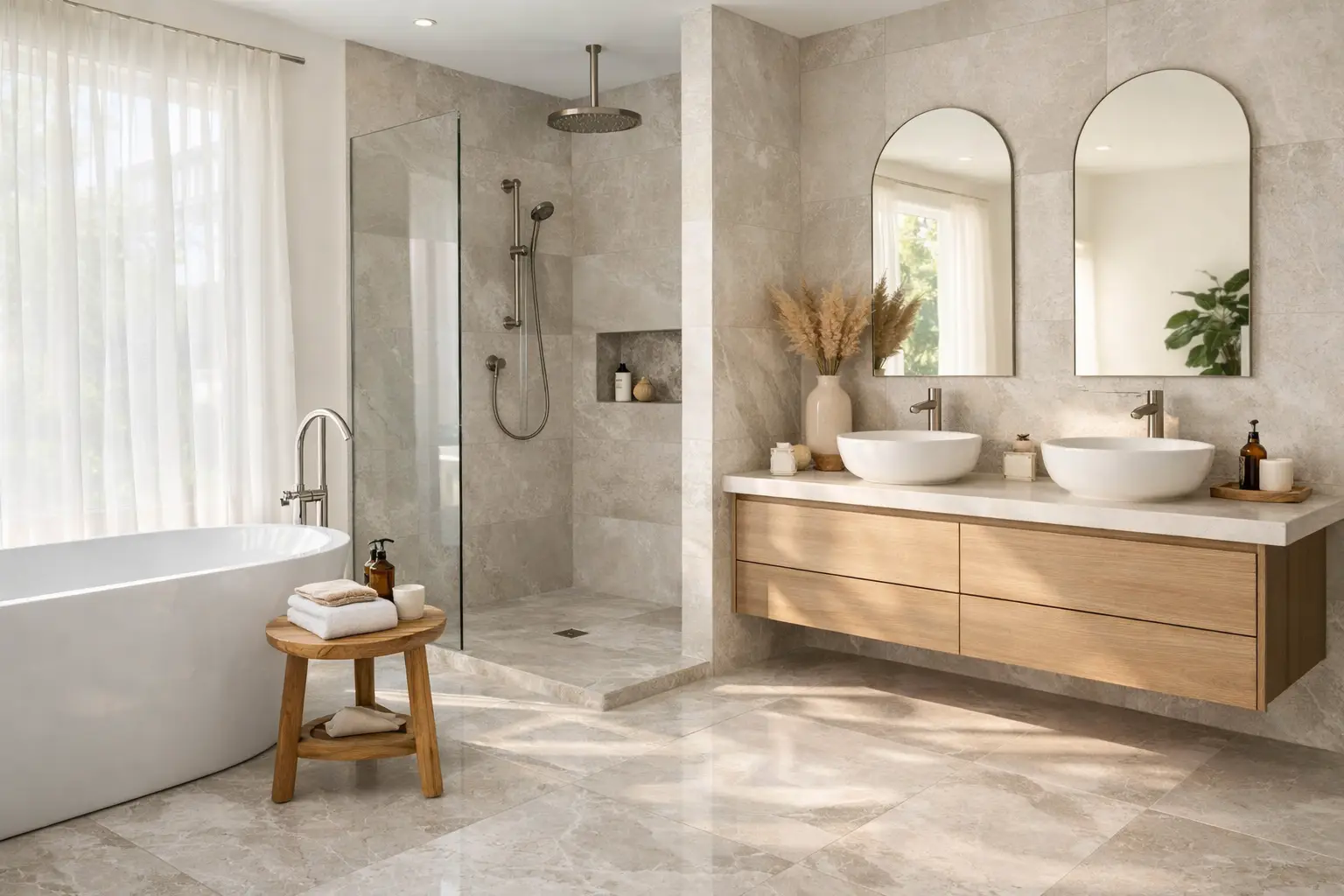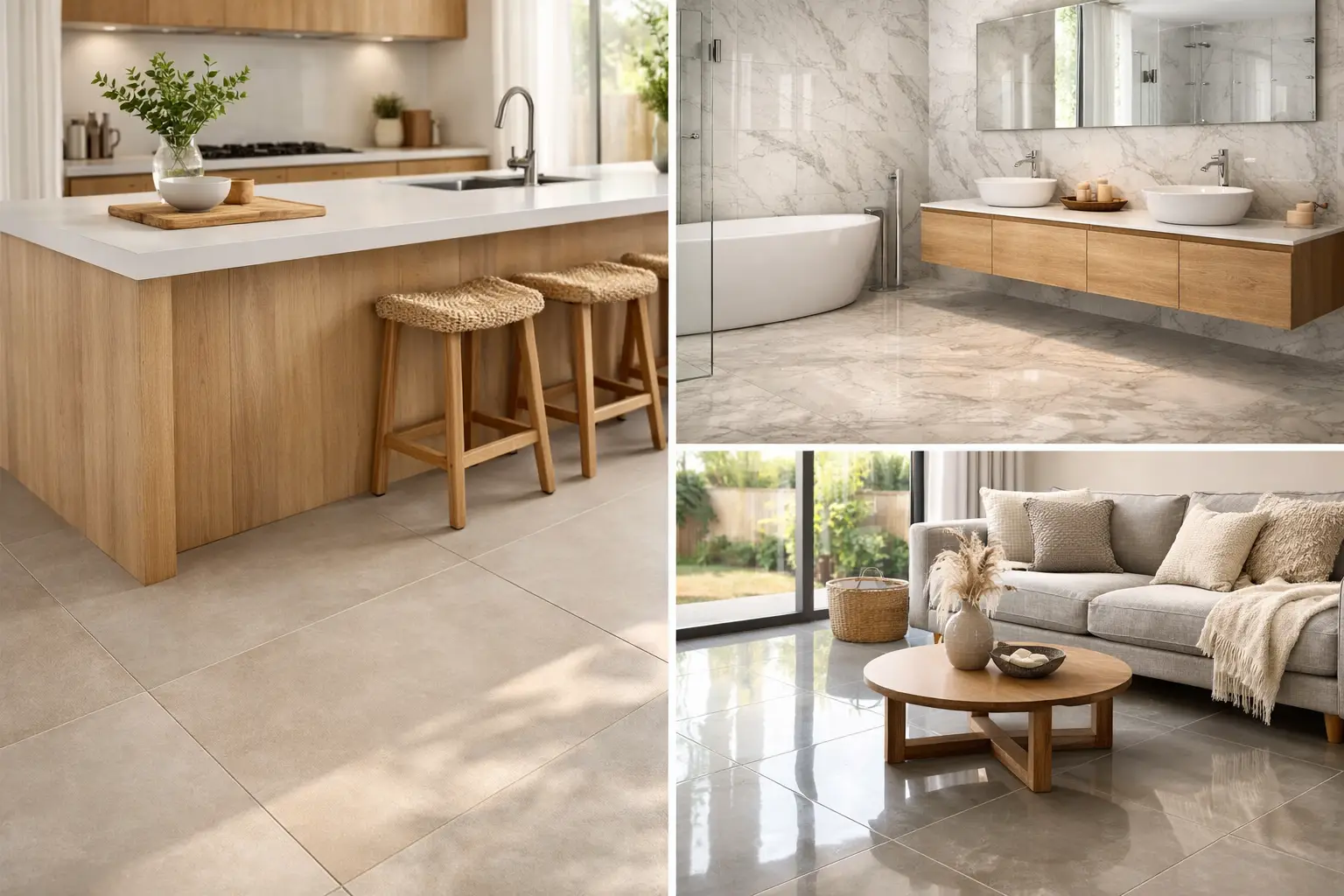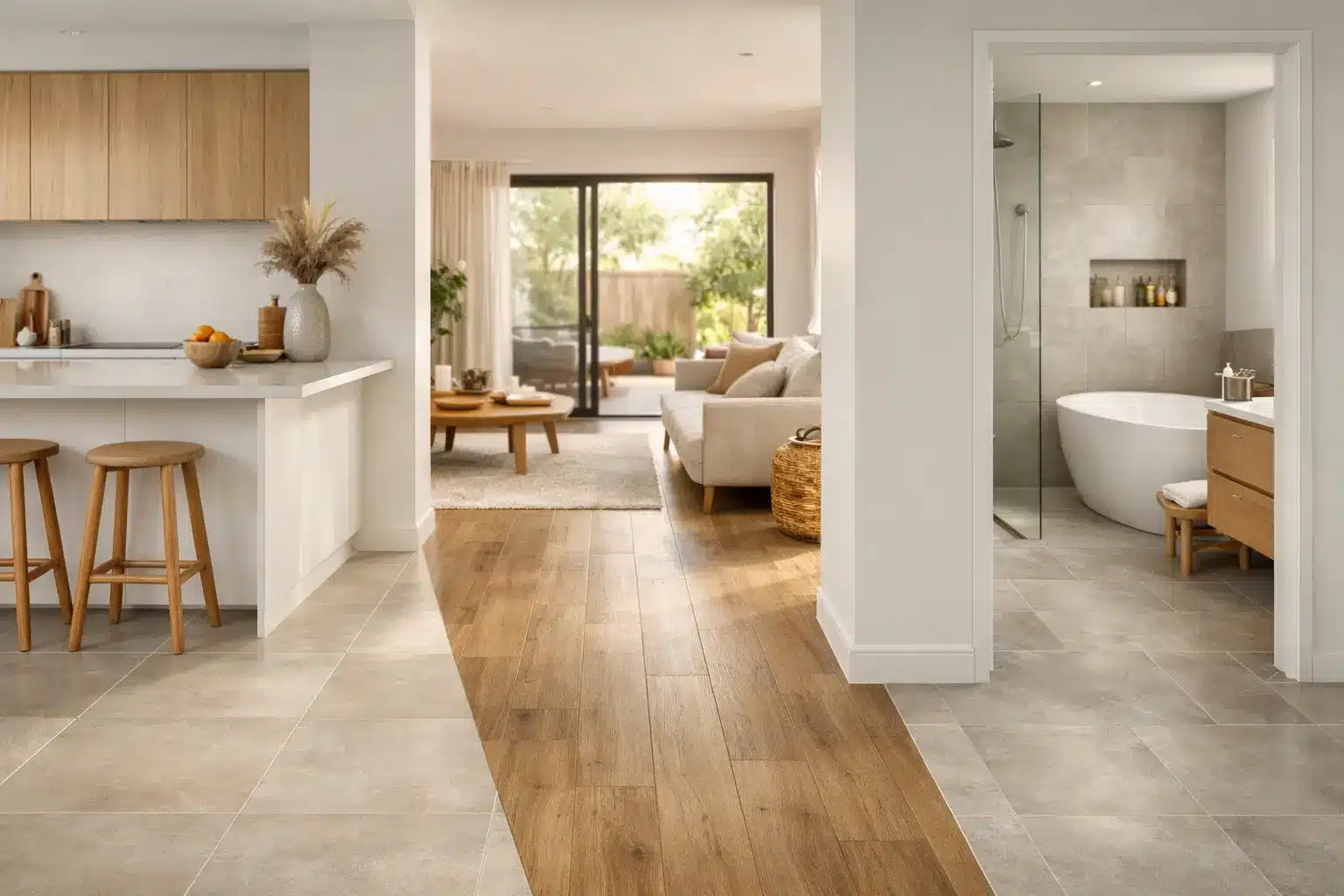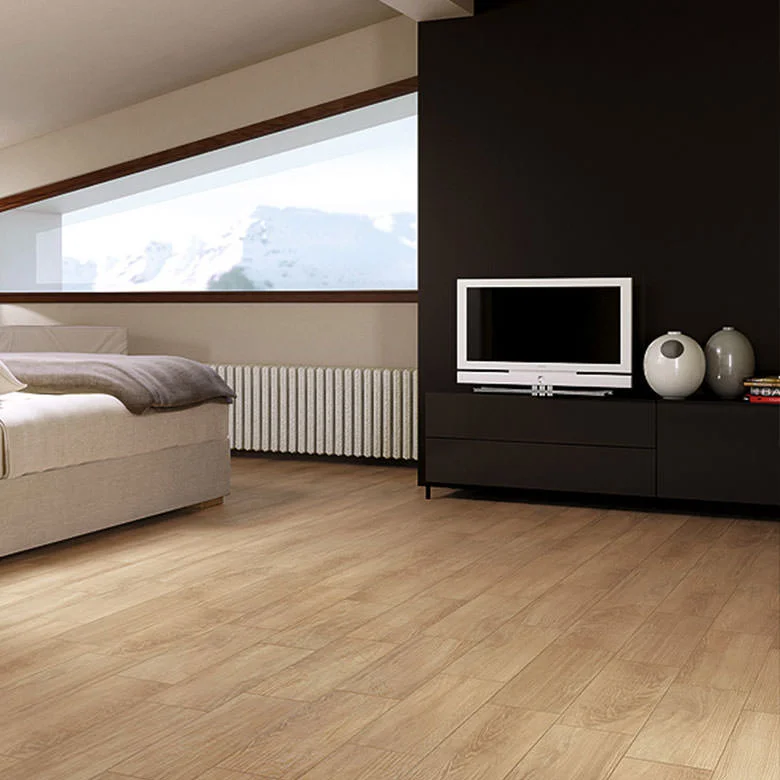
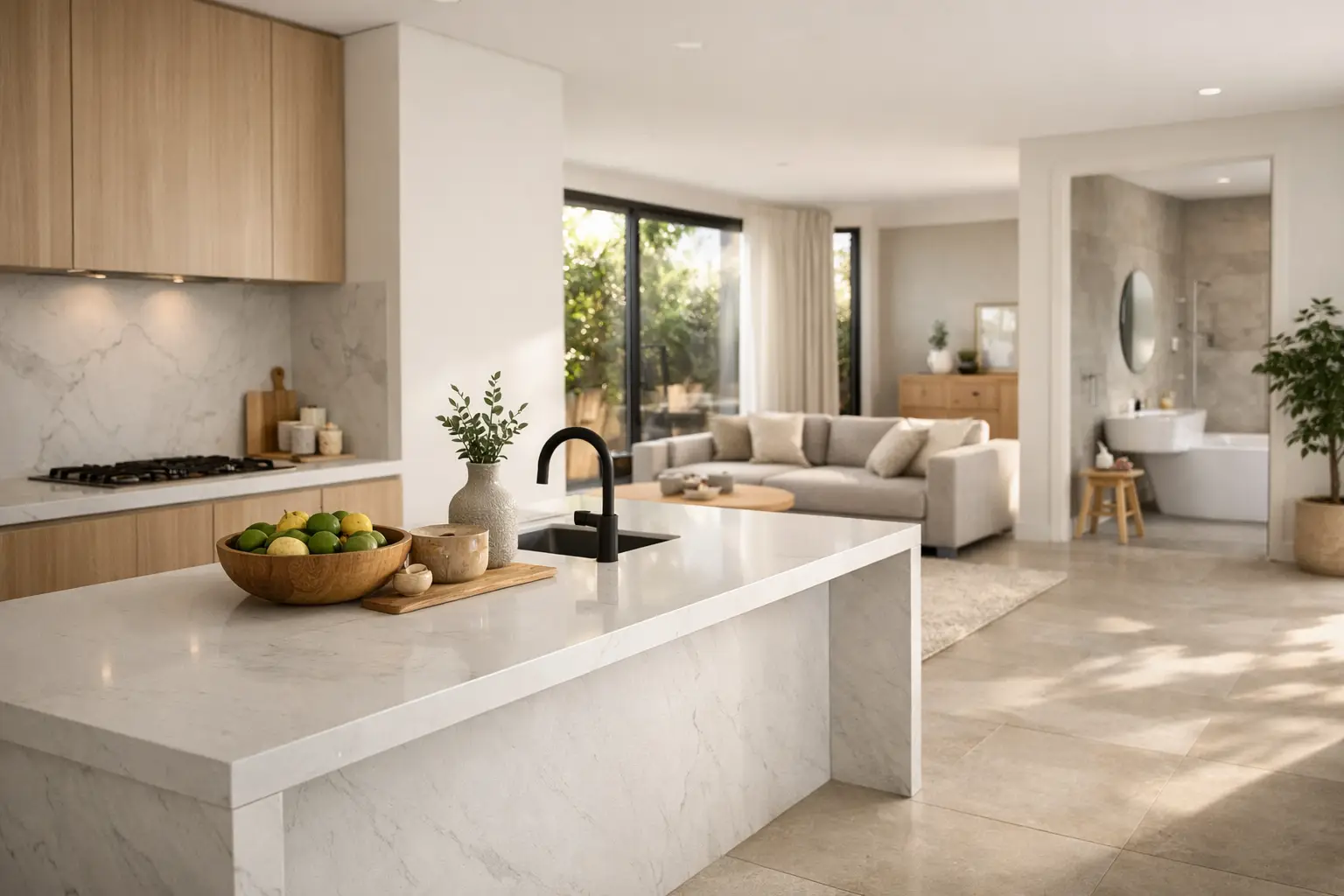
The right surface changes how a home feels long before the furniture goes in. In kitchens, bathrooms and open-plan living areas, architectural surfaces Melbourne homeowners choose need to do more than look good on display – they need to handle steam, spills, muddy shoes, family life and years of daily use without losing their appeal.
That is why surface selection deserves a more careful approach than simply matching a colour sample to a mood board. For most renovations, the best result comes from balancing appearance, durability, maintenance, safety and availability. A beautiful tile or benchtop only works if it suits the way the home is actually lived in.
What counts as architectural surfaces in Melbourne homes?
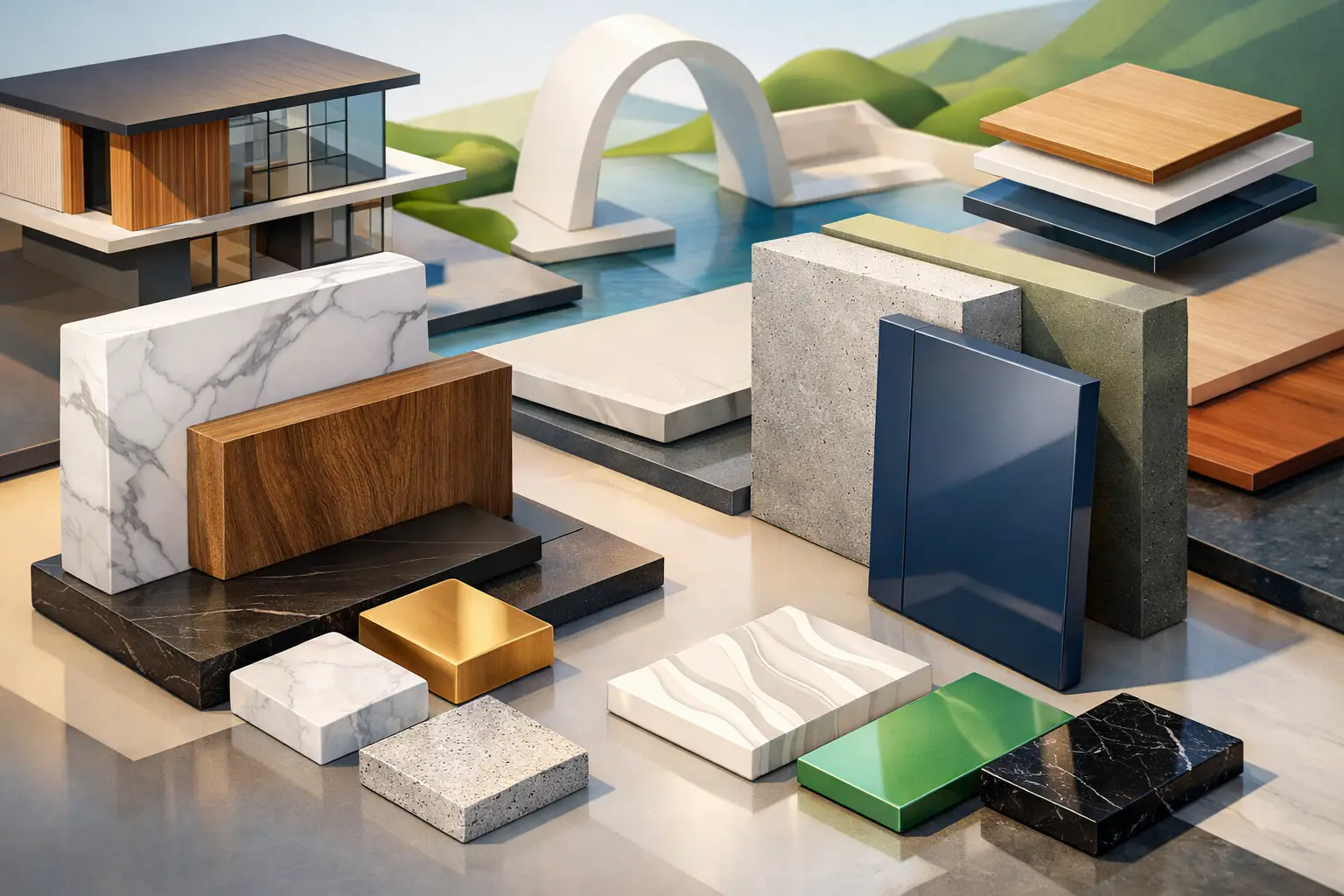
In residential renovation, architectural surfaces usually refer to the hard finishes that shape both the function and character of a space. That includes porcelain wall and floor tiles, splashback tiles, bathroom finishes, feature wall materials and kitchen benchtops. These are not just decorative layers. They influence cleaning routines, slip safety, visual flow and the long-term value of the renovation.
For Melbourne homes especially, surfaces often need to perform across changing conditions. A material may face cold mornings, wet entries, high summer heat near glazing, and constant foot traffic in busy family zones. This is where product quality matters. A finish that looks refined in a showroom but stains easily or wears too quickly can become a costly compromise.
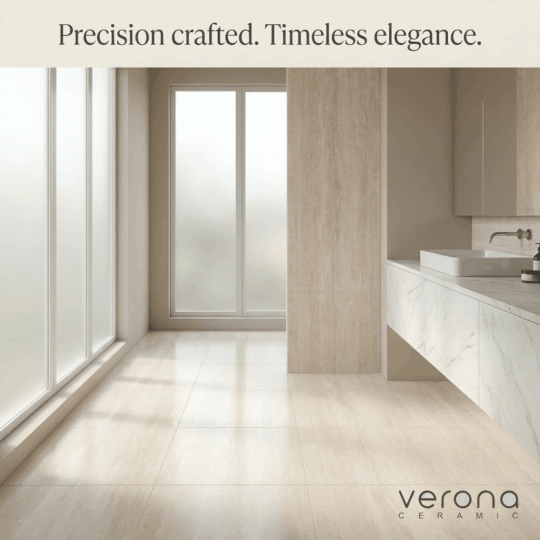
Porcelain tiles remain one of the strongest choices for architectural applications because they are dense, durable and easy to maintain. They work across bathrooms, kitchens, laundries, living spaces and even certain outdoor areas when the correct slip-rated product is chosen. For benchtops, zero-silica engineered stone has become an increasingly important option for households and trade professionals who want a safer, standards-conscious material without giving up a premium finish.
Choosing architectural surfaces Melbourne projects can rely on
The best selections usually start with the room, not the trend. A powder room feature tile can afford to be more decorative and expressive. A main family bathroom floor needs better slip resistance and easier cleaning. A kitchen benchtop has to deal with food prep, heat exposure, impact and daily wiping.
This is where technical details help. For floor tiles, PEI rating gives an indication of wear resistance, which is useful in high-traffic spaces. Slip resistance matters in bathrooms, laundries and entries, where a tile with suitable grip can make everyday movement safer. Finish also changes performance. Matte tiles are often favoured for floors because they offer a softer look and can be more forgiving with water marks and smudges. Polished finishes can bring light into a room, but they may show more residue and are generally better suited to walls or lower-traffic applications.
Tile size affects more than style. Large format tiles can make a room feel broader and more streamlined, with fewer grout lines and a more architectural appearance. They are especially popular in contemporary bathrooms and open-plan living areas. Smaller tiles, on the other hand, can be useful where falls, curves or detailed layouts need more flexibility. They also bring texture and pattern into compact areas.
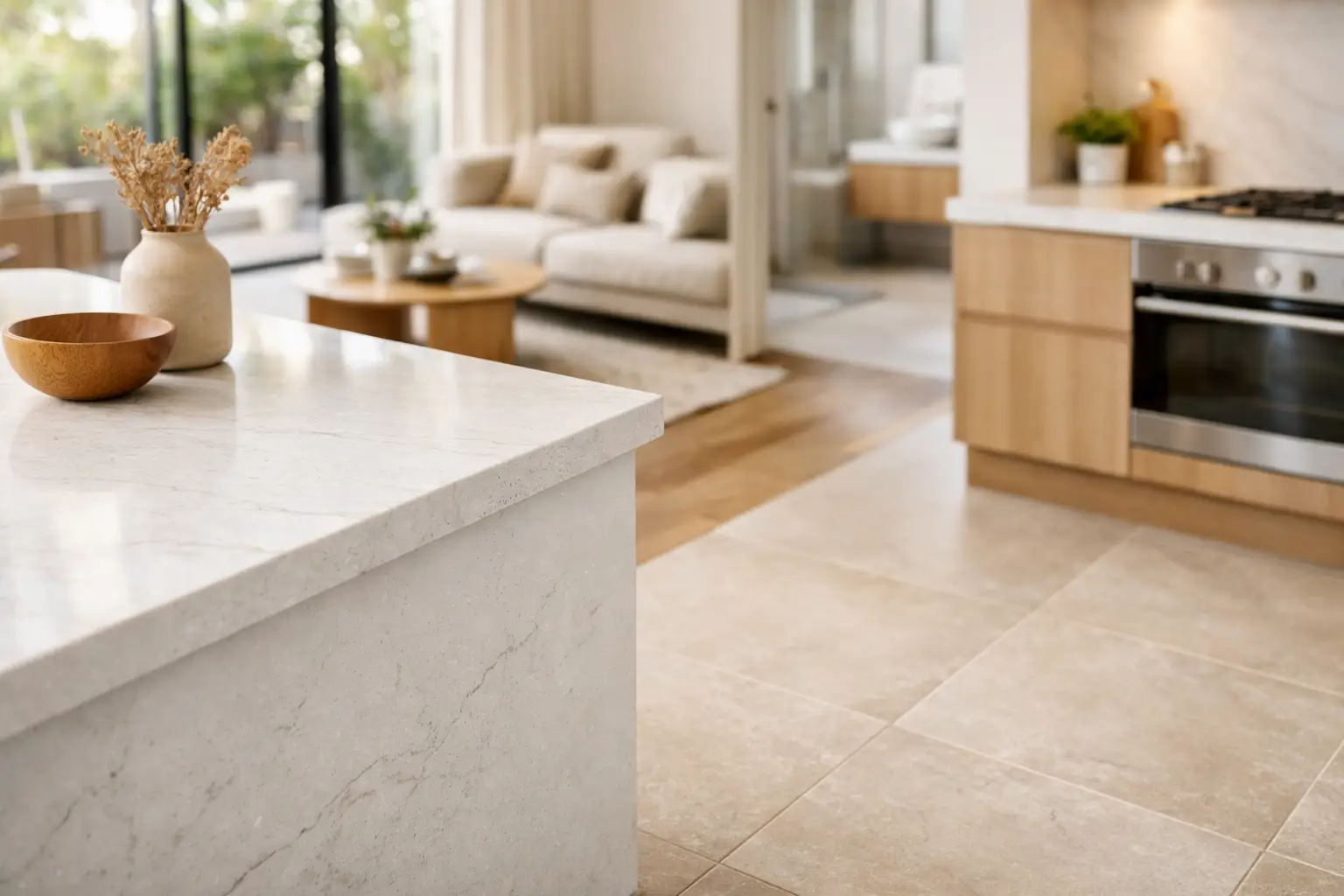
With benchtops, the conversation tends to centre on look first, but composition is just as important. Zero-silica benchtops appeal to families, designers and builders who want a surface that supports a healthier renovation approach while still delivering a clean, refined finish. When paired with porcelain tiles, they create a practical material palette that feels cohesive and enduring rather than overly trend-driven.
Style matters, but longevity matters more
It is easy to be drawn to whatever is current on social media, yet the most successful renovations usually rely on surfaces that still feel right five or ten years later. That does not mean playing it safe to the point of blandness. It means using timeless base materials and bringing personality through scale, layout, texture and contrast.
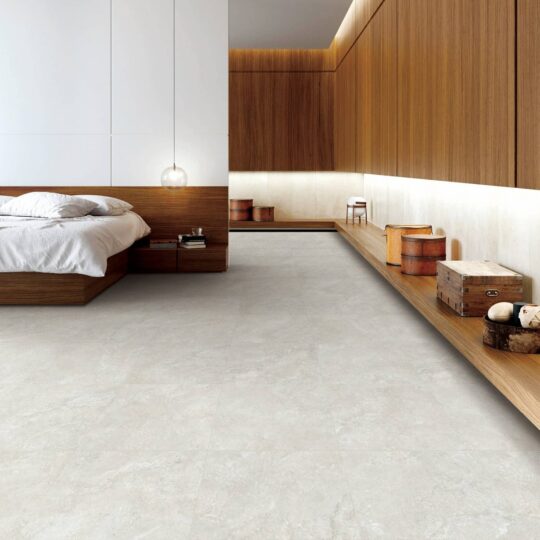
Stone-look porcelain, concrete-look finishes and soft neutral palettes continue to work well because they sit comfortably across many interior styles. They can support warm timber cabinetry, brushed metal fittings, curved joinery or more minimalist detailing without boxing the home into one short-lived trend. For families renovating with future resale in mind, that flexibility is valuable.
There is also a practical side to timelessness. Busy households often prefer finishes that hide everyday dust, water spotting and minor marks more gracefully. Mid-tone matte tiles generally do this better than very dark gloss surfaces or very pale polished finishes. In bathrooms, textured porcelain can add visual depth while remaining easy to clean when specified well.
Why local stock and lead times can make or break a renovation
Design decisions do not happen in isolation from timelines. One of the most overlooked parts of choosing premium architectural surfaces is product availability. Imported materials with long lead times may suit some custom projects, but many renovations run on tighter schedules. If tiles or benchtops are delayed, cabinet installation, waterproofing, handover dates and trade coordination can all be affected.
That is why ready stock matters. A Melbourne warehouse with large holdings gives homeowners and trade professionals more certainty, especially when matching additional quantities, handling breakage allowances or keeping a project moving. Factory direct supply can also improve value without compromising quality, because the focus stays on the material itself rather than added layers of cost.
For builders and renovators, this reliability is not a small operational detail. It often determines whether a specification works in the real world. The best surface choice is not always the rarest or most expensive one. Often, it is the product that meets design intent, complies with Australian standards, arrives on time and performs as promised after installation.
A better way to plan tiles and benchtops together
Many homeowners choose tiles first and benchtops later, or the reverse, and only realise near the end that the tones do not sit comfortably together. A better approach is to view surfaces as one system. Floor tile, wall tile, splashback, vanity finish and benchtop all contribute to the same visual rhythm.
This does not mean everything must match exactly. In fact, rooms often feel more considered when there is some contrast. A soft matte floor tile can ground a space while a lightly veined benchtop adds movement. A plain large format bathroom wall tile can pair beautifully with a textured feature tile in a niche or vanity zone. The goal is coordination, not repetition.
Free measuring and 3D design support can be particularly useful here because scale, grout lines and natural light all affect how a surface reads once installed. A sample held in the hand will never tell the full story. Seeing the relationship between elements before ordering helps avoid costly second-guessing and gives more confidence in the final finish.
Where homeowners and trade professionals tend to differ
Homeowners often focus on appearance, maintenance and whether a space will feel welcoming every day. Trade professionals are usually thinking about installation, quantities, lead times, consistency between batches and suitability for the application. Both views are valid, and the strongest renovation outcomes happen when those priorities meet.
For example, a homeowner may prefer a very light tile for an airy bathroom. A tiler may point out that tile size, substrate condition and grout colour will influence the final result just as much as the tile itself. A builder may need assurance that stock is available when scheduled. A supplier who understands both design and delivery can make these conversations far easier.
This is where experience counts. In a showroom and warehouse environment, objective product advice is far more useful than hard selling. Families want to know what will clean easily, age well and stay safe underfoot. Designers want finishes that elevate the project. Builders want straightforward information and dependable turnaround. All of that should be part of the buying process.
Making a confident surface choice
When comparing porcelain tiles Melbourne renovators are considering, or selecting zero silica benchtops for a kitchen update, the smartest question is not simply, which one looks best today? It is, which one will still serve this home well after years of cooking, cleaning, entertaining and daily wear?
That question naturally leads to better decisions: porcelain with the right slip resistance for wet areas, a finish that suits the amount of natural light in the room, a benchtop material aligned with current safety expectations, and stock support that keeps the renovation moving. At Verona Surfaces, that practical confidence is exactly what homeowners and trade clients are looking for when they choose premium architectural surfaces backed by local service and ready stock.
A well-finished home should feel easy to live in, not delicate. When surfaces are chosen with equal attention to beauty, safety and durability, the renovation keeps paying you back every single day.