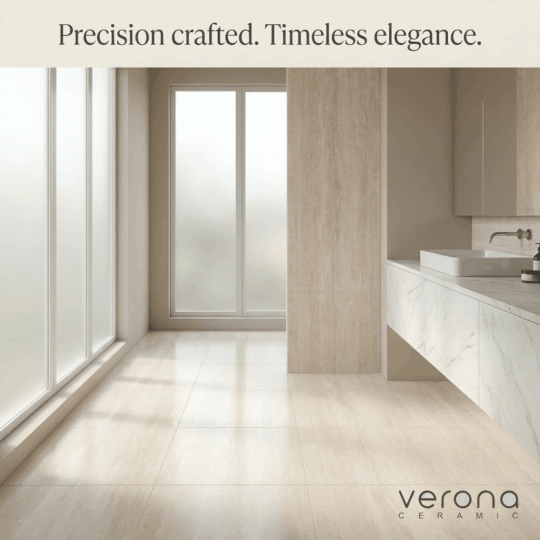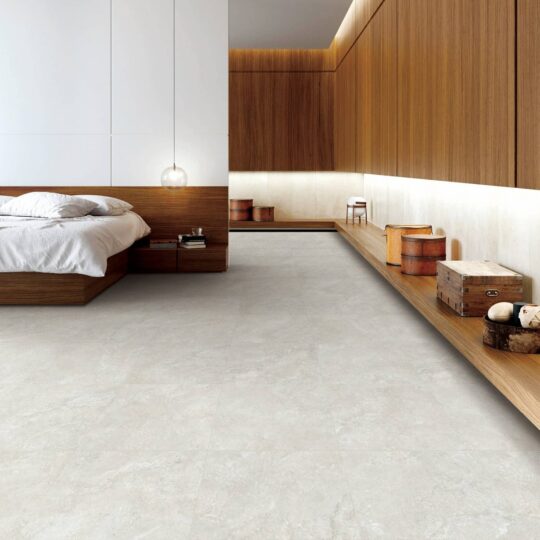
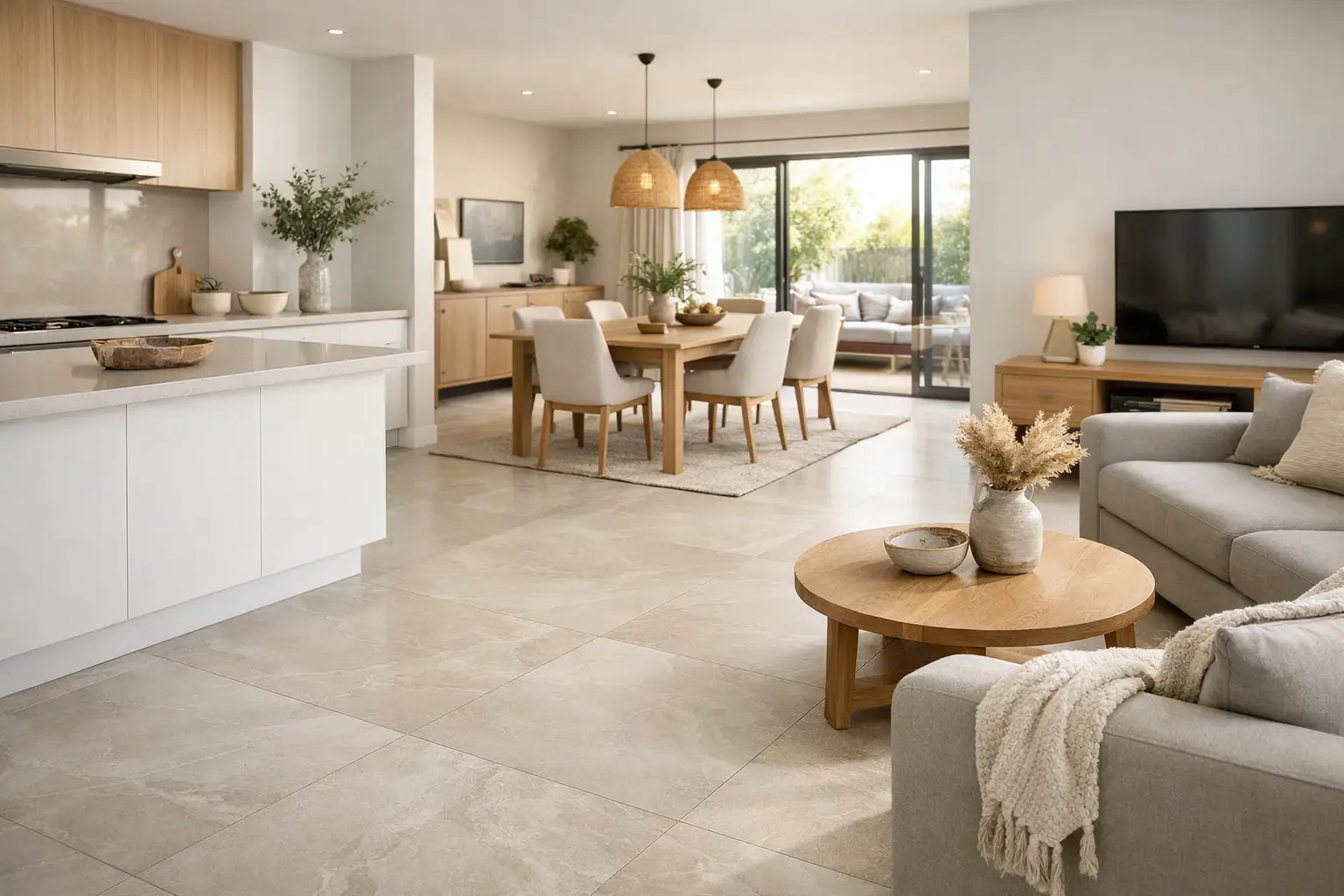
A single floor can make an open-plan home feel generous, calm and connected – or expose every grout line, scuff mark and awkward transition. The best tiles for open plan living are not simply the largest or palest option in the showroom. They need to suit the way your household moves between kitchen, dining and living zones, while standing up to daily wear for years to come.
For most Melbourne renovations and new homes, porcelain is the practical starting point. It offers the enduring quality, low porosity and easy-care finish that busy family spaces demand, with designs ranging from soft limestone looks to detailed timber and concrete effects. The right choice comes down to balancing appearance, safety, room proportions and installation quality.
Why porcelain works across open-plan spaces
Open-plan living puts one surface through several different jobs. Near the kitchen, it must handle dropped utensils, splashes and regular cleaning. In dining areas, chairs move in and out daily. Through living spaces, it should feel inviting underfoot and work with changing furniture, rugs and natural light.
Quality porcelain tiles are fired at high temperatures, creating a dense surface with very low water absorption. This makes them suitable for internal living areas and kitchens, and helps them resist stains, scratches and moisture better than many softer floor finishes. A good porcelain tile will not need sealing in the way natural stone often does, which keeps long-term maintenance straightforward.
For a busy household, choose a glazed porcelain floor tile with a suitable wear rating. PEI 4 is commonly a sound choice for residential living spaces with regular foot traffic, while the exact specification should always be checked against the manufacturer’s data. This rating measures resistance to surface abrasion on glazed tiles, not slip resistance, so both details matter.
A continuous porcelain floor also gives an open layout visual discipline. Rather than breaking the home into separate rooms, it creates a reliable backdrop for cabinetry, a zero-silica engineered stone benchtop, timber furniture and textiles to do their work.
Best tiles for open plan living: choose the right format
Large format tiles are popular for good reason. A 600 x 600 mm, 600 x 1200 mm or 750 x 1500 mm format can reduce the number of grout lines across a broad floor, creating a more composed, architectural appearance. Fewer joints can also make routine cleaning easier, particularly around a kitchen island and dining table.
That said, bigger is not automatically better. Large format tiles need a very flat, well-prepared substrate to avoid lipping, where one tile edge sits higher than the next. They can also involve more cutting around doorways, floor wastes and cabinetry. In a compact renovation with many corners or an uneven existing slab, a 600 x 600 mm tile may provide a cleaner result and better value in installation time.
Rectified porcelain is worth considering where a crisp, contemporary look is the goal. Its edges are precisely cut after firing, allowing narrower grout joints when the tile and installation system permit it. Narrow joints look refined, but they do not remove the need for grout or movement allowance. A skilled tiler will still allow for perimeter gaps and movement joints, especially across larger connected areas where temperature changes and building movement can occur.
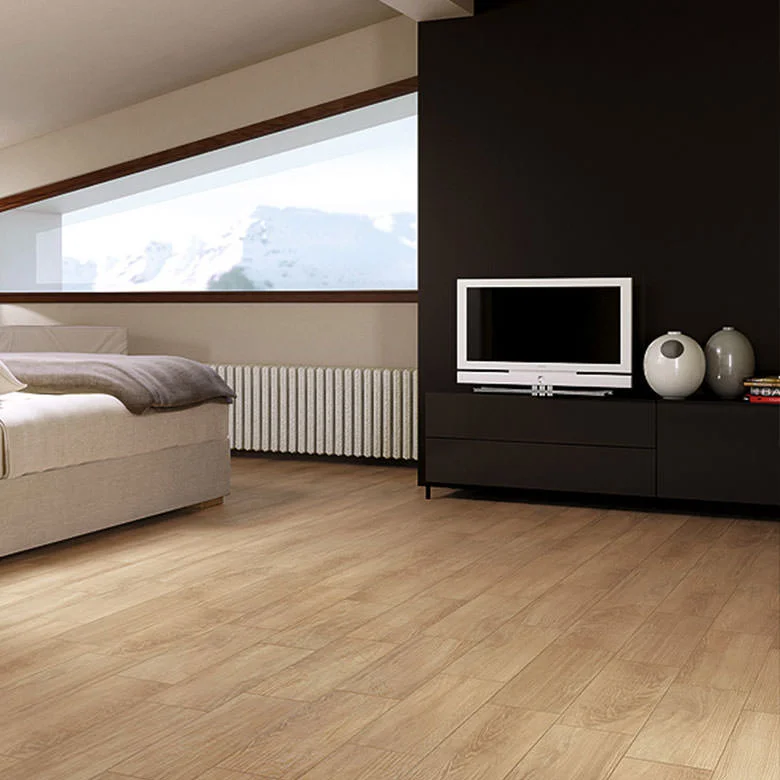
For a timber-look design, longer planks can bring warmth without the maintenance requirements of real timber. Vary the planks from box to box during installation so the pattern reads naturally, and avoid a simple half-offset layout on long tiles unless the manufacturer approves it. A staggered pattern with too much offset can make minor tile bowing more noticeable.
Match the tile size to the room, not just the trend
Open plans benefit from consistency, but proportion still matters. In a home with low ceilings or limited natural light, a pale 600 x 1200 mm tile can create a sense of breadth without overwhelming the space. In a generously proportioned home with wide openings and strong daylight, larger panels may feel beautifully calm.
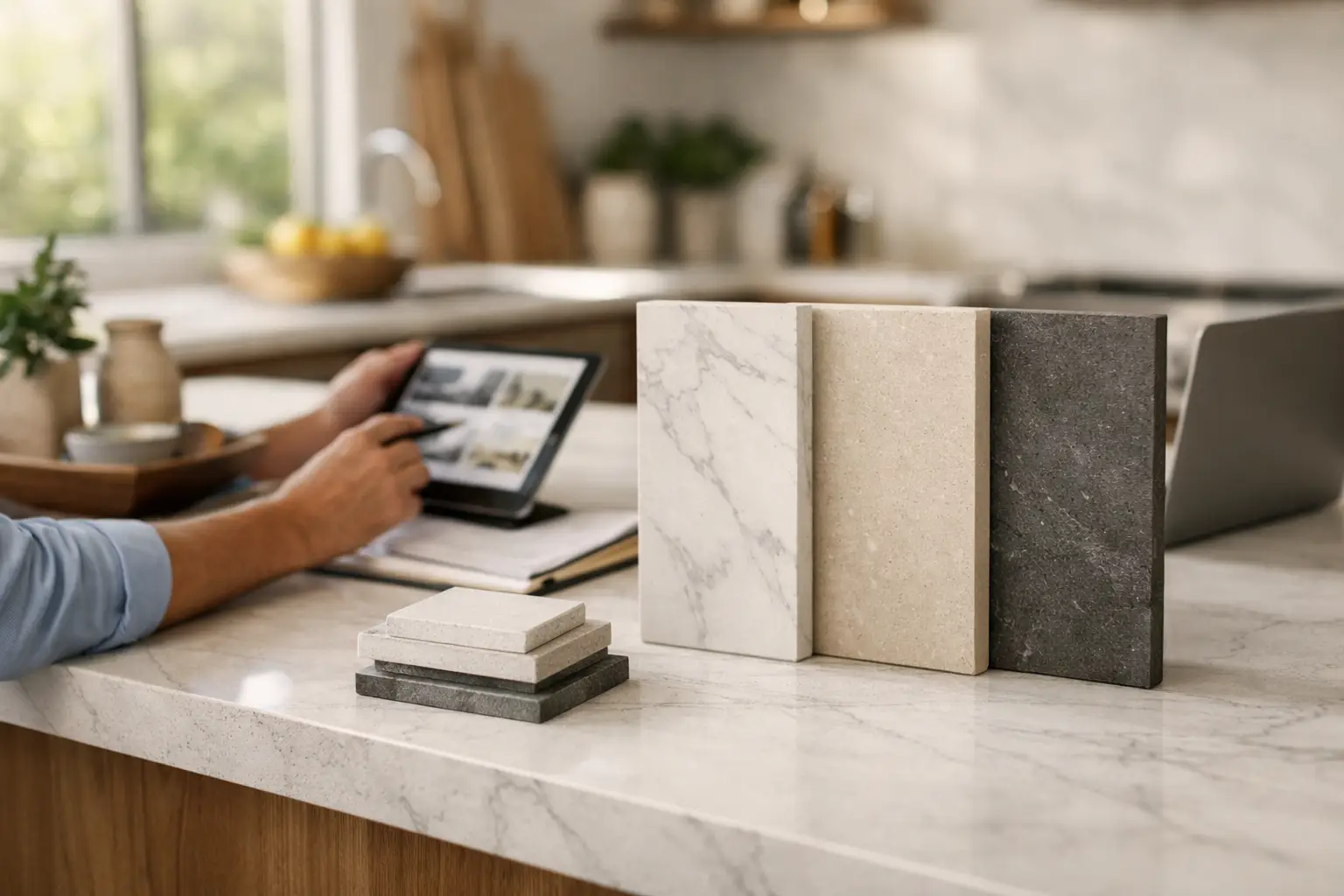
Always view several tiles together, not one sample in isolation. Natural-look porcelain is intentionally varied in face pattern and shade. Looking at a full box or laid-out selection is the best way to judge whether the movement is subtle enough for an expansive floor.
Finish and slip resistance for everyday safety
The finish affects both the look and lived experience of an open-plan floor. Polished porcelain reflects light and can feel very elegant, but it shows footprints, water spots and crumbs more readily. It can be better suited to lower-traffic formal areas than a family kitchen-living zone.
Matte tiles are often the most balanced choice. Their soft, low-sheen finish disguises everyday marks more effectively, complements modern and classic interiors, and feels less visually busy in a large area. Many matte porcelain options are available with an appropriate slip rating for internal residential floors.
In Australia, slip resistance is commonly expressed with a P rating. The right rating depends on where the tile will be used and whether the area is likely to become wet. For a dry internal living area, a comfortable, easy-clean finish may be appropriate. Where the open plan runs directly to an alfresco, pool area or frequently wet entry, a higher slip-resistant option may be sensible. More grip can mean a more textured surface, which may need slightly more attention when cleaning. This is a genuine trade-off worth discussing before ordering.
If you want the same visual design indoors and outdoors, check that the external version meets the required slip resistance for its location. Often, manufacturers offer a smoother internal finish and a more structured outdoor finish in the same colour family. The transition can look cohesive while remaining practical under bare feet and wet shoes.
Colour, pattern and grout decisions that last
A floor covering a whole open-plan zone needs to live well with changing paint colours, furniture and styling. Warm whites, gentle greys, mushroom tones, sandy beige and light greige porcelain tend to offer lasting flexibility. These shades work particularly well with oak-look joinery, creamy benchtops and black or brushed-metal fixtures without forcing the room into one short-lived trend.
Very white tiles can feel bright and fresh, but may highlight dark crumbs and grout discolouration. Very dark floors can be striking, yet they often show dust, pet hair and footprints. Mid-tone tiles with modest tonal variation are among the most forgiving choices for active homes.
Pattern deserves restraint in a large shared space. A stone-look tile with fine veining, a quiet concrete appearance or a timber-look grain can add character without competing with kitchen cabinetry. Strong encaustic-style patterns and dramatic veining can be beautiful in a powder room or laundry, but across a large floor they may limit future design choices.
Choose grout as part of the tile decision, not after it. A close tonal match creates a broad, uninterrupted surface, while a contrasting grout emphasises every tile shape and joint. For most open-plan floors, a mid-tone grout close to the tile colour is a practical choice because it hides everyday dirt more gracefully than bright white grout. Ask your tiler about high-quality grout options suited to the joint width and tile type.
Plan for installation before you buy
The most beautiful porcelain can disappoint if the layout is not planned early. Confirm the floor levels before selecting tile thickness, particularly when the new tiled area meets bedrooms, existing timber floors or an external threshold. Consider where full tiles will begin, how cuts will fall around the island, and whether the same tile will continue through the hallway for a more unified result.
It is wise to order sufficient tiles from the same batch, allowing for cuts, breakages and a small quantity for future repairs. Batch variation is normal in porcelain, especially natural-look ranges, so checking shade and calibre before installation protects the finished result. Inspect tiles on delivery and raise any concerns before they are laid.
For larger formats, use an experienced tiler who understands substrate preparation, levelling systems and the adhesive coverage needed for porcelain. Good installation is not an optional extra – it is what allows premium architectural surfaces to remain flat, secure and attractive over time.
A floor that supports daily family life
The best open-plan floor does not need constant attention to look good. It should handle a busy breakfast, a chair dragged back from the table and a rainy afternoon at the door, then clean up easily when the day is done. Porcelain meets that brief with confidence when the size, finish and rating are selected for the home rather than the showroom display.
For homeowners comparing large format tiles, matte finishes or indoor-outdoor options, viewing full-size samples in natural light makes a meaningful difference. Verona Ceramic can help Melbourne renovators consider ready-stock porcelain options, practical specifications and a layout that feels right for the way the household truly lives.