A bathroom can look finished on inspection day yet feel disappointing within a few years if the surfaces are difficult to clean, too slippery when wet or visually dated. Choosing premium bathroom tiles Melbourne homeowners can rely on is less about chasing a passing trend and more about selecting a surface that performs beautifully through busy mornings, bath time, humidity and everyday cleaning.
Porcelain is often the strongest starting point for a premium bathroom. It is dense, low-porosity and highly durable, making it well suited to wet areas where water resistance and easy care matter. The right tile also brings a calm, considered finish to a home, whether the brief is a compact ensuite, a family bathroom or a high-end new build.
What Premium Bathroom Tiles Melbourne Projects Need
Premium does not simply mean a higher price point or a dramatic pattern. It means the tile has the visual quality, technical suitability and consistency required for its location. A porcelain tile should feel purposeful underfoot, hold its colour and finish over time, and work with the bathroom’s lighting, layout and fittings.
For wall applications, a refined glazed porcelain can create a clean, architectural backdrop with very little maintenance. For floors, the finish needs more consideration. Polished tiles can reflect light beautifully and make a bathroom feel more open, but they may not be the best choice for every wet-floor area. A matte, honed-look or textured porcelain often gives a more practical balance of softness, grip and easy cleaning.
Tile selection should also account for the people using the room. A guest powder room has different demands from the main family bathroom, where wet feet, children and frequent cleaning are part of daily life. A good supplier will help match a tile’s slip-resistance characteristics to its intended use, rather than treating every floor surface as the same.
Start with the Floor, Not the Feature Wall
Feature walls are exciting to choose, but the floor is the working surface of the room. Start by confirming the floor tile’s finish, size and suitability for wet conditions. Then build the wall palette around it.
Look for clear product information on slip resistance and ensure the design is assessed against the relevant Australian requirements for the project. Slip ratings and test results are useful decision tools, but they should be interpreted in context. Floor falls, drainage, shower screens, bath placement and cleaning practices all influence real-world safety.
In a walk-in shower, many renovators choose smaller-format tiles or mosaics on the floor. More grout joints can provide additional grip and make it easier for a tiler to create accurate falls towards the drain. Large-format tiles can still work in a shower, particularly with experienced installation planning, but the layout needs to allow for drainage without awkward cuts or pooled water.
Choose a Finish That Suits Daily Care
The finish of a tile changes both the look of the room and the cleaning routine. Matte tiles remain a popular choice for contemporary bathrooms because they soften glare and tend to hide water spotting better than highly polished surfaces. Stone-look matte porcelain offers the warmth and visual movement associated with natural materials without the sealing and maintenance that many natural stones require.
Polished porcelain is a strong option for walls, powder rooms and lower-traffic bathrooms where a light-reflective finish is a priority. In a larger room with generous natural light, it can create a hotel-inspired sense of space. The trade-off is that soap residue, splash marks and footprints can be more noticeable, especially on dark colours.
Textured tiles can add welcome tactile character, particularly in shower zones or as an outdoor-to-indoor continuation. However, deeper texture can hold more residue if cleaning is neglected. The best result is usually a subtle texture with enough surface interest for grip, but not so much that it becomes difficult to maintain.
For most family homes, porcelain tiles are easy to care for with regular sweeping or vacuuming and a pH-neutral cleaner. Harsh chemicals, wax-based products and abrasive tools are unnecessary and may leave a film or affect grout over time. Choosing a practical finish from the start is one of the simplest ways to keep a bathroom looking fresh.
Size, Layout and Grout Make a Real Difference
Large format tiles have become a favourite in premium architectural surfaces because fewer grout lines create a more expansive, composed look. Sizes such as 600 x 600 mm and 600 x 1200 mm are particularly effective on bathroom walls and floors, depending on room proportions. In a modest ensuite, larger tiles can reduce visual clutter, while in a generous main bathroom they can reinforce a calm, luxurious scale.
That said, bigger is not always better. Very large tiles can create more cutting waste in a small room with many corners, niches and doorways. They also require a suitably flat substrate and a tiler equipped to handle the material correctly. A well-chosen 300 x 600 mm or 600 x 600 mm porcelain can look equally premium when the layout is planned carefully.
Grout colour deserves the same attention as the tile. Matching grout creates a quieter, more continuous finish and is especially effective with large-format tiles. A contrasting grout can define a pattern, such as a subway tile or herringbone feature, but it also makes alignment more visible. In bathrooms, a mid-tone grout is often more forgiving than bright white, particularly on floors and in shower areas.
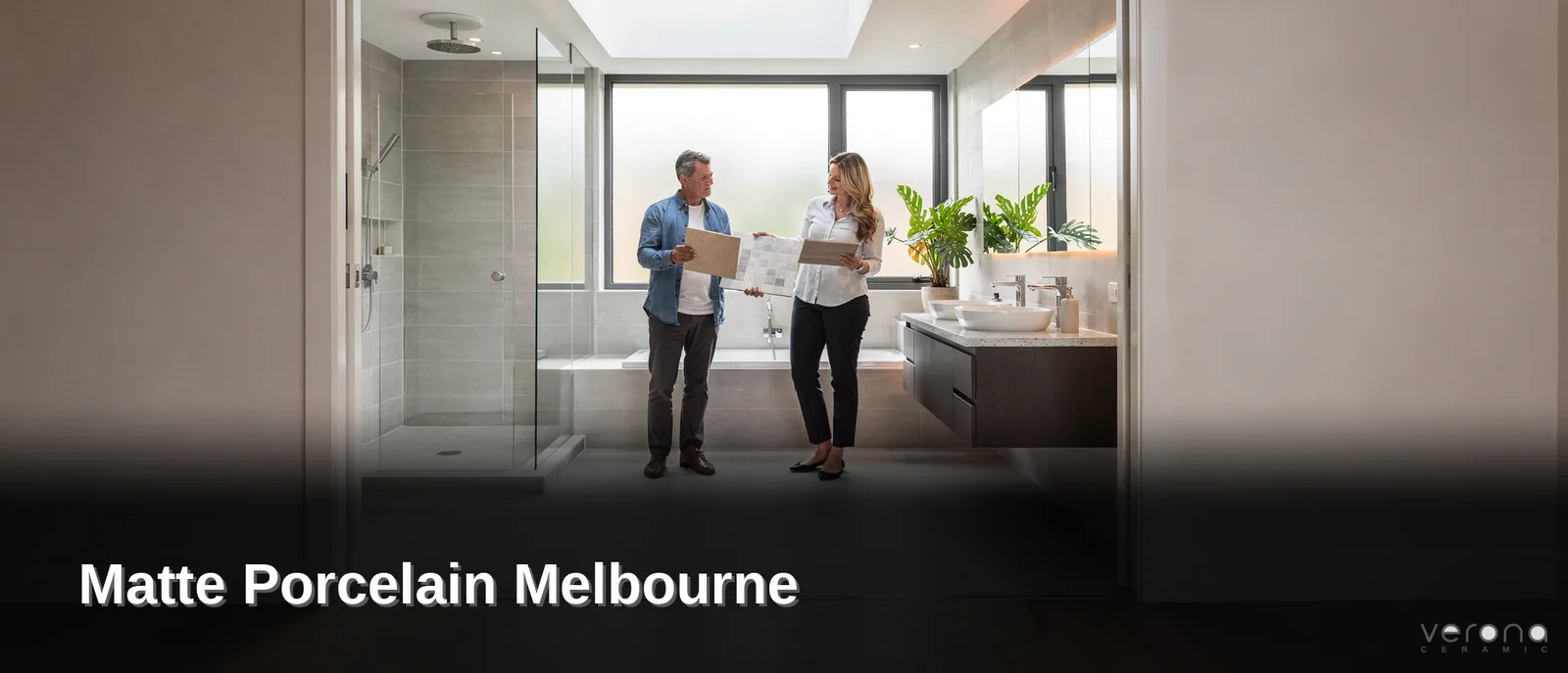
Before ordering, ask to see the tile in the actual room light if possible. A warm white can appear creamy beside cool chrome tapware, while a grey tile may show blue, green or beige undertones depending on daylight and surrounding finishes. Samples are useful, but viewing full tiles helps reveal variation, texture and scale.
Build a Cohesive Bathroom Palette
The most enduring bathrooms usually rely on a restrained material palette rather than several competing statements. One floor tile, one main wall tile and a considered feature or vanity finish can be enough. This gives tapware, mirrors, joinery and lighting room to contribute without making the space feel crowded.
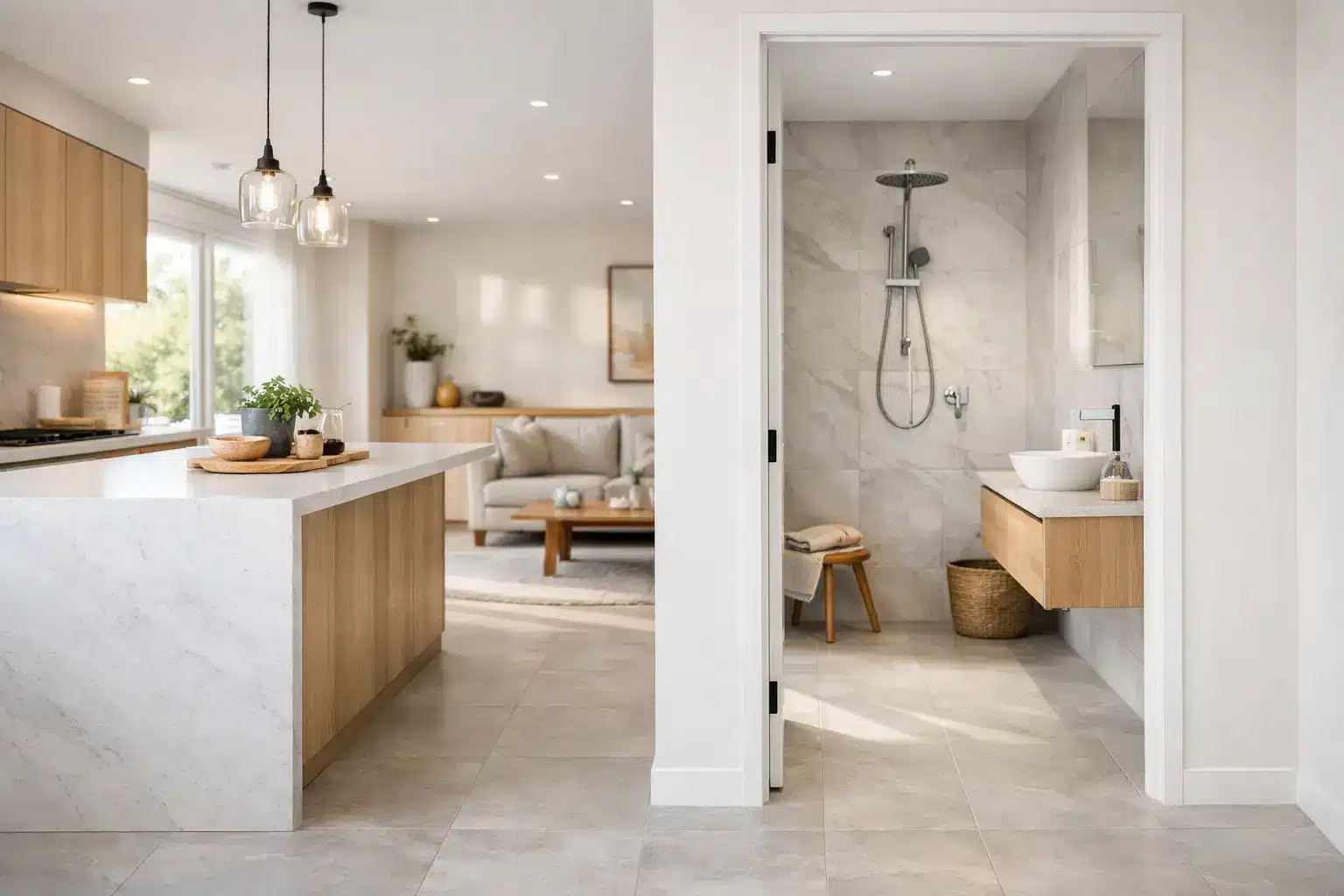
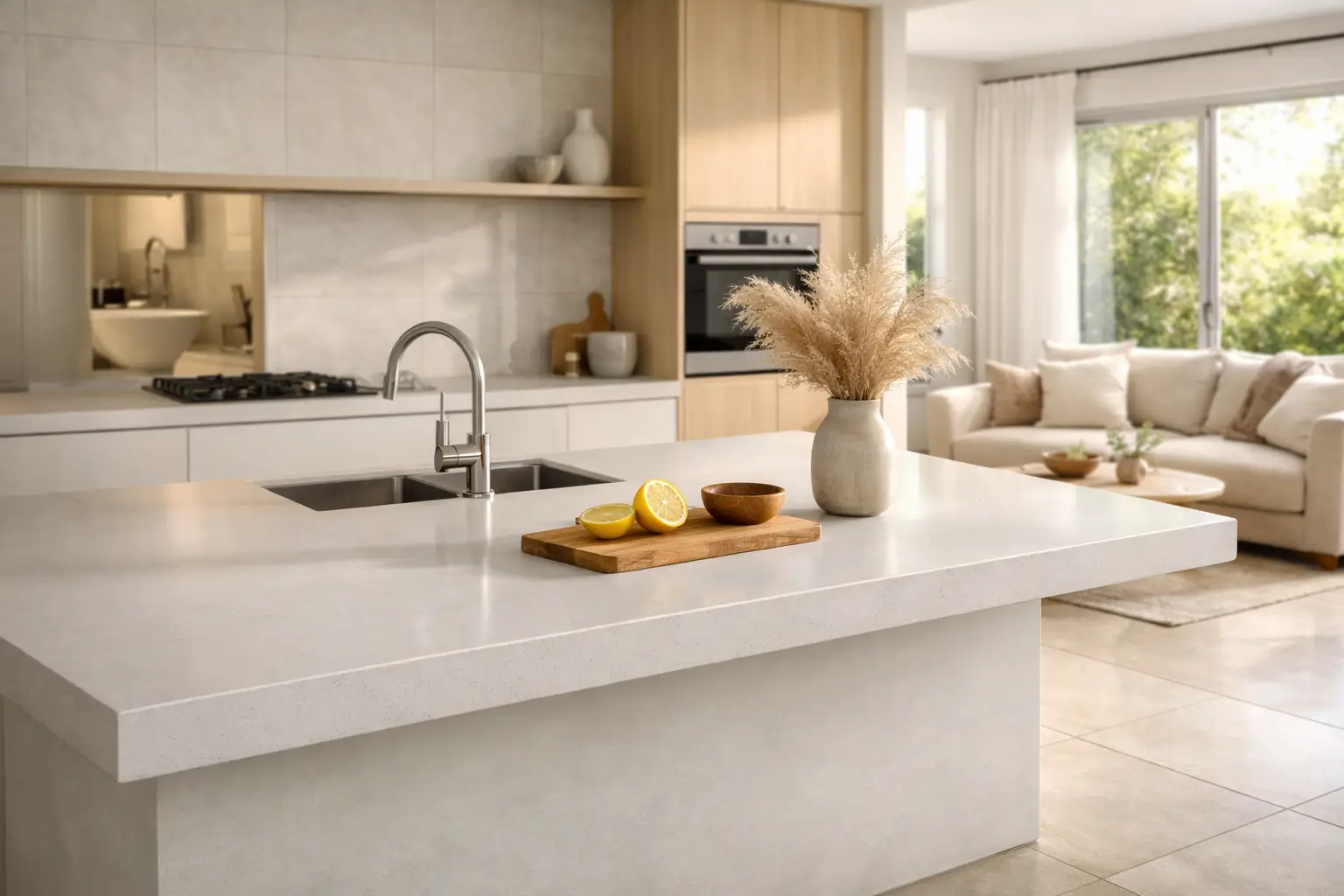
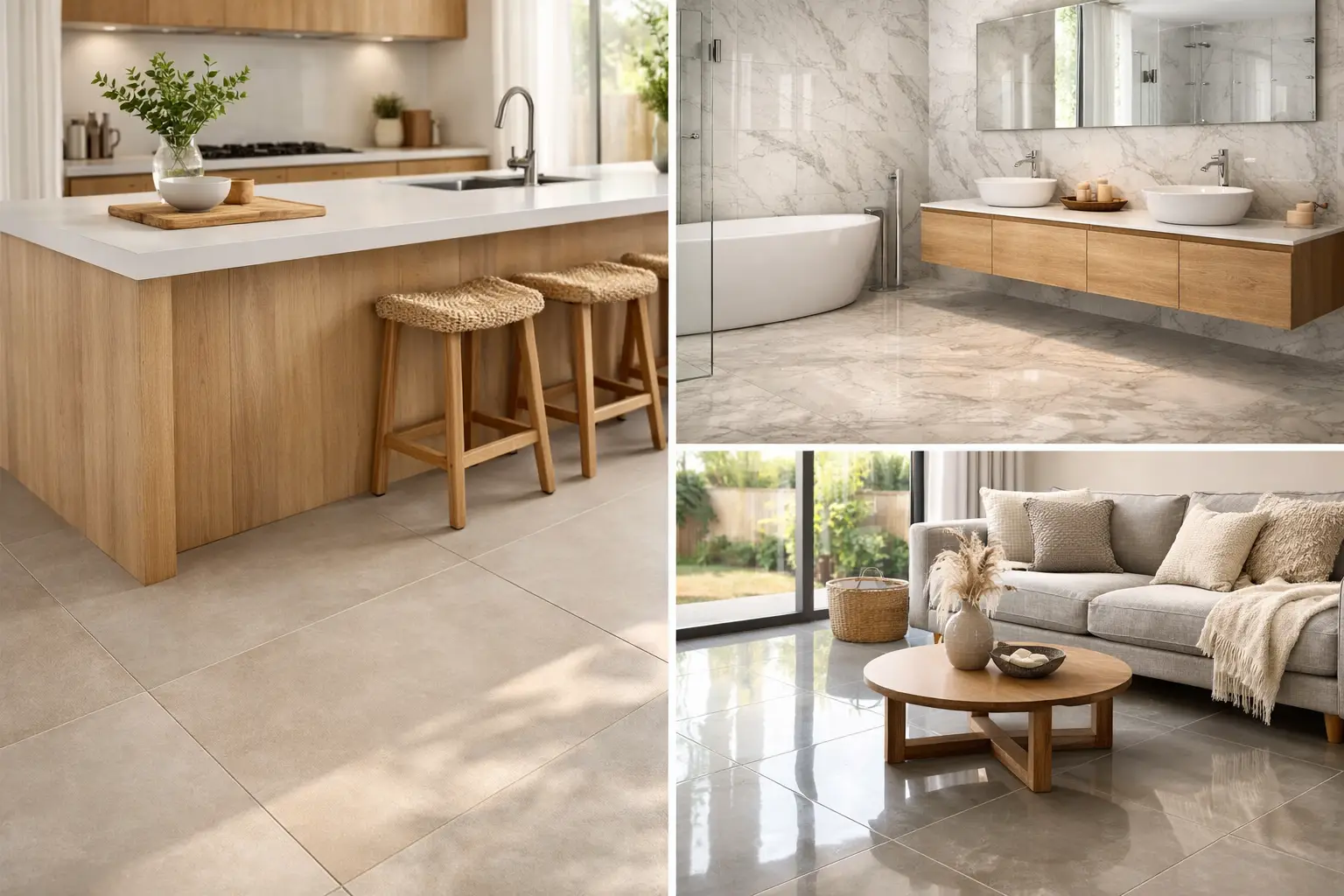
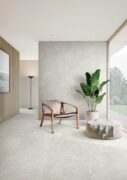
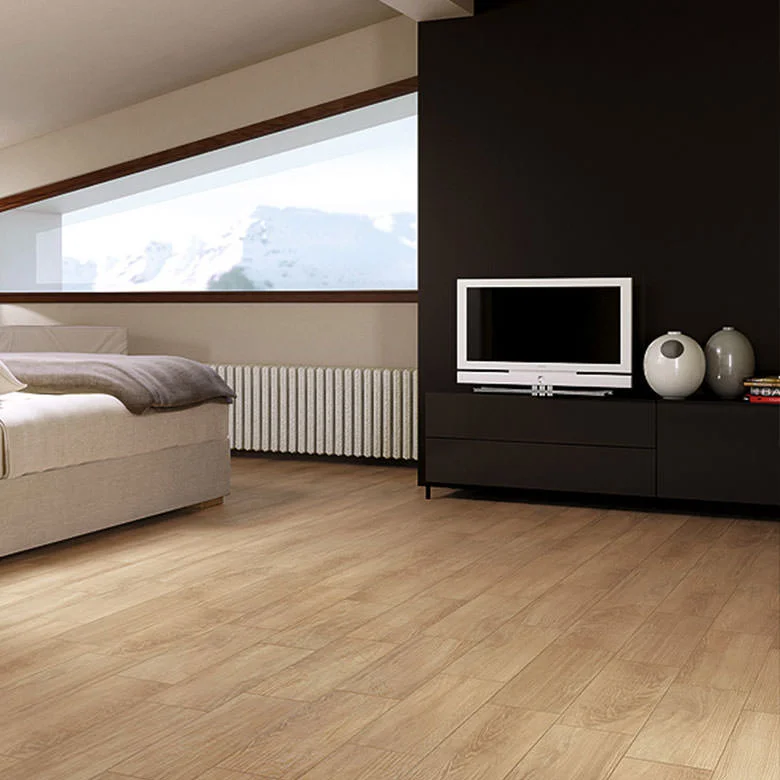
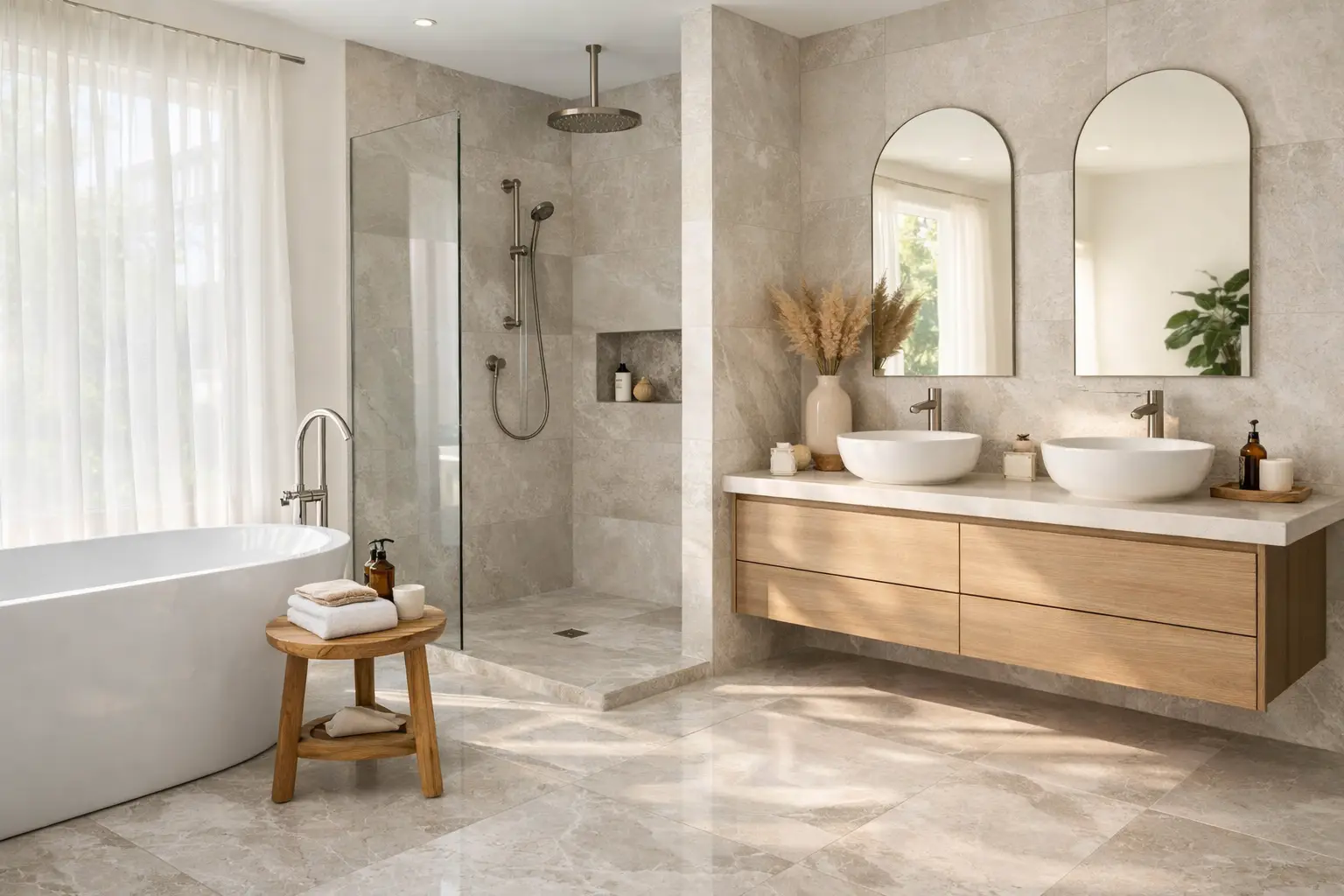
Natural-look palettes continue to work well because they are flexible. Soft travertine-look porcelain, warm greige stone looks and gentle concrete finishes pair comfortably with timber-look vanities, brushed nickel, aged brass or black fittings. They also suit a broad range of home styles, from contemporary townhouses to established Melbourne family homes.
If the design calls for a bolder feature, use it where it will be appreciated without overwhelming the room. A tiled vanity splashback, recessed shower niche or the wall behind a freestanding bath can provide personality while keeping the main surfaces timeless. This approach can also be more cost-effective than covering every wall in a decorative tile.
Think Beyond the Tile Face
A premium result depends on the details around the tile. Rectified porcelain tiles have mechanically finished edges that can allow narrower grout joints, producing a crisp, modern appearance. They still need properly sized joints for installation conditions, so the final spacing should be confirmed with the tiler rather than assumed from a display board.
Tile edge trims, mitred corners and niche returns should be discussed early. Matching porcelain trims can create a cohesive finish, while a slim metal trim may suit a more contemporary scheme. Waterproofing, substrate preparation and correct adhesive selection are equally essential. Even the finest tile cannot compensate for poor preparation behind it.
For renovation professionals, consistency of supply matters as much as appearance. Selecting ready stock tiles from a Melbourne warehouse can reduce the risk of project delays and make it easier to coordinate tiling with cabinetry, waterproofing and fixture delivery. It is still wise to confirm batch availability before finalising quantities, especially for larger projects where colour and shade consistency are important.
Plan the Quantity and Installation Early
Accurate quantities protect both the design and the programme. Measure every tiled surface, allow for cuts and waste, and include niches, window reveals, hob walls and skirting where applicable. The allowance varies with tile size, room shape and pattern. A straightforward grid layout may need less extra material than a diagonal, herringbone or highly cut floor plan.
It is also sensible to retain a small number of spare tiles after installation. They are useful for a future repair and help preserve consistency if that range changes later. Check all cartons before installation for shade, calibre and visible damage, as tiles should not be installed until the product has been inspected and accepted.
At Verona Ceramic, homeowners and trade customers can access ready warehouse stock, factory-direct value and practical guidance across porcelain tiles for walls and floors. For projects that need extra confidence before ordering, free measuring and 3D design support can help clarify tile scale, layout and how the chosen surfaces will work with the wider renovation.
A bathroom should be a room your family can use without fuss and enjoy for years. Choose tiles that suit the way the space will actually be lived in, give the installation details proper attention, and the finished room will feel just as considered on an ordinary weekday morning as it does on handover day.