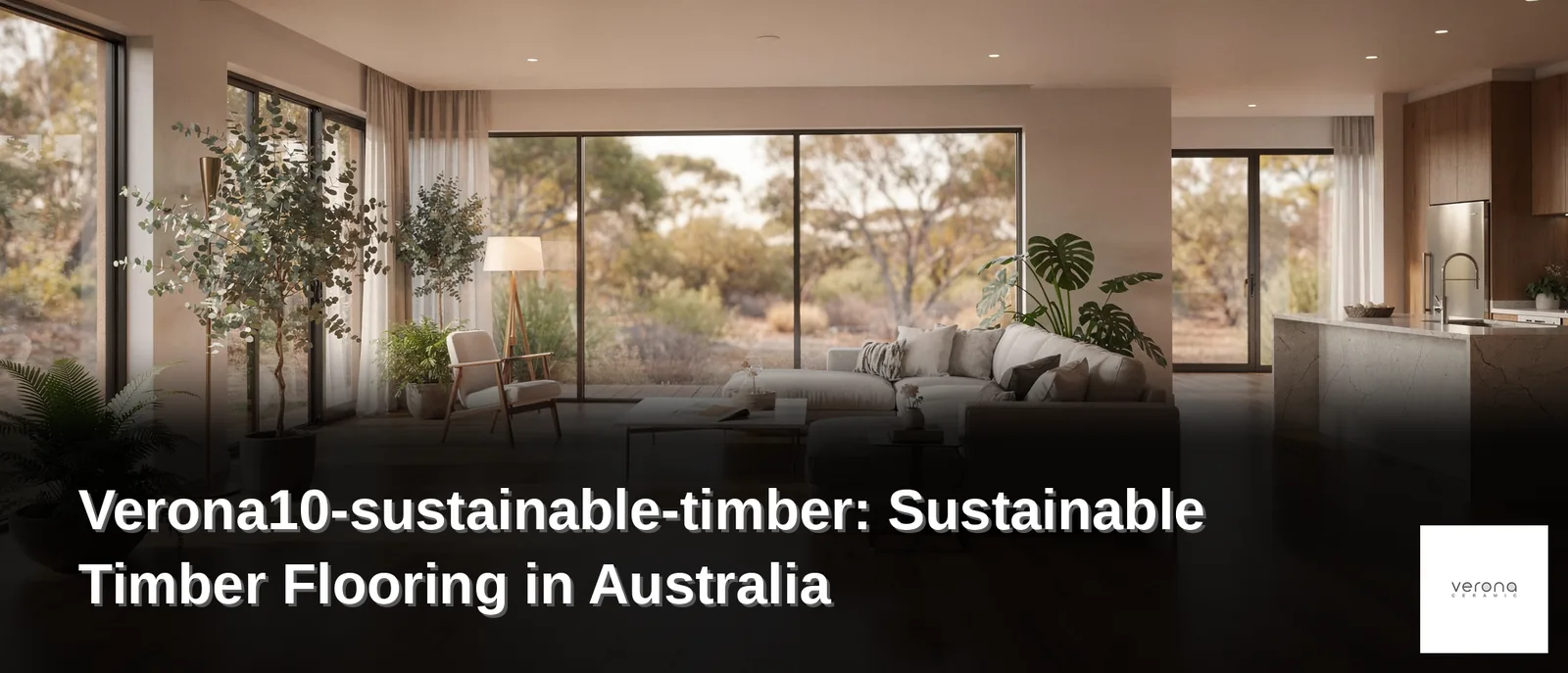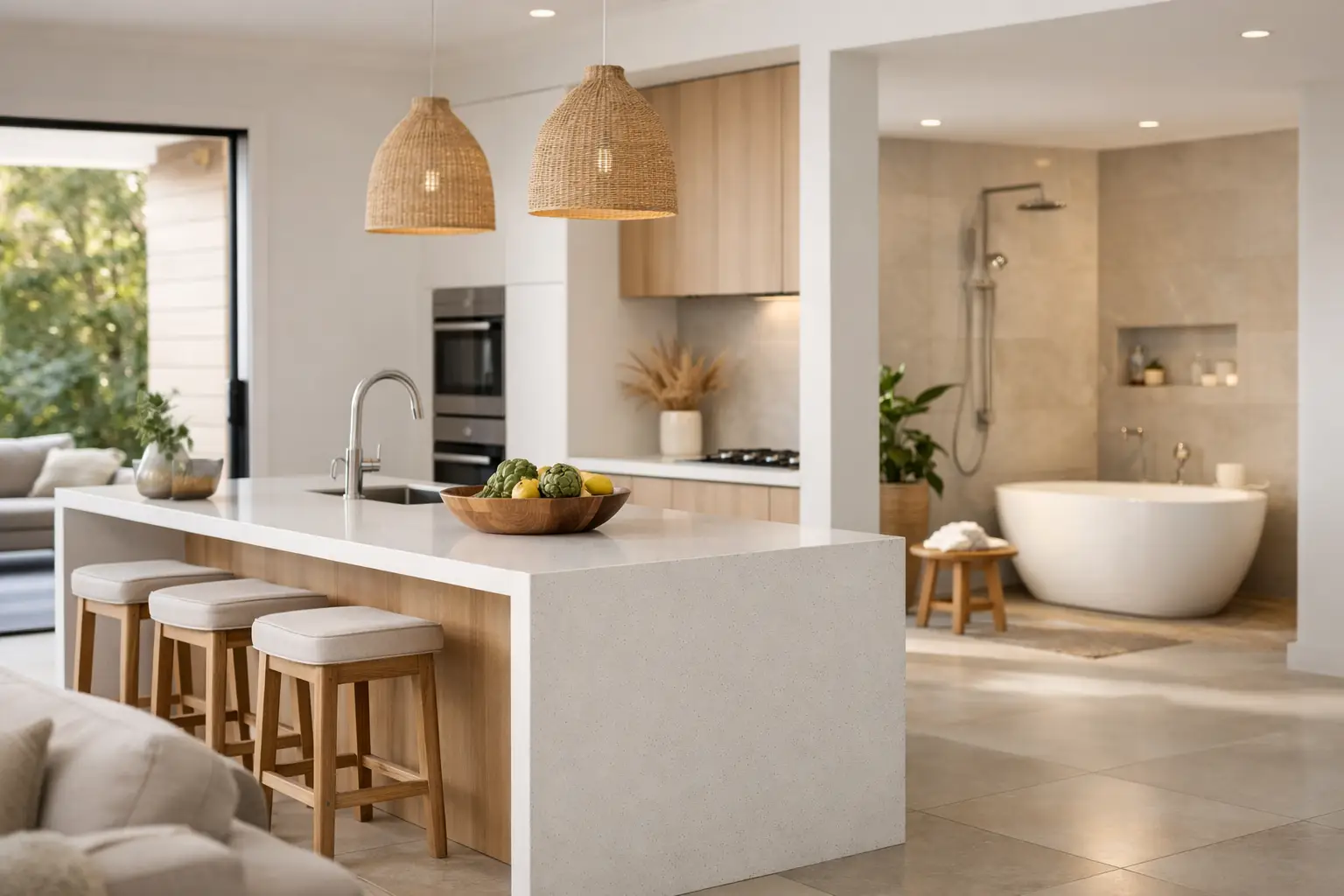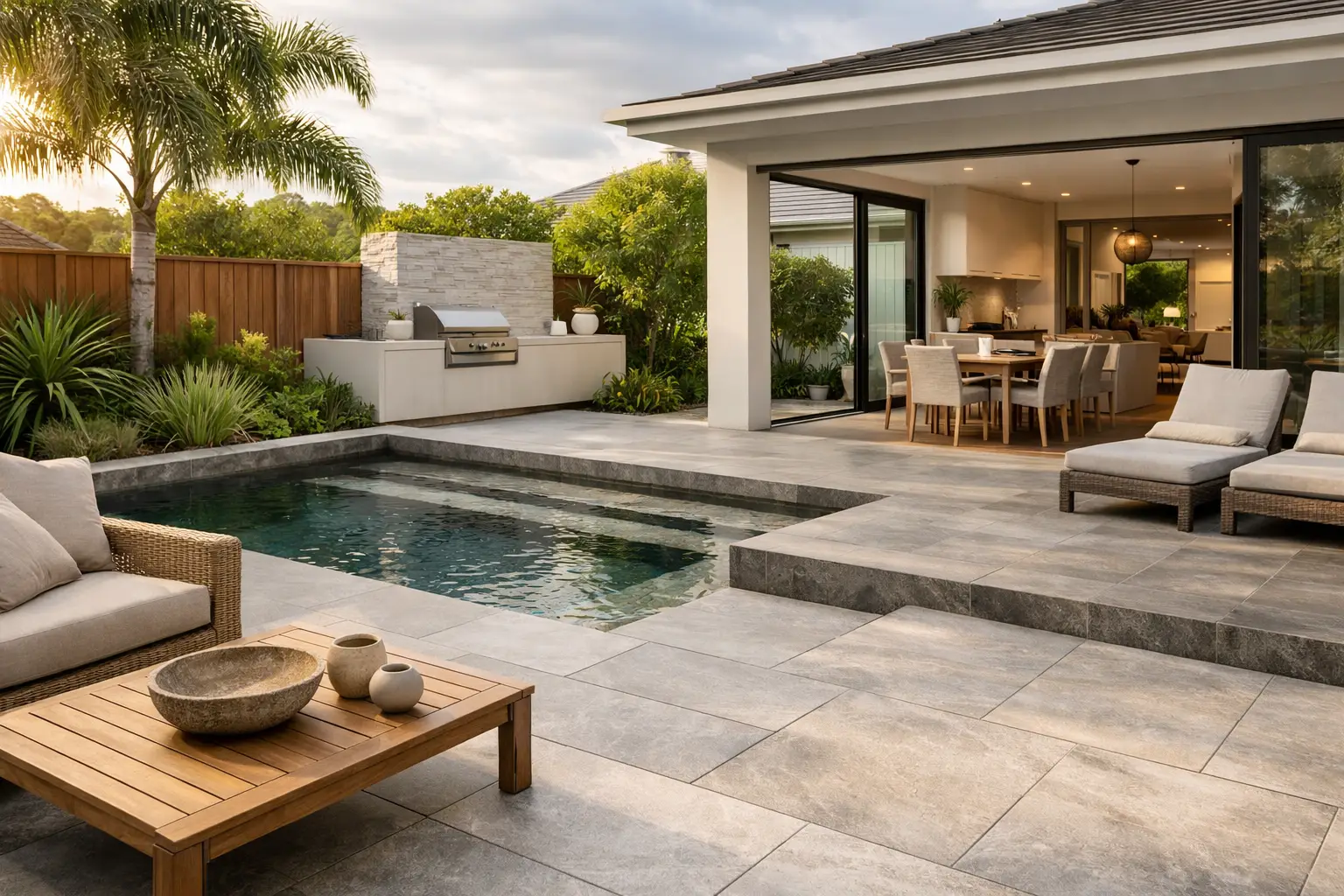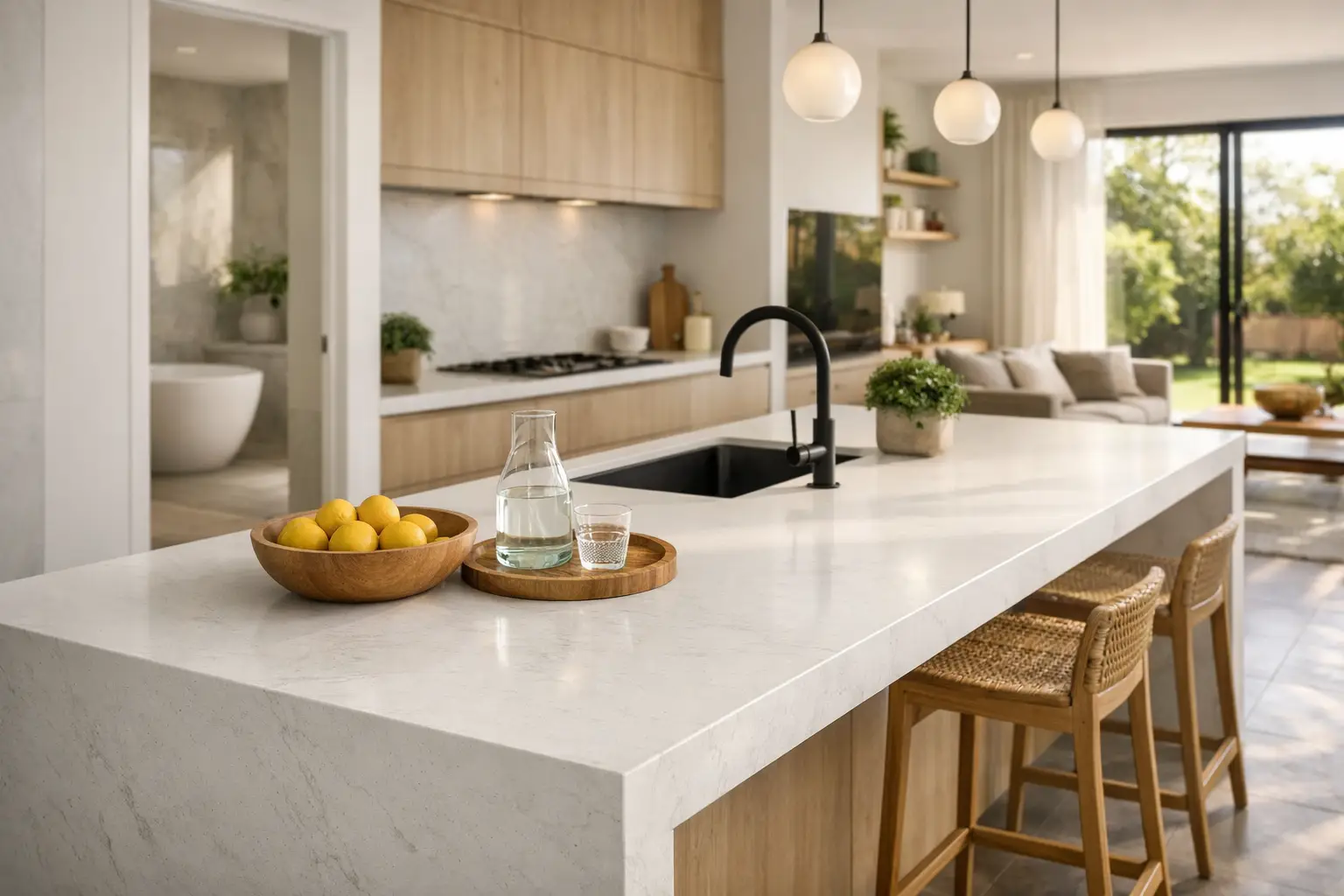
The Complete Timber Flooring Guide for Australian Homes
By Verona Ceramic Editorial Team · Updated 2026-07-26
Engineered timber flooring in Australia typically costs less than solid timber, with pricing varying based on veneer quality, installation, and underlay. Brands like Preference Floors and Boral offer 6mm–8mm hardwood veneers over plywood cores, providing better moisture resistance for humid climates. Buyers should prioritize AC4-rated wear layers and 15-year structural warranties when selecting products for durability.
Engineered timber flooring costs vary based on veneer quality, installation, and underlay, with total pricing shaped by these combined factors rather than product price alone. Compared to solid timber, engineered boards offer greater stability suited to Australian conditions, making them a practical, well-priced choice for homeowners across Sydney, Melbourne, and beyond in 2026.
Engineered timber flooring in Australia varies in cost depending on veneer thickness, installation method, and underlay quality, with layered construction offering greater stability than solid timber in Australia’s variable climate. Homeowners comparing options should weigh lifespan, moisture resistance, and finish against budget. Verona Ceramic supplies engineered timber flooring and provides guidance across Melbourne and Victoria wide for Australian renovation projects.
What Should You Know Before You Start?
Budget clarity comes first, before comparing suppliers or samples. A solid timber flooring guide sets expectations early: engineered timber typically runs $80–$260 per square meter supplied, plus $45–$80 per square meter for installation. Most Australian homes typically see costs around $150–$220 per square meter fully installed, with premium wide-plank engineered oak flooring or Australian hardwood options exceeding $250. Homeowners weighing costs against long-term value should treat the floor as a structural design decision, not a cosmetic afterthought.
Why does timber flooring cost vary so much?
Pricing shifts with board width, veneer thickness, and finish quality. Wide-plank boards and premium species command higher prices per square meter than standard options.
Does the floor choice affect the rest of the room?
Yes. The floor anchors every other design element in a room, shaping how light travels across the space and how furniture and finishes read against it.
Before committing, homeowners should confirm three things:
- Total square footage, including wastage allowance.
- Underlay and subfloor compatibility for the chosen board.
- Whether European oak Melbourne suppliers can verify grading and moisture content before delivery.
Verona Ceramic supplies engineered oak flooring built for durability across Melbourne. Victoria wide, giving renovators a verified, lasting foundation for modern Australian interiors.
How Do You Compare Engineered And Solid Timber?
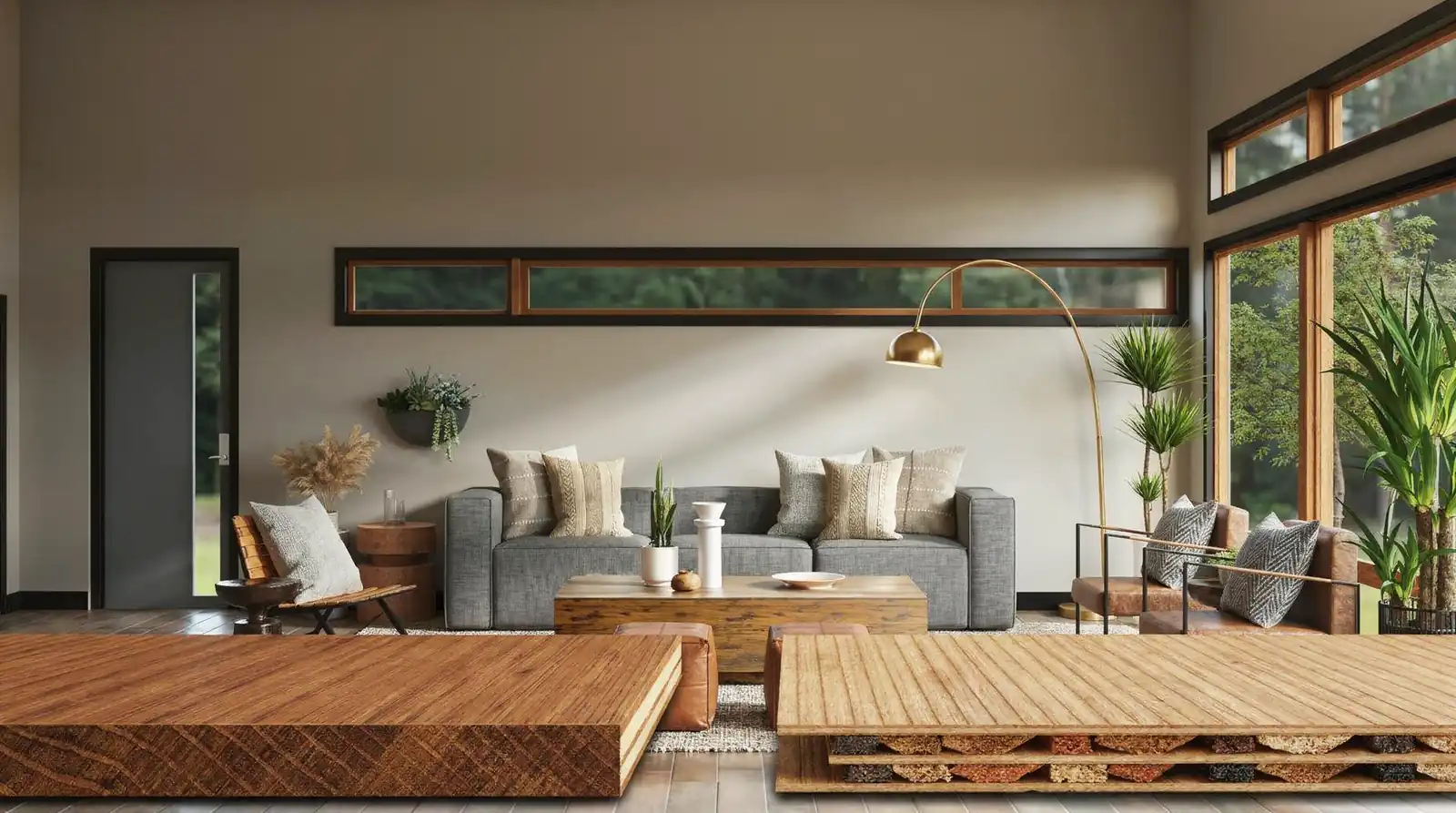
Solid timber boards come milled from a single hardwood piece, consistent grain and density from top to bottom. Engineered oak flooring stacks a layered core beneath a genuine timber veneer, a construction method built for stability rather than uniform mass. Underfoot, the two products feel almost identical. The construction underneath tells a different story, and across Australia’s varied climate zones. From humid Queensland summers to dry inland winters — that difference carries real consequences for homeowners.
What Makes Engineered Timber Different From Solid Timber?
Engineered boards solve problems solid timber cannot. Layered construction improves dimensional stability, permits wider board formats, and opens up a far broader color range than solid stock allows. Installation methods also become more flexible, since engineered boards tolerate a wider range of subfloors and moisture conditions.
Is Engineered Timber A Downgrade From Solid Boards?
No. Many renovators now specify engineered construction as the correct choice for their project, not a cheaper substitute. Popular species selections, including European oak Melbourne buyers frequently request, demonstrate that engineered formats deliver premium results without compromising on appearance or longevity.
What Buying Mistakes Should You Avoid?
Budget shortfalls cause the most common regret among Australian buyers. Quoted supply prices rarely include installation, underlay, and the finishing details that push a project over budget once work begins. A timber flooring guide that accounts for these add-ons upfront prevents unpleasant surprises at settlement time.
Board format matters just as much as price per square meter. Herringbone patterns and wide-plank layouts both carry different labor and wastage rates. Skipping this comparison distorts the true project cost before a single board is laid.
Does Apartment Living Change What Timber to Choose?
Strata buildings and multi-story apartments demand closer attention to dimensional stability. Homeowners in these settings often overlook moisture and expansion behavior specific to engineered constructions, which creates confusion when quotes vary between suppliers.
Where Can Buyers Source Verified Engineered Oak?
Verona Ceramic supplies engineered oak flooring, including European oak Melbourne renovators and trades rely on, across Melbourne and Victoria wide. Sourcing through one verified supplier reduces the risk of mismatched batches or unclear specifications.
Common mistakes to avoid before signing a quote:
- Ignoring installation and underlay costs separate from the supplied product price
- Choosing a board format without comparing labor and wastage implications
- Overlooking stability requirements in strata or apartment applications
- Sourcing oak flooring from unverified suppliers without documented compliance
Engineered timber flooring represents a pragmatic investment for Australian homeowners seeking the aesthetic warmth of timber with enhanced dimensional stability across varying climates. By understanding the distinctions between engineered and solid options, evaluating durability ratings, and assessing installation requirements, you position your project for long-term performance. Quality engineered timber delivers lasting value through superior resistance to moisture and temperature fluctuations—essential considerations for Australia’s diverse environmental conditions. Your selection ultimately reflects a commitment to both immediate aesthetic goals and enduring structural integrity.