A renovation should still feel considered after school bags have scraped along the hallway, a busy Saturday breakfast has filled the kitchen, and the bathroom has handled years of steam and splashes. The most valuable home renovation trends are moving away from quick visual statements and towards materials that support real family life: durable porcelain tiles, healthier benchtop choices and rooms that feel calm without being difficult to maintain.
For Melbourne homeowners, designers and builders, the common thread is practical luxury. People want their homes to look refined, but they also want surfaces that clean easily, perform reliably and remain appealing when design fashions change. Here are the trends worth planning around – and the details that make them work.
Home renovation trends favour lasting materials
The strongest renovations now begin with a simple question: will this finish suit the home five or ten years from now? That has encouraged a return to natural-looking colours, tactile finishes and architectural surfaces with genuine everyday performance.
Warm whites, soft greys, sand, limestone, clay and muted olive tones are replacing stark contrasts in many interiors. These colours provide flexibility for cabinetry, furnishings and paint updates later on. They also make open-plan spaces feel more connected, particularly where the same flooring continues from the entry through living areas and into the kitchen.
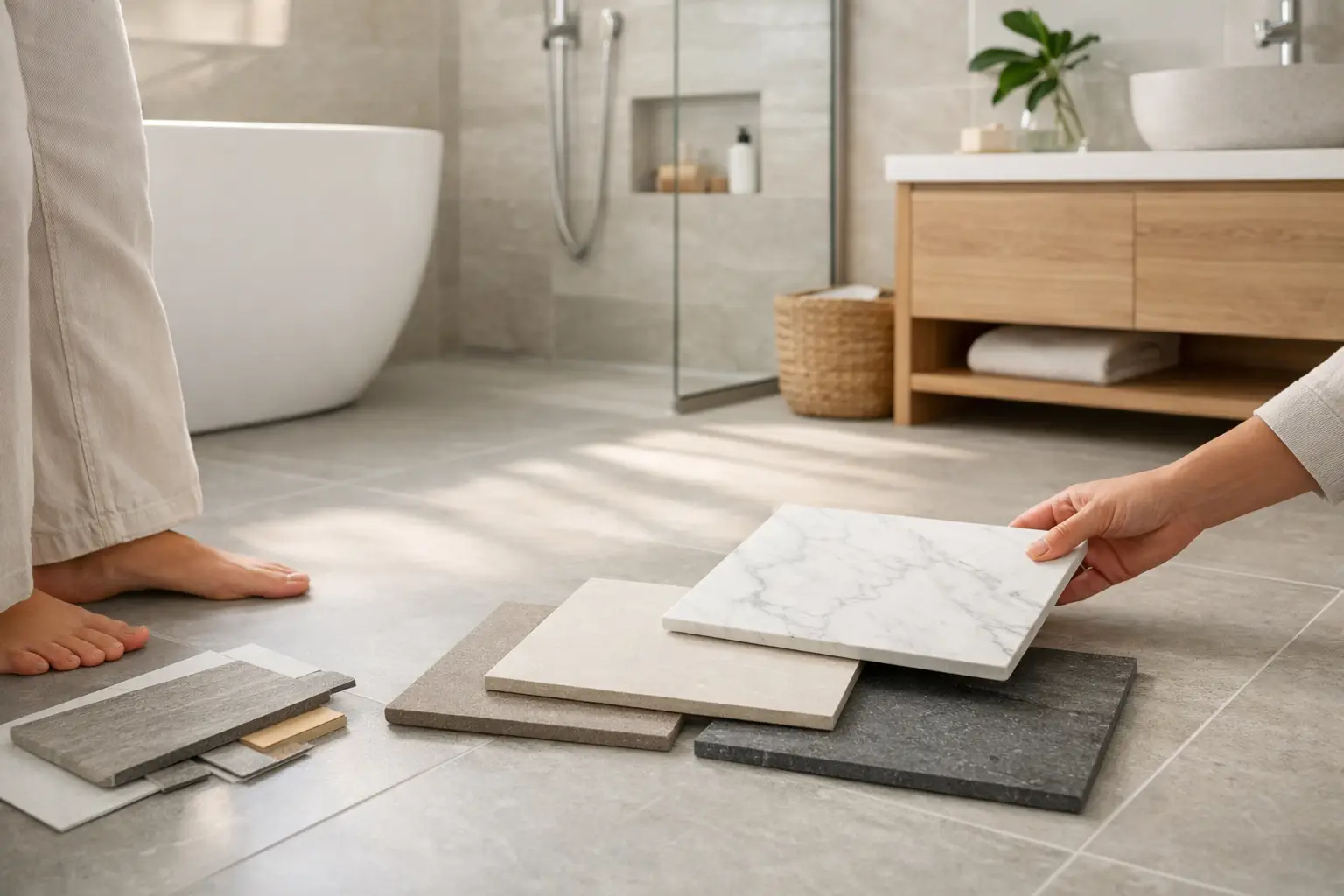
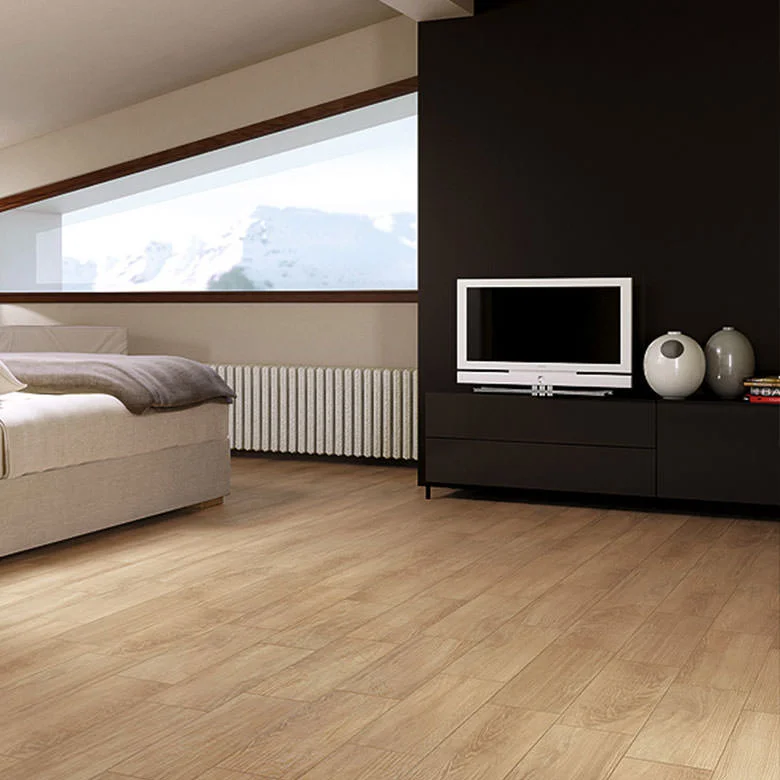
Porcelain remains a leading choice because it can capture the appearance of stone, concrete, timber or terrazzo while offering low water absorption and excellent resistance to staining and scratching. For active households, that balance matters. A beautiful finish is only truly successful when it can handle wet shoes, pets, dropped toys and regular cleaning without demanding constant care.
When choosing porcelain tiles in Melbourne, look beyond the display board. Ask about the tile’s intended application, surface finish and wear rating. A PEI rating is useful for glazed floor tiles, indicating resistance to surface wear. Slip resistance is equally important in bathrooms, laundries, alfresco areas and entryways. The right result is not always the most textured tile: higher texture can improve grip, but may need more attention during cleaning. It depends on the room, foot traffic and household needs.
Large-format tiles with considered detail
Large format tiles continue to shape contemporary kitchens, bathrooms and living spaces. Their appeal is easy to understand: fewer grout lines create a quieter visual field, and the room can feel more spacious and composed. Stone-look 600 x 1200 mm and 750 x 1500 mm formats are especially effective in open areas and feature walls.
However, larger is not automatically better. In a compact bathroom, the tile layout, fall to the drain and placement of cuts matter more than chasing the biggest possible format. A skilled tiler can plan a layout that avoids narrow edge pieces and positions joins thoughtfully around a vanity or shower screen. In some wet areas, a matching smaller-format tile or mosaic may be the more practical floor choice because it can follow drainage falls and provide extra grout-line grip.
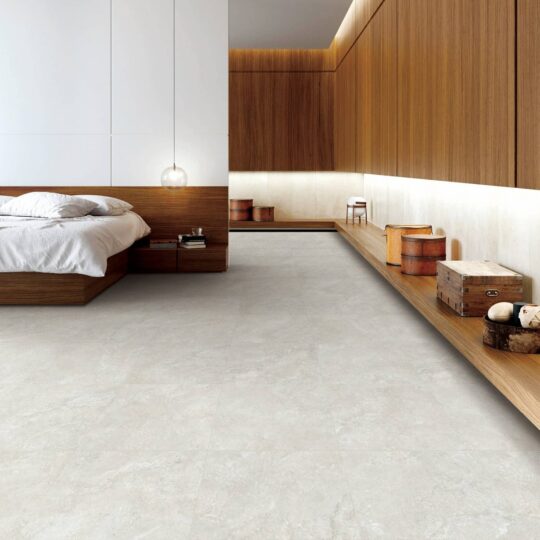
Matte tiles are particularly popular because they soften reflected light and hide everyday marks better than highly polished surfaces. A matte stone-look porcelain can bring depth to a room without making it feel cold. Polished porcelain still has a place in formal, light-filled interiors, but it is best selected with an honest view of maintenance and slip resistance, particularly near water.
Kitchens designed around healthy, hardworking surfaces
Kitchen renovation trends are becoming more intentional. Rather than treating the benchtop as a purely decorative slab, homeowners are considering how it is made, how it performs and whether it supports a healthier home.
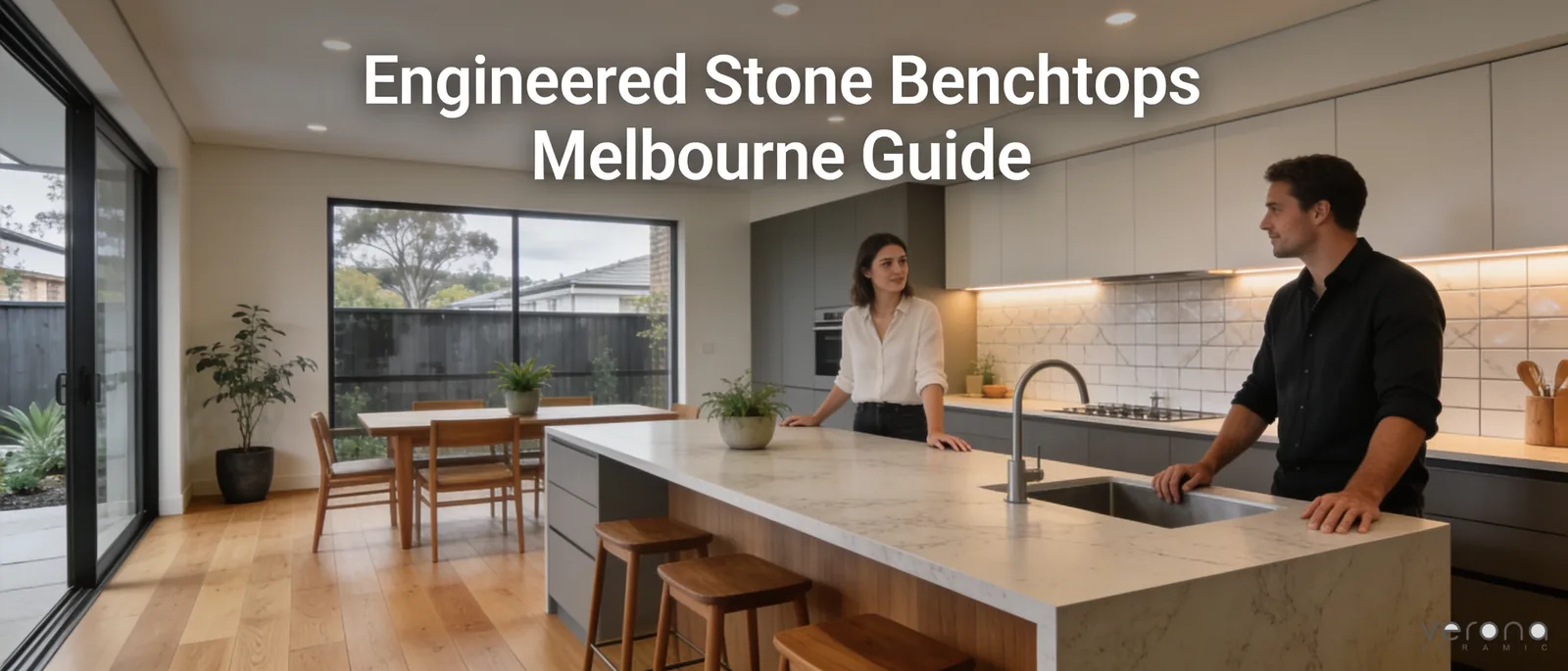
Zero silica benchtops are gaining attention for good reason. Traditional engineered stone products can contain crystalline silica, which creates a serious health risk when dust is generated through cutting and fabrication. Zero-silica engineered stone offers a safer material pathway while still delivering the consistent colour, strength and refined finish many homeowners want in a modern kitchen.
This is not simply a technical preference for fabricators. It is a decision that affects the broader renovation process. Selecting compliant, safe and eco-friendly materials early allows the builder, cabinet maker and installer to plan with confidence. It also gives homeowners a clearer understanding of what is going into their home.
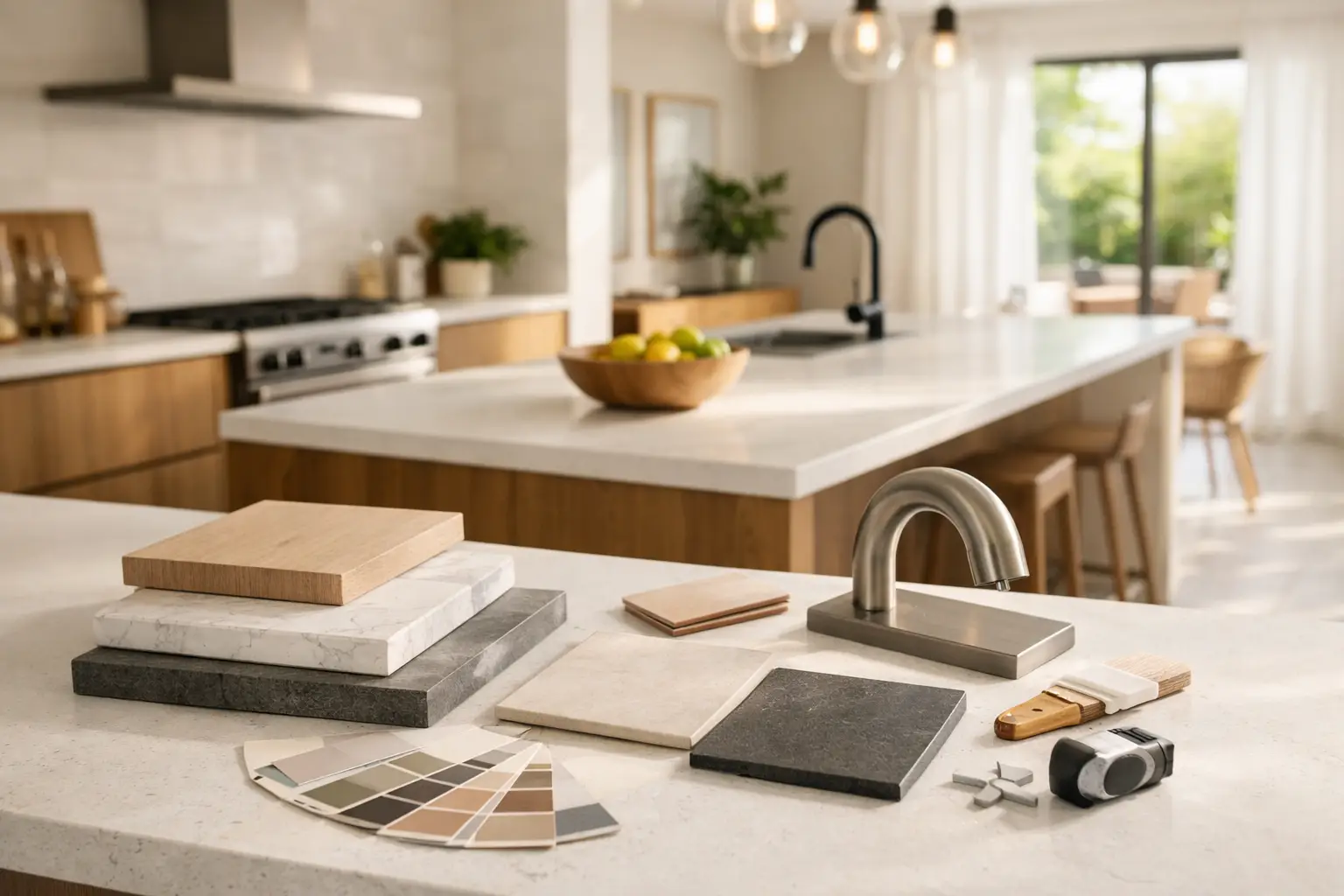
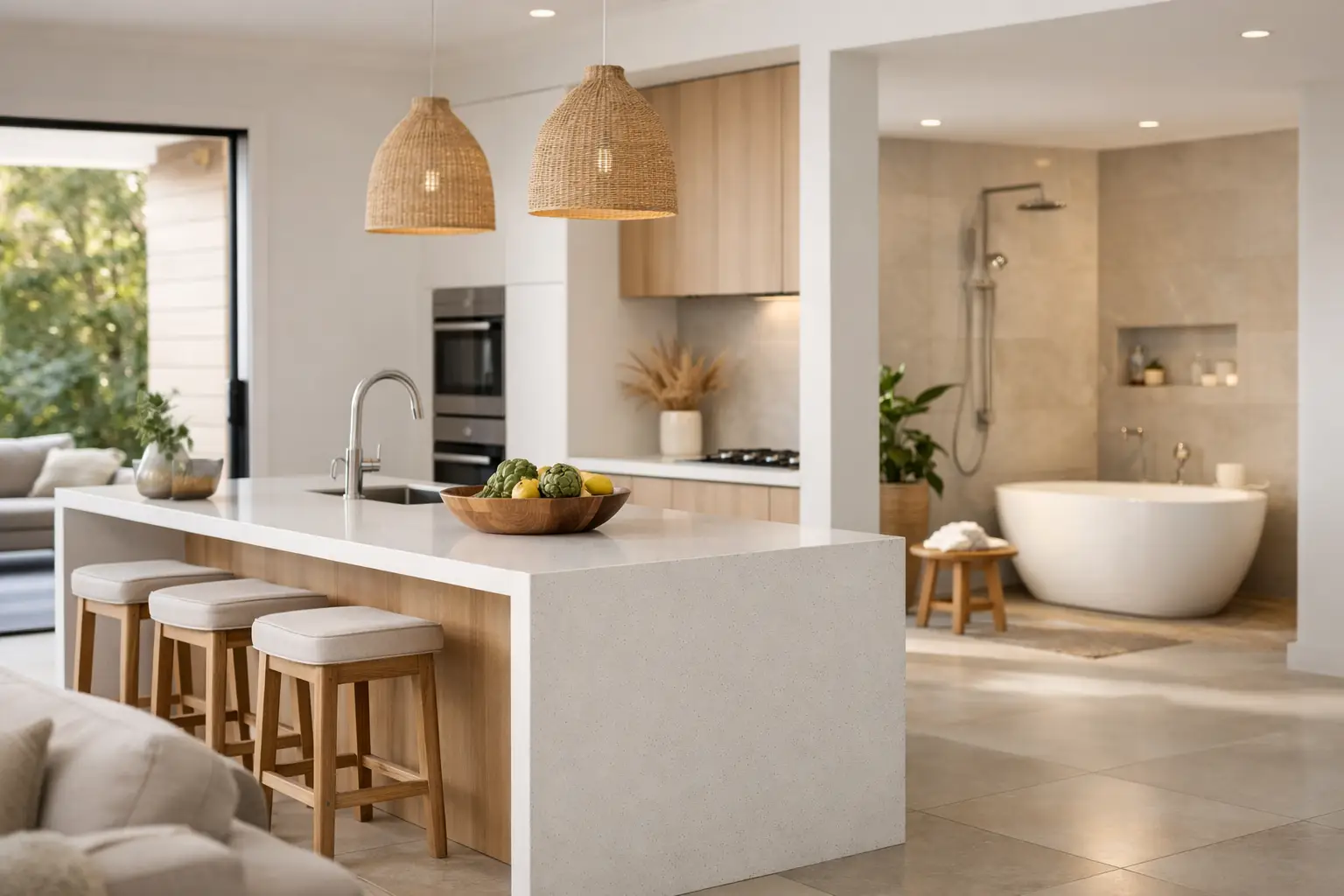
The visual direction is warm and understated. Cream, taupe, pale concrete and softly veined stone designs pair well with timber-look cabinetry, brushed metal handles and integrated appliances. Waterfall ends remain popular, although they are not required for a premium result. A straight benchtop with a well-chosen splashback can look equally architectural while using material more efficiently.
For splashbacks, continuing the benchtop material up the wall creates a clean, low-joint finish. Alternatively, kitchen tiles in a handmade-look profile, a slim stacked layout or a quiet tonal pattern can add personality without competing with the cabinetry. The best choice depends on whether the kitchen needs a focal point or a calmer backdrop.
Bathrooms that feel like a retreat, yet work like a family bathroom
Bathrooms are moving towards softer, more restorative spaces, but practicality is still the foundation. The popular look combines full-height wall tiling, simple timber or timber-look vanities, restrained tapware and warm stone-inspired bathroom tiles. Rather than relying on several competing finishes, successful rooms often use one main tile and one supporting texture or format.
Full-height tiling can make a smaller bathroom feel taller and more finished, while also reducing painted surfaces exposed to moisture. For family bathrooms, porcelain wall and floor tiles offer an easy-clean option that withstands the daily cycle of showers, baths and hurried mornings.
A feature tile works best when it has a clear job. It may define the shower wall, line a recessed niche or bring texture behind a vanity. Carrying a bold tile across every surface can overwhelm a modest room and make future updates harder. A neutral main tile with a carefully placed feature offers more longevity.
Do not overlook grout selection. A contrasting grout highlights the tile pattern but can make every alignment line more visible. A tonal grout delivers a softer, more continuous appearance and is often more forgiving in busy family spaces. Quality installation, correct substrate preparation and suitable waterproofing remain essential regardless of how beautiful the tile is.
Indoor-outdoor continuity without forcing a perfect match
Melbourne homes often benefit from stronger visual links between the living room and alfresco area. Using related porcelain finishes indoors and outdoors can extend the sense of space and make entertaining areas feel more cohesive.
The key word is related, not identical. Indoor tiles may have a smoother matte finish, while the outdoor version needs an appropriate slip-resistant surface for rain and poolside conditions. They can share the same colour family or stone pattern without compromising safety. This is one area where performance should lead the design decision.
Porcelain is well suited to outdoor applications because it is dense, stable and easier to maintain than many natural materials. Still, check that the selected product is rated for the intended use and that the installation method suits the substrate, drainage and exposure. Outdoor success comes from planning the whole system, not just selecting an attractive tile.
Value is increasingly about certainty
A trend that deserves more attention is the preference for renovation certainty. Homeowners and trade professionals are placing greater value on materials that are available locally, clearly specified and ready when the project needs them. Delayed finishes can affect cabinet installation, tiling schedules and handover dates, so reliable supply is part of a quality renovation.
Ready stock tiles in Springvale can make a meaningful difference for Melbourne projects with firm timelines. Factory direct tiles also offer a sensible way to invest in high-quality finishes while keeping the budget focused on lasting materials and professional installation. The goal is not to choose the lowest upfront price; it is to avoid false economies such as unsuitable products, rushed substitutions or materials that need replacing too soon.
For more complex kitchens and bathrooms, measuring and 3D design support can help identify proportion, layout and material quantities before orders are finalised. This is particularly helpful with large-format tiles, vein matching, island benches and open-plan flooring where a small planning decision can change the finished result.
Choose a trend that suits the way you live
The best home renovation trends are not rules to copy from a showroom or social feed. They are useful starting points for creating rooms that suit your family, your architecture and your maintenance expectations. A refined matte porcelain floor, thoughtfully specified bathroom tiles and a zero-silica benchtop may not be the loudest choices, but they are the ones that continue to bring beauty to daily living long after the renovation dust has settled.
Before committing, view full-size samples in your home’s natural light, discuss slip resistance and installation requirements with your trade team, and choose finishes you will be happy to see every day. That is how a renovation becomes more than current – it becomes comfortably yours.