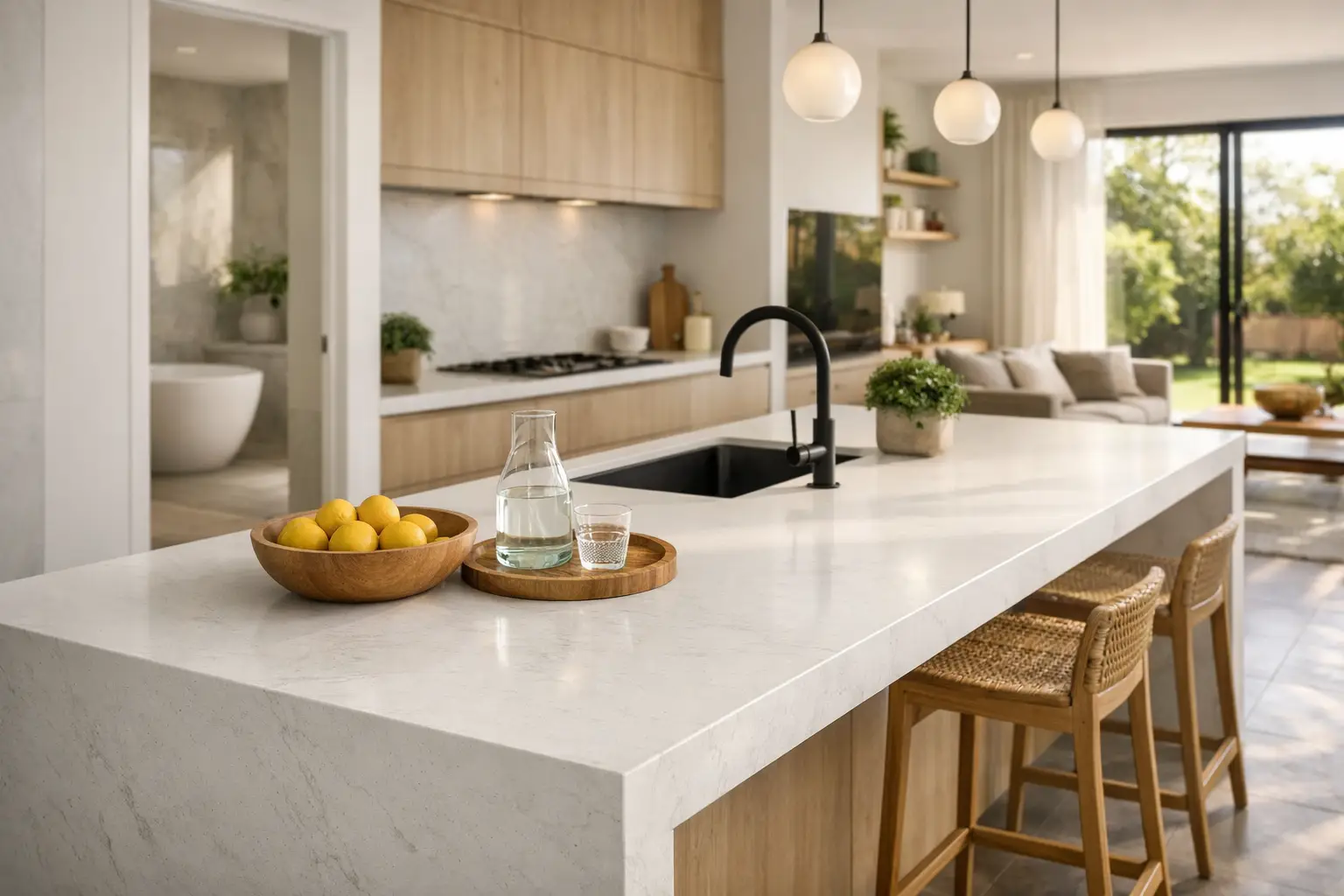
A kitchen benchtop is where school lunches are packed, weekend meals take shape and guests naturally gather. When searching for the best zero silica benchtops Melbourne homeowners can choose, the right answer is not simply the palest colour or the boldest veining. It is a surface that suits the way your household cooks, cleans and lives, while providing the reassurance of a safer material choice for modern renovations.
Zero-silica engineered stone brings the refined appearance people love in premium architectural surfaces without crystalline silica. For families, designers and builders, it offers a thoughtful way to create a beautiful, durable kitchen with practical everyday performance.
What makes a zero-silica benchtop the right choice?
Traditional engineered stone has historically contained crystalline silica, a mineral that requires strict controls when cutting and installing. Zero-silica engineered stone is formulated without crystalline silica, helping support safer fabrication practices while retaining a consistent, polished surface suitable for kitchens, laundries and selected bathroom applications.
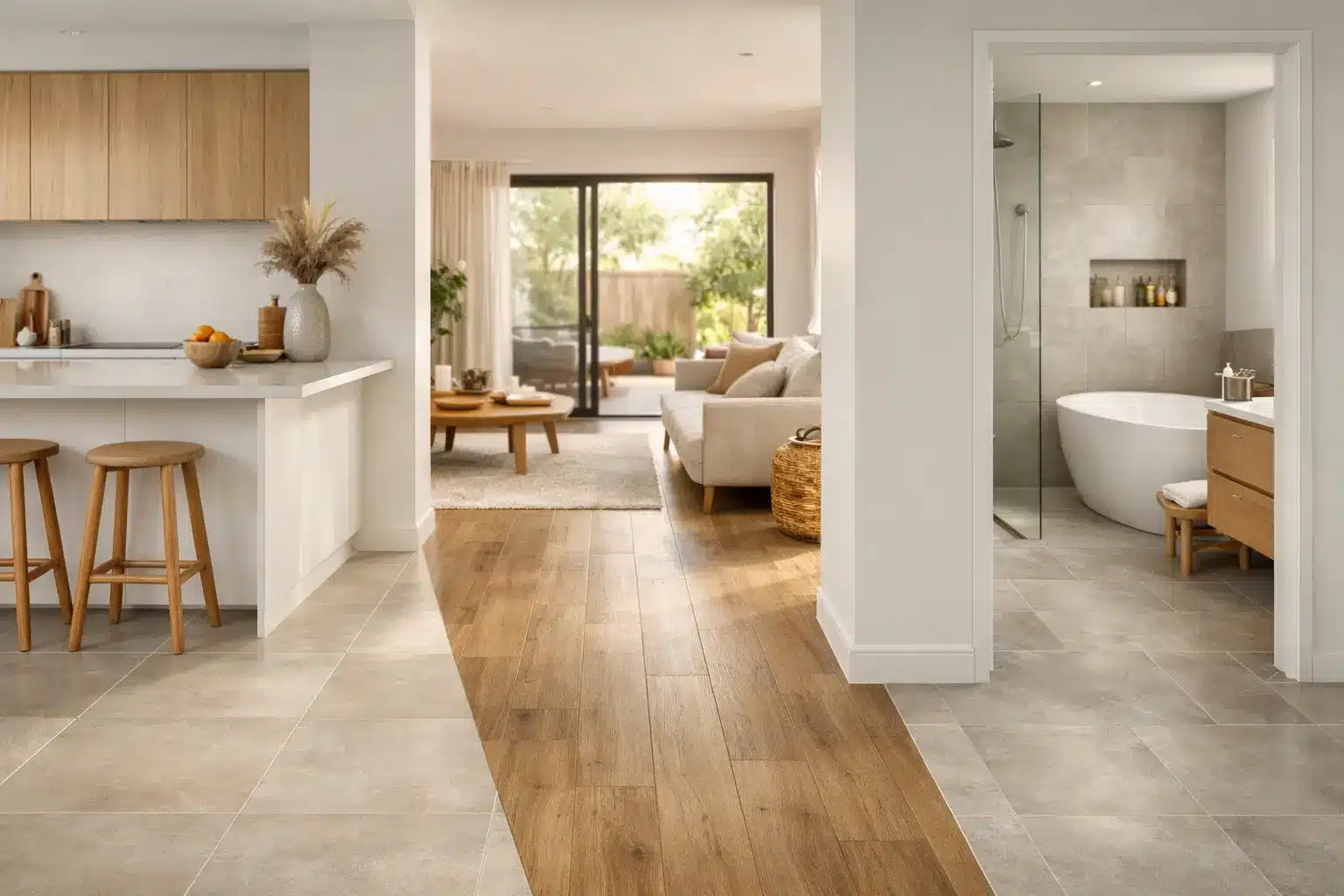
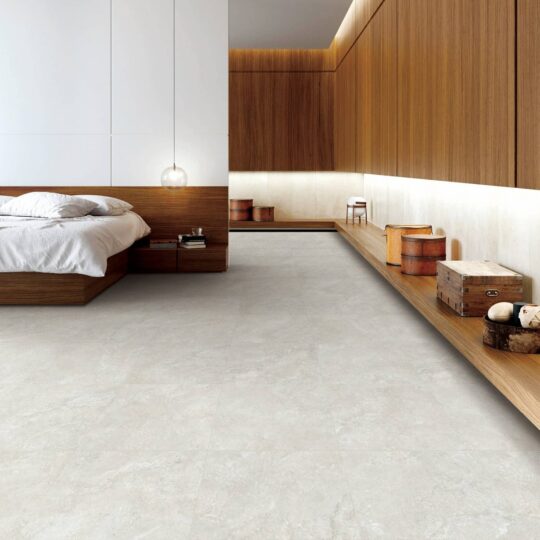
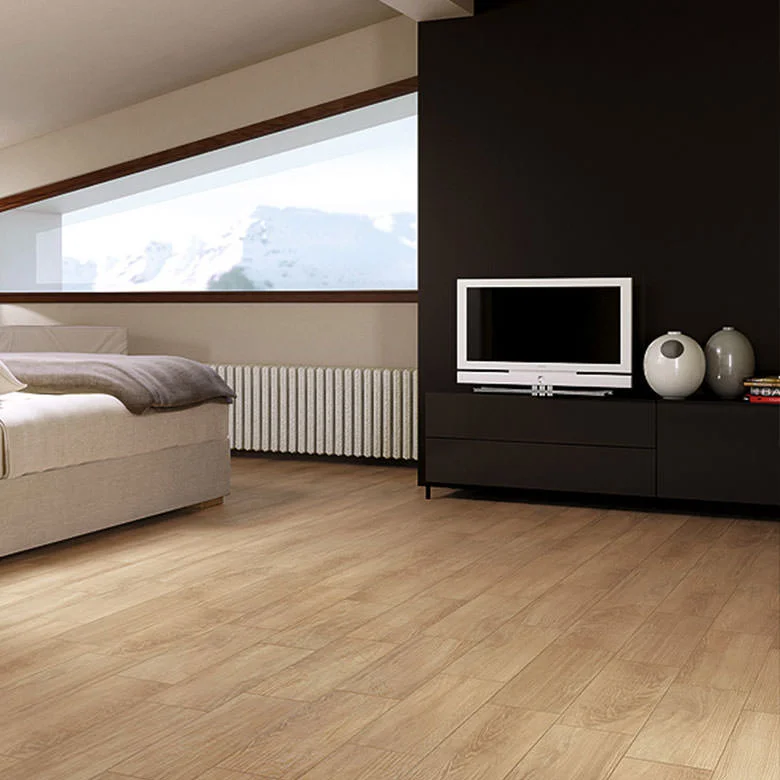
The material is not a compromise in appearance. Quality zero-silica surfaces are available in calm marble-inspired designs, clean whites, soft concrete looks and deeper contemporary tones. This gives homeowners the freedom to select a benchtop that works with warm timber cabinetry, matte kitchen tiles, brushed metal tapware or large-format porcelain floors.
For a busy home, the daily advantages matter just as much. A well-selected zero-silica benchtop has a non-porous or low-porosity surface that is straightforward to wipe down, resists common household staining and does not need the intensive sealing associated with some natural stones. As with any premium finish, care instructions vary by product, so always confirm the manufacturer’s guidance before choosing cleaners or placing hot cookware directly on the surface.
Best zero silica benchtops Melbourne buyers should compare
The best option depends on your kitchen layout, colour palette, budget and installation details. Rather than choosing from a small sample alone, consider the full slab, the finish, the edge profile and the way the pattern will travel across your island and splashback.
Marble-look surfaces for timeless kitchens
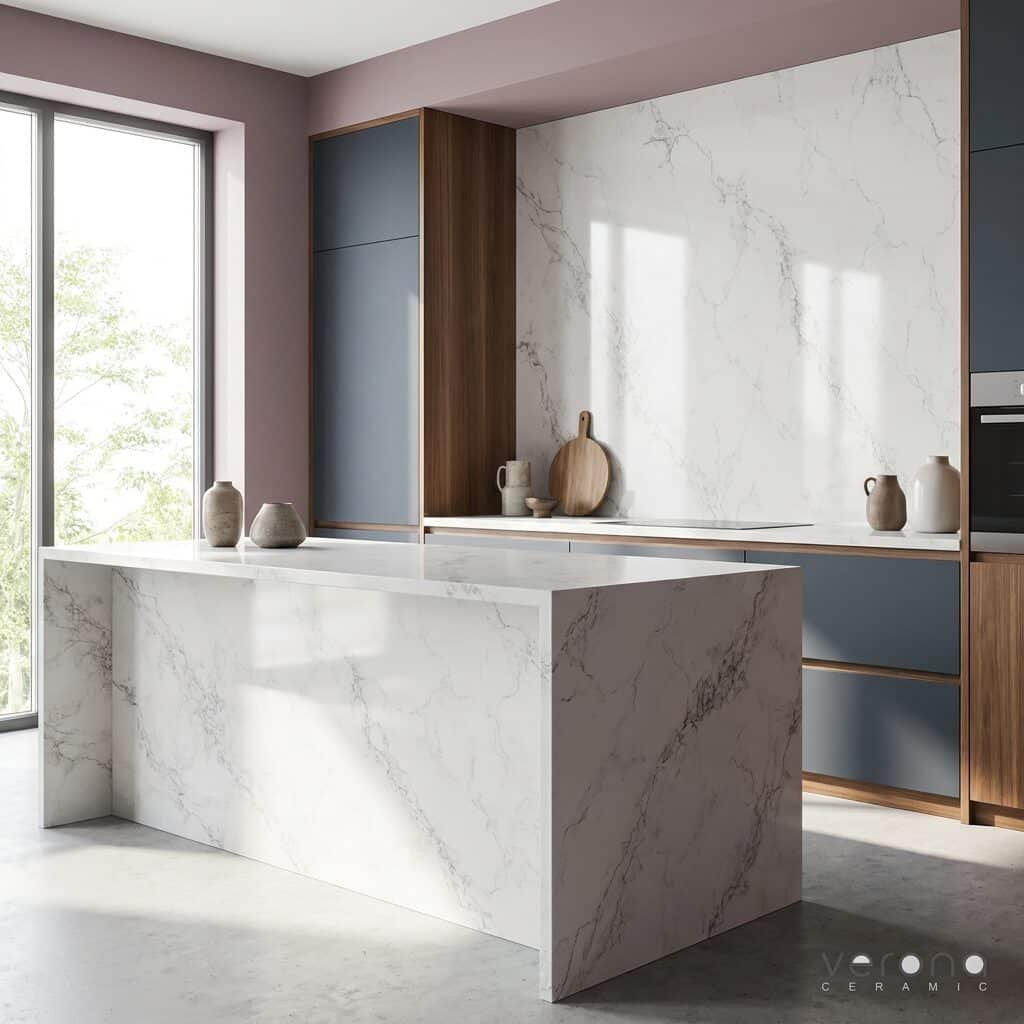
Marble-look zero-silica benchtops remain a favourite for Hamptons, contemporary classic and premium apartment kitchens. Fine grey veining on a warm white base can brighten a compact space without making it feel clinical. More dramatic charcoal or taupe veining creates a confident centrepiece on a large island.
The key is proportion. A heavily veined design can look exceptional across a broad island, but may feel busy in a small galley kitchen with patterned kitchen tiles. If cabinetry, flooring or splashbacks already carry visual movement, a softer stone-look benchtop usually delivers a more balanced result.
Soft concrete and matte looks for modern homes
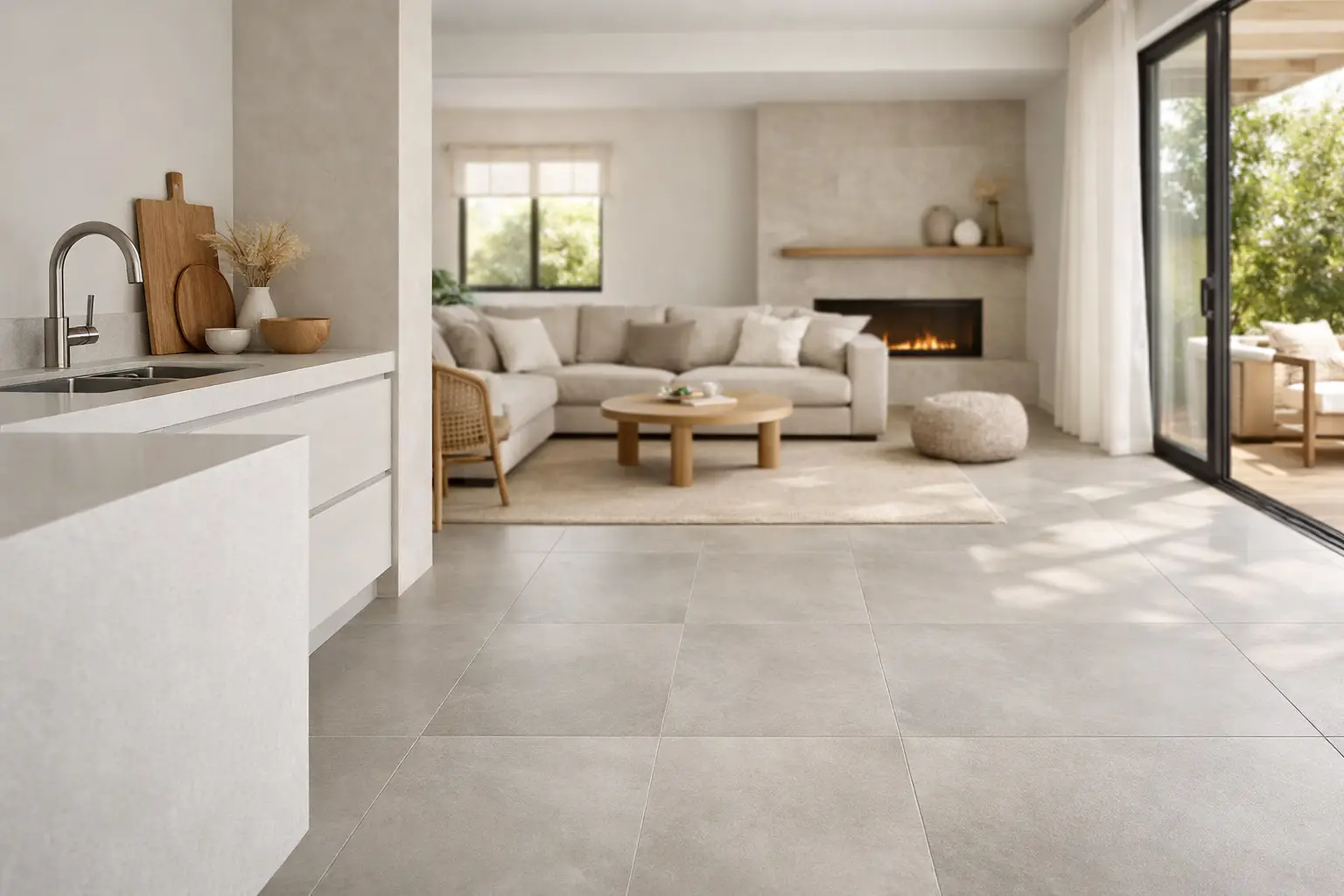
Concrete-look benchtops offer a relaxed architectural feel without the maintenance demands of raw concrete. Greige, mushroom, pale grey and charcoal surfaces pair beautifully with oak cabinetry, black hardware and matte porcelain tiles. They are also forgiving in family kitchens, where a highly polished dark surface may show fingerprints and water marks more readily.
A matte or honed finish often feels understated and tactile. However, texture can affect how marks show and how a surface is cleaned, so inspect a large sample in natural light. This is particularly useful for renovations where the kitchen receives strong afternoon sun.
Light neutral surfaces for flexible renovation schemes
White, ivory and pale beige benchtops are enduring choices because they allow other finishes to change over time. A neutral surface can support bold bathroom tiles, coloured cabinetry or a feature splashback now, while remaining relevant if you refresh the room later.
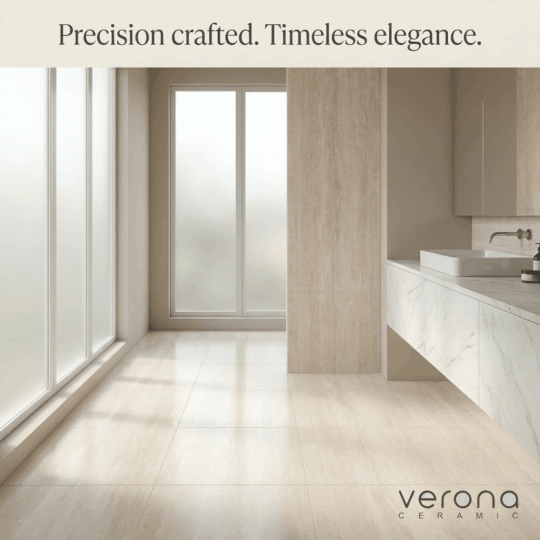
Not all light colours are identical. Cool whites can complement crisp grey or blue interiors, while warmer whites and creamy tones sit more comfortably alongside timber, travertine-look porcelain and brass finishes. Viewing samples beside your cabinet door, tile selection and paint swatch is a small step that can prevent an expensive mismatch.
Deep tones for statement islands
Black, graphite and rich brown benchtops can make a spacious kitchen feel grounded and tailored. They work especially well on an island when perimeter cabinetry is lighter, creating a clear focal point without overwhelming the room.
There is a trade-off. Darker surfaces can reveal dust, water spots or fine crumbs more easily, particularly in a high-gloss finish. For households that want a deeper colour with lower visual maintenance, a subtly textured or softly veined design is often the more practical choice.
Look beyond colour: the details that determine performance
A benchtop should be selected as a complete installation, not just a slab colour. Thickness, joins, edge profiles, cut-outs and support requirements all influence the final result.
Common thicknesses include 20 mm and 40 mm visual profiles, with the latter often achieved through a mitred edge detail. A slimmer profile can feel crisp and contemporary, while a thicker edge adds presence to a traditional or grander kitchen. Neither is universally better – the cabinetry design and the scale of the room should guide the choice.
For an island, ask where joins may fall and how the pattern will be aligned. Larger slabs can reduce joins, but the layout, access to the site and the chosen design still matter. A good fabricator will plan cut-outs for sinks and cooktops carefully, allowing for appropriate support and expansion clearances.
Heat resistance also needs a realistic view. Zero-silica engineered stone is designed for kitchen use, but hot pots, roasting trays and small appliances can create concentrated heat. Using a trivet remains good practice. Likewise, avoid abrasive scourers and harsh chemical products that may dull or damage the finish over time.
Why local stock and planning make a difference
Renovation schedules can quickly become stressful when cabinetry is ready but the benchtop selection is delayed. Choosing a supplier with ready stock in a Melbourne warehouse can make planning more straightforward, especially when you need to confirm slab availability before finalising cabinetry colours and installation dates.
Factory-direct supply can also provide stronger value by focusing spending on the quality of the surface, fabrication planning and service rather than unnecessary layers in the process. It is worth asking whether the exact colour and quantity needed are available, whether you can inspect the slab in person, and what the expected measuring, fabrication and installation sequence will be.
At Verona Ceramic, homeowners can access zero-silica engineered stone alongside porcelain tiles for a more coordinated renovation selection. Free measuring and 3D design support can be particularly helpful when deciding the island size, overhang, waterfall ends and splashback arrangement before work begins.
Questions to ask before approving your benchtop
Before placing an order, ask for confirmation of the material composition and the care requirements for your chosen range. Check the slab dimensions, finish, thickness and any variation in veining or background tone. Stone-look surfaces are designed to have character, and viewing the actual slab provides a clearer picture than a small showroom sample.
Also discuss the installation environment. A large island may need additional cabinetry support, while apartments and townhouses can have access limitations that affect slab handling. If you are coordinating a full renovation, make sure cabinet installation, plumbing, electrical work and templating are timed in the right order.
For architects, designers and builders, documenting the selected finish early helps maintain continuity between the approved sample, the slab allocation and the installed result. This is especially valuable on projects with multiple kitchens, vanity tops or matching window sills.
A surface for beautiful daily living
The right zero-silica benchtop should feel considered long after the renovation dust has settled. Choose a colour you will enjoy every morning, a finish that suits your cleaning routine and a supplier who can clearly explain stock, fabrication and installation expectations. That combination creates a kitchen that is not only polished on handover day, but ready for the everyday life that follows.