Zero Silica Stone: Safety and What You Need to Know
By Verona Ceramic Editorial Team · Updated 2026-07-25
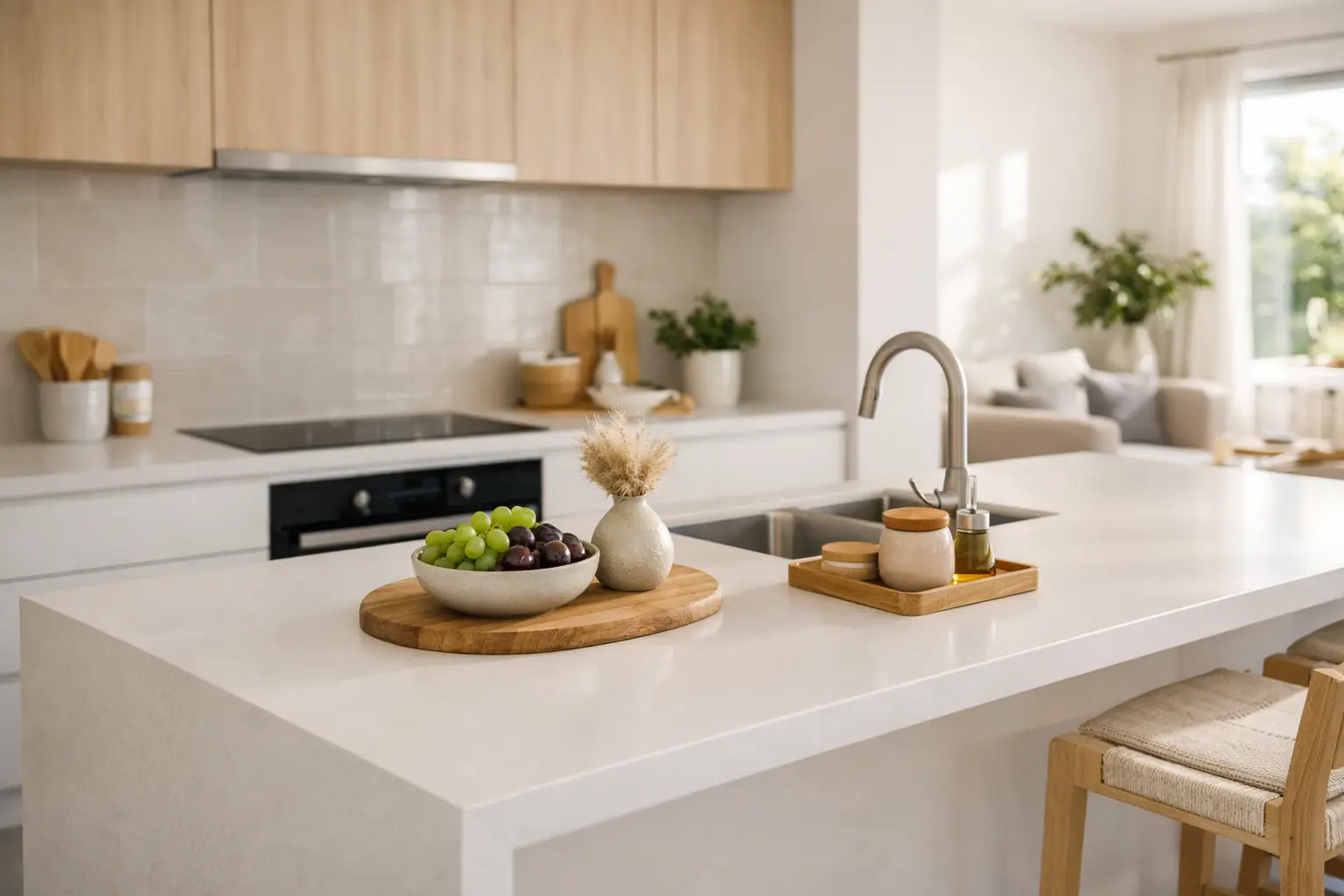
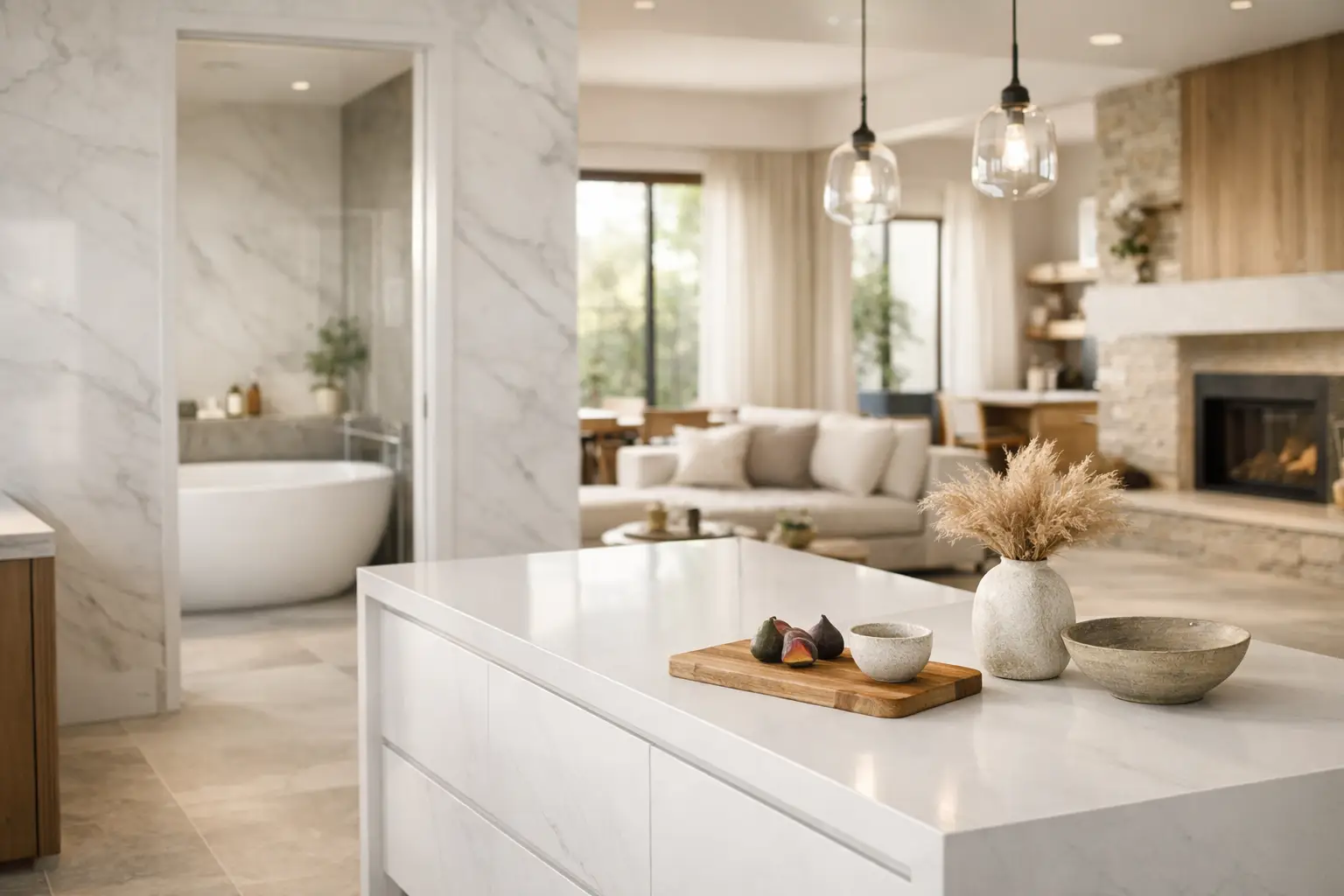
Zero silica engineered stone is a countertop. Surface material manufactured with less than 1% crystalline silica, unlike traditional quartz surfaces containing 90-95%. This composition significantly reduces respirable crystalline silica dust exposure during fabrication and installation. Homeowners, designers, and fabricators benefit from quartz-level performance and durability, paired with markedly improved workplace safety and compliance outcomes across cutting, grinding, and polishing processes.
What Is Zero Silica Engineered Stone?
[Zero silica stone](https://veronaceramic.com.au/what-is-zero-silica-engineered-stone/) describes an engineered surface formulated with less than 1% crystalline silica. Traditional quartz benchtops, by contrast, typically contain between 90% and 95% crystalline silica. That gap defines the entire category and drives why fabricators, designers, and homeowners are re-examining their material choices.
Why does the silica content matter so much?
Crystalline silica dust generated during cutting, grinding, and polishing has long been a workplace hazard for stone fabricators. A formulation under 1% dramatically reduces the raw material available to become airborne during fabrication, directly supporting benchtop safety for tradespeople and end users alike.
Verona Ceramic lists Zero-Silica Stone among its core product lines, alongside tiles and premium indoor/outdoor renovation materials, for Melbourne-area projects. The company positions these surfaces as suited to two demands at once: architectural ambition and daily household wear.
Is non-silica stone as durable as quartz?
Formulations built as non silica engineered stone are engineered specifically for luxury living and everyday durability in modern Australian homes. Verona Ceramic draws on its expertise in premium tiles. Stone to guide clients toward compliant, well-verified surface choices rather than generic substitutes.
Key distinctions worth noting:
- Silica content: under 1% versus 90–95% in standard quartz
- Primary benefit: reduced fabrication dust exposure
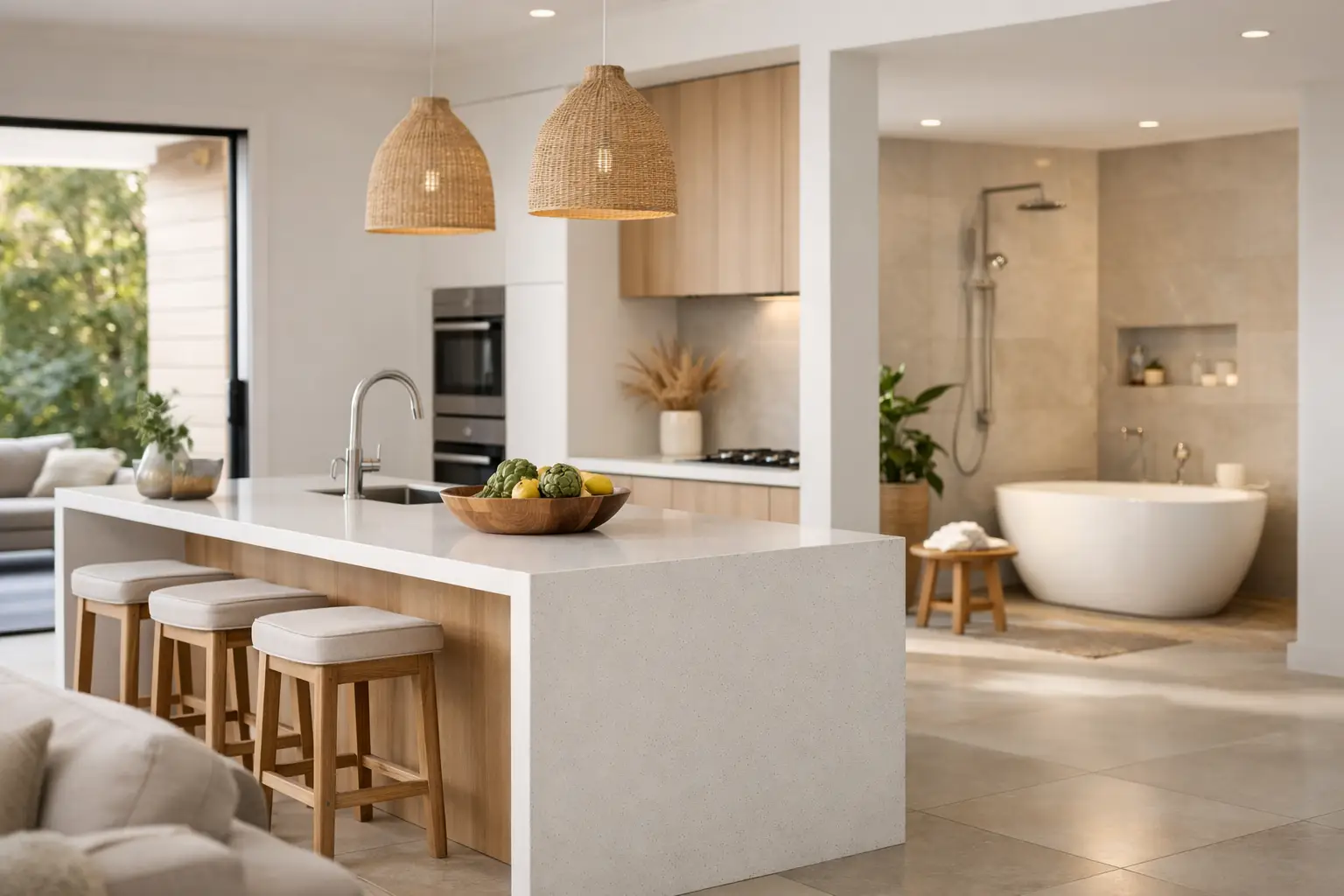
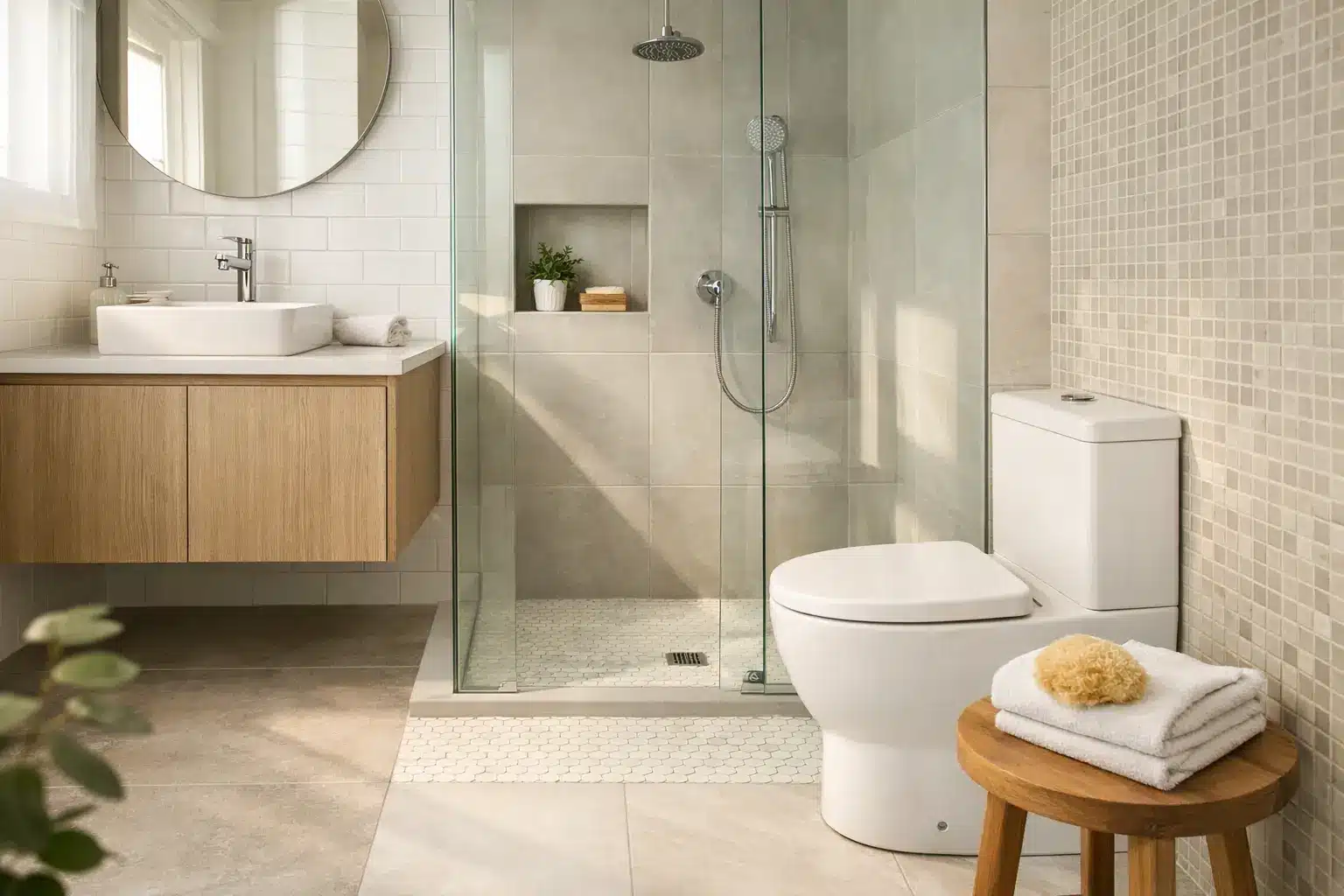
- Application scope: kitchens, bathrooms, indoor and outdoor renovation surfaces
Is Zero Silica Stone Actually Safer?
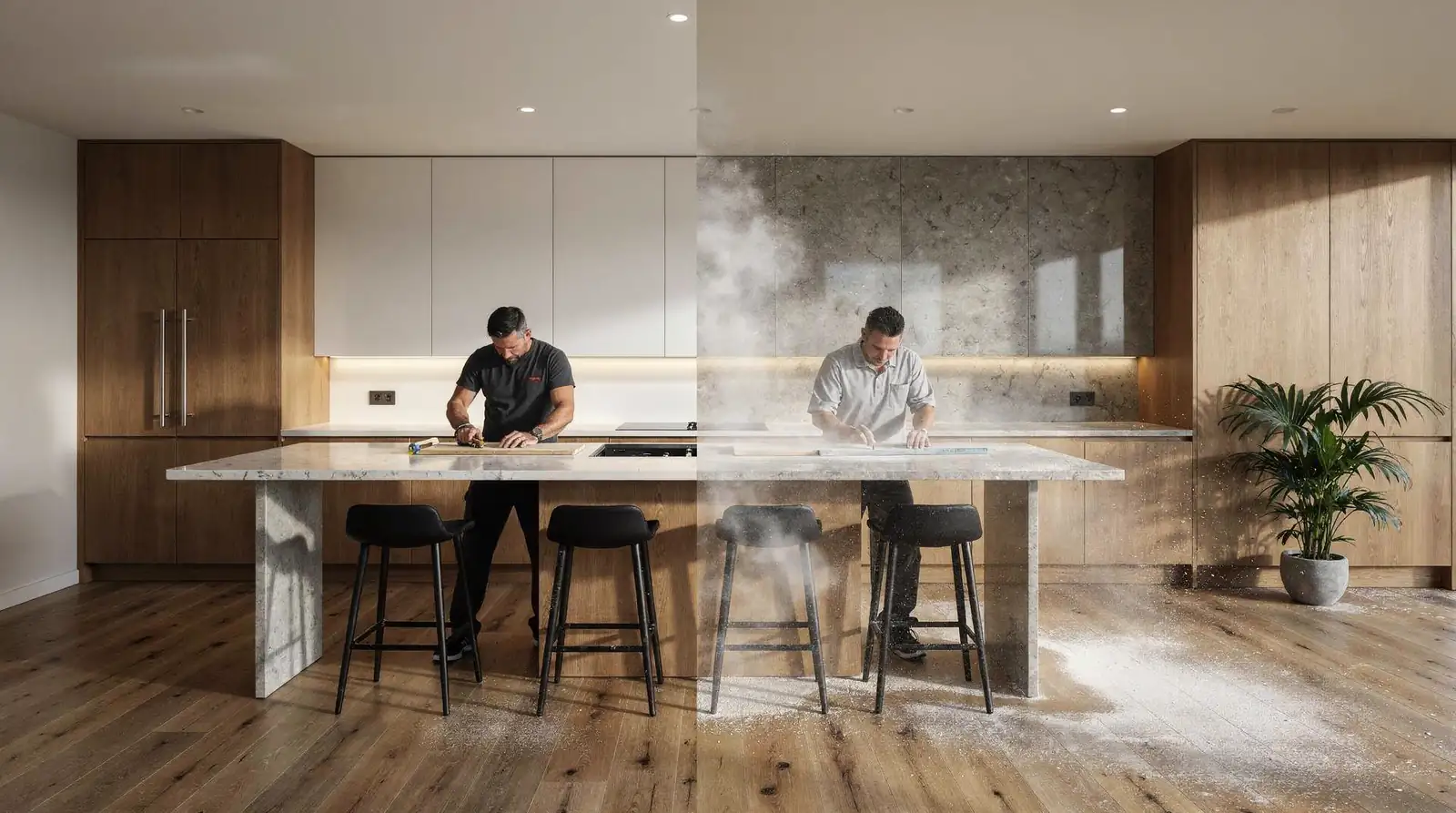
Yes — zero silica stone removes the specific hazard that makes traditional quartz risky during fabrication. Standard quartz benchtops contain roughly 90% crushed quartz. Cutting or polishing that material releases fine silica dust, a substance linked to silicosis and other serious lung disease. Fabricators handling conventional slabs face that exposure daily, often without realizing the cumulative toll on respiratory health.
Non silica engineered stone formulations address this directly by cutting airborne dust generated during cutting and polishing. That reduction changes benchtop safety outcomes on the workshop floor, not just in marketing claims.
Does removing silica change how a slab performs?
Performance and safety are separate questions, and both matter to specifiers. Verona Ceramic evaluates surfaces through rigorous physical parameter verification, giving clients a documented basis before recommending a product for kitchens or baths.
What should Melbourne homeowners ask before choosing a surface?
Renovators should ask about fabrication dust, warranty terms, and long-term wear. Verona Ceramic’s Melbourne-focused guidance walks buyers through:
- Material composition and finish options
- Ongoing care requirements
- Cost comparisons across surface categories
- Questions worth raising with a fabricator before signing off
These four checkpoints separate a genuinely safer surface from one riding on the trend alone.
How Do You Choose A Safe Surface?
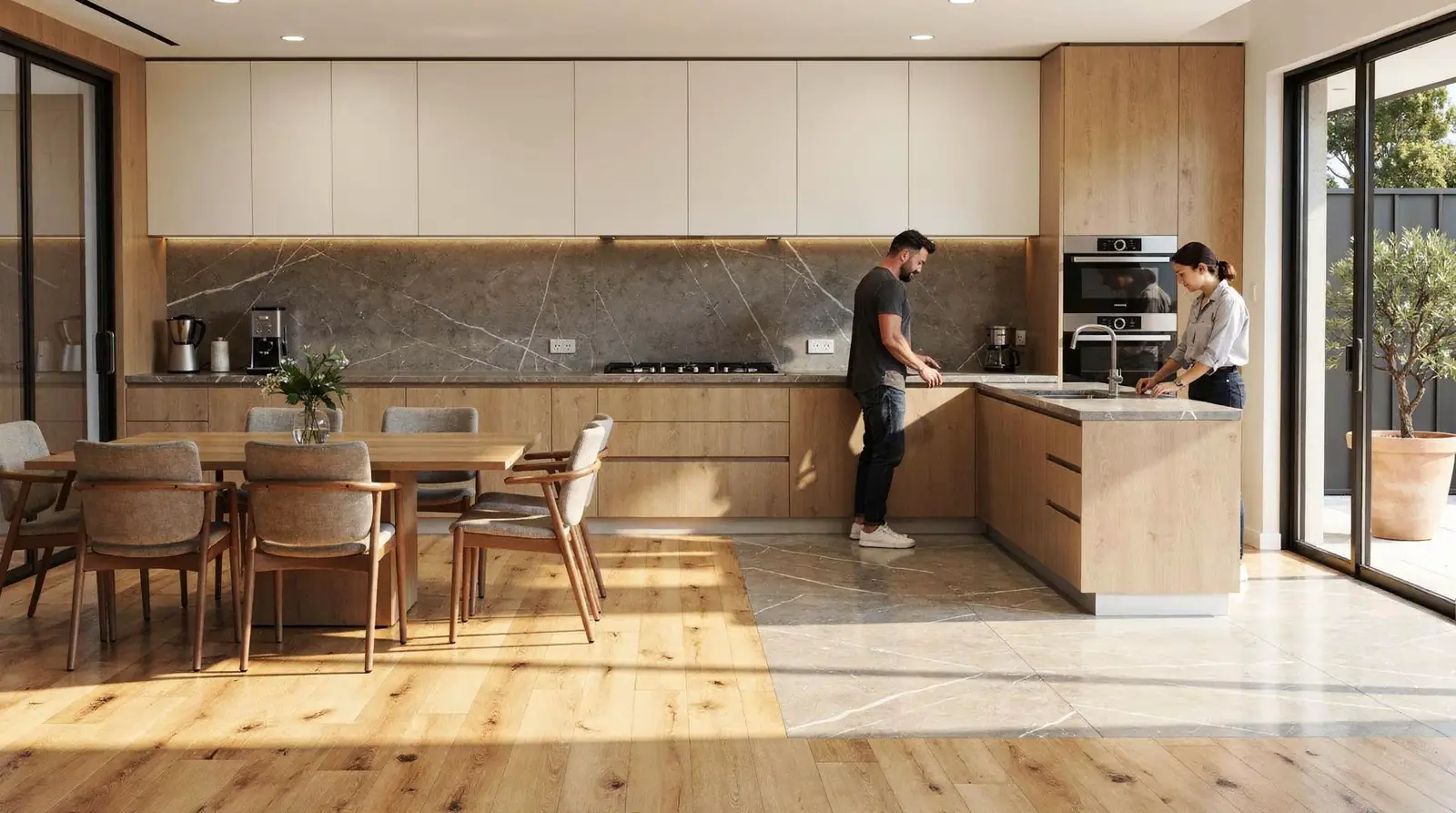
Safety selection starts with verified material content, not marketing claims. A genuine zero silica stone carries documented crystalline silica levels. Buyers should request that documentation before purchase, not after installation. Verona Ceramic supports these decisions across Melbourne and Victoria-wide, giving homeowners, designers, and remodelers local access to inspection and expert advice.
Broader product guidance from Verona Ceramic already points Melbourne projects toward practical, lower-risk finishes, including large-format porcelain and natural tones. That same discipline applies to benchtop selection. Benchtop safety depends on the same verification rigor used elsewhere in the business: dye lot checking and quantity confirmation mirror the diligence a fabricator or specifier should apply when confirming a surface’s safety credentials.
Does Reduced Silica Content Affect Performance?
No. Industry technologies such as Hybriq+ prove that manufacturers can lower crystalline silica content while still meeting the durability. Finish standards expected of quartz-style surfaces. Reduced silica does not mean reduced quality.
What Should Buyers Ask Before Purchasing?
Request written silica-content data, not verbal assurance. Confirm the supplier’s inspection process covers both material composition and batch consistency.
Zero-silica engineered stone represents a significant advancement in surface material technology, prioritizing worker safety and long-term durability without compromising aesthetic or functional performance. By eliminating crystalline silica dust exposure during fabrication. Installation, this material protects those who handle it while delivering the visual sophistication and structural integrity that discerning projects demand. For clients committed to responsible material selection, zero-silica engineered stone fulfills both ethical and practical requirements, establishing a foundation for spaces built to endure.