A premium renovation should still look considered after school mornings, dinner parties, wet towels and years of daily use. That is why porcelain surfaces for luxury renovations are specified so often: they offer the refined look of natural stone, timber or concrete with the dependable performance busy family homes need.
For Melbourne homeowners, designers and builders, porcelain is no longer limited to a standard bathroom wall tile. Large-format porcelain can create expansive floors, statement walls, shower linings, fireplace surrounds and cohesive indoor-outdoor zones. The result can feel quiet and architectural, while remaining practical to clean and maintain.
Why porcelain suits a premium home
Luxury is not simply about selecting the most dramatic finish. It is about proportion, consistency, durability and the confidence that every surface will continue to work beautifully over time. Porcelain is fired at very high temperatures, creating a dense, low-porosity material that handles moisture, staining and ordinary household wear exceptionally well.
This density is especially valuable in kitchens, bathrooms and entry areas, where spills and moisture are unavoidable. Unlike some natural materials, most porcelain surfaces do not require regular sealing. A quality grout and suitable cleaning routine still matter, but the ongoing care is generally straightforward.
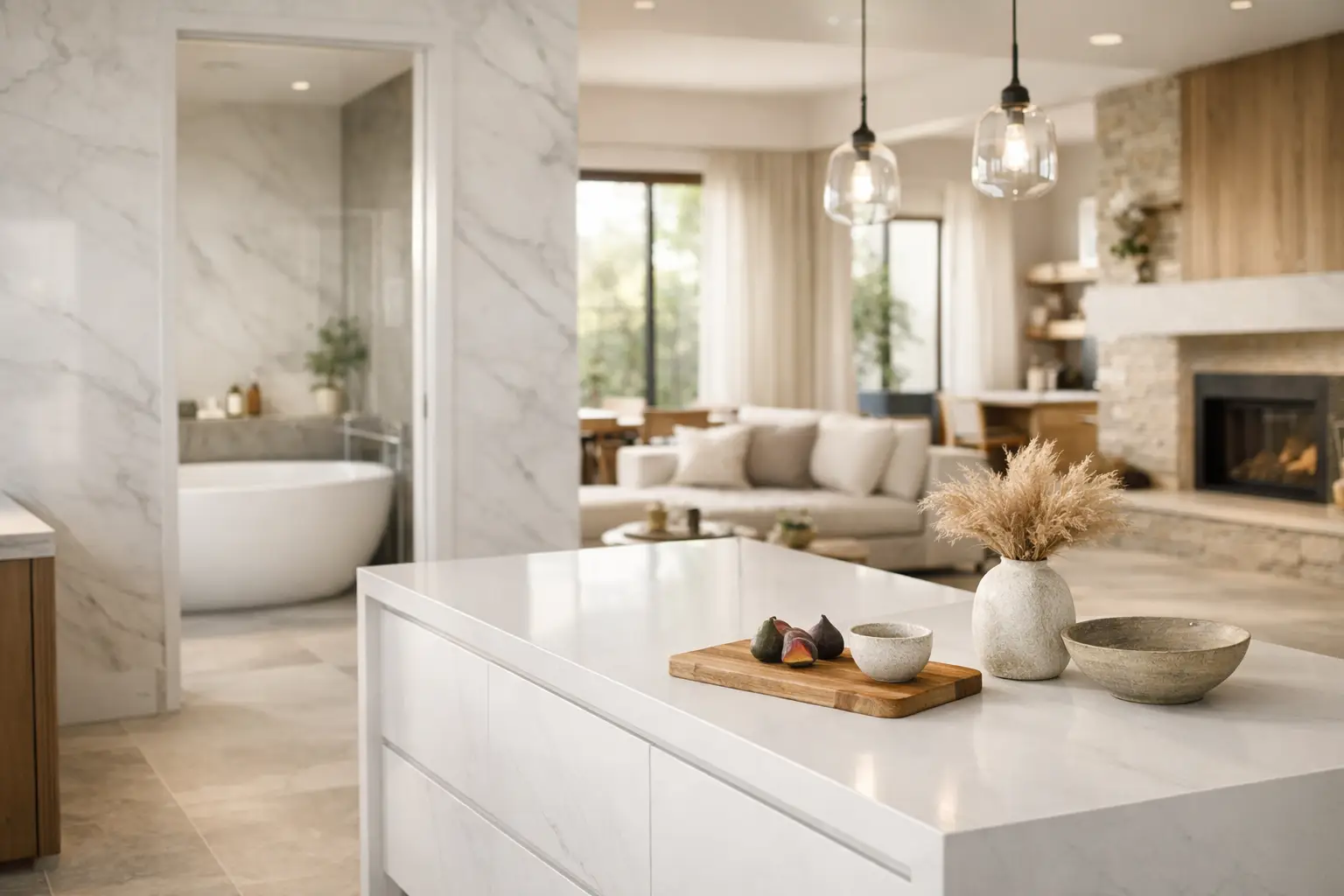
Modern manufacturing also gives designers more control for colour, veining and scale. A marble-look porcelain tile can deliver broad, bookmatched-style movement without the variation that can make natural stone difficult to coordinate across several rooms. Concrete-look and travertine-look collections provide the same advantage, giving a home an intentional, continuous material palette.
Choose the finish before choosing the colour
The most successful porcelain selection starts with how the room will be used. Colour and pattern matter, but finish, size and slip resistance affect everyday comfort just as much.
Matte porcelain for relaxed, liveable spaces
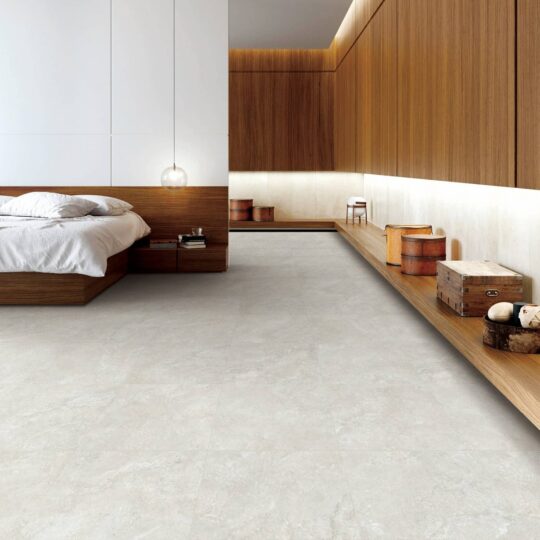
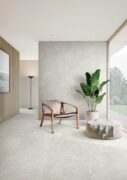
Matte tiles are a popular choice for living areas, hallways and bathrooms because they soften reflected light and are generally more forgiving of water marks, dust and footprints than polished finishes. They suit contemporary homes particularly well, from warm limestone looks to finely textured concrete styles.
For wet areas and external zones, check the tile’s slip-resistance rating rather than judging the surface by touch alone. A more textured finish may be appropriate around pools, on balconies or for an alfresco area, while a smoother matte tile may suit a low-traffic powder room. Australian conditions, drainage, slope and the likelihood of wet bare feet should all guide the final choice.
Polished finishes for controlled glamour
Polished porcelain can bring a striking, light-reflective look to formal entries, feature walls and selected living spaces. It works especially well where natural light can emphasise its depth and detail. The trade-off is practical: highly polished floors can show smudges more readily, and they are usually less suitable for frequently wet areas.
A thoughtful renovation often combines finishes rather than applying one surface everywhere. For example, polished marble-look porcelain may frame a fireplace or powder room wall, while a coordinating matte tile carries through the main floor and bathroom.
Large-format tiles and fewer visual interruptions
Large format tiles can make a room appear calmer and more generous by reducing the number of grout lines. Sizes such as 600 x 1200 mm and larger are particularly effective in open-plan living areas, main bathrooms and feature walls. Rectified edges allow for narrow, consistent joints when the substrate and installation are properly prepared.
However, bigger is not automatically better. Large format tiles need a very flat substrate, careful handling and an experienced installer. In compact rooms with multiple angles, niches or floor wastes, a smaller complementary format may reduce cuts and support better falls to drainage. Good design respects both the look of the tile and the realities of installation.
Porcelain in the rooms that matter most
Kitchens that balance beauty and hard work
Kitchen tiles need to manage dropped utensils, splashes, heat and the repeated cleaning that comes with family life. Porcelain splashbacks and floors offer a hard-wearing, easy-care choice, with designs ranging from subtle stone looks to bolder feature patterns.
When selecting kitchen tiles, consider the cabinetry, benchtop material and natural light together. A pale large-format floor can open up a darker kitchen, while a deeper matte tile can ground lighter joinery. Grout selection is equally important. A close tonal match creates a quieter effect, whereas contrasting grout introduces a more graphic, grid-like finish.
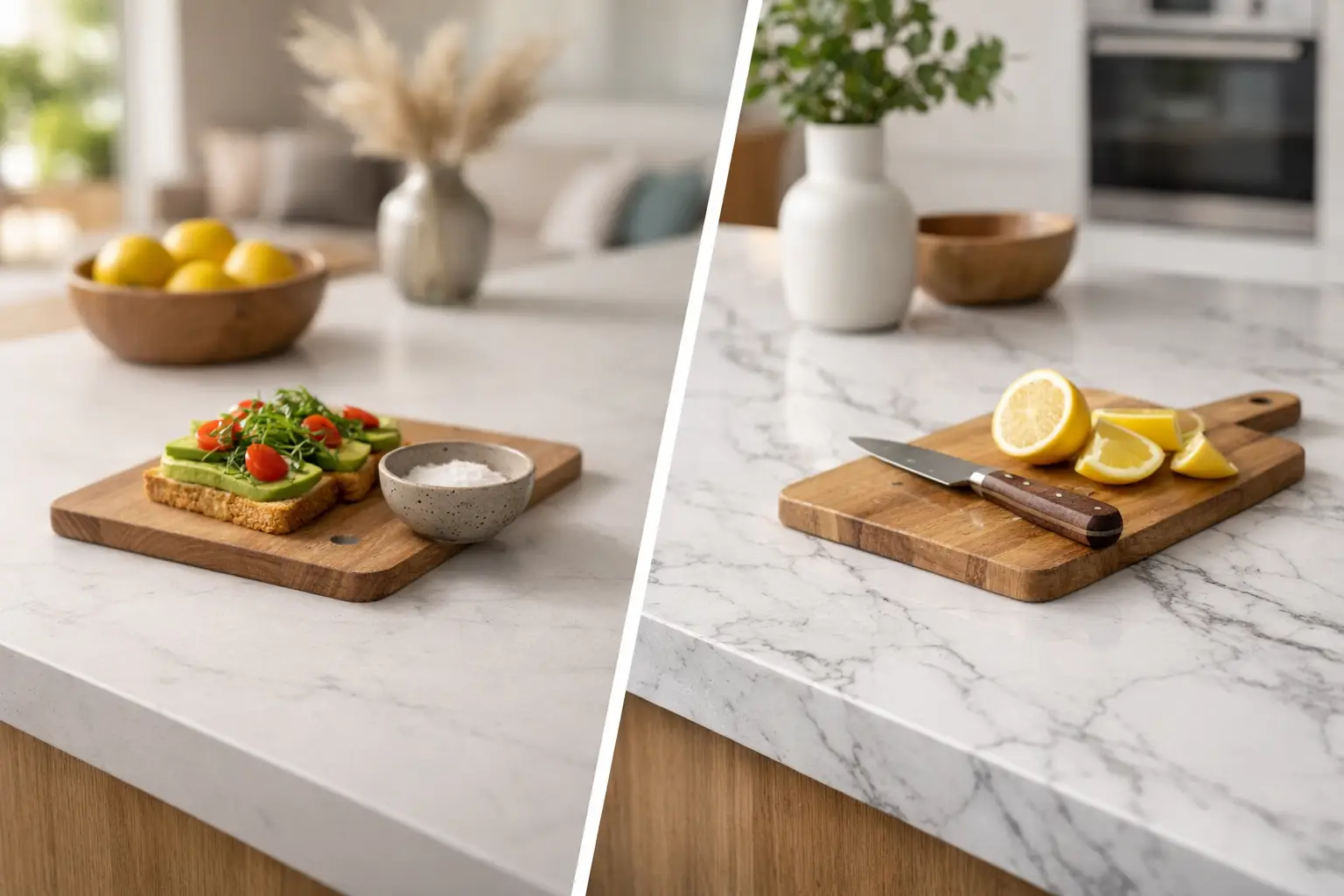
For benchtops, material performance and safe fabrication should be assessed separately from tile selection. Zero silica benchtops can be an excellent option for homeowners seeking a beautiful engineered surface with a safety-focused material choice. Coordinating the benchtop with porcelain wall and floor tiles can create a polished whole without making every surface identical.
Bathrooms designed for daily comfort
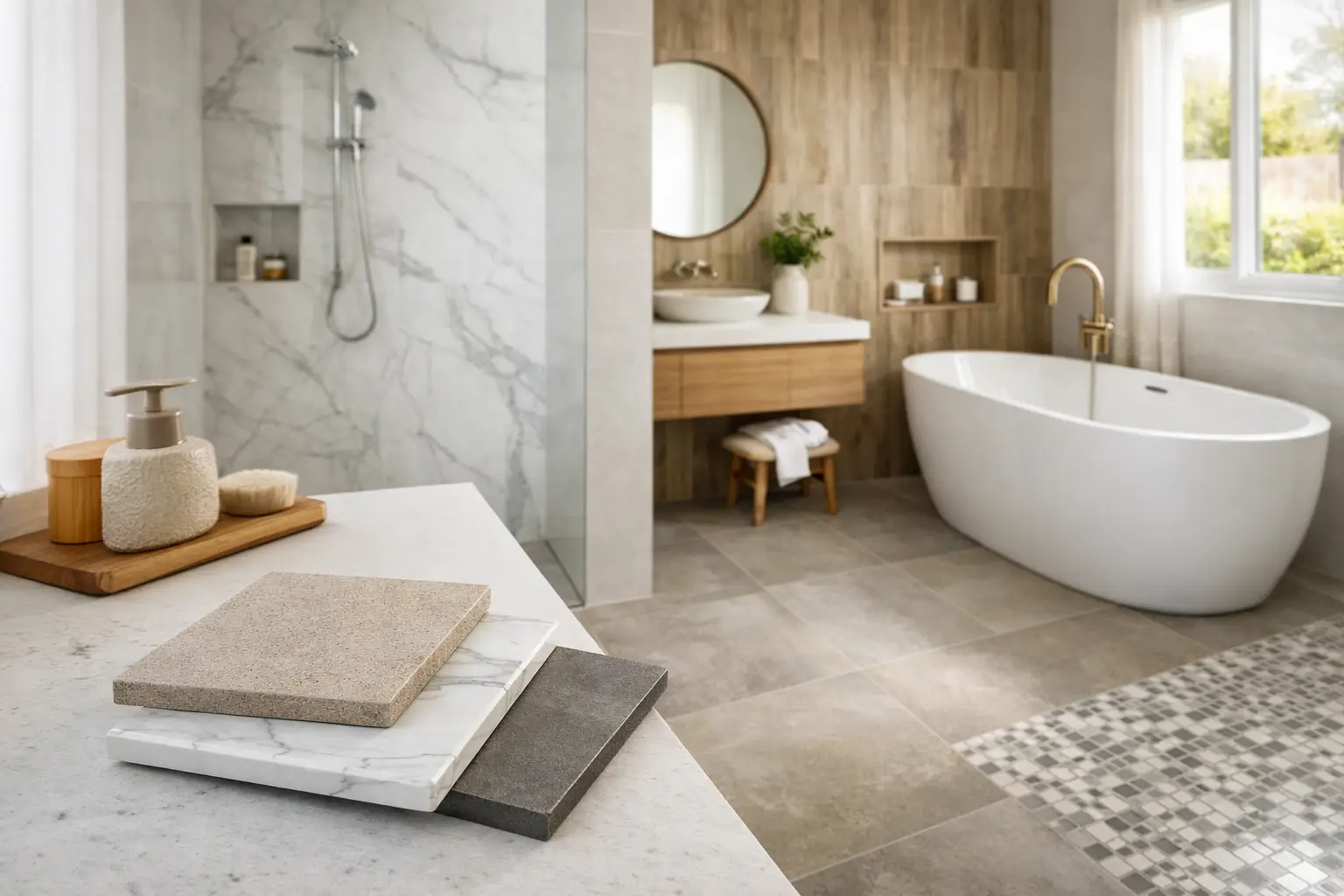
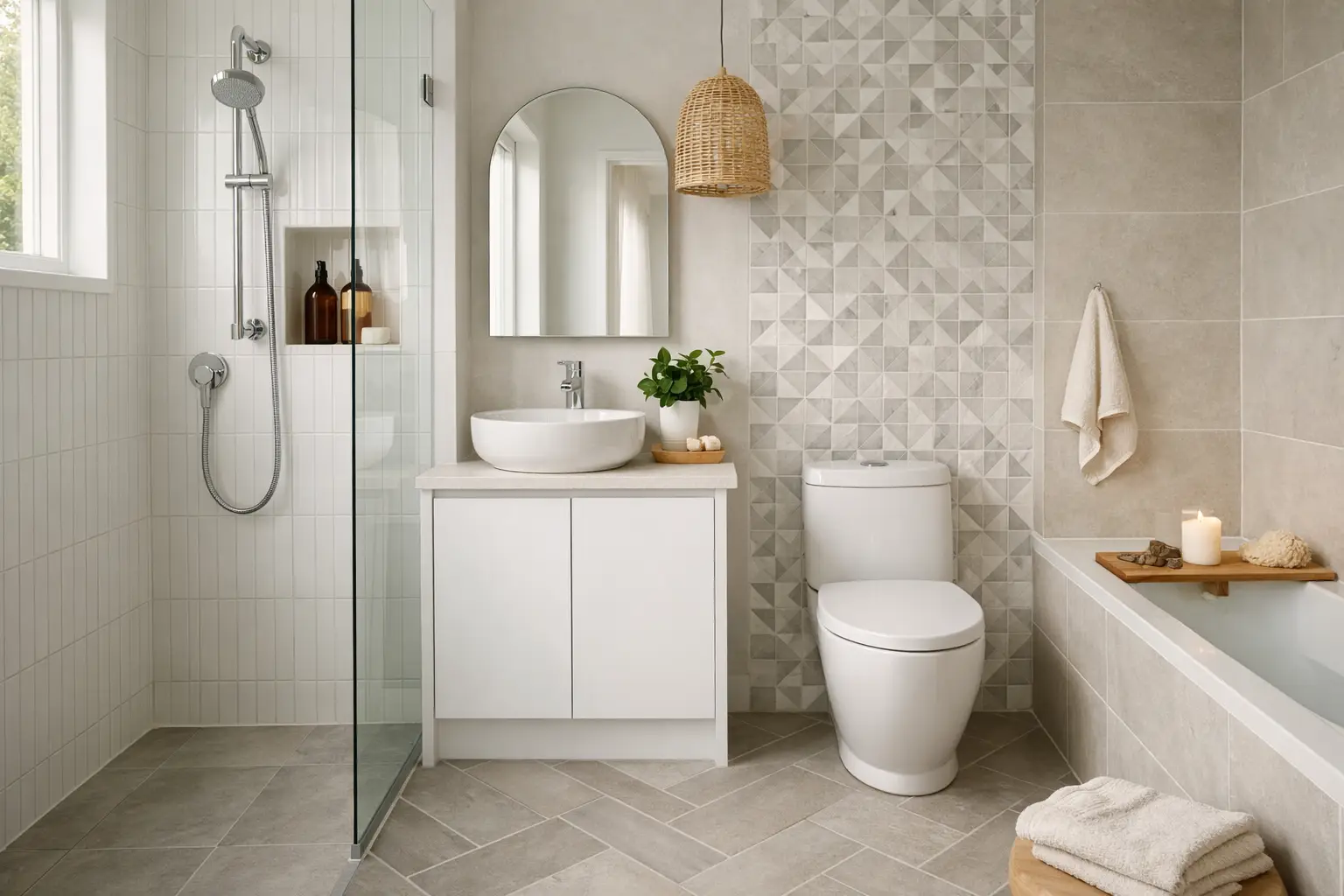
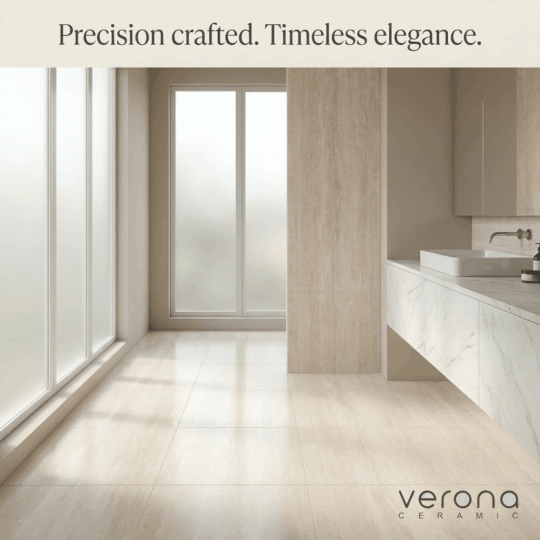
Bathrooms demand materials that are both attractive and dependable in moisture-prone conditions. Porcelain bathroom tiles work across floors, walls, shower areas and vanity surrounds, allowing a consistent visual flow from one zone to another.
A practical approach is to use a slip-resistant porcelain on the floor and a matching or complementary finish on the walls. Smaller tiles or mosaics are often useful on shower floors because the additional grout joints can assist with grip and make it easier to achieve drainage falls. On the walls, larger tiles reduce grout lines and simplify cleaning.
Do not overlook undertones. A white tile may lean warm, cool or neutral, and that difference becomes noticeable beside tapware, cabinetry and paint. Viewing full samples in the intended room, at different times of day, is far more reliable than making a decision from a small online image.
Living areas that connect indoors and out
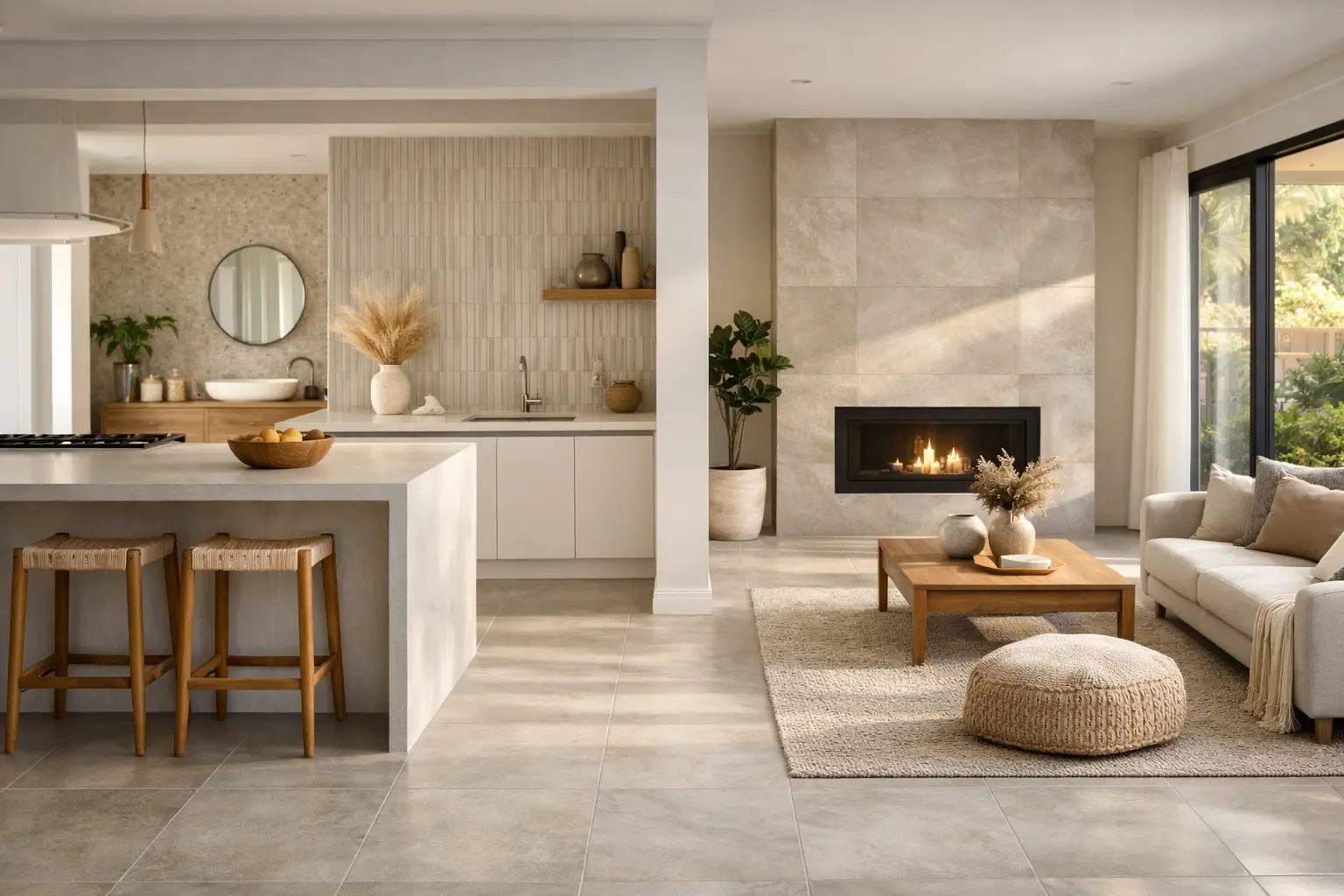
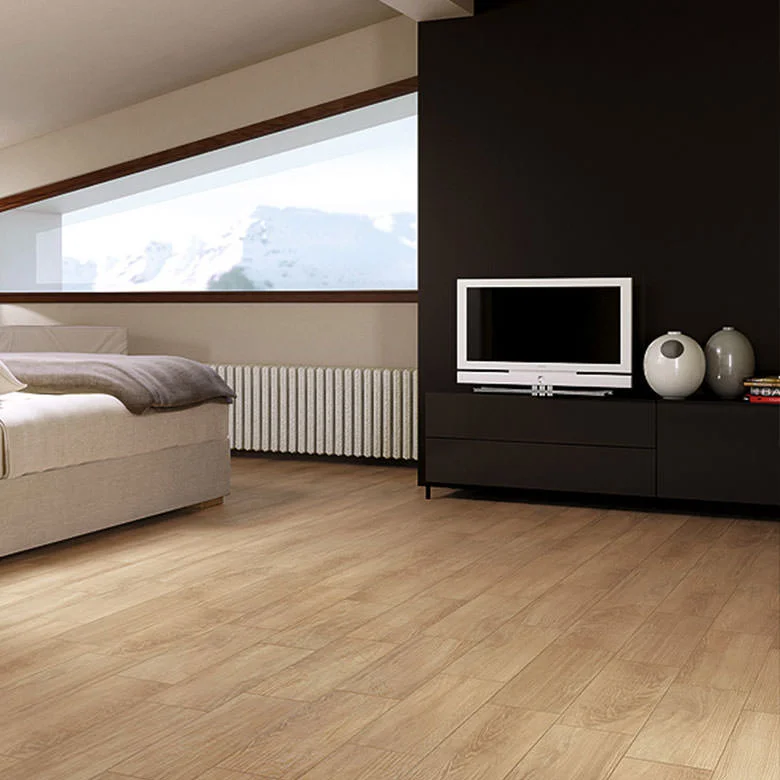
A continuous porcelain floor from the living room to a covered alfresco can make a home feel more spacious and connected. The key is choosing related finishes suited to each environment. An interior matte tile may be paired with an exterior version offering more texture and higher slip resistance, while keeping the same colour and design family.
This approach can be particularly effective in Melbourne renovations, where an outdoor area often needs to work through changing weather and regular entertaining. Confirm that the selected exterior tile is appropriate for the installation method, exposure and expected foot traffic.
Technical details worth checking before ordering
Premium results rely on good specification, not just a beautiful sample. Ask for the technical information for every tile under consideration, including its finish, thickness, rectification, intended application and slip rating where relevant. For floor tiles, the PEI wear rating can also be useful. It indicates resistance to surface abrasion for glazed tiles, helping match a product to the level of traffic expected.
Shade variation deserves attention too. A low-variation tile delivers a more uniform look, while higher-variation stone and timber looks create greater movement between pieces. Neither is inherently better, but everyone involved should understand the intended effect before laying begins.
It is also wise to order with sensible allowance for cuts, wastage and future repairs. Batch consistency matters, so inspect tiles before installation and keep a few spare tiles from the same batch where possible. Once tiles are laid, colour, finish and pattern are generally considered accepted.
Plan early for a smoother renovation
Tiles influence more than colour selections. Their dimensions affect floor levels, cabinetry clearances, door thresholds, trims and the placement of wastes and drains. Bringing tile decisions into the planning stage gives your builder, cabinet maker and tiler time to coordinate details properly.
For large format tiles, request a layout plan before work begins. Discuss where full tiles will start, how cuts will land at walls, and whether feature veining should flow in a particular direction. These quieter decisions are often what separate a well-finished room from one that merely has expensive materials.
Ready stock tiles are also valuable when renovation schedules are tight. Selecting from warehouse stock can reduce uncertainty around lead times and help trades stay coordinated. At Verona Ceramic, Melbourne customers can also use free measuring and 3D design support to test scale, layout and material combinations before finalising an order.
The best porcelain surface is one that supports the way your household lives, while giving every room a sense of lasting care. Choose with the whole renovation in mind, allow for skilled installation, and the finished spaces will feel considered long after the work is complete.