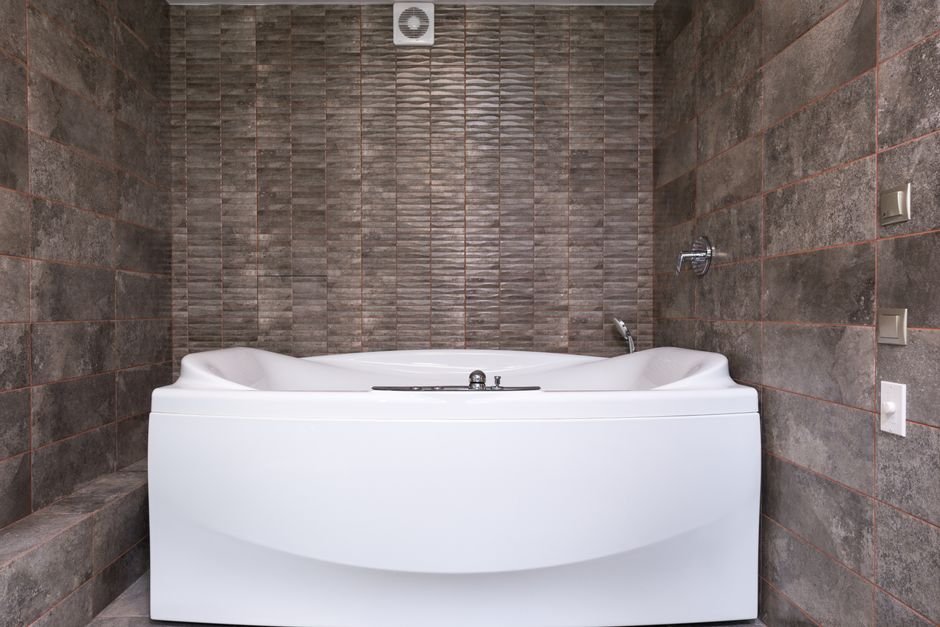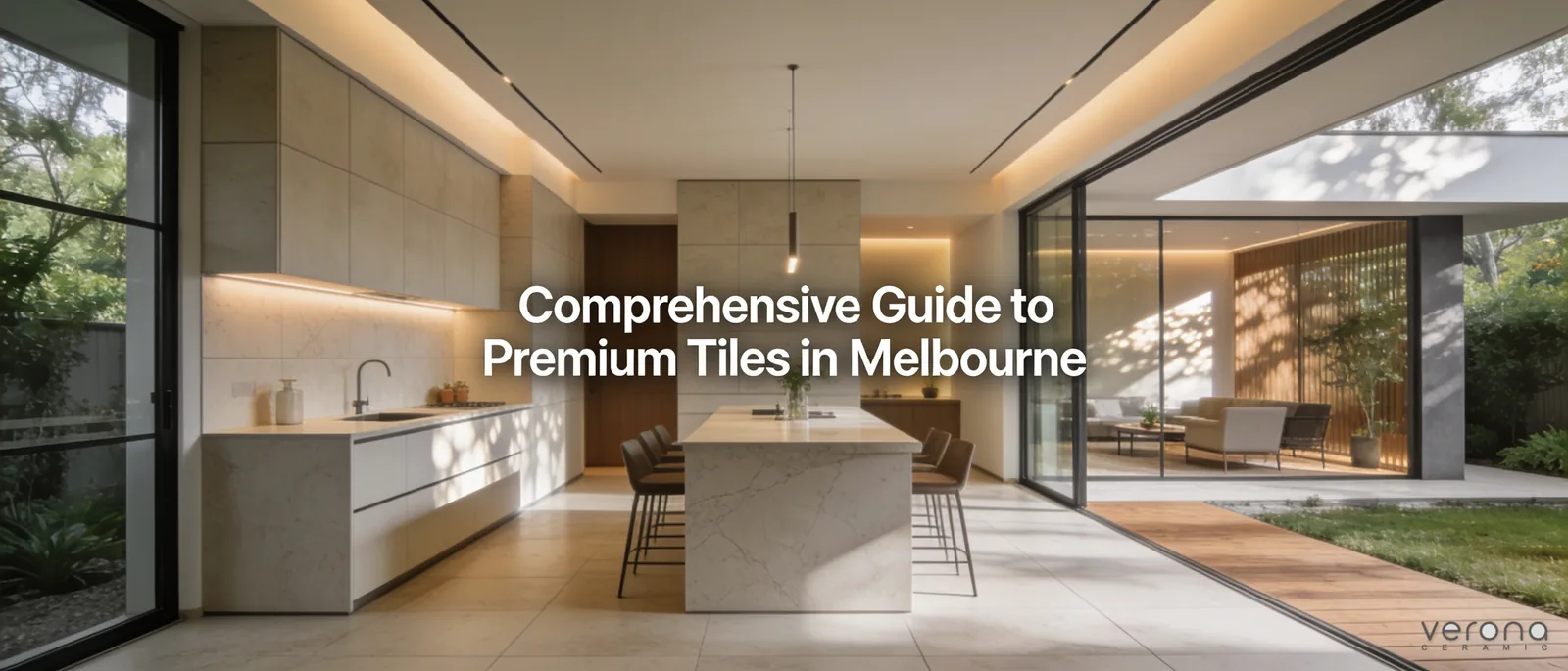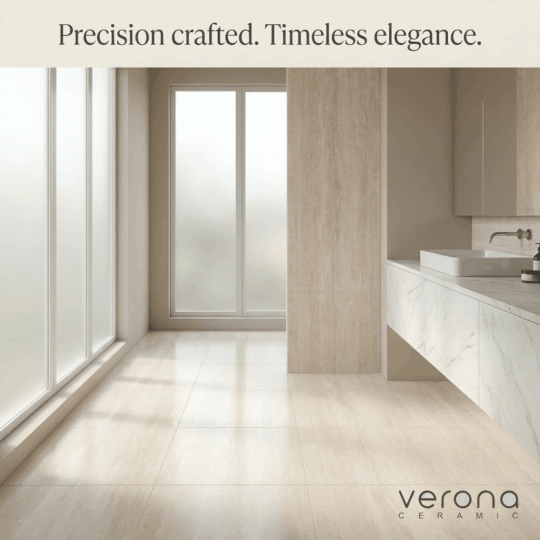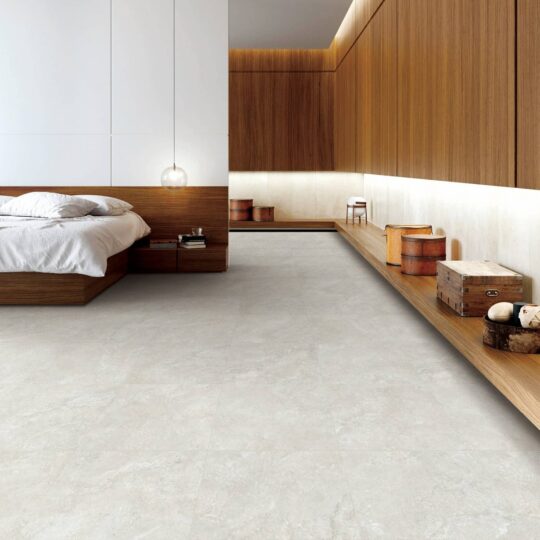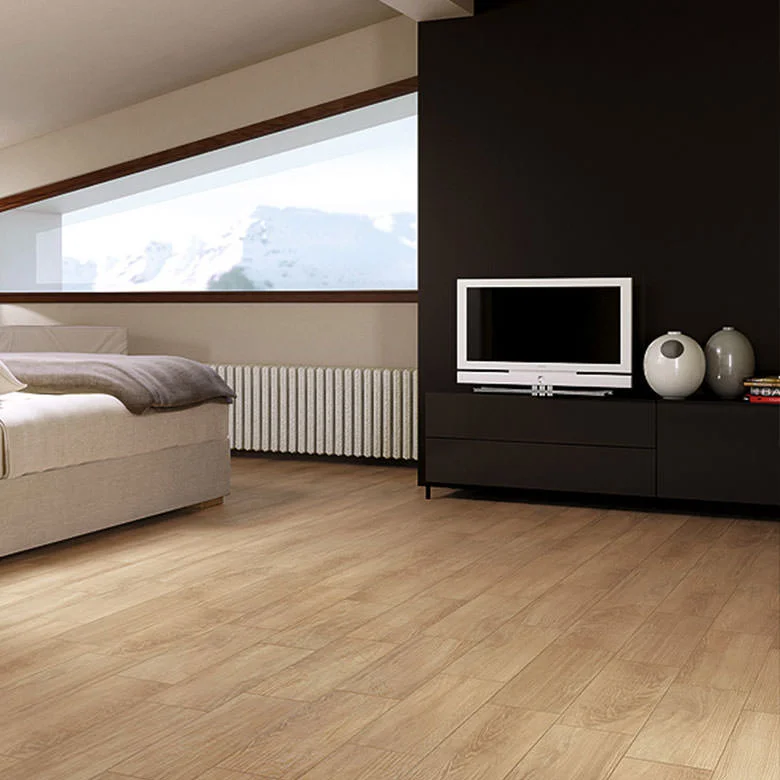
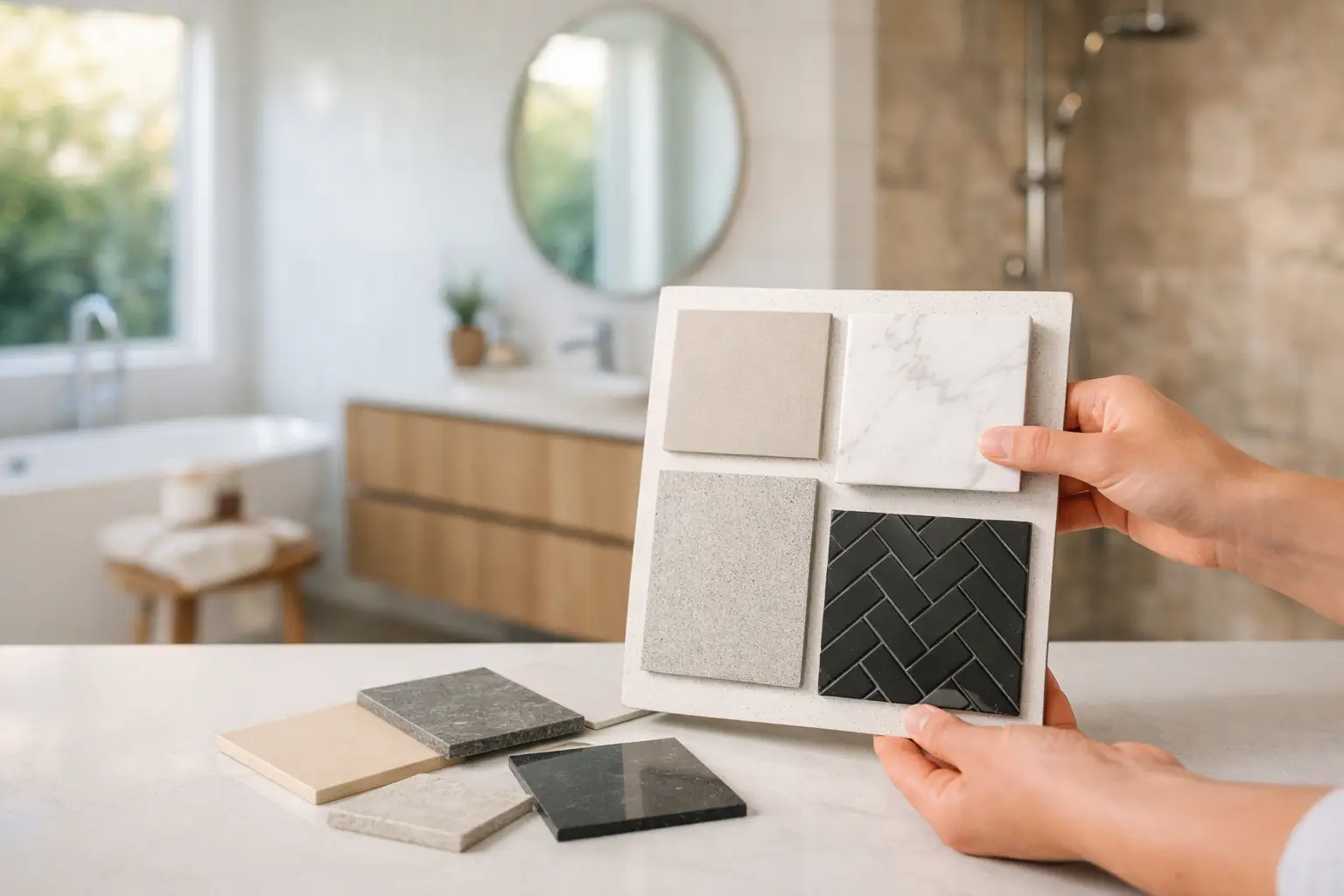
A bathroom wall can look very different once the tiles are installed. A warm white may feel calm and spacious, while a charcoal feature wall can give the room depth and character. Knowing how to choose bathroom wall tiles means looking beyond the sample board and considering light, layout, cleaning, durability and the way your family will use the space every day.
The best choice is rarely about following one trend. It is about selecting a quality surface that suits the room, works with your fittings and still feels right years after the renovation is finished.
Start with the bathroom’s size and natural light
Small bathrooms do not have to use only small, pale tiles. In fact, large format tiles can make a compact ensuite feel more open because there are fewer grout lines interrupting the wall. A 600 x 1200 mm porcelain tile, for example, can create a clean, architectural look when the wall is reasonably straight and the installer has planned the layout carefully.
Lighter tiles are still a dependable option where daylight is limited. Soft white, ivory, sand, pale grey and gentle stone-look finishes reflect available light without feeling stark. If the room has a window, skylight or strong lighting plan, you have more freedom to use richer colours, deeper greens, blue-grey tones or darker marble looks.
Before deciding, take samples home if possible and view them against the vanity, tapware and paint at different times of day. Showroom lighting is useful, but it cannot fully replicate the light in your own bathroom.
Choose porcelain for everyday performance
For most bathroom renovations, porcelain is an excellent wall-tile choice. It is dense, low-porosity, hard-wearing and straightforward to clean, making it well suited to busy family homes as well as premium custom builds. Quality porcelain bathroom tiles also offer convincing stone, concrete, terrazzo and marble-inspired designs without the ongoing sealing needs associated with some natural stones.
Ceramic wall tiles can also be suitable, particularly for decorative walls and splash zones. They are often lighter to handle and can be a practical option in smaller formats. The key is to select a tile designed for wall use and to discuss the application with your tiler or supplier.
A tile’s PEI rating relates to the wear resistance of its glazed surface and is primarily relevant for floor applications, rather than bathroom walls. For wall tiles, finish, water resistance, calibre consistency and visual quality are usually more useful considerations. If you are selecting matching floor tiles, then slip resistance and suitability for wet areas become essential. Your tiler should install the full system, including waterproofing, in line with applicable Australian standards.
Select a finish that suits your cleaning routine
Finish has a major influence on both appearance and maintenance. Gloss tiles reflect light beautifully and can brighten a smaller room. They are popular in classic and contemporary bathrooms, especially in subway, kit kat and square formats. However, gloss can show water spots and soap marks more readily, particularly in darker colours.
Matte tiles offer a softer, more contemporary appearance. They are forgiving of fingerprints and everyday marks, and many homeowners prefer their understated texture. Matte porcelain is especially effective in stone-look and concrete-look designs, where a reflective finish can appear less natural.
A textured wall tile can bring wonderful depth to a vanity wall or niche, but think carefully before using strong texture throughout the shower. Raised surfaces may collect more soap residue and take longer to wipe down. This does not rule them out – it simply makes placement important. Use detailed tiles where they can be appreciated without creating an unnecessary cleaning job.
Plan the tile size and layout before ordering
Tile size should support the proportions of the room, not just the latest showroom trend. Large format tiles can create a refined, spacious feel, but they need careful handling, sound wall preparation and an experienced installer. They may also create more offcuts in a bathroom with multiple windows, niches or angled walls.
Smaller tiles make curves, niches and detailed layouts easier to manage. They can add personality, particularly in herringbone, finger-tile or mosaic designs. The trade-off is more grout, more installation time and more ongoing cleaning.
It helps to decide where you want the tile lines to fall. A well-planned layout avoids narrow slivers at visible corners and creates a balanced finish around a mirror, vanity and shower screen. For a feature wall, centring the tile pattern behind the vanity often looks more intentional than simply beginning from one corner.
Ask your tiler to confirm the set-out before installation begins. This small conversation can make a significant difference to the finished result.
Consider full-height tiles versus a tiled splash zone
Full-height wall tiling gives a bathroom a polished, cohesive finish and protects more of the wall from moisture and daily wear. It can be particularly worthwhile in showers, family bathrooms and rooms with freestanding baths, where splashing is common.
A half-height tile with painted wall above can be a good value-conscious option and suits heritage-inspired or lighter renovation schemes. In this case, choose bathroom paint designed for humid conditions and make sure the tile height aligns neatly with fixtures. There is no single right answer: full-height tiling feels more premium and is easier to wipe down, while partial tiling can introduce colour and soften the room.
Build a colour palette around permanent fixtures
Tapware, vanity cabinetry, benchtops and tiles are more costly to change than towels or accessories. Start by choosing the surfaces that will stay in place longest, then use paint and styling as the flexible layers.
For a calm, enduring bathroom, pair a neutral porcelain wall tile with a timber-look vanity, brushed nickel or chrome tapware and a benchtop with subtle movement. For more drama, a dark tile can work beautifully with warm timber, brushed brass or gunmetal fittings, provided the room has enough lighting.
Marble-look tiles remain popular because their veining brings movement without needing a busy colour palette. When choosing one, look for a design with variation across multiple tiles rather than a repeated print. Lay several samples together to see how the pattern flows. This is particularly important with large format tiles, where each piece has greater visual presence.
If you are matching a vanity top or a zero-silica engineered stone benchtop, compare samples side by side. Undertones matter. A tile that appears white may lean warm, cool, beige or grey once placed beside another surface.
Do not overlook grout and edge details
Grout is not an afterthought. It frames every tile, affects the overall colour balance and influences how much cleaning is required. A grout close to the tile colour creates a quieter, more continuous surface. Contrasting grout highlights the pattern and suits feature layouts such as subway tiles or mosaics.
Mid-tone grout is often practical in a family bathroom because it hides everyday marks better than bright white. In shower areas, select a quality grout appropriate for wet conditions and follow the product care guidance. Good ventilation and regular cleaning will also help keep grout looking fresh.
Consider how external corners and tile edges will be finished. Mitred corners can create a crisp, minimal appearance with suitable porcelain tiles, while matching trim profiles offer protection and a neat line. The best detail depends on the tile thickness, layout and the overall style of the room.
Order enough from the same batch
Tiles are manufactured in batches, and slight variation in shade, pattern and calibre can occur between runs. Once you have approved your selection, order the calculated quantity plus an allowance for cuts, breakages and future repairs. The amount depends on the tile format and layout, but more complex patterns generally need a larger allowance.
Ready stock is valuable when a renovation schedule is tight. Confirm the quantity is available before booking trades, particularly for large format tiles or a design you plan to run across more than one bathroom. For Melbourne renovators, local warehouse stock can reduce waiting time and make it easier to secure matching tiles for the full project.
How to choose bathroom wall tiles with confidence
Bring your floor tile, vanity colour, tapware finish and room measurements when selecting bathroom wall tiles. This gives you a more accurate picture than choosing a tile in isolation. A supplier that can assist with measuring and 3D design can also help you compare layouts before materials are ordered.
At Verona Ceramic, homeowners and trade professionals can view premium architectural surfaces alongside practical, ready-stock porcelain options, helping each project balance beauty, durability and realistic timing. The right bathroom wall tile should feel considered rather than complicated: a surface that handles busy mornings, cleans up easily and makes coming home feel that little bit better.