A bathroom can look stunning on day one and still feel like hard work every morning if the tiles were the wrong choice. When clients ask us what tiles are best for bathrooms, the answer is rarely just about colour or style. It comes down to moisture, slip resistance, cleaning, wear, and how the whole room will feel to live with over time.
For most Australian bathrooms, porcelain is the safest all-round answer. It is dense, durable, easy to maintain and available in a wide range of finishes, sizes and looks. But that does not mean every porcelain tile suits every bathroom, and it certainly does not mean the same tile should go on every surface.
What tiles are best for bathrooms in real homes?
The best bathroom tile is the one that suits the specific surface, the way the room is used, and the level of maintenance you are happy with. A family bathroom used by children and guests has different demands from a compact powder room or a premium ensuite.
Porcelain tiles are generally the strongest recommendation for both floors and walls because they handle water well, resist staining, and hold up beautifully in busy homes. Compared with more porous materials, they are less demanding to maintain and more consistent in performance. That matters in bathrooms, where steam, splashes, cleaning products and daily foot traffic all come into play.
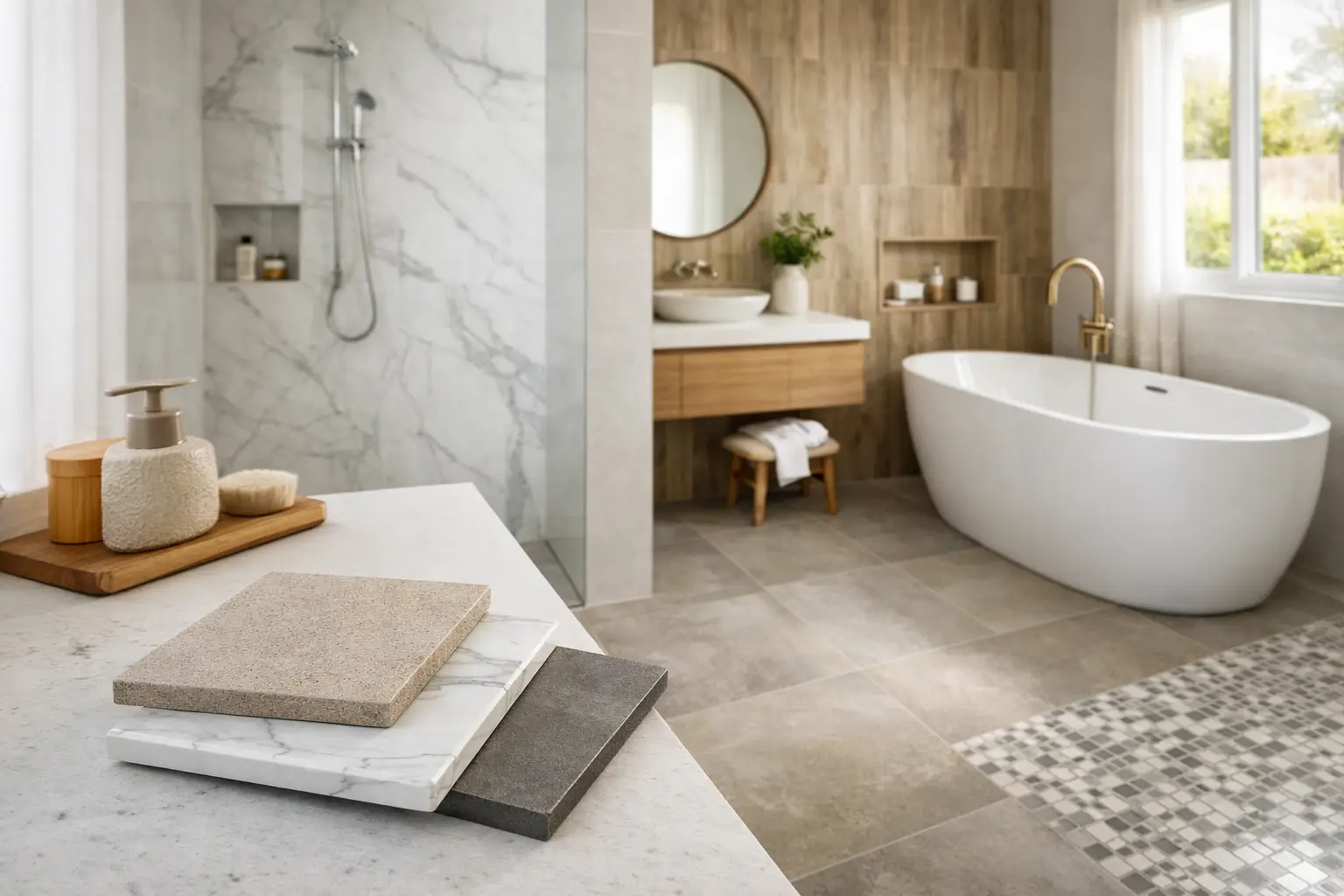
Ceramic can still be suitable for bathroom walls, particularly in lower-impact areas, but porcelain usually offers better durability and lower water absorption. Natural stone can be beautiful, though it often needs more sealing and ongoing care. If you want a refined finish without the upkeep of stone, porcelain that replicates marble, limestone or concrete is often a smarter long-term choice.
Floor tiles need a different standard from wall tiles
One of the most common mistakes in bathroom design is choosing a wall tile look and then trying to use it everywhere. Bathroom floors need grip, structural strength and practical sizing. Walls can be smoother and more decorative because they do not carry the same slip risk.
For bathroom floors, a matte or textured porcelain tile is usually the best fit. A high-gloss surface can look polished under showroom lighting, but under wet feet it may be less forgiving. Slip resistance matters, especially in family homes, homes with older residents, or bathrooms used by guests.
If you are selecting floor tiles, check the slip rating and ask how the surface behaves when wet. Australian standards are there for a reason, and compliant products give you more confidence in day-to-day use. A tile can still look elegant without being slick.
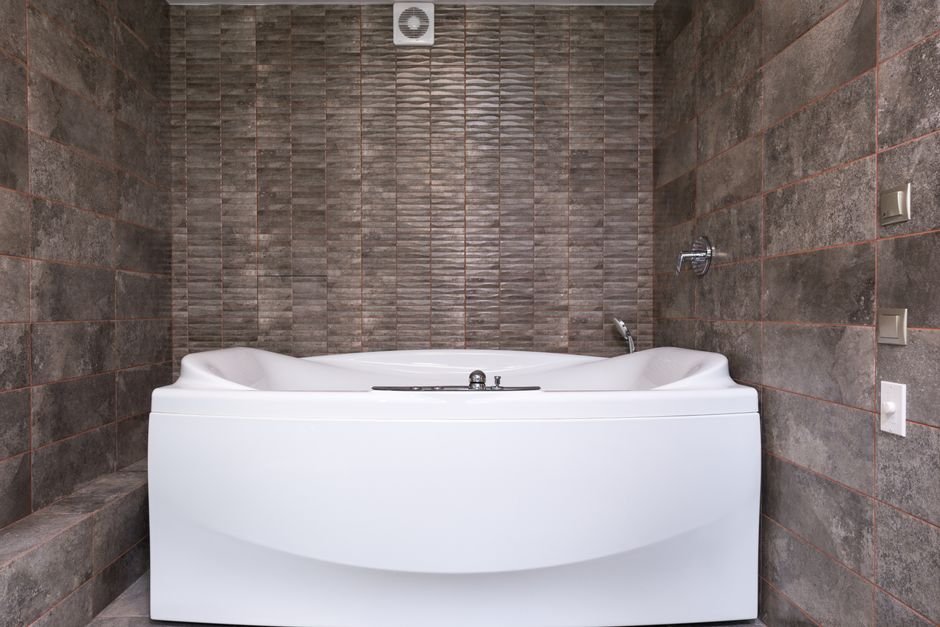
For walls, you have more freedom. Gloss, satin and matte finishes can all work well depending on the look you want. Gloss wall tiles reflect light and can help smaller bathrooms feel brighter. Matte tiles create a softer, more architectural finish and often suit contemporary spaces beautifully.
Porcelain tiles are usually the best bathroom investment
There is a reason porcelain is so widely specified in quality renovations. It offers enduring quality without asking too much in return. It is fired at a higher density than standard ceramic, which means it is less porous and generally more resistant to water, marks and wear.
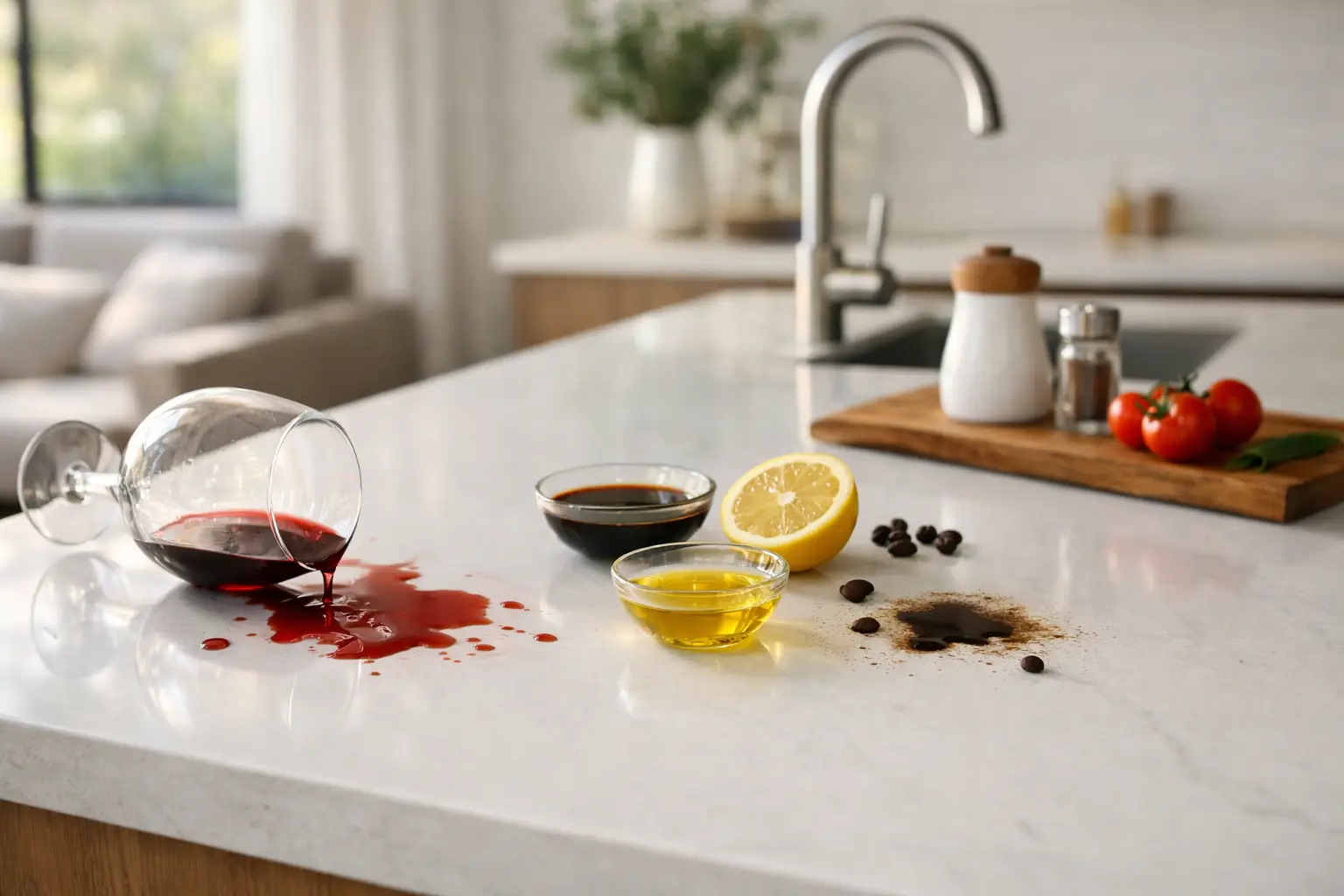
That makes porcelain a strong choice not just for the visible parts of the room, but for the practical realities of bathroom life. Shampoo spills, cosmetics, wet towels, muddy feet from the backyard, and frequent cleaning all test a surface over time. A good porcelain tile handles that with less fuss.
PEI rating is also worth understanding if you are choosing glazed porcelain for floors. This rating helps indicate abrasion resistance. For bathroom walls, this is less critical. For floors, especially in a main bathroom, a suitable PEI rating gives added reassurance that the finish will keep its appearance.
Large format porcelain tiles are increasingly popular because they reduce grout lines and create a cleaner visual flow. Fewer grout joints can also mean easier cleaning. In a larger ensuite or open-plan bathroom, these tiles can make the room feel calmer and more expansive.
What tile size works best in a bathroom?
There is no single perfect size, but proportion matters. In smaller bathrooms, many people assume small tiles are the only option. In reality, large format tiles can work extremely well if the layout is planned properly. They can make the room feel less busy and more refined.
That said, shower floors are a different story. Smaller tiles or mosaics are often better there because they follow the fall more easily and create more grout joints for grip. On the main bathroom floor, medium or large format porcelain tiles are often ideal. On walls, larger formats can deliver a premium finish with fewer visual interruptions.
If you are working on a full renovation, this is where measuring and layout support become valuable. A well-chosen tile can still underperform visually if cuts fall awkwardly or grout lines feel unbalanced. For homeowners and builders alike, good planning often makes the difference between a bathroom that looks fine and one that feels properly resolved.
The finish matters more than most people expect
When considering what tiles are best for bathrooms, finish is just as important as material. Matte finishes are popular because they tend to soften reflections, hide water spots better, and offer a more grounded, natural look. They are especially practical on floors.
Gloss finishes are easier to wipe down on walls and can brighten darker bathrooms, but they show marks more readily. Textured tiles can improve grip, though very heavily textured surfaces may require a little more attention when cleaning. The right balance is a finish that feels safe underfoot without becoming a maintenance burden.
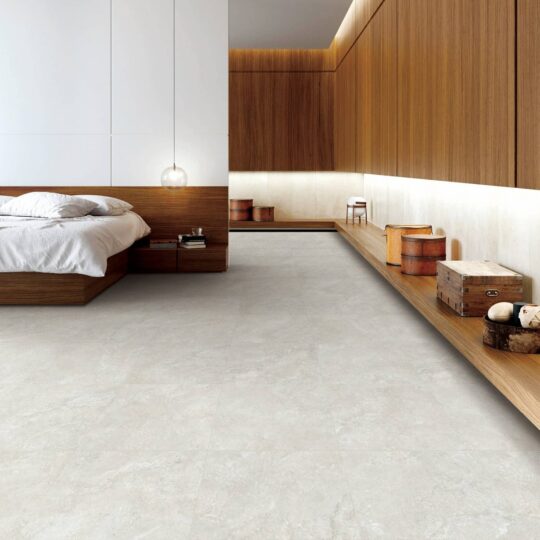
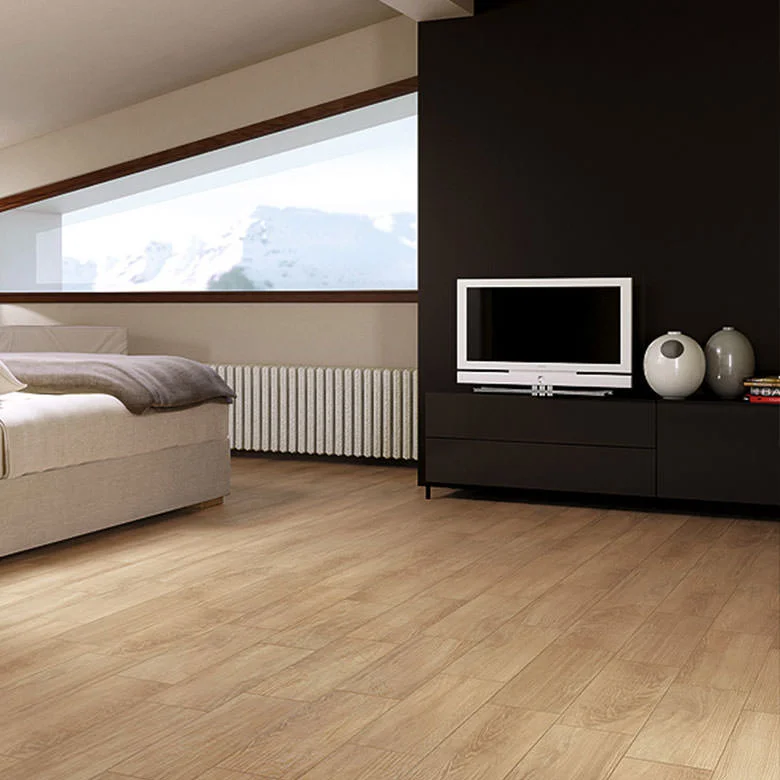
Stone-look porcelain is especially strong in bathrooms because it delivers warmth and texture while staying low maintenance. Concrete-look tiles suit modern spaces, while marble-look porcelain brings a more classic, luxurious feel without the sealing requirements of real marble. Timber-look porcelain can work in bathrooms too, particularly if you want visual warmth, though the overall design needs to be handled carefully to keep the space feeling cohesive.
Grout colour and maintenance should be part of the decision
Tiles get most of the attention, but grout has a big effect on both appearance and upkeep. Very light grout can look fresh and airy, though it may show discolouration more quickly in busy bathrooms. Very dark grout can be striking, but it highlights soap residue and can make small rooms feel busier if paired with small tiles.
A mid-tone grout often gives the best balance. It is generally more forgiving and helps the tiled surface age gracefully. Rectified porcelain tiles can also allow for tighter grout joints, which creates a cleaner finish, but installation quality is critical.
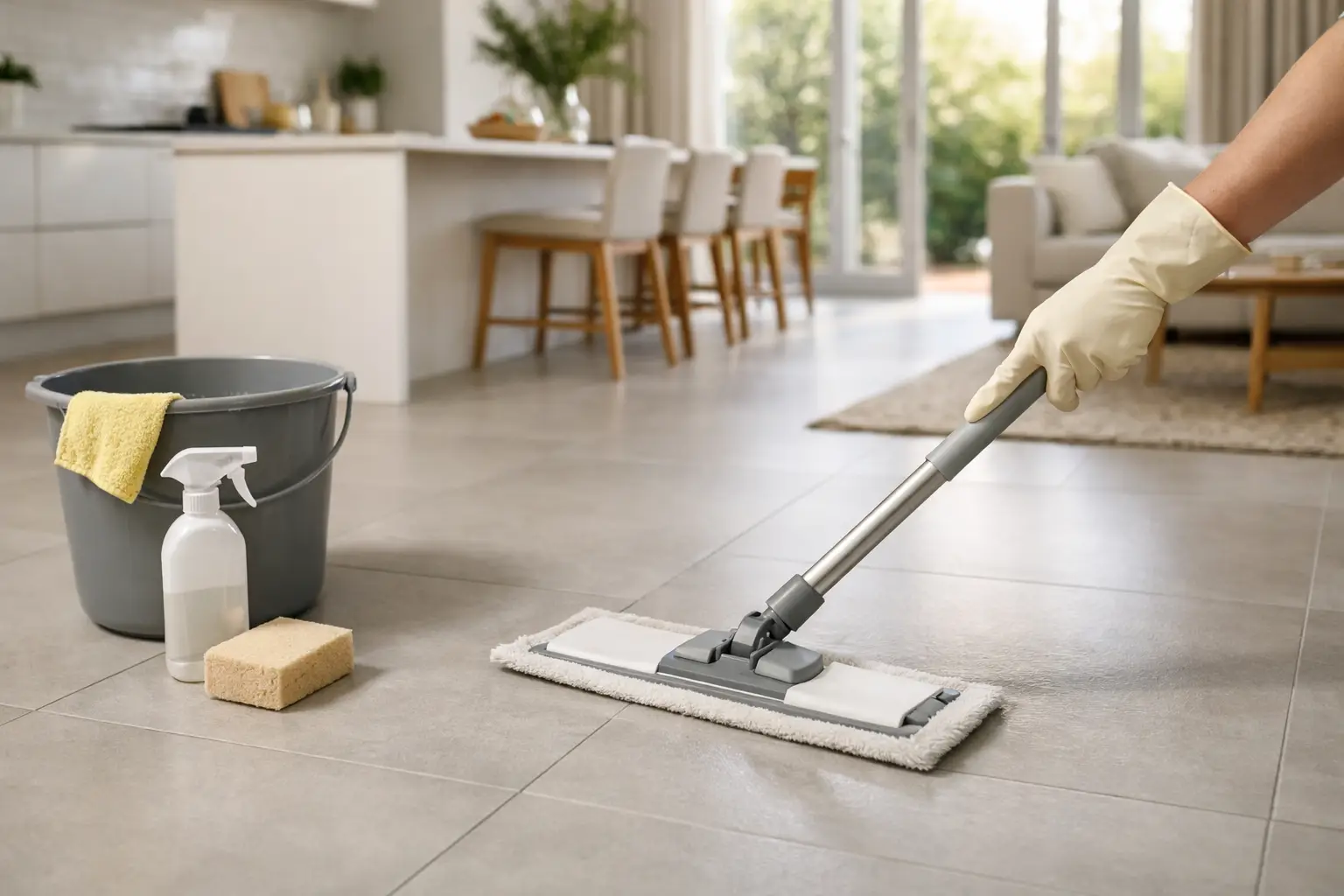
For households that want easy cleaning, fewer grout lines are usually an advantage. That is one reason large format wall and floor tiles remain a favourite in modern bathroom renovations.
Style should support daily living, not fight it
Bathroom trends come and go, but a well-chosen tile should still feel right years from now. Neutral porcelain tiles in warm whites, soft greys, beige stone tones and natural earthy shades tend to have the best staying power. They are versatile, calming and easier to pair with tapware, joinery and benchtops as styles evolve.
If you love bold pattern or colour, it can work beautifully in a feature wall, niche or powder room. For the main floor and primary wall areas, a more timeless base usually gives better long-term value. This is especially relevant if you are renovating for family living, resale confidence, or a custom build where quality and longevity matter.
In premium homes, the best bathrooms often feel considered rather than over-designed. The tile does a lot of the work quietly. It supports light, texture and proportion instead of demanding all the attention.
A practical way to choose the best bathroom tile
Start with function. Decide what you need for the floor, the shower base and the walls separately. Then look at slip resistance, finish, tile size and maintenance before narrowing in on style.
If you want the shortest path to a reliable result, choose porcelain tiles for both floors and walls, use a matte or slip-resistant finish on the floor, and keep the wall finish aligned with the mood of the room. In family bathrooms, prioritise safety and ease of cleaning. In ensuites, you may have a little more flexibility to focus on atmosphere and finer detail.
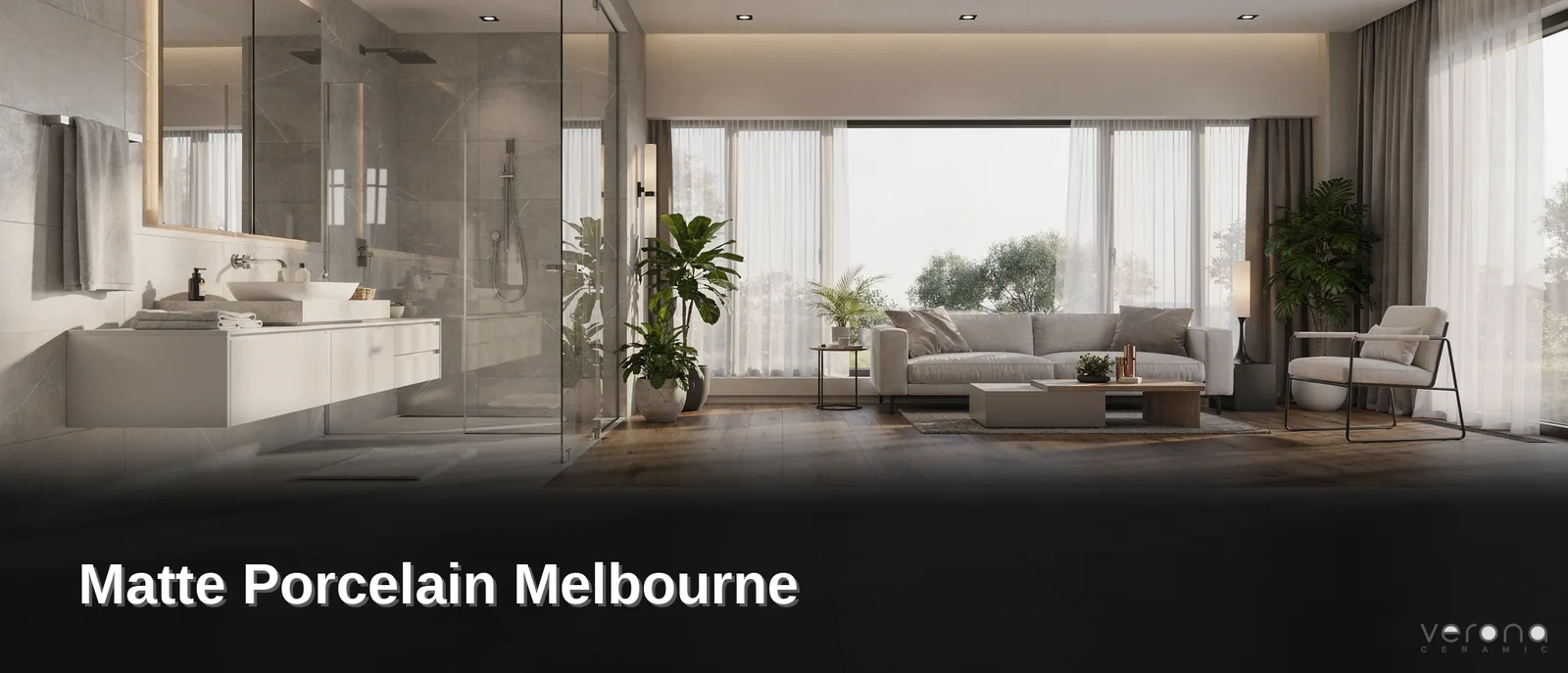
It also helps to buy from a supplier with ready stock, clear product information and experience across full-home renovations. In Melbourne, having access to warehouse stock and practical design support can save weeks of uncertainty, especially when builders and tilers are working to a schedule. At Verona Ceramic, that is exactly why many homeowners and trade clients value seeing premium architectural surfaces in person and making confident decisions with real project guidance.
The best bathroom tile is the one that still feels beautiful after the steam clears, the towels hit the floor, and ordinary life gets busy again.