Tiles Melbourne CBD: Your Guide After the Silica Ban
By Verona Ceramic Editorial Team · Updated 2026-07-25
Porcelain and other silica-free alternatives now dominate Melbourne CBD showrooms. Australia’s national ban prohibits engineered stone containing over 1% crystalline silica, effective 1 July 2024, with a full import ban from 1 January 2025. In response, tiles, porcelain slabs, and mineral-based surfaces are increasingly favored as benchtop and flooring choices.
Melbourne CBD projects now require zero-silica surfaces following Australia’s July 1, 2024 ban on engineered stone containing crystalline silica above 1%, with import prohibition effective January 1, 2025. Verona Ceramic supplies compliant porcelain, ceramic, and Flooring Clearance: Flooring and Surface Materials (tiles, Engineered, shipping from Springvale, VIC to Melbourne apartments, cafés, and commercial fitouts requiring durable, code-compliant benchtops and flooring.
Why did the silica ban hit Melbourne benchtops?
Crystalline silica dust drove the decision. Engineered stone benchtops, slabs, and panels became prohibited across every Australian state and territory, including Victoria, from July 1, 2024. A full import ban followed on January 1, 2025, closing the loophole of sourcing slabs from overseas suppliers.
Regulators targeted products containing crystalline silica above 1%, which removed traditional engineered quartz and Caesarstone from Melbourne showrooms and supplier catalogs entirely. Cutting, grinding, and polishing these surfaces released fine silica dust, exposing tradespeople to a heightened risk of silicosis, an irreversible lung disease. That safety evidence, not aesthetics or cost, forced the change.
For Melbourne CBD apartment renovations and commercial fitouts, this shift matters at the contract stage. Verona Ceramic guides clients toward compliant, zero-silica alternatives, whether for kitchen benchtops melbourne cbd projects or bathroom vanity tops.
Can an existing stone benchtop contract still go ahead?
Victorian guidance addresses this directly for builders and homeowners mid-project. Where a building contract specified a banned engineered stone benchtop before the cutoff, installation options depend on the contract terms and supply timing. Renovators facing this situation should confirm compliance before ordering tiles melbourne cbd or benchtop materials, rather than assuming an old quote still applies.
What surfaces now suit CBD kitchens and baths?
Porcelain, mineral surfaces, natural stone, timber, and laminate now qualify as compliant surface choices for Melbourne CBD kitchens and bathrooms. Each material sits at a different price point, so budget rarely dictates safety. Melbourne CBD apartment renovators, café owners, and commercial fitout teams face the same practical question this decade forces on every project: what replaces engineered stone without sacrificing design intent?
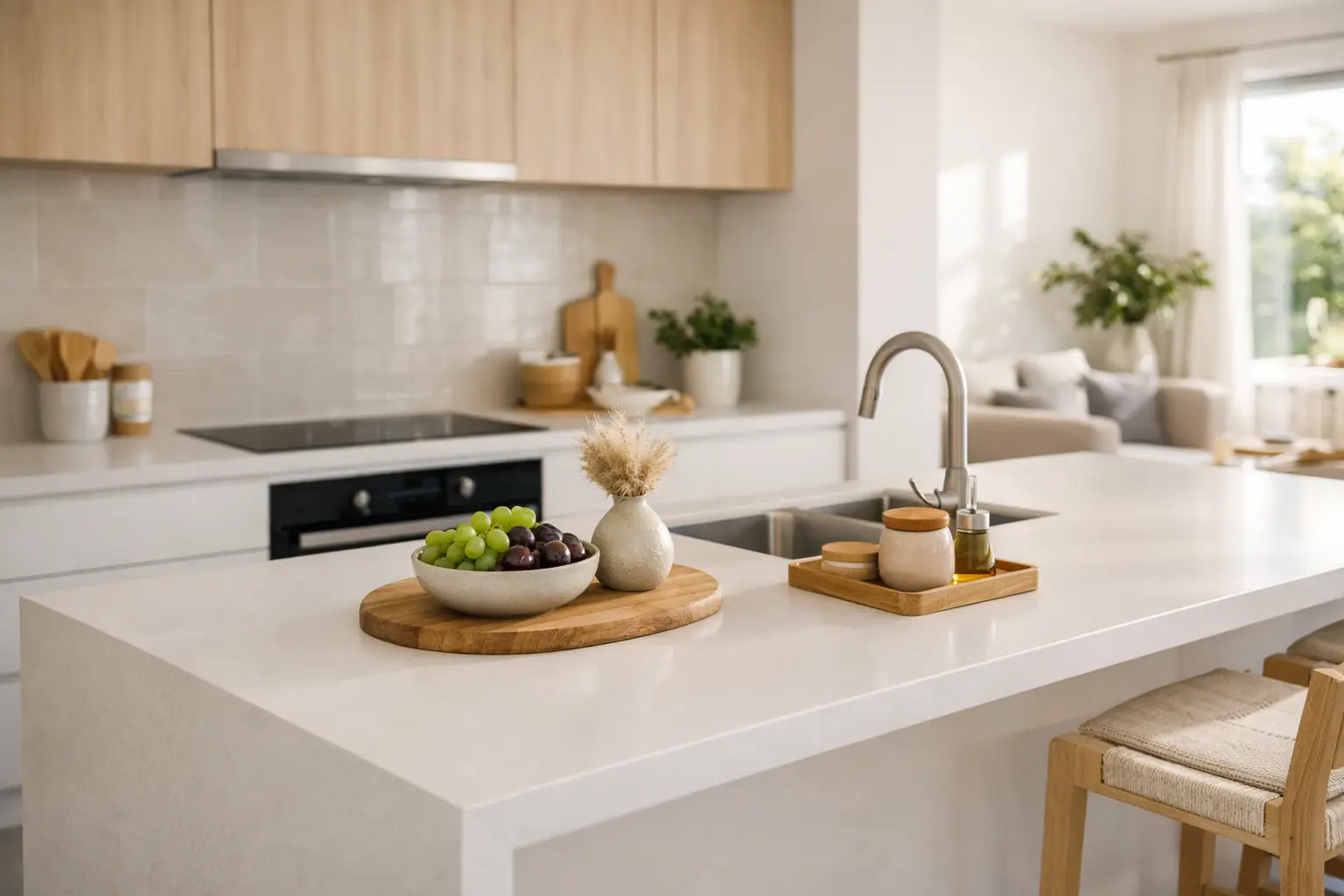
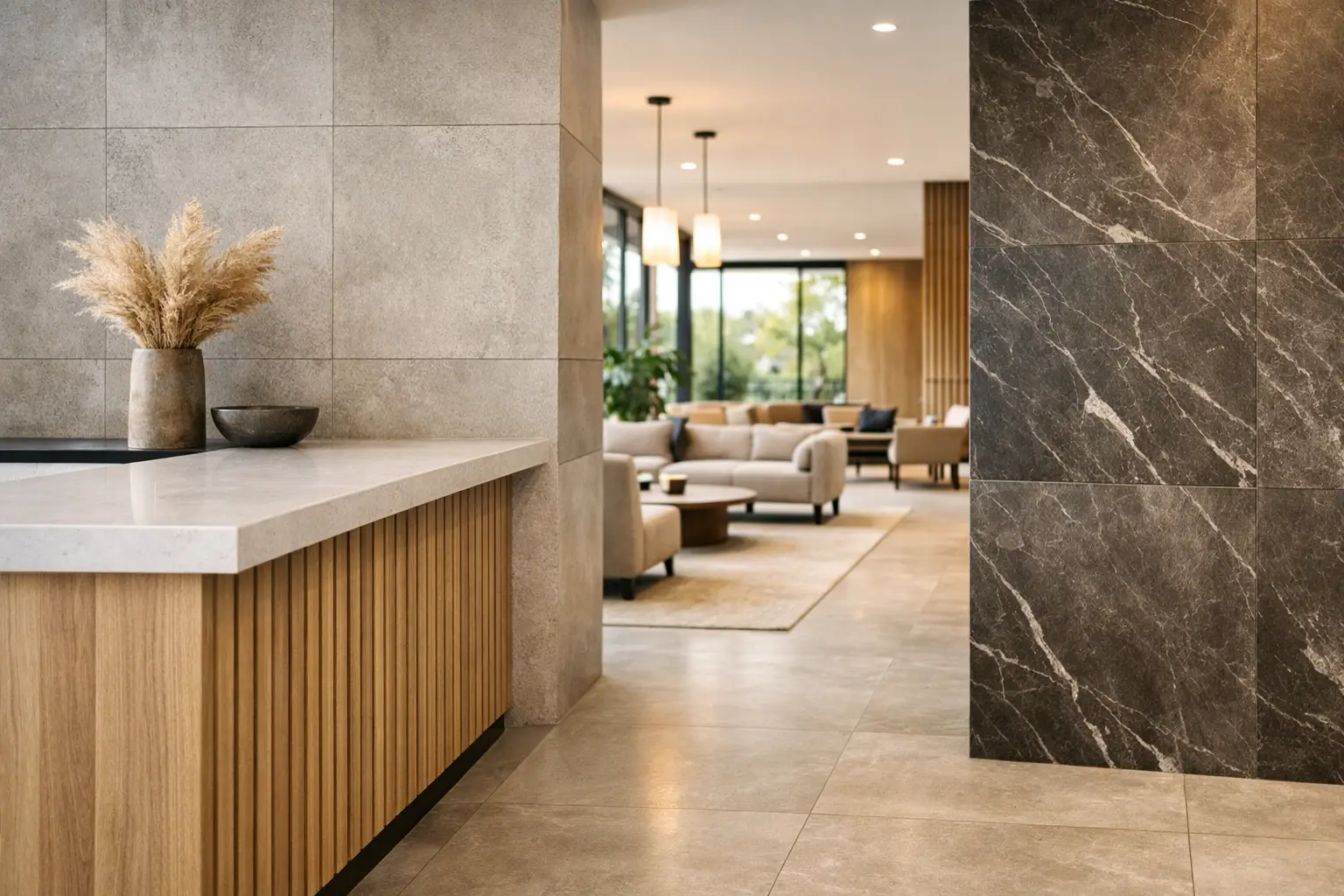
Verona Ceramic answers that question with zero-silica surfaces engineered specifically for high-end benchtops Melbourne CBD projects demand, alongside matching splashback solutions. These surfaces pair everyday practicality with a refined finish, letting apartment kitchens and hospitality counters keep a premium look without the health liability once tied to traditional engineered stone.
Why does silica content matter so much for these surfaces?
Crystalline silica dust, released during cutting and grinding of older engineered stone, causes silicosis. This disease is incurable and has disabled and killed hundreds of Australian stone workers. Choosing zero-silica materials removes that occupational hazard from the supply chain entirely, protecting fabricators as much as end users.
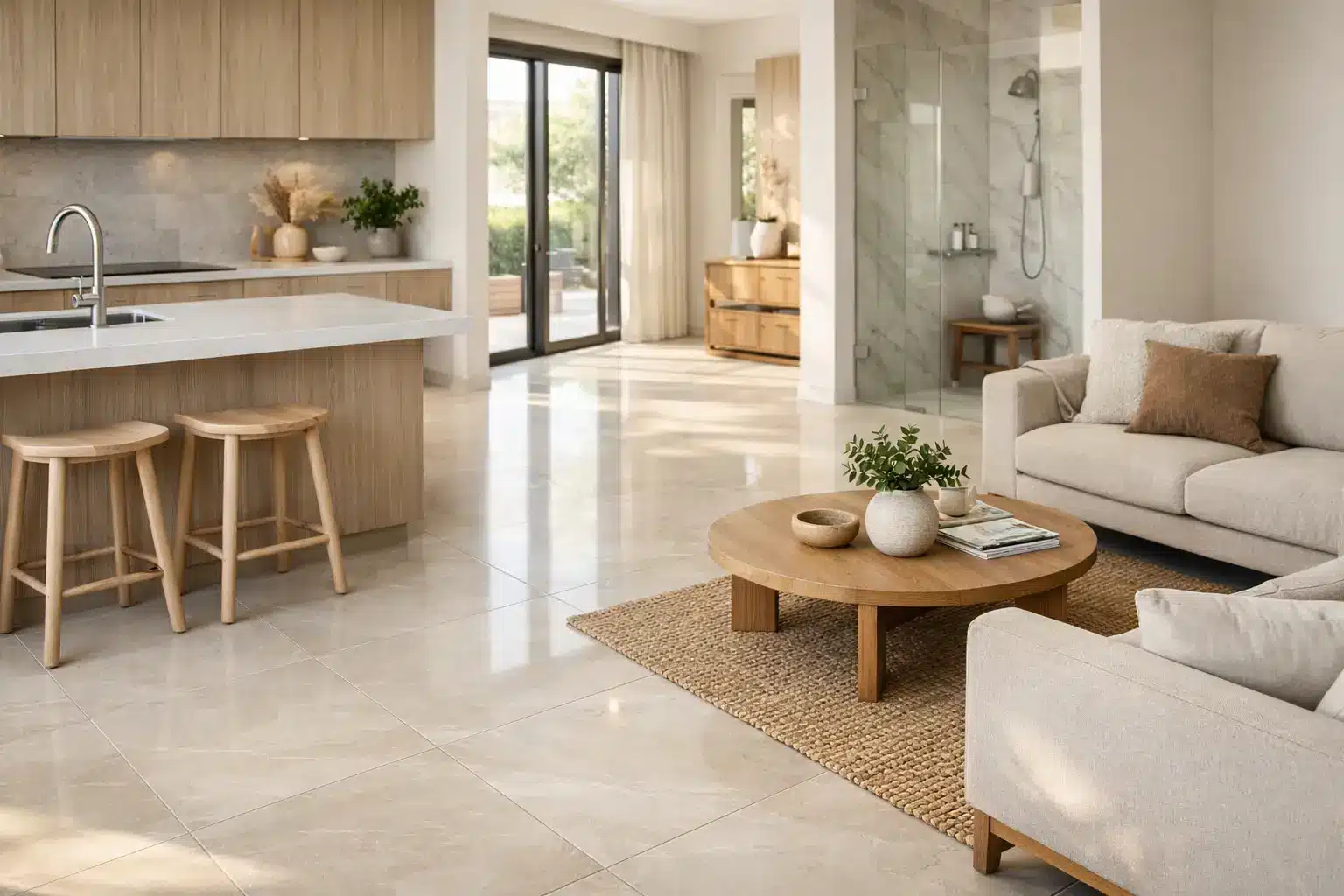
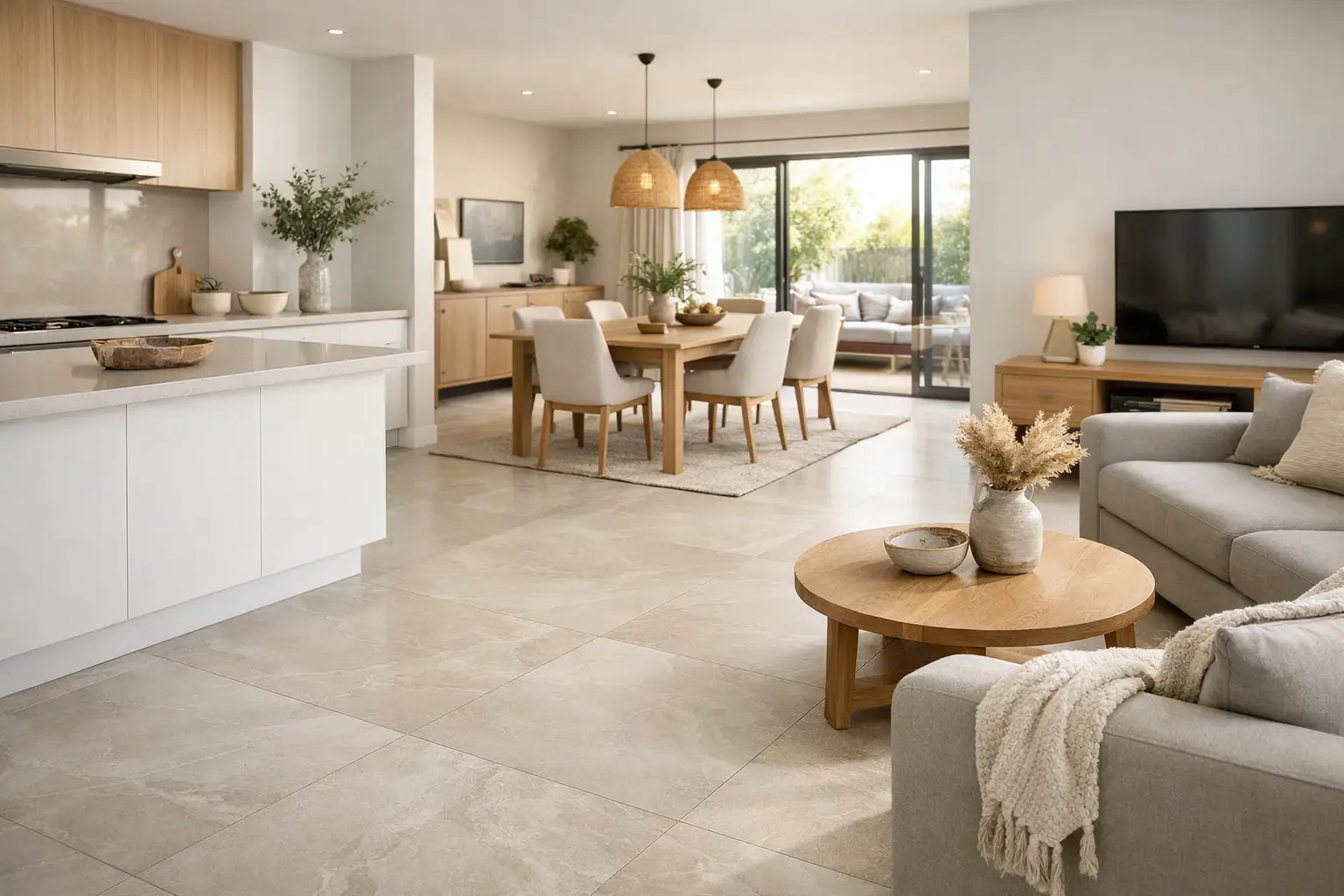
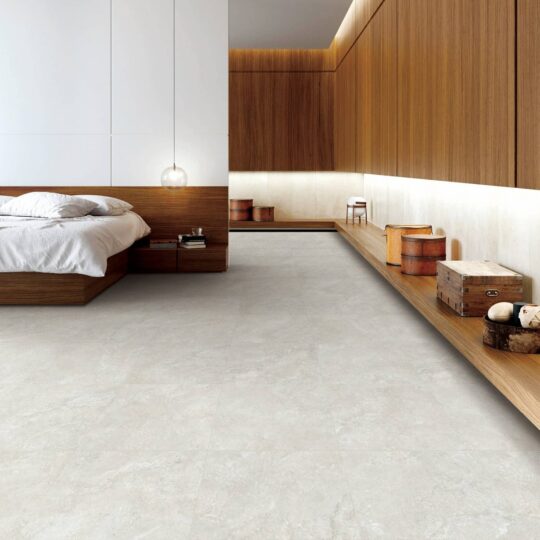
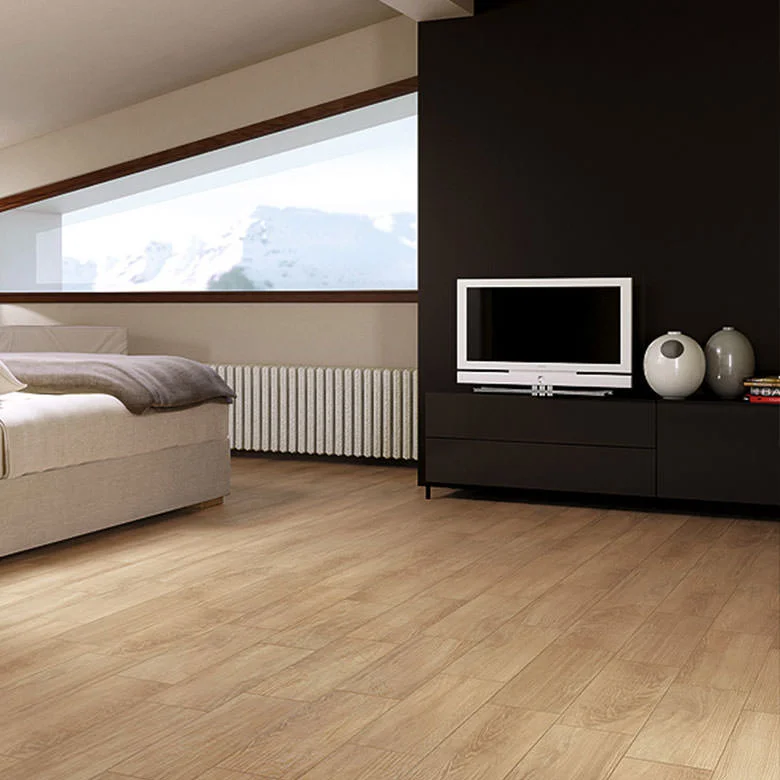
For flooring and wall applications, designers browsing tiles Melbourne CBD suppliers will find porcelain and mosaic formats well suited to high-traffic apartment lobbies, bathroom floors, and café interiors. Clients searching tiles near me CBD should prioritize suppliers who can confirm silica-free composition. Provide technical documentation before installation begins.
How to source compliant surfaces near the CBD?
Compliant sourcing near central Melbourne starts with warehouse stock held locally, not overseas containers stuck mid-transit. Renovation trades in Melbourne CBD apartments, cafés, and commercial fitouts run on tight sequencing: waterproofing, cabinetry, and fit-off crews depend on materials arriving on schedule. A single shipping delay stalls the entire project timeline and adds unplanned labor costs.
Verona Ceramic addresses this by holding tiles Melbourne CBD buyers can access without waiting on long international ordering cycles. The company ships fast and reliably to projects across Melbourne, supplying both premium tile ranges and engineered stone for kitchens, bathrooms, and floors.
What documentation should builders request before buying?
Builders should request physical performance data before committing to a high-value order. Verified specifications on body material, wear resistance, slip ratings, and porosity confirm whether a surface suits its intended wet area or high-traffic zone.
- Body material composition
- Wear resistance rating
- Slip resistance classification
- Porosity data
Is local stock better than searching “tiles near me CBD”?
Searching tiles near me CBD helps narrow options, but proximity alone doesn’t guarantee compliance or availability. Locally held inventory matters more than distance, since it removes shipping-delay risk from the renovation schedule. Pairing that stock with verified technical data, alongside benchtops Melbourne CBD options built for engineered stone regulations, gives builders a defensible, documented basis for every material choice.