Choosing Grout Color Selection Melbourne for Tile
By Verona Ceramic Editorial Team · Updated 2026-08-05
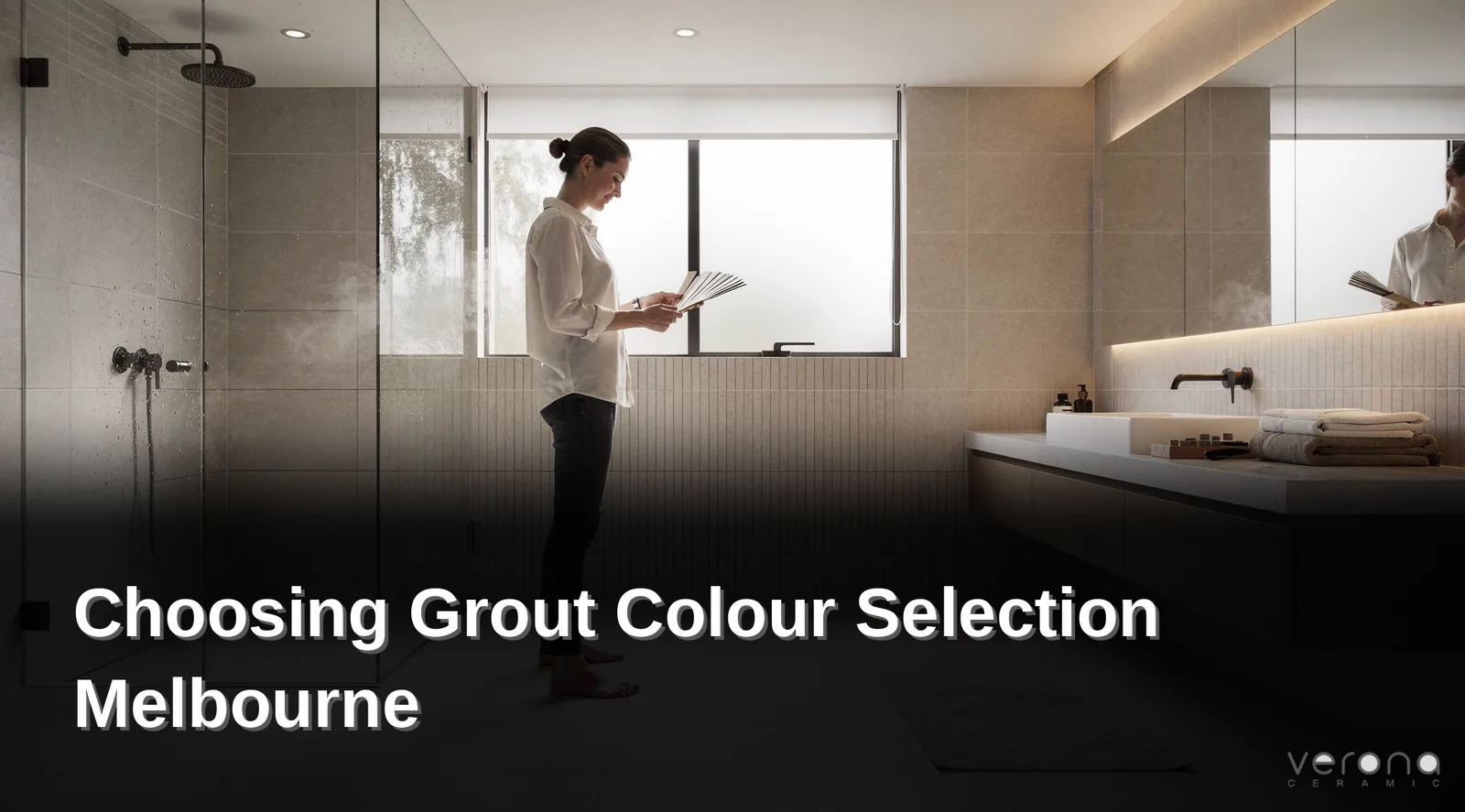
Grout color selection Melbourne homeowners settle on comes down to desired visual effect: matching grout to tile shade, such as porcelain or ceramic, creates a seamless, cohesive surface, while contrasting tones, such as a bold matte black, add definition and drama. Grout type—epoxy, cement-based, or urethane—should match wet-area durability needs, joint width, and expected foot traffic in bathrooms or kitchens.
What Should You Know Before Choosing Grout?
Location and function determine grout choice before color enters the conversation. Bathroom surfaces face moisture, daily cleaning, bare feet, steam, and years of wear, and joints must withstand those conditions before matching a palette. Melbourne renovators work with an unusually wide range of materials, finishes, and formats, which means grout color selection Melbourne projects require depend heavily on the tile type and design brief chosen first. Once that groundwork is set, the strongest results come from balancing appearance with slip resistance, durability, and practical maintenance rather than chasing color trends alone.
What Grout Works Best for Porcelain Tile?
Deciding on what grout for porcelain installations starts with the tile’s low porosity and dense surface, which limits absorption and affects how grout cures and bonds. Porcelain’s durability suits heavy-traffic bathrooms and kitchens, so the grout selected should match that same resilience against moisture and wear.
Epoxy vs Cement Grout: Which Should You Use?
Comparing epoxy vs cement grout comes down to the tile’s exposure to steam, cleaning chemicals, and daily use. Key factors to weigh include:
- Moisture exposure in showers and wet-area floors
- Cleaning frequency and chemical contact over time
- Long-term durability expectations for the space
Matching these factors to the tile’s location prevents premature wear and keeps joints performing well for years.

How Do You Choose Grout Color And Type?
Two decisions drive the outcome: shade selection and material performance. Homeowners planning a grout color selection melbourne project should weigh both before purchasing tile. Color affects visual scale and type affects long-term durability in wet areas.
Follow this sequence when narrowing options:
- Decide on the visual effect first. Matching grout to tile color builds a seamless, cohesive surface that lets the tile itself take center stage.
- Apply this matching approach in smaller bathrooms, where a continuous tone helps the room read as larger and suits a minimalist aesthetic.
- Choose contrasting grout instead when the goal is drama. A bolder shade against the tile emphasizes shape and highlights pattern lines rather than blending away.
- Match grout type to tile material. Porcelain performs best paired with a grout built for high-moisture, high-traffic zones, since porcelain itself is prized for durability and water resistance.
- Factor ceramic’s design flexibility into the decision. Ceramic tile brings a wider range of colors and patterns but carries slightly lower durability than porcelain, so grout selection should account for that difference.
What grout for porcelain?
Porcelain tile demands a grout that matches its resistance to moisture and heavy foot traffic. Because porcelain performs strongly in busy households, the grout surrounding it should hold up to the same daily wear without staining or cracking.
Epoxy vs cement grout: which performs better?
Epoxy vs cement grout comes down to how each material handles moisture and stain exposure over time. Cement-based grout suits general residential use and offers a broad color range for both matching and contrasting looks. Epoxy grout brings added resistance in wet zones, making it a fitting partner for porcelain installations in showers or busy bathrooms.
Balancing color intent with material performance keeps a tile project looking sharp long after installation day.
What Grout Mistakes Should You Avoid?
Skipping a side-by-side test of tile and grout ranks among the most common errors homeowners make. Treating color choice as an afterthought is another. The finished look depends on grout as much as tile shape, size, or finish. Avoid these missteps with a few deliberate checks before ordering:
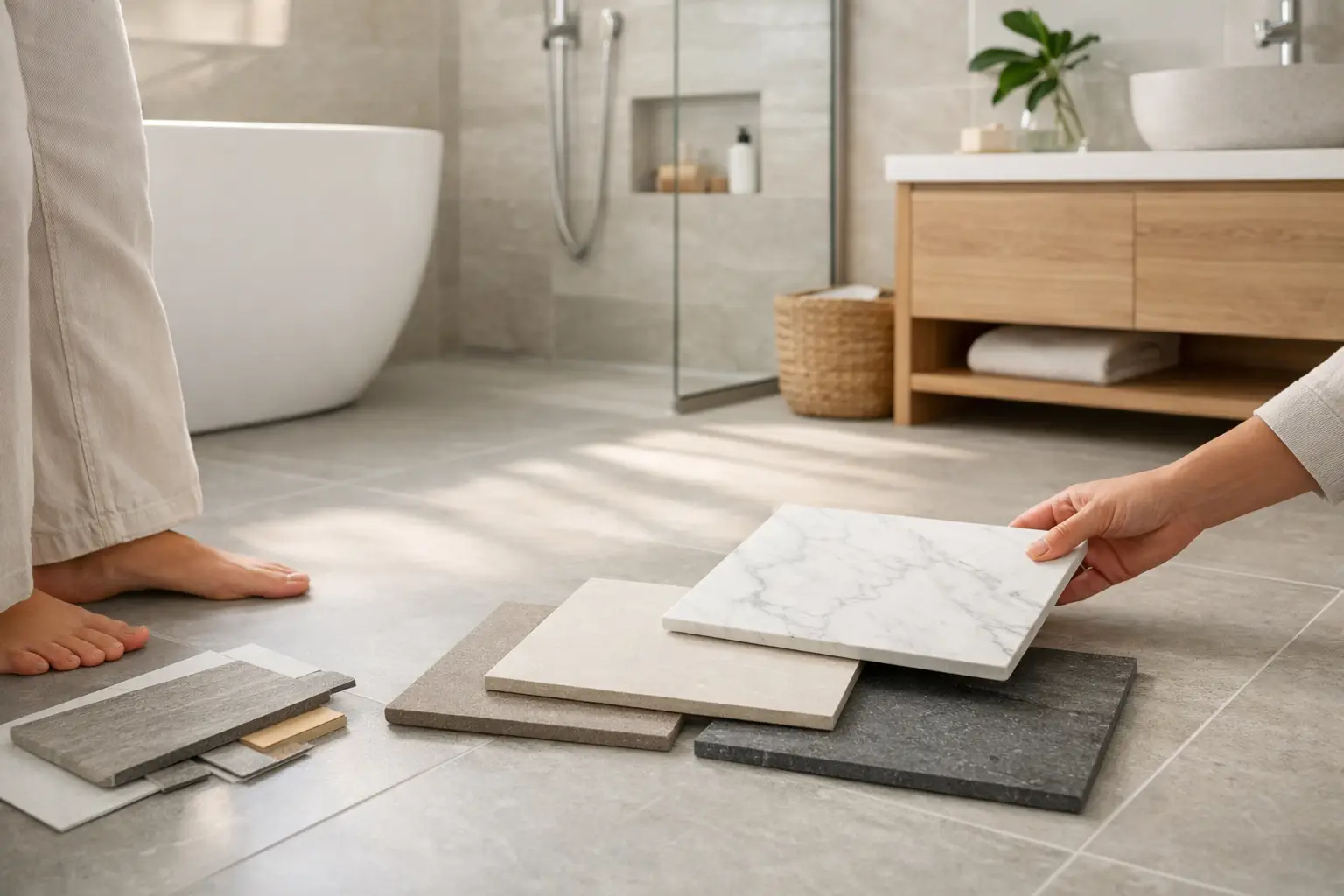
- Test grout samples against the actual tile, not a catalog photo.
- Confirm whether the surface is a wall or a floor, since bathroom walls and bathroom floors demand different performance from a tile, so the same product rarely suits both.
- Verify what grout for porcelain the manufacturer recommends before purchase.
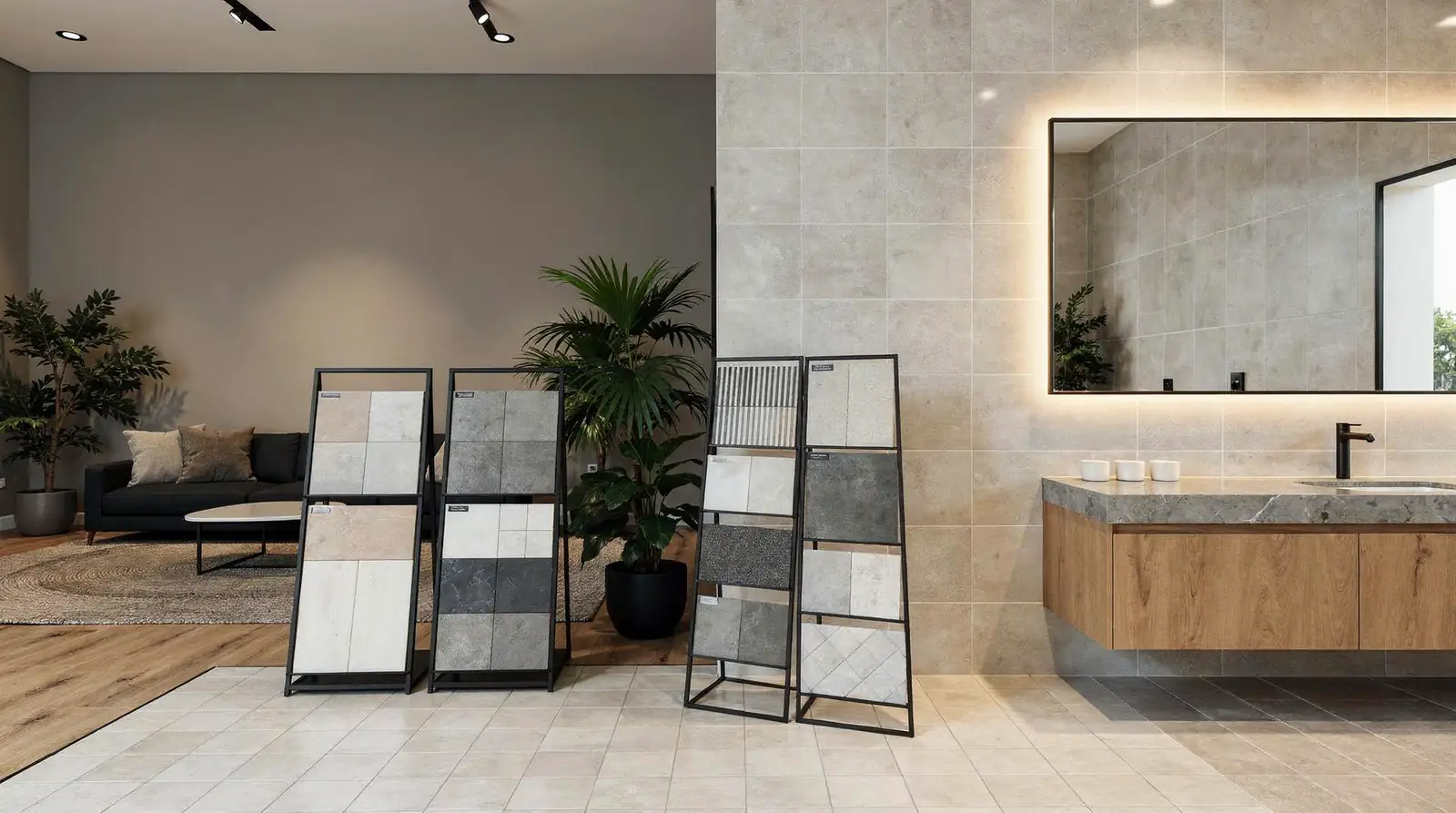
- Visit Verona Ceramic’s Springvale showroom to view pairings in person ahead of a final decision.
Is epoxy or cement grout better for wet areas?
Epoxy vs cement grout comes down to moisture exposure and maintenance tolerance. Epoxy resists staining and water penetration more effectively, making it suited to showers and floors. Cement grout remains a practical, widely used option for lower-moisture wall applications.
Selecting the appropriate grout color and type is a decision that shapes both the look and the functional performance of a tiled surface. Weighing design intent against moisture exposure, cleaning routines, and traffic levels gives an installation the best chance of holding up well over years of regular use. Done correctly, the grout choice turns individual tiles into a cohesive, professionally finished surface backed by sound material selection rather than guesswork.
FAQ
Should grout match or contrast with tile?
Matching grout to tile creates a seamless, cohesive surface and suits smaller bathrooms by making the room read larger. Contrasting tones, such as a bold matte black, add definition and drama, emphasizing shape and pattern lines instead.
What grout type suits porcelain tile?
Porcelain’s low porosity and dense surface demand a grout matching its resilience against moisture and heavy foot traffic. Verona Ceramic, based in Springvale, VIC, recommends selecting grout that withstands the same daily wear porcelain handles.
How do you choose between epoxy and cement grout?
The choice depends on moisture exposure in showers and wet-area floors, cleaning frequency, chemical contact, and long-term durability expectations for the space. Matching these factors to the tile’s location prevents premature wear.
Facts
- Verona Ceramic is located in Springvale, VIC, AU.