A kitchen earns its keep every day. It handles school-lunch prep, hot pans, wet hands, shopping bags and the occasional rushed clean-up before guests arrive. The best low maintenance kitchen surface options are not simply those that look clean in a showroom – they are materials that retain their finish, resist staining and make daily care straightforward for years to come.
For most Melbourne renovations, the right answer is a considered combination rather than one surface used everywhere. A durable zero-silica benchtop, a porcelain tile splashback and a well-rated porcelain floor can each solve a different practical problem while creating a cohesive, enduring look.
What “low maintenance” should mean in a kitchen
A low-maintenance surface should need only regular wiping, gentle cleaning and sensible everyday care. It should not require routine sealing, special polishes or immediate panic when oil, tomato sauce, coffee or a splash of wine lands on it.
That does not mean every surface is completely indestructible. Even premium architectural surfaces can be chipped by a heavy impact or marked by dragging rough cookware across them. The key is choosing materials whose normal care suits the way your household actually uses the kitchen.
When comparing finishes, look beyond colour and price per square metre. Consider porosity, heat tolerance, scratch resistance, grout requirements, joint placement and the texture underfoot. These details have more influence on long-term cleaning than a display sample can show at first glance.
Low maintenance kitchen surface options for benchtops
Zero-silica engineered stone benchtops
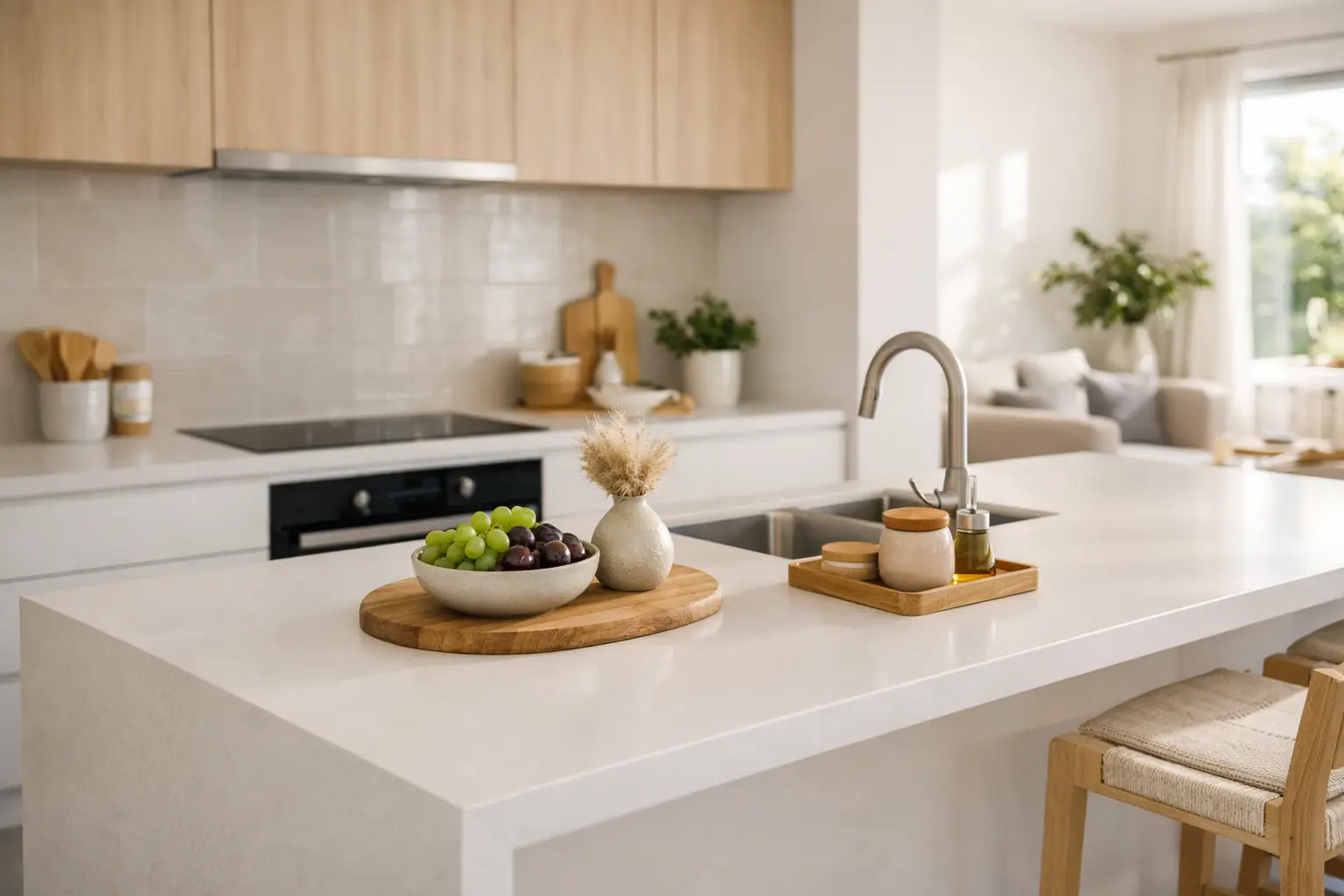
A zero-silica engineered stone benchtop is a practical choice for homeowners who want the refined appearance of stone with a surface designed for family life. Quality zero-silica options are non-porous, so everyday spills are less likely to soak in. They are also easy to wipe down with a soft cloth, warm water and a mild pH-neutral cleaner.
The benefit is not only convenience. Zero-silica materials support a safer approach to kitchen design and fabrication, while still delivering the clean, consistent appearance many homeowners want in a contemporary kitchen. Pale marble-look designs, warm neutrals and understated concrete-inspired finishes can all work beautifully without the sealing schedule associated with many natural stones.
There are still sensible habits to follow. Use a chopping board rather than cutting directly on any benchtop, wipe spills promptly and place very hot cookware on a trivet. Avoid harsh abrasives and strong chemical products, as these can dull or damage the finish over time. A good benchtop should make care easier, not remove the need for care altogether.
Porcelain slabs for hardworking zones
Large-format porcelain slabs are another excellent option for benchtops, splashbacks and feature wall areas. Porcelain is fired at high temperatures and has very low water absorption, making it highly resistant to staining and suitable for busy kitchens. It performs particularly well where heat, moisture and cooking splashes are common.
A porcelain slab can create a streamlined look when continued from benchtop to splashback. With fewer visual interruptions, it suits both compact kitchens and larger open-plan homes. Marble-look porcelain offers a premium feel without the regular sealing and careful stain management required by many natural marble surfaces.
The trade-off is that porcelain slab fabrication and installation require experienced handling. Corners, cut-outs and edge details need careful planning, particularly around undermount sinks, cooktops and integrated draining boards. When specified and installed correctly, however, porcelain offers enduring quality with very modest upkeep.
Porcelain kitchen tiles for splashbacks and floors
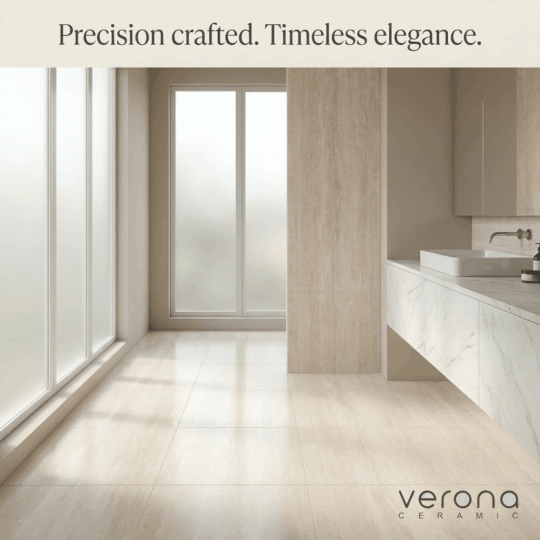
Porcelain tiles remain one of the most dependable kitchen finishes because they are hardwearing, water-resistant and available in a broad range of sizes and finishes. They are particularly useful when you want the freedom to separate floor and splashback designs while keeping maintenance manageable.
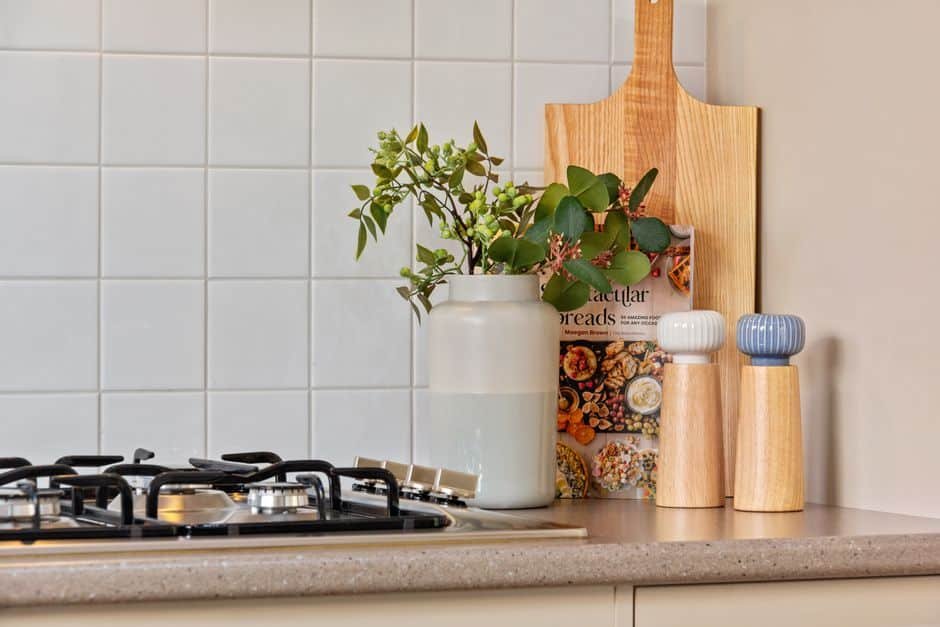
For a splashback, glossy or satin porcelain tiles are simple to wipe after cooking. Large format tiles reduce the number of grout joints, which can make the area faster to clean and create a more continuous visual effect. A matte tile can also work well, especially in soft neutral colours, but choose a finish that is smooth enough for the splashback zone rather than heavily textured.
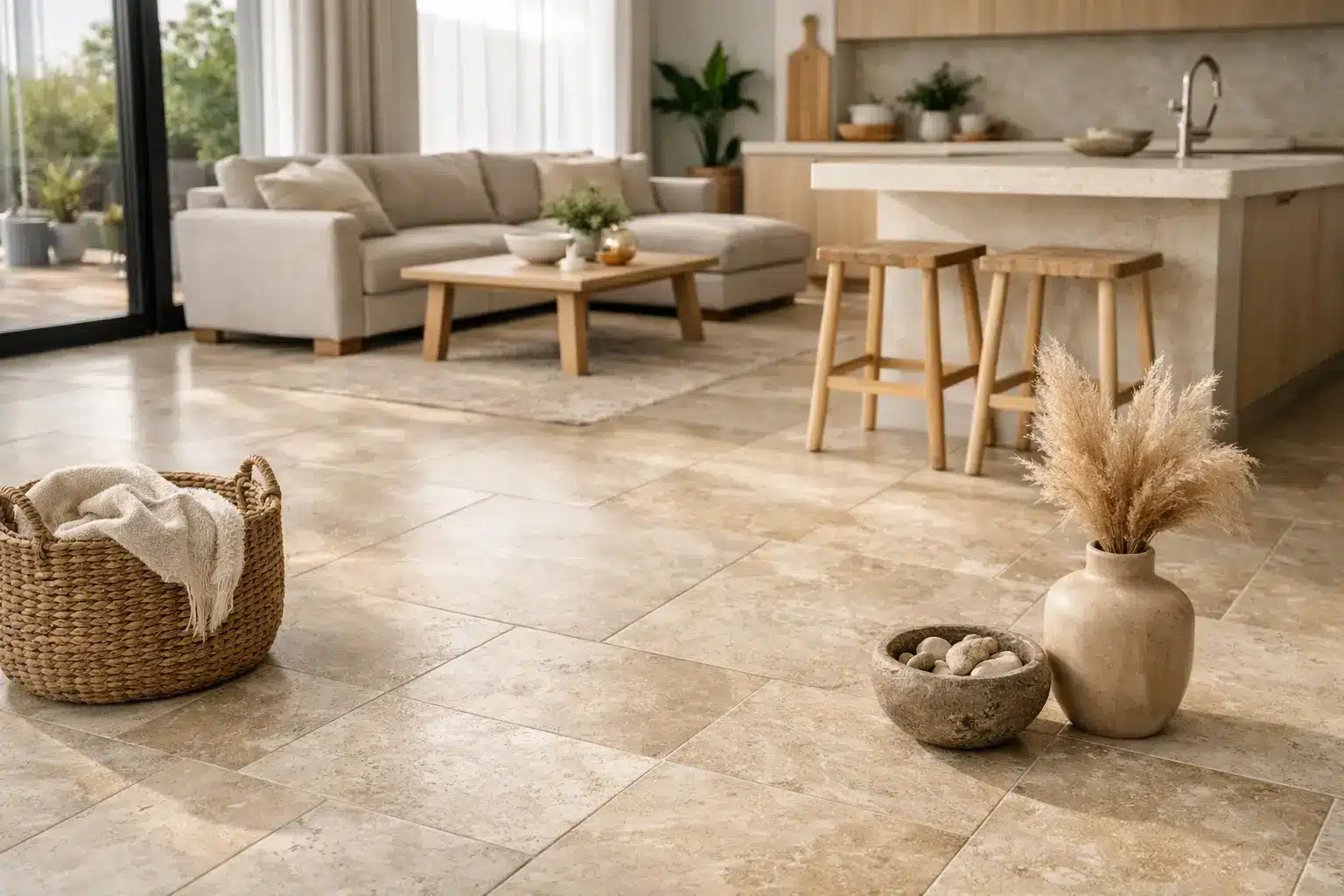
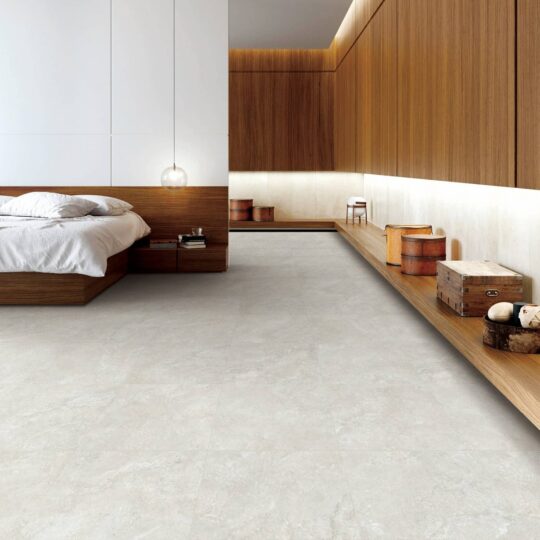
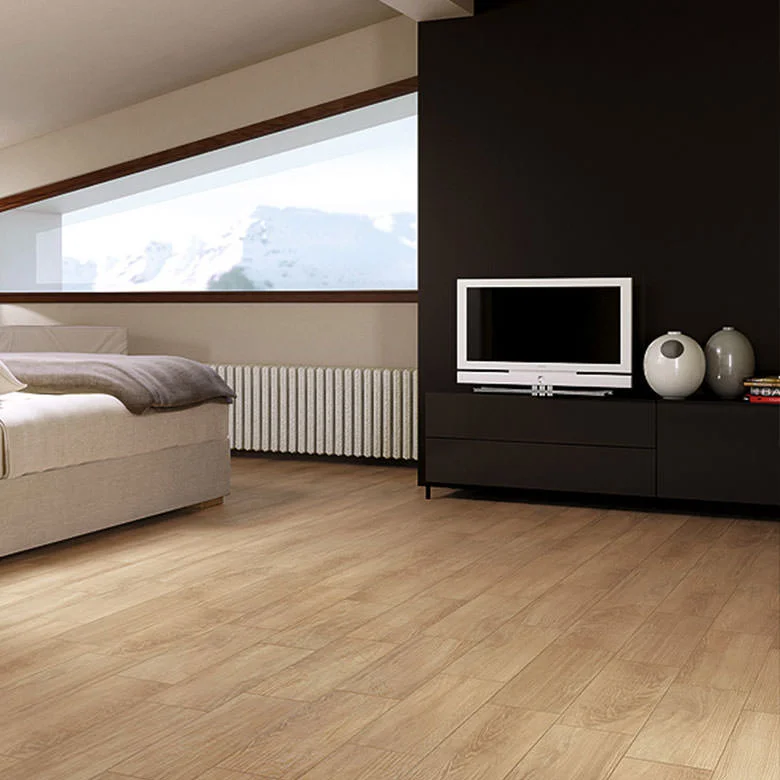
For kitchen floors, porcelain offers excellent durability in high-traffic spaces. Look for tiles suited to the intended application and ask about slip resistance, particularly near sinks, dishwashers and external doors. A slightly textured matte finish often provides a more secure feel underfoot than a polished surface, while still being easy to maintain with regular sweeping and mopping.
Tile size matters here. Large format tiles can reduce grout lines and make a kitchen feel more open, but smaller formats may be more appropriate where the floor has falls, complex corners or existing levels to manage. The best choice depends on the room layout and installation conditions, not just the latest trend.
Do not overlook grout and finish selection
Tiles may be easy to clean, yet neglected grout can quickly make a kitchen look tired. Choosing a quality grout in a practical mid-tone shade is often wiser than selecting bright white grout for a heavily used family kitchen. It will still need cleaning, but it is more forgiving of everyday splashes and foot traffic.
Where suitable, ask your installer about stain-resistant grout systems and correct sealing requirements. Not all grout products perform the same way, and the right choice should align with the tile, joint width and location. Good preparation and professional installation are just as important as the tile itself.
Colour and texture also affect how often a surface appears to need cleaning. Very dark glossy benchtops can show fingerprints, water spots and crumbs more readily. Very pale floors can reveal muddy shoes and cooking debris. Mid-tone colours, gentle movement and matte or satin finishes tend to be more forgiving while still looking polished.
Materials that need more care
Natural stone is beautiful and distinctive, but it is not always the easiest choice for households seeking minimal upkeep. Marble, limestone and some granites can be porous or sensitive to acidic foods, requiring sealing and more attentive cleaning. They can be an excellent selection for clients who value natural variation and are comfortable with a living finish, but they are not the automatic answer for a busy kitchen.
Timber benchtops bring warmth, yet need protection from standing water, regular oiling and care around heat. Laminate can be a value-conscious and attractive option, but may be less tolerant of heat, deep scratches and water entering joins. These materials have a place, but their maintenance expectations should be clear before they are specified.
How to build an easy-care surface scheme
Start by identifying the areas that receive the most use. The benchtop around the sink and cooktop, the splashback behind food preparation zones, and the floor between the fridge, sink and cooktop are usually the hardest-working parts of the room. Invest in the most durable finishes there first.
Then consider how the surfaces will meet. A benchtop and splashback in complementary tones can create a calm, coordinated kitchen without relying on high-gloss finishes or difficult detailing. If you prefer a bolder floor tile, a quieter benchtop often gives the room better balance and makes future updates easier.
For renovators and building professionals, it is also worth confirming available stock before finalising the programme. Ready stock can help keep tiling, cabinetry and benchtop installation aligned, reducing avoidable delays. At Verona Ceramic, Melbourne homeowners can also use free measuring and 3D design support to test tile scale, layout and surface combinations before materials are ordered.
A kitchen should feel beautiful on the day it is finished, but also on an ordinary Tuesday evening when there is little time for cleaning. Choose surfaces that suit your routines, specify finishes with practical texture and stain resistance, and allow enough planning for professional installation. That is how a kitchen stays comfortable, safe and easy to enjoy well beyond the renovation day.