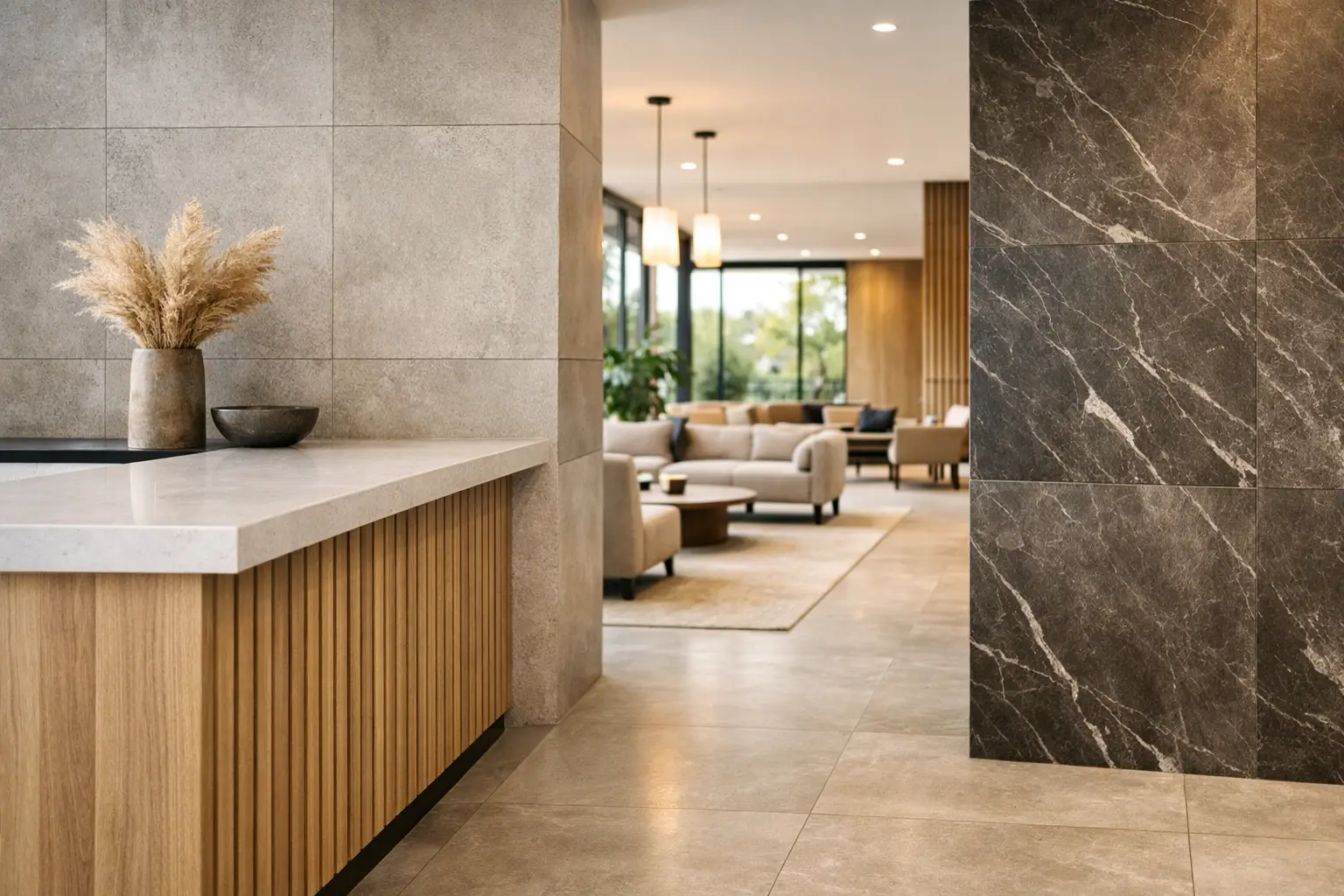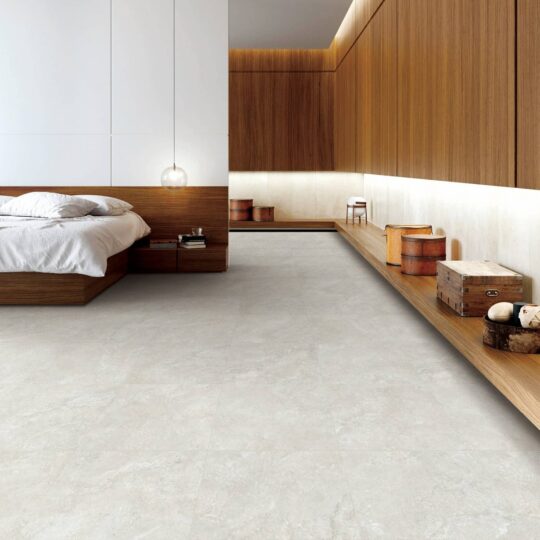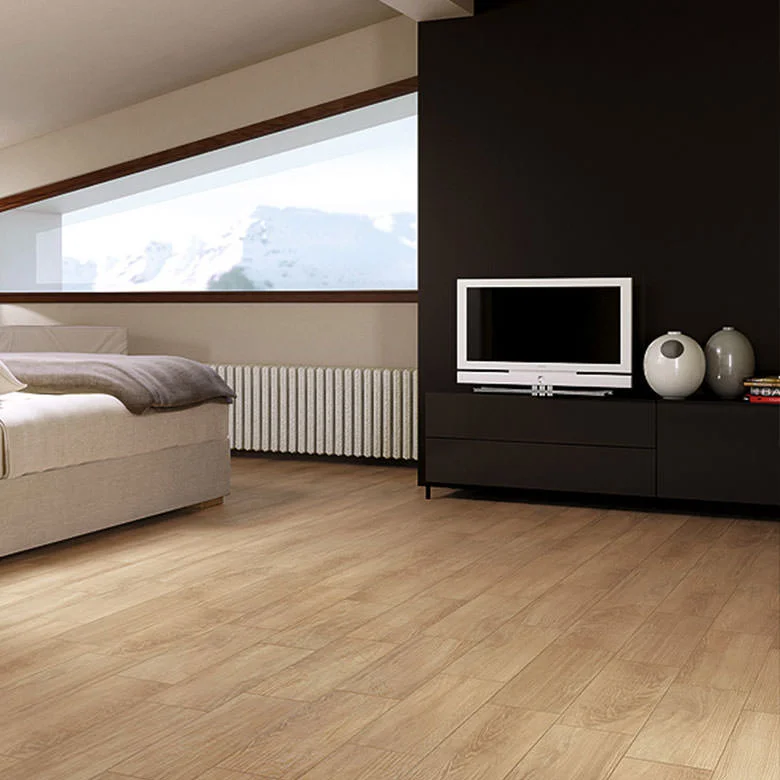
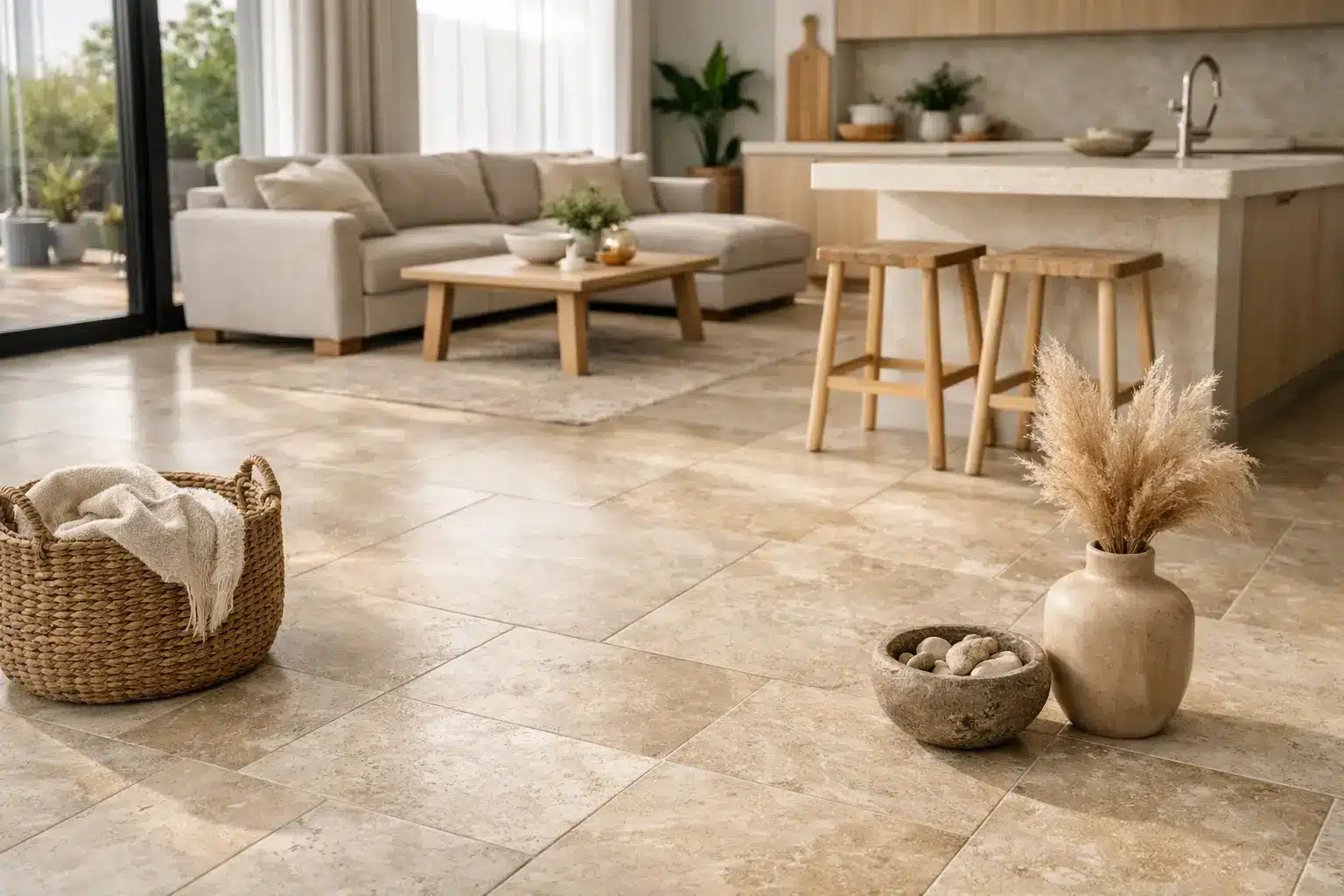
Travertine has a way of changing the mood of a room before you’ve even placed the furniture. Underfoot, tile flooring travertine brings a soft, earthy character that feels settled and architectural at the same time. It is one of those finishes people recognise instantly, even if they cannot quite name it – warm movement, natural pores, and a timeless palette that suits both classic and modern homes.
For many renovators, the appeal is obvious. Travertine flooring can make a bathroom feel like a private retreat, give an open-plan living area a calm, grounded look, and work beautifully with timber joinery, brushed metals and neutral stone benchtops. But as with any natural material, the right choice depends on how you live, how much maintenance you are comfortable with, and whether you want authentic stone or a porcelain tile that captures the same look with less upkeep.
What makes tile flooring travertine so popular?
Travertine is a natural limestone formed by mineral springs. That origin gives it its distinctive variation – small holes, veining, soft shifts in colour, and a texture that feels more organic than polished marble or highly uniform ceramic surfaces. Common tones include ivory, beige, silver and walnut, all of which sit comfortably in Australian homes where natural light and indoor-outdoor flow matter.
Its popularity comes down to more than appearance. Travertine has a relaxed elegance that does not date quickly. It can look refined in a high-end architectural build, but still welcoming in a family home. That balance is rare. Some finishes feel too formal for everyday living, while others lack the premium feel many homeowners want during a full renovation.
There is also the design flexibility. Travertine works in French pattern layouts, large-format rectangles, classic square tiles and feature applications such as walls, showers and alfresco zones. Filled and honed travertine offers a smoother finish for interiors, while tumbled or brushed surfaces create more texture and a softer, aged look.
Where travertine flooring works best
Travertine can suit a wide range of areas, but it performs best when the tile finish matches the function of the room. In living areas, hallways and bedrooms, honed travertine can look elegant and feel comfortable underfoot. In bathrooms, a more textured finish may be a better choice, particularly where slip resistance matters.
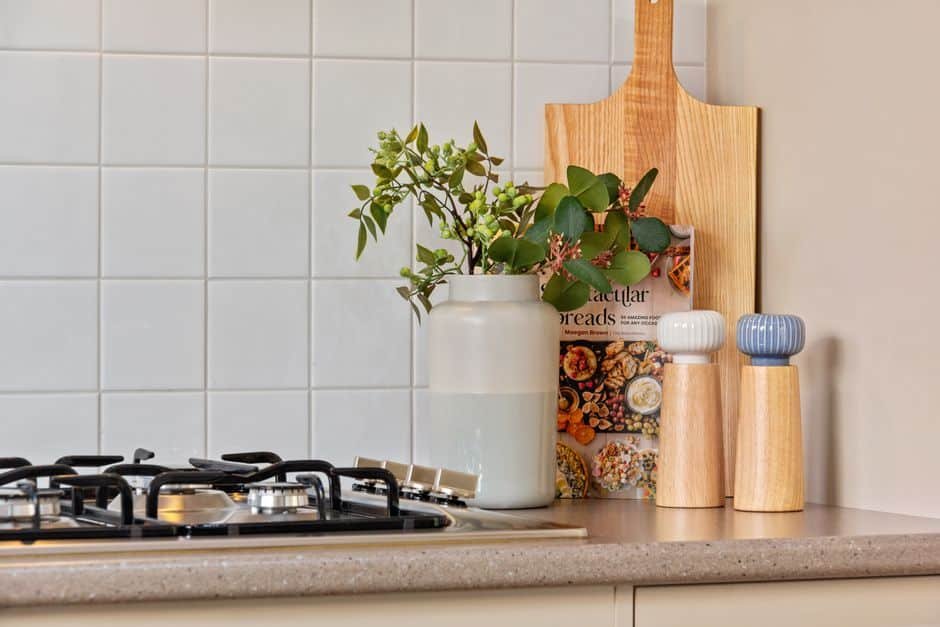
In kitchens, travertine can be beautiful, though this is where practicality becomes more important. Natural stone is porous, so spills from oil, coffee, tomato sauce or acidic ingredients can mark the surface if they are left too long. For households with young children, busy cooking routines or pets racing in from outside, that trade-off needs honest consideration.
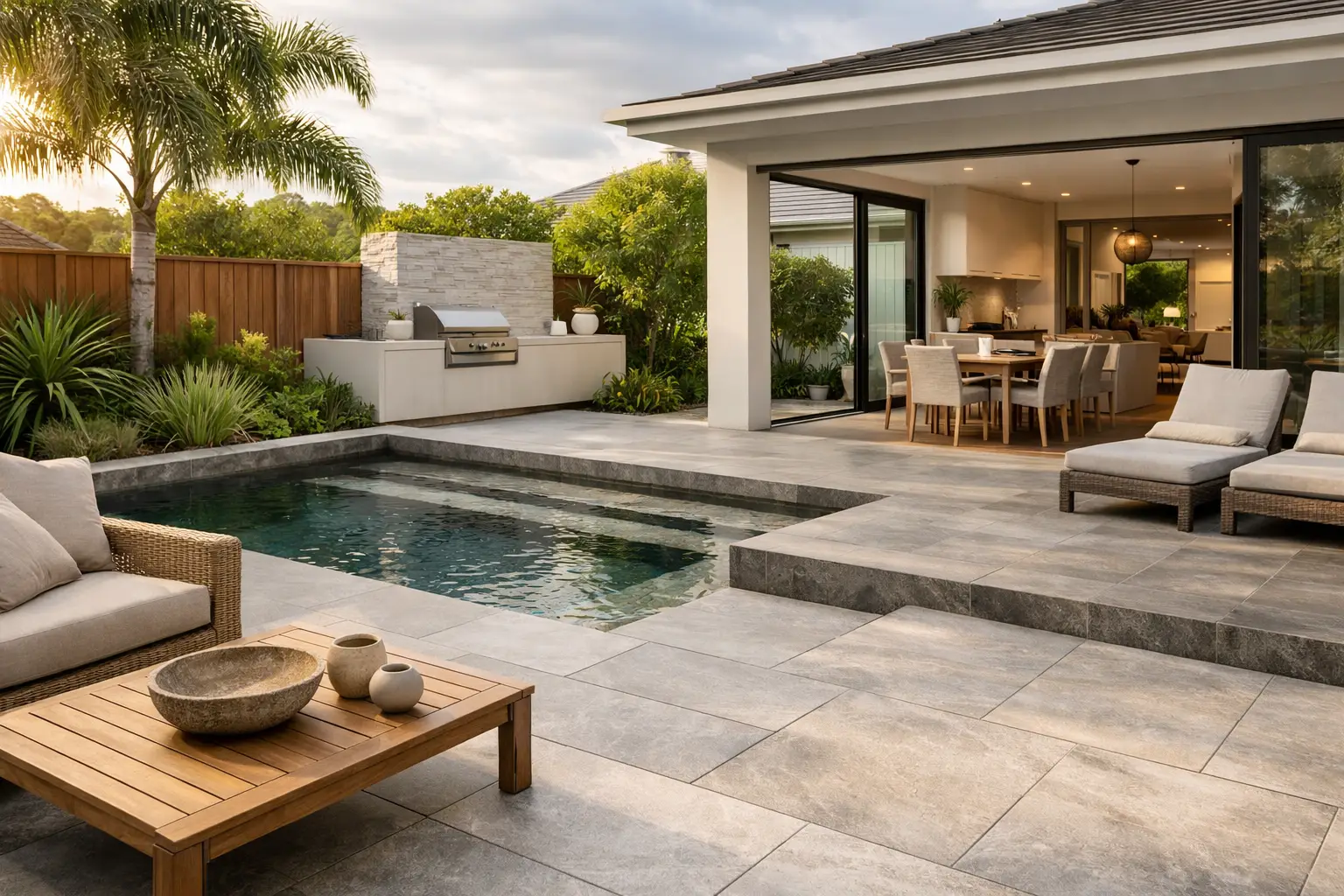
Outdoor use is another strong application when the stone is selected properly. Travertine stays relatively cool in the sun compared with some darker materials, which makes it appealing around pools and entertaining areas. Even so, the finish, thickness and installation method all need to suit the environment.
The practical trade-offs of travertine flooring
Travertine is not a material to choose on looks alone. Natural stone asks a little more from the homeowner, and that is not a flaw – it is simply part of the product.
The first consideration is porosity. Travertine needs sealing to help protect it from moisture, staining and everyday wear. That seal is not permanent, so ongoing maintenance is part of ownership. In return, you get an authentic natural surface with genuine depth and variation.
The second is consistency. Because travertine is stone, no two tiles are exactly the same. For many people, that is the point. For others, especially those wanting a very controlled, minimal aesthetic, too much variation can feel unpredictable. This matters when selecting larger floor areas.
The third is wear over time. Travertine is durable, but it is softer than porcelain. In a low-traffic or moderate-traffic area, that may be perfectly suitable. In a busy family kitchen or heavily used entry, it may show age sooner than a high-quality porcelain tile. Some homeowners love that lived-in patina. Others prefer a surface that keeps a more consistent appearance with less effort.
Travertine look porcelain tiles: the low-maintenance alternative
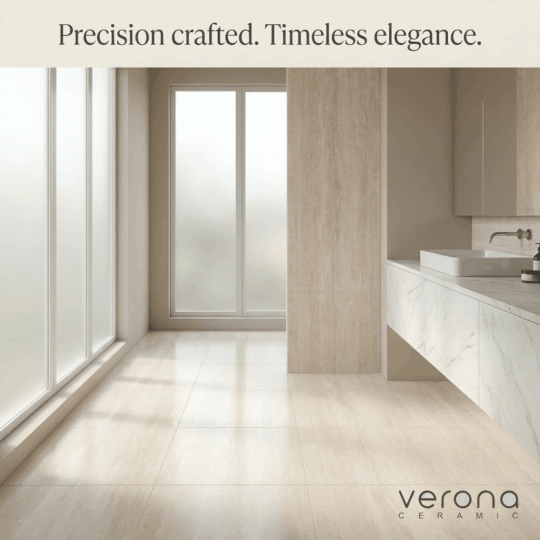
For many homes, the smartest answer is not natural travertine itself, but porcelain tiles designed to replicate it. This is where modern tile design has improved dramatically. A premium travertine-look porcelain tile can capture the colour movement, soft veining and tactile appeal of stone while offering better stain resistance, easier cleaning and stronger day-to-day durability.
That matters in kitchens, bathrooms and open-plan family zones where performance is just as important as style. Porcelain is less porous than natural stone and generally simpler to maintain. It does not require the same sealing routine as travertine, and it stands up well to moisture, spills and regular foot traffic.
For renovators wanting the visual warmth of stone without the extra care, this option often makes more sense. It also provides better consistency across batches and formats, which can be helpful when coordinating flooring with wall tiles, splashbacks or outdoor areas.
A good porcelain tile should still be chosen carefully. Surface finish, slip resistance and tile rating matter. In practical terms, many homeowners should look at whether the tile is suitable for wet areas, whether the finish is too smooth for bathroom floors, and whether the wear rating suits the traffic level of the space. PEI ratings can be useful here, as they help indicate resistance to surface wear for glazed porcelain tiles. For main living zones and kitchens, a stronger wear rating can add peace of mind.
How to choose the right travertine-style floor
Start with the room, not the trend. A floor that looks perfect in a styled showroom image may behave very differently in a busy household. If the space is a bathroom or laundry, slip resistance should be high on your list. Matte and lightly textured finishes are often the safer choice than highly polished surfaces.
Next, think about scale. Larger format tiles can make a room feel more open and reduce grout lines, which many homeowners prefer for easy cleaning and a cleaner visual finish. Smaller formats or pattern layouts can bring more traditional charm, but they also create a busier look.
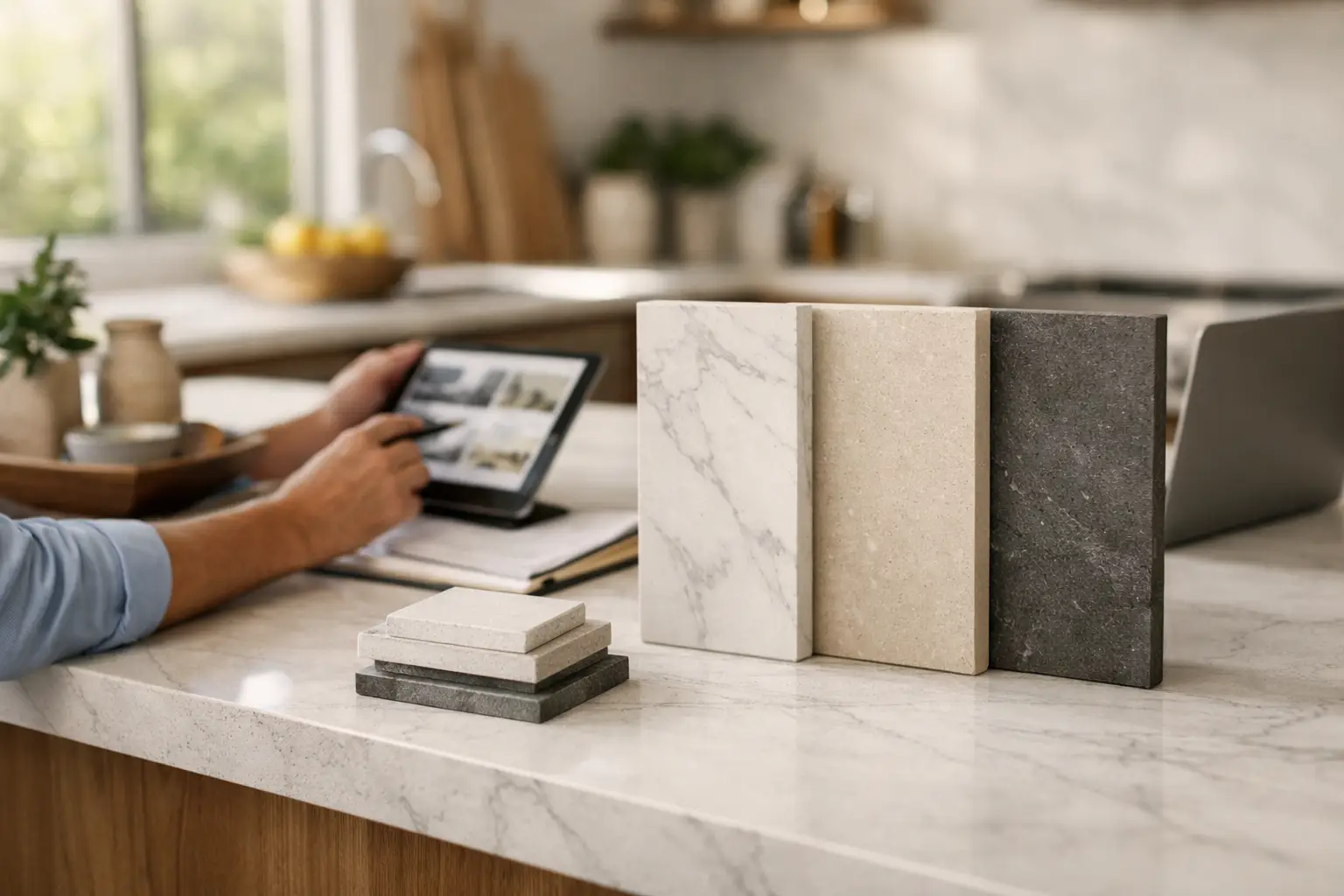
Then consider colour. Lighter travertine tones can brighten interiors and work well with contemporary joinery, while richer walnut or silver-inspired tones can add depth and suit more dramatic or layered palettes. The right choice often depends on your cabinetry, benchtops, paint colours and the amount of natural light the room receives.
It also helps to think beyond the sample. Travertine and travertine-look tiles usually reveal more movement once laid over a larger area. That is why measuring, layout planning and visualisation are so valuable. A supplier that offers practical design support, such as a free measure and 3D design service, can make decision-making much clearer before installation begins.
Installation and finish still matter as much as the tile
Even the best tile can disappoint if the installation is rushed or poorly planned. Subfloor preparation, grout selection, tile pattern, expansion joints and edge detailing all affect the final result. With travertine in particular, installation quality can influence both appearance and long-term performance.
Grout colour is one detail many people underestimate. A close tonal grout creates a more seamless, premium look, while strong contrast can make the layout more pronounced. Neither is wrong, but each creates a very different feel.
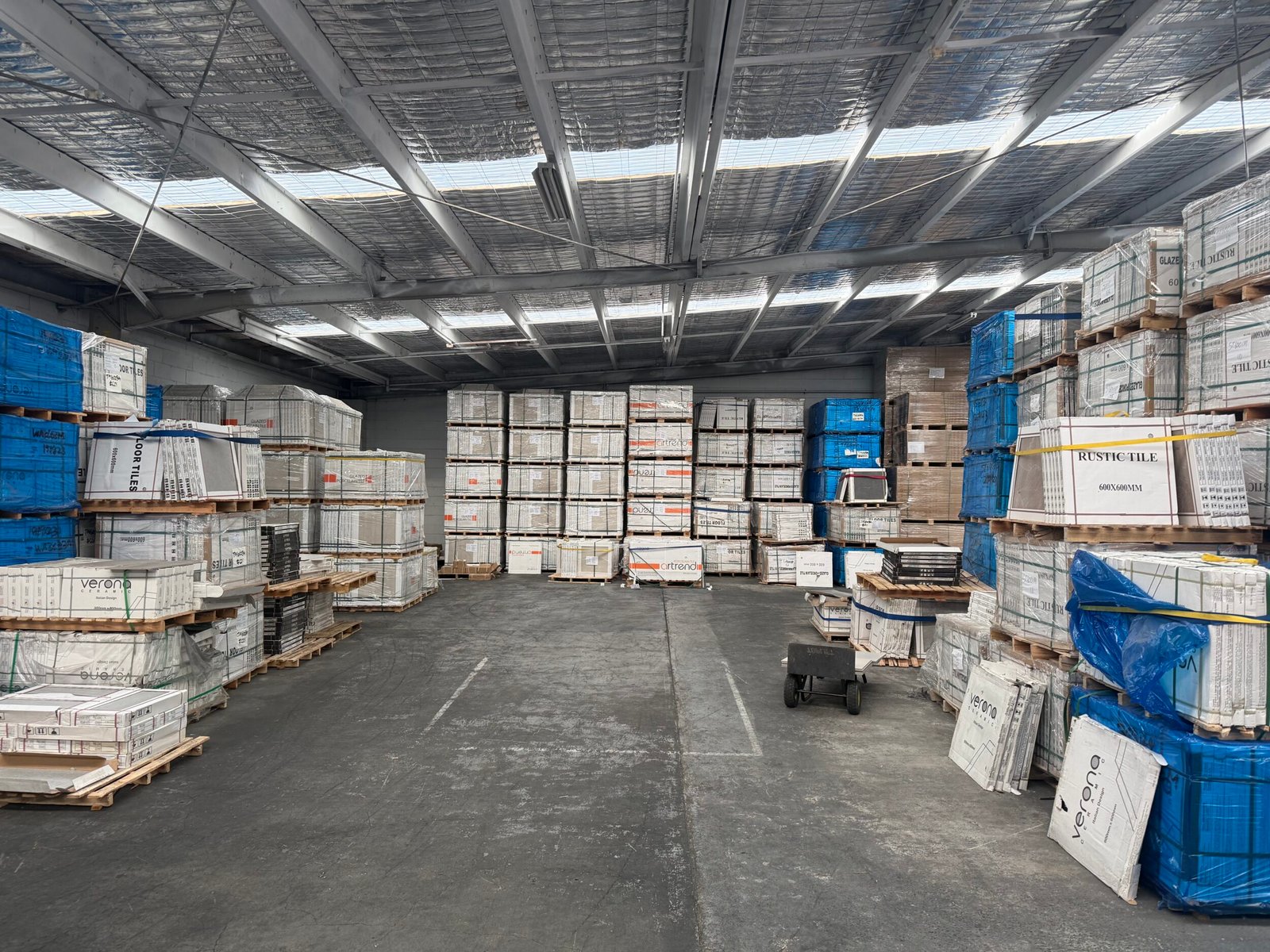
In renovation projects, it is also worth checking stock availability before committing to a design direction. Ready stock can save time, reduce delays and keep trades moving. For homeowners and builders working to a schedule, that reliability is often just as valuable as the finish itself. This is one reason many Melbourne renovators prefer working with suppliers that carry large local warehouse stock rather than relying on uncertain lead times.
Is tile flooring travertine right for your home?
If you want true natural texture, organic variation and a finish that ages with character, travertine can be a beautiful choice. It suits homes where material authenticity matters and where a little maintenance feels worthwhile for the result.
If you love the look but want easier care, a high-quality travertine-look porcelain tile is often the better fit. It offers the same warm, timeless style with more resilience for modern family living, especially in kitchens, bathrooms and high-traffic areas. For many Australian homes, that balance of beauty, durability and practical maintenance is exactly what makes a floor worth living with for years.
The best flooring choice is rarely the one with the most attention online – it is the one that suits your home, your routine and the way you want the space to feel every day.