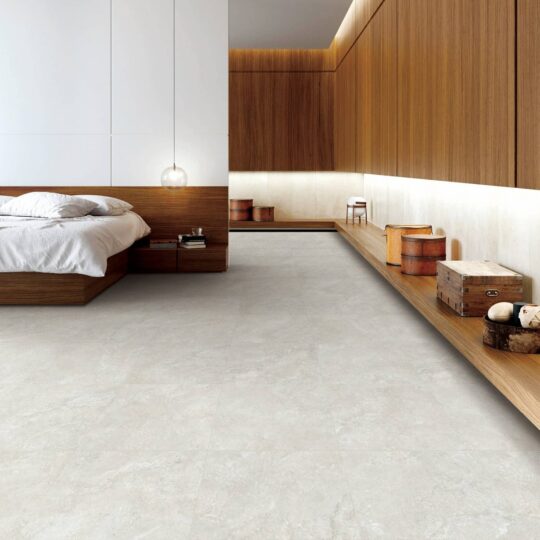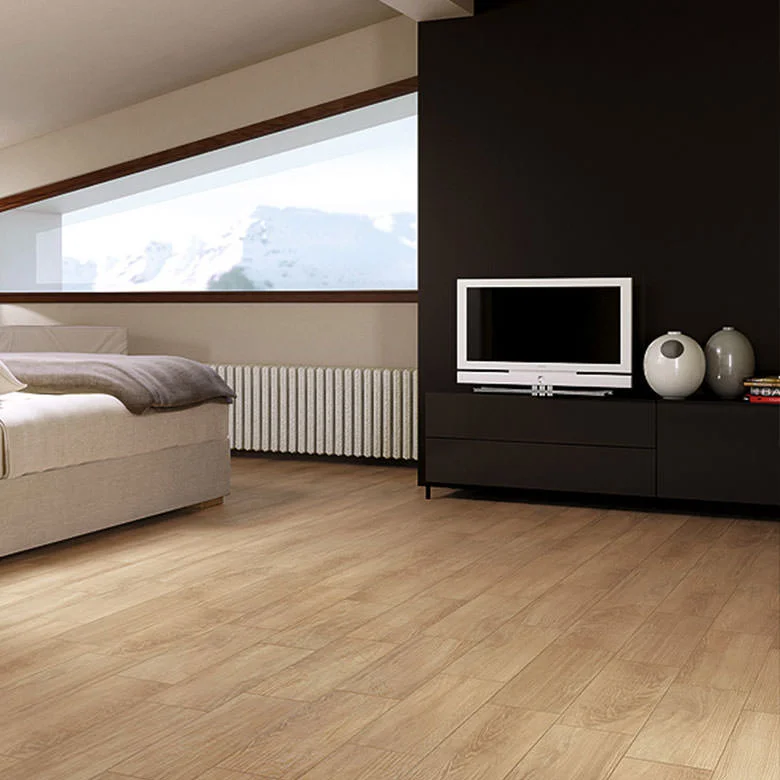
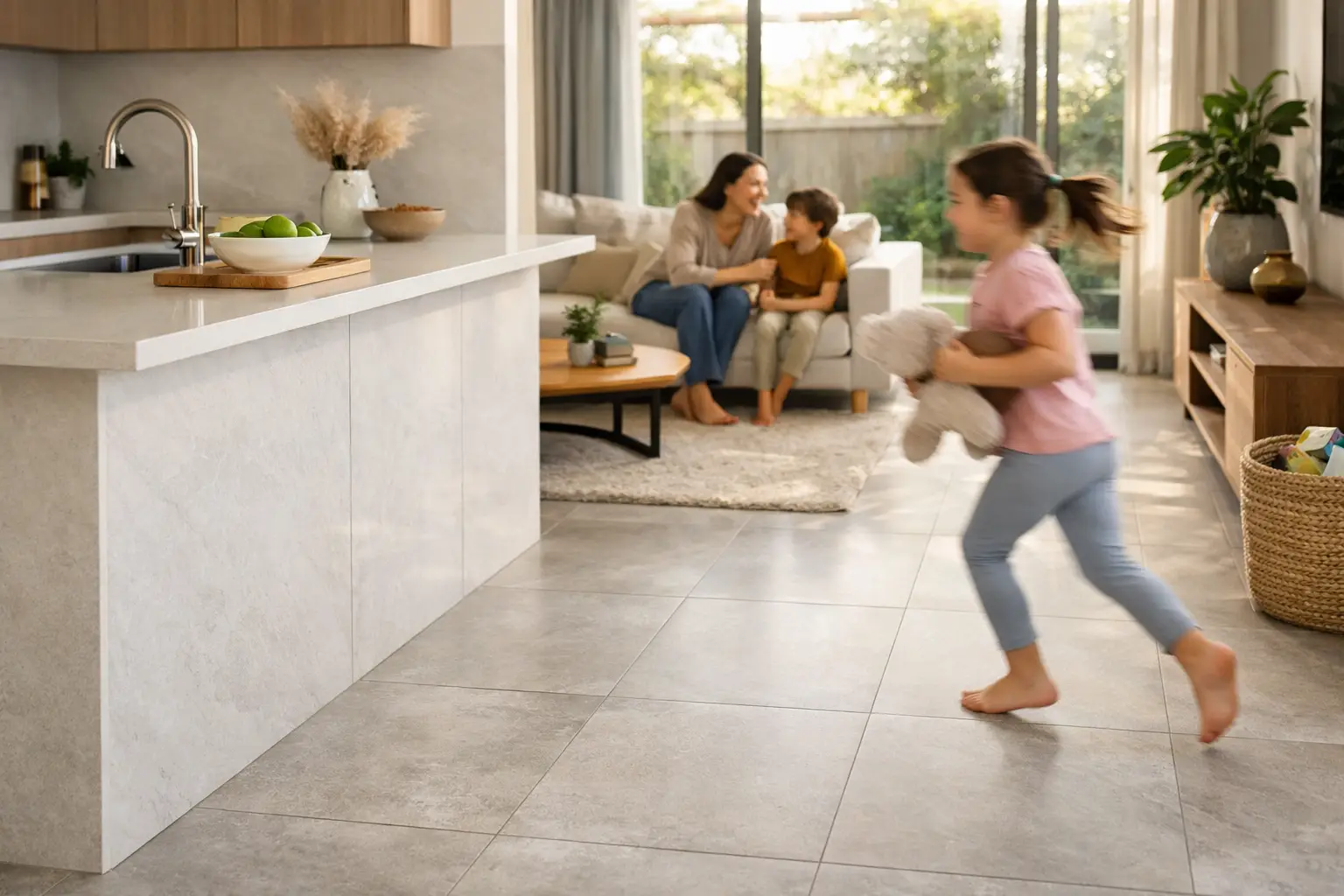
A floor beside the back door, a bathroom shared by children, and a kitchen that hosts weeknight dinners all put finishes to work. Porcelain tile durability is why this material remains a trusted choice in hardworking Melbourne homes: it is designed to handle moisture, daily foot traffic, cleaning and the occasional dropped pan without losing its good looks.
That said, porcelain is not one single product with one performance level. Tile thickness, surface finish, wear rating, installation quality and the room itself all affect how well a tiled surface performs over time. Choosing well means looking beyond colour and size to find a tile suited to the life happening around it.
What Makes Porcelain Tiles So Durable?
Porcelain is a ceramic tile made from refined clay and minerals, fired at very high temperatures. This creates a dense, hard body with very low water absorption. Under recognised tile standards, porcelain generally absorbs 0.5 per cent water or less.
Low absorption is a practical advantage in bathrooms, laundries, kitchens and entryways. The tile is less likely to take on moisture, stain easily or be affected by normal household spills. It also makes porcelain suitable for many outdoor applications when the product is specifically rated for exterior use and installed correctly.
Most quality porcelain tiles are through-bodied or have a durable glazed surface. Glazed porcelain provides an enormous range of colours, stone looks, concrete finishes and timber-inspired designs, while the hard fired glaze protects the decorative surface. Through-bodied options can be especially useful in commercial-style or high-traffic settings because minor chips may be less noticeable.
Porcelain is also highly resistant to fading, which helps it retain a consistent appearance in sunlit rooms. For families and renovators planning for the long term, that combination of moisture resistance, scratch resistance and stable colour offers genuine value.
Porcelain Tile Durability Depends on the Right Rating
A durable tile still needs to match its setting. The most helpful product details are the PEI wear rating for glazed tiles, slip resistance, thickness and intended application.
PEI rating and surface wear
The Porcelain Enamel Institute, or PEI, rating indicates how well a glazed tile surface handles abrasion from foot traffic. A lower rating may suit a lightly used wall or ensuite, while a higher rating is better for living rooms, hallways, kitchens and family bathrooms. For a busy home floor, selecting a tile with an appropriate wear rating is more useful than assuming every porcelain tile will perform identically.
The rating is only one part of the decision. Sand and grit brought in on shoes can act like sandpaper, particularly near doors. A quality entry mat and regular sweeping will protect any floor finish, including premium architectural surfaces.
Slip resistance is about real-life safety
Bathrooms, pool surrounds, laundries and outdoor areas need more grip than a dry living room. In Australia, slip resistance is commonly expressed through a P rating, with higher values generally indicating greater slip resistance in wet or potentially wet conditions.
Matte tiles often provide more practical traction than polished finishes, although every product should be assessed on its tested rating rather than appearance alone. A polished porcelain tile can look striking in a formal powder room or low-traffic living space, but it may not be the most sensible choice for a wet bathroom floor. For safety and compliance, ask for the tile’s technical information and discuss the intended area with your builder or tiler.
Size, thickness and edge detail
Large format tiles create fewer grout lines and a calm, continuous look, particularly in open-plan living areas. They are durable, but they do require a level substrate and experienced installation. A large tile laid over an uneven floor can be more vulnerable to lipping, hollow spots or cracking under point loads.
Rectified edges allow narrow, neat grout joints, but they do not remove the need for grout. The joint helps accommodate small movements and supports a clean installation. Whether you choose large format tiles or a smaller format, correct preparation matters more to long-term performance than simply choosing the thickest tile available.
Where Porcelain Performs Best
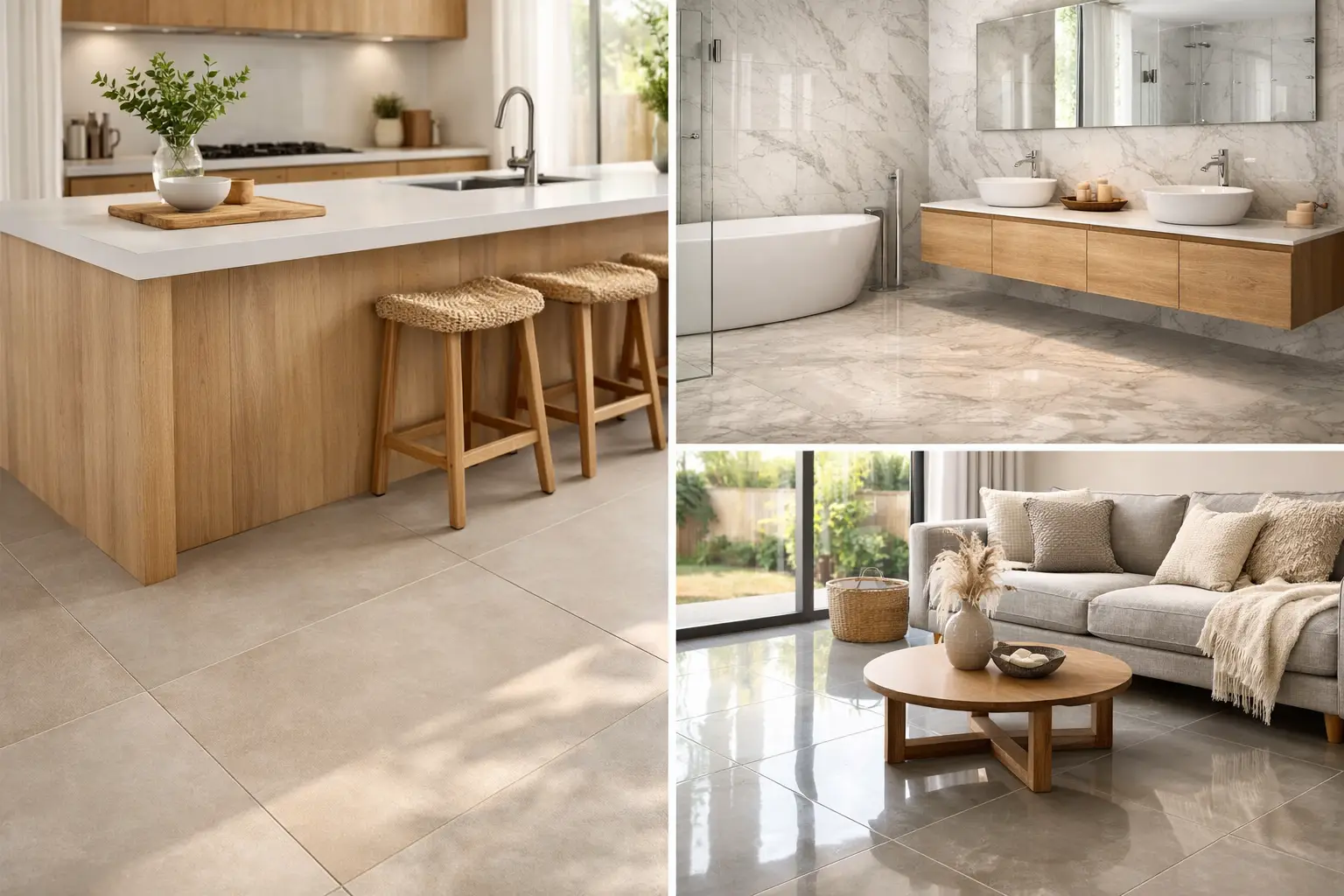
Porcelain is one of the few finishes that can carry a coordinated design across nearly every room. Kitchen tiles benefit from its resistance to food spills, water and regular cleaning. Bathroom tiles are easy to maintain and available in slip-resistant matte finishes that feel appropriate underfoot. In living areas, porcelain can deliver the visual warmth of timber or natural stone with fewer maintenance concerns.
For outdoor spaces, choose a porcelain tile specifically rated for external use, with suitable slip resistance and installation materials. Exterior tiles need proper falls for drainage, movement joints and an adhesive system designed for changing weather conditions. Not every indoor tile should be carried outside, even if the colour appears identical.
Porcelain can also suit walls beautifully. Wall applications place less physical demand on a tile, so a homeowner may have more freedom to choose decorative finishes, feature formats or softer-looking surfaces. A wall tile, however, should not automatically be used on the floor unless it is rated for that purpose.
The Installation Detail That Protects Your Investment
Even exceptional porcelain can fail prematurely when the base beneath it is not ready. Tiles are rigid, so they rely on a sound, clean and sufficiently flat substrate. Cracks, movement, moisture issues or unevenness in the underlying surface should be addressed before tiling begins.
An experienced tiler will select adhesive to suit the substrate and tile size, use appropriate coverage beneath each tile, and include movement joints where required. These joints are particularly important across large areas, near structural changes and in spaces exposed to temperature variation. They allow the installation to accommodate natural building movement rather than forcing stress through the tile.
Grout is another working component, not merely a finishing touch. A quality grout in a practical colour helps keep the floor looking fresh, while correct sealing or maintenance of grout, where specified, supports stain resistance. In wet areas, waterproofing must be completed to Australian requirements before tiles are laid. Tiles are water-resistant, but tile and grout alone are not a substitute for a compliant waterproofing system.
For renovation professionals, checking batch consistency, quantities and tile condition before installation avoids unnecessary delays. Ordering enough material for cuts, wastage and a small number of future repairs is sensible, especially where a particular colour or format may change between production runs.
Everyday Care That Keeps Porcelain Looking New
Porcelain does not need complicated care. Sweep or vacuum grit regularly, then mop with a pH-neutral cleaner recommended for tiled surfaces. Avoid harsh acids, abrasive powders and waxy products that can leave a residue or affect grout over time.
Clean spills when they happen, particularly coloured liquids around light grout. Use protective pads under heavy furniture and take care when moving appliances or stone benchtops across a finished floor. Porcelain handles daily wear extremely well, but a sharp impact on an unsupported edge can still chip it.
Textured and matte tiles may hold more dirt in their surface texture than polished tiles. This is the trade-off for added grip. A soft brush and suitable cleaner will usually keep them looking their best, especially in showers, entryways and alfresco areas.
Choosing for Enduring Quality, Not Just the Showroom Look
The right tile balances design, performance and installation realities. A pale matte large format porcelain may be ideal for a light-filled family living area, while a higher-grip finish may be the better decision for the bathroom or outdoor entertaining area. There is no single best finish for every room.
Before making a final selection, take a sample home and view it in morning, afternoon and artificial light. Consider how it feels underfoot, how the texture suits the space, and whether the grout colour will work with your household routine. For a full renovation, keeping a consistent porcelain palette while adjusting the finish by room can create a connected home without compromising safety.
At Verona Ceramic, homeowners and trade clients can inspect ready stock tiles in Melbourne and discuss suitable formats, finishes and technical requirements before work begins. This practical support, paired with factory-direct value and clear lead-time expectations, helps keep a renovation moving with confidence.
A beautiful tiled room should still feel beautiful after years of bare feet, muddy shoes, family gatherings and everyday cleaning. Select porcelain for the conditions it will face, give installation the care it deserves, and it can become one of the most dependable surfaces in your home.