By Verona Ceramic Editorial Team · Updated 2026-08-31
Large-format 600×1200 porcelain tiles are changing the way Melbourne kitchens, bathrooms, and living areas look and feel, with fewer grout lines and a clean, continuous surface from wall to wall. Getting that result takes the right approach: LFT-rated thin-set, minimum 1/8-inch joints, and a stable subfloor. Verona Ceramic, based in Springvale, VIC, supplies premium porcelain built for durability and for the character of contemporary Australian interiors.
What Defines Modern Large-Format Porcelain Tiles?
Industry standards classify a tile as large-format once one edge reaches roughly 15 inches, or 380mm, in length. That threshold covers the 600x1200mm dimension now common across contemporary Melbourne interiors, making this size a defining example within any large format tile guide. Manufacturing precision matters too: rectified large tiles are cut and ground to exact, uniform edges after firing, allowing for tighter grout lines and a more continuous visual plane across floors and walls.
Why Are 600x1200mm Tiles So Popular?
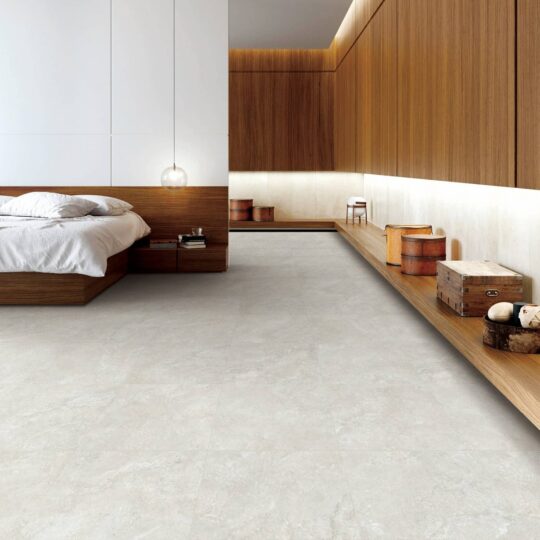
600×1200 tiles melbourne projects favor this dimension for its sleek, modern aesthetic and its versatility across kitchens, bathrooms, and open-plan living areas. With less grout to break up the surface, the result is a clean, uninterrupted look that suits minimalist and contemporary design briefs alike.
What Makes Porcelain Different From Ceramic in This Format?
Firing temperature is what sets the two apart. Porcelain is fired at a much higher temperature, which produces a denser, less porous body than standard ceramic, and that density is exactly what gives it better resistance to moisture, staining, and everyday wear.
Homeowners and designers weighing whether to buy 600×1200 tiles should think about room function alongside these material properties. Knowing when to use 600×1200 tiles melbourne projects mostly comes down to how much foot traffic and moisture the space will see.
How Should Large-Format Porcelain Be Installed?
Getting the installation right depends on specialized materials, not standard tiling methods. Anyone working through a large format tile guide should know that oversized porcelain panels behave differently from smaller tiles the moment mortar and substrate come into play.
What adhesive works for large-format porcelain?
Standard thin-set mortar simply doesn’t give enough coverage under large panels, which leads to hollow spots and uneven surfaces. A dedicated LFT (large-format tile) thin-set formulation is what’s needed to get full contact beneath the tile and keep lippage, the slight height difference between adjoining edges, to a minimum. This matters most with rectified large tiles, whose precisely cut, straight edges are laid with narrow grout lines that expose any inconsistency in the mortar bed.
Can large-format tiles go over a timber subfloor?
Timber subfloors flex too much for large porcelain panels, so they’re not recommended. Installers instead set panels over a cement-type backer board, such as Durock or Hardi Backer, or over an approved uncoupling membrane like Ditra. This layer absorbs minor substrate movement and protects the tile from cracking.
Floor tiles are notoriously difficult to replace once set, so confirming specifications beforehand protects the whole project. Buyers deciding where to buy 600×1200 tiles should check body material, wear resistance, slip rating, and porosity before they purchase — these figures are what determine long-term suitability. A Springvale-based, Victoria-wide supplier network makes this verification easier by keeping consistent stock available for architects and renovators planning large-format installations across Melbourne.
When Should You Choose 600×1200 Tiles In Melbourne?
Room function is really what determines the right timing for a large format tile guide decision. Melbourne’s temperate climate and its mix of Victorian, federation, and contemporary architecture mean surface choice should follow moisture exposure and slip safety, not aesthetics alone. Knowing when to use 600×1200 tiles Melbourne projects work best comes down to matching the format to dry or moderate-traffic areas, though bathrooms remain a good option when slip-resistant finishes are specified.
Are 600×1200 tiles suitable for bathrooms?
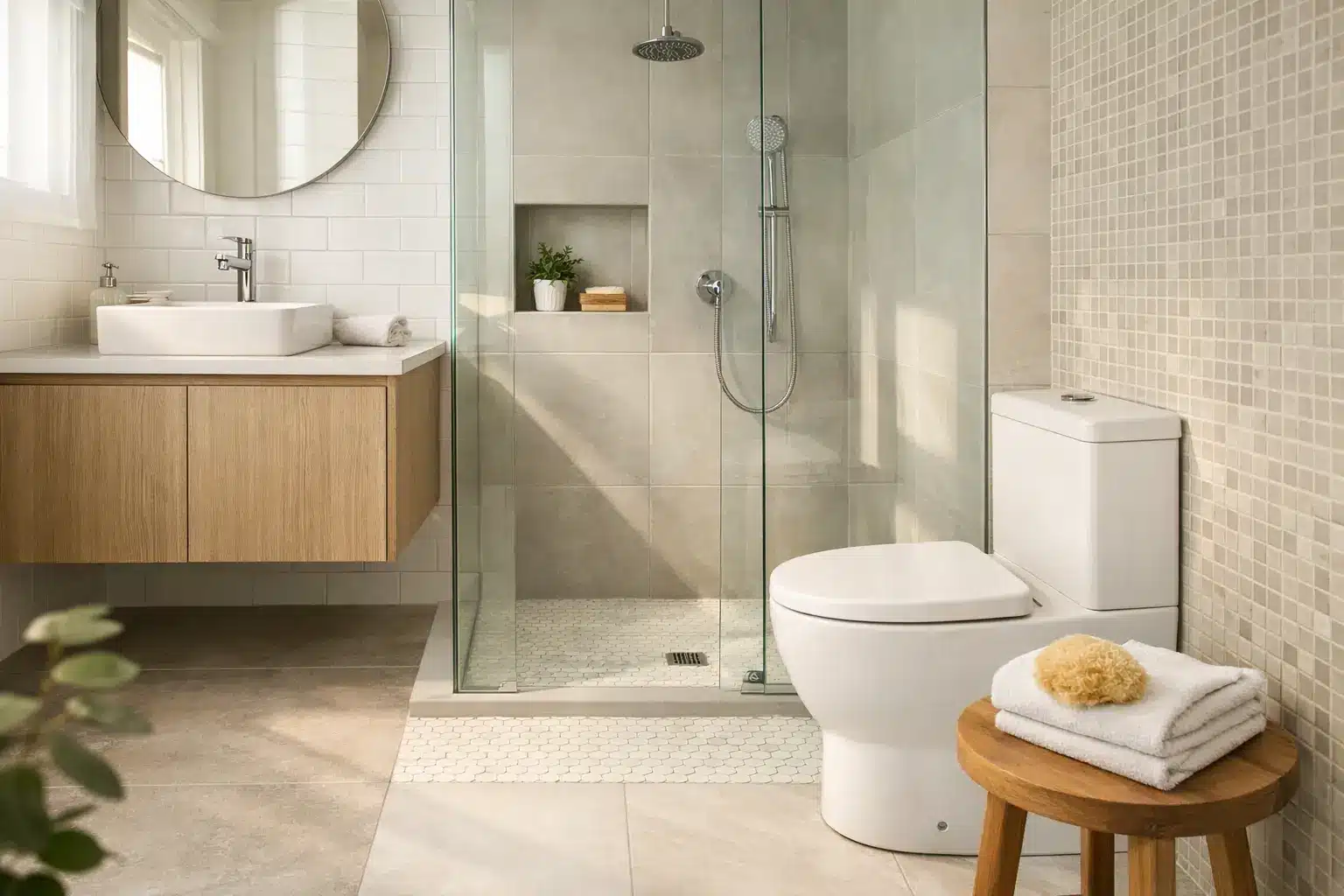
Bathrooms and other wet zones need moisture resistance and slip-safety underfoot before format size even enters the conversation. In areas such as Bayside and Mornington, homeowners are best served by matching tile type to room purpose first, then confirming the surface finish handles wet-foot conditions safely.
Does tile size affect how a small room feels?
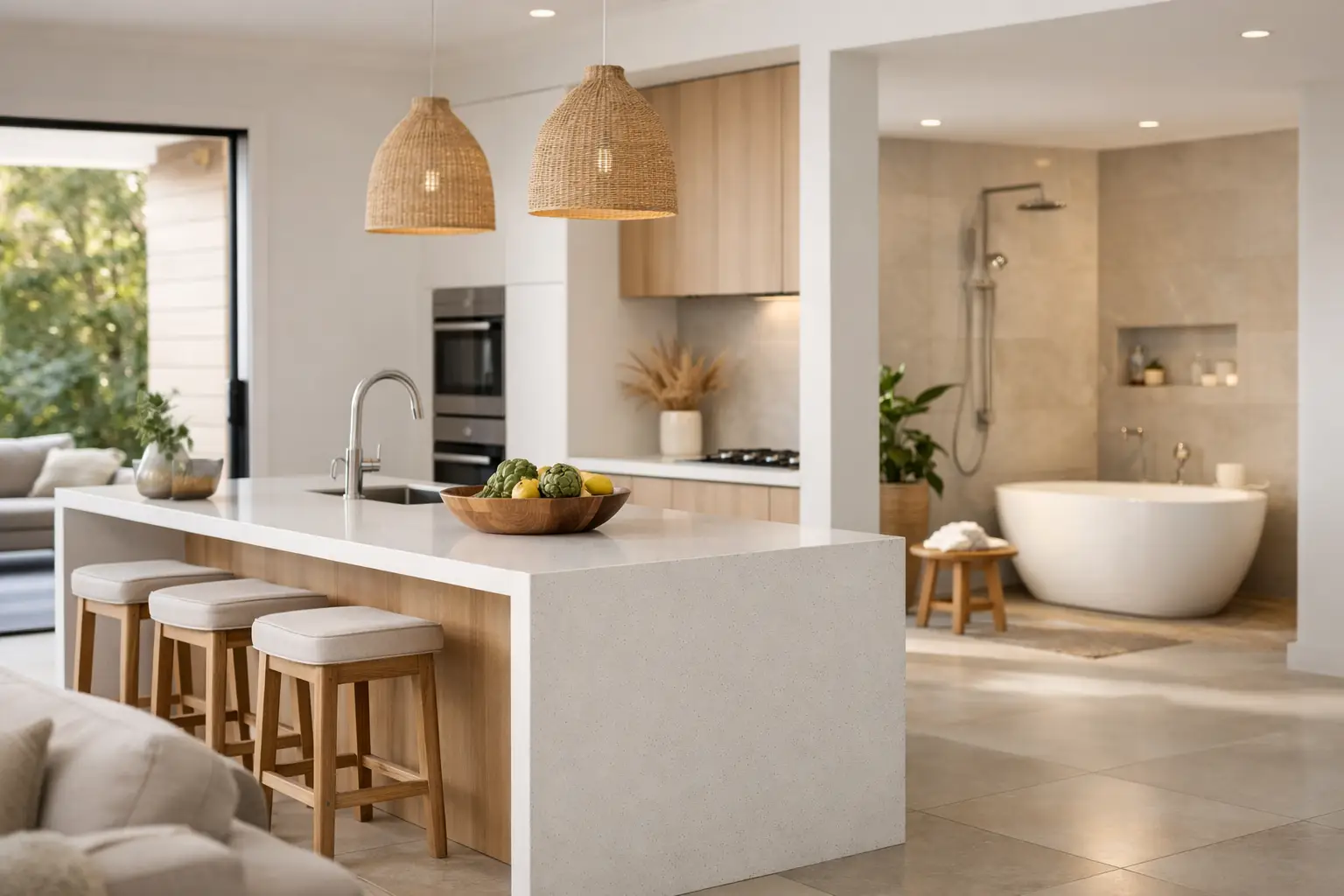
Fewer grout lines from rectified large tiles give compact rooms a cleaner, more expansive look, turning small spaces into cohesive design statements. That’s part of why larger formats have become so popular for living areas and open-plan kitchens.
On renovation timelines, projects that buy 600×1200 tiles from locally warehoused stock sidestep sequencing delays across waterproofing, cabinetry, and fit-off trades — a real advantage in Melbourne’s tightly scheduled construction environment.
FAQ
What defines a large-format tile?
Industry standards classify a tile as large-format once one edge reaches roughly 15 inches, or 380mm. The 600x1200mm dimension fits comfortably within that threshold, and rectified tiles bring precise, uniform edges that allow for tighter grout lines.
What adhesive is required for 600×1200 porcelain tiles?
Standard thin-set mortar doesn’t give adequate coverage under large panels, which causes hollow spots and lippage. A dedicated LFT thin-set formulation is what’s needed for full contact and a stable, even surface.
Can these tiles be installed over a timber subfloor?
Installers set panels over a cement-type backer board or an approved uncoupling membrane instead, which absorbs movement and prevents cracking.
Conclusion
In short, 600×1200 porcelain tiles are a smart investment in a space that looks coherent and holds up over time. Their expansive format cuts down on visual interruption, while their technical composition stands up to wear, moisture, and thermal stress across residential and commercial applications. Choose large-format porcelain, and you’re building interiors that pair aesthetic sophistication with practical longevity — the kind of quality choice that discerning design demands.