Engineered Stone Guide: Melbourne Benchtop Options Post-Ban
By Verona Ceramic Editorial Team · Updated 2026-07-25
Melbourne renovators face a nationwide requirement, effective July 1, 2024, banning engineered stone containing at least 1% crystalline silica for benchtops and splashbacks. Zero-silica engineered surfaces, premium tiles, and natural stone now serve as compliant replacements. Verona Ceramic ships these next-generation, silica-free surfaces from Springvale, VIC to Melbourne kitchens and bathrooms, meeting WHS regulations without sacrificing durability or design.
What Happened To Melbourne’s Engineered Stone Benchtops?
A national ban ended the manufacture, supply, and installation of engineered stone benchtops across Australia, including Melbourne, on July 1, 2024. Kitchens across the city lost access to a material that had defined benchtop and splashback design for decades. Melbourne renovators now face a compliance line no builder or supplier can cross.
Engineered stone earned its popularity honestly. For many years, it served as a cost-effective alternative to natural stone in homes throughout Melbourne and the rest of Australia, prized for its consistent pattern. Lower price point compared to quarried granite or marble. That value proposition disappeared almost overnight once regulators intervened.
Why did Australia ban engineered stone?
Australia became the first country in the world to announce a national ban on engineered stone, doing so in December 2023. The decision responded to a documented rise in silicosis, a severe and irreversible lung disease linked to cutting and processing silica-heavy stone. No other nation had taken this step before.
When did the ban take effect in Melbourne?
The prohibition became enforceable nationwide, Melbourne and Victoria included, on July 1, 2024. From that date, workplace safety regulations made it an offense to manufacture, supply, process, or install engineered stone benchtops, panels, or slabs.
Melbourne homeowners currently renovating kitchens or bathrooms need a benchtop buying guide that reflects this new regulatory reality. Suppliers who understand the ban’s scope. Who can point clients toward compliant alternatives, now hold a genuine advantage over those still clearing outdated stock.
Why Was Engineered Stone Banned Across Australia?
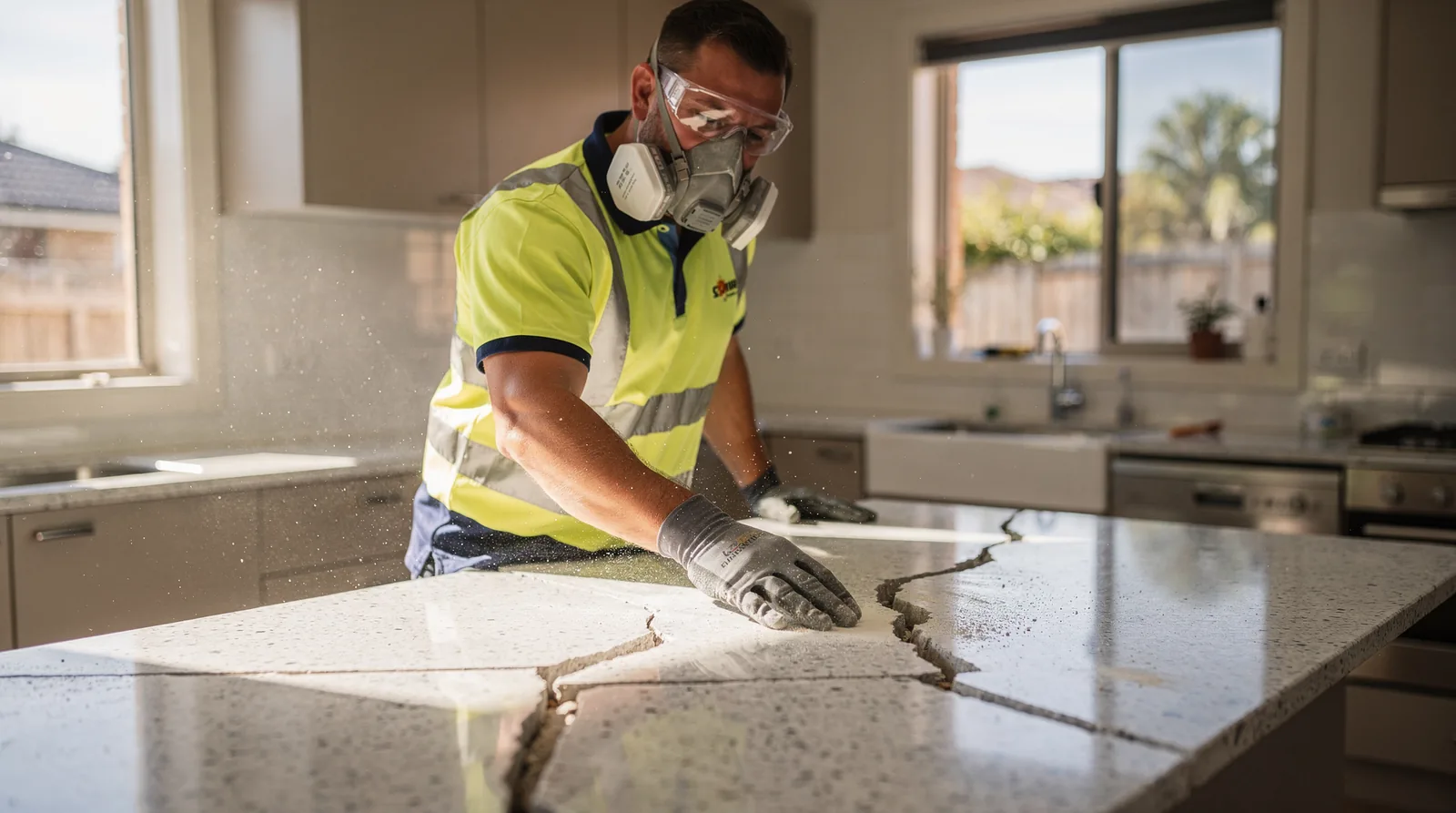
Silica dust exposure drove the national prohibition on engineered stone, effective July 1, 2024. Crystalline silica content in these composite slabs reaches as high as 95%, according to WorkSafe Victoria. A concentration far above what unprotected cutting and grinding work can safely handle. For Melbourne renovators comparing benchtop materials, understanding this threshold is the starting point of any credible engineered stone guide.
The health data behind the decision is stark. Fabricators and installers who cut, polish, or drill engineered stone without rigorous dust controls faced a documented rise in silicosis, an incurable and often fatal lung disease. Ministers overseeing Work Health and Safety didn’t treat this as a minor compliance tweak — the ban passed unanimously. Now applies across every Australian state and territory, including Victoria, though enforcement details vary by jurisdiction.
Does the ban affect homeowners directly?
Homeowners aren’t the ones facing prosecution under the regulation. Liability sits with businesses that manufacture, supply, process, or install engineered stone products. That said, any Melbourne kitchen or bathroom project specifying these materials now needs a compliant alternative before fabrication can proceed.
What should Melbourne renovators check before choosing a benchtop?
A few verification steps prevent costly surprises mid-project:
- Confirm the silica content of any quoted benchtop material in writing
- Ask suppliers for current compliance documentation tied to the 2024 regulation
- Request installation records showing dust-control measures where legacy stock is involved
A proper benchtop buying guide now treats silica disclosure as a non-negotiable line item, not an afterthought. Suppliers serving Melbourne renovations increasingly point clients toward zero silica benchtops as the compliant, long-term replacement. A shift covered in the sections that follow.
What Exactly Counts As Banned Engineered Stone?
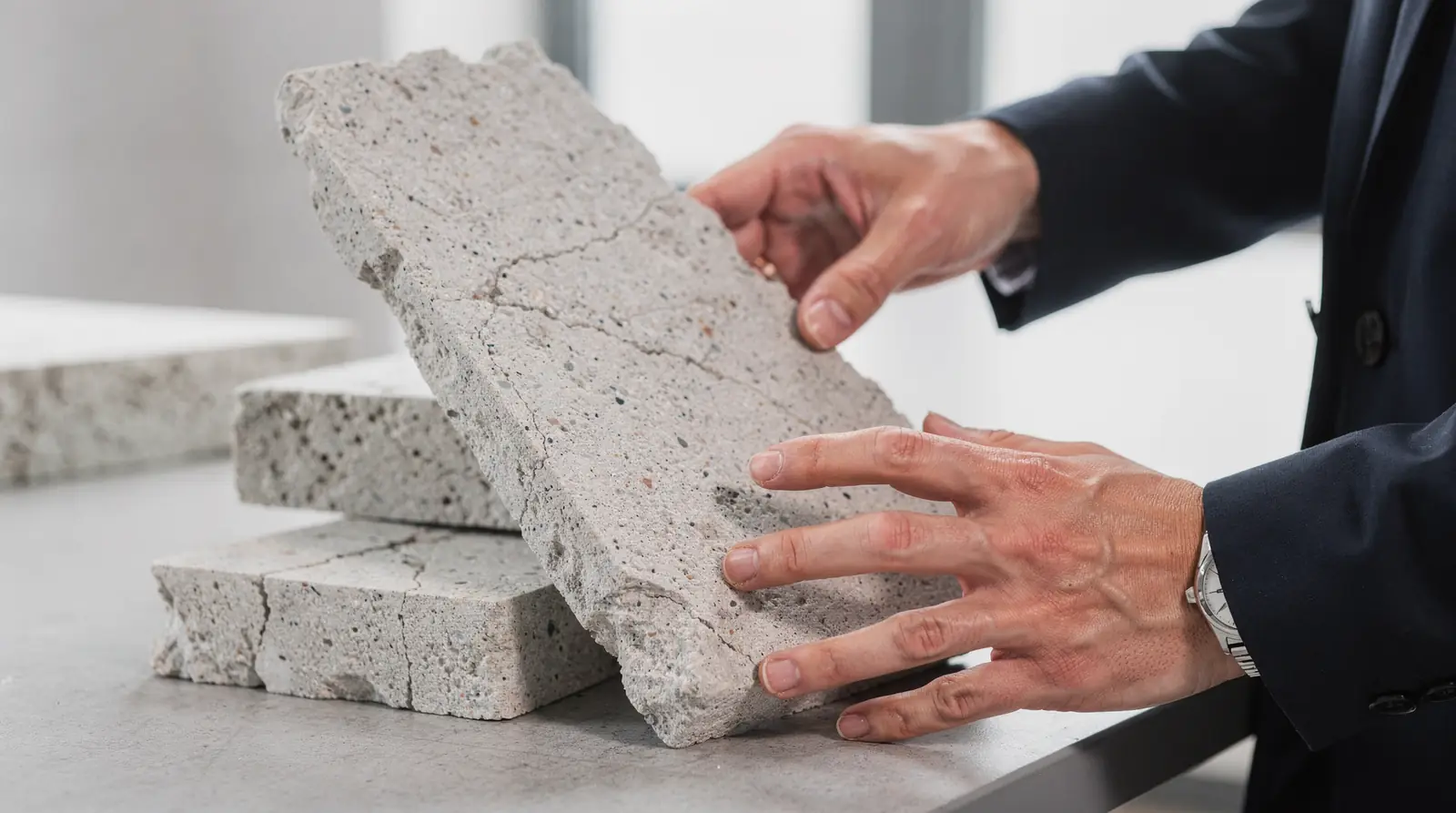
Legal definitions, not brand names, determine what falls under Australia’s ban. Under the model WHS Regulations, any product containing at least 1% crystalline silica by weight qualifies as engineered stone and falls within scope. That threshold catches most quartz-composite benchtops sold across Melbourne kitchens and bathrooms over the past two decades.
The regulatory definition goes further than silica content alone. A product also counts as engineered stone when it combines natural stone materials with chemical constituents. Water, resins, or pigments — that harden into a solid slab. This manufacturing process is exactly how most quartz benchtop brands are made, which is why a thorough engineered stone guide matters for Melbourne renovation planning.
Which benchtop materials are exempt from the ban?
Concrete and cement products sit outside the regulatory definition entirely. Bricks, pavers, and similar masonry blocks are also excluded, regardless of silica content. Melbourne builders working on outdoor kitchens or feature walls can still specify these materials without compliance concerns.
What brands does the engineered stone ban actually affect?
Several well-known benchtop brands fall directly under the ban. Recognizing them helps homeowners and suppliers audit existing specifications quickly:
- Caesarstone
- Silestone
- Smartstone
- Quantum Quartz
Any Melbourne renovation quote still listing these products needs revisiting before installation proceeds.
Suppliers advising clients through a benchtop buying guide process should treat brand name alone as insufficient. Silica content and manufacturing method decide compliance, not marketing labels. Verona Ceramic ships compliant surface alternatives to Melbourne renovation sites, helping builders and homeowners avoid costly last-minute material substitutions once slabs are already measured and scheduled.

Which Benchtop Materials Remain Fully Compliant?
Several benchtop materials stay fully legal for Melbourne kitchens and bathrooms after the engineered stone ban. Each carries trade-offs worth weighing before renovation begins. Concrete and stainless steel top the list of compliant alternatives, alongside timber, laminate, and natural stone options covered in a thorough engineered stone guide. Melbourne homeowners rebuilding a kitchen island or bathroom vanity need more than a legal green light. They need a material that fits the room’s character and daily use.
Concrete benchtops remain a legal choice and, depending on a home’s existing decor, can look striking rather than merely industrial. A polished concrete slab suits a warehouse-style Melbourne apartment far better than a heritage cottage kitchen. Stainless steel tells a similar story: it reads as sleek and commercial-grade, which works beautifully in an industrial-inspired fit-out but clashes with a country-style kitchen aiming for warmth.
Is concrete actually silica-free?
No. Concrete still carries substantial silica content, largely from the sand and cement used to bind it. Installers cutting or polishing concrete benchtops face real dust exposure. Proper ventilation and safety protocols still matter during fabrication and fitting.
Independent laboratory testing has evaluated 16 separate benchtop materials, giving renovators a data-backed starting point for comparing durability, maintenance, and safety across the compliant field. That kind of comparison matters more than ever now that engineered stone is off the table nationally.
A sound benchtop buying guide weighs aesthetic fit alongside compliance. A material can be perfectly legal yet wrong for the room. For homeowners wanting a genuinely dust-free alternative, zero silica benchtops offer a compliant path without the fabrication-stage silica exposure concrete still presents.
How Do Zero-Silica Benchtops Compare To Quartz?
Composition marks the biggest difference between these two benchtop categories. Traditional quartz benchtops rely on a composite of crushed stone bound with adhesive resin, engineered to mimic the veining and color of natural stone. Roughly 90% of that composite consists of crushed quartz mixed with resin and pigments. That concentration is precisely what makes silica dust a workplace hazard during cutting and polishing. Verona Ceramic’s zero silica benchtops remove that risk entirely, offering an eco-friendly innovation designed for high-end benchtops and splashbacks across Melbourne kitchens and bathrooms.
Melbourne renovators comparing options for a compliant, long-term benchtop need a clear technical picture of what changed.
Do zero-silica surfaces sacrifice the stone-look aesthetic?
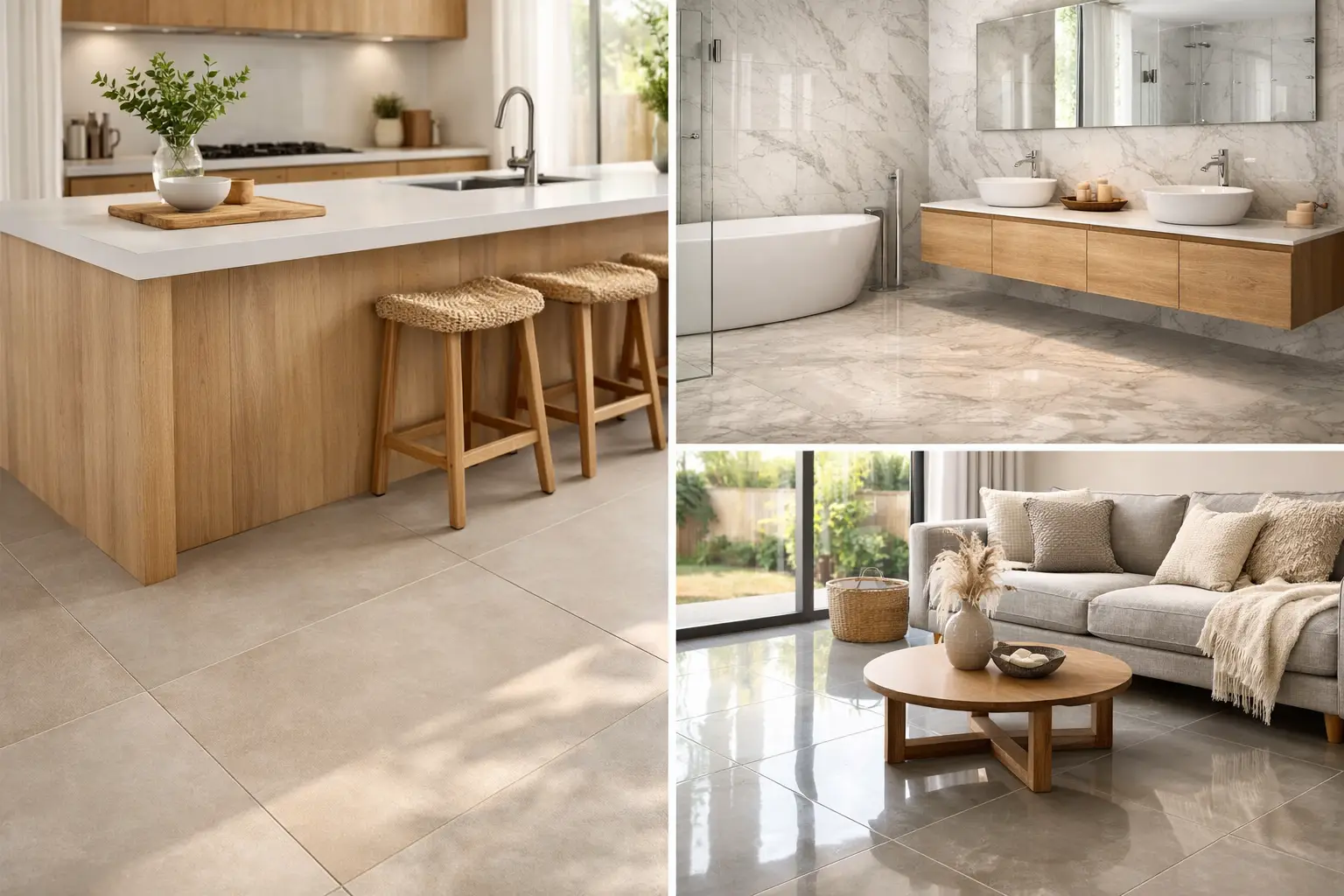
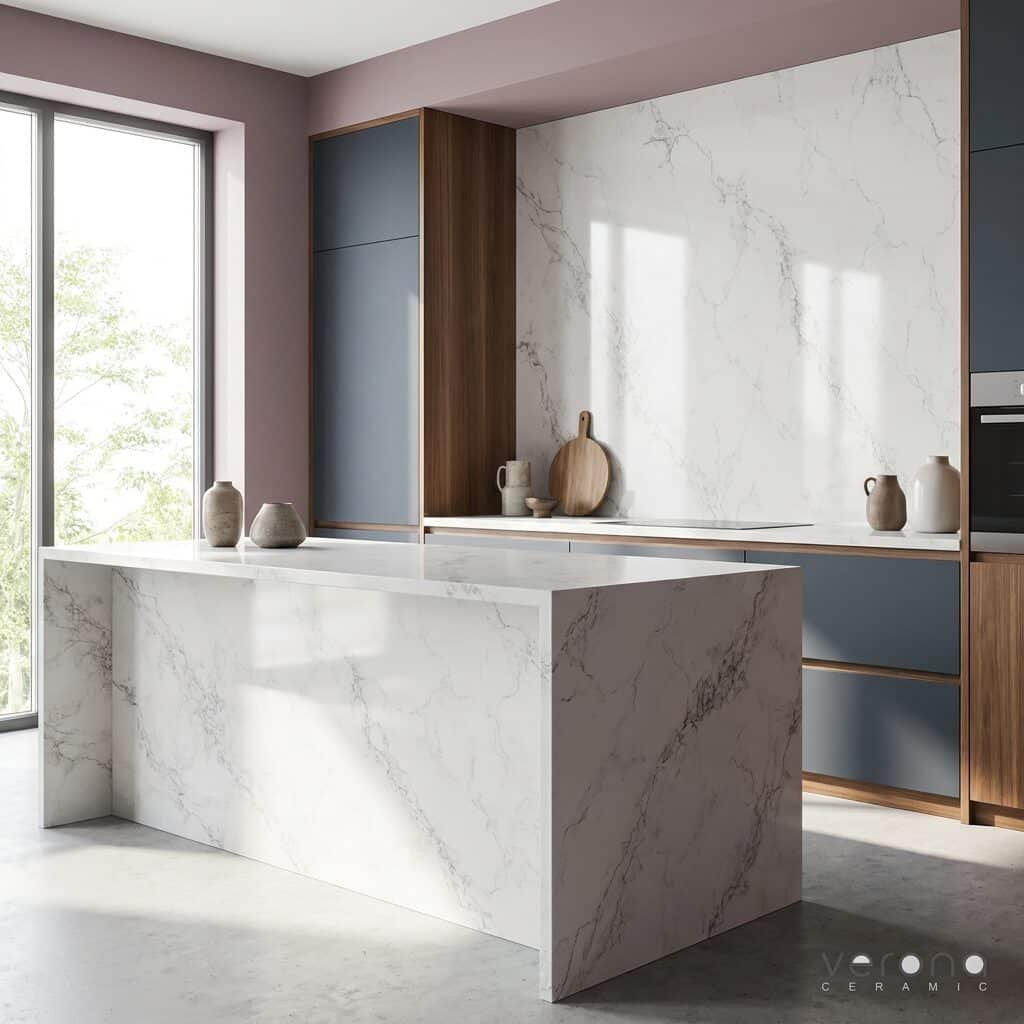
No. Verona Ceramic’s next-generation surfaces are built for luxury living without abandoning the visual depth Melbourne homeowners expect from a premium benchtop. The finishes replicate the veining and tonal variation that made quartz popular, while meeting compliance standards that traditional composites cannot.
Are zero-silica benchtops as durable as quartz?
Durability remains a core design priority, not an afterthought. These surfaces are engineered specifically for everyday durability in modern Australian homes, standing up to daily kitchen use, moisture exposure, and heat without the fabrication risks tied to older composite materials. For any renovator working through a thorough benchtop buying guide, that combination of compliance and toughness is the deciding factor, and consulting a detailed engineered stone guide before selecting a Melbourne supplier helps confirm the material meets current safety expectations.
What Should Melbourne Renovators Ask Before Buying?
Four questions separate a durable benchtop decision from a costly renovation mistake: material composition, finish performance, maintenance demands, and total project cost. Melbourne homeowners and trade professionals skipping this checklist risk selecting surfaces that fail compliance standards or underdeliver on longevity. A structured zero silica benchtops review walks renovators through exactly these points before a single order gets placed.
What materials belong on the shortlist?
Composition determines everything else — durability, edge finishing, and long-term maintenance. Renovators should confirm silica content, density ratings, and whether the surface qualifies as a genuine zero-silica alternative rather than a reformulated blend. This single question filters out non-compliant products before they reach a Melbourne kitchen or bathroom site.
How should cost factor into the decision?
Cost comparisons need context, not just a bottom-line number. A proper benchtop buying guide weighs price against slab yield, installation complexity, and expected lifespan. A cheaper surface that chips or stains within a few years costs more overall.
Before signing a supply agreement, renovators and designers should ask suppliers to address:
- Finish options and how each performs under daily kitchen or bathroom use
- Care and cleaning requirements specific to the chosen material
- Warranty terms covering staining, cracking, or discoloration
- Lead times for delivery to Melbourne renovation sites
Verona Ceramic operates as one of Australia’s leading suppliers of flooring. Surface materials, with delivery extending reliably across the country to Melbourne projects. That national reach matters for builders juggling tight renovation schedules, since delayed slabs stall entire kitchen installations.
Beyond product supply, professional guidance shapes outcomes just as much as material choice. Verona Ceramic pairs its surface range with dependable service designed to support renovation and construction work from specification through installation. Not merely a transaction, but ongoing assistance for Melbourne projects navigating post-ban surface selection. An engineered stone guide built around these four questions gives renovators a defensible, standards-aware starting point.
How Do You Compare Materials For Your Project?
Material comparison starts with matching surface category to the demands of a specific room. Melbourne kitchens face daily heat and moisture exposure, while bathrooms need water resistance above all else. A structured benchtop buying guide approach weighs durability, maintenance, and compliance side by side rather than judging materials on appearance alone.
Polished concrete illustrates why format flexibility matters. It works as flooring and as a benchtop surface. Some homeowners extend the same finish through an entire home for visual continuity. That consistency simplifies design decisions but requires checking sealing requirements before committing to a whole-house rollout.
Verona Ceramic supplies a broad catalog of premium tiles, engineered stone, and timber flooring, giving Melbourne renovators a single reference point for comparison across categories rather than sourcing from multiple suppliers. Every product line is manufactured for lasting durability. A refined finish, suited to any interior application from a compact ensuite to an open-plan kitchen.
What Should A Comparison Table Include?
A useful comparison table lists water resistance, heat tolerance, silica content, and maintenance needs for each material under consideration. Structuring the decision this way keeps compliance and long-term performance visible, not just upfront cost.
Zero silica benchtops stand out on that last row, offering a compliant alternative without the crystalline silica content found in older engineered stone products.
Does Stock Availability Affect Renovation Timelines?
Yes. Ready stock availability, including supply lines running through Verona Ceramic’s Springvale, VIC base for Melbourne delivery, shortens waiting periods on tiles and surface materials. Faster access to stock keeps renovation schedules on track and reduces costly project delays.
What’s The Best Next Step For Renovators?
Renovators move forward by pairing compliant materials with a supplier that verifies every specification before installation begins. National restrictions now cover the manufacture, supply, processing, installation, and importation of engineered stone, which means every Melbourne kitchen or bathroom sourcing decision falls under scrutiny. Skipping this check risks project delays, failed inspections, or costly re-sourcing mid-renovation.
An engineered stone guide helps clarify which surfaces remain compliant and which do not. Melbourne homeowners rarely have time to interpret regulatory language on their own. A clear reference point matters more than ever.
What Should A Benchtop Buying Guide Include For Melbourne Renovations?
A sound benchtop buying guide walks through material composition, silica content, and warranty terms before any purchase decision. It should also address installation timelines relevant to Melbourne renovation schedules, since delays compound quickly on active job sites.
Verona Ceramic addresses this transition through its zero silica benchtops, engineered to deliver eco-friendly performance without sacrificing design flexibility. These surfaces suit both benchtops and splashbacks, offering a compliant alternative built for lasting aesthetic value.
Renovators comparing options should prioritize:
- Verified silica content documentation
- Warranty coverage matched to renovation type
- Supplier service reliability across the renovation timeline
Customer satisfaction stays central to this process. Reliable, professional service supports homeowners and businesses alike, whether the project involves a single ensuite or a full commercial fit-out. Melbourne renovators gain confidence knowing surfaces meet regulatory standards while retaining the polished finish clients expect. That combination, compliance paired with craftsmanship, defines the next responsible step for any renovation moving forward.