
By Verona Ceramic Editorial Team · Updated 2026-08-17
For travertine porcelain Melbourne buyers are researching, travertine-look porcelain tiles replicate the soft veining and cross-cut or vein-cut textures of natural travertine while delivering superior water resistance and durability. Australian homeowners, designers, and builders should verify AS 4459 slip-resistance ratings for any wet area installation, from bathroom floors to alfresco entertaining zones, before committing to a supplier. This guide covers how porcelain compares with natural stone, which cuts, finishes, and formats suit different rooms, and what technical data separates a durable long-term investment from a costly mismatch.
Why Choose Porcelain Over Natural Travertine?
For Australian homes, porcelain’s key practical advantage over raw travertine is maintenance-free durability: it resists moisture, staining, and chemical exposure without the sealing that natural stone requires. Sealing schedules, staining risk, and chemical damage disappear once porcelain replaces quarried stone. Natural travertine demands regular resealing to stay watertight. Porcelain surfaces resist moisture, wear, and chemical exposure without any sealing step at all.
Designers have reimagined travertine’s soft veining and warm texture in porcelain form specifically to match modern performance and maintenance expectations. The result keeps the classic elegance homeowners want while removing the upkeep that raw stone demands. For anyone comparing travertine porcelain melbourne suppliers, that durability difference shapes long-term satisfaction far more than upfront appearance alone.
Is porcelain tough enough for busy Melbourne homes?
Yes. Porcelain tiles deliver superior durability and water resistance built for Melbourne’s variable weather, making them well suited to high-traffic entries, kitchens, and living areas. Melbourne renovators consistently prioritize porcelain for these zones over softer natural stone alternatives.
What should shoppers check before purchasing?
Buyers preparing to buy travertine look tiles should confirm the AS 4459 slip-resistance rating before finalizing any bathroom, wet room, or outdoor entertaining purchase. A solid travertine porcelain guide covers three essentials:
- Moisture and chemical resistance without sealing requirements
- Verified AS 4459 slip-resistance data for wet areas
- Suitability for Melbourne’s temperature and humidity swings
Checking these factors first prevents costly mismatches between tile choice and room function.
Which Styles And Sizes Suit Your Space?
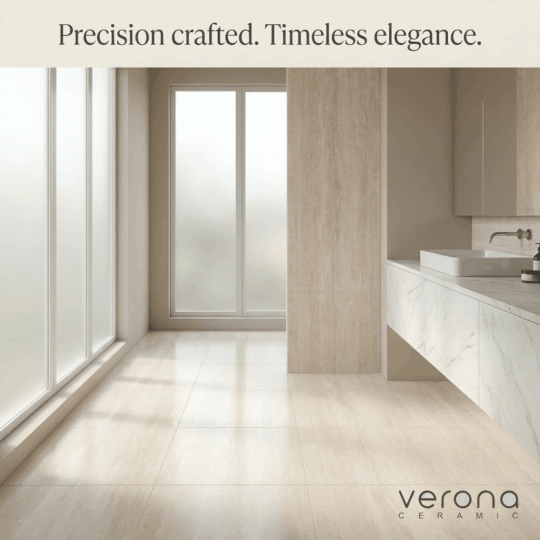
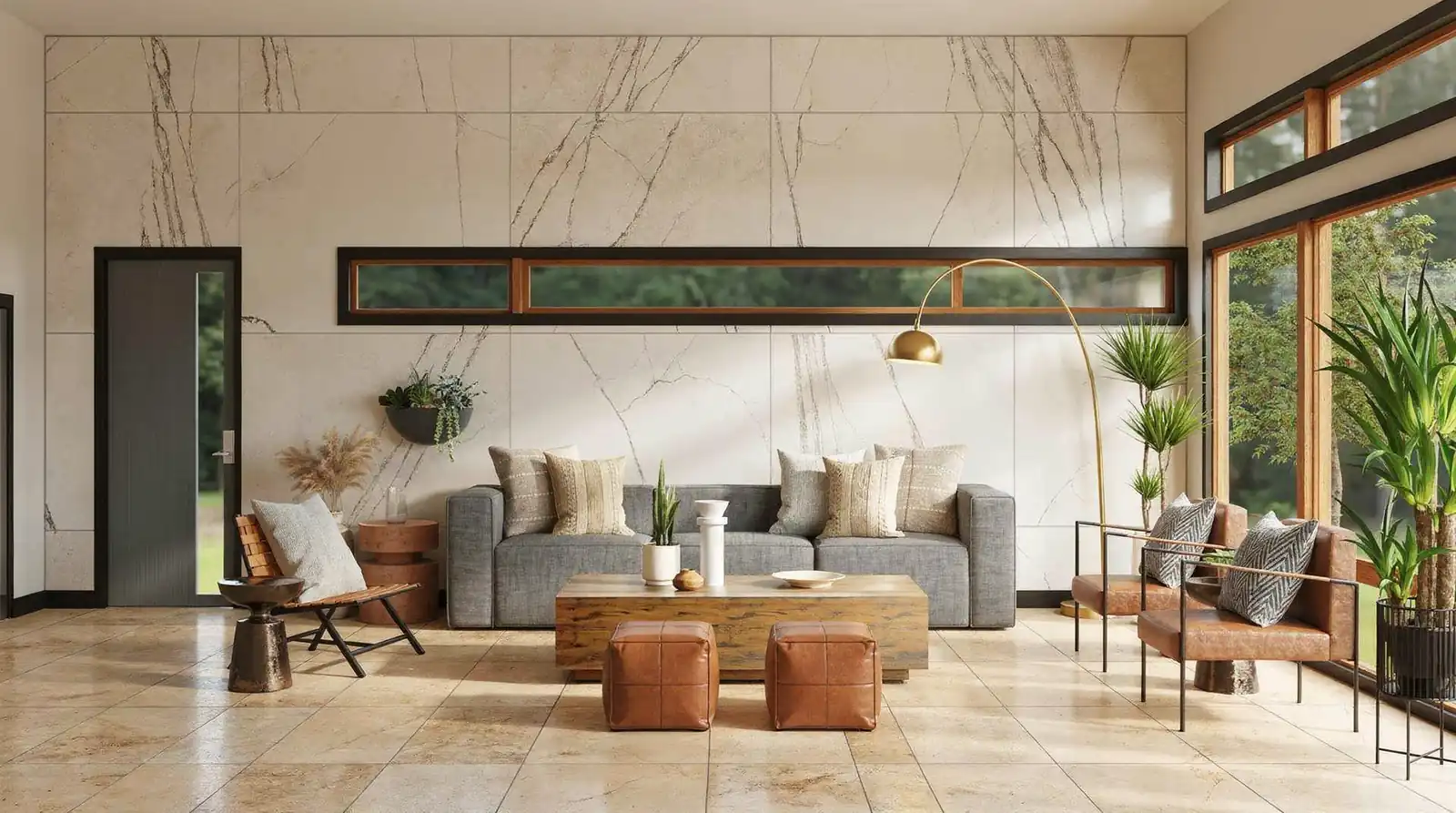
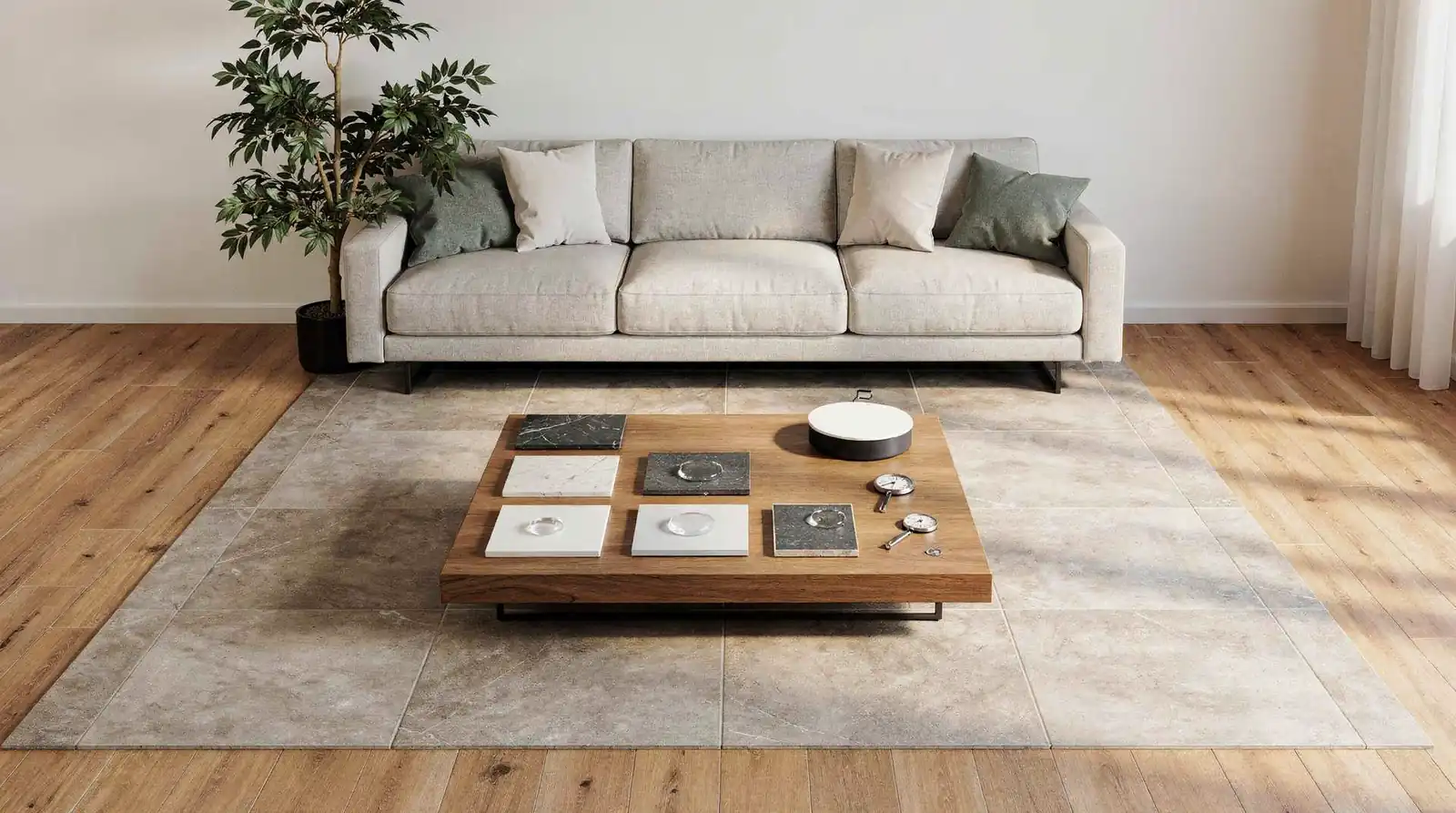
Two cutting methods define the visual character of travertine-look surfaces: cross-cut and vein-cut. Cross-cut slabs reveal soft, cloud-like patterning, while vein-cut slabs produce linear, directional veining. Choosing between the two shapes the entire room’s mood, from an organic Mediterranean feel to a sleek, structured look.
Size selection carries equal weight. Room perception and layout planning shift dramatically depending on format. Compact ensuites typically call for smaller tiles that keep proportions balanced. Larger bathrooms and open living areas suit bigger formats that reduce grout lines and visual clutter.
What finish works best for travertine porcelain in Melbourne homes?
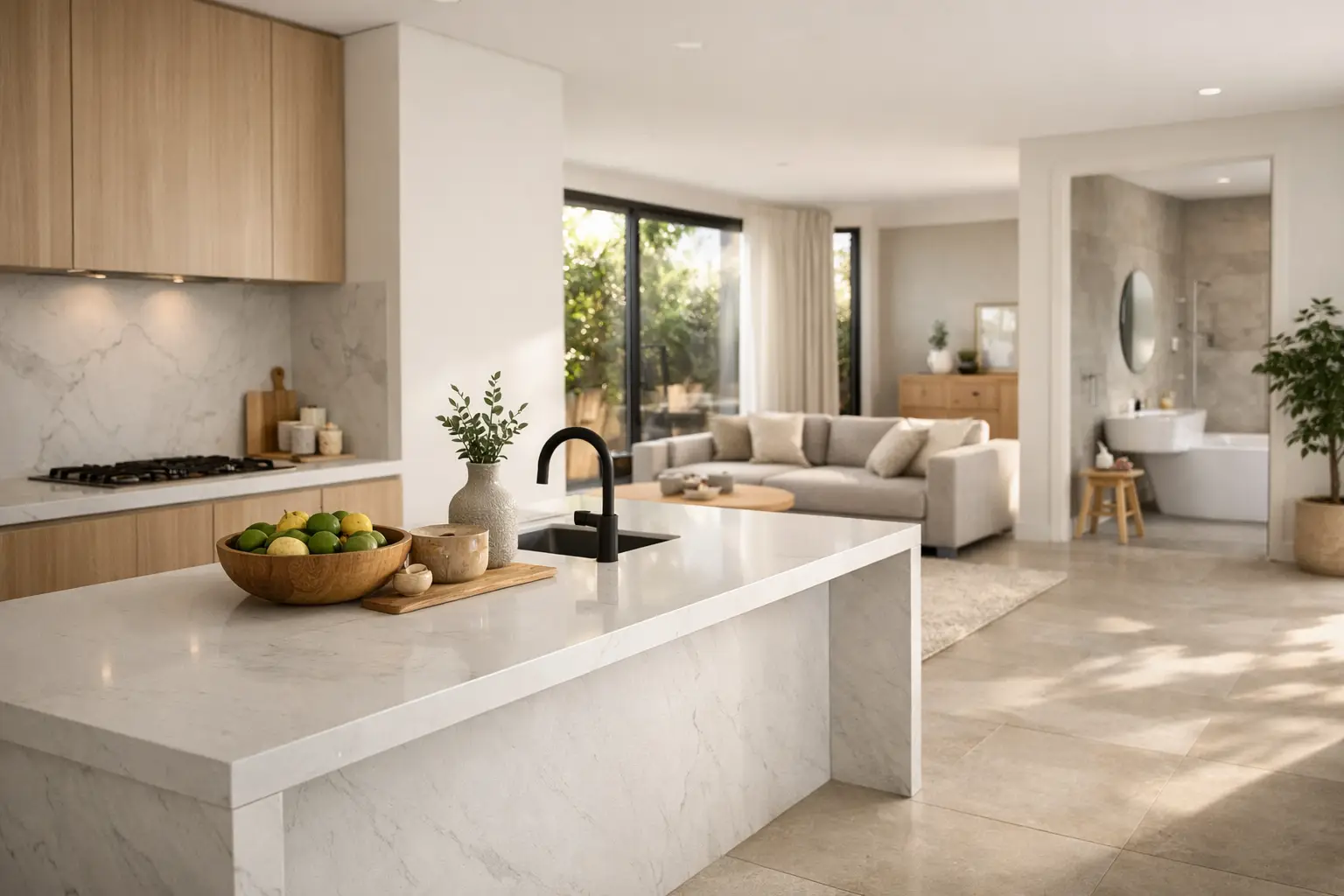
A travertine porcelain Melbourne renovation typically favors a matte finish with rectified edges, a combination common across premium collections. Rectified edges allow tighter grout joints. A cleaner, more contemporary finish suited to both floor and wall applications in residential and commercial settings.
How should tile type match each room?
Not every space calls for the same material. A practical travertine porcelain guide considers how porcelain, ceramic, and stone-look finishes perform differently across wet and dry zones:
- Bathrooms and laundries: porcelain or stone-look tiles for moisture resistance
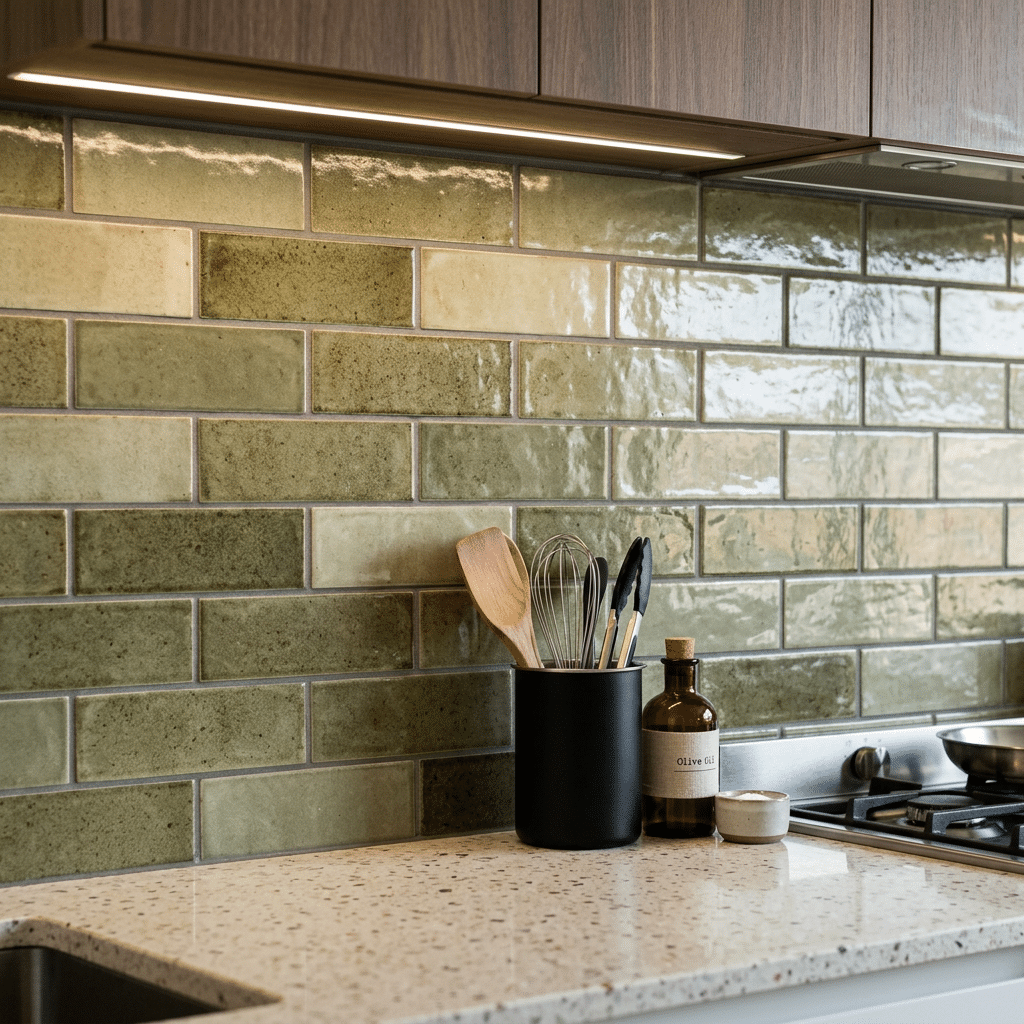
- Kitchens: durable porcelain suited to both floors and splashbacks
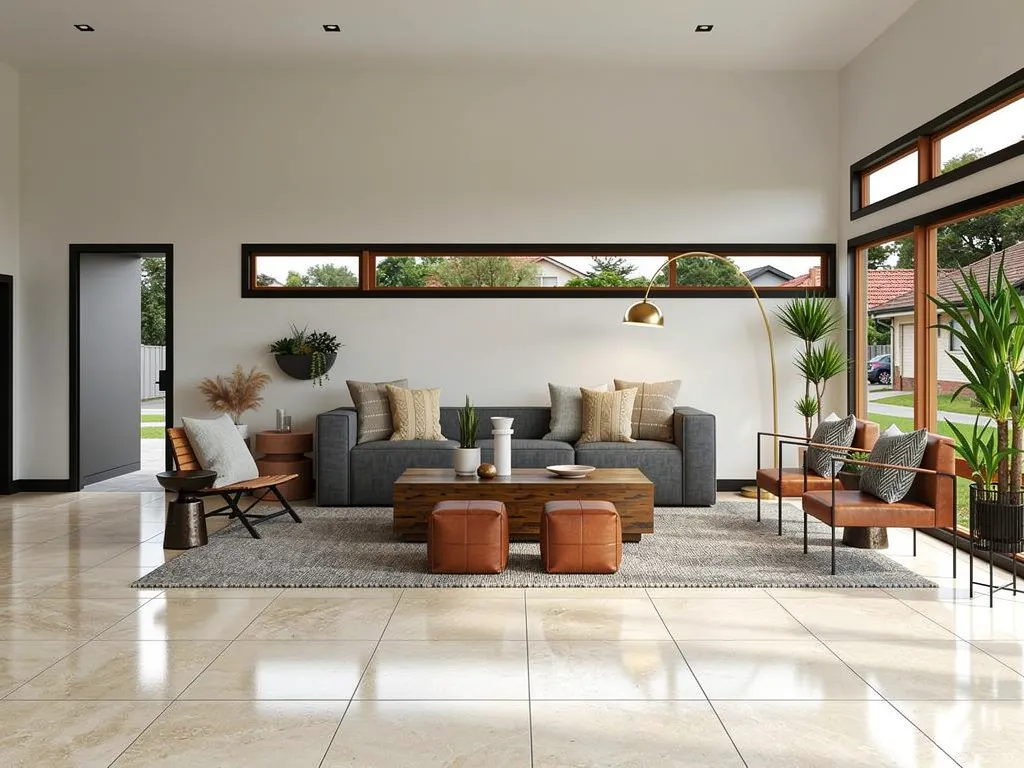
- Living areas: larger-format tiles for an expansive look with fewer grout lines
Renovators ready to buy travertine look tiles should weigh cut style, finish, and format together before finalizing a floor plan.
How Do You Buy With Confidence In Melbourne?
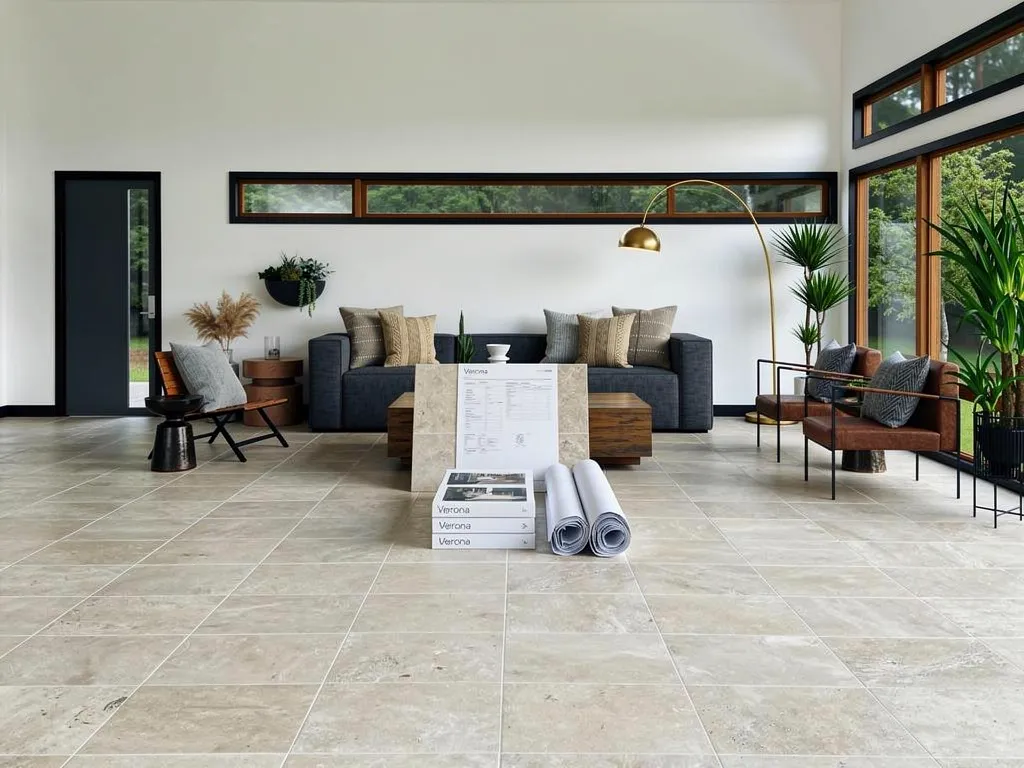
Confidence starts with supply chain transparency, not the lowest sticker price. Real value in a travertine porcelain Melbourne purchase comes from direct sourcing relationships, clear technical documentation, and delivery timelines that hold up under renovation pressure. Buyers who focus only on cost per square meter often discover the real expense later, in delays or mismatched product.
What Technical Data Should Buyers Check Before Purchasing?
Purchasing decisions should rest on verified physical performance data, not marketing claims. Reputable suppliers disclose body material composition, wear resistance ratings, slip resistance figures, and porosity levels for every travertine-look range. This is the core of any reliable travertine porcelain guide: matching documented specifications to the room’s actual demands, whether that’s a splash-prone bathroom or a busy entryway.
Why Does Local Stock Matter for a Renovation Timeline?
Locally held warehouse stock protects a project schedule. Renovations depend on tight sequencing between waterproofing, cabinetry, and fit-off trades, and a shipment stuck overseas stalls every trade behind it. A single delayed container can push a tiling start date back by weeks, which then cascades into cabinetry installation, plumbing fit-off, and final handover, adding cost well beyond the price of the tile itself. Sourcing from local inventory avoids the downtime that comes with international freight delays or long backorder cycles, and it also allows for like-for-like batch matching if additional tiles are needed mid-project or during a future repair.
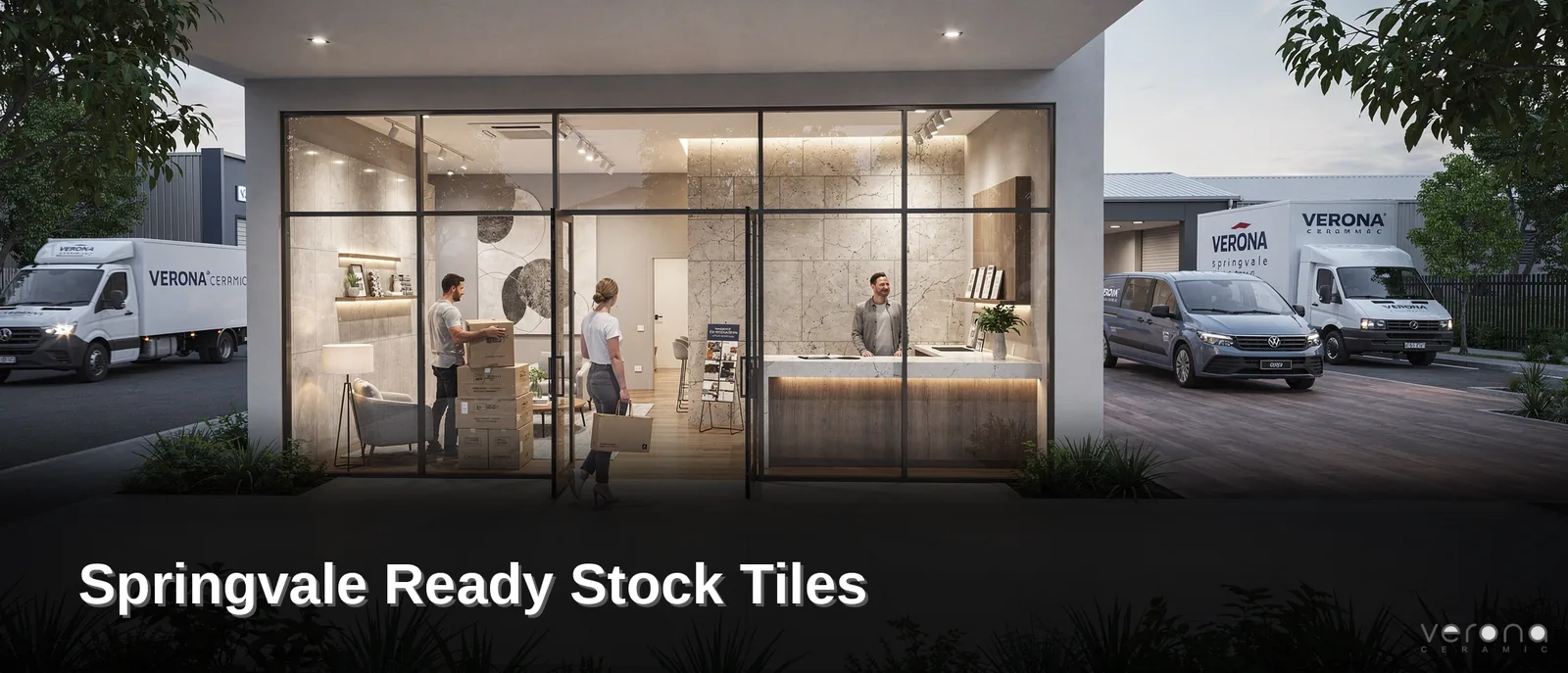
Melbourne renovators and designers ready to buy travertine look tiles benefit from inspecting samples in person. Verona Ceramic’s Springvale, VIC showroom offers exactly that opportunity, letting clients compare veining, finish, and color variation firsthand before committing to a full order.
What Long-Term Performance Can Homeowners Expect?
Travertine-look porcelain is chosen for how it performs years after installation, not just how it looks on the showroom floor. Understanding wear resistance, cleaning routines, and lifecycle cost helps buyers judge whether a range genuinely suits their household or project.
How much maintenance does travertine-look porcelain actually need?
Routine care is limited to regular sweeping and a standard pH-neutral tile cleaner. Because porcelain has near-zero porosity compared to natural travertine, it will not absorb spills, oils, or garden soil, so there is no periodic resealing to schedule and no risk of staining from wine, coffee, or outdoor grime soaking into the surface. This is a meaningful point of difference for busy households and rental properties, where upkeep needs to stay minimal without compromising appearance.
How does it hold up in high-traffic and outdoor areas?
Porcelain’s density gives it high resistance to scratching, impact, and surface wear, which is why it performs well in entries, hallways, kitchens, and alfresco areas that see constant foot traffic and furniture movement. Frost resistance and dimensional stability also make suitable ranges viable for exterior paving and pool surrounds in Melbourne’s climate, where natural travertine would need more careful sealing and monitoring against freeze-thaw damage and efflorescence.
Does the investment pay off over the life of a renovation?
While travertine-look porcelain and natural travertine can sit at a comparable price point at purchase, porcelain’s total cost of ownership is typically lower once resealing, stain remediation, and replacement of damaged stone are factored in over a 15 to 20 year horizon. For renovators weighing a travertine porcelain Melbourne purchase against imported natural stone, that lifecycle saving, combined with consistent slab-to-slab color matching, is often the deciding factor.
FAQ
Do travertine-look porcelain tiles need sealing like natural stone?
No. Porcelain resists moisture, wear, and chemical exposure without any sealing step, unlike natural travertine, which demands regular resealing to stay watertight.
What’s the difference between cross-cut and vein-cut travertine porcelain?
Cross-cut slabs reveal soft, cloud-like patterning for an organic Mediterranean feel. Vein-cut slabs produce linear, directional veining for a sleek, structured look.
What finish and edge style suit a Melbourne travertine porcelain renovation?
Premium collections favor a matte finish with rectified edges, which allow tighter grout joints and a cleaner, contemporary look for floors and walls.
Facts
- Verona Ceramic is located in Springvale, VIC, AU.