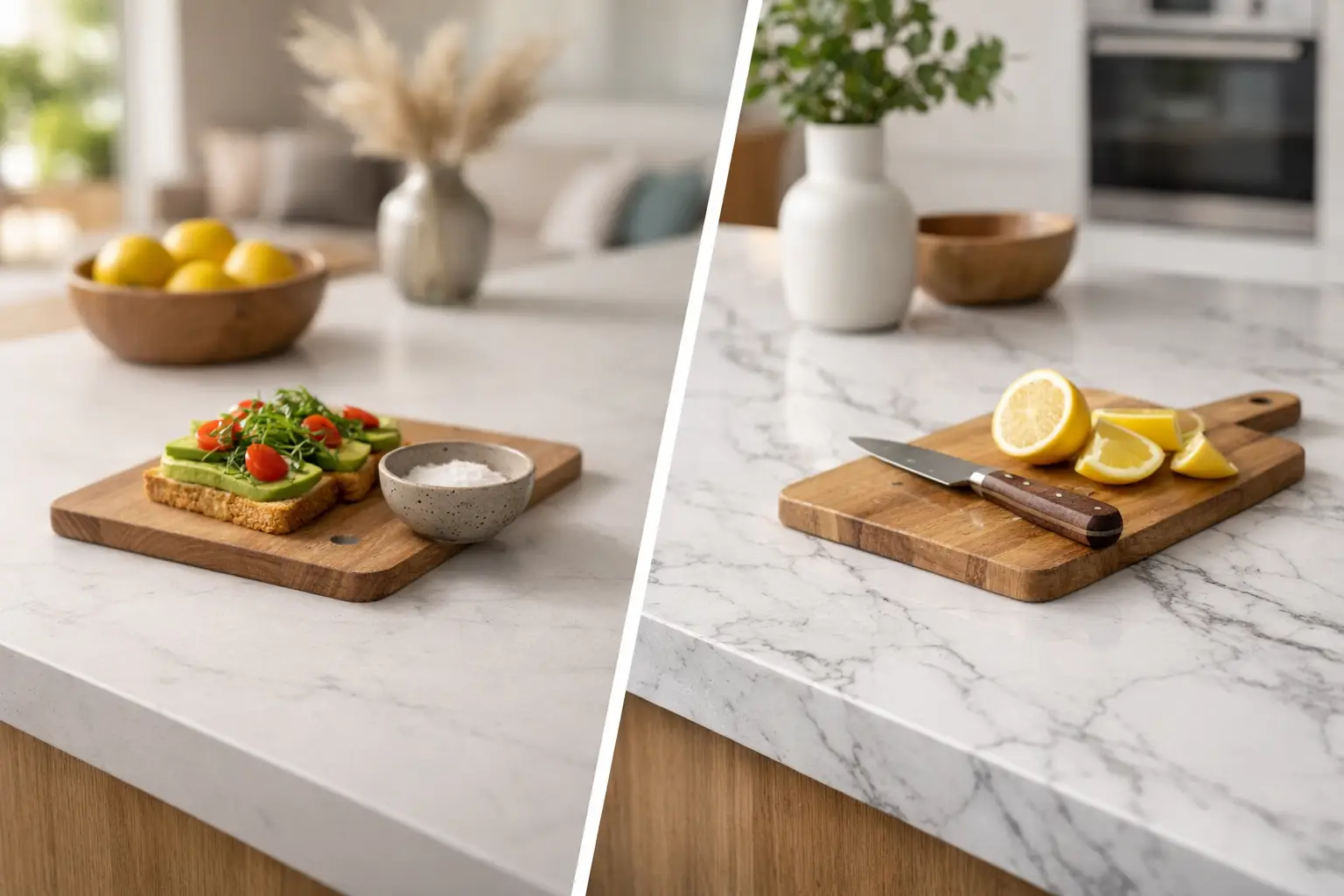
A kitchen benchtop has to cope with far more than a good first impression. It needs to handle busy breakfasts, school bags, cooking spills, warm serving dishes and years of daily cleaning. When comparing zero silica versus quartz, the key difference is not simply the look of the slab. It is the material composition, the way it can be processed, and how confidently it fits current Australian requirements for a safer renovation.
For homeowners, designers and builders, both material categories can offer a polished, premium finish. The right choice depends on the product specification, the intended use of the kitchen and the quality of fabrication. Looking beyond a sample piece is the best way to select a surface that remains beautiful in everyday family life.
Zero Silica Versus Quartz: The Material Difference
Traditional engineered quartz benchtops are generally made by combining crushed natural quartz with resin and pigments. Quartz is a form of crystalline silica. While a finished quartz benchtop is a solid surface, cutting, grinding or drilling a silica-containing product can create hazardous respirable crystalline silica dust if it is not appropriately controlled.
Zero-silica engineered surfaces are designed without crystalline silica. Their precise ingredients vary by manufacturer, so it is wise to ask for the product technical data and declaration of composition rather than relying on a broad product label alone. These innovative surfaces are developed to provide the appearance and practical performance homeowners expect from a premium benchtop while supporting a safer approach to fabrication.
This distinction matters particularly in Australia. The national prohibition on engineered stone containing crystalline silica has changed how benchtop materials are specified, supplied and installed. A product’s suitability depends on its composition and the applicable regulations, so your supplier and fabricator should be able to provide clear documentation and confirm the material is appropriate for the project.
Natural stone should not be confused with either category. Materials such as marble and granite have their own mineral compositions, care needs and fabrication considerations. A comparison should always be made between specific slabs or ranges, not just broad labels.
Why Safety Starts Before Installation
A benchtop is only one part of the renovation process. The greatest safety advantage of a zero-silica surface relates to the people measuring, cutting and finishing it before it reaches your home. Choosing a compliant zero-silica product helps cabinet makers, stonemasons, builders and homeowners work from a clearer, more responsible specification.
That does not mean installation standards can be overlooked. Any benchtop should be measured accurately, transported carefully, supported correctly by cabinetry and cut only by qualified professionals using appropriate methods and equipment. Sink and cooktop cut-outs, edge details and joins all require careful planning. Good workmanship protects the finish, helps prevent stress cracks and gives the kitchen a refined final appearance.
For a family home, this is a reassuring way to think about material selection. You are not just choosing a colour for the island. You are considering the full pathway from product supply through to a finished kitchen that is designed for everyday use.
Appearance: More Options Than Many Expect
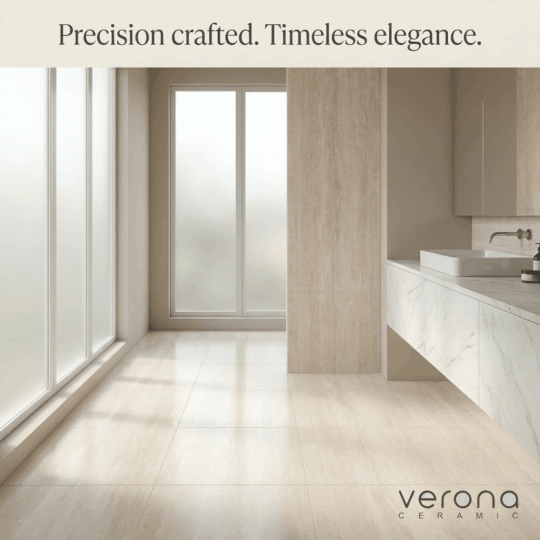
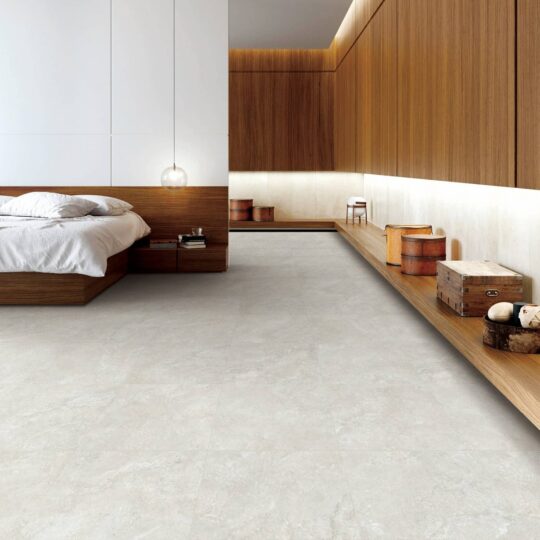
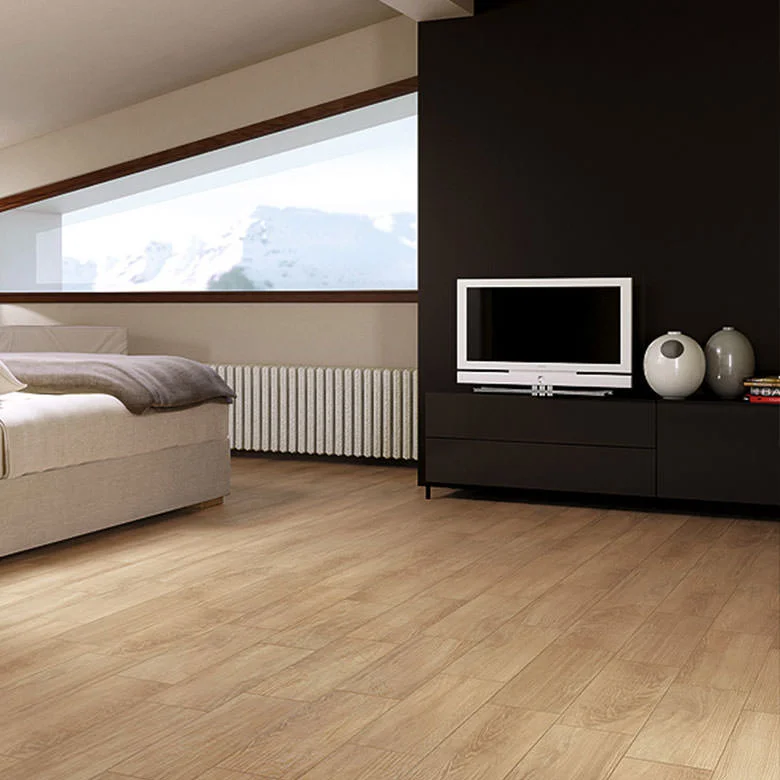
Early engineered surfaces were often recognised by a consistent, fine-speckled pattern. Today, zero-silica benchtops are available in a much wider range of colours, veining and finishes. Soft white marble-inspired designs, warm beige tones, concrete-look greys and deeper architectural colours can all work beautifully with timber cabinetry, porcelain splashbacks and large-format floor tiles.
The most successful choice is usually guided by the room rather than by a small sample alone. A dramatic veined slab can become a striking focal point on a large island, especially when the pattern is bookmatched or continued onto an upstand. In a compact kitchen, a quieter surface may make the room feel more open and allow feature tiles, handles or joinery to take the lead.
Finish also affects the experience of the benchtop. A polished surface reflects light and can bring a more formal, luminous feel to the kitchen. Honed and matte finishes tend to offer a softer, contemporary look and may suit homes using matte kitchen tiles, textured timber or understated cabinetry. Ask to view a full slab where possible, because movement, veining and tonal variation are easier to understand at scale.
Durability and Daily Performance
Neither zero-silica nor quartz is a single, identical material. Performance depends on the individual product, thickness, resin system, finish and installation. That said, a well-made engineered surface is generally chosen for its low porosity, practical stain resistance and easy-care appeal.
For normal kitchen use, both may handle common spills well when cleaned promptly. Oil, lemon juice, tomato sauce, coffee and coloured drinks should not be left sitting for long periods, particularly on lighter shades or textured finishes. A soft cloth, warm water and a mild pH-neutral cleaner are usually enough for routine care. Abrasive scourers, harsh chemicals and strong solvents can dull or damage some finishes, so follow the manufacturer’s care advice.
Heat and impact deserve realistic expectations. Benchtops are not chopping boards, and even a durable surface can chip if a heavy cast-iron pan strikes an exposed edge. Use a chopping board for food preparation and a trivet for hot cookware. This simple routine protects the surface, preserves the finish and helps avoid avoidable repair work.
Edge profiles should be selected with daily use in mind. A square edge looks crisp and architectural but can be more exposed to knocks than a gently softened profile. Families with young children, or kitchens that see plenty of entertaining, may prefer an edge detail that balances clean design with practical resilience.
The Details That Influence the Final Price
Comparing only the advertised square-metre rate rarely gives a complete picture. The final benchtop cost is influenced by slab size, thickness, edge profile, cut-outs, drainage grooves, splashbacks, joins, access to the home and installation complexity. A long waterfall end or a heavily veined slab that needs careful pattern matching can require additional planning and material.
A quality quote should make these inclusions clear. It should identify the selected surface, thickness, finish, edge treatment, number of cut-outs and installation scope. This is especially helpful when coordinating cabinetry, appliances and splashback tiles, because measurements need to be confirmed after cabinets are in place.
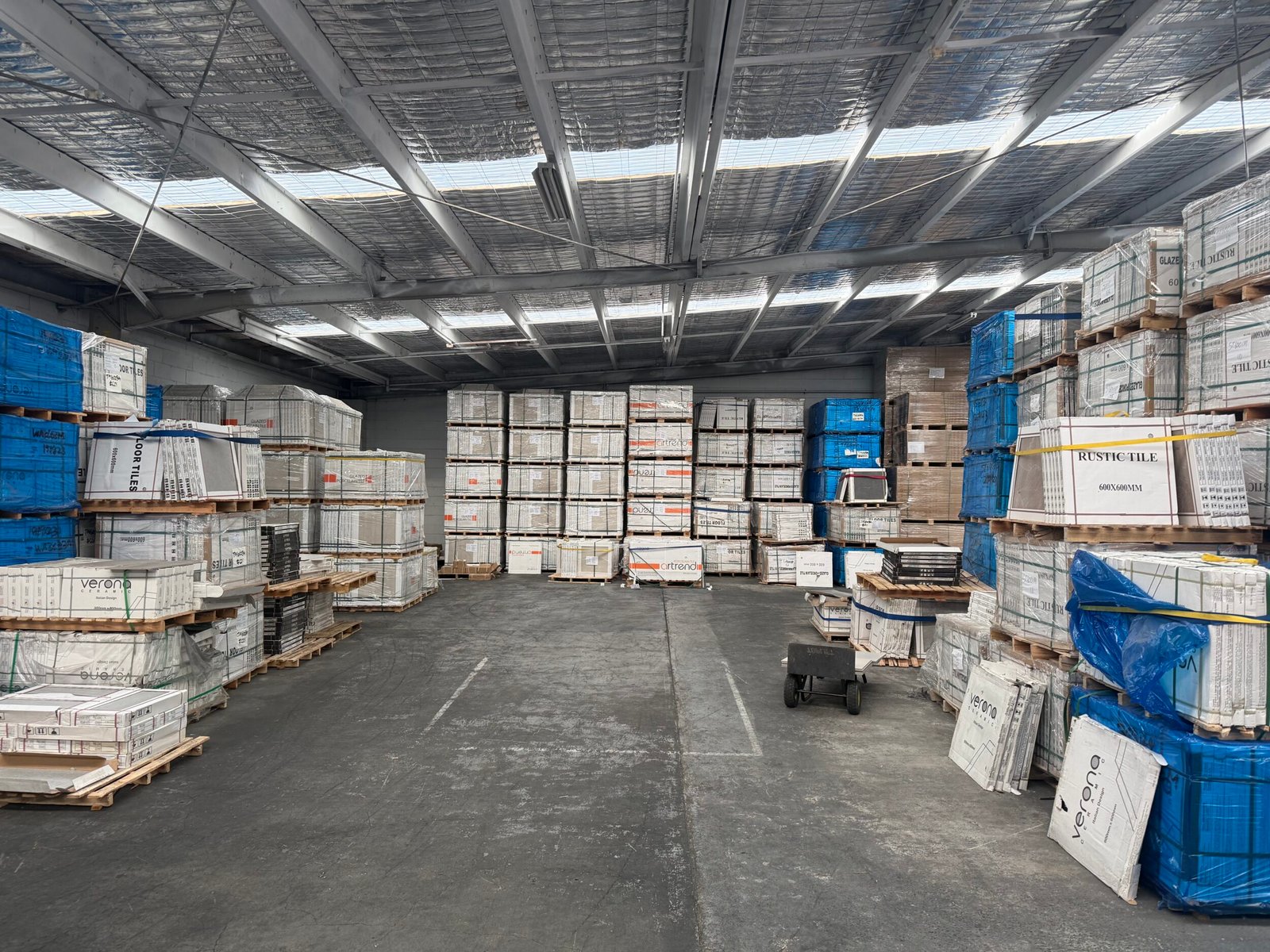
Ready stock can make a genuine difference to renovation timing. When slabs are available locally, homeowners and trades can move from final measure to fabrication with fewer supply uncertainties. For Melbourne projects, working with a supplier that holds warehouse stock can also make it easier to inspect the actual slab before it is allocated to your kitchen.
How to Choose the Right Surface for Your Kitchen
Start with the practical brief. Consider how the kitchen is used, who will use it and which design elements need to work together. A busy family kitchen may prioritise a forgiving mid-tone colour and a simple, easy-clean finish. A high-end architectural kitchen might place greater emphasis on slab movement, waterfall panels and a tailored edge profile.
Next, ask for clear product documentation. For a zero-silica benchtop, confirm the material composition, care instructions, warranty information and suitability under current Australian requirements. Your fabricator should also explain where joins will sit, whether the desired overhang needs extra support and how the sink and cooktop will be finished.
It is also helpful to bring cabinet door samples, tile samples and flooring swatches to the selection appointment. Whites can vary from crisp blue-white to warmer cream, while grey surfaces can read cool or taupe depending on the natural light. Looking at materials together prevents small undertone clashes that become more obvious once the kitchen is complete.
At Verona Ceramic, a considered selection process can include free measuring and 3D design support, helping homeowners visualise how a zero-silica surface, porcelain tiles and joinery will work as one complete scheme. This is particularly valuable for larger renovations where the kitchen needs to connect naturally with adjoining living, dining or outdoor areas.
A Better Question Than “Which Is Best?”
Zero silica versus quartz is not a contest decided by appearance alone. Traditional quartz has been widely used for its consistent finish and practical care, but the presence of crystalline silica has changed the regulatory and safety conversation in Australia. Zero-silica engineered surfaces offer a forward-looking alternative for projects seeking premium architectural surfaces with clearer alignment to current material expectations.
The best result comes from selecting a compliant, well-documented product and pairing it with careful fabrication, accurate installation and a finish that suits your home. Take the time to view the slab, check the technical details and choose a colour you will still enjoy on an ordinary Tuesday morning. That is where enduring quality becomes part of daily living.