A renovation can lose momentum quickly when the tile you selected is unavailable, delayed, or different from the sample you approved. Choosing a factory direct porcelain tile supplier gives homeowners and trade professionals a clearer path from selection to installation: quality surfaces, dependable stock and practical advice in one place.
For kitchens, bathrooms, living areas and full-home renovations, porcelain remains one of the most hardworking materials available. It brings a refined architectural finish to a room while standing up to daily spills, wet feet, busy family routines and regular cleaning. The key is not simply choosing a beautiful tile. It is choosing the right product, in the right quantity, from a supplier that understands the details behind a successful project.
What a factory direct porcelain tile supplier changes
Factory-direct supply can reduce unnecessary layers between the manufacturer and your project. That creates better visibility around product availability, batch consistency and pricing, while allowing buyers to focus their budget on enduring quality rather than avoidable mark-ups.
For Melbourne renovators, ready warehouse stock is especially valuable. A tile may look perfect in a showroom, but availability is what keeps a renovation moving once waterproofing, cabinetry, trades and delivery dates are in play. Before committing, confirm that the required quantity is available from the same production batch and allow additional material for cuts, waste and future repairs.
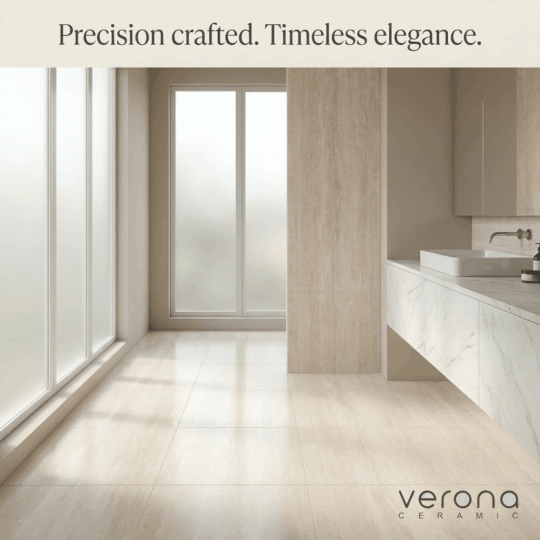
A local supplier should also be able to discuss the real-world requirements of each space. A polished large-format tile can be striking in a light-filled living room, for example, while a matte finish with suitable slip resistance may be the more practical choice for a bathroom floor or external entry. Good advice protects both the look of the home and the longevity of the installation.
Why porcelain works so well in family homes
Porcelain tile is fired at high temperatures to create a dense, low-porosity surface. In practical terms, that means it is highly resistant to moisture, stains, scratching and fading when correctly specified and installed. It is a sensible material for spaces where life happens every day.
Kitchen tiles need to handle cooking splashes, dropped utensils and regular mopping without becoming difficult to maintain. Bathroom tiles need to perform in humid conditions, with floor finishes selected carefully for grip and drainage. In open-plan living areas, porcelain offers a clean, cohesive surface that suits both contemporary and classic interiors.
Its low-maintenance nature is a major advantage for families. Most everyday cleaning requires little more than a pH-neutral cleaner and a soft mop or cloth. Unlike surfaces that need frequent sealing or special treatment, quality porcelain is designed for straightforward care. Grout still needs appropriate selection and maintenance, particularly in high-use wet areas, but the tile itself offers reliable everyday performance.
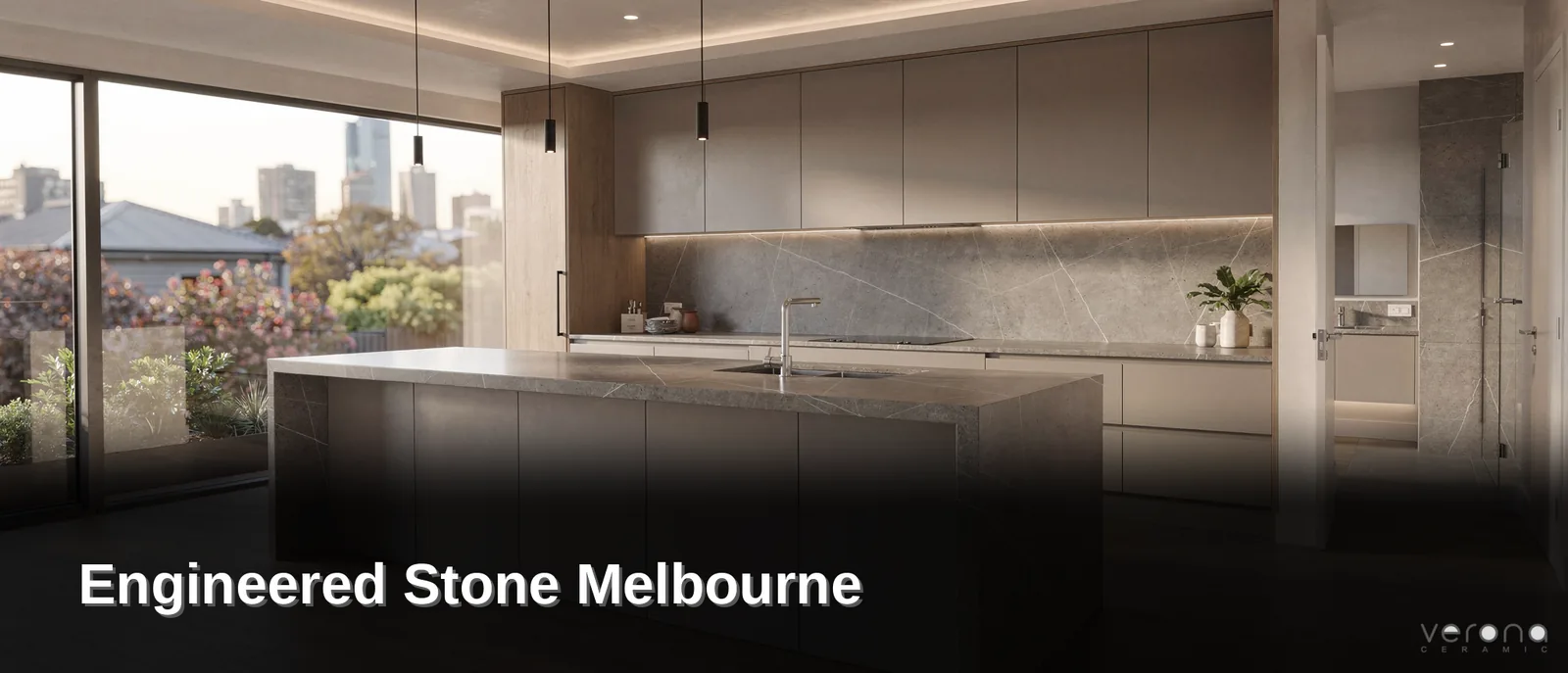
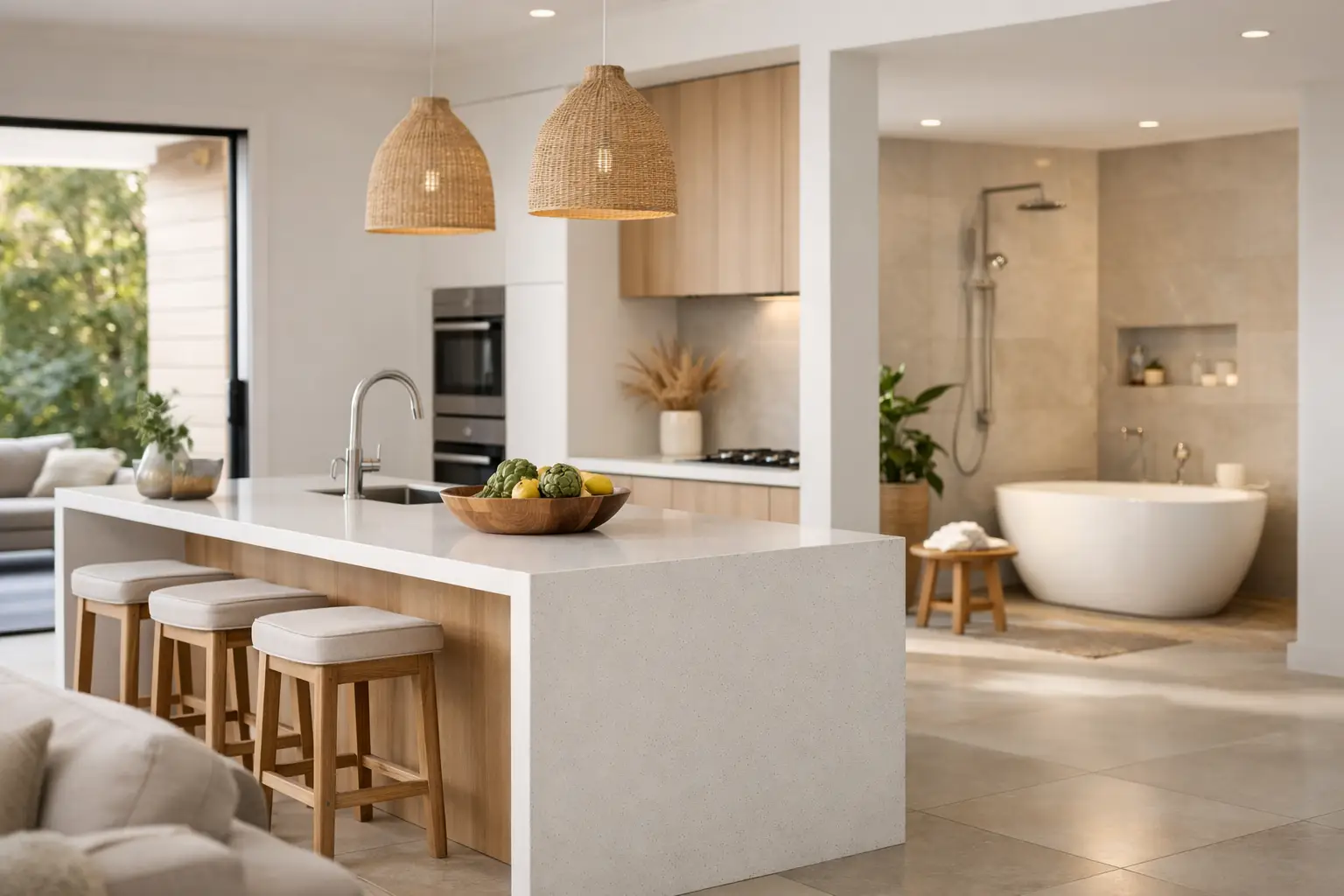
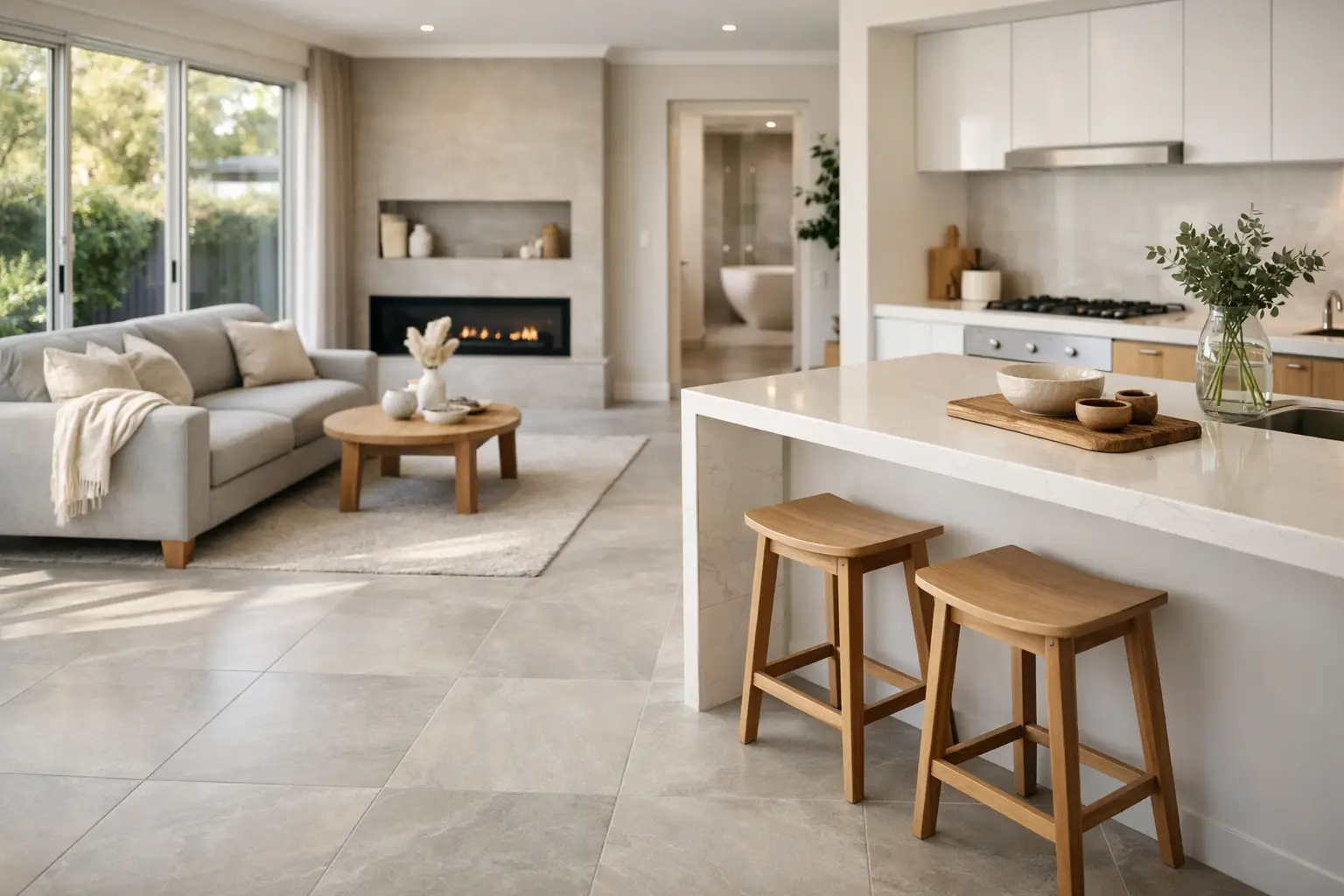
Porcelain is also an excellent match for homes focused on healthier material choices. For kitchens, it can sit beautifully alongside zero-silica engineered stone benchtops, creating a considered palette of safe, durable and easy-care surfaces. A warm stone-look floor, soft matte splashback and calm benchtop colour can make a family kitchen feel premium without being precious.
Choosing tiles by room, not just by colour
Colour and pattern matter, but they should be the final layer of a more practical decision. Start with where the tile will be used, how much traffic it will receive and what kind of maintenance suits the household.
Kitchens and splashbacks
For kitchen floors, a matte porcelain tile is often a comfortable choice because it softens glare and can offer more practical underfoot performance than a high-gloss finish. Large format tiles can make the room feel more open and reduce the number of grout joints, although they require a flat substrate and an experienced tiler to achieve a clean result.
Splashbacks allow more freedom. Gloss finishes reflect light and are easy to wipe down, while textured or handmade-look tiles add character. If choosing a textured surface near cooking areas, consider how easily it will clean around oils and splashes.
Bathrooms and laundries
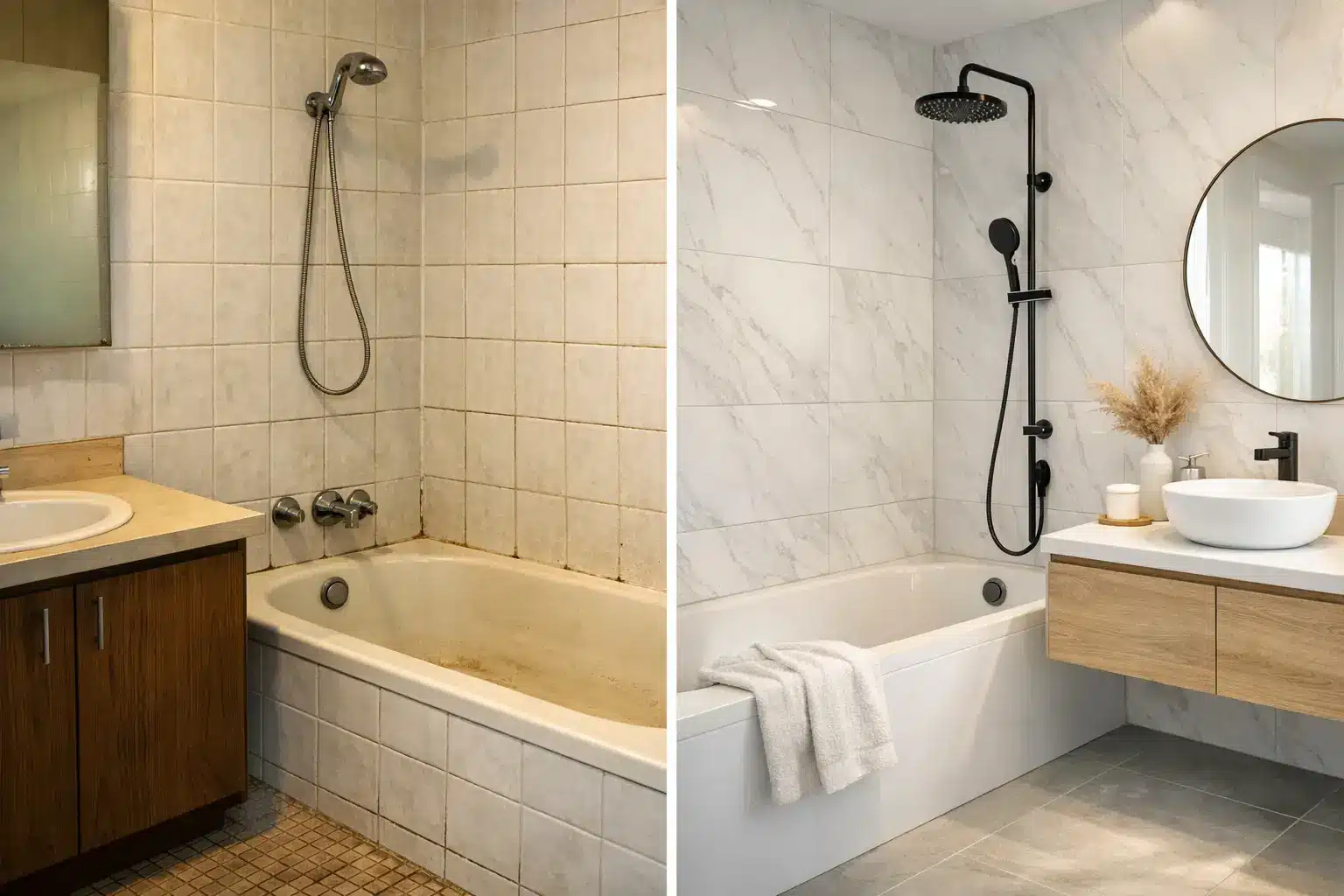
In wet areas, slip resistance deserves as much attention as appearance. Ask about the tile’s relevant slip rating and whether it is suitable for the specific location, including shower floors, bathroom floors and external pathways. Smaller formats or mosaics can be useful on shower floors because their additional grout lines can assist with grip and allow the surface to follow falls toward the drain.
Matte tiles are popular for bathroom floors, while wall tiles can be selected more freely. A large-format wall tile with rectified edges can create a calm, refined look with narrow grout joints, provided the walls are properly prepared.
Living areas and full-home floors
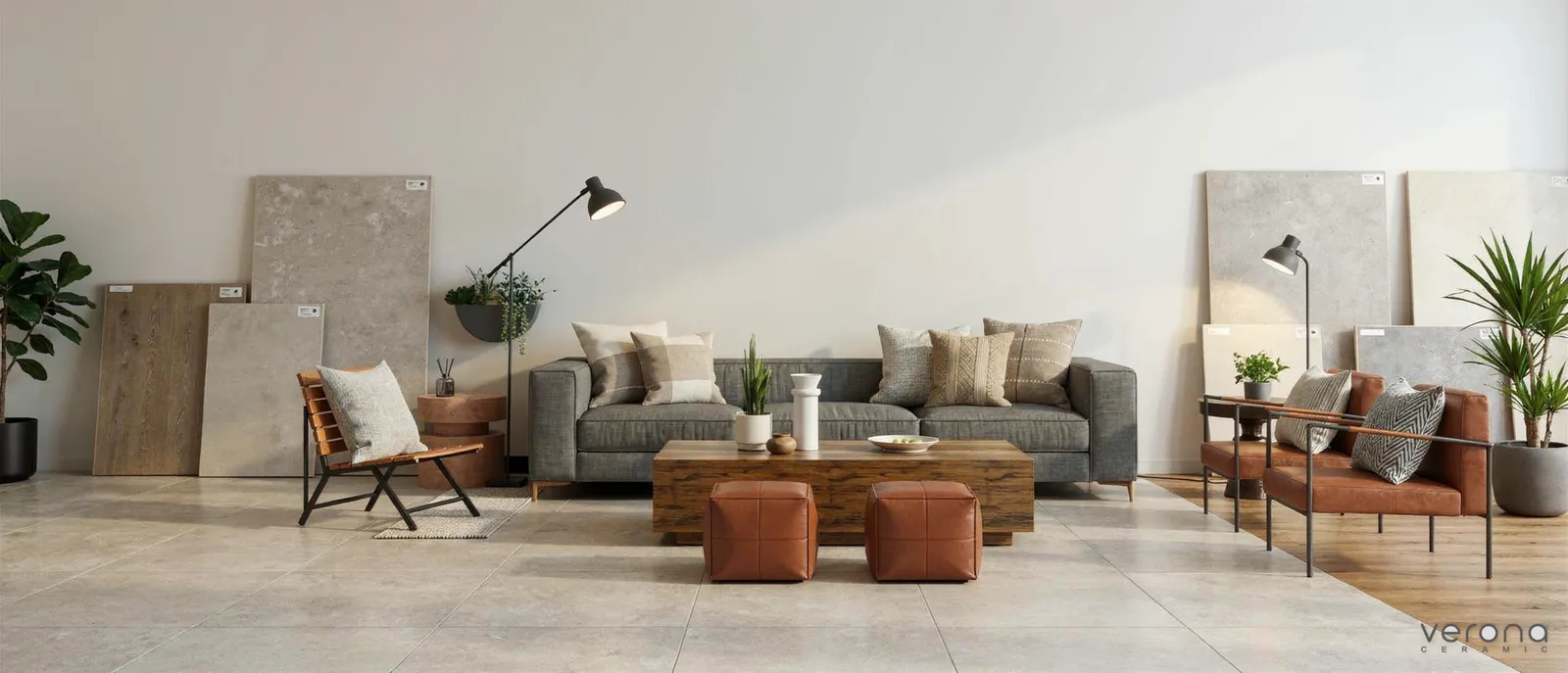
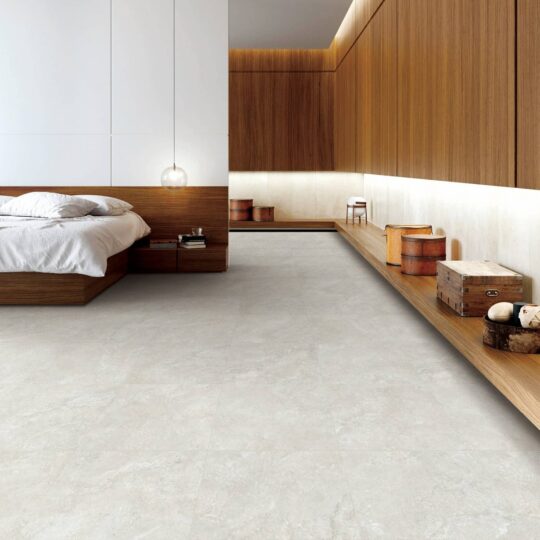
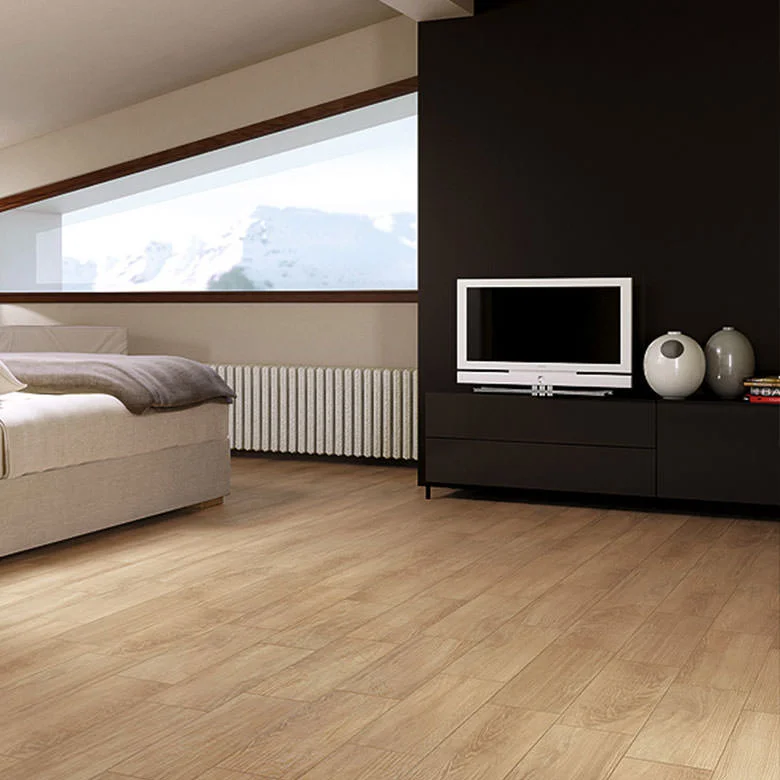
Large format tiles work particularly well through living, dining and hallway spaces where continuity matters. Stone-look porcelain, concrete-look surfaces and timber-look planks can create a composed foundation for the entire home without the upkeep associated with some natural materials.
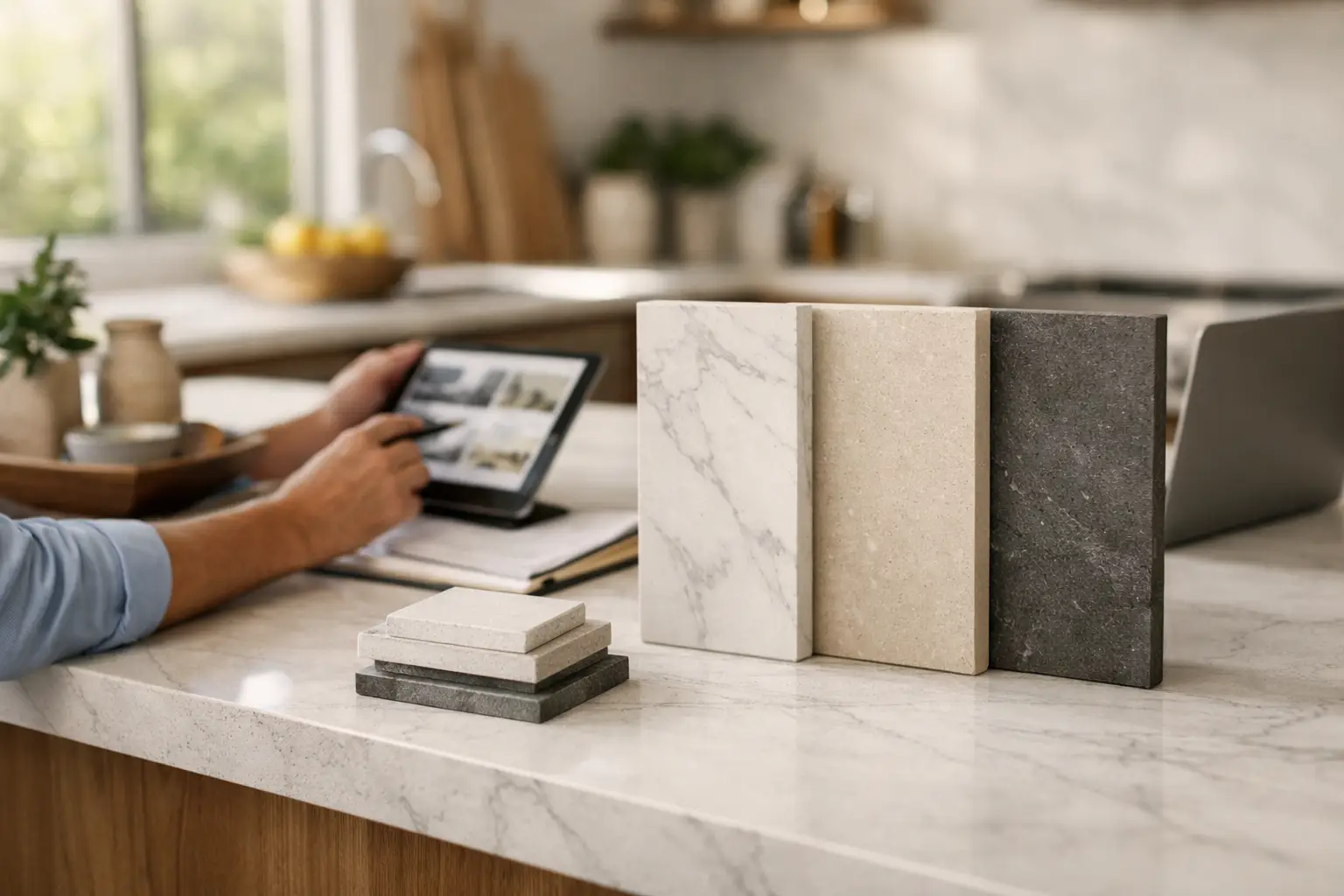
Consider the home’s natural light before settling on a shade. Pale tiles can make compact rooms feel broader, while mid-tone colours are often forgiving in high-traffic family zones. Ordering samples and viewing them across morning, afternoon and artificial light is a worthwhile step before finalising the selection.
The technical details worth asking about
Premium architectural surfaces should look good in a sample and perform well years after installation. A helpful supplier will explain technical details in plain language and help match them to the application.
PEI rating is relevant for glazed tiles and indicates resistance to surface wear. Higher wear ratings are generally suited to areas with greater foot traffic, but the correct choice still depends on whether the tile is installed on a wall, a quiet ensuite floor or a busy entrance. Slip resistance describes how a surface performs underfoot and becomes particularly important in wet or outdoor areas.
Finish affects both appearance and maintenance. Polished porcelain offers reflection and a more formal feel, but may show water marks or require more frequent cleaning in certain spaces. Matte finishes tend to be understated and practical. Textured finishes can bring extra grip, though deeper textures may need a little more attention during cleaning.
Size is another installation consideration, not just a design choice. Large format tiles can make a space feel expansive, but they need careful handling, appropriate adhesive coverage and very flat preparation. Smaller tiles are more flexible around curves, drains and detailed layouts. Your tiler should be involved early where large formats, herringbone patterns or complex wet-area layouts are planned.
Stock, quantities and installation planning
Even the best tile selection can be undermined by rushed ordering. Measure each room accurately, then discuss the layout with your tiler before purchasing. Straight-lay patterns usually require less allowance than diagonal, patterned or highly detailed installations. Rooms with many corners, niches or doorways also create more cuts.
It is wise to order a sensible contingency from the same batch. This supports a consistent result and leaves a small reserve for future repairs. Tile batches can vary slightly in tone, pattern and calibre, which is normal in ceramic manufacturing. Seeing the material before installation and checking labels across all boxes helps avoid surprises.
Inspect tiles on delivery or collection before installation. Once tiles have been fixed, concerns relating to shade, finish or size are much harder to resolve. Store cartons flat, dry and protected on site, and make sure the installation team has confirmed the substrate condition, waterproofing requirements and adhesive system before work begins.
For projects with tight timelines, choosing ready stock tiles from a Melbourne warehouse can make a substantial difference. It allows builders, tilers and homeowners to coordinate collections or deliveries around the actual construction programme, rather than relying on an uncertain arrival date.
Design support makes confident choices easier
Tiles are easier to choose when they are viewed as part of a complete room. The relationship between floor tile, wall tile, cabinetry, tapware, paint and benchtop can shift a scheme from simply coordinated to genuinely resolved.
At Verona Ceramic, free measuring and 3D design support can help homeowners visualise proportions, tile placement and colour balance before materials are ordered. This is particularly useful for bathroom renovations, open-plan flooring and kitchens where zero-silica benchtops and porcelain surfaces need to work together. For architects, designers and builders, early product selection also helps create clearer documentation and fewer site changes later.
A well-planned tile choice should feel just as right after hundreds of school mornings, dinner preparations and weekend gatherings as it did on the day it was selected. Start with performance, confirm stock and installation requirements, then choose the surface that makes everyday living feel more beautiful.