By Verona Ceramic Editorial Team · Updated 2026-09-01
When it comes to verona22-zero-silica-safety, zero silica benchtops contain less than 1% crystalline silica, compared to 90-95% in traditional quartz surfaces, drastically cutting respirable dust exposure linked to silicosis and lung disease during fabrication. Homeowners and fabricators gain quartz-level durability and performance with markedly improved workplace safety and compliance. Zero Silica Stone: Safety and What You Need to Know
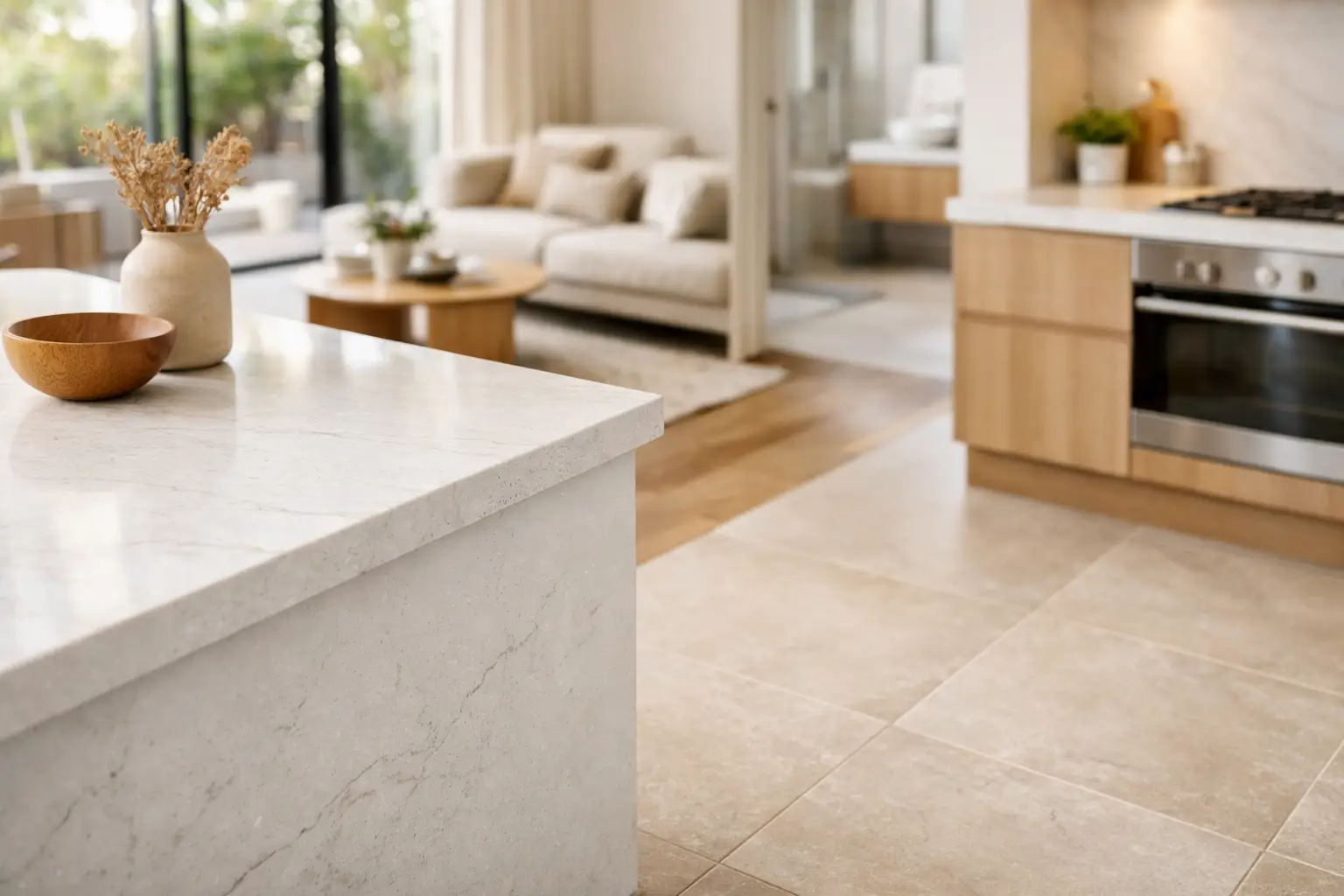
Zero-silica engineered stone contains less than 1% crystalline silica, compared to 90-95% in traditional quartz surfaces, cutting respirable dust exposure during fabrication and installation. Zero Silica Stone: Safety and What You Need to Know Since Australia’s ban on high-silica engineered stone, homeowners, renovators, and builders gain compliant benchtops with quartz-level durability, workplace safety, and marble-inspired designs like Sahara Sand.
Why Is Zero Silica Stone Safer for Your Home?
Crystalline silica content separates safe benchtop materials from hazardous ones. Traditional quartz surfaces contain 90–95% crystalline silica, while zero-silica safety standards require less than 1%. That single distinction changes the entire risk profile of a kitchen renovation, from fabrication in the workshop to installation day in the home.
The danger comes from dust, not the finished slab. Prolonged inhalation of silica dust during cutting, grinding, and polishing caused serious lung disease among fabricators, prompting Australia’s national ban on high-silica engineered stone. Manufacturing, supplying, or installing engineered stone above the 1% threshold is now prohibited nationwide.
Does Low-Silica Stone Still Perform Like Quartz?
Yes. The zero-silica benefits extend beyond health outcomes to include quartz-level durability, scratch resistance, and design versatility. Homeowners gain a surface engineered for daily kitchen wear without the airborne hazard tied to conventional silica-heavy stone.
What Should Renovators Check Before Choosing a Benchtop?
Any thorough benchtop safety guide, such as verona22-benchtop-safety-guide, starts with confirming silica content below the 1% legal limit. Renovators and builders should request documentation of composition from suppliers before fabrication begins. Compliance protects installers on-site and satisfies the standards introduced under national regulation.

What Practical Benefits Do Zero Silica Benchtops Offer?
Durability paired with dramatically improved workplace safety defines the practical case for zero-silica benchtops. Homeowners, designers, and fabricators gain quartz-level performance without sacrificing strength or finish. Zero silica engineered stone delivers this outcome by pairing that performance with markedly improved safety and compliance outcomes across cutting, grinding, and polishing.
Beyond the manufacturing floor, these surfaces solve everyday kitchen concerns. Silica-free benchtops, often made from recycled glass and polymer resins, resist thermal shocks and UV damage while removing airborne silica dust risks entirely. For renovators comparing materials, this combination of resilience and reduced health exposure represents a genuine upgrade over legacy quartz options.
Are Zero Silica Benchtops as Durable as Traditional Quartz?
Yes. Fabricators report performance on par with conventional quartz, meaning benchtops withstand daily kitchen wear, impact, and heat exposure without compromise. Scale matters too — the provided sources do not mention the specific 1600mm by 3200mm dimensions for the Sahara Sand slab, engineered to minimize grout lines and visible joins, giving kitchens a cleaner, more seamless look.
What Support Comes With a Zero Silica Purchase?
Verona Ceramic, based in Springvale, VIC, supplies zero silica engineered stone in marble-look designs across a broad slab range. Every installation is backed by warranty protection through approved installer programs, giving renovators and builders confidence that workmanship and material quality meet Verona Ceramic’s benchtop safety guide standards from the first consultation through final polish.
How Do You Choose a Compliant Benchtop Safely?
Compliance starts with checking silica content before signing off on any slab. Traditional engineered stone, sold under names such as Caesarstone or Quantum Quartz, commonly contained up to 90 percent crystalline silica, a composition that current regulation no longer permits for new fabrication or installation work. Kitchen renovators planning a 2026 project cannot specify that traditional material, regardless of supplier promises or leftover stock claims. A reliable zero-silica safety standard requires documentation confirming silica content stays below the regulated threshold, not a verbal assurance from a showroom staff member.
What Should Buyers Verify Before Purchasing a Slab?
Buyers should request written composition data, not marketing claims, before committing to a benchtop supplier. Verona Ceramic, based in Springvale, VIC, gives Melbourne-area homeowners and builders direct access to compliant surface options without long freight delays.
Can Shoppers Compare Slabs in Person?
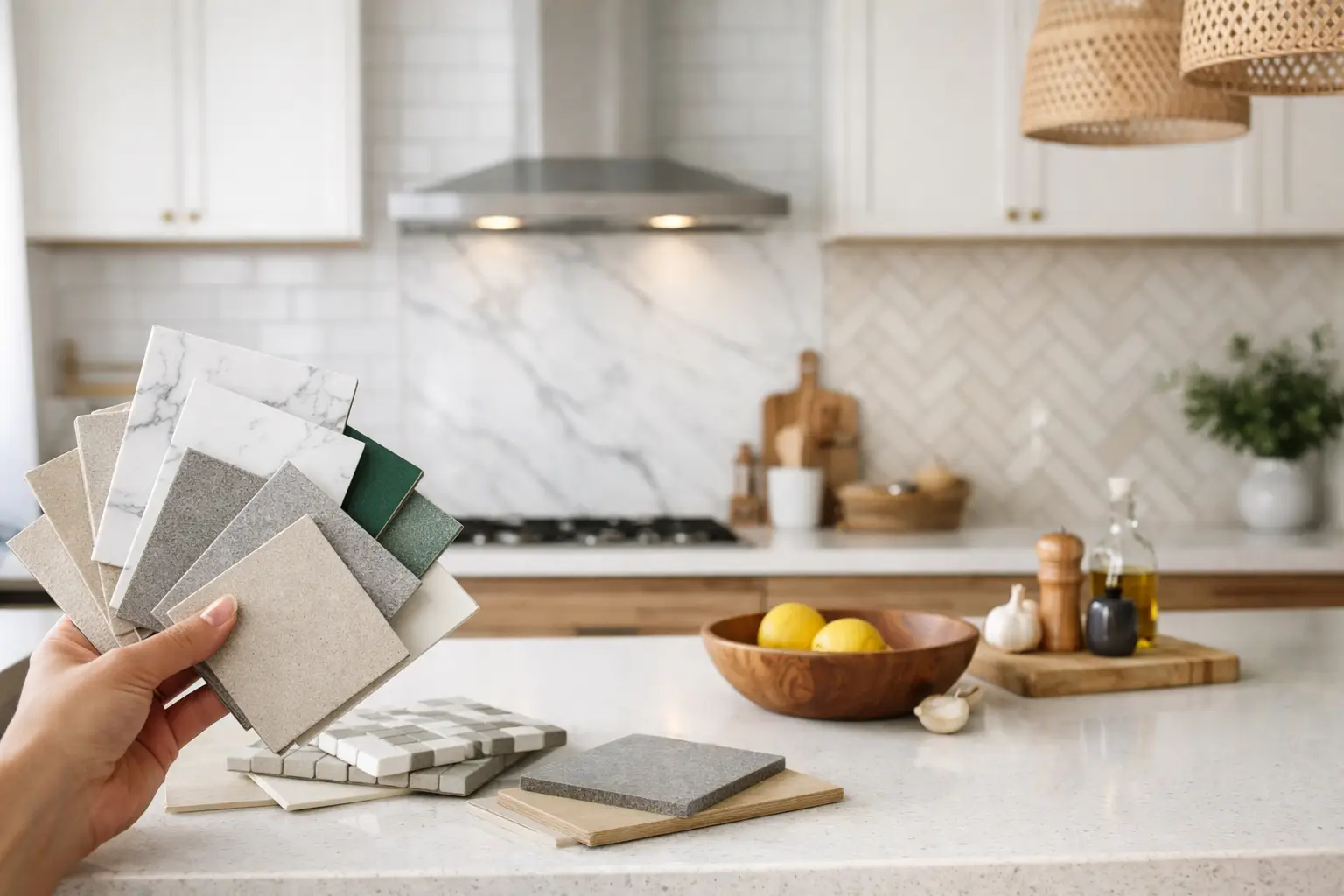
Yes. Prospective buyers can view and physically compare compliant slabs at the company’s Melbourne showroom before finalizing an order. This hands-on step supports a practical benchtop safety guide: inspecting slab finish, edge detail, and veining under real lighting.
A short checklist supports the decision:
- Confirm silica percentage in writing
- Verify installer accreditation
- Assess durability and finish in person
Following these steps captures the core zero-silica benefits, as outlined in verona22-zero-silica-benefits, without guesswork.
FAQ
What makes zero silica benchtops safer than traditional quartz?
Zero silica benchtops contain less than 1% crystalline silica, compared to 90-95% in traditional quartz surfaces. This drastically cuts respirable dust exposure linked to silicosis and lung disease during fabrication.
Do zero silica benchtops sacrifice durability for safety?
No. Zero silica benchtops deliver quartz-level durability and performance while offering markedly improved workplace safety. Compliance, giving homeowners a surface built for daily kitchen wear without airborne silica hazards.
What should renovators verify before selecting a benchtop material?
Renovators should confirm the silica content stays below the 1% legal limit by requesting composition documentation from suppliers before fabrication begins, ensuring compliance and protecting installers on-site.
Conclusion
In closing, zero-silica engineered stone benchtops represent a thoughtful investment in both health and longevity for contemporary Australian homes. By eliminating crystalline silica exposure while delivering marble-look elegance. Superior durability, these surfaces address the practical concerns of discerning homeowners without compromising on aesthetic or performance standards. The combination of safety assurance and lasting value positions zero-silica benchtops as the responsible choice for kitchens designed to endure.