A beautiful outdoor area should still look considered after summer heat, winter rain, muddy shoes and the occasional family barbecue. The right outdoor tiles make that possible, creating a hard-wearing surface that extends the home into the garden without adding a demanding maintenance job to the weekend.
For Melbourne homeowners, the decision is not simply about choosing a colour. Outdoor areas experience changing weather, moisture, direct sun and regular foot traffic. A tile that looks excellent in a showroom can be the wrong choice if its surface is too smooth, its installation is poorly planned or its format does not suit the space. Start with performance, then choose the finish that makes the area feel like home.
Why porcelain outdoor tiles are a practical choice
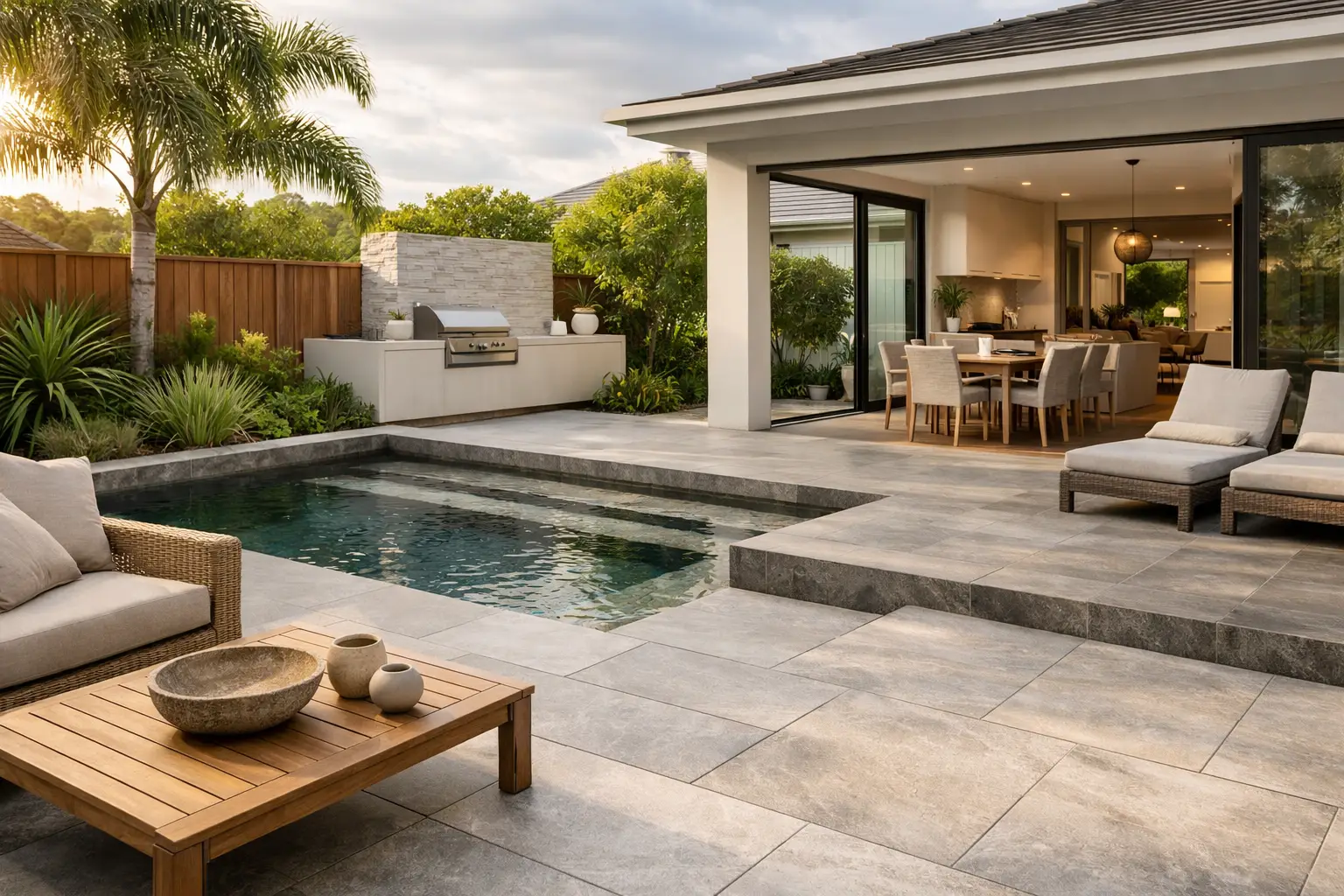
Porcelain is one of the most reliable materials for patios, balconies, pathways, alfresco areas and pool surrounds. It is fired at high temperatures and has very low water absorption, helping it handle rain, splashes and everyday cleaning more comfortably than many porous surfaces. Quality porcelain also resists staining, fading and surface wear well, which matters in outdoor entertaining spaces used year after year.
A glazed porcelain tile can reproduce the character of stone, concrete, timber or terrazzo while offering a more consistent and lower-maintenance finish. This gives renovators the freedom to create a premium architectural look without committing to regular sealing routines often associated with natural stone.
That said, porcelain is not automatically the answer to every project. Genuine stone can be a lovely choice where its natural variation is central to the design, and concrete pavers may suit some landscape plans. The key is to understand the care requirements, surface grip and installation method before ordering. For most busy family homes, outdoor-rated porcelain offers an appealing balance of enduring quality, easy care and value.
Outdoor tiles need grip, not just good looks
Slip resistance is one of the first specifications to check. Exterior tiles should have a textured, structured or grip finish suited to the amount of water and foot traffic the area will receive. A covered alfresco area may need a different level of slip resistance from an exposed path or a pool surround.
In Australia, slip performance may be described using ratings such as R ratings or pendulum test classifications. An R rating is commonly associated with ramp testing, while a P classification refers to wet pendulum testing. These ratings are useful decision tools, but they should be read in context. A higher-grip surface can feel more textured underfoot and may hold a little more dirt than a smooth tile, so it requires sensible cleaning. That is a worthwhile trade-off in wet areas where safety is the priority.
For pool surrounds, entries and uncovered entertaining spaces, ask for a tile specifically assessed for external wet use and discuss the intended location with your tiler or designer. Meeting the relevant Australian standards is essential, but a suitable installation also relies on correct falls, drainage and adhesive selection. No tile surface can compensate for water that has nowhere to go.
Choosing the right finish and colour
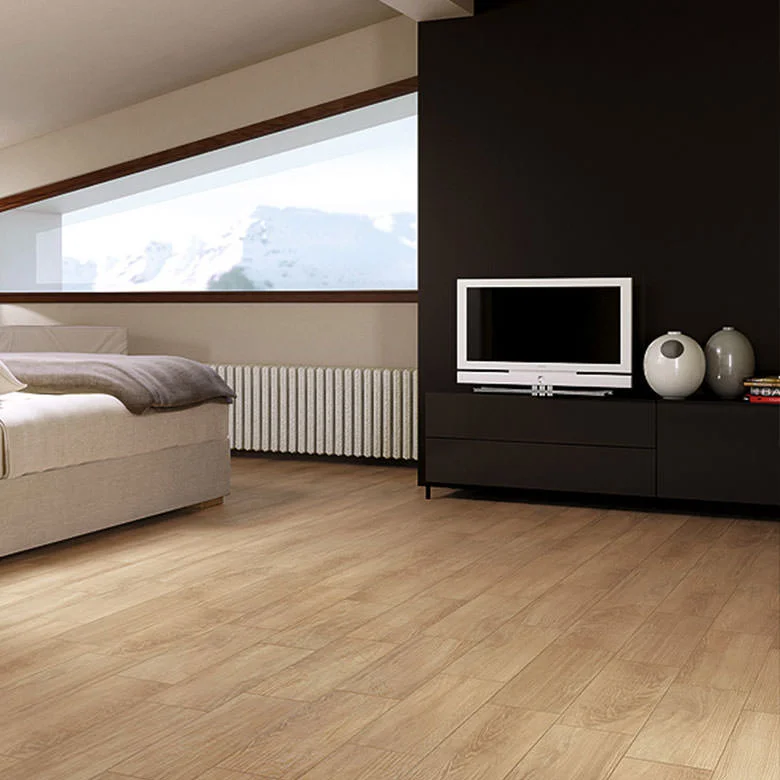
Matte and structured finishes are popular for outdoor areas because they reduce glare and tend to provide more practical grip than polished surfaces. Stone-look porcelain brings softness and natural movement to courtyards, while concrete-look tiles suit contemporary homes, rendered façades and modern landscaping. Timber-look porcelain can introduce warmth around an alfresco dining area without the ongoing oiling or weathering concerns of natural timber decking.
Colour deserves practical thought. Very dark tiles can become hot in full summer sun, particularly around a pool or on a north-facing patio. Very pale tiles can make a smaller courtyard feel open and bright, although some light textured surfaces may show soil, leaf matter or barbecue spills more readily. Mid-tone greys, warm beiges and gentle stone colours are often forgiving choices that complement both greenery and a wide range of exterior paint colours.
It also helps to view a sample outdoors. Natural daylight changes throughout the day, and the colour seen under showroom lighting may appear warmer, cooler or lighter once it is beside brickwork, fencing and planting. Take the sample to the site and look at it in morning and afternoon light before making a final selection.
Tile size should suit the area, not follow a trend
Large format tiles can make an outdoor area feel expansive, with fewer grout joints and a clean, contemporary finish. Formats such as 600 x 600 mm and 600 x 1200 mm work beautifully across generous patios and covered alfresco zones. They can also continue from indoor living areas to exterior spaces, creating a more connected visual flow.
However, bigger is not always better. Large format tiles need a very flat, properly prepared substrate and experienced installation to avoid lipping, where adjoining tile edges sit unevenly. On narrow paths, small balconies or areas with several drainage points, a smaller format may allow the required fall to be formed more effectively. Rectangular tiles can also help define direction, making a pathway feel longer or leading the eye towards a garden feature.
Consider joint layout early. Aligning outdoor grout joints with indoor tiles can look refined when the spaces meet at a doorway, but practical drainage requirements must come first. An experienced tiler can set out the area to balance clean lines, cut-tile placement and falls away from the home.
Installation details that protect the finished result
Even premium outdoor tiles rely on sound preparation. The base must be stable, clean and suitable for tiling, whether it is a concrete slab, waterproofed balcony or correctly prepared external screed. Outdoor installations generally require falls to direct water away from buildings and prevent puddling. Drainage should be planned before tiles are laid, not treated as an afterthought.
Use an adhesive, grout and movement-joint system appropriate for external conditions. Outdoor surfaces expand and contract with temperature changes, so movement joints help manage this natural movement and reduce the risk of cracking or tenting. On balconies and raised areas, waterproofing and drainage details are especially important. This is work for qualified professionals who understand site conditions and applicable Australian requirements.
Before installation begins, inspect all tiles for shade, calibre and finish consistency. Tiles should be drawn from multiple boxes during laying so natural variation is blended across the space. Ordering sufficient quantity at the start is equally wise. Allow for cuts, wastage and a small number of spare tiles for future repairs, particularly where the project uses a distinctive batch or a larger format.
Caring for porcelain outdoor tiles
Outdoor porcelain is straightforward to maintain, but it still benefits from regular attention. Sweep away grit, leaves and soil so they do not build up in textured surfaces or grout lines. Wash the area with clean water and a pH-neutral cleaner suited to porcelain when needed. Avoid harsh acids, bleach-based products and abrasive tools unless the product manufacturer confirms they are appropriate, as they may affect grout, adjacent finishes or surrounding plants.
For outdoor kitchens and dining areas, clean food and drink spills promptly. For pool areas, rinse away chemical residue from time to time. If the tiles are textured, a soft-bristle broom or suitable outdoor brush can lift accumulated dirt without damaging the surface. Good drainage, regular sweeping and sensible cleaning will keep the space welcoming far more effectively than aggressive chemicals.
Planning your tile purchase with confidence
A successful project begins with accurate measurements and a clear understanding of the area’s purpose. Think about whether the space is exposed or covered, whether children will use it barefoot, how much direct sun it receives and how it connects with interior flooring. These details guide the right finish, format and slip rating.
For renovators working to a schedule, local stock availability can be as important as the tile itself. Ready stock tiles in Melbourne can help reduce delays between selection and installation, while factory-direct tiles offer strong value without compromising on the finish needed for a long-lasting home. Bringing dimensions, site photos and inspiration images to a showroom discussion makes it easier to compare options properly. A free measuring and 3D design service can also help homeowners visualise proportions, layouts and transitions before work begins.
The best outdoor surface is one that feels natural underfoot, stands up to the weather and still suits your home years after the renovation is finished. Choose for safety and performance first, then let the colour, texture and layout bring everyday outdoor living to life.