A kitchen benchtop is more than a surface for preparing meals. It is where school bags land, coffee is made before work and family meals take shape every day. This zero silica benchtop guide is designed to help Melbourne homeowners, designers and builders choose a beautiful, durable surface with a clear understanding of safety, finish, fit and long-term care.
Zero-silica engineered stone offers the familiar appeal of a refined stone-look benchtop while responding to the need for safer materials in modern renovations. The right choice should still suit your cabinetry, cooking habits, budget and installation plan. A thoughtful selection now can deliver enduring quality for many years of daily living.
What is a zero-silica benchtop?
A zero-silica benchtop is an engineered surface made without crystalline silica. Depending on the product range, it may combine recycled glass, mineral materials, resins and pigments to create a hard-wearing slab with a consistent, decorative finish. It is developed as an alternative to traditional engineered stone products that contain crystalline silica.
The distinction matters most during fabrication. Cutting, grinding and polishing some stone products can create hazardous respirable silica dust if they contain crystalline silica. Zero-silica surfaces are designed to remove crystalline silica from the material itself, supporting safer fabrication practices when handled correctly by trained professionals.
That does not mean any benchtop material can be treated casually. Fabricators should still follow manufacturer instructions, use appropriate equipment and maintain sound dust-control and workplace safety procedures. For homeowners, the practical benefit is confidence that the selected surface has been made with a safer material approach in mind.
Why zero-silica surfaces suit family kitchens
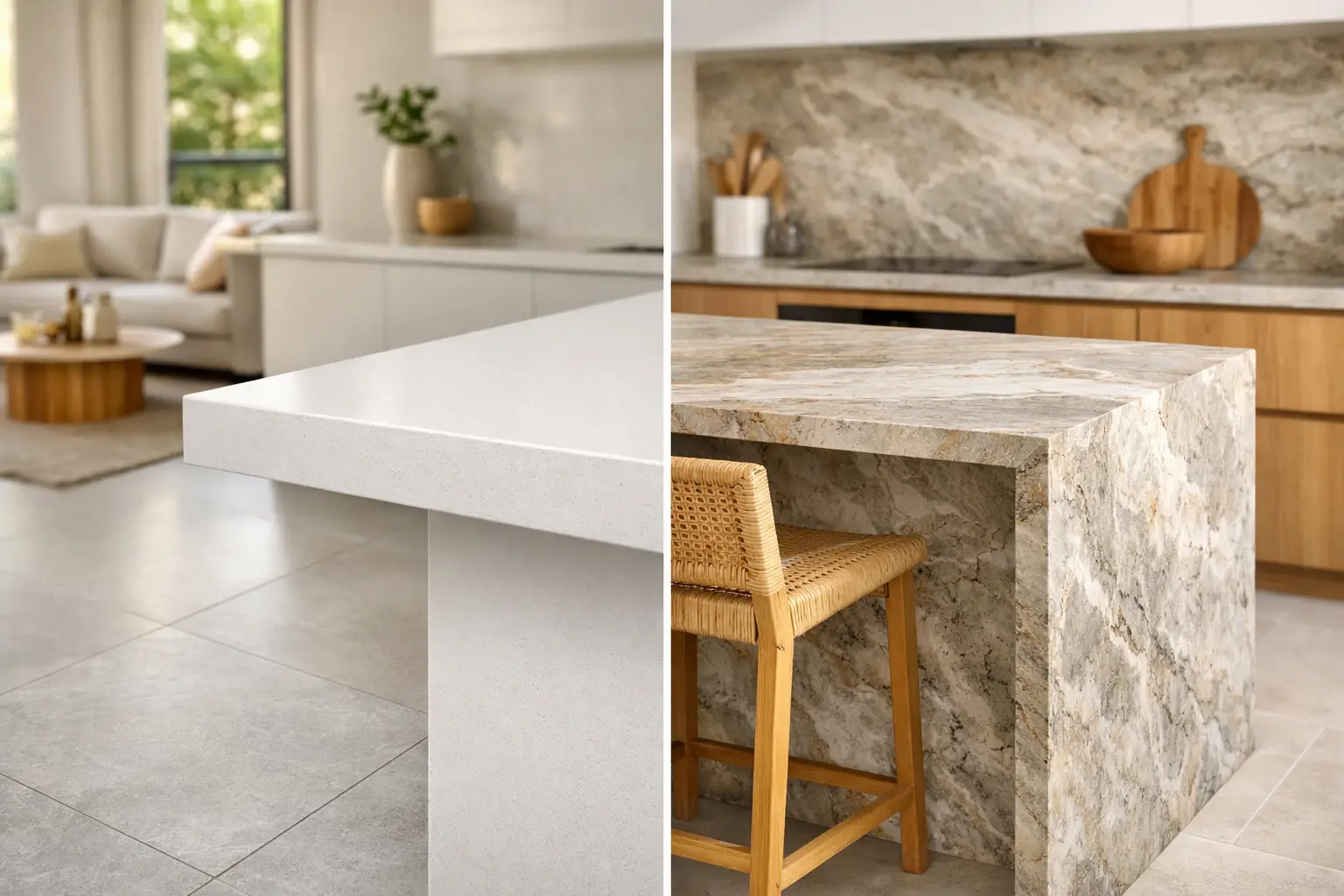
Safety is a compelling reason to consider a zero-silica surface, but it is not the only reason. Premium architectural surfaces also need to look at home beside cabinetry, splashbacks, flooring and appliances. Many zero-silica ranges offer subtle veining, soft concrete looks, crisp whites and deep contemporary tones, giving renovators plenty of freedom without relying on a natural slab’s variation.
Their non-porous or low-porosity construction can make everyday cleaning straightforward. In most cases, a soft cloth, warm water and mild detergent are enough for routine care. This is useful in busy homes where spills from cooking, craft projects or a rushed breakfast are part of the weekly rhythm.
Consistency is another advantage. A manufactured slab provides a more predictable colour and pattern than many natural materials. For a long island bench, waterfall end or coordinated butler’s pantry, that predictability can help a designer plan joins, edge details and adjoining surfaces with greater certainty.
Choosing the right zero silica benchtop finish
The best finish is not necessarily the brightest or most dramatic one in the showroom. It depends on the kitchen’s natural light, cabinetry colour, room size and how the household uses the space.
Polished finishes
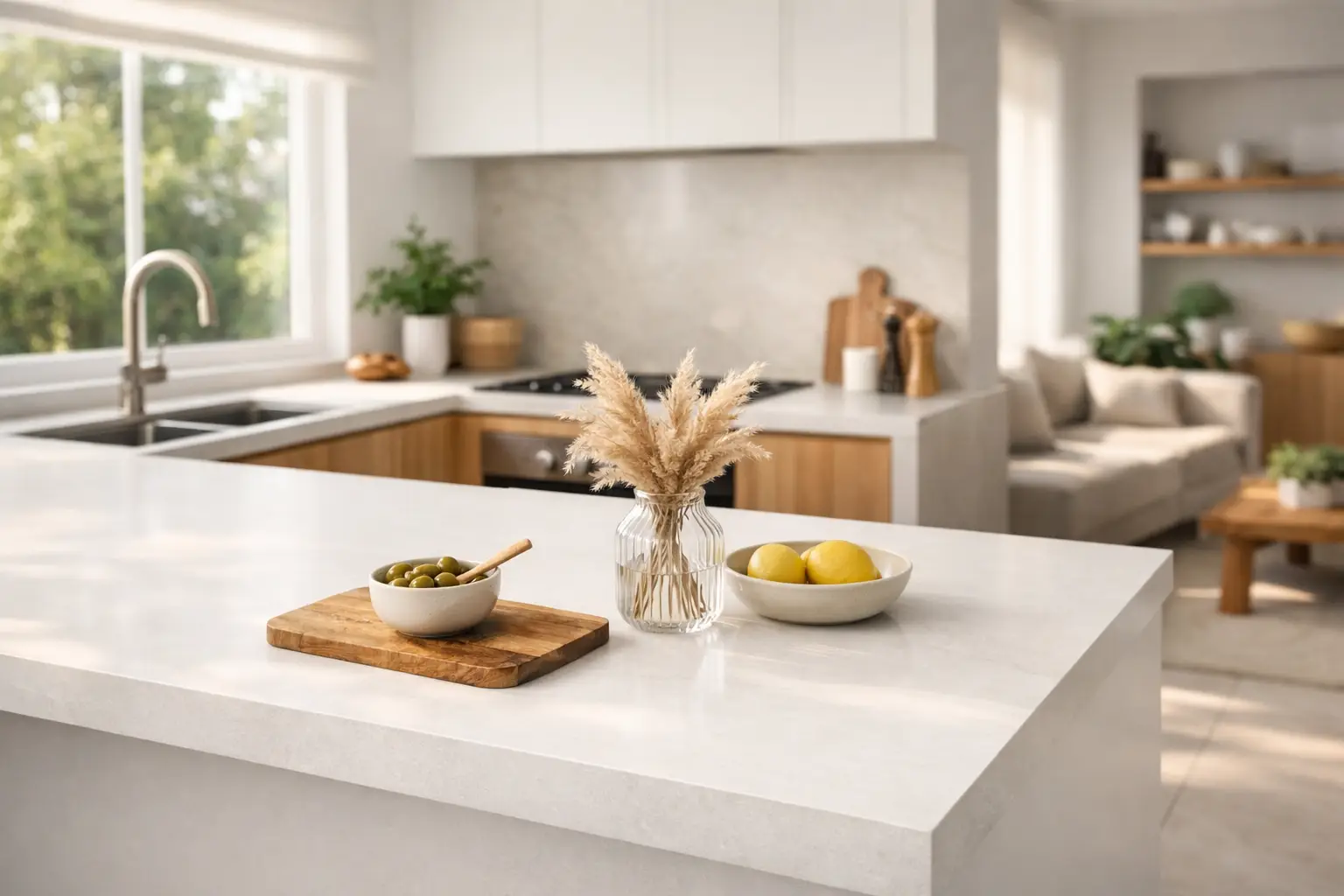
A polished surface reflects light and can make a compact kitchen feel more open. It suits elegant cabinetry and marble-look designs, especially where the goal is a clean, luminous result. The trade-off is that fingerprints, water spots and crumbs may show more readily on very dark polished colours, so households that prefer a lower-maintenance appearance may favour a lighter colour or a different texture.
Matte and honed-look finishes
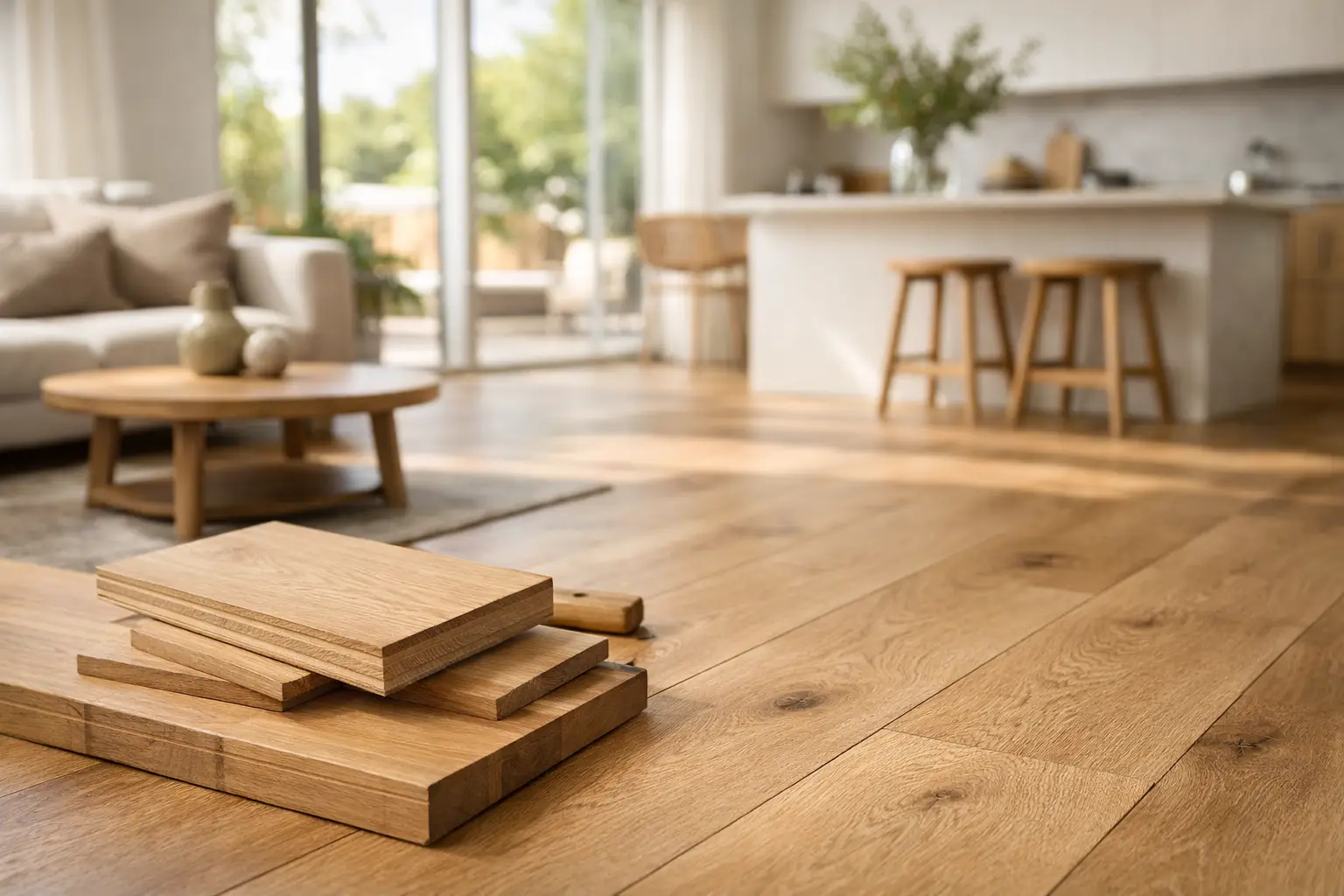
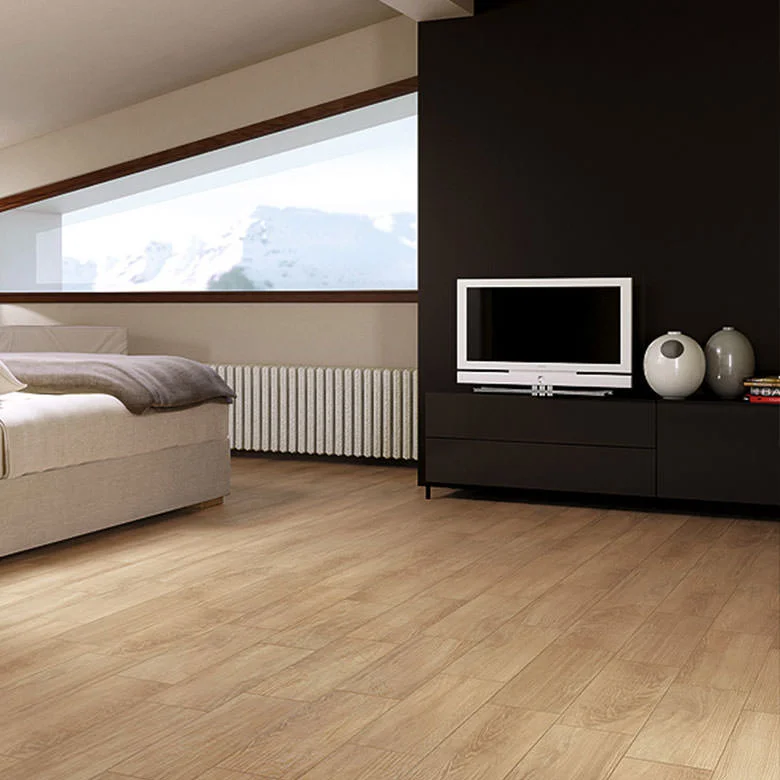
Matte finishes bring a calm, contemporary character to a kitchen. They pair particularly well with timber-look joinery, soft neutral porcelain tiles and modern flat-panel cabinetry. A matte surface is often forgiving visually, although some finishes can show marks from oils or metal objects if not wiped promptly. Ask to view a full sample in natural light rather than making the decision from a small colour chip alone.
Concrete and textured looks
Concrete-look and lightly textured designs work beautifully in architectural, industrial or warm-minimal interiors. Texture creates depth and can complement large format porcelain tiles on floors or walls. However, a more tactile finish may require a little extra attention around spills, so check the manufacturer’s care guidance before selecting it for a heavily used family kitchen.
Colour, veining and slab layout matter
A benchtop can either quietly support the room or become its main visual feature. Soft white and warm grey designs are versatile choices for resale value and timeless styling. Strong veining, charcoal tones and bolder colours can be equally successful when balanced with simpler cabinetry and splashbacks.
Before finalising a slab, consider the layout rather than only the colour. Where will joins fall? Does the pattern need to continue through a waterfall panel? Will the sink cut-out interrupt a prominent vein? These details are where an experienced fabricator, cabinet maker and designer add real value.
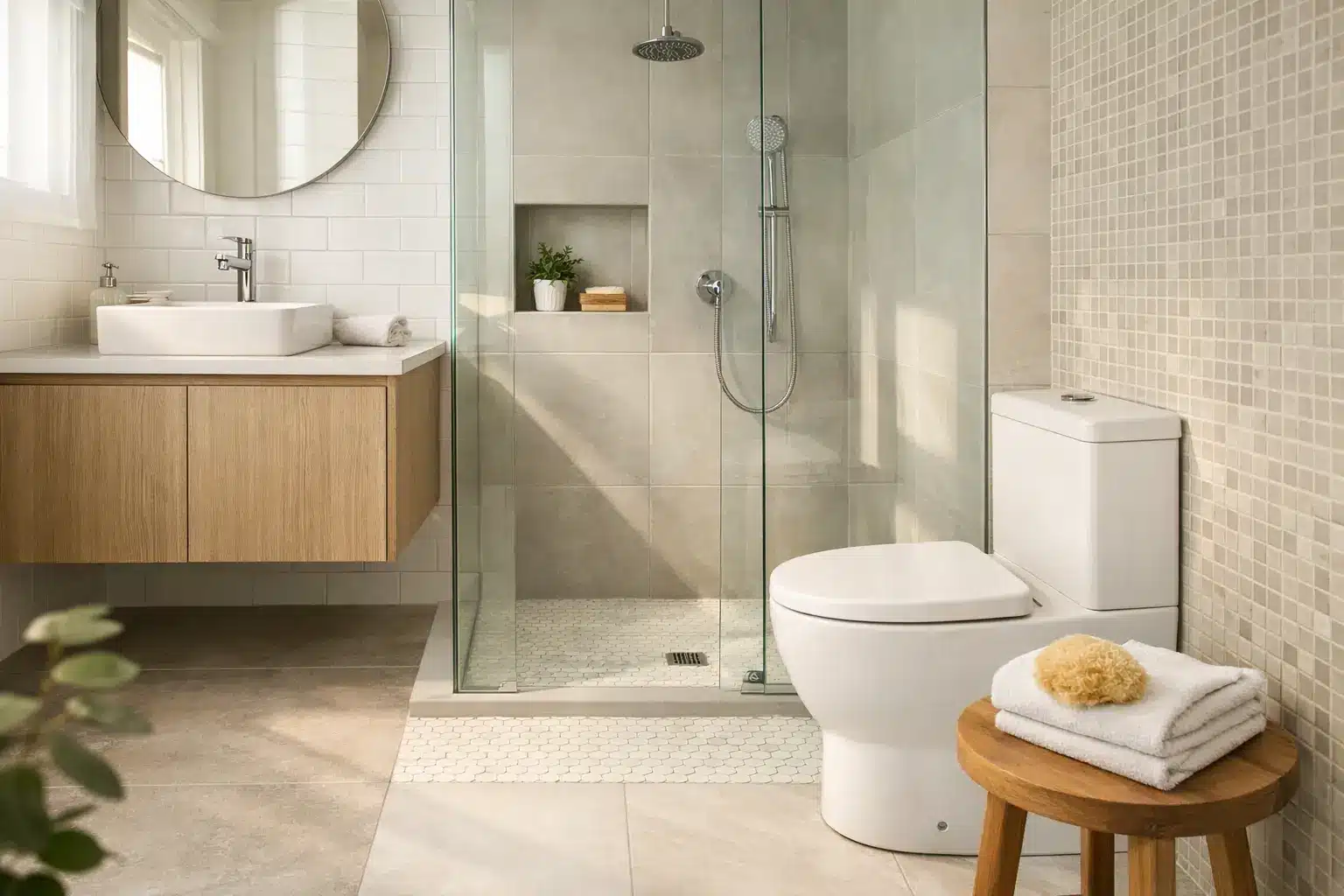
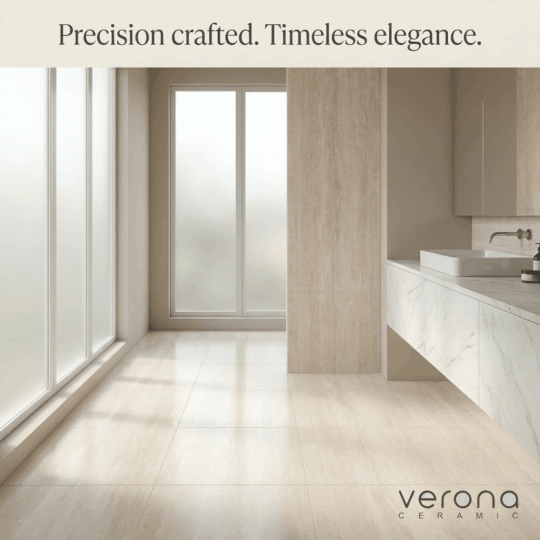
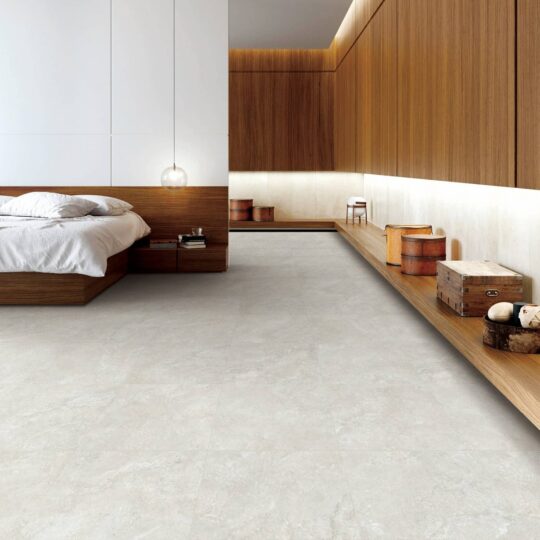
For renovations that include floors and walls, bring porcelain tile samples to the benchtop selection. Kitchen tiles, bathroom tiles and benchtops do not need to match exactly, but they should share a considered undertone. A cool white benchtop beside a creamy floor tile can look accidental, while a warm white surface with gentle grey movement may tie the room together.
Thickness, edges and practical specifications
Most engineered benchtop slabs are available in common thicknesses such as 20 mm, with selected designs and fabrication methods allowing other visual effects. A thicker-looking profile can create a substantial, premium feel around an island, while a standard profile may suit a streamlined contemporary kitchen and make better use of the renovation budget.
Edge profiles also influence the finished look. A simple square edge is clean and modern, while a small arris or eased edge removes sharpness and is comfortable in family spaces. More decorative profiles can suit traditional joinery, but they should be chosen with cleaning and proportion in mind.
Ask your supplier and fabricator to confirm slab dimensions, overhang requirements, cut-out reinforcement and support for breakfast bars. Long unsupported spans, large undermount sinks and heavy appliances need proper planning. A quality surface performs best when the cabinetry beneath it is level, adequately supported and installed to the relevant manufacturer requirements.
Installation planning: where good results begin
Benchtops are usually measured after cabinetry has been installed and checked for level. This final measure is essential because even a small variation in walls or cabinets can affect the fit. Once measurements are confirmed, the slab is fabricated with allowances for sink, cooktop and tap cut-outs, then installed by experienced professionals.
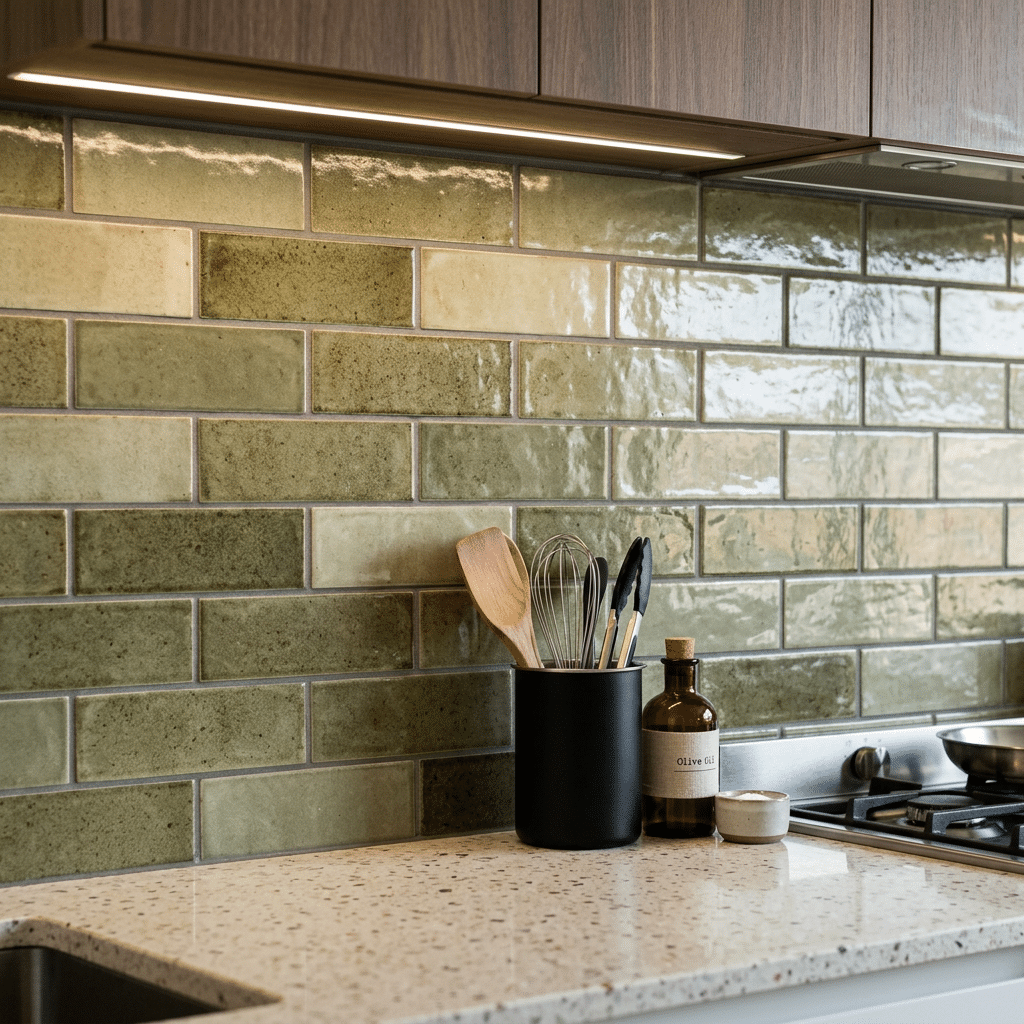
Keep the benchtop schedule connected to the broader renovation sequence. Cabinetry should be complete before final measure, while splashback installation is generally coordinated after the benchtop is in place. If you are using large format tiles for a splashback, confirm whether they will sit on top of the benchtop or finish behind it. This changes the required dimensions and avoids last-minute adjustments.
For Melbourne projects with tight timelines, local ready stock can be a practical advantage. It reduces the uncertainty of waiting for an overseas shipment and allows slab availability to be confirmed before cabinetry colours, fixtures and final fabrication dates are locked in. At Verona Ceramic, our Melbourne warehouse stock and factory-direct approach can help customers coordinate tiles and zero-silica benchtops with greater confidence, including free measuring and 3D design support for suitable projects.
Everyday care for an enduring surface
Zero-silica engineered stone is made for normal kitchen use, not neglect. Wipe spills soon after they occur, particularly oils, wine, curry, tea and strongly coloured foods. Use a pH-neutral cleaner or mild dishwashing detergent, then dry the surface with a clean cloth to minimise streaks.
Avoid placing hot pots and pans directly on the benchtop. Although engineered surfaces are durable, sudden or intense heat can damage resins or affect the finish. Use trivets, chopping boards and heat pads as part of normal kitchen care. It is also wise to avoid cutting directly on the surface, both to protect your knives and to prevent unnecessary wear.
Do not use harsh oven cleaners, paint removers, strong acids, caustic products or abrasive scourers unless the manufacturer specifically permits them. If a stubborn mark appears, follow the product care guide rather than trying an aggressive household remedy.
Questions to ask before ordering
A clear quote should identify the slab range and finish, thickness, number of slabs, edge profile, cut-outs, joins, installation and any required support. It should also clarify whether removal of an existing benchtop, plumbing disconnection, appliance handling or splashback work is included.
Request the product information and warranty terms, and confirm that the selected material is genuinely zero crystalline silica. If the project has been designed by an architect or interior designer, make sure the final approved sample matches the specified colour and finish. Viewing the actual slab, where possible, is the best way to assess pattern variation and overall character.
A well-chosen zero-silica benchtop brings together the things a hardworking kitchen needs most: considered safety, lasting practicality and a finish your family will enjoy seeing every morning. Take samples home, view them in your own light and choose the surface that feels right for the life your kitchen is built to support.