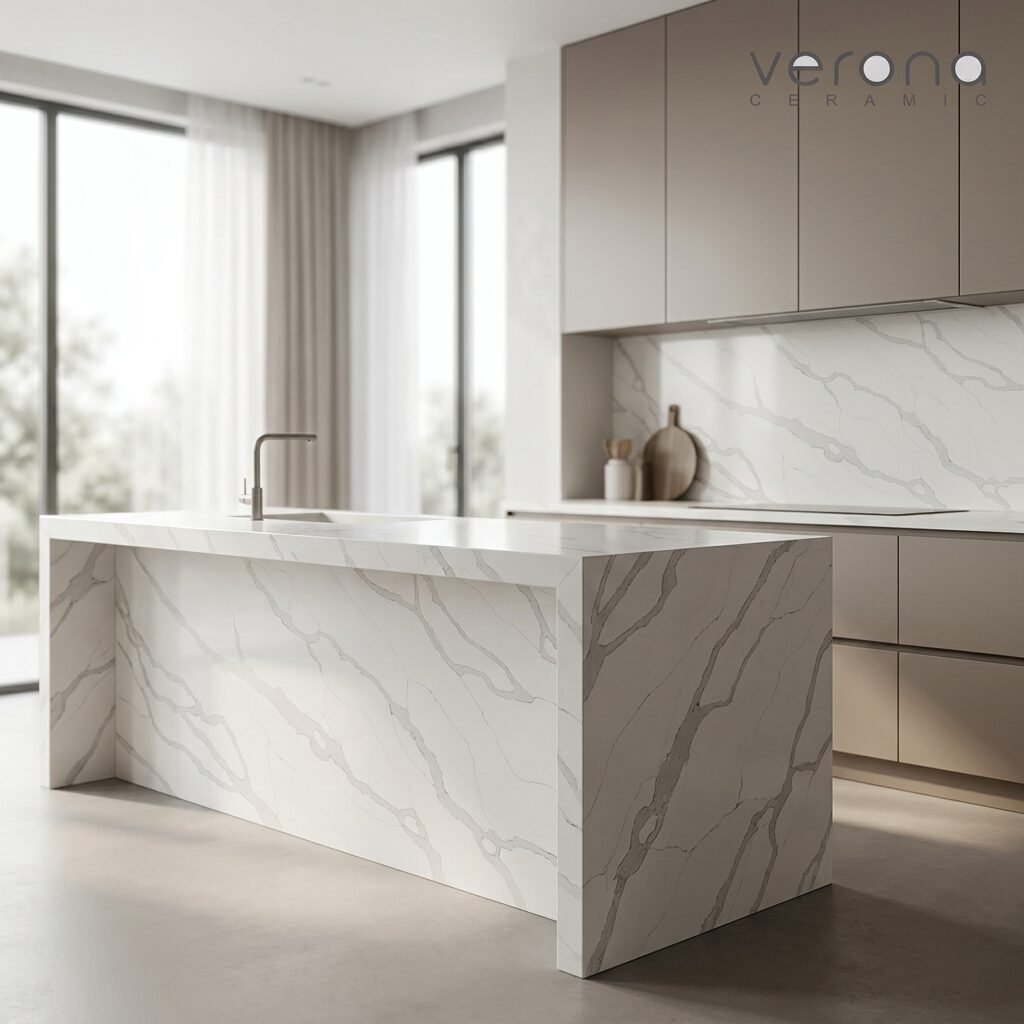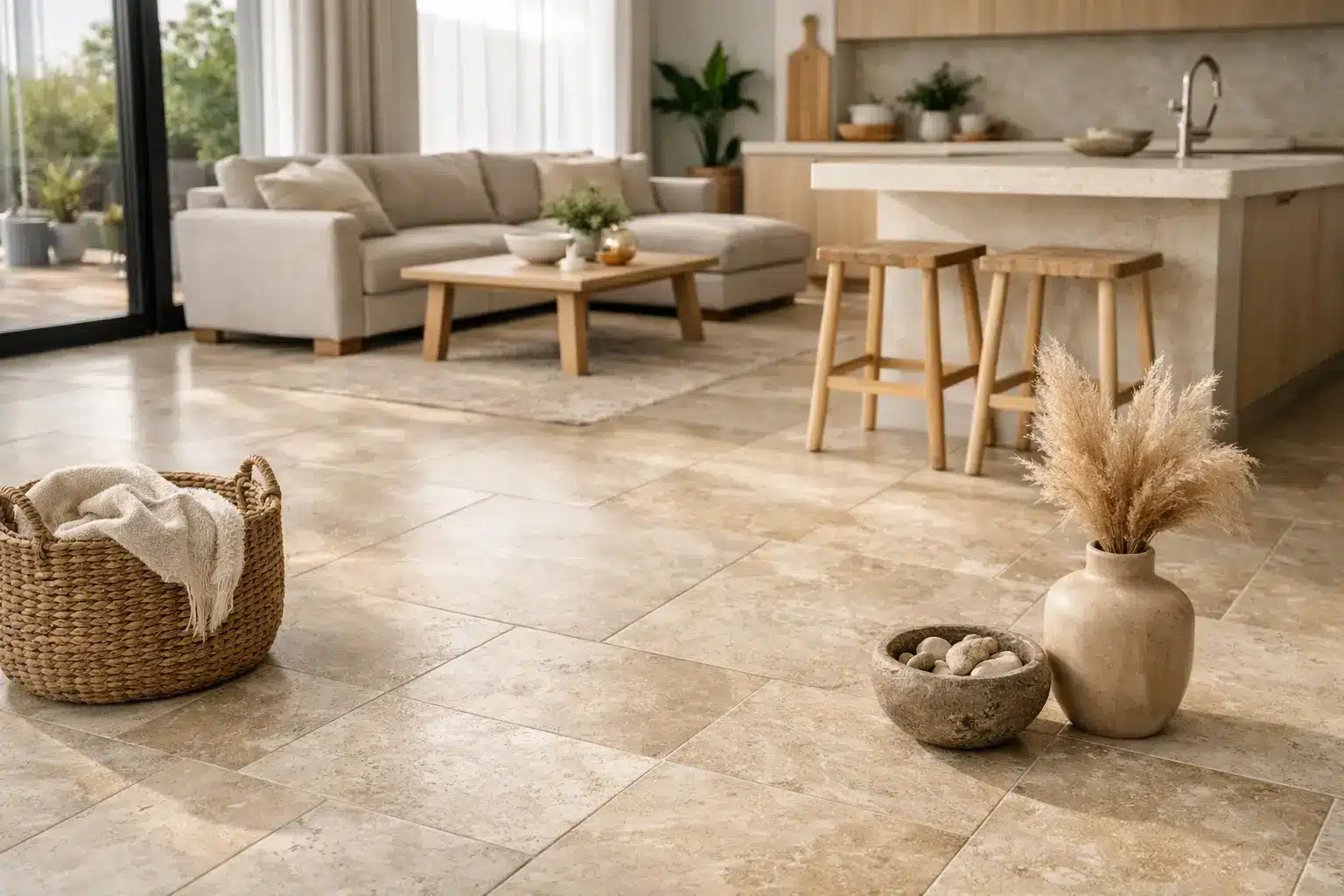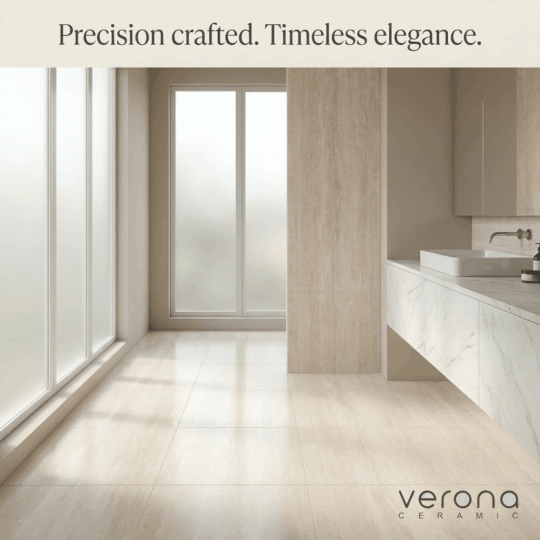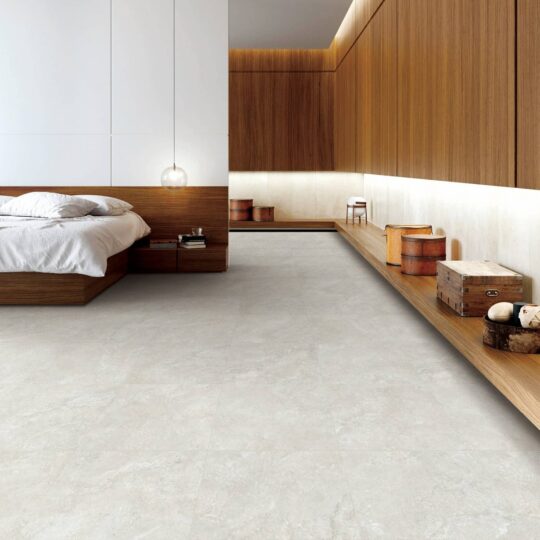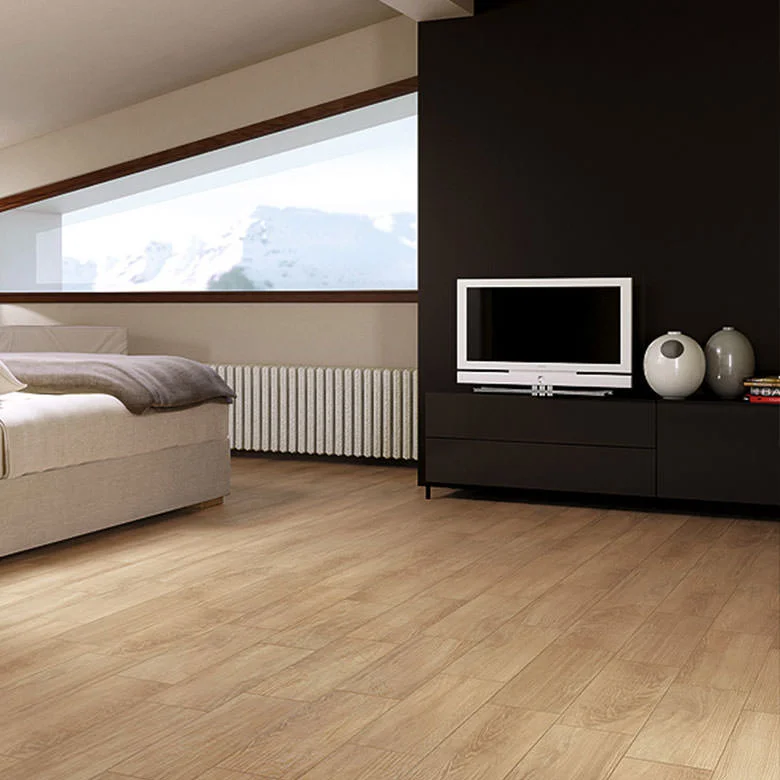
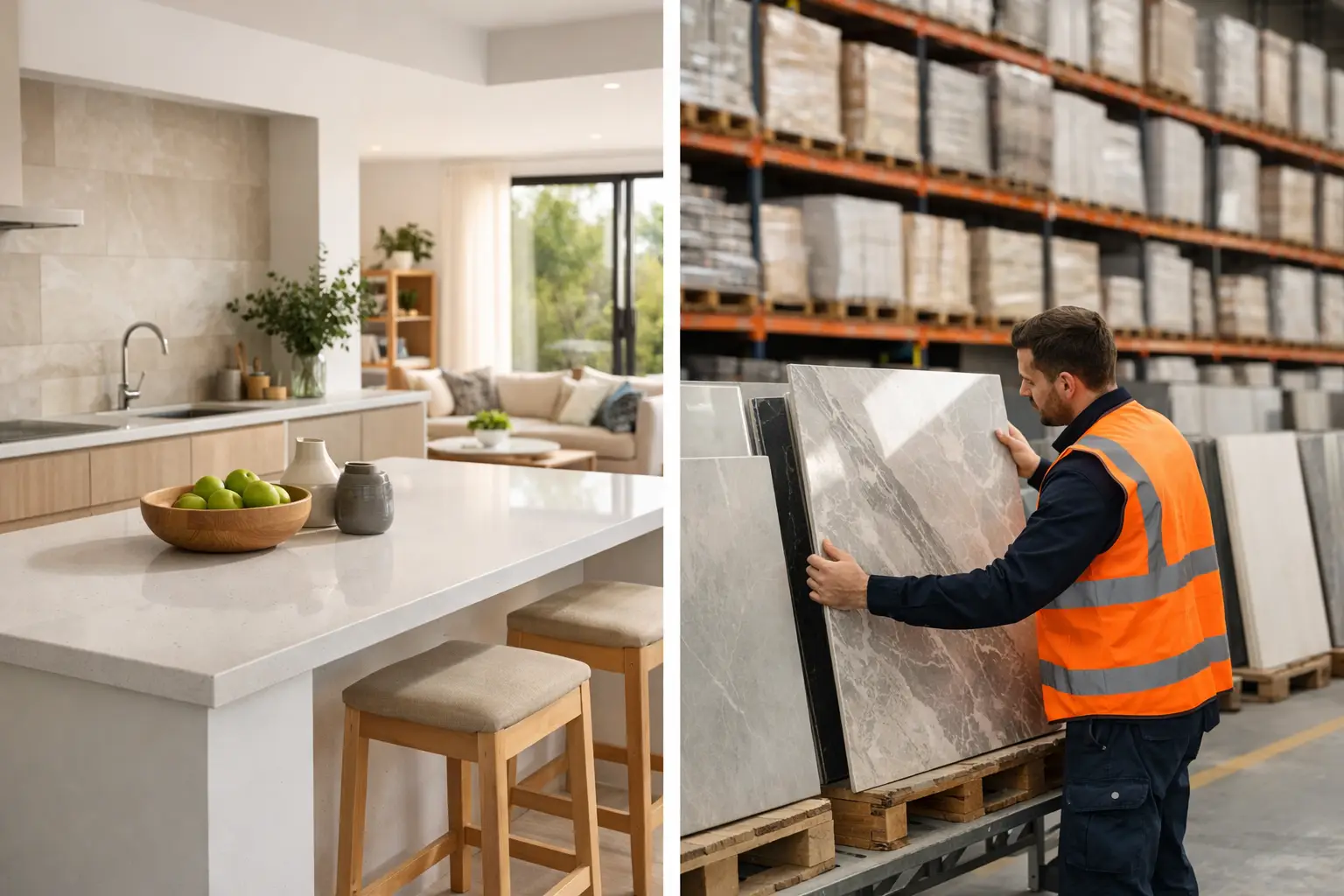
A tile sample can look perfect under showroom lights, then feel completely different once it lands in your kitchen, bathroom or open-plan living area. That is why a practical guide to factory direct tile buying matters. It helps you look past surface appeal and make choices based on quality, finish, stock availability and long-term performance.
Buying factory direct can be a smart move for homeowners, builders and designers who want better value without compromising on durability or design. But factory direct is not simply about a lower price point. The real advantage is access to a broader range, clearer product information, ready stock, and often a more direct path between selection and delivery.
Why factory direct tile buying appeals to renovators
When you buy through a factory direct supplier, you are usually getting closer to the source of the product and closer to the team who understands it best. That often means more consistent product knowledge, better visibility on lead times, and a stronger sense of what is actually available now rather than what is theoretically available.
For a family renovation, that matters. Delays in tile supply can affect waterproofing, cabinetry, benchtop installation and final handover. For trade professionals, it can also affect scheduling across multiple jobs. Ready stock in a local warehouse is often just as valuable as the tile itself because it reduces uncertainty.
Factory direct buying also tends to suit buyers who care about specification details. If you are choosing porcelain tiles Melbourne renovators can rely on for wet areas, high-traffic zones or full-home continuity, you need clear answers on slip resistance, tile thickness, wear rating and finish. A good supplier should be able to explain those details in plain language.
A guide to factory direct tile buying starts with the right questions
Before comparing colours and textures, it helps to get clear on where the tile is going and how it will be used. A wall tile for a guest ensuite does not need the same performance level as a floor tile in a busy family kitchen. Likewise, large format tiles can create a beautiful, premium architectural look, but they may require a flatter substrate and a more experienced installer.
Start by asking what the space needs from the tile. Does it need better slip resistance? Is easy cleaning a top priority? Will it be exposed to strong sunlight, heavy foot traffic or frequent splashes? These answers guide the finish and format more than style boards ever will.
Then ask practical buying questions. Is the product in ready stock? Is there batch consistency across the quantity you need? What wastage allowance is recommended? Are matching trims or coordinating wall and floor options available? A trustworthy supplier will answer these calmly and clearly.
What to check when comparing tile quality
Not all porcelain tiles are made to the same standard, even if they look similar at first glance. The body density, glaze quality, rectification, edge consistency and firing process all influence how the product performs over time.
Porcelain is popular for good reason. It is dense, durable and generally low maintenance, which makes it well suited to kitchens, bathroom tiles, laundries and living areas. For family homes, it offers a strong balance of practicality and visual appeal. Matte tiles, for example, are often chosen for their soft, contemporary look and more forgiving everyday appearance, especially in busy households.
It is worth checking the PEI rating for glazed floor tiles, which indicates wear resistance. Higher ratings are generally better for heavy domestic or light commercial use. Slip resistance also deserves close attention, particularly for bathroom floors, pool surrounds and outdoor areas. A tile can be beautiful, but if it is too smooth for the application, it is the wrong product.
Australian standards should also be part of the conversation. Reputable suppliers understand the importance of compliance and can point you toward tiles suitable for the intended setting. That is especially helpful for builders, architects and designers managing specification risk.
Price matters, but value matters more
One of the biggest myths around factory direct tiles is that buyers only choose them to save money. In reality, most serious renovators are looking for value. They want a premium finish, dependable stock, sensible lead times and materials that hold up well in daily life.
A lower per-square-metre figure does not always mean better value if the tile chips easily, varies too much from batch to batch, or causes installation issues. On the other hand, a well-made porcelain tile with accurate sizing and consistent finish can save time, reduce waste and create a cleaner final result.
This is where seeing the full picture helps. Ask about stock levels, delivery timing, shade variation, tile calibre and whether the supplier recommends extra cartons for attic or garage storage in case future repairs are needed. These details may seem small during selection, but they matter months and years later.
Choosing the right size, finish and look
Tile size changes the feel of a room more than many people expect. Large format tiles can make smaller spaces appear calmer and more open because there are fewer grout lines. They are a popular choice in modern bathrooms and open-plan homes. Smaller tiles, however, can still be the right fit where more grip, detail or traditional character is needed.
Finish is equally important. Gloss can brighten walls and bounce light around a compact room, while matte finishes usually feel softer, more architectural and easier to live with on floors. Textured finishes may improve slip resistance, though they can require a little more attention when cleaning. There is always a trade-off, and the best choice depends on the room, the users and the design goal.
Colour should also be tested in natural light if possible. A warm greige tile can read beige in the morning and much cooler in the afternoon. If you are coordinating with cabinetry, paint and zero silica benchtops, the undertone needs to work across all surfaces, not just in isolation.
Why service still matters in factory direct tiles
A strong product range is only part of the experience. Good service helps buyers avoid costly mistakes. That might mean support with take-offs, guidance on suitability, or practical design advice when narrowing down several options.
For many renovators, especially those managing multiple moving parts, free measuring and 3D design support can be genuinely useful. It turns abstract ideas into a more realistic layout and can help prevent mismatched proportions or awkward transitions between spaces. For trade clients, efficient service and accurate stock information can make quoting and job planning far easier.
At Verona Ceramic, the value of factory direct supply is not just in pricing. It is also in ready warehouse stock, practical guidance and helping clients choose durable surfaces that suit real homes and real renovation timelines.
Common mistakes to avoid in a guide to factory direct tile buying
One common mistake is choosing tiles too early, before cabinetry, benchtops or tapware direction is settled. Tiles cover a large surface area, so they should support the overall scheme rather than compete with it.
Another is underestimating quantity. Ordering too little can create stress if the exact batch is no longer available. Ordering too much is not ideal either, but a sensible wastage allowance is part of a well-managed project, especially with patterned layouts or large format cuts.
Some buyers also focus heavily on appearance and forget maintenance. A heavily textured tile may be perfect outdoors, but less practical on a kitchen splashback. A pale grout may look crisp on day one and demand more upkeep in a busy family zone. The best selections balance beauty, durability and daily use.
Finally, do not assume every tile suits every application. Wall tiles are not always suitable for floors, indoor products are not always appropriate outdoors, and a polished finish may not belong in a wet zone. Clear guidance from an experienced supplier can save a lot of rework.
Making a confident purchase
If you are weighing up factory direct tiles for a renovation or building project, confidence usually comes from clarity. You want to know the tile is suitable, available, consistent and worth the investment. You also want to know the supplier will still be helpful once the sample stage is over.
That is why the best buying decisions combine technical detail with practical support. Look for porcelain tiles that align with the room, the traffic level and the overall finish of the home. Ask direct questions. View full-sized samples where possible. Confirm stock and batch details before locking in your order.
Beautiful homes are built on decisions that keep working long after installation day. When your tiles are durable, easy to maintain and thoughtfully chosen, you notice it in the way the space feels every morning, not just in the first week after the renovation is done.