Engineered Timber Flooring Guide for Australian Homes
By Verona Ceramic Editorial Team · Updated 2026-07-25
Engineered timber flooring in Australia consists of a hardwood veneer bonded over 6-9 plywood layers, typically 14-20mm thick, offering superior stability
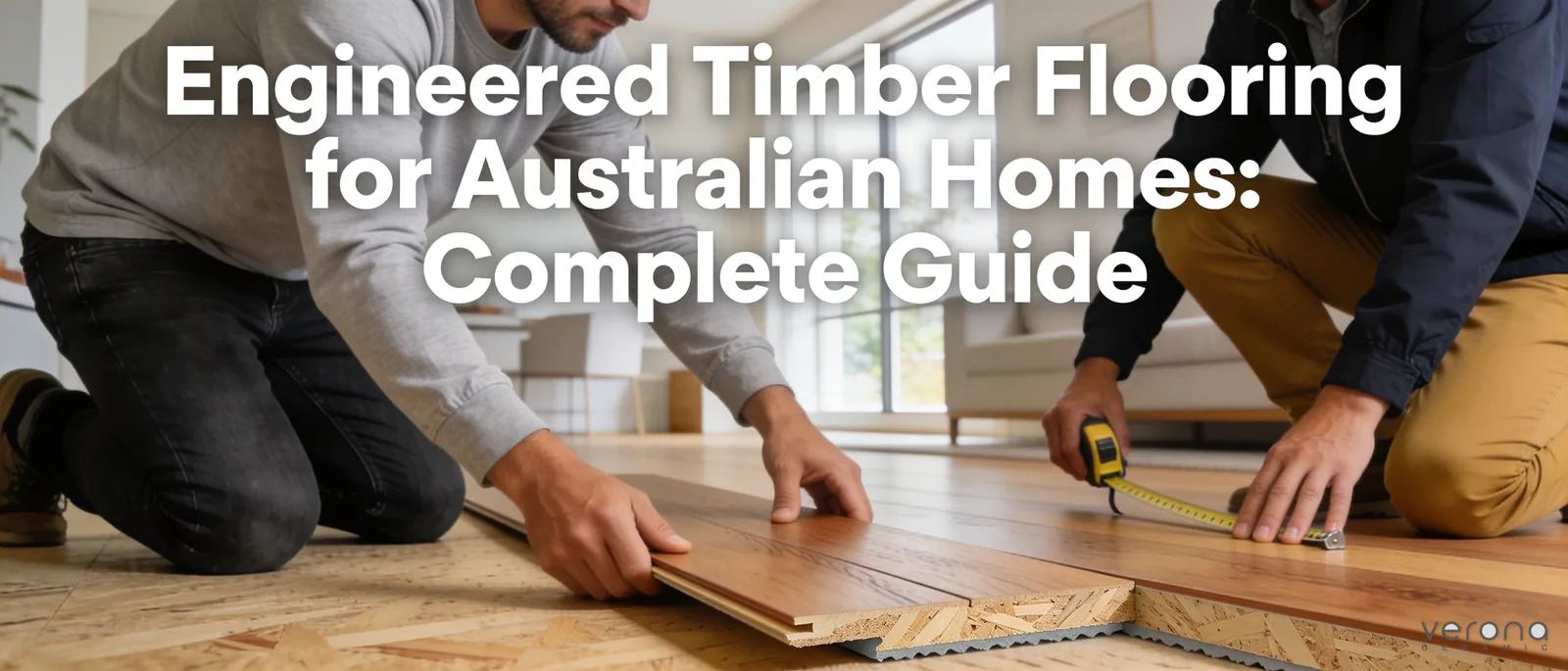
Engineered timber flooring consists of a genuine hardwood veneer, typically 2–6 mm thick, permanently bonded to a dimensionally stable multi-ply core, making it real hardwood rather than laminate or vinyl. It resists the cupping, splitting and gap-opening that solid boards suffer through Australian seasonal humidity and temperature swings.
Engineered timber flooring pairs a genuine hardwood veneer, typically 2–6 mm thick, with a dimensionally stable multi-ply core that resists moisture movement and warping across Australia’s variable climate. Unlike solid hardwood, it withstands humidity swings without cupping or splitting. Verona Ceramic supplies engineered timber options suited to Australian homes, delivered nationwide from its Springvale, VIC base.
What Is Engineered Timber Flooring, Exactly?
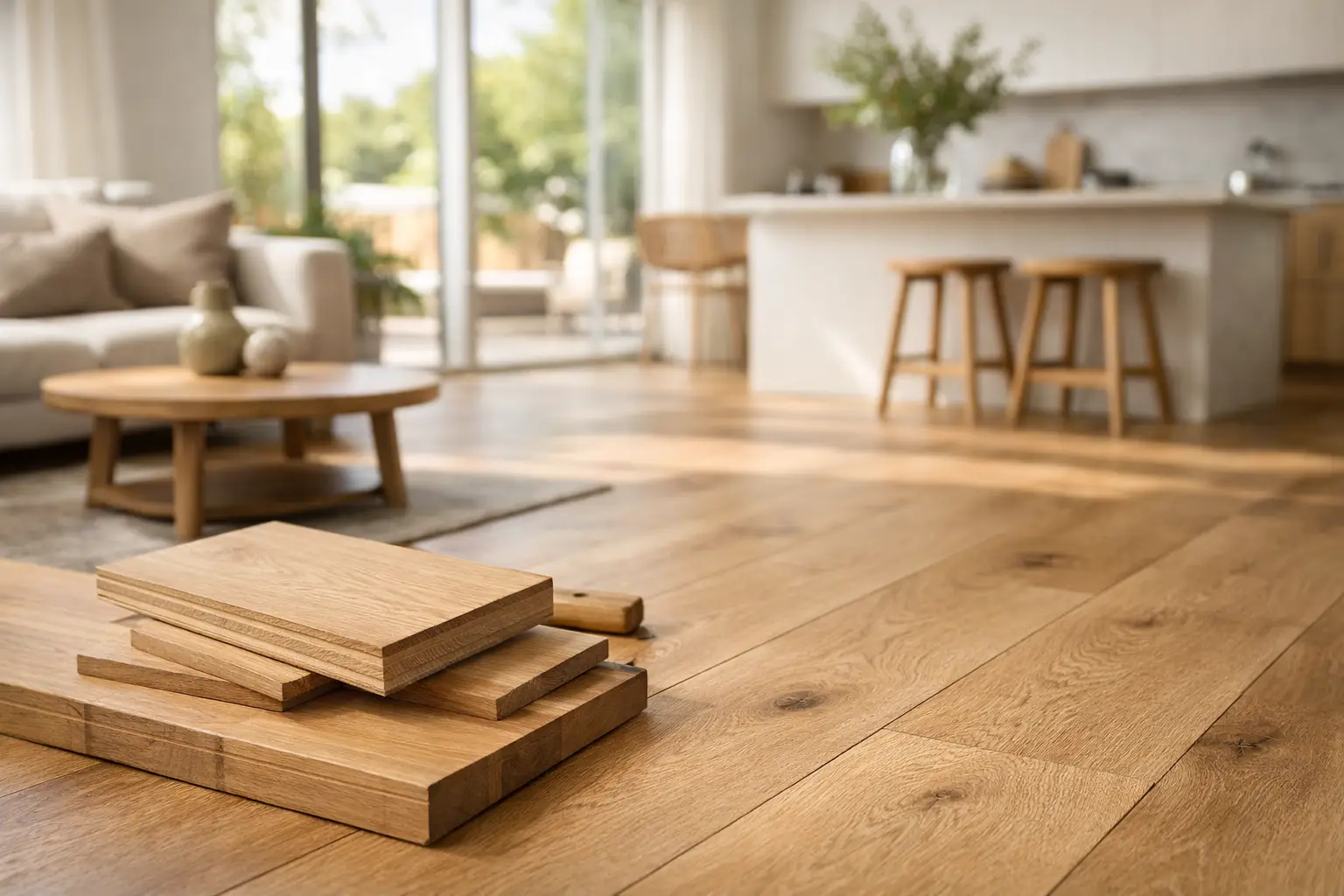
Genuine hardwood construction defines engineered timber flooring, not a synthetic imitation of one. A real wear layer, typically 2–6 millimeters thick, sits permanently bonded to a dimensionally stable multi-ply core beneath it. That layered build is the entire point of any credible timber flooring guide: the surface underfoot is authentic timber. The engineered base controls how the plank responds to heat, humidity, and seasonal shifts.
Solid boards expand and contract as one solid mass, which is exactly why Australian homes see splitting, cupping, and gap formation every summer. Engineered construction spreads that movement across multiple bonded layers instead, absorbing stress rather than transferring it into visible damage. This structural difference explains why engineered timber has become the most-specified timber floor type nationwide.
Is Engineered Timber Flooring Real Wood?
Yes. Every engineered board carries a genuine hardwood veneer, not a printed laminate layer or a vinyl look-alike. The multi-ply core underneath simply adds stability that solid timber cannot offer on its own.
How Does European Oak Fit In?
European oak is one of the most requested species for engineered construction, prized for its pale, consistent grain and resilience across varied climates. Homeowners sourcing european oak Melbourne-wide typically choose it for its balance of light tone and structural reliability in engineered form.
Verona Ceramic supplies a premium selection built for these exact requirements. The range includes:
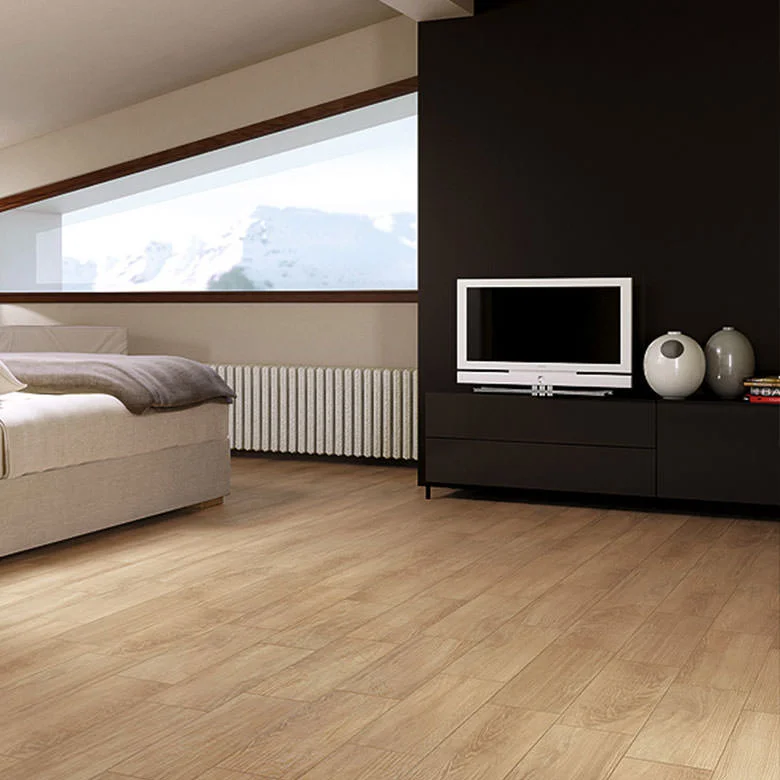
- Premium European Oak boards suited to light-filled, contemporary interiors
- Engineered oak flooring engineered for stability across Australian climate zones
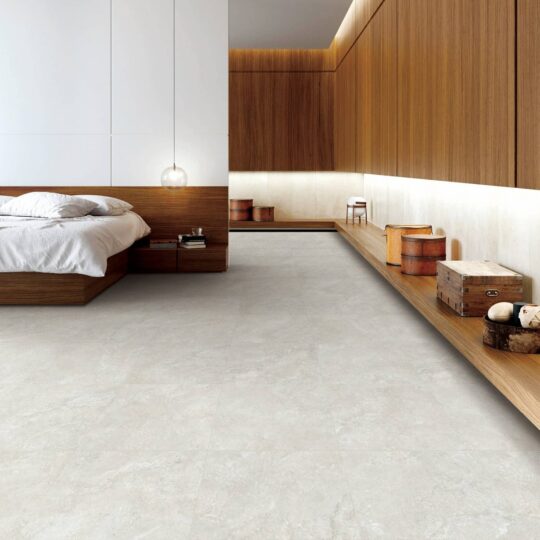
- Luxury tile and next-generation engineered stone options for complementary spaces
Each product ships to support renovation and new-build projects across the country. Clients gain the warmth and resale appeal of real timber, without inheriting the movement problems solid boards create indoors.
How Is Engineered Timber Flooring Actually Built?
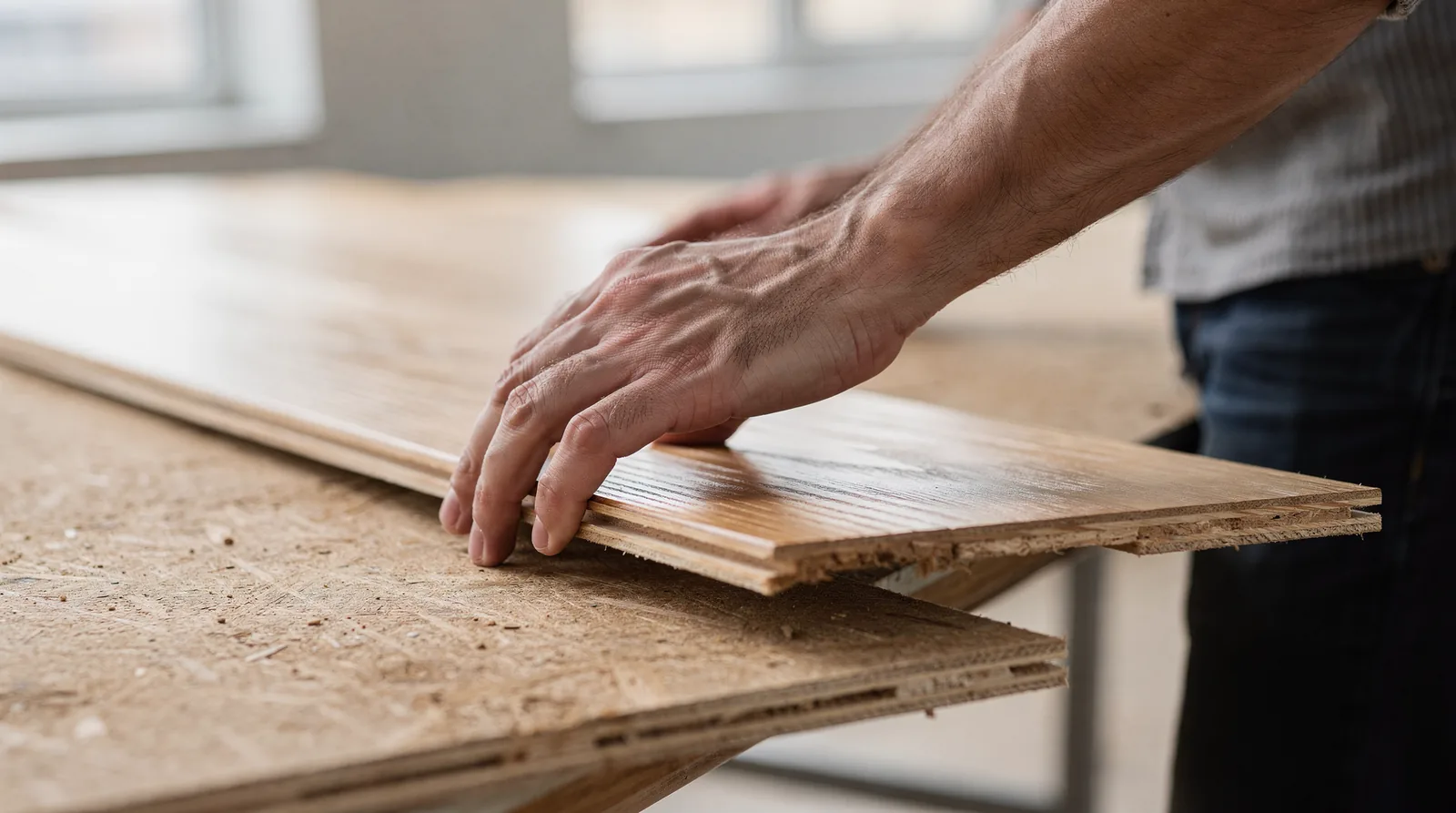
Engineered flooring gets its stability from layered construction, not a single solid plank. A genuine hardwood veneer sits on top, bonded permanently to a multi-ply core built for Australian conditions. That layered structure is the core idea behind any thorough timber flooring guide worth reading before a renovation decision.
The top surface — the wear layer — comes from real timber, sawn or rotary-peeled before bonding. This is not a printed image or a plastic film mimicking wood grain. Buyers choosing engineered oak flooring are looking at actual hardwood on the surface, typically between 2 and 6 millimeters thick depending on the range.
Underneath that veneer sits the part that does the heavy lifting: the core.
What’s inside the core, and why does it matter?
The core is a multi-ply structure, and quality varies significantly between suppliers. Ranges built on multi-ply eucalyptus cores outperform cheaper plywood alternatives across Australia’s variable climate. That performance gap shows up as stronger resistance to moisture movement. Structural warping, particularly through humid summers and dry winters.
Dimensional stability is the real point of the construction. A stable core stops the timber veneer from cupping, splitting, or lifting at the edges. Problems that plague solid boards in swing-season climates.
Does the build quality affect Melbourne homes specifically?
Homes across Melbourne experience sharp temperature and humidity swings between seasons. European oak Melbourne buyers select tend to hold flatness through those swings because of the core beneath the veneer, not despite it. The construction, not the species alone, determines long-term performance.
Engineered Timber vs Solid, Hybrid, or Laminate?
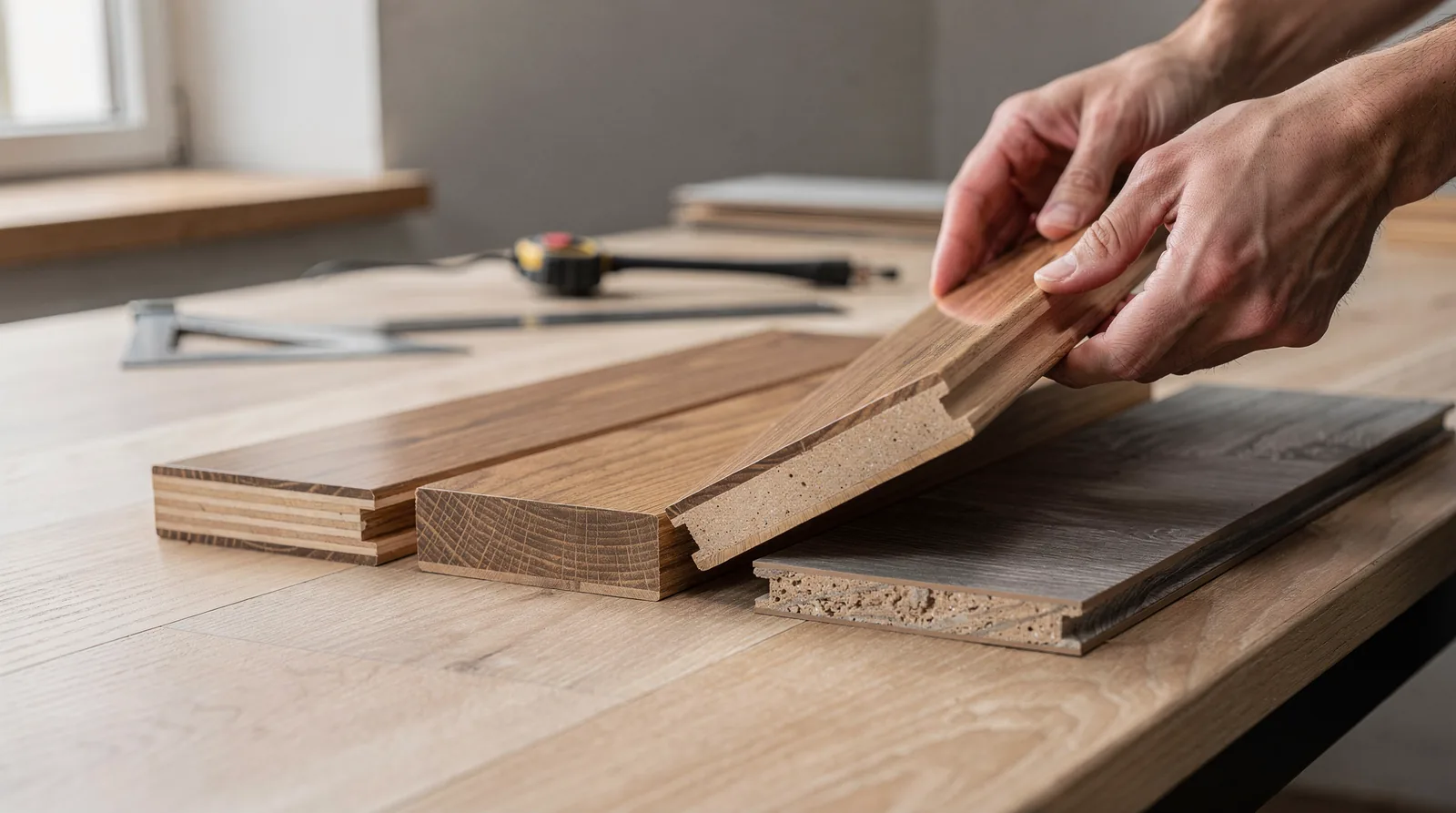
Engineered timber outperforms solid hardwood on stability and matches many hybrid products on climate resilience, while retaining a genuine timber surface laminate cannot offer. Australian renovators researching a timber flooring guide frequently land on the same three-way comparison: engineered boards, hybrid flooring, and solid oak. Each material solves a different problem, and the right pick depends on the climate demands of the specific home.
Solid timber has long carried a reputation problem. Boards move with the seasons, opening visible gaps in winter and cupping after a run of humid weather. Coastal and inland Australian properties, which swing between dry heat and moisture-heavy months, expose these weaknesses fastest.
Is engineered timber more stable than solid hardwood?
Yes. Engineered timber’s layered construction resists the swelling. Shrinking that plagues solid boards, making it better suited to fluctuating regional climates. Installation also tends to be cleaner, with fewer on-site complications than traditional solid timber fitting methods.
Does engineered timber look as good as solid oak?
Engineered boards use a genuine hardwood wear layer, so the surface reads as real timber, not an imitation. Buyers evaluating engineered oak flooring, including European oak sourced ranges, get authentic grain and color depth without solid oak’s movement risk.
A simple side-by-side clarifies the trade-offs:
For renovators comparing European oak in Melbourne homes against hybrid or laminate alternatives, engineered timber consistently lands in the practical middle ground, delivering genuine appearance without solid oak’s seasonal risk. Verona Ceramic ships premium engineered oak ranges across Australia, supporting builds where authentic timber character and long-term stability both matter.
Why Does Engineered Timber Suit Australian Climates?
Multi-layer construction gives engineered timber the stability that solid boards cannot match across southern Australian regions. Seasonal swings between humid summers and dry winters push and pull timber fibers constantly. Solid boards struggle every summer in homes from Adelaide to Melbourne, expanding in moisture-heavy months and contracting once the heating comes on. Engineered timber flooring was designed specifically to counter this cycle rather than fight it after installation.
The construction method explains the difference. A hardwood veneer sits bonded to a multi-ply core. That layered structure resists the moisture movement and warping that plague cheaper plywood alternatives. Cross-grain layering locks the board in place. Seasonal humidity shifts across Australia’s variable climate zones cause far less distortion than solid timber experiences.
Is engineered oak flooring reliable for humid Australian regions?
Yes. Engineered oak flooring performs reliably in humid coastal zones and temperature-variable inland regions alike. The layered core resists the swelling and shrinking that solid oak develops under the same conditions. Renovators along the eastern seaboard and in drier inland climates both benefit from this added dimensional stability.
Does European oak suit Melbourne’s climate specifically?
European oak Melbourne installations hold up well against the city’s sharp seasonal shifts, from damp winters to dry summer heat. Engineered construction keeps the oak veneer stable while Melbourne’s temperature swings would otherwise stress a solid board.
Verona Ceramic supplies flooring built for these exact demands, shipping across Australia with fast, reliable delivery. This timber flooring guide reflects the same standard applied to every product line the company delivers nationwide:
- Multi-ply cores engineered for moisture resistance
- Genuine hardwood veneers for lasting appearance
- Structural stability suited to variable Australian conditions
- Nationwide delivery supporting renovation timelines
Homeowners weighing solid versus engineered options gain a clear advantage: fewer callbacks, less movement, and flooring built for the climate they actually live in.
What Makes European Oak Engineered Flooring Special?
Genuine hardwood grain sets European Oak apart from every synthetic lookalike on the market. Verona Ceramic supplies premium European Oak as part of a curated flooring range built for Australian homes, alongside broader engineered timber flooring options and luxury tile lines. Unlike laminate or vinyl planks, this material carries real wood character through to the surface, with natural grain variation visible in every board.
A hardwood veneer bonded to a stable base gives the floor its authentic look and feel. This construction delivers the texture and depth of solid timber, without the imitation feel found in printed or synthetic surfaces. Renovators comparing options across Melbourne and beyond consistently ask one question first.
Is European oak flooring good for kitchens and entries?
Yes. Engineered oak flooring performs well in spaces where timber transitions to tile, including kitchen thresholds and entryways. This makes it a practical choice for open-plan homes where flooring materials meet at doorways or benchtop zones.
How does European Oak compare to other timber species?
European Oak offers a distinct grain pattern and pale, warm tone that suits many contemporary Australian interiors. Compared with darker or more heavily figured species, it tends to read as lighter and more versatile across different room styles.
European Oak Melbourne buyers often weigh species choice against long-term appearance goals:
- Grain character: consistent, fine grain suited to minimalist and Scandinavian-style interiors
- Tone flexibility: pale finishes work with both warm and cool color schemes
- Transition compatibility: pairs well with tile at entries, kitchens, and wet-area edges
Verona Ceramic works toward one goal: helping homeowners transform interior spaces with a stunning, timber-led collection suited to any room in the house.
How Much Should Engineered Timber Flooring Cost?
Pricing for engineered timber flooring depends heavily on species, veneer thickness, and project scope. Costs shift according to these variables rather than following one fixed rate across the market. A timber flooring guide worth trusting explains why two similar-looking floors can carry very different price tags.
Species selection sits at the center of that variation. Oak, spotted gum, and blackbutt each hold distinct market positions, and veneer thickness compounds the difference further. Thicker face veneers allow more sanding cycles over a floor’s lifetime, raising upfront cost but extending usable years considerably.
What drives the price difference between engineered and solid timber?
Genuine hardwood veneer bonded to a stable core delivers the same warmth, grain character, and resale appeal that solid boards offer. That resale value matters most to renovators planning to sell within a decade. Synthetic alternatives rarely match this appeal in buyer perception or valuation outcomes.
Does an oak floor cost more than other species?
Engineered oak flooring typically commands a premium position within the category, reflecting demand and grain consistency. Homeowners sourcing European oak in Melbourne projects should expect pricing to reflect import logistics and finish quality, not a apartment national rate.
Verona Ceramic ships premium European Oak and engineered ranges across Australia, supporting renovation and construction projects of any scale. That range spans a single ensuite refresh through to a full-home build. Because figures vary by range and project size, confirming current pricing directly with the supplier remains the most reliable step before committing to a floor.
How Should Engineered Timber Be Installed and Maintained?
Correct installation protects the investment for decades, and engineered timber makes that process far less complicated than many homeowners expect. Compared with solid hardwood, engineered boards deliver a cleaner installation path, thanks to a dimensionally stable multi-ply core bonded beneath the hardwood veneer. That core resists warping during and after fitting, even through Australia’s shifting humidity and temperature swings across a build season.
Floating, glue-down, and click-lock systems all suit engineered boards, giving installers flexibility depending on subfloor type and room size. Renovators managing multi-room projects often value this adaptability. One product can move between spaces without demanding a different installation method each time.
Can engineered timber run into tiled areas?
Yes. Engineered timber handles transitions into tiled zones with more consistency than many traditional timber floors. Entries, kitchens, and other spots where flooring meets tile benefit from the stable core. It minimizes the height and movement mismatches that cause lippage or gapping at the join.
What does day-to-day maintenance actually involve?
Maintenance stays straightforward for households juggling renovation timelines and everyday life. A few habits protect the surface long-term:
- Sweep or vacuum regularly to remove grit that scratches the finish.
- Wipe spills promptly rather than letting moisture sit on the boards.
- Use furniture pads under heavy pieces to prevent indentation.
- Avoid excess water when mopping, since the veneer layer still responds to prolonged moisture exposure.
Verona Ceramic supports Australian renovation and construction projects with more than product supply. Reliable, professional service backs every order, helping homeowners and builders sequence installation and finish selection with confidence, right through to the final walkthrough.
How Do You Choose the Right Floor?
Selection depends on a clear decision framework: species, thickness, and budget, weighed against the demands of the room. A proper timber flooring guide treats these three factors as sequential filters rather than separate checkboxes. Skipping any one step raises the risk of a floor that looks right in the showroom. Underperforms in an Australian living room.
Species sets the tone first. Oak, spotted gum, and blackbutt each carry different hardness ratings and color depth, and this choice shapes every decision that follows. Thickness comes next, since wear-layer depth determines how many sand-and-recoat cycles a floor tolerates over its lifespan. Budget closes the loop, matching the desired grade and format to what a project can realistically absorb.
What Makes Engineered Timber Suitable for Australian Homes?
Engineered timber now holds the position of the most-specified timber floor across the country. That widespread uptake reflects real-world performance across varied Australian climate zones, not marketing preference. Homes from coastal Queensland to inland Victoria rely on the construction for its resistance to seasonal movement.
Does Engineered Timber Work in Open-Plan Layouts?
Open-plan renovations benefit strongly from engineered oak flooring and similar constructions. The floors handle transitions cleanly where timber meets tile at an entryway, a kitchen threshold, or a bathroom step. That performance matters most in modern Australian layouts, where sightlines run uninterrupted between zones.
A practical selection checklist looks like this:
- Confirm species hardness against household traffic levels
- Match wear-layer thickness to expected renovation lifespan
- Set a realistic budget range before viewing samples
- Check compatibility with adjoining tile or stone surfaces
For homeowners weighing European Oak Melbourne sourcing against local alternatives, Verona Ceramic supports the comparison directly. The company serves Australian homeowners and trades nationwide, helping match flooring specifications to the unique demands of Australian interiors.
Engineered timber flooring represents a sophisticated solution for Australian homeowners seeking the warmth. Aesthetic appeal of natural wood without compromising on durability or practicality. By combining a genuine timber veneer with a stable plywood base, engineered timber withstands Australia’s variable climate while maintaining its structural integrity across diverse interior spaces. This flooring choice delivers lasting value through superior performance. Timeless elegance, making it an investment that enhances both the functionality and visual character of modern Australian homes.